Home Blog Page 52

13 Prisoners Executed in Iran in 3 Days

Thirteen prisoners were executed in different cities across Iran. One of the prisoners was executed publicly in the city of Bastam. These executions took place between Saturday, November 22, and Tuesday, November 25.

Execution of Gholamali Eftekhari in Neyshabur Prison

On the morning of Tuesday, November 25, Gholamali Eftekhari was executed in Neyshabur Prison. He had been charged with drug-related offenses.

Iran: 304 Executions in One Month, 1,735 In 2025 So Far

Public execution of a prisoner in Bastam

According to the state-run Mizan News Agency, at dawn on Tuesday, November 25, a prisoner was executed publicly in Bastam. He had been accused of rape. His first name was Mostafa, and he was twenty-seven years old.

Execution of Amin Chahar-bashi in Gorgan Prison

At dawn on Tuesday, November 25, Amin Chahar-bashi was executed in Gorgan Prison. He had previously been arrested on murder charges and sentenced to death.

Execution of three prisoners in Yazd Prison

On the morning of Tuesday, November 25, three prisoners were executed in Yazd Prison. They had been charged with drug-related offenses. Their identities are under review.

Execution of two prisoners in Kashan Prison

At dawn on Sunday, November 23, two prisoners were executed in Kashan Prison. Their identities are as follows:

– Hamid Amini, twenty-five years old, who had been arrested five years earlier on murder charges and sentenced to death.

– Ashkan Shahrabi, who had also been arrested on murder charges and sentenced to death.

Execution of Arslan Behbehani in Sabzevar Prison

At dawn on Sunday, November 23, Arslan Behbehani was executed in Sabzevar Prison. He had previously been arrested on drug-related charges and sentenced to death.

Execution of two prisoners in Adelabad Prison of Shiraz

On the morning of Sunday, November 23, two prisoners were executed in Adelabad Prison of Shiraz. They had been charged with drug-related offenses. One of the prisoners was Shahmorad Dehqani; the identity of the second prisoner is under review.

Execution of Mehran Saqa’i in Dorud Prison

At dawn on Sunday, November 23, Mehran Saqa’i was executed in Dorud Prison. He had been charged with murder.

Execution of Ghasem Sarlak in Aligudarz Prison

On the morning of Saturday, November 22, Ghasem Sarlak was executed in Aligudarz Prison. He had been charged with murder.
Iran’s Floating Crude Oil Storage Has Increased

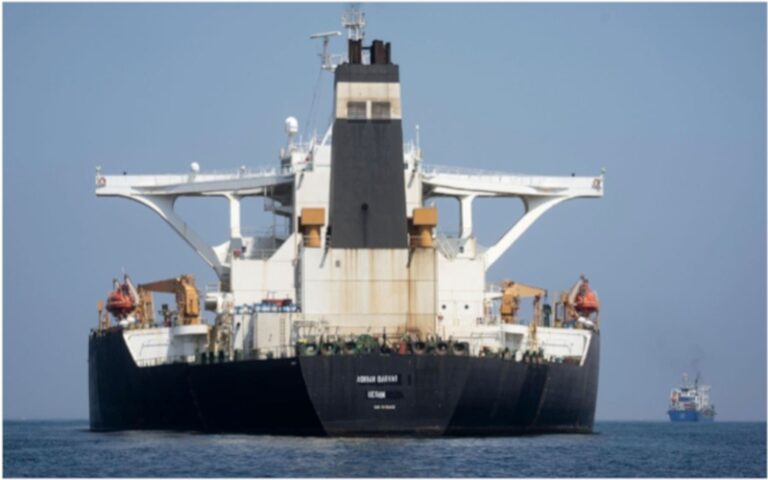
Data from Kpler, a global shipping-analytics firm, shows that the volume of Iranian crude stored on floating tankers has reached 52 million barrels, the highest level in two and a half years, indicating falling demand from its main buyer, China.

According to Bloomberg, nearly half of this oil is located near Malaysia.

The report, published on Tuesday, November 25, stated that this amount is nearly twice the volume stored one month ago and far above the five to 10 million barrels stored on floating tankers in January.

Indonesia To Auction Seized Iranian Oil Tanker Carrying 1.2 Million Barrels of Crude Oil

The buildup of cargoes has increased the discounts on grades such as Iran’s light crude.

Traders familiar with the market—who requested anonymity due to the sensitivity of the dealings—have said that the discount has reached as much as eight dollars below Brent crude, whereas three months earlier it had been about four dollars.

On September 17, Reuters reported—citing six commercial sources—that the Iranian regime has been selling oil to small Chinese refineries (known as “teapots”) at deeper discounts. Iran’s stored oil volumes in China have reached a new record, while end-of-year import-quota restrictions have increased, prompting the regime to offer even steeper discounts.

According to that report, the discount on Iran’s light crude for October cargoes exceeded six dollars per barrel relative to Brent. Two weeks earlier it had been around five dollars, and in March roughly three dollars.

OilPrice.com also reported on August 9 that despite the tempting discounts, Chinese buyers were not purchasing Iran’s oil, leaving more than 30 million barrels stranded near Malaysia.

Despite sanctions, until the start of Donald Trump’s second presidential term in January 2025, some small Chinese “teapot” refineries continued buying Iranian oil because of the regime’s extremely high discounts. But once Trump took office, this pattern gradually became disrupted.

According to Kpler data from that period, Iran’s floating crude inventories rose from nine million barrels in mid-January to 33.4 million barrels in early August.

Most of these stranded tankers are anchored in the waters of Singapore and Malaysia—key hubs for Iran’s ship-to-ship transfer operations—and storing such large volumes at sea imposes heavy costs on the Iranian regime.

Additionally, following the twelve-day conflict, Iran’s regime, fearing strikes on its onshore oil storage facilities, has moved a large portion of its stored oil onto tankers.

Chinese “teapots”

Under sanctions, the main buyers of the Iranian regime’s oil were China’s small independent refineries, known as “teapots.”

Iranian Oil Discounts to China Reach Highest Level in Over a Year

From the outset of his term, the Trump administration imposed unusually strict pressure on buyers of the regime’s oil.

Malaysia has also come under U.S. pressure to crack down on the accumulation of Iranian oil in its waters.

Air Pollution Among Five Leading Causes of Death in Iran

0

Abbas Shahsavani, a faculty member at Beheshti University of Medical Sciences, stated that the number of polluted days and deaths attributed to air pollution has been rising year after year, placing air pollution among the five leading causes of death in the country.

On Tuesday, November 25, Shahsavani told the state-run Tasnim News Agency that the number of “unhealthy for all groups” days has tripled this year.

According to his data, from the start of the year (March 21) through November 23, the number of “unhealthy for sensitive groups” days in Tehran has increased by about 40% compared to the same period last year.

Iran’s Power Plants Burning Mazut Despite Ongoing Air Pollution

The number of “unhealthy for all groups” days in the capital has also tripled compared to 2024.

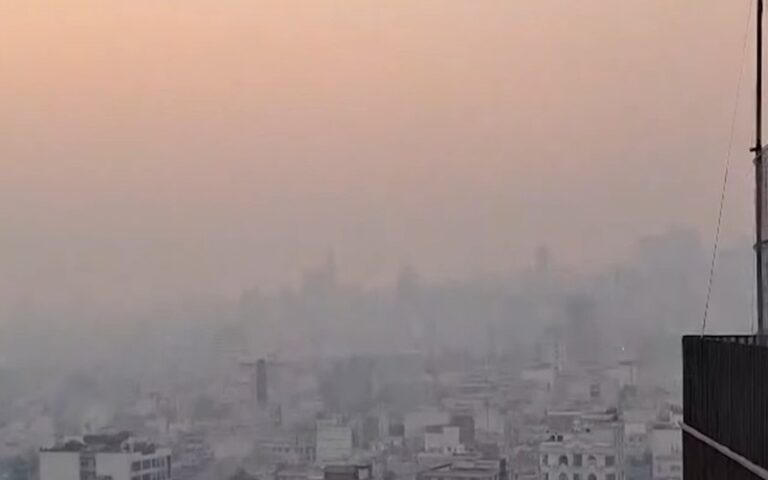
Reports indicate that on November 25, Tehran’s air quality reached the red zone, hazardous for everyone.

In recent weeks, the capital and other cities across Iran have consistently been in the orange or red zones.

On November 25, the air quality in Karaj, Qazvin, Ahvaz, Isfahan, Urmia, and Zanjan also reached the red and hazardous level for all individuals.

Due to worsening air pollution and a surge in influenza, schools in seventeen provinces were closed or switched to online classes on November 25 and 26.

These provinces include East Azerbaijan, West Azerbaijan, Isfahan, Alborz, Tehran, South Khorasan, Razavi Khorasan, North Khorasan, Khuzestan, Zanjan, Sistan and Baluchestan, Qazvin, Kerman, Lorestan, Markazi, Hamedan, and Yazd.

Air pollution as a major driver of fatal illnesses in Iran

Air pollution does not only cause coughing, wheezing, or eye irritation; it also leads to more severe consequences, including respiratory diseases such as chronic bronchitis and asthma, increased risk of cognitive decline and Alzheimer’s, and even death.

The Beheshti University faculty member told Tasnim that 45% of deaths from chronic obstructive pulmonary disease, 30% of deaths linked to heart disease and cardiac arrest, 28% of deaths caused by strokes, and 20% of diabetes-related deaths in Iran are attributed to air pollution.

Air Pollution in Several Major Iranian Cities May Reach Dangerous Levels

According to Shahsouni, 24% of lung cancer deaths and 23% of deaths caused by lower respiratory infections are also due to air pollution.

Overall, based on data provided by this Health Ministry official, around 54,000 deaths were attributed to air pollution in 2024, making it one of the five leading causes of death in Iran.

Shahsouni said the number of air-pollution-related deaths for 2025 cannot yet be estimated, but since polluted days are more numerous this year, the number of attributed deaths will naturally be higher.

In recent months, varying reports on the number of air pollution victims in Iran during 2024 have been published, sometimes with significant discrepancies.

Alireza Raisi, the deputy health minister of Iran’s regime, announced in early November that around 59,000 people had died due to air pollution, although earlier, in August, Shahsouni had put the figure at “more than 35,000.”

Iran’s Regime Is Clearing One of Its Nuclear Facilities, Study Shows

0

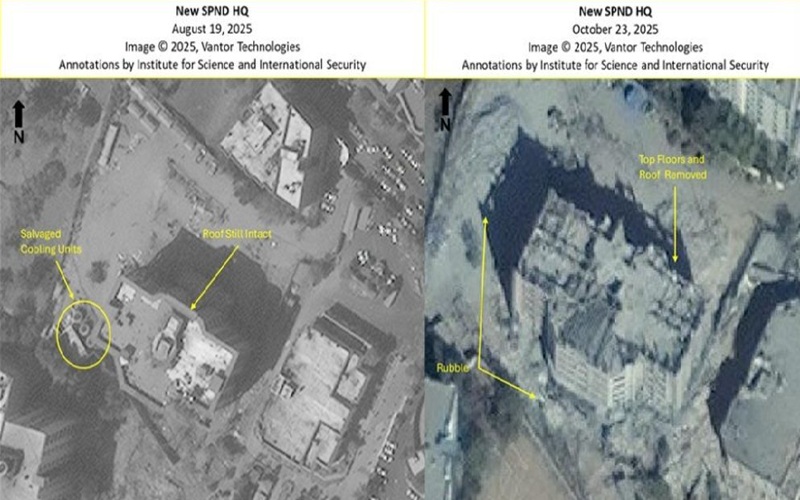
Five months after the end of the twelve-day war, the Institute for Science and International Security announced—based on satellite imagery—that Iran’s regime is carrying out a cleanup operation at the new headquarters of the Defense Ministry’s Organization of Defensive Innovation and Research (SPND), which is responsible for weaponizing Iran’s nuclear program.

The National Council of Resistance of Iran-U.S. Representative Office (NCRI-US) held a press conference on January 31, unveiling new intelligence that Tehran is actively advancing its nuclear warhead development program.

Tehran Advances Nuclear Weapons Program with Covert Russian Assistance

The intelligence outlines how the Iranian regime is focusing on the development of nuclear warheads for solid-fuel missiles at the Shahrud missile site. This effort is spearheaded by the Organization for Advanced Defense Research (SPND), which oversees Iran’s nuclear weapons program.

The Washington-based institute wrote in its latest report on uranium-enrichment facilities in Iran—which were attacked during the twelve-day war—that SPND moved to a new building in 2013 but continued its key operations at the Lavizan-2 complex.

Source: Institute for Science and International Security

The new headquarters was located one and a half kilometers from the previous Lavizan-2 site, on Fakhrizadeh Street in Tehran.

According to the institute, the International Atomic Energy Agency never inspected this building, and it appears to have been targeted multiple times in airstrikes.

On June 20, the Israeli military announced that in its overnight strikes on Iran, it had targeted, among other sites, the central SPND building in Tehran.

This institution was established by Mohsen Fakhrizadeh to research and develop advanced technologies and weaponry for the Iranian regime’s military capabilities. Fakhrizadeh, a key figure in the regime’s nuclear program, was killed in 2020.

During the twelve-day war, seven B-2 bombers took off from Whiteman Air Force Base in the United States as part of “Operation Midnight Hammer” and struck the regime’s nuclear sites.

Since then, Donald Trump has described the operation as successful and stated that these facilities were destroyed.

Nevertheless, after the attack, Ali Khamenei, the leader of Iran’s regime, defended the policy of domestic enrichment inside Iran.

The SPND building became unusable

The institute emphasized that the new SPND headquarters never collapsed but was likely severely damaged internally and ultimately rendered unusable.

Based on satellite images from the company Ventour, the institute wrote that between August 19 and October 23 Iran has been demolishing the building; its roof and upper floors have been removed, and large piles of debris surround the structure.

According to the report, it is unclear how long full demolition will take, but it is evident that officials of the Iranian regime are salvaging remaining equipment from the building, including three cooling units that no longer appear in the latest images.

The clearing of the main SPND building follows an August 27 report by the institute stating that Iran’s regime was also wiping away traces of nuclear activity at the Lavizan site.

Destruction of one copy of Iran’s nuclear archive

The institute reported that the bombing destroyed one copy of Iran’s nuclear archive—a collection of key documents related to nuclear activities that included details on past weapons-development work and likely contained additional, more recent and critical data on the development, testing, and production of nuclear weapons.

The institute raised the key question of whether other copies of this archive exist.

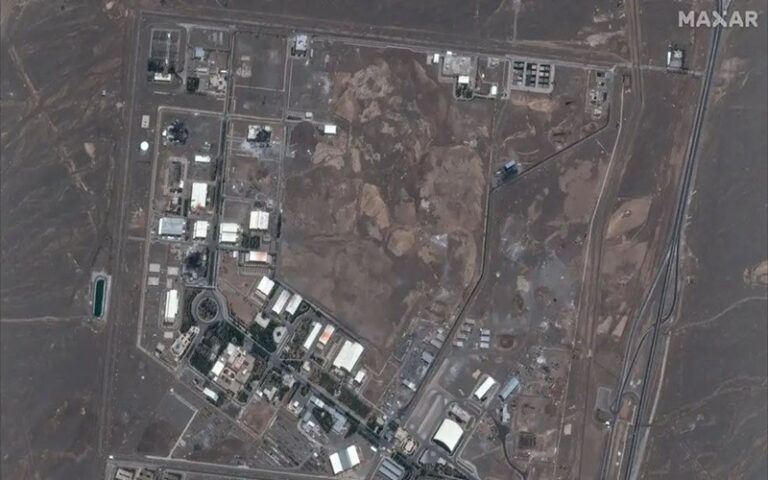
The institute also wrote in its new report that the main nuclear sites at Fordow, Natanz, and Isfahan have been largely destroyed, and no significant activity has been observed at them since the war.

The institute emphasized that unlike the enrichment sites that were attacked, several locations connected to “nuclear weaponization”—such as the main SPND building—show extensive signs of cleanup efforts.

Furthermore, the fate and status of enriched-uranium stockpiles—particularly the 60% enriched stock—remain unknown, and Iran’s regime has refused to grant the IAEA access for verification.

Rebuilding the destroyed capability is difficult

The institute wrote that without access to the sites and without up-to-date information from Iran, the IAEA has been forced to rely on satellite imagery—although such images reveal only part of the reality.

X’s New Feature Reveals Iranian Regime Officials Enjoy Privileged Internet Access

0

A new feature introduced by platform X that displays the location used to create and log into user accounts has triggered widespread reactions. Officials of Iran’s regime continue to insist on internet censorship, even though they themselves enjoy unrestricted access.

X has recently introduced a feature that reveals the IP address used to create an account, as well as the country and method currently being used to access it.

In Iran, however, the X platform—like many other social networks—has long been blocked by the regime, forcing users to rely on VPNs to access it.

For this reason, the new feature on X does not display Iran as the access location for most domestic users, since they connect through VPNs and foreign servers.

What has triggered widespread public outrage in Iran is that the feature still shows Iran as the access location for a number of regime officials, political figures, and state-aligned media personalities.

Critics say this shows they are using unrestricted access—known as “tiered internet” and “white SIM cards”—which are exempt from censorship.

Public outrage over privileged internet access for regime-affiliated users

For example, the data show that Amirhossein Sabeti, a member of the regime’s parliament and a staunch supporter of compulsory hijab and filtering, uses an American smartphone and unrestricted “white” internet access.

Observers say these “white SIM cards” are issued by the Intelligence Ministry and the IRGC Intelligence Organization to regime-affiliated figures, enabling them to operate online without censorship in support of Iran’s regime.

It has also become apparent that many accounts claiming to be regime opponents based abroad are actually being operated from inside Iran.

The UK Defence Journal, citing the new account-location data from platform X, reported that several prominent pro-Scottish-independence accounts—claiming to be Scottish activists—are actually run from inside Iran.

The UK Defence Journal wrote that some of these accounts briefly expressed support for Iran’s regime during the twelve-day war between Iran’s regime and Israel.

However, when Iran’s regime shut down the internet nationwide during the war, activity on these accounts stopped at the exact same time.

Poverty Has Removed Meat Consumption from Tables in Iran

An analysis of global data shows that the people of Iran, due to the Iranian regime’s bankrupt economic policies, rank at the bottom of global meat-consumption levels.

Analytical reports based on data from international organizations show that per-capita meat consumption in Iran has fallen to one of the lowest levels globally. While many countries have stable access to adequate animal protein, people in Iran—under economic pressure and the regime’s destructive policies—have been forced to remove meat from their diets.

Red Meat Consumption In Iran Has Fallen Below 600,000 Tons Per Year

Statistical Comparison of Meat Consumption in Iran and Other Countries

According to statistics published by the United Nations, people in Tonga consume an average of 148 kilograms of meat annually, with Mongolia ranking second at 132 kilograms. Meat consumption in the United States and Hong Kong stands at about 123 kilograms.

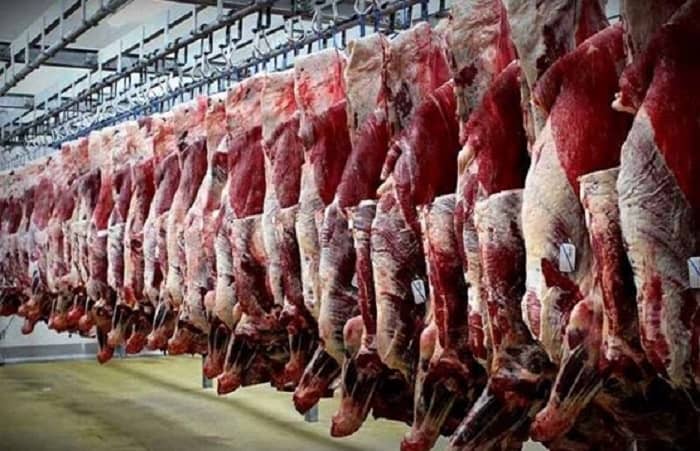
People in Iran, at about 32 kilograms per year in 2022, are at the bottom of the global meat-consumption table, and new reports indicate an even steeper decline.

Meat Disappearing from the Diet of People in Iran

Domestic and field data show that actual meat consumption in Iran has dropped to about 29 kilograms per year, and some reports indicate it has fallen to as low as seven kilograms. The situation for red meat is even worse: runaway inflation and collapsing purchasing power have reduced red-meat consumption to less than one kilogram per year. For many workers and low-income families, meat has effectively disappeared from the diet. This collapse in consumption is a clear indicator of how Ali Khamenei’s regime has destroyed the economy, prioritizing repression and security expenses over people’s livelihood.

The Role of the Iranian Regime’s Destructive Policies

The economic policies of Iran’s regime—from inflation above 40% to structural mismanagement—are the primary drivers of collapsing meat consumption. Constant price increases and the absence of social support have deprived people of access to animal protein. In countries with healthy economies, from the United States to Turkey, meat is naturally part of the standard diet, but the Iranian regime, through incompetence and widespread corruption, has pushed people into chronic food insecurity.

Regional Comparison and Social Consequences

A comparison of meat consumption between Iran and neighboring countries provides a clear picture: Turkey consumes nearly twice as much meat as Iran. This gap is not merely the result of cultural differences; it is the outcome of economic destruction within Iran.

Indonesia To Auction Seized Iranian Oil Tanker Carrying 1.2 Million Barrels of Crude Oil

The Indonesian prosecutor’s office announced that starting December 2, it will launch an auction to sell an Iranian oil tanker and its massive crude oil cargo. The case began after the ship’s captain was convicted of “marine pollution and illegal oil transfer.”

The Jakarta Globe, citing the Indonesian prosecutor’s office, reported that the tanker MT Arman 114, flying the Iranian flag, will be auctioned along with 166,975 tons of light crude oil (equivalent to 1.2 million barrels).

IRGC Seizes Oil Tanker in Persian Gulf Waters

The starting value of the auction has been set at about USD 70 million, and bidders must pay USD 7 million as a participation deposit.

The Marine Pollution Case and the Confiscation Order

The spokesperson for the Indonesian prosecutor’s office announced on Sunday, November 23, that the auction includes both the vessel and its oil cargo.

The Arman 114 tanker, built in South Korea in 1997, was seized under an order issued by the Batam district court and transferred to state ownership.

In July 2023, the Indonesian Maritime Security Agency announced that the vessel had tampered with its automatic identification system (AIS) to show its position as being in the Red Sea while it was actually in the North Natuna Sea.

According to this state agency, the Egyptian captain, twenty-eight crew members, and three passengers on the tanker were arrested at the time.

The seizure followed the captain’s conviction for illegally discharging waste into the sea.

He has been sentenced to seven years in prison and fined USD 300,000.

Violation: Radar Off and Ship-to-Ship Oil Transfer

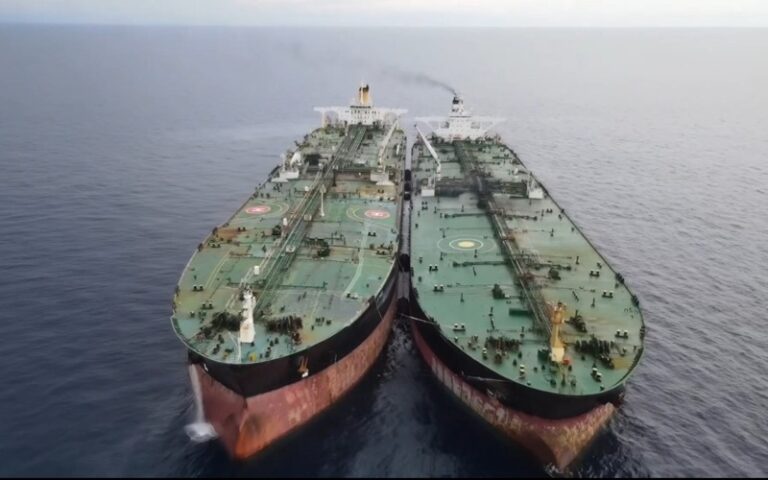
The investigation began when a patrol from the Indonesian Maritime Security Agency identified two tankers that had turned off their AIS systems and were docked side by side.

Drone images showed the two vessels connected by a pipeline.

The images also confirmed an oil leak from the Arman 114 into the sea.

According to the Indonesian prosecutor’s office, the illegal ship-to-ship (STS) oil transfer took place between the Iranian tanker and the Cameroon-flagged tanker MT S Tinos.

This is not the first time Indonesia has seized tankers carrying Iranian oil for maritime violations, but the simultaneous auction of both the vessel and its large cargo makes this case one of Jakarta’s most significant actions against Iranian tankers in recent years.

Iran’s ‘No to Executions Tuesdays’ Campaign Expands to 55 Prisons on 96th Week

0

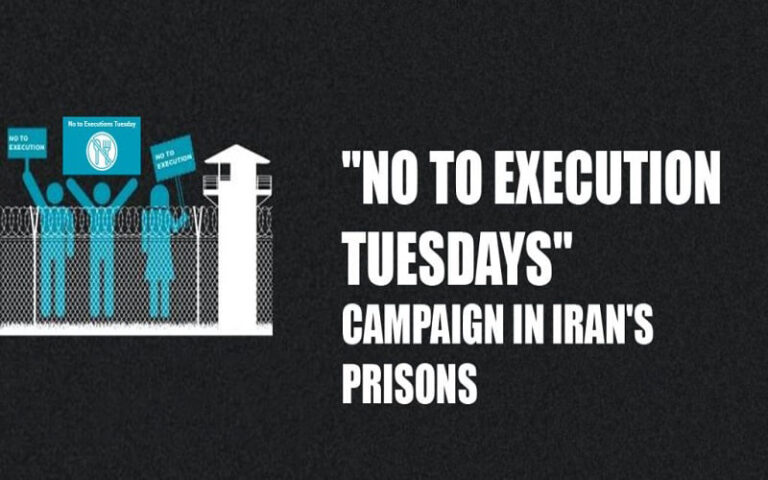
According to reports, the “No to Executions Tuesdays” campaign continued today, November 25, 2025, and with the participation of Birjand Central Prison, the number of prisons joining the hunger-strike campaign reached fifty-five. The participating prisons, in their statement, voiced support for the protests of families of death-row prisoners and called on all people to support them.

Text of the “No to Executions Tuesdays” Campaign Statement

With Birjand Central Prison joining, the “No to Executions Tuesdays” campaign expanded to fifty-five prisons in its ninety-sixth week.

Iran: 304 Executions in One Month, 1,735 In 2025 So Far

The 96th week of the “No to Executions Tuesdays” campaign arrives at a time when the repressive apparatus in Iran has escalated executions at an unprecedented pace in order to preserve itself. The expanding scope of executions, the absence of fair trials, and the systematic use of executions as a tool for intimidation constitute a blatant violation of fundamental human rights and a clear example of crimes against humanity.

This week, Birjand Central Prison joined the 54 other prisons sending the message of “No to Executions” from behind prison walls.

This week, the passage of the seventy-second United Nations resolution condemning human-rights violations in Iran recognized two decisive legal truths:

1: recognition of the 1988 massacre and concern over its recurrence

2: condemnation of the unprecedented pace of executions and the regime’s use of executions as an instrument of intimidation and repression

Nevertheless, the regime continues its executions and killings. The death sentence issued for Mohammad-Mehdi Soleimani—one of those arrested during the 2022 uprising—is not an exception but part of a consistent pattern of eliminating protesters through a politically driven and invalid judicial process. Between October 23 and November 21 alone, there were 311 executions, a number unprecedented since the 1988 massacre. Additionally, 59 people have been executed since last week, and 1,479 people have been executed since March 21.

The families of prisoners sentenced to death, despite threats, summons, arrests, and security pressures, continue to stand in the streets week after week to defend the lives of their loved ones. This protest requires widespread support from the public and the international community.

On Tuesday, November 25, the “No to Executions Tuesdays” campaign entered its 96th week, with prisoners in fifty-five prisons across the country participating in a hunger strike.

Iran: 304 Executions in One Month, 1,735 In 2025 So Far

Executions by Iran’s regime have reached an unprecedented level. According to reports, at least 304 prisoners were executed in various prisons across the country between October 23 and November 21 (the Persian month of Aban); a figure that is assessed to be the highest monthly number of executions in the past thirty-seven years. Observers say this sudden and relentless surge in executions is the regime’s response to growing concerns about the formation of social protests and a popular uprising.

According to officially reported figures, 36 prisoners were executed over four days from Monday, November 17 to Thursday, November 20; in other words, during that period roughly one execution was carried out every ninety minutes. The executions continued on November 22 as well, and at least eight more prisoners were hanged in the prisons of Kermanshah, Karaj, Khorramabad, Borujerd, Hamedan, and Sari.

Life Of Political Prisoner Ehsan Faridi Is in Danger

A look at monthly execution statistics in Iran

According to data from the Iran Human Rights Society (an Iran-focused human rights organization), executions have been rising at an unprecedented rate since March 21, 2025 (Farvardin 1 in the Iranian calendar).

Thus, the total number of executions from March 21, 2025 to the present has exceeded 1,470. At the same time, the tally for the calendar year is also notable: the website Sedaye Bazdasht Shodegan Iran (Voices of the Arrested in Iran), an activist monitoring site, has reported that approximately 1,735 executions have been recorded in the country so far in 2025.

The reports by this organization are based on field documentation and information obtained from inside prisons, courts, and prisoners’ families. The data also indicate that a significant portion of the executions were carried out in provinces such as Khorasan, Azerbaijan, Semnan, Yazd, Hamedan, and Zanjan, and that many of the victims were put to death shortly after sentencing, without public notification and without full access to the ability to defend themselves.

The National Council of Resistance of Iran (NCRI) issued a statement warning about the wave of executions and stressed that the accelerating implementation of death sentences is not a sign of strength but a clear reflection of the regime’s fear of the recurrence of widespread popular protests.

The council emphasized that “Silence, inaction, and dealing and negotiating with the godfather of execution and terrorism in the 21st century violate the universal principles of human rights, which were achieved at the cost of millions of victims. This regime must be ostracized from the international community, and its ringleaders must be brought to justice for nearly five decades of crimes against humanity and genocide.”

The increase in executions in Iran continues despite repeated warnings from international bodies, UN special rapporteurs, and dozens of human rights organizations about widespread violations of prisoners’ rights, lack of fair trials, and the use of execution as a tool of political repression. Nevertheless, the new information indicates that Iran’s regime has turned the enforcement of death sentences into a more central component of its domestic security policy than before.

Life Of Political Prisoner Ehsan Faridi Is in Danger

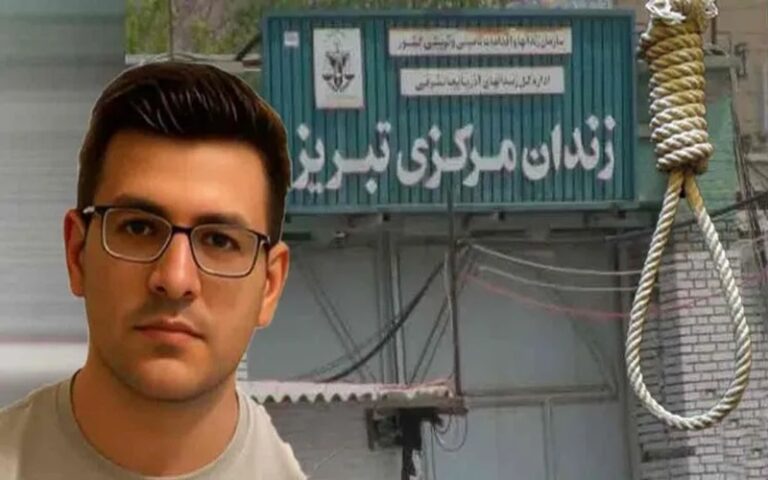
A group of political prisoners involved in the “Tuesdays No to Execution” campaign in Ghezel Hesar Prison warned in a letter that the life of Ehsan Faridi, a twenty-two-year-old student and political prisoner sentenced to death, is in serious danger.

The letter states that Faridi is “yet another victim of the regime’s brutality, which has intensified after the twelve-day war.”

The signatories of the letter described Faridi’s arrest process as “illegal,” his trial as “unfair,” and his appeal hearing as entirely “formalistic,” warning that his life is in grave danger.

These prisoners described the confirmation of Faridi’s death sentence as “an alarm bell” for all human rights activists and urged them, given the situation, to organize “serious and widespread activity” to “save the life of this innocent human being” and other death-row prisoners.

Iran’s Regime Continue Execution Spree With 13 Hangings in Four Days

Mahmoud Behzadi-Rad, Faridi’s lawyer, said on October 22 that he submitted a request for retrial on October 14, it was sent to the branch on October 15, and was rejected at 12:50 p.m.

The attorney added: “They probably did not even read my eight-page retrial request. I suspect they are dismissing many cases without attention at the end of the month to raise statistics so that benefits will be given to the staff of that branch.”

In the rest of their letter, the prisoners of the “No to Execution Tuesdays” campaign emphasized the need to bring the voices of death-row prisoners to public attention: “We must all be the voice of the voiceless, and we must not stop our efforts until this cruel death sentence is abolished and all innocent convicts are saved.”

In conclusion, these prisoners called on all freedom-seekers not to remain indifferent to the confirmation of Faridi’s death sentence and to bring his story of innocence to the world.

Faridi was first arrested in March 2024 by the Intelligence Organization of Iran’s police force and was released on bail some time later. In June 2024, when he went to Branch 15 of the Tabriz Prosecutor’s Office for questioning, he was arrested again and transferred to prison.

This political prisoner was sentenced to death in February 2025 by Ali Sheikhlou, head of Branch Three of the Tabriz Revolutionary Court. The sentence has been upheld by the Supreme Court at least three times.

On November 12, Faridi’s family announced in an Instagram video that they had met their son behind the bars of the prison visit area.

Parvin Hayati, the mother of this political prisoner, wrote in the caption of the video: “As a mother, I have a question. Is the place of Ehsan and others like him behind prison bars? And for what crime such a sentence?”

Alireza Faridi, his father, also said in an interview: “The prosecutor who drafted the indictment, Seyed Ali Mousavi-Aghdam, was later dismissed for forming a corruption ring. How can my son be sentenced to ‘corruption on earth’ based on an indictment issued by someone removed for corruption? My son does not deserve such a sentence.”

At present, in addition to prisoners convicted of non-political crimes who are hanged daily in Iran’s prisons, about 70 prisoners across the country with political charges are at risk of confirmation or implementation of their death sentences.

More than 100 others with similar charges are facing the risk of receiving death sentences.