


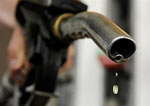
 Reuters: Iran plans to cut rationed subsidised gasoline after the implementation of the country’s subsidy reform plan, the official IRNA news agency quoted a senior official as saying on Sunday.
TEHRAN (Reuters) – Iran plans to cut rationed subsidised gasoline after the implementation of the country’s subsidy reform plan, the official IRNA news agency quoted a senior official as saying on Sunday.
Iran said last month it would start cutting government subsidies on many staples, including food and fuel from the second half of the Iranian year, which started on March 21.
“After the implementation of the subsidy plan, gasoline will be sold on free market price,” said Mohammad Rouyanian, head of Iran’s Transportation and Fuel Management Office.
Under the rationing scheme, introduced in 2007, a motorist can buy 60 litres of subsidised fuel per month for just 1,000 rials per litre (around $0.11), and beyond that amount they have to pay a “semi-subsidised” price of 4,000 rials.
Subsidising gasoline ignited riots in Iran.
President Mahmoud Ahmadinejad, re-elected in a disputed vote last year, hopes to save the state billions and stimulate the economy by carrying out the subsidy plan.
Analysts say implementation of the plan could fuel inflation and revive anti-government protests, which jolted the country after the presidential vote, which the opposition says was rigged.
Rouyanian did not say how much free market price for gasoline would be but some newspapers have suggested a price of 5,000 rials per liter.
Oil ministry officials were not available to comment.
By trying to reduce domestic gasoline consumption, Iran is aiming to limit its vulnerability to fresh UN sanctions on the energy sector, including gasoline imports, over its disputed nuclear programme.
The West fears Iran’s nuclear work is a front to acquire arms and has repeatedly demanded Iran halt its sensitive nuclear activities. Tehran insists its nuclear work is aimed at generating power to meet the country’s booming demand.
Iran, one of the world’s biggest oil and gas producers, imports around a third of its gasoline consumption needs due to lack of refining capacity. The Islamic state’s energy sector has been hit by U.S. and UN sanctions that have frightened away international energy firms from investing in the country.
(Writing by Ramin Mostafavi; editing by Karen Foster)


