

House Rent Prices at Record High in Iran
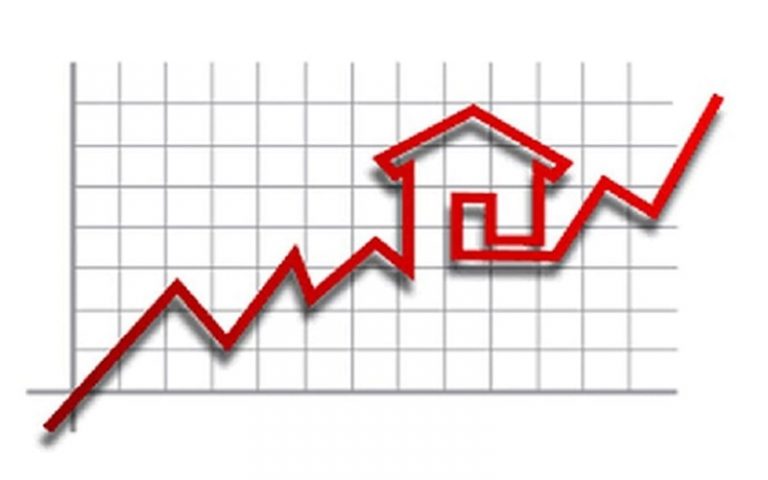
After claims by Ehsan Khandouzi, the Minister of Economy of the Iranian regime, regarding the government’s optimal performance in the area of rental rates, the state-run Donya-e-Eqtesad newspaper questioned this claim in a report, stating that investigations show, “In the thirteenth government, the housing rental market has recorded the highest growth in rental rates in history, according to official rental data.”
According to an April 17 report by Donya-e-Eqtesad, official figures related to housing rent inflation in Tehran indicate that from 2021 to the end of 2023, “rents increased annually by 45 percent, 44 percent, and 52 percent respectively.”
The report emphasized that the “most inflamed period of tenancy” has been during the presidency of Ebrahim Raisi, and judgment based on “official data” shows that this government has not succeeded in “regulating rental rates.”
In this context, in November 2023, Iranian media, citing official statistics published in this section, emphasized that the contracts of tenants in 2023 saw a 55 percent increase compared to the previous year, which is more than twice the “historical average of this rate.”
Donya-e-Eqtesad had also written at that time that in the past four and a half years, the rate of increase in rental costs in Tehran has been higher than the rate of increase in prices of other household items.
According to this report, the increase in rental rates has been affected by the increase in housing prices, which has also led to the disruption of housing market rules.
In the same vein, on November 6, 2023, Donya-e-Eqtesad wrote that statistics indicate a record registration of residence in houses up to 40 square meters in the capital during the current year.
The report stated that the share of “very small” houses of up to 40 square meters in Tehran’s transactions has increased from 3.3 percent in 2018 to over 5.2 percent.
The critical conditions of housing and rental rates have also been evident in the official reports of government centers, to the extent that the Majlis (parliament) Research Center also referred to the issue of increasing evictions from the housing market in August 2023 in a report and wrote that deciles one to three are not absolutely able to provide the necessary housing for their residence, and even some of the sixth decile are “relatively” unable to provide the housing needed for their residence.
Why Nurses in Iran Migrate or Commit Suicide
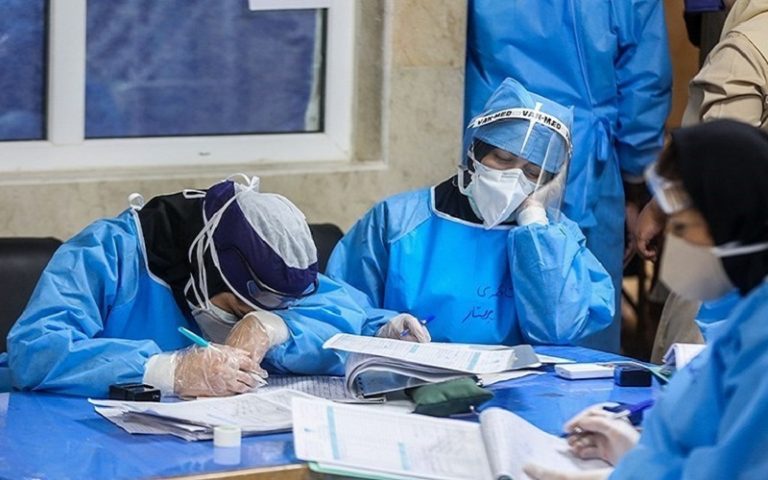
This year, the issue of suicide among Iran’s healthcare personnel resurfaced with the death of a young cardiac specialist in the third week of March and a nurse in Kermanshah. It is said that, due to not renewing her contract and psychological pressures, she ended her life. The exact number of nurse suicides is not officially known, but the number is alarming. Work-related and psychological pressures on healthcare staff are among the main reasons for suicides.
This comes despite severe shortages of nurses in hospitals, where short-term contracts of 89 days are signed with them. Such contracts deprive nurses of many of their rights and future claims if they become unemployed, and they refer to these contracts as “seasonal workers”.
Mohammad Sharifi Moghadam, the secretary-general of the Iranian regime’s Nurses’ House, described the number of young nurse deaths in 2023 as high, but did not provide statistics. He believes that the field is narrow for nurses, and all officials are responsible for creating such an environment.
Fariborz Dartaaj, the head of the Iranian Educational Psychology Association, described the situation of nurses as stressful due to the nature of their job and cited a study conducted among nurses in Malayer city in 2021, stating, “15.38% of nurses had moderate to severe depression, and 46.47% had moderate to severe anxiety. 27.56% had suicidal thoughts, and 9.94% were ready to commit suicide.”
Hospitals without nurses
According to the World Bank, there are two active nurses per thousand people in Iran. This information is obtained from the World Health Organization’s global health workforce statistics and the Organization for Economic Cooperation and Development (OECD). The World Bank warns that the shortage of nurses is a growing health hazard in many countries. A nurse at a public hospital says nurses work 44 hours a week or 175 hours a month, but due to the shortage of staff in most centers, nurses are forced to work about 300 to 400 hours. Overtime compensation for nurses in government hospitals is calculated at 200,000 rials (approximately $0.3) per hour and for contract nurses at 14,800 rials (approximately $0.22) per hour. In November 2023, the secretary-general of the Nurses’ House announced, “Patients lose their lives due to a shortage of nurses. Over 3,000 nurses emigrate from the country annually, but the Ministry of Health does not even add this amount to the healthcare staff.” In the summer of 2021, the head of the Iranian Nursing Organization said, “Despite 20,000-30,000 unemployed nurses in the country, we are facing a shortage of over 100,000 nurses.” An 89-day contract means the minimum rights and benefits and being placed in precarious and unsafe conditions. If this contract is 90 days or longer, the nurse can claim rights and benefits according to labor laws, but an 89-day contract can be repeated several times, each time for 89 days, so the nurse has no legal recourse for job security. The base salary of an official nurse with five years of experience is 130 million rials (approximately $198), which reaches about 150 to 160 million rials (approximately $228 to $243) including benefits. However, the salaries of contractual nurses are much lower than this amount. Sharifi Moghadam, the secretary-general of the Nurses’ House, says that the determination of tariffs, changing the status and recruitment of nurses, receiving shortages, mandatory overtime with very low wages, and delayed payments in some hospitals are major problems for nurses, and nurses usually face requests and threats of dismissal if they object to such situations. According to the secretary-general of the Nurses’ House, the nursing community in Iran has been severely crisis-ridden, and no official pays attention to this situation.Farmers Resume Protests in Isfahan, Education Workers Protest Low Wages

Economic protests in Iran on Monday, April 15, continued with farmers gathering in Isfahan province (central Iran) and school janitors protesting in Khomeinishahr (Isfahan province).
According to reports on Monday, April 15, a group of farmers from the east and west of Isfahan once again gathered in protest of the authorities’ failure to fulfill promises to reopen the Zayandeh Rud river at Khorasgan Square.
The protesting farmers parked their tractors at Khorasgan Square and went on strike in this location; a trend that has also occurred in recent days.
Some sources have referred to this round of farmer protests as a result of their “water rights being usurped” by “government entities.”
In the city of Varzaneh, Isfahan province, protesting farmers lined up their tractors in protest of the violation of their water rights and “in hopes of securing a continuous water supply.”
A group of service personnel and school janitors in the fifth district of Isfahan as well as in Khomeinishahr of this province gathered on Monday in protest of their economic situation.
The gathering of educational service personnel in protest of “below poverty line” wages of less than “100 million rials (approximately $150)” and “empty tables and broken promises” has occurred.
About 10,000 retired teachers, mostly “employees of the education sector who retired in 2021,” have been gathering since Sunday, April 14, in front of the Planning and Budget Organization.
This round of teacher protests was sparked by demands including “prompt payment of overdue bonuses, which have been delayed for 31 months,” “amendment of their retirement benefits based on the implementation guidelines for adjusting retirement benefits by 90% according to ranking,” “prompt payment of 30 months of overdue retirement benefits from October 2021 to March 2024,” and “payment of ranking-related arrears for the time they served, which has been more than two years.”
These retirees insist on their rights and demand quick reforms,” and the authorities of the Planning and Budget Organization, the Ministry of Education, and the National Retirement Organization have promised that “the problem of these retired educators will be addressed as soon as possible.”
According to the Retirees Council of Iran, in Qazvin, a large number of victims of the Taravat Novin Reyhan Tak company staged a rally in the central streets of this city, demanding the dismissal of Hossein Rajabi, the prosecutor of Qazvin, with slogans of “Corrupt Prosecutor, We Don’t Want You.”
Retirees of the Social Security Organization in this city gathered in protest of the “poor economic situation and the non-fulfillment of their demands” in front of the building of this organization and staged a rally.
Fluctuations in the foreign exchange and gold markets in recent days have exacerbated the economic concerns of workers. In this regard, a member of the Supreme Council of Workers’ Representatives has stated that without these changes, a 35% increase in wages would have no impact on people’s purchasing power.
According to previous reports, the dollar wage value in Iran has dropped from $136 in the third week of March to $119 in the second week of April.
Iran’s Rial Drops to Record Low After Attack Against Israel
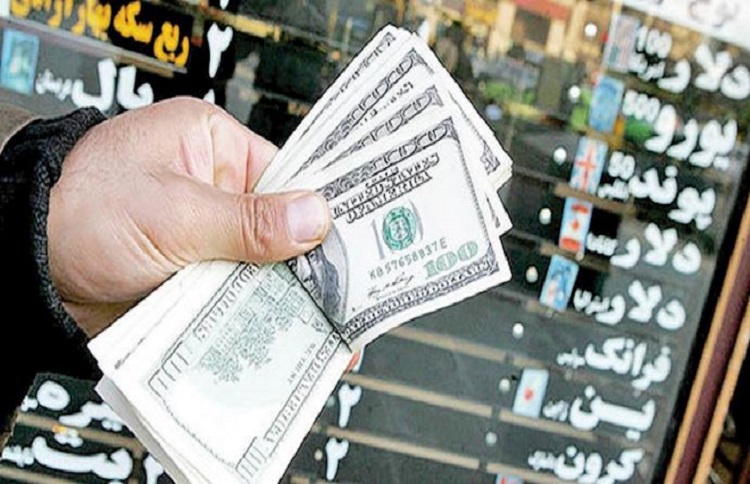
The exchange rate of the US dollar in the Iranian free market experienced a surge of over four percent compared to the previous day following the Iranian regime’s attack on Israeli soil, reaching as high as 700,000 rials for a short period on Sunday morning, April 14.
Since Israel’s attack on the Iranian consulate in Damascus on April 1 and the Iranian regime’s threats against the country, the dollar rate against the Iranian rial has surged by approximately 15 percent.
From Saturday morning until afternoon, amidst heightened warnings of Iran’s imminent attack on Israel, the dollar experienced a jump of around 14,000 rials, and after these threats materialized, it grew by an additional 37,500 rials.
According to the latest statistics, the price of the US dollar in the Iranian market has now dropped below 700,000 rials and reached over 675,000 rials.
The depreciation of the Iranian rial has accelerated since last winter, and over the past four months, Iran’s currency has lost more than one-fourth of its value. However, in the past two weeks, the decline in the value of the national currency has intensified.
Mohammad Reza Farzin, the regime’s head of the Central Bank of Iran, recently broke his silence to claim that the country’s economy has no involvement in the exchange rate in the free market and that only “smuggled” goods are imported into the country with free currency.
His statements come amid a flurry of reports in recent days about the repercussions of the exchange rate surge on the economy, trade, and commodity prices, from the suspension of the government’s housing plan to the consecutive record-breaking prices of various coins and the inflation of goods with currency fluctuations.
In this regard, Reza Kangari, the head of the Food Bankers Union of Tehran Province, announced on April 9: “In the past two weeks, we have had a 30 percent increase in the prices of food items, especially in the field of legumes, the currency problem has caused a 50 percent increase in prices.”
While the regime’s president, Ebrahim Raisi, had promised to preserve the value of the rial, control inflation, and halt government borrowing during his election campaigns, official statistics from the regime’s Central Bank show that since the start of Raisi’s government in winter, government borrowing from banks has doubled, the Iranian rial has lost 65 percent of its value, and the prices of goods, especially food items, have increased two-and-a-half to threefold.
Iran’s Regime Seizes Ship in Hormuz Strait
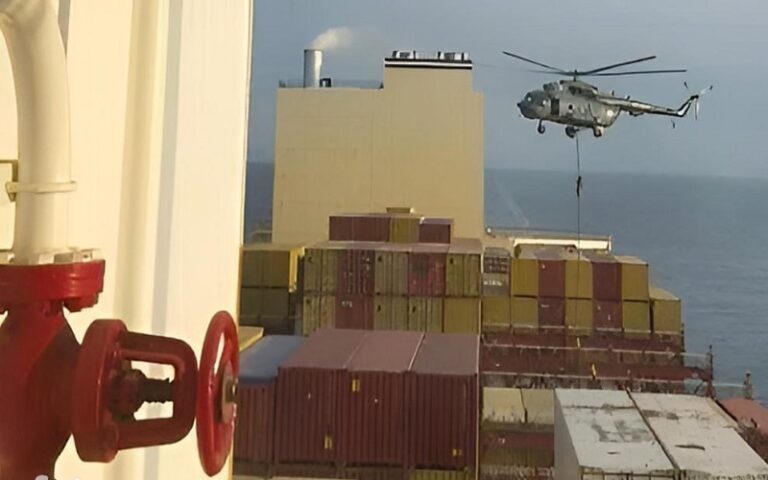
A video seen by the Associated Press shows Iranian commandos attacking a ship near the Strait of Hormuz, an attack that a Middle Eastern defense official attributes to the Iranian regime amid broader tensions between Tehran and the West.
The Tasnim news agency, affiliated with Iranian regime security agencies, confirmed this news shortly after the publication of reports by foreign media and wrote, “The naval commandos of the Revolutionary Guards seized a cargo ship affiliated with the Zionist regime in the Persian Gulf region this afternoon.”
This video depicts an attack previously reported by the British Royal Navy’s Maritime Trade Operations Institute. The institute had reported the “detention of this ship by regional authorities” in the Gulf of Oman near the port city of Fujairah, United Arab Emirates, without providing details.
A defense official who requested anonymity and spoke about intelligence matters shared this video with the Associated Press. In it, commandos descend onto containers on the ship’s deck from a helicopter.
In the film, a crew member can be heard saying, “Get out.” He then tells his colleagues to go to the ship’s bridge as more commandos descend onto the deck. One of the commandos can be seen kneeling above the others to provide potential covering fire.
However, given the known details consistent with previous incidents, it appears that the helicopter used was also previously used by the Revolutionary Guards in attacks on other ships. This was later confirmed by the Tasnim News Agency.
The ship involved is likely the MSC Aries flying the Portuguese flag, a cargo ship associated with Zodiac Maritime, based in London. This company is part of the “Zodiac” group owned by Israeli billionaire Eyal Ofer. Zodiac refrained from commenting and referred questions to MSC, which did not immediately respond to inquiries.
The MSC Aries was last located near Dubai on Friday and was heading towards the Strait of Hormuz. The ship had turned off its tracking data, a common practice for Israeli-affiliated ships moving through the region.
This incident occurs against the backdrop of heightened tensions between Iran and the West, especially following an attack attributed to Israel on the Iranian regime’s consulate in Syria.
Iran has not immediately confirmed the detention of any ship, but the Tasnim News Agency, affiliated with the IRGC, confirmed this action hours later and attributed it to the naval forces of the Revolutionary Guards.
Since 2019, the Iranian regime has been involved in the detention of several ships and attacks on ships affiliated with it amid ongoing tensions with the West over its nuclear program.
Argentine Judiciary Holds Iran and Hezbollah Responsible for AMIA Bombing
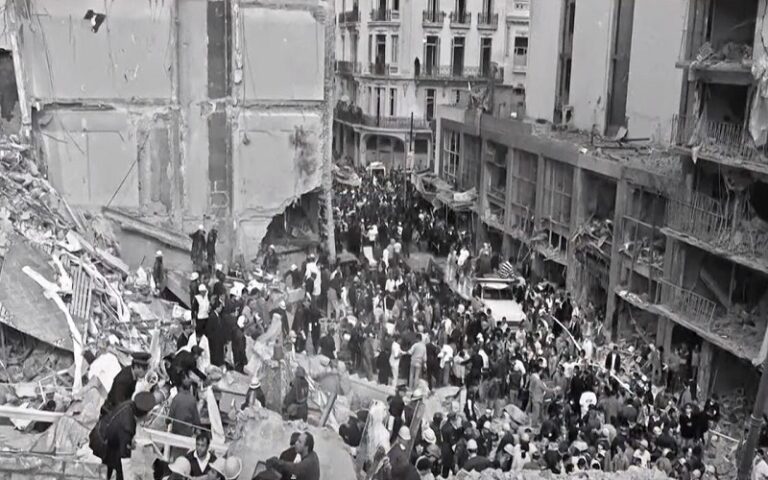
In the latest opinion on the case of the 1994 bombing of the Jewish center of Buenos Aires (AMIA bombing), the highest criminal court in Argentina ruled that the Iranian regime orchestrated the attack, and the Lebanese Hezbollah terrorist group carried it out.
The explosion at the Argentine Israelite Mutual Association (AMIA) in Buenos Aires on July 18, 1994, resulted in the deaths of 85 people and injuries to 300 Argentine citizens of Jewish descent, marking the deadliest terrorist attack in Argentine history.
In a verdict published on Thursday, April 11, the Argentine appeals court held Hezbollah responsible for the bombing and stated that the attack was carried out in retaliation for Argentina’s withdrawal from a nuclear cooperation agreement with Tehran.
By confirming the “political and strategic” role of the Iranian regime in the bombing, the Argentine court paved the way for the families of the victims to file lawsuits against the Iranian regime.
Over the past three decades, Tehran has not extradited those convicted in Argentina in connection with this case, and the arrest warrants issued by Interpol against them have not been enforced.
Among the accused in this case are Akbar Hashemi Rafsanjani (former president), Ali Akbar Velayati (former foreign minister), Ali Fallahian (former intelligence minister), Mohsen Rezaee (former commander of the Revolutionary Guards), Ahmad Reza Asghari (former third secretary of the Iranian embassy in Argentina), Ahmad Vahidi (former commander of the Quds Force), Mohsen Rabbani (former cultural attaché of the Iranian regime in Argentina), and Imad Mughniyeh (former head of Hezbollah’s special operations).
The Argentine appellate court stated that the significance of these severe human rights violations for the international community as a whole imposes a duty on a state to provide legal support.
This verdict described the bombing of the AMIA Jewish center as a “crime against humanity.”
According to The Associated Press, the Argentine appellate court’s decision in this case was not unexpected.
The Argentine judiciary has long regarded Iran as the perpetrator of this attack, and relations between the two countries have deteriorated, especially after the failure of a joint investigation.
The court, while specifying the role of senior officials of the Iranian regime and the commanders of the Revolutionary Guards in this attack, stated that Iran planned this bombing in response to the cancellation of three agreements with Argentina, which could have provided Tehran with nuclear technology in the mid-1980s.
Previous investigations into the AMIA bombing targeted not only Iranian officials but also two former Argentine presidents.
In 2014, the body of lawyer Alberto Nisman, who had accused then-Argentine president Cristina Kirchner of covering up this case, was discovered in his apartment in Buenos Aires one day before he was to present his report to the Argentine parliament.
The Associated Press reported that over the past years, witnesses in this case have been threatened or bribed.
The verdict on Thursday came just a few months before the 35th anniversary of the AMIA explosion.
On the occasion of the 25th anniversary of this attack, Argentina designated Hezbollah as a terrorist organization and froze the financial assets of this group.
Around 230,000 Jews live in Argentina, and their representatives described Thursday’s verdict as “historic.” According to The Associated Press, for the relatives of those killed in the bombing, this verdict was only a painful reminder, as the case remains unresolved.
Dramatic Drop in Iran Gas Production Is Inevitable
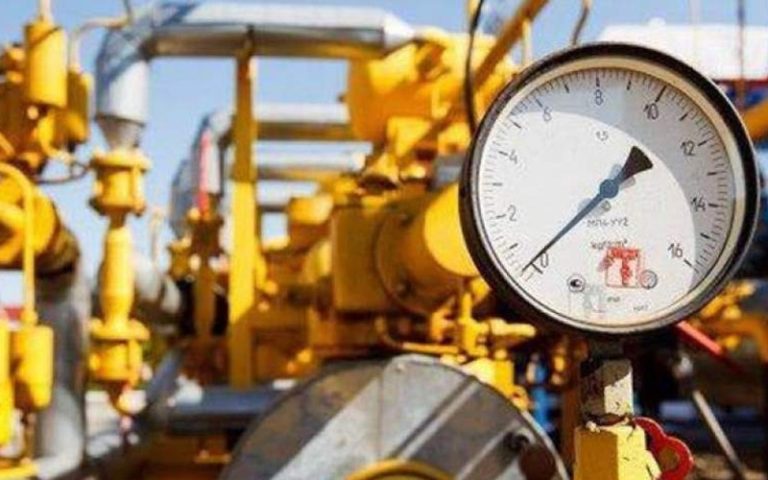
Mansour Daftarian, the head of the Iranian Gas Engineering Association, has announced the beginning of a decline in pressure in the South Pars gas field, stating that the country’s gas production will decrease by 30 to 40 percent over the next five years.
On March 29, Daftarian stated that studies on the production and consumption of gas in the National Iranian Oil Company indicate that the maximum gas production of South Pars in 2039, under current conditions, will be 400 million cubic meters per day. If the South Pars pressure boosting plan is not implemented, this amount will decrease to 200 million cubic meters per day.
South Pars holds a 79 percent share in Iran’s gas production. Iran extracts 770 million cubic meters of gas daily, with 610 million cubic meters coming from South Pars, a shared field between Iran and Qatar.
Daftarian said that the decline in the production of the South Pars gas field will begin in 2025, but it is already tangible.
Earlier, the Iranian regime’s Ministry of Oil and some international institutions had predicted that the decline in the pressure of the South Pars field would begin in 2023. Although in 2023, the Iranian regime managed to compensate for the production decline due to the pressure reduction by launching Phase 11 of South Pars, Iran no longer has new phases to launch, and the decline in gas production is inevitable.
The Iranian section of South Pars consists of 24 phases, all of which have been launched, and there is no room for the launch of a new phase to compensate for the production decline due to pressure reduction.
Earlier, both the National Gas Company and the National Development Fund had reported that, in the most optimistic scenario, the country’s gas production would still face a significant decline.
Challenges of South Pars Development
After the Iran nuclear deal, Iran signed a $5 billion contract with a consortium led by Total of France to develop Phase 11 of South Pars, half of which was for daily production of 56 million cubic meters of gas and the other half for the construction of a 20,000-ton platform with two massive compressors for boosting the mentioned phase in the coming years. Total abandoned this project after the US withdrew from the nuclear deal, and its Chinese partner, CNPC, also withdrew from the project due to its inability to build the mentioned facilities and US sanctions. The Iranian National Development Fund has warned that the country’s gas production will sharply decline by 2034 and will only meet one-third of domestic demand. However, on March 27th, the government of Ebrahim Raisi signed a contract to export 50 million cubic meters of gas to Iraq daily and asked Pakistan to execute a contract to purchase 20 million cubic meters of Iranian gas daily as soon as possible. Iran also tripled its gas exports to Turkey in the past winter and compensated for the domestic gas shortage with significant consumption of mazut. Javad Owji, the Minister of Oil, has also claimed that contracts with domestic companies will be signed to increase daily gas production by 150 million cubic meters in the coming years. He had previously stated at the “Gas Exporting Countries Forum” that the country’s gas production is “42 percent” higher than the actual figure and claimed that the country’s gas production will increase by 270 million cubic meters in the coming years. It is not clear why Owji claimed in an international conference that Iran’s daily gas production is 1.07 billion cubic meters while official statistics from the Ministry of Oil and international institutions state it as approximately 770 million cubic meters, and he further claimed that this figure will reach 1.3 billion cubic meters in the coming years. The Iranian Ministry of Oil recently signed a $15 billion contract with several domestic companies, including PetroPars and subsidiaries of the Revolutionary Guards, most of which is related to the construction of 7,000-ton platforms and medium-capacity compressors for boosting South Pars. Mansour Daftarian, the head of the Iranian Gas Engineering Association, says that if the South Pars pressure boosting plan is not implemented, the production of the Iranian section of this field will decrease to 200 million cubic meters per day over the next five years; in other words, it will be reduced by two-thirds of the Iranian section’s production of South Pars.Iran: Cost of Housing Construction Unpredictable
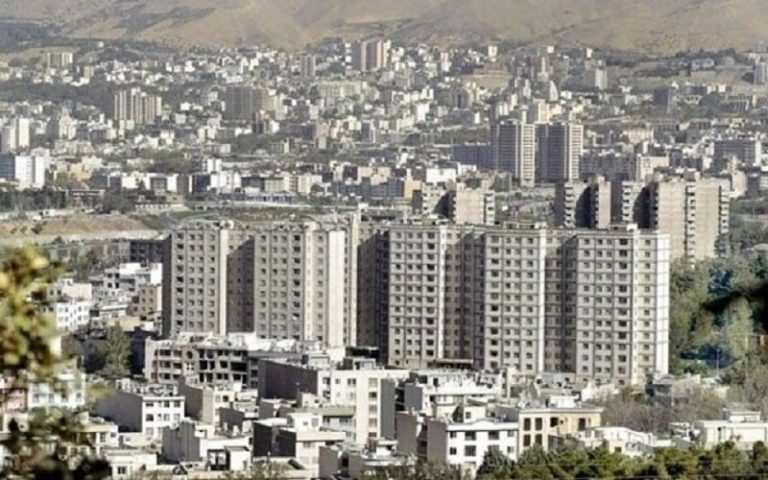
Mohammad Reza Rezaei Koochi, the head of the Construction Commission of the Iranian regime’s Majlis (Parliament), has announced a 25% progress halt due to the suspension of the “National Housing Movement” and stated that due to the increase in prices and market fluctuations, the cost of housing construction is no longer predictable.
The regime’s ILNA news agency also reported that according to the Ministry of Roads and Urban Development, construction of more than 2.5 million residential units has commenced under the “National Housing Movement” project, but three years into the government’s tenure, no significant progress has been made in this regard.
ILNA reported that reports indicate that only 51,000 hectares of land have been provided for this project, and no further action has been taken.
Koochi, the head of the Majlis’ Construction Commission, confirmed this, stating that the physical progress of the project remains at 25%.
According to Koochi, prices are highly volatile, and developers cannot reach a fixed and inflexible price and sign contracts.
Media outlets announced in November 2023 that the increase in the completed price of “National Housing” and the critical economic situation have made applicants unable to afford their “deposit.”
The latest official report on housing prices in Iran shows that the average price per square meter in the capital exceeded 830 million rials (approximately $130) in March 2024.
Experts believe that “National Housing” will not progress in the Raisi administration, and the fate of withdrawing $2 billion from the National Development Fund alongside more than 10,000 hectares of surplus government land identified for this purpose will ultimately remain uncertain.
Davood Biginejad, the vice president of the National Real Estate Consultants Union, mentioned the increase in housing prices in the past month and predictions of continued price growth, stating that rental rates will increase due to this price change.
The state-run Donya-e-Eqtesad newspaper also wrote on March 23 that the currency surge in February and March 2024 has been a factor in “disturbing the relative tranquility of housing prices” to the extent that monthly inflation, which was an average of 1.5% from March to December 2023, suddenly rose to over 3.5% in February and March 2024.
The newspaper’s report emphasized that with this major inflationary recession, the number of residential units traded in 2023 decreased by 55% compared to 2022.
Reports indicate that over the past decade, housing rental prices in Tehran have experienced significant growth, with rental rates increasing by 540% from 2012 to 2021.
The Majlis Research Center also announced in August 2023 that households in the first to third deciles are absolutely unable, and those in the third to fifth deciles are “relatively” unable to meet their housing needs.
One of Ebrahim Raisi’s electoral promises was to build one million homes per year, but statistics show that three years into Ebrahim Raisi’s government, no significant developments have occurred in this area.
Iran’s Workers in Absolute Poverty
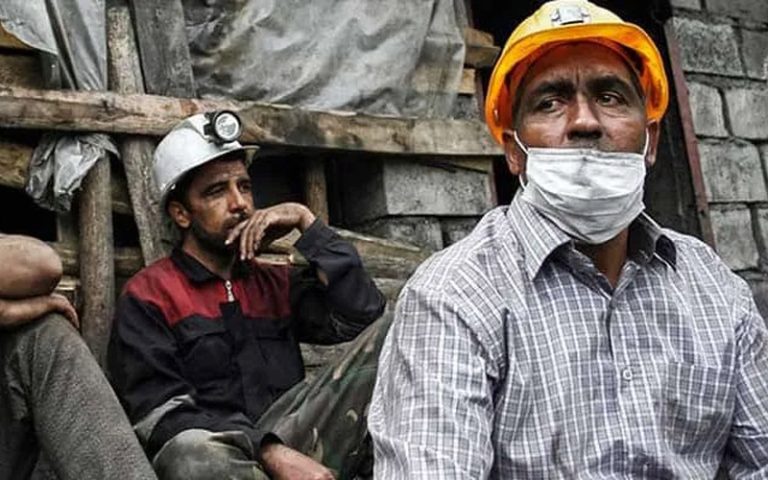
Faramarz Tofighi, a labor activist in Iran, believes that increasing the approved wages will have no effect on improving the conditions and eliminating the disparity between income and expenses, and for this reason, one should not wait for an increase in gross national product.
Tofighi told the regime’s ILNA news agency that under these conditions, there is no inclination to employ young people aged 19 to 28, and there will be no motivation for production.
According to Tofighi, the wages are unfairly set, and the government is continuously evading the law.
He described the Labor Minister of Ebrahim Raisi’s government as the “flagbearer of lawlessness” and emphasized that the minister not only does not consider Article 41 of the Labor Law important but also sees himself above the law and has claimed that the labor law should be amended.
Criticism of the Iranian regime’s approach to the decline in income from expenses and the economic crisis has peaked in recent weeks, and media reports indicate that the economic crisis is turning into social crises and an increase in various types of crimes.
On April 8, the state-run Ham-mihan newspaper wrote that theft from supermarkets and stores selling food and groceries has increased.
According to Ham-mihan, the level of peddling has also increased, and this trend has increased compared to two or three years ago.
According to the majority of economic experts, the main factor in the increase in theft in Iran is the economic issues. Based on this, in June 2023, Masoud Sistani, the spokesman for the judiciary, announced an increase in the level of thefts.
Iran’s Statistical Center also announced in spring 2023 that the rate of theft has been on the rise, so much so that theft is the second major crime in the country after drug trafficking.
Ham-mihan newspaper also emphasizes that a review of statistics shows that theft has quadrupled in recent years. Alongside this, there has been a significant increase in commodity prices.
Statistics from the Statistical Center in 2023 indicated that “in the red and white meat group, with 85.5%, fish and seafood with 67.4%, tea, coffee, cocoa, soft drinks, and fruit juice with 46.3%, and fruits and nuts with 44.8%, in September 2023 compared to the same month of the previous year, had the highest increase in prices.”
Iran’s Rial Continues to Plummet
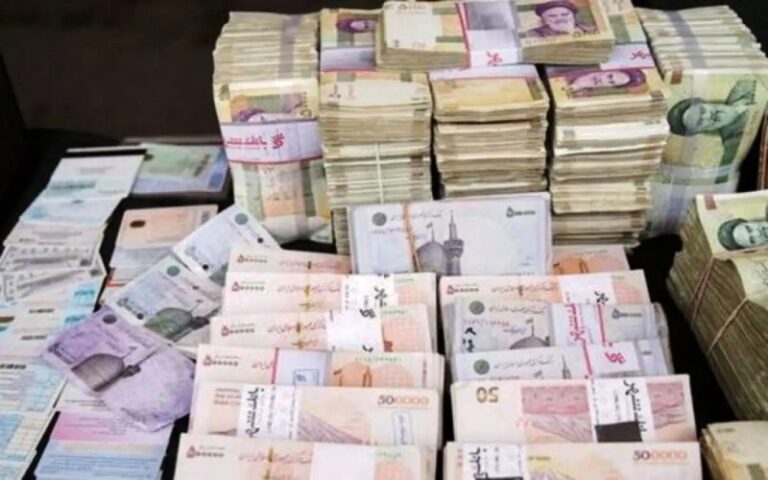
With the increase in the exchange rate of the US dollar in the Iranian currency market to over 650,000 rials and the emergence of a new wave of concerns among the public and economic activists, critics of the government considered the current situation as the result of “foolishness,” while defenders of the government claimed that the exchange rate would decrease again.
Mehrad Abad, a member of the Delegation of the Chamber of Commerce of Iran, told the regime’s ILNA news agency that what has caused the currency crisis and market turmoil we are currently facing is “not due to informing people about them but rather the result of foolishness” and “rooted in the nature of our economy.”
This economic activist believes that the main factor has been the weak and ineffective budgeting of governments, and sanctions have created many problems.
According to this member of the Chamber of Commerce, attributing problems to enemies is “scapegoating.”
On the other hand, Youssef Hosseini, the head of the Currency Committee of the Iranian regime’s Chamber of Commerce, has taken a defensive stance in support of the government and the policies of the regime’s supreme leader Ali Khamenei, stating that by adhering to Khamenei’s recommendations, the country’s economy, especially various markets including the currency market, can be well controlled, and perhaps the dollar price may return to around 600,000 rials or even lower.
Youssef Hosseini emphasized that regional events and conflicts can have an impact on Iran’s economy and “the enemy does not hesitate to make any effort to complete its destructive operations in this area.”
The state-run Etemad newspaper also quoted Ramin Pouladrag, a member of the Iran-Iraq Joint Chamber of Commerce, as saying that the only reason for the limited increase in the dollar price is political and regional events that “will surely be controllable and diminishable.”
This economic activist also attributed fluctuations to the “enemy,” a matter that media analysts relate to the report of the Kayhan newspaper and the connection of fluctuations to the media and the request to deal with them.
The regime’s Kayhan daily wrote in a report, “In a situation where the country’s economy is rising from the ground after heavy blows in the 2010s, some domestic media outlets, along with terrorist Zionists, are disrupting the mental security of society and fueling inflationary expectations to ground the country’s economy again.”
This has led some analysts to suggest that some media outlets have moved beyond currency fluctuations and some others have taken on the role of defending the government and regime. Also, security concerns have led economic activists’ statements to be in line with the statements of Iranian regime officials.
According to reports, the exchange rate has been on an upward trend since February 2024, reaching from 500,000 rials to 610,000 rials by the end of March 2024.
The slow and steady increase in prices continued until Israel’s attack on the Revolutionary Guards’ headquarters in Damascus, where the exchange rate exceeded 650,000 rials.
