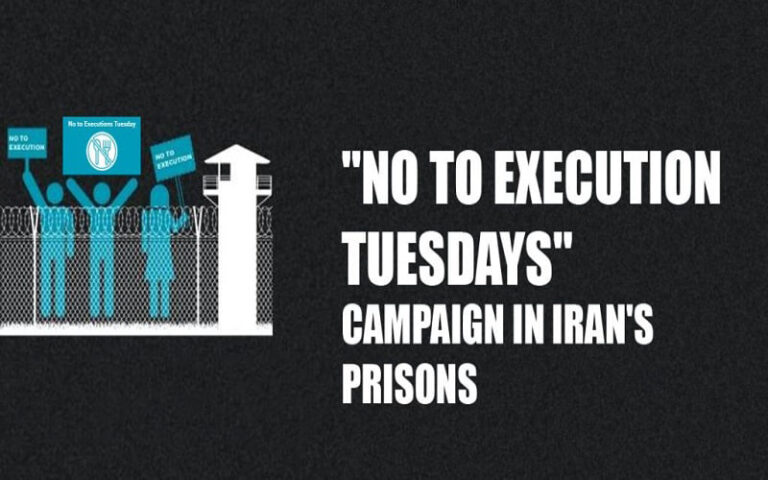
108th Week of the ‘No To Executions Tuesdays’ Campaign In 56 Prisons Across Iran

0
On the occasion of the fortieth day of the martyrs of the nationwide protests of January 2026, the “No to Executions Tuesdays” campaign issued a statement announcing its unwavering solidarity and support for the uprising of the people of Iran and for the families of the victims. In the statement, while expressing sympathy with the families who, instead of mourning, have resolved to continue the path until victory, it was emphasized that members of the campaign in prisons are on hunger strike on this day, declaring their protest against the wave of executions and heavy sentences issued against detainees.

Continuation of the “No to Executions Tuesdays” campaign in its one hundred and eighth week in 56 different prisons

On the fortieth day of the martyrs of the January uprising, and with the most sincere sympathies to the families and the brave people who, at the fortieth-day memorial ceremonies for their loved ones, honor the memory of those martyrs with strong determination and, instead of mourning, have resolved to continue the path until victory, the members of the “No to Executions Tuesdays” campaign likewise declare their unwavering solidarity and support for the uprising of the people of Iran and for the families of the victims.
Iran Marks 100 Executions in One Week, 241 Executions in Three Weeks
Documents, videos, and photos that have gradually been released in recent days, revealing parts of the great crime of January committed by the oppressive regime, confirm Khamenei’s ominous statement that “The God of today is the same God of the 1980s.” This level of crime once again reminds us how horrific and vast the dimensions of crimes against humanity and the secret killings of the 2000s and 2009 in prisons were—atrocities that remained hidden from cameras. Crimes whose full dimensions have still not been revealed. Yes, now tens of thousands of detainees from the recent protests are under pressure and torture, and plans are underway to issue death sentences and heavy prison terms against them. We call on all international bodies to take immediate action to save these prisoners. Meanwhile, since January 21, more than 300 prisoners, including three women, have been hanged. According to published reports, Saleh Mohammadi, an 18-year-old wrestler who was arrested during the January protests, is facing a death sentence in Qom Prison, and his life is in serious danger. The members of the “No to Executions Tuesdays” campaign call on the people of Iran, especially the families of detainees, not to remain silent and to publicize the news and names of their loved ones and be their voice. Political prisoners who are members of the “No to Executions Tuesdays” campaign are on hunger strike on Tuesday, February 17, in the 108th week of the campaign in 56 different prisons.

The IRGC is Trying to Wipe Traces of its Crimes During Nationwide Protests

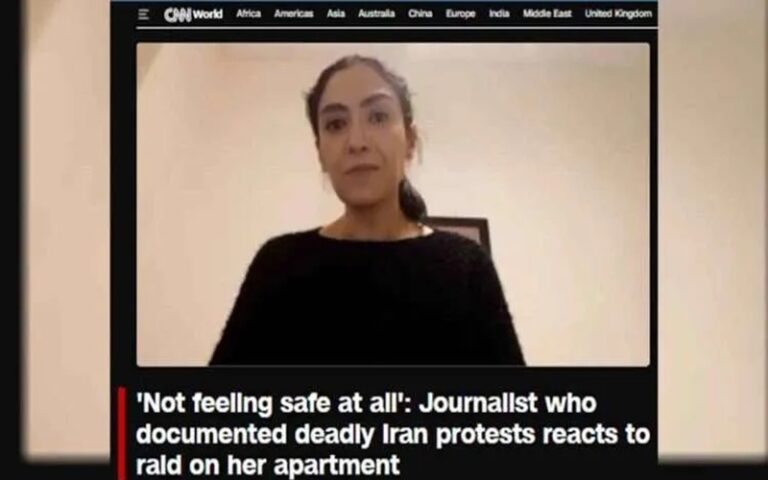
While the full dimensions of the repression of Iran’s nationwide uprising, a crime of the Islamic Revolutionary Guard Corps (IRGC), have yet to be fully clarified and the number of those killed in the January 2026 uprising continues to rise each day, CNN revealed a shocking account in a recent interview. The interview was broadcast on February 12. Its main focus was a raid by security forces on the home of an Iranian photojournalist. She has documented protests and scenes of repression for years. She now says that agents stormed her apartment and confiscated all her equipment. Many view this action as part of the IRGC’s effort to destroy evidence. The photojournalist, introduced as Yalda, stated that agents entered her home at dawn. She said she was asleep at the time of the raid. The forces took all her cameras and her 25-year archive of photographs. She emphasized that she feels no sense of security. Anxiety and fear of arrest now cast a heavy shadow over her life. The raid occurred at a time when her images are considered part of the visual memory of the protests. Eliminating these documents could help conceal the IRGC’s crimes.
The Fortieth Day Commemorations of the Martyrs of Iran’s Uprising

The IRGC’s crime in the streets; an eyewitness account

In the interview, Yalda described scenes she had never witnessed in her 25 years of professional work. She spoke of hundreds and thousands of people in the streets. Families, along with children and the elderly, participated in the protests. People chanted slogans and blocked streets. Drivers showed support by honking their horns. According to her, security forces fired large quantities of tear gas and stun grenades. She said it seemed as though there was one tear gas canister for each person. Despite the repression, people repeatedly returned. Some protesters set a police vehicle on fire. Buildings affiliated with the government became targets of public anger. Yalda emphasized that shots were fired at people from the rooftop of a building belonging to the Basij, a paramilitary force subordinate to the IRGC. Snipers were positioned on top of the building. This account presents a direct image of the crimes committed by the IRGC and its affiliated forces. Firing from an elevated position at protesters indicated a premeditated decision.

The IRGC’s crime and family mourning

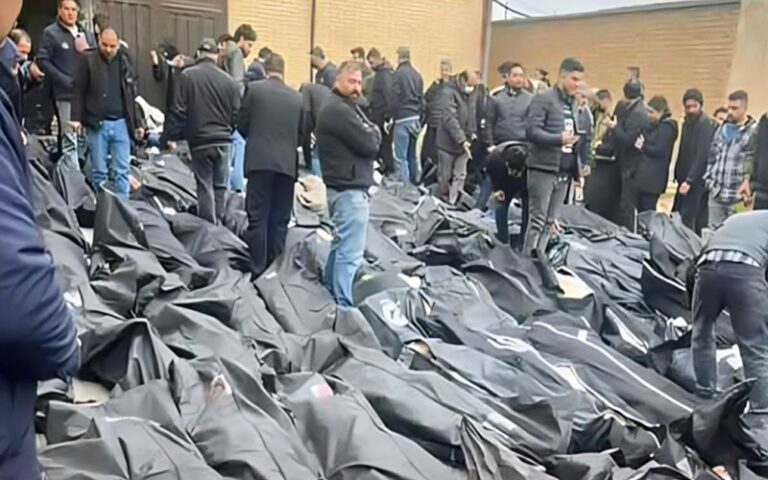
The photojournalist was not merely an external observer. One of her relatives was also killed during the protests. She said security forces shot and killed him. The family searched for nearly one week to find his body. According to her, the number of corpses was so high that the location of many of them was unknown. Images of funeral ceremonies were also part of her documentation. Yalda said she hardly knows any family that is not in mourning. According to her, everyone is grieving. This account shows that the IRGC’s crime did not remain confined to the streets. It penetrated into homes. In another part of the interview, she was asked which image she most wanted to share with the world. She spoke of a photograph of a girl standing in front of a police vehicle, making a victory sign. For her, this image symbolized hope—hope that came under fire during the crackdown. Yalda described the current state of society as the saddest time in our history. She said that in her 44 years of life, she had never experienced such despair. People ask one another what should be done. This question is repeated in small and large gatherings alike. At the end of the interview, the host referred to an apology by Masoud Pezeshkian, the president of the Iranian regime. Yalda considered the apology meaningless. She said people know that the main decision-maker lies elsewhere—namely Ali Khamenei. These remarks reflect a widespread public view of the power structure in Iran, a structure that bears responsibility for the IRGC’s crimes. This interview stands as a living document of efforts to erase the traces of bloodshed. Nevertheless, the reality of the crimes of the IRGC, designated as a terrorist organization by the United States, remains etched in the public memory. The widespread repression, snipers, and large numbers of those killed reveal the true face of a structure that sees its survival in the elimination of truth.

The Fortieth Day Commemorations of the Martyrs of Iran’s Uprising

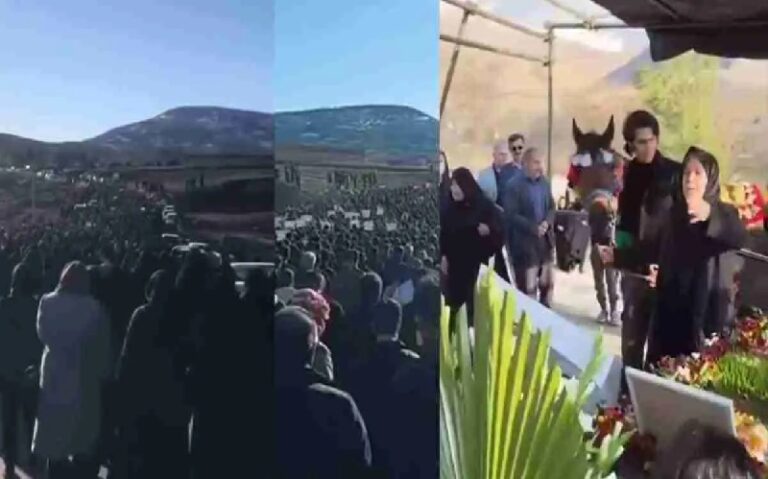
As the fortieth day of the martyrs of the January 2026 uprising approached, various cities across Iran became the scene of ceremonies that in many cases went beyond traditional mourning rituals and turned into open displays of protest, solidarity, and renewed commitment to the path of those who lost their lives.

Nurabad Mamasani; protest chants

In Nurabad Mamasani, located in Fars province, the fortieth day ceremony was accompanied by explicit slogans against the ruling establishment. Participants chanted “Death to Khamenei,” referring to regime supreme leader Ali Khamenei, “I will kill the one who killed my brother,” and “We swear by Arman’s blood, we will stand until the end,” emphasizing their determination to continue the path of the martyrs. In this city, the memorial for Arman Gorjian, a 19-year-old young man, had a special prominence. His family engraved the name “Arman Iran” on his gravestone.
Iran’s Regime Continues to Cover Up Information About Unidentified Bodies of Women Killed in Protests

Kazerun and Kuhchenar in Fars province; flower-strewn graves

In Kazerun, the fortieth day ceremony for martyrs Iman Mirshokari and Behnam Enayat was held with the participation of local residents. The slogan “This fallen flower has become a gift to the homeland” shaped the atmosphere of the ceremony; a chant that has become a symbol of many such commemorations. In Kuhchenar, also in Fars province, the site where two martyrs of the uprising, Reza Shahrivar and Arian Keshkouli, were killed was covered with flowers. This symbolic act, carried out in the presence of local residents, simultaneously conveyed respect and protest.

Karaj; a farewell with song and collective singing

In the Hesar district of Karaj, near Tehran, the burial of Mohammad Hossein Jamshidi had a different atmosphere. Mourning here was expressed not in silence but in collective singing; an approach that in recent months has become a symbol of protest mourning.

Babol; Shayan’s moving words for his father, Hassan Samakoosh

In Babol, in northern Iran’s Mazandaran province, the fortieth day ceremony for Hassan Samakoosh included a speech by his son, Shayan. In a powerful statement, he said, “We are Iranian for what we build, not for what we have lost.” His account of the moment his father lost his life, likening it to a star attaching itself to the ceiling of the sky, deeply moved those present. At the end, the crowd collectively sang “Ey Iran,” a well-known patriotic anthem, to honor his memory.

Arak; martyr Ermia Fazli

In Arak, the fortieth day ceremony for martyr Ermia Fazli took place despite reported arrests at the cemetery entrance by security forces. People gathered at his gravesite. Ermia’s mother spoke with words filled with longing for her son, and the ceremony was held with music and a large turnout of attendees.

Masjed Soleyman and Isfahan; remembering Mehran Niayesh and Mohammad Javad Khalili Ardeli

In Masjed Soleyman, the fortieth day ceremony was held for martyr Mehran Niayesh, a 33-year-old man who died after being arrested in Baharestan, a city in Isfahan province. In Isfahan, the fortieth day ceremony for martyr Mohammad Javad Khalili Ardeli was accompanied by the traditional “Kotal” ritual, in which a black-draped horse carrying a rifle on its saddle is led in procession.

Malekshahi in Ilam province; a symbolic wedding at the gravesite

In Malekshahi, in Ilam province, the fortieth day ceremony for martyr Mohammad Reza Karami, a 16-year-old teenager, was marked by holding a “symbolic wedding” at his gravesite. His family resisted pressures aimed at altering the description of how their son lost his life.

Gorgan; white doves for Reza Asadi

In Gorgan, the fortieth day ceremony for uprising martyr Reza Asadi, a 30-year-old man, was held with the singing of “Ey Iran” and the release of white doves. His brother spoke in a message about continuing his path, and the crowd joined together in chanting, “This fallen flower has become a gift to the homeland.”

Tehran; farewell to a national athlete

In Tehran, the fortieth day ceremony was held for martyr Ali Mohammad Kordkazemi, a 22-year-old basketball player for the Oghab Ashur team. He lost his life at Kaj Square in the Saadat Abad district of the capital.

Genaveh; preparations for Karim Heydari’s ceremony

In the port city of Genaveh in Bushehr province, on the occasion of the fortieth day of martyr Karim Heydari, a 31-year-old father of a three-year-old child, a heavy presence of Basij paramilitary forces, affiliated with the Islamic Revolutionary Guard Corps (IRGC), was reported. He had joined protesters while returning home in his work clothes and was shot. His body was handed over to his family after one week. His ceremony is scheduled to be held on Tuesday, but security forces, with a large presence around the family home, are reportedly seeking to prevent it. In the village of Badkhoreh in Asadabad, Hamadan province, the fortieth day ceremony for martyr Nima Najafi, 19 years old, was held. Separate ceremonies were also held for martyrs Alireza Kharpour, Ali Salehpour, and other martyrs of the uprising, in which written messages by sisters and family members formed an important part of the collective memory of this movement.


Iran’s Regime Continues to Cover Up Information About Unidentified Bodies of Women Killed in Protests

According to published reports, the bodies of 50 women killed in Iran’s January uprising remain unidentified at the Kahrizak Forensic Medicine Center, located south of Tehran. This issue has been raised while the regime’s Forensic Medicine Organization and judiciary have officially denied the existence of “50 unidentified bodies of female protesters from Tehran.” In its statement, the Forensic Medicine Organization claimed that only seven unidentified bodies are held at the center, all of them male, and that all deceased women have been identified and handed over to their families. The statement described the report about 50 unidentified bodies as “completely unreal and an absolute lie,” and also denied that any visit to the facility had taken place by the Sociology Association of Tarbiat Modares University, a major public university in Tehran.
International Figures Gather in Berlin to Discuss Iran Protests and NCRI’s Ten-Point Plan
However, remarks by a member of the regime’s Majlis (parliament) present a different picture. Mohammad Seraj, a member of the Majlis Social Commission, referring to the existence of unidentified bodies, stated: “Some bodies have not been identified; no one has come forward to follow up on them, and they did not have identification documents with them. Therefore, we must take various approaches to identify them.” This clear contradiction between the official denial by government bodies and the statements of a parliament member once again highlights the regime’s efforts to control the real number of those killed and to conceal the scope of the uprising’s repression. Such inconsistencies show that the reality regarding the number and status of the victims’ bodies remains shrouded in ambiguity. The dimensions of the January crime are not limited to the death toll. The widespread repression of protesters, mass arrests, pressure and threats against families to remain silent, prevention of memorial ceremonies, and efforts to conceal the true number of those killed are part of an organized policy implemented to instill fear and prevent the expansion of the uprising.

The Iranian Regime’s Currency Crisis and Family Oil Rents

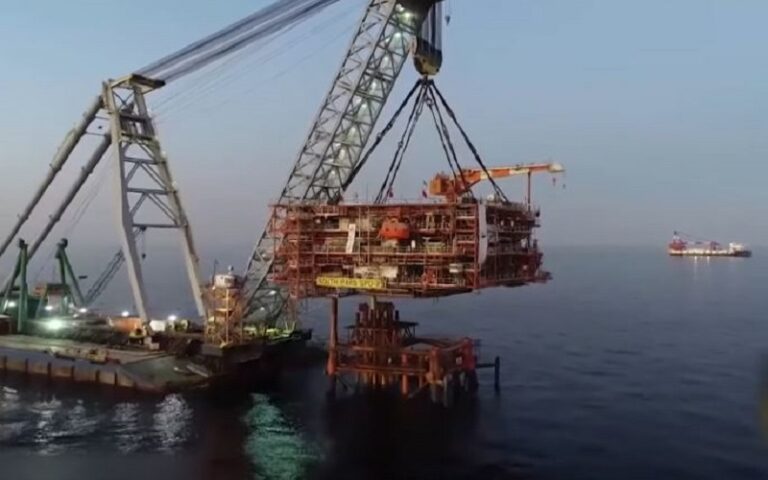
While the currency and economic crises have crippled Iran’s oil industry, new reports have emerged about the family members of oil executives operating in foreign markets. The name of Ali Khamenei, the Iranian regime’s supreme leader, and the power structure under his supervision appears in the background of this story; a structure that has long been associated with allegations of systematic corruption. According to a report published by the state-run outlet Seday-e Naft, one of the senior managers of NICO (Naftiran Intertrade Company), the foreign trading arm of Iran’s oil sector, is under scrutiny while his daughter works at the shipping office of a well-known oil trader in Dubai’s Business Bay district. Her monthly salary has been reported at about 20,000 dollars. This figure is being discussed at a time when many employees in Iran’s domestic oil industry are facing delayed wages and reduced benefits.
Thirty-Eight Percent of Iran’s Oil Revenue Did Not Return to the Country From March to November
The presence of oil executives’ children at the heart of regional oil trade has raised serious questions. Dubai’s Business Bay is considered one of the main hubs for commercial and oil trading companies in the emirate. The placement of relatives of oil managers in such positions, at a time of severe foreign currency restrictions inside Iran, has drawn public attention. Reports also indicate that this individual has purchased a luxury apartment unit in Downtown Dubai. Informed sources have stated that the acquisition was made relying on family financial resources. For years, NICO has been known for controversial financial cases and opaque oil dealings. The company serves as the foreign arm of the Iranian regime’s oil trade, and many oil transactions under sanctions have been conducted through it. However, transparent and detailed reports about its financial performance are not publicly available. Now, the issue of the so-called “privileged oil offspring” has once again brought the company’s name into the spotlight.

The killing of the hungry in the streets and the dollar-based lifestyle of oil executives’ children

At a time when the government speaks of a shortage of foreign currency resources, the dollar-based lifestyle of oil executives’ children creates a stark contrast. The oil industry is struggling with an investment crisis and aging equipment. Contract workers have repeatedly protested their living conditions. Nevertheless, the so-called privileged oil offspring apparently remain unaffected by these crises. So far, no official response has been issued by NICO or the individuals named. The silence of responsible authorities has increased the ambiguities. Oversight bodies have also provided no explanation regarding the legal framework governing the employment of oil executives’ relatives in foreign companies. This lack of accountability has once again highlighted the issue of conflicts of interest. This case is only one example of a structure that has taken shape over decades, a structure in which rent-seeking, family ties, and access to public resources are intertwined. The experience of the past four decades has shown that this cycle of corruption is not reformable within this system.

India Has Seized Three Oil Tankers Linked to Iran’s Regime This Month

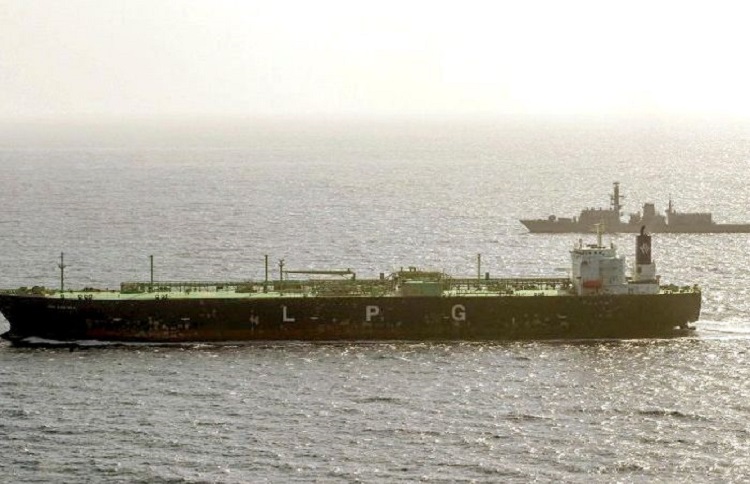
India has seized three oil tankers under U.S. sanctions that were linked to Iran’s regime this month and has simultaneously increased surveillance of its waters to counter illegal trade. An informed source told Reuters on Monday that New Delhi is trying to prevent the use of its waters for ship-to-ship transfers of oil cargoes, a method used to conceal the true origin of the oil.
Indian Navy Seizes Three Oil Tankers Linked to Iranian Regime
The source added that the tankers “Stellar Ruby,” “Asphalt Star,” and “Al Jafzia” have repeatedly changed their identities to evade regulatory authorities of coastal countries, and their owners are based outside India. According to the source, these actions follow an improvement in relations between India and the United States. Washington announced earlier this month that it would reduce tariffs on Indian goods from 50% to 18%, a decision made after New Delhi agreed to halt imports of Russian oil.

Iranian Regime Official Rejects Zero Nuclear Enrichment

Majid Takht-Ravanchi, deputy foreign minister of Iran’s regime, announced that the Iranian government does not accept zero enrichment, but if the lifting of sanctions is placed on the agenda, it is ready to consider “compromise” in nuclear negotiations. Speaking on Sunday, February 15, in an interview with BBC World, Takht-Ravanchi said that if the United States is willing to engage in talks about lifting sanctions, Iran’s regime will consider compromise to reach a nuclear agreement. He added that the ball is in America’s court to prove that it seeks an agreement. If they are sincere, I am confident we will move toward reaching a deal.
Iran’s Regime Nuclear Program: Escalation, Military Capabilities, and Regional Consequences
Referring to the regime’s proposal to dilute its 60% enriched uranium stockpile, Takht-Ravanchi described it as a sign of readiness for compromise and acknowledged that they are prepared to discuss this issue and other matters related to the nuclear program, provided the other side is also ready to talk about sanctions. He did not clarify whether the Iranian government seeks the removal of all sanctions or only part of them. US President Donald Trump and other American officials have repeatedly emphasized that they will not allow Iran’s regime to obtain nuclear weapons. On February 13, Rafael Grossi, Director General of the International Atomic Energy Agency (IAEA), stated at the Munich Security Conference that following the 12-day war, the status of Iran’s regime’s nuclear program has fundamentally changed. However, if Tehran and Washington reach an agreement, it is still possible to design an inspection system for Iran’s nuclear facilities. At the same time, he warned that the current state of Tehran’s nuclear file is not sustainable in the long term.

“Zero Enrichment Is No Longer on the Table”

Continuing the interview, the deputy foreign minister of Iran’s regime, in response to a question about the possibility of Tehran agreeing to remove more than 400 kilograms of highly enriched uranium from the country, said it is still too early to comment on what will occur during negotiations. Takht-Ravanchi once again emphasized the continuation of enrichment by Iran’s regime and added that the issue of zero enrichment is no longer under discussion and, from Iran’s perspective, is no longer on the negotiating table. On February 12, President Trump stated that a “good deal” with Tehran would be an agreement without nuclear weapons and without missiles. On February 2, Reuters reported that Tehran is prepared to show “flexibility” in potential negotiations with Washington over the contentious issue of uranium enrichment, including by handing over 400 kilograms of highly enriched uranium and accepting zero enrichment within the framework of a consortium mechanism. However, Iranian government officials denied agreeing to remove enriched uranium stockpiles from the country.

Takht-Ravanchi’s Warning About the Consequences of War

Referring to the US military presence in the region and the possibility of an attack on Iran, Takht-Ravanchi warned that war would be a bitter and harmful experience for everyone… everyone would suffer, especially those who initiate such aggression. He said Iran’s regime cannot be “100 percent certain” about resolving differences with the United States through diplomacy and must remain vigilant to avoid being caught off guard. At the same time, Takht-Ravanchi added that the Iranian government will participate “with hope” in the next round of talks, scheduled to be held on Tuesday, February 16, in Geneva. The first round of talks between Tehran and Washington following the 12-day war was held on February 8 in Muscat, the capital of Oman.

Iran’s Regime Arrests Nurses, Tries to Conceal the January Massacre

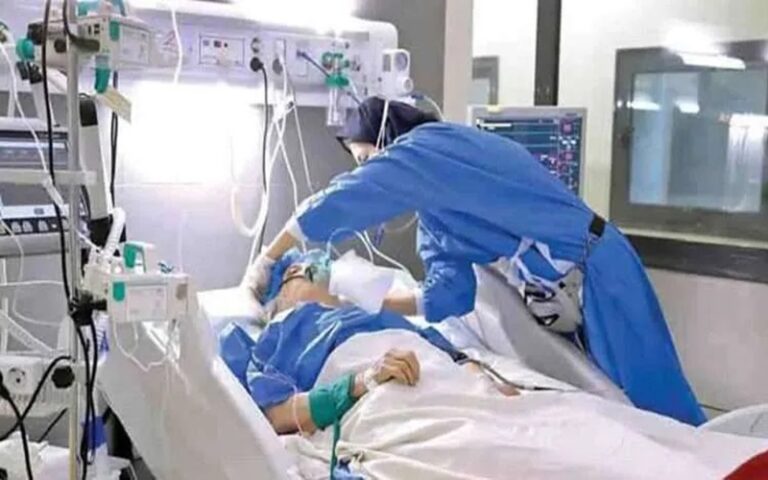
Following the January 8 and 9 massacre, a wave of arrests targeting nurses began in various cities across Iran. State-run media outlets have only made limited references to these arrests. Grassroots sources had previously reported that several nurses were detained for providing medical care to individuals injured during the protests. No official statistics have been released, and the legal status of those detained remains unclear. This ambiguity has raised serious questions. According to remarks by Mohammad Sharifi-Moghaddam, Secretary-General of the Iranian Nurses House, published on February 11 by the state-run Tosee Irani news outlet, several nurses have been arrested in Tehran, Isfahan, and other cities. He emphasizes: “He does not have exact statistics. Calls from families and colleagues are his only source of information. The arrest of nurses has continued even in the days after the protests. Last week, a nurse working at a home nursing care center was also arrested at her residence.”
Secretary-General of Iran’s House of Nurses: Nurses Have Been Arrested in Several Cities

Arrest of Nurses and the Vacuum of Official Accountability

Sharifi-Moghaddam questions which institution is responsible for following up on the situation of these nurses. He says: “Nurses feel they have no guardian. The Ministry of Health and the Nursing Organization have not provided any transparent report so far. The arrest of nurses is taking place while this group has faced economic pressures and staff shortages for years. Difficult and exhausting working conditions are part of the reality of their professional lives.” Nurses play a frontline role in times of crisis. During the COVID-19 pandemic, many lost their lives. Now, during the January protests, they treated the injured. Sharifi-Moghaddam states: “A nurse’s duty is not limited to the hospital. Wherever there is an injured person, medical staff must provide assistance.” He then refers to the “Law on Punishment for Refusal to Assist the Injured and Remove Life-Threatening Dangers, adopted in 2015.” Under this law, refusing to provide assistance in dangerous situations is considered a crime. Nevertheless, the arrest of nurses occurred after they carried out this very legal duty. This contradiction is striking. If assisting the injured is a humanitarian and professional obligation, why has fulfilling it led to detention? Reports indicate that the arrests were carried out because the nurses provided medical services to individuals injured during the protests.

But what is the reality? Arrest of Nurses; An Attempt to Silence Witnesses to the Crime

The January 8 and 9 protests were met with widespread violence by the Islamic Revolutionary Guard Corps (IRGC), the regime’s main military and security force. Local sources reported that thousands of young people were killed, injured, or arrested. In such circumstances, nurses were among the first to confront the wounded bodies. They became directly familiar with the extent of the injuries. The arrest of nurses could therefore signify pressure on eyewitnesses. The lack of clarity regarding the number of detainees reinforces speculation that the objective is to control the narrative. When the number of those killed and injured is not transparently announced, arresting medical staff can restrict the flow of information. Families remain unaware of the fate of some detainees. No official report has been published regarding their place of detention or possible charges. The arrest of nurses following the January massacre presents a shocking image of how medical personnel are treated. Nurses who were legally obligated to provide assistance are now themselves detained. This process not only violates their professional rights but also suggests an effort to conceal the scale of repression. When the regime targets witnesses to the wounds instead of providing accountability, it has no aim other than hiding the dimensions of the crime.

Iran’s Regime Nuclear Program: Escalation, Military Capabilities, and Regional Consequences

Concerns about the nuclear program of the Iranian regime have been a longstanding issue in Western foreign policy and in the Middle East region. After the National Council of Resistance of Iran (NCRI), an Iranian opposition coalition, revealed secret nuclear facilities in the early 2000s, the world became aware of the scope of the Iranian regime’s malign nuclear program. The United States withdrew from the nuclear agreement in 2018, and since then the Iranian regime has expanded its nuclear activities while international oversight has become more limited. Following Israeli and U.S. strikes on nuclear facilities in 2025, satellite images show that the Iranian regime is rebuilding damaged sites. Negotiations between the United States and the Iranian regime were raised again in 2026, coinciding with a popular uprising in Iran. When nationwide anti-regime protests began in December 2025 and the authorities responded with severe repression, the United States once again considered military action.
U.S.-Based Institute: Iran Fortified Isfahan Nuclear Facility as It Did Before the 12-Day War

Timeframe to Produce a Nuclear Weapon

The Iranian regime does not yet possess a nuclear weapon, but much of the necessary technical and industrial infrastructure for producing one is already in place. According to U.S. intelligence estimates, the Iranian regime could produce enough fissile material for a weapon within a few months. Some assessments put the time needed to produce the raw material at as little as one to two weeks, although converting that material into an operational warhead would require additional time. The goal of the Joint Comprehensive Plan of Action (JCPOA), the 2015 nuclear deal between Iran and world powers, was to extend this breakout time to at least one year, giving governments time to respond. After the United States withdrew from the agreement in 2018, the Iranian regime increased enrichment levels and reduced access for inspectors from the International Atomic Energy Agency (IAEA). The last full inspections were carried out in 2021. Rafael Grossi, Director General of the International Atomic Energy Agency, announced in December 2024 that the Iranian regime had increased uranium enrichment to about 60%, a level close to the 90% threshold required for nuclear weapons fuel. An IAEA report in May 2025 showed that the stockpile of near-weapons-grade uranium had increased by about 50% over several months, an amount that could be sufficient for approximately ten nuclear weapons.
Head Of Atomic Energy Organization of Iranian Regime: Grossi Is ‘Part of the Enemy’
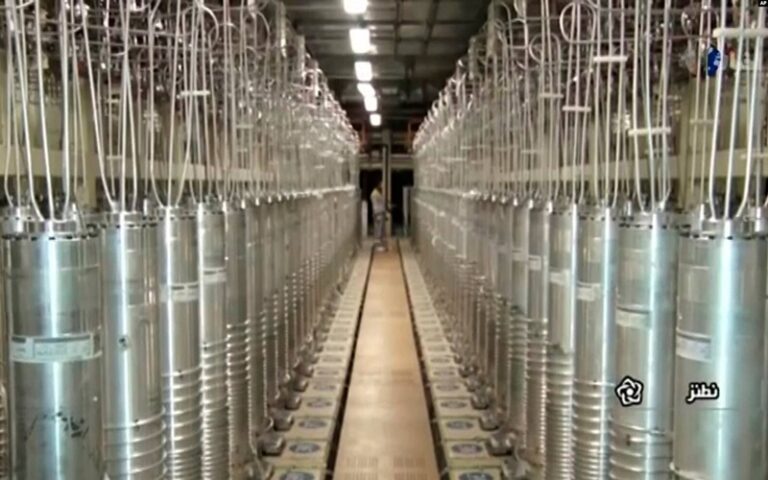
U.S. intelligence in early 2025 also reported on the activity of a secret team of scientists pursuing a faster, albeit simpler, method of building a bomb. This increase in stockpiles and concerns about the shortening of the “nuclear breakout” time were cited as reasons for the U.S. strike on the Iranian regime’s nuclear facilities in 2025. Despite announcements that these facilities were destroyed, satellite imagery indicates that some are being rebuilt. The Iranian regime conducts nuclear fuel cycle-related activities at more than ten sites across the country. The most important enrichment center is located in Natanz, which was damaged in the 2025 strikes. The country’s only nuclear power plant for electricity generation is located in Bushehr. In a report in May 2025, the International Atomic Energy Agency stated that the Iranian regime had carried out undeclared nuclear activities at three previously unknown sites in Lavizan-Shian, Turquzabad, and Varamin, locations near Tehran. These reports have sustained doubts about the possible military dimensions of the program.

Military and Missile Capabilities

The Iranian regime possesses a diverse array of missile capabilities. U.S. intelligence analysts say the regime maintains the largest ballistic missile arsenal in the Middle East. It has been reported that the Iranian regime’s long-range missiles are capable of reaching targets up to 2,000 kilometers or even farther, across the Middle East and parts of Europe. In attacks in 2024, the Iranian regime directly targeted locations in Israel for the first time. The first attack involved drones and missiles, and due to prior warning there was sufficient time for interception. The second attack in October of that year relied mainly on ballistic missiles and was carried out without warning, reaching its targets within minutes. Satellite images showed that more than 30 missiles struck an airbase in southern Israel, suggesting either that Israel chose not to intercept those particular attacks or that its defense systems failed. Analysts warn that future attacks could be larger and harder to intercept, especially if the Iranian regime makes greater use of more advanced weapons such as the “Fattah-1” and “Kheibar Shekan” missiles.

What Would Be the Consequences of the Iranian Regime Acquiring a Nuclear Weapon?

Many foreign policy experts warn that a nuclear-armed Iranian regime would pose a serious threat to the region. Some regional analysts fear that a nuclear-capable regime would likely become more emboldened and pursue a more aggressive foreign policy, not only regionally but also through expanding military and economic cooperation with China and Russia. The Iranian regime has supplied Moscow with various weapons systems, including drones and short-range ballistic missiles, to bolster Russian forces in the war in Ukraine. There is also concern that the Iranian regime’s acquisition of a nuclear weapon could encourage other countries in the region to pursue similar capabilities, potentially triggering a dangerous nuclear arms race. Although it remains unclear how the talks in Oman will ultimately proceed, it is evident that a difficult path lies ahead. According to many nuclear experts, the Iranian regime will strongly oppose any complete dismantlement of its nuclear facilities, particularly as the nuclear program is now considered one of Tehran’s last remaining geopolitical levers after the weakening of many of its regional proxy forces.

The Shadow of Anxiety Over Iran’s Education, School Seats Are Emptying

0
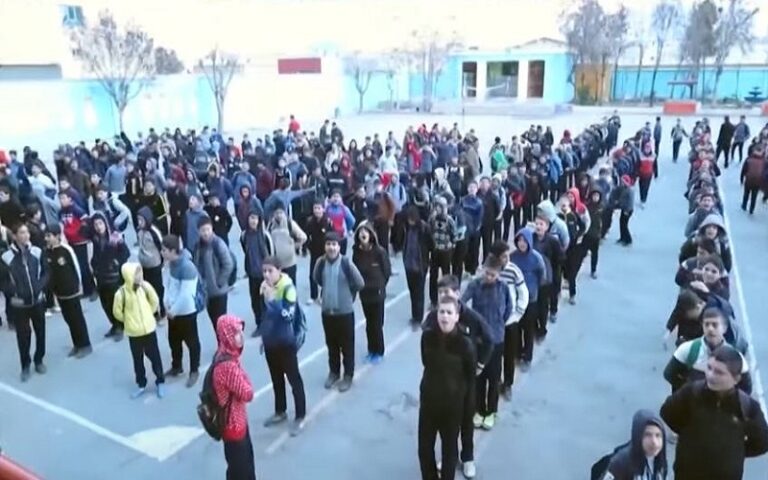
In recent months, the link between security and educational stability in Iran has faced an unprecedented challenge. The continuation of regional tensions and the provocations of the mullahs’ regime, along with fears of potential military conflict and the inaction of responsible institutions in ensuring psychological safety, have led many families to refrain from sending their children to schools and educational centers. This report examines the roots of this widespread absenteeism and its devastating consequences for the country’s education system.

Fear of Insecurity and the Emptying of Classrooms

Today, instability and anxiety overshadow daily life, and for many families, school is no longer considered a safe place. Following the escalation of tensions and growing concerns about external conflicts, parents face serious doubts every morning. They ask themselves whether sending their child to school under such conditions is safe or not. Field reports indicate a significant decline in student attendance in some educational centers. Although no official statistics have been published, the scope of this phenomenon appears to be extensive. Conversations with teachers and parents show that fear and distrust regarding the safety of the educational environment are the main concerns. Gradually, these worries have led to the normalization of student absenteeism across society. One mother says: “At first, even when the internet was cut off or had just been restored, teachers would take attendance on the Shad network (a government-developed educational application in Iran). It was clear who was present in class and who was not. But now even that is gone. It is as if it no longer matters whether a child attends class or not.”
The Painful Story of School Dropout Caused by Poverty in Iran

Educational Pressures Alongside Psychological Crises

The rushed nature of educational processes has placed additional pressure on students. They must cope not only with external stress but also with heavy homework loads and frequent exams. A mother says: “There is stress, falling behind, and too much homework. The child is truly under pressure.” The consequences of this situation are not limited to absenteeism. Students are losing their motivation to learn. When classes are repeatedly canceled and lessons are left unfinished, indifference replaces academic enthusiasm. Families are now forced to choose between education and safety. For many, the final choice is entirely clear. They believe: “Right now, the priority is protecting our children’s lives. If lessons fall behind, they may be made up, but a life cannot be brought back.” This phenomenon is spreading widely. Many parents are refusing to send their children to school.

Crisis of Quality and Bitter Memories of the Past

In addition to security concerns, the low quality of instruction is another factor contributing to empty schools. A lower secondary school student says: “The truth is, whether we go to school or not does not make much difference. The education system has become so weak, and many teachers teach with such low quality that our presence does not have much impact.” Teachers also confirm that students’ willingness to attend classes has declined. In a class of 18 students, sometimes only five or six are present. Some students work to support their families, while others lack motivation.
School Closures Sweep Iran as Air Pollution, COVID-19, and Influenza Surge
Studies show that fluctuations in student attendance have led to a noticeable nationwide academic decline. The disparity in scores in the final exams of June 2025 clearly reflects this inequality. While the average score in District 6 of Tehran is 14.84, in Mirjaveh, a deprived city in Sistan and Baluchestan province in southeastern Iran, it drops to 5.26. This deep educational gap indicates widespread learning poverty within the current system. According to international statistics, 70% of Iranian students perform below the global average. The combination of fear of war, bitter security-related memories, and structural weaknesses in the education system has distanced schools from their primary function. As families choose life over education in this painful dilemma, the silence and inaction of officials have deepened the scale of the disaster. Life versus education—which should take priority?