

Iranian Oil Tanker Seized by IRGC Who Blame US for Trying To ‘Steal’ the Vessel
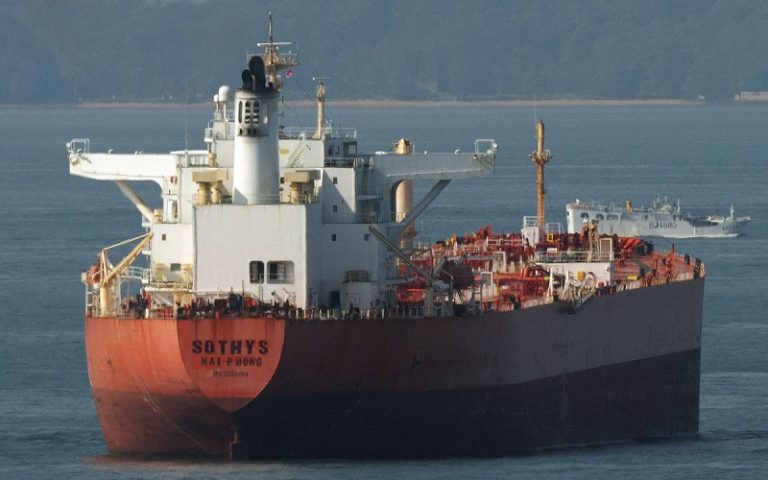
According to Iranian state media on November 4, the supposed theft of an Iranian oil tanker in the Sea of Oman was blocked by the Islamic Revolutionary Guard Corps (IRGC) navy. Reports claimed that the United States navy was attempting to steal the vessel, which has been vehemently rejected by the Pentagon.
Pentagon spokesman John Kirby gave a statement saying, “I’ve seen the Iranian claims. They are absolutely totally false and untrue. It’s a bogus claim.”
The regime, in fact, had seized a Vietnamese-flagged oil tanker in October. Two U.S. Navy ships, backed by air support, had monitored the situation but did not try to prevent the vessel. The vessel is identified as ‘Southys’.
A report on the Tanker Trackers website indicated that the vessel was attempting to make a delivery of 700,000 barrels of crude oil to China, but the shipment was rejected. As a result, Southys was forced to return to Iran, dropping anchor off the coast of Bandar Abbas, before later being relocated to the Strait of Hormuz.
Since the regime has not paid the price of its regional adventurism and nuclear extortion, it continues its malign activities. Why does Tehran take the risk of creating an international fiasco which could lead to a standoff rather than attempting to restore the 2015 nuclear deal, formally known as the Joint Comprehensive Plan of Action (JCPOA)?
The state-run Aftab-e Yazd daily wrote in their November 2 publication that if the Iranian regime return to the JCPOA, then the U.S. and other signatories would not be limited to the terms of the current deal. If the regime chooses to leave the JCPOA, then they must start negotiations all over again with countries that may wish to extend nuclear discussions to other issues. Whatever the decision is that Tehran makes will likely end in a standoff.
It should be noted that Iran’s state-TV broadcasted the entire attack on the oil tanker to somehow boost the morale of the regime’s forces.
This latest ploy by the regime comes at a time where Iran is suffering from crisis after crisis. Iran’s economy has practically collapsed, the Covid-19 pandemic is ravaging the country and society is becoming more restive as the crises worsen daily. Protests are commonplace across the country, with dozens taking place every day and the situation is so intense that the regime is fearing another uprising akin to the one in November 2019, if not worse.
The Mostaghel daily wrote on October 30 that, “The political system in Iran has been facing the crises of political legitimacy, economic efficiency, and structural corruption for many years.”
Warnings of endangerment to state security were issued by the Aftab-e Yazd daily on October 31 who said with the number of people in Iran living in poverty and unable to provide for their families, tensions will only worsen and with nothing to lose, people may resort to violence.
The western powers should not concede to the regime’s extortion campaign. Such provocative actions, which destabilized international peace and security, should not be left unanswered. The regime should be held accountable, and this is the only way to end its malign activities.
Harming Iranian People’s Interests, the Result of Khamenei’s ‘Look to the East’
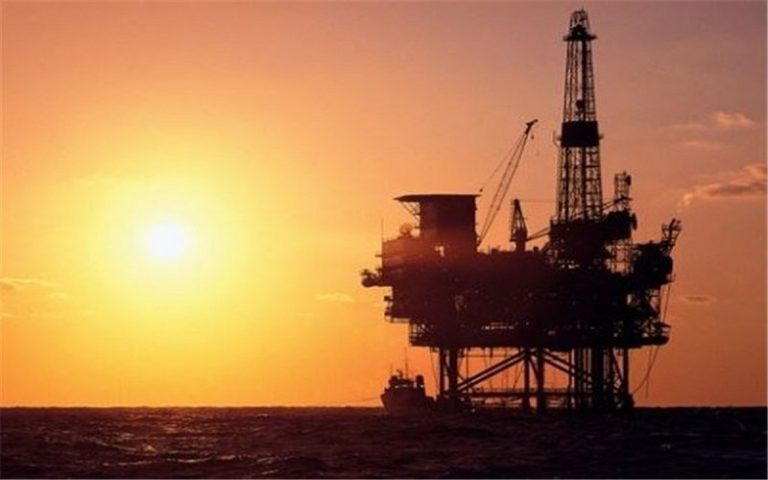
Ardeshir Dadras, the head of the Iranian Compressed Gas Association (CNG), announced on November 2 that Iran, according to an agreement with Russia, has no right to withdraw from eight gas wells in the Caspian Sea. Although this statement was rejected by Kazem Jalali, the Iranian ambassador to Moscow, international observers said that the reaction of the regime’s ambassador to Moscow is due to the reaction of the Iranian people on the internet and social media.
In an interview with ILNA, Dadras stated that according to the agreement between the Iranian and Russian governments, Iran has no right to extract gas from the Caspian Sea’s gas resources as long as Iran’s gas balance is positive and domestic production meets consumption.
Dadres added, therefore, that we should think about the gas resources of the Caspian Sea at this time. Dadres attributed this to the agreement between the Iranian and Russian governments that Iran’s government is not allowed to increase Iran’s gas reserves to a level higher than Russia’s gas reserves.
Russia currently has 18.1 percent of the world’s gas reserves, and Iran’s share of the world’s gas reserves is 17.9 percent.
According to the Dadres, if the Iranian government withdraws from the Caspian Sea gas reserves, Iran’s share of world gas reserves will increase to 18.2%, which according to Dadres is contrary to the agreements that the Iranian government has already made with Russia.
The news of Iran’s ban on gas extraction from eight gas wells in the Caspian Sea, which is located in the waters of Iran, provoked many negative reactions among social media users.
While condemning this act and diminishing Iran’s interest in gas extraction, Iranian citizens cited the incompetence of Iranian government officials as the reason for the ban on gas extraction from wells in the Caspian Sea, and many of them attributed this to Russia’s expanding dominance over Iranian resources.
In the past, the division of the Caspian Sea water area in recent years had caused widespread criticism among Iranian society and on social networks.
Jalali reacted to Dadres’ remarks on Tuesday, November 2, stating that ‘this has not been the case during the more than 1.5 years he has been Iran’s ambassador to Russia.’ He described Dadres’ statement as ‘influential to Iran-Russia relations.’
Despite all the regime’s rejection which was expected and something usual by the regime, the state-run daily previously about this agreement wrote:
“Last week, Iran unveiled a large gas field in the country’s waters in the Caspian Sea, the Oil Price website reported. The Chalus gas field is to be constructed with the aim of creating a new gas pole in northern Iran to complement the country’s gas south pole with the focus of the massive South Pars field.
“The main developer of the Chalus gas field is Khazar Oil Company (KEPCO), but technical and financial assistance is also received from Russia and China.
“If initial estimates of gas reserves in the Chalous field are correct, Iranian gas will be able to supply at least 20 percent of Europe’s gas requirements. However, the number of exports, prices, and destinations of this gas is aligned with Russia, adding to Moscow’s dominance of Europe in energy, which is now one of the main themes of the dispute between Europe and its NATO partner, the United States.
“According to the author of the analysis, the reason Iran accepted this terrible change in its share of the spoils of the Caspian Sea was that it was negotiating a 25-year deal with China at the time, including a major important agreement with Russia.
“The deal with Russia was a legal necessity for a 25-year contract with China. For example, the deal allows Russian and Chinese aircraft and ships to use shared sites throughout Iran. It was added to existing multi-layered, 10-year agreements that Iran had signed with Russia until then.” (Bourse News, August 23, 2021)
The ’25-year agreement with China’ and the ’20-year agreement with Russia’ are the result of the regime’s policy of ‘looking to the East’. With the excuses such as benefiting from becoming a member of the Shanghai Cooperation Organization (SCO), which is, in fact, to have the opportunity of a veto in the UN Security Council if its nuclear case becomes worse and facing inclusion under Chapter 7 of the United Nations Charter.
Iran: Mother and Daughter Denied Prison Leave, Despite Ongoing Medical Issues
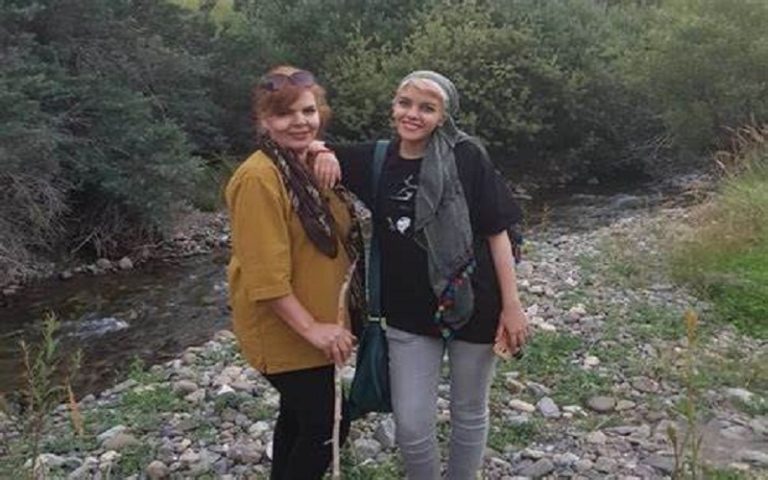
Two women’s rights activists, Yasaman Aryani and her mother, Monireh Arabshahi are being deprived of receiving prison leave despite Monireh needing ongoing medical care. The women were sentenced to 5.5 years in prison for their opposition to the Iranian regime’s policy of mandatory Hijab wearing.
Farzad Aryani, the husband of Monireh and the father of Yasaman, said, “My wife and daughter have not embezzled any money, nor have they committed murder. They spoke out in the best possible form by presenting flowers [to women on the International Women’s Day.] They must not be deprived of their right to have prison leave.”
Monireh and Yasaman were initially arrested in April 2019 and imprisoned at Qarchak Prison in Tehran. In August 2019, the women were transferred to the notorious Evin Prison, before later being sent to exile in Kachouii Prison in Karaj in October 2020.
Farzad Aryani, Yasaman’s father, posted an audio recording on social media, in which he said, Why the rights of prisoners, including my wife and daughter, are not observed?
Monireh Arabshahi first fell ill in December 2020, suffering from a swollen throat and having trouble breathing. Doctors at the prison recommended that she needed to go to the hospital to have her thyroid glands scanned to assess the situation, but this was denied by prison authorities.
Eventually, she was granted a medical leave at the beginning of May 2021 after paying a bail of 500 million Tomans. Following a thyroid gland operation, she was returned to Kachouii Prison on July 23, before being sent back to the hospital the following week after her health deteriorated but was forced to return to prison without receiving treatment.
A further medical leave was granted on August 4 until October for ongoing treatment, at which point she was once again summoned back to prison without fully completing her course of treatment.
Efforts to obtain prison leave for Yasaman Aryani to attend to her sick mother did not lead anywhere.
The Iranian regime has often resorted to the method of torturing political prisoners by depriving them of desperately needed medical treatment. This method has worsened in the case of the Covid-19 pandemic, where prisoners infected with the virus have been left unattended in contaminated sub-standard quarantine areas.
In Farzad Aryani’s audio recording he explained how in the past two years and seven months, his wife had only been granted a few days of medical leave to undergo her thyroid surgery, as did his daughter who needed dental surgery. He told how Monireh and Yasaman were both told by prison authorities that they did not deserve to have prison leave because of the fact that they were activists.
He said, “Political prisoners are imprisoned for expressing their views or defending people’s rights. Even prisoners detained on drug-related and murder charges enjoy prison leave. However, prison authorities do not allow [political prisoners] to enjoy their right to have prison leave.”
The JCPOA a Non-Maneuverable Trap
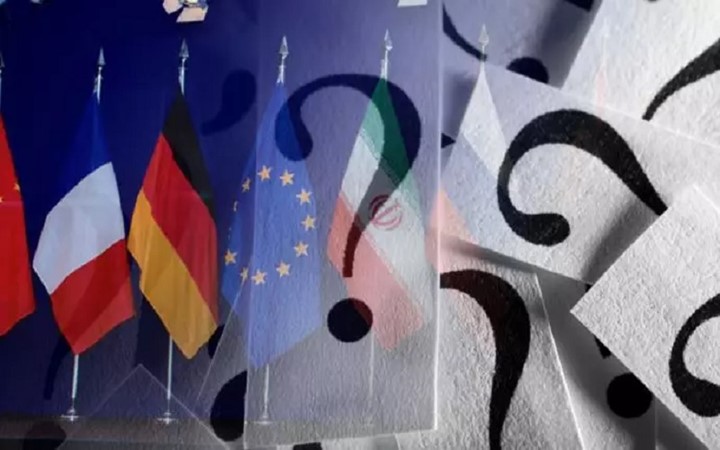
In recent days, the positions and actions of the Western countries who are parties involved in the international nuclear agreement with Iran, known as the JCPOA, show that the situation for the regime has become more critical.
The G20 summit ended with a heavy shadow of ambiguity putting its burden on the fate of the JCPOA. The Western powers are witnessing that the regime with its actions is playing for time, and there is no outlook to return to the negotiations.
Thus, the tone of their officials has changed, and even Russia’s officials who the regime considers as its allies are mocking the regime’s position.
After some new sanctions against the regime’s drone systems, now US President Joe Biden is warning the regime that they will respond to the regime’s drone attacks, relying on all options on the table.
Germany, France, and the United Kingdom, along with the United States, stated on the sidelines of the G20 summit, warning that the regime’s actions would only mean building a nuclear bomb.
Stressing that the regime should come to the negotiating table, they emphasized that other destructive actions of the regime should be addressed in the negotiations, in addition to the nuclear issue.
Seyed Jalal Sadatian, the regime’s former ambassador to London, warned: “In the statement of the four countries, their positions are becoming closer and this dangerous for the system.”
In parallel to this statement, strategic bombers of the US army flew over the Persian Gulf close to the regime’s borders and in a maneuver.
The regime has no way out and must accept the demands of the world powers who are demanding to put the regime’s missile and regional activities on the table, or it will face harsher reactions, analysts say. This has become more critical for the regime because no one is trusting the regime anymore and time is running out for the regime.
The state-run daily Mostaghel on November 2, 2021, in an article entitled ‘The Inconclusive JCPOA’ wrote: “It seems that the future of the JCPOA remains unclear, and everything is ambiguous.
“Iran has announced that it will return to negotiations before the end of November, but U.S. officials are looking at the matter with skepticism. Sources in Washington told CNN that talks are underway to increase pressure on Iran under the Biden administration as Iran moves closer to building a nuclear weapon.
“Despite the willingness of the U.S. and Iranian sides to continue negotiations, the future of the JCPOA seems to remain unclear and everything is in an aura of ambiguity.”
Hidden dangers are what other state-run media in Iran are warning about. The state-run daily Siasat-e-Rooz on November 1, 2021, wrote:
“The agreement that the United States and Europe are seeking is an agreement that will force Iran to trade on its missile advances and capabilities and reduce the influence in the region. Such a thing would actually disarm (the system).”
Mostaghel daily warned that the regime was facing a dangerous future and wrote:
“The nuclear program has become the first embankment beyond its cost-sized nature. In other words, it has become the first stronghold, which if conquered by the enemy, will lead to the fall of other strongholds. They see the next strongholds as regional roles, weapons capacities, human rights and even the existence of a system called the Islamic Republic.” (State-run daily Mostaghel, November 1, 2021)
Meanwhile, the state-run daily Setareh-e-Sobh introduced the regime’s dreams of becoming a nuclear power as the main barrier to the progress and wrote:
“The Islamic Republic has stated several times that it does not want to build an atomic bomb, but at the same time a large portion of Iran’s power, wealth, and assets have been spent on developing nuclear energy over the past years. It seems that if the Islamic Republic does not even want to build a nuclear bomb to strengthen its defensive or military position in the region or for its negotiations with the West and its diplomatic dealings, it is willing to potentially have the possibility of building a nuclear bomb.”
There are much more examples about the critical situation of the regime written by its media, and the result is that this time the regime must decide between worse and the worst.
Continuing Trend of Human Rights Violations at the Hands of Iran’s Rule
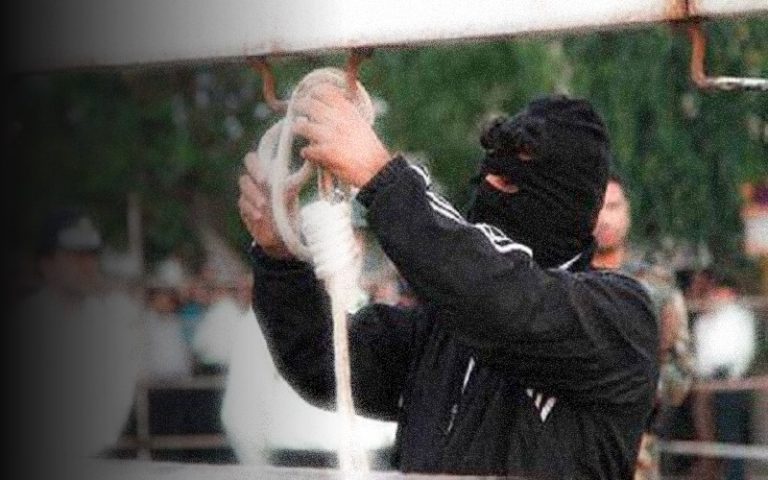
Throughout the month of October, the Iranian regime kept up with their continuing trend of executions in their prisons, along with the forceful pressure on political prisoners. Reports have also indicated that security forces have arbitrarily opened fire on citizens in several cases, leading to many being severely injured or killed.
Human rights violations are sadly commonplace where the mullahs’ regime is concerned. From violations of the right to life to the right to freedom of speech, and including the rights of religious minorities and the conditions of political prisoners, many offenses have taken place during the past month.
At least 27 death penalties were carried out in various Iranian prisons during October 2021. 12 victims were convicted of drug-related charges and another 13, including a woman, were charged with murder.
In the Iranian Kurdistan province at the Revolutionary Court of Saqqez, Kayvan Rahimi was sentenced to four months behind bars after being charged with promoting ‘propaganda against the state’ because of his social media activities.
On October 19, 2021, the Interrogations Office of Evin Courthouse in Tehran arraigned three Christian citizens, Mr. Joseph Shahbazian, Ms. Somayyeh (Sonia) Sadeq, and Ms. Mina Khajavi Qomi, of their charges.
The three individuals were also charged with circulating propaganda against the state. The reason was that they were accused of running a Zionist network and establishing a Zionist house church.
In further violations of the rights of religious minorities, three Sunni political prisoners, Mohiyeddin Ebrahimi, Mohiyeddin Tazehwared, and Davoud Jabbari, were transferred to an unknown location by prison authorities from the Central Prison of Urmia in the West Azerbaijan province. Ebrahimi and Tazehwared previously attempted to appeal their death sentences.
The Iranian regime increased pressure on political prisoners, prisoners of conscience, and detained human rights activists. In some cases, prison authorities hired violent prisoners and dangerous convicts to beat up and brutalize political prisoners.
In several cases, authorities have gone as far as to file false charges against political prisoners, completely violating their rights. As a result, many prisoners have resorted to going on hunger strikes to obtain their rights. Khaled Pirzadeh, a political prisoner detained at the Shaiban Prison in Ahvaz, has been on a hunger strike since August 23 in protest of the prison authorities’ refusal to honor his conditional release agreement after already serving two-thirds of his sentence. He is also protesting the violent treatment that his family has been subjected to by security forces.
In a case from October 8, prison authorities at the Greater Tehran Penitentiary hired several dangerous criminals to attack political prisoners Akbar Baqeri, Pouya Qobadi, Shapout Ehsani-rad, Esmail Gerami, and Akbar Shirazi with knives and machetes.
The assailants stabbed Messrs. Baqeri, Qobadi, and Shirazi several times and broke several thermos flasks on their heads. The three victims were transferred to the prison’s dispensary because of severe injuries.
Following the attack, the victims and several other political prisoners were forcibly transferred to another ward in the prison, known as the ‘closed-door ward’ which reportedly has substandard conditions.
On October 20, regime security forces opened fire on three fuel carriers in Sistan and Baluchestan province, killing at least four citizens.
Border patrols opened fire at the point-blank range on Zhiyan Alipour on October 14, 2021, without warning. Mr. Alipour was from a village near Sardasht and married with two children. His brother, Houshmand Alipour, is a political prisoner detained in the Prison of Sanandaj.
Bill To Address Teachers’ Salary Demands Refused by the Iranian Parliament
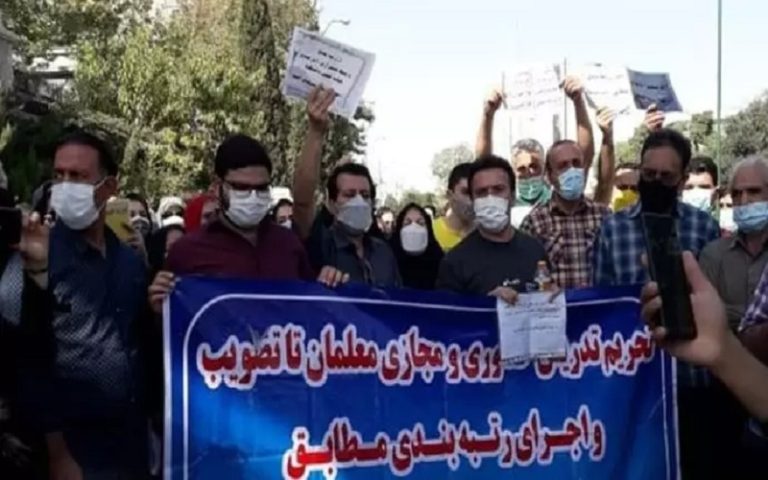
In a private session of the Iranian Majlis (parliament) on Sunday, the Iranian regime’s government officials refused to vote on a bill that would adjust the salaries of teachers in Iran, instead, they sent the bill back to the education commission to be revised.
This latest decision follows months of ongoing protests by teachers across Iran. The current salaries for teachers are leaving them living below the poverty line, barely able to provide for their families. The protests have been aimed at the education ministry, as well as other government institutions calling for increased salaries and more job opportunities.
According to MP Alireza Sefidan, member of the education commission, by passing the ranking bill, the regime would have to pay all teachers an extra 30 million rials per month and teachers with a master’s degree with an additional 70 million rials.
The regime’s budget deficit is already 450 trillion rials, and according to the industry, mines, and trade ministry, the regime doesn’t have enough income to fill the 307 trillion rial gap of the proposed salary increase.
This, however, is false as the regime would rather fund their terrorist proxy groups in the Middle East and pour money into developing weapons of mass destruction, rather than provide teachers in Iran, and other sectors of society, with enough money to solve society’s problems.
That of course, would be a hard decision for a regime that has built its power on spreading terrorism, violence, and Islamic fundamentalism across the region and repressing any form of dissent through arrests, torture, and executions.
Teachers in Iran have been protesting since last year, but the regime still refuses to address their demands. The latest series of demonstrations began in early September, just before the start of the new academic year. Among the demands are that the ‘80 percent ranking plan’ should be implemented. This plan ensures that teachers will receive at least 80% of the wages that faculty members receive so that they’re all receiving equal salaries.
The regime’s continued disregard for the needs of teachers and its repressive response to their demonstrations has gradually skewed their demands and rallies into political protests.
Along with the teachers’ protests, other segments of Iranian society have been holding protests to fight for their rights despite the severe repression and the regime’s disregard for the demands of Iranian citizens across the country.
Even the regime’s state-run media have warned of the potential consequences if the regime continues to avoid addressing the problems that need to be solved.
The Mostaghel newspaper wrote last month that considering the wave of protests across Iran ‘in response to livelihood and living conditions problems across the country’, the crises will not be overcome by the government simply using ‘band-aid responses and keeping the lid on the main demands’.
The article also read, “The security apparatus tries to stop the protests through pressure, but so long as livelihood problems are not solved, we will continue to see these protest rallies.”
Money Printing and Lies by Iran Government
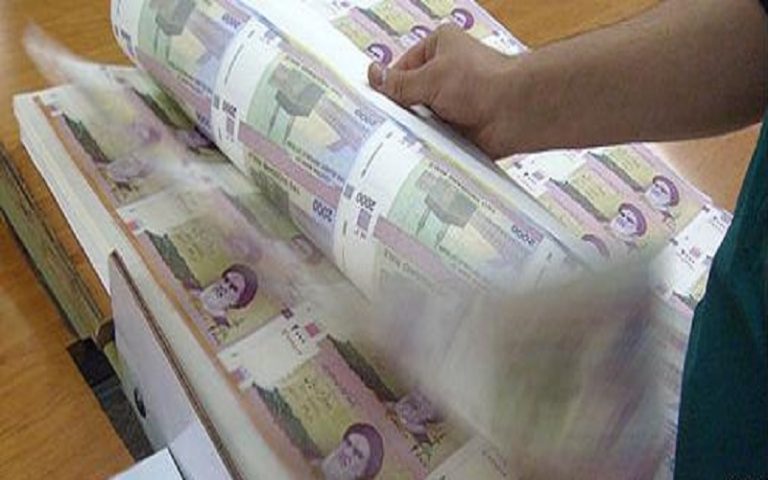
Iranian president Ebrahim Raisi has announced that his government will not be seeking to increase liquidity in the country and the country’s monetary base will not be increased. And he will decrease the budget deficit and inflation.
The question here is, how will Raisi do this?
Simply said, liquidity is the demand of the people from the government or the government’s debt to the people, so the higher the value, the higher the government’s debt to the people. Liquidity covers the following:
- Banknotes or coins
- Savings or bank credits (visual deposits)
- Government budget deficit that leads to loans from the Central Bank
- Banks’ debt to the Central Bank
Corrupt Government Harshly Punishes the Poor and Deprived While Plundering Iran’s Assets

In Qom province in central Iran, the Iranian regime’s judiciary has recently sentenced a father of three to 40 lashes and 10 months in prison because he stole three packets of cashew nuts. The cruel sentencing for such a minor crime has caused outrage among Iranian society and the case has gone viral on social media.
The court sentence was issued at a time when trillions of rials from the Iranian people’s property is being looted daily by regime officials and government-linked entities. All the while, the regime’s judiciary is doing nothing.
According to downsized government statistics that the state-run Bahar News website published on October 25, 40 million Iranians need assistance to help provide for their families. From these statistics, this equates to nearly 500 people falling below the absolute poverty line in Iran every hour.
An article on the Asr-e Iran website stated that “more than a third of Iranians live not in poverty, but in absolute poverty…the number of people living below the absolute poverty line a year ago was 26 million.” According to updated figures, a further 4 million have joined them in the past year bringing the total now to 30 million.”
The state-run Shargh daily said, “When the facilities necessary for a dignified and developing lifestyle cannot be provided, and employment is scarce, adequate food and treatment will become the dreams of vulnerable families.”
The current widespread poverty and the fact that a large part of the population is below the absolute poverty line is the flip coin of the astronomical fortunes of regime officials, and institutions linked to the mullahs’ Supreme Leader Ali Khamenei, who controls a large part of the country’s economy.
In an interview in 2014, the Deputy Minister of Economy under then-president Mohammad Khatami, Mohsen Safaei Farahani voiced his concerns over the regime’s corruption. He explained that there are around 120 different institutions linked to the regime or Khamenei and they control about 50% of Iran’s GDP. He also said, regarding the institutions, entities, and foundations, that “there is absolutely no proper control over their performance.”
Most of the institutions and foundations that contribute to this institutionalized plundering are linked to Khamenei, such as the IRGC, the Headquarters for Executing the Order of the Imam (SETAD), (referred to by the U. S. Treasury Department as The Execution of Imam Khomeini’s Order, ‘EIKO’), and other such entities.
The SETAD, despite being part of the non-government public sector, plays one of the biggest roles in terms of plundering the country’s assets. Its influence and sheer dominance over Iran’s economy reportedly surpass that of the IRGC.
These institutions are plundering the mere property of poor Iranians while the regime brutally oppresses the people’s slightest social and economic demands. This is how the mullahs’ regime defines justice.
The regime is the ones who have left Iranian society living in horrible conditions and instead of helping those in need, they would rather harshly punish the deprived and the poor who must resort to stealing to feed their children.
Meaning of Iran’s Drone Sanctions in the Context of Its Nuclear Crisis
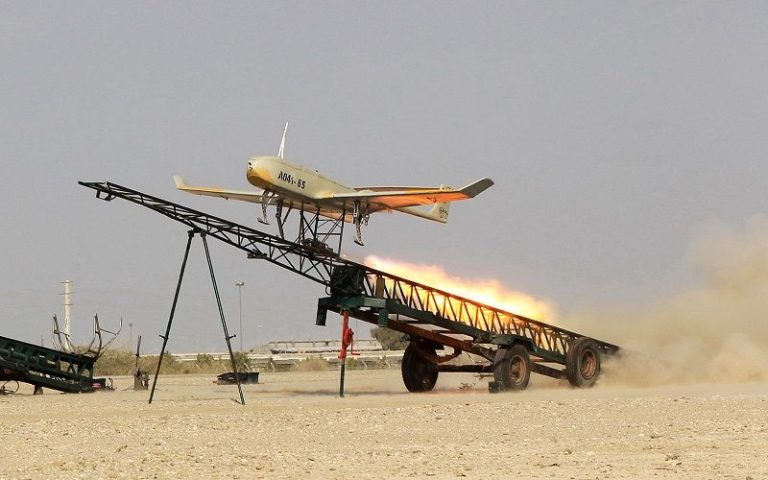
The U.S. Treasury slapped new sanctions on Iran’s Revolutionary’s (IRGC) as well as the IRGC Quds Force drone network and its responsible commanders. Four IRGC commanders including Yousef Aboutalebi, Saeed Aghajani, commander of the IRGC Aerospace Force UAV Command, Abdollah Mehrabi, and Mohammad Mohammad Ebrahim Zargar Tehrani were added to the sanctions list.
In addition to these individuals two companies relating to the regime’s destructive drone activities were also sanctioned:
KIMIA PART SIVAN COMPANY LLC is linked to the IRGC’s Quds Force and the OJE PARVAZ MADO NAFAR COMPANY is linked to the IRGC.
The US Treasury said in the sanctions statement:
“Today, the US Department of the Treasury’s Office of Foreign Assets Control (OFAC) designated members of a network of companies and individuals that have provided critical support to the Unmanned Aerial Vehicle (UAV) programs of Iran’s Islamic Revolutionary Guard Corps (IRGC) and its expeditionary unit, the IRGC Qods Force (IRGC-QF).
“The IRGC-QF has used and proliferated lethal UAVs for use by Iran-supported groups, including Hizballah, HAMAS, Kata’ib Hizballah, and the Houthis, and to Ethiopia, where the escalating crisis threatens to destabilize the broader region. Lethal UAVs have been used in attacks on international shipping and on U.S. forces.”
The US Treasury emphasized that “Treasury will continue to hold Iran accountable for its irresponsible and violent acts.”
The IRGC was placed on the sanctions list in part and in full in 2007 and 2017 according to several different executive orders, the last of which was on October 13, 2017, when the entirety of the IRGC was placed on the US sanctions list.
One of the regime’s central weapons for exporting terrorism and warmongering are drones, so over the past decade, the regime has invested heavily in drone production and has allocated a large budget despite a severe economic crisis.
Its foreign wing, the terrorist Quds Force group, is using the regime’s different drones to attack other countries in the region and destabilize them. The regime by this way is compensating its aerospace weakness with these drones, because since the start of its reign the regime was not able to create a war-effective air force, mostly because of its global sanctions.
The regime’s drone network consists of three parts:
- The UAV production sector, which is run by the regime’s Ministry of Defense
- The maintenance, use, and command of the UAV, which is carried out by the IRGC Air Force
- The use of drones, which is transferred by the Quds terrorist force to the regime’s proxy groups throughout the region.
Iran: Khamenei Is Stuck in Solving the JCPOA Challenge
By wasting time, the Iranian government is trying to defy the conditions expected by the Western powers, especially the US government, in Tehran’s nuclear negotiations with world powers. Analysts believe this is in the hope of forcing them to give the regime more concessions and step back from their demands that the regime halts its missile and regional projects.
That’s unacceptable for Western powers. In an interview with Al-Arabiya TV on October 2, 2021, the French Foreign Minister emphasized that the path to negotiations will not remain permanently open and that regional and missile issues should be negotiated.
In return wasting time, western officials have repeatedly warned them. European Union foreign policy chief Josep Borrell said Iran should know that time is not in its best interests and that it is better to return to the negotiating table soon.
French President Emmanuel Macron, in a phone call with China’s president, also called for the regime’s adherence to the terms of the 2015 nuclear deal, known as the JCPOA, and warned the regime against violating the JCPOA.
The state-run news agency Student News Network (SNN) quoted French President Emmanuel Macron and wrote: “Iran must end activities that contradict JCPOA provisions.” (SNN, October 27, 2021)
According to the Evening Standard, Liz Truss, the British Foreign Minister, also warned: “Iran has no credible civilian justification for its nuclear escalation. As I made clear to my Iranian counterpart, Iran needs to urgently return to the negotiating table.
“If Iran does not engage meaningfully in negotiations, we will reconsider our approach. All options are on the table.” (Evening Standard, October 27, 2021)
The US Special Representative for Iran, Robert Malley, has shared America’s “growing concern” about Iran’s alleged nuclear advancement, as he declared that talks over reviving the 2015 Iran Nuclear Deal are in a critical phase.
He said that there is a “growing concern over the pace and direction of Iran’s nuclear progress.” (RT, 25 October 2021)
The Director-General of the International Atomic Agency (IAEA) recently warned the regime to abandon its disposal policy and not disrupt the agency’s oversight of inspections of nuclear facilities.
Although the regime apparently wants to pressure the negotiating countries to achieve its goal in possible future negotiations, the reality is that the regime’s supreme leaders Ali Khamenei can’t determine the JCPOA’s situation and is confused about it.
On the one hand, he is under pressure from Western countries and their constant threats, and on the other hand, even within his faction, there is no unified policy, and there are conflicting statements about the JCPOA and its discussions.
Elements within the principlist faction consider the JCPOA dead, as Khamenei’s mouthpiece in the Kayhan newspaper Shariatmadari called it a ‘deadly poison’ and a ‘stinking body.’
The regime’s president Ebrahim Raisi, however, speaks of negotiations, as he said in a recent interview with the state-TV Channel 1, “Iran has never left the negotiating table, and we are certainly serious about outcome-oriented negotiations.” (State-TV Channel 1, October 18, 2021)
Iranian officials, including Khamenei, know well that giving in to the ‘real negotiations’ desired by Western countries means that they must submit to their demands and negotiate regional and missile policy and surrender, and it is impossible to revive the 2015 JCPOA.
Iran’s state media and experts have acknowledged the fact that the regime’s so-called tactics of delay and not giving in to the ‘real negotiations’ desired by Western countries are shabby methods that cannot have any achievement for the regime.
The state-run daily Etemad wrote: “The lifting of all nuclear and non-nuclear sanctions was also discussed in the previous administration’s negotiations, and ultimately this demand did not work out. It should be noted that when the U.S. uses sanctions as a pressure tool, it is very unlikely that the U.S. will abandon it entirely. We can make this demand, but in practice, all predictions say this will not be fulfilled.” (State-run daily Etemad, October 28, 2021)
The state-run daily Arman took a step further and called the regime’s behavior dangerous and said:
“From the tone of all the permanent members of the Security Council, they are bored, and everyone is willing to see Iran enter these serious negotiations decisively, transparently, and accurately, and the outcome should that what the JCPOA members are waiting for. Because the impasse is a major threat that is turning over Iran’s head and can go as far as military intervention.” (State-run daily Arman, October 28, 2021)
This is something that is lurking behind the regime’s doors: “Mr. Sullivan explained that this administration believes diplomacy is the best path to achieve that goal, while also noting that the president has made clear that if diplomacy fails, the United States is prepared to turn to other options.”(Algemeiner, October 5, 2021)
