Read More:
We May Produce Nuclear Weapons if We Are Forced To
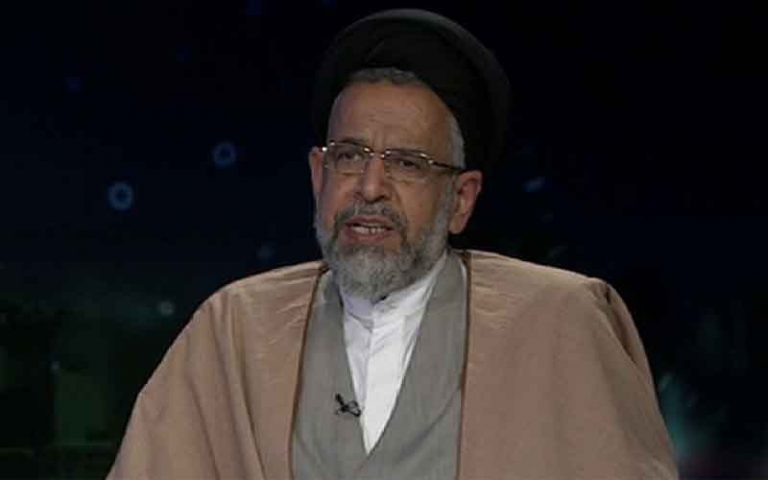
Whether or not Trump was correct about this, Tehran was evidently frustrated by Biden’s refusal to immediately reverse his predecessor’s policies after taking office. While the new administration is still leaving the door open for a return to the nuclear deal, it has also insisted that Iran has to act first by reversing the various steps that it has taken in violation of the agreement, formally known as the Joint Comprehensive Plan of Action. The US withdrawal from that agreement was followed by a grace period after which sanctions began to be phased back in starting November 2018. Shortly thereafter, Iran acquired stockpiles of nuclear material in excess of what is allowed under the JCPOA. Further violations proceeded in a series of strategic steps until early 2020 when the regime announced that it no longer intended to comply with any of the imposed restrictions. This prompted the deal’s European signatories – Britain, France, and Germany – to trigger a dispute resolution mechanism. But the leadership of the European Union expressed willingness to draw that process out indefinitely, thus leaving the US as the only party exerting serious pressure on the Islamic Republic while the deal remained on life support. However, this still did not stop Iranian officials from complaining about Europe’s role in the dispute or insisting that the EU take measures to explicitly undermine US sanctions. This desire to divide Europe against America was reiterated by Hossein Deghan, currently the only candidate for Iran’s forthcoming presidential election, in a recent interview with The Guardian. “To be crystal clear, the Europeans have absolutely no independent stance from America any longer,” Deghan declared in the context of rejecting the notion the EU or its member states might act as mediators in discussions aimed at resolving the dispute between Iran and the US. He also gave voice to Tehran’s early frustration with the Biden administration by suggesting that its foreign policy showed no sign of substantive differences from that which was put in place by President Trump. Deghan, a military adviser to Supreme Leader Ali Khamenei and former officers in the Islamic Revolutionary Guard Corps, seemed to make it clear that if he were to assume the Iranian presidency the regime would continue to insist upon the immediate removal of all US sanctions, as a prerequisite for any steps toward renewed Iranian compliance with the nuclear deal. However, representatives of the current administration, that of Hassan Rouhani, have attempted to portray the prospective election of a “hardliner” like Deghan as the closure of existing opportunities for peaceful reconciliation. Iranian Foreign Minister Mohammad Javad Zarif said on Wednesday that the Biden administration should be wary of missing a “fleeting” window for mutual restoration of the JCPOA. But his comments came in the context of a video that celebrated the Islamic Republic’s 41st anniversary by disparaging its so-called “enemies” and mocking the supposed failure of US-led pressure tactics. “Soon, my government will be compelled to take further remedial action in response to the American and European dismal failure to live up to their commitments under the nuclear deal,” Zarif said, referring to previously announced plans to restrict access for inspectors from the IAEA on February 21, unless US sanctions have been removed by that time. In the event that Tehran moves forward with that plan, the regime’s uranium metal production may be the last major development to be reported by the UN nuclear agency. That production, along with Mahmoud Alavi’s threat regarding future nuclear weapons capability, raises questions about how Deghan or any other hardline leader might alter Iran’s strategy to be more threatening in this regard. While the current president has been variously embraced as a “moderate” or “reformist” by certain Western authorities, he has actively participated in communicating the ultimatums associated with the prospective return to JCPOA compliance. And this is only of many public behaviors that have allowed the regime’s critics to all his moderate credentials into question. “We have still not seen any goodwill from the new government,” Rouhani told Iranian state television on Thursday, apparently ignoring reports from days earlier which indicated that the Biden administration was weighing various options for Iran and the US to trade intermediary steps leading to restoration of the status quo as it existed before maximum pressure went into effect. Rouhani made no apparent effort to demonstrate goodwill on the Iranian side, but merely reiterated the regime’s demand that Biden reverse his predecessor’s policies without regard for the explicit progress that Tehran has made toward nuclear weapons capability. For many critics of the Iranian regime, that progress is only further confirmation that the Trump administration’s strategy was more or less correct, and that the JCPOA’s restraints on the Iranian nuclear program were too loose to prevent Iran from sprinting toward acquisition of a nuclear bomb at some point in the future. In fact, even though Biden’s diplomatic overtures to the Islamic Republic have been tentative and conditional, they have still been enough to raise alarms among those who believe that Tehran is more likely to respond to coordinated pressure tactics. On Wednesday, an editorial in Newsweek accused Biden of pretending to “play hardball” with Iran but actually moving in the direction of policies that let the regime off the hook for malign activities, potentially empowering not only Iran but also Russia and China. The piece argued that the administration wants “to help Iran economically despite the fact that its intensive uranium enrichment and other nuclear activities make clear that Iran’s nuclear efforts are entirely military-related.” It remains to be seen how Biden will react to the increased transparency of those military intentions following Alavi’s comments and the start of uranium metal production in Iranian facilities. On one hand, the White House is sure to face pressure from allies that believe the best course of action is to return to the nuclear deal and dis-incentivize Iran’s continued pursuit of nuclear provocations. But on the other hand, prominent figures within US intelligence and policy circles can be expected to advise the administration that such concessions would only embolden more of the same action. Along these lines, former Director of National Intelligence John Ratcliffe recently stated that there is “no intelligence to support” the lifting of sanctions on Iran. In fact, Ratcliffe argues that the Iranian regime’s latest efforts to pressure Biden toward more conciliatory policies are a sign of desperation in the face of a situation that has made Iran “weaker, poorer, and less influential in the Middle East than they’ve been in decades.”