


By Pooya Stone
An Iranian prisoner of conscience began a hunger strike yesterday in protest to being moved to a psychiatric hospital and injected with a substance against his will.
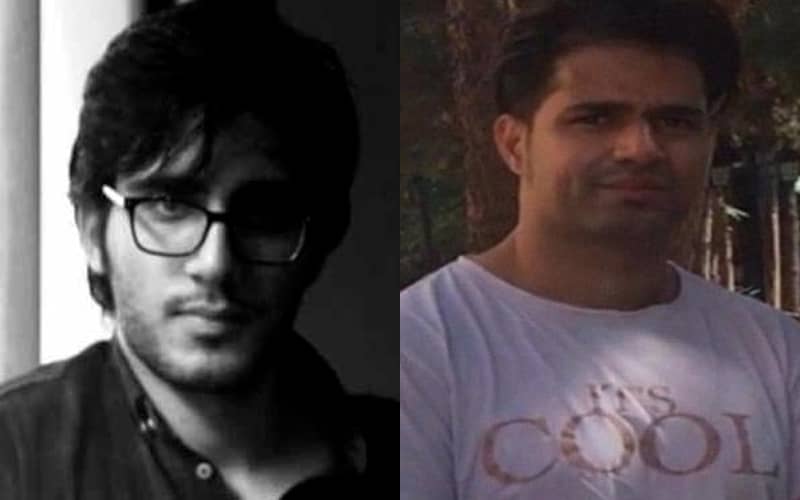
Behnam Mahjoubi, 33, a member of the Gonabadi Dervish religious minority was transferred to Aminabad Mental Hospital on Sunday, not given any information about his supposed treatment and his family was not told where he was.
An informed source said that Evin Prison officials told his relatives that he was taken to the hospital for treatment, but his family later found out that he was illegally taken to a place for psychiatric patients. They said that after Mahjoubi found out that a judge ordered his transfer, he went on a hunger strike.
Mahjoubi is one of the 300 Dervishes arrested for taking part in protests in February 2018 in Tehran. He was released, but in August 2019, Branch 26 of Tehran’s Revolutionary Court sentenced him to two years in prison for “assembly and colluding against national security by communicating with others and providing illegal gathering”. As usual, a bogus charge to intimidate dissidents.
Mahjoubi began serving his sentence in June 2020, but prison authorities stopped him from accessing the necessary medication that his family brought in for him. The prison doctor actually told him to take sleeping pills instead. As a result, Mahjoubi had a seizure on Saturday, fell, and is now paralyzed down one side of his body.
His wife, Saleheh Hosseini, wrote in an open letter: “My husband was transferred to Aminabad Hospital while he was paralyzed due to stopping his medication. Why? Why didn’t you give him his medicine? We prepared his medicines ourselves every month, while it was your duty to prepare and deliver his medicine.”
The regime routinely used denial of medical treatment in order to put pressure on prisoners of conscience, in direct violation of international and Iranian law.
In related news, Tehran University student Mostafa Hashemizadeh was summoned to Evin Court on Friday to start serving his six-year prison sentence for protesting the regime’s intentional downing of a Ukrainian airliner in January.
The civil engineering student was sentenced to 5 years in prison for “assembly and collusion to disrupt national security” and an additional year in prison for “disrupting public order”. He has also been sentenced to three months of forced labor, 74 lashes, and a two-year ban on entering the university dormitory.
Hashemizadeh was forced to make false confessions after an interrogator threatened to kill him at least twice.


