


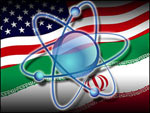
 AP: Demands in Congress grew Wednesday for a speedy escalation of sanctions against Iran as two days of nuclear talks ended in Geneva, setting up a potential foreign policy clash with the Obama administration while it seeks a diplomatic end to the standoff with Tehran.
The Associated Press
By Bradley Klapper
WASHINGTON (AP) — Demands in Congress grew Wednesday for a speedy escalation of sanctions against Iran as two days of nuclear talks ended in Geneva, setting up a potential foreign policy clash with the Obama administration while it seeks a diplomatic end to the standoff with Tehran.
Even as negotiations between world powers and Iran ended on an upbeat note, with a new round of discussions set for November, lawmakers seeking to end a government shutdown back in Washington quickly expressed their skepticism and laid out red lines for the talks. Members of both parties have overwhelmingly backed tougher economic pressure on Iran in recent years amid concern it is closing in on nuclear weapons capability.
“Given Iran’s continued refusal to halt its illicit nuclear and ballistic missile programs, the Senate should immediately move forward with a new round of economic sanctions targeting all remaining Iranian government revenue and reserves,” said Sen. Mark Kirk of Illinois, who has played a leading role in drafting sanctions.
With talks in the Swiss city barely over, Sen. Marco Rubio of Florida introduced a Senate resolution calling for more pressure.
“No one should be impressed by what Iran appears to have brought to the table in Geneva,” Rubio said. “Tehran has broken its word far too many times to be trusted. Due to its complete disregard for previous international agreements, we must take a firm stand in all negotiations regarding the nuclear capabilities Iran is permitted to retain.”
He echoed a statement by six Democratic and four Republican senators on Tuesday, insisting Iran end all uranium enrichment activity.
That demand could put them at odds with President Barack Obama, who recently recognized Iran’s right to nuclear energy after his historic phone conversation with Iran’s new and more moderate President Hasan Rouhani. Obama, however, hasn’t said enrichment is acceptable in Iran, as Tehran demands. The issue remains a key one for international negotiators to resolve.
The United States and other world powers fear Iran is trying to develop nuclear weapons. The Islamic republic says its program is for peaceful energy production, and this week’s meetings in part focused on how to scale back its enrichment of material that can be used to generate power or nuclear warhead material.
The debate over increasing sanctions is quickly emerging as a standoff between Congress and the administration.
The Senate Banking Committee is expected to draft new sanctions shortly after the government reopens, largely mirroring a House bill that passed overwhelmingly by a 400-20 vote in July and blacklisted Iran’s mining and construction sectors. It also called for all Iranian oil sales to end by 2015.
The Senate’s bill may narrow that timeframe, block international investment in more economic sectors, try to close off Iran’s foreign accounts and tighten Obama’s ability to waive requirements for allies and key trading partners who continue to do business with Iran, according to an aide involved in the process. The aide wasn’t authorized to speak publicly on the matter and demanded anonymity.
Concerning petroleum alone, China, Turkey, India and several other Asian countries continue to buy billions of dollars of fuel from Iran each month.
And the Obama administration is worried countries may ignore sanctions they deem excessive, undercutting international unity against Iran. Officials also have expressed concern that moving too quickly with additional sanctions packages also could undermine Rouhani with hardliners in his own country and not give him adequate chance to prove his seriousness in the nuclear talks.
However, the State Department’s chief nuclear negotiator, Wendy Sherman, told Congress earlier this month that the administration would support tougher sanctions on Iran if it didn’t come to the Geneva talks with “concrete, substantive actions” and a verifiable plan to scale back its nuclear program.
Asked about its position on sanctions post-Geneva, State Department spokeswoman Jen Psaki was cautious. She credited existing restrictions with bringing Iran to the negotiating table but suggested the U.S. needed more time to assess Iran’s plan.
“We have never had detailed technical discussions at this level before,” she told reporters. “There is, of course, a great deal more work that needs to be done.”


