Home Blog Page 127

Iran’s Health Ministry: 30,692 Deaths Due to Air Pollution Last Year

0

Abbas Shahsavani, head of the Air Health and Climate Change Group at Iran’s Health Ministry, announced that based on monitoring a statistical population of 48 million, 30,692 deaths were attributed to air pollution last year.

He also stated that the number of visits to public health centers for non-infectious respiratory illnesses has increased by approximately 30% since December 22, 2024.

The number of deaths due to air pollution last year increased by 4,385, approximately 17%, compared to the previous year.

Previously, Shahsavani reported that an average of 26,307 deaths from air pollution were recorded in 2022, marking an increase of over 26% compared to 2021.

Under the law, the Health Ministry is required to examine the health, economic, and mortality impacts of air pollution with the goal of advocacy and effective measures to reduce these deaths. This effort began in 2017.

According to the latest Health Ministry review, the economic cost of deaths attributed to air pollution last year was estimated at $12 billion, equivalent to approximately 6 trillion rials.

Tehran Had Only 12 Days of Clean Air in 2024

The head of the Air Health and Climate Change Group at the Health Ministry also noted that the number of days with particulate matter levels below 2.5 microns in Tehran was only 12 days, equivalent to 3% of the past year.

Meanwhile, air pollution in Tehran continued for the tenth consecutive day. The air quality in Ahvaz, Mahshahr, and Abadan on Sunday was also classified as unhealthy and in the red category.

The air quality in several other Iranian cities, including Zanjan, Ramhormoz, and Shadegan, was deemed unhealthy for sensitive groups.

Over the past week, numerous cities in Iran experienced severe air pollution, with hundreds of individuals seeking medical attention for heart and respiratory conditions.

In several provinces, schools, universities, and government offices were either closed or shifted to remote operations.

Air Pollution in Iran Causes 50,000 Deaths Per Year

The head of the Air Health and Climate Change Group also mentioned that while the frequency of dust storms in western regions of the country has decreased over the past year, they have intensified in eastern areas, particularly in the city of Zabol.

He emphasized that Zabol and Iranshahr are the most polluted cities in the country.

According to Shahsavani, the two major cities of Isfahan and Mashhad are also experiencing high concentrations of air pollutants.

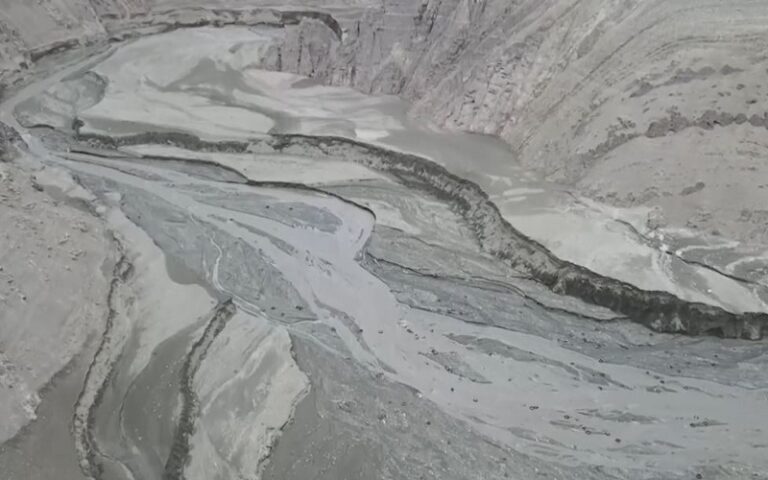
Sandstorms in Sistan and Baluchestan have intensified in recent years due to the drying up of rivers and wetlands in the region, particularly the Helmand, Hamoun, and Jazmourian wetlands.


Prices of Dairy Products Continue to Rise in Iran

According to media reports, the pace of price increases in Iran has intensified in recent weeks, and alongside rising costs, people are also witnessing shortages of essential goods in the market.

In this regard, the state-run Hamshahri newspaper reported on Sunday, January 12, that dairy products have once again experienced a price hike in less than three months. The report emphasized that in recent days, dairy products have been supplied to stores and dairies at new prices. While the price increase in January is not as steep as in October, the repeated price hike within just three months is “highly unusual, as dairy prices previously changed on an annual basis.”

Ham-Mihan newspaper also reported on January 12 that field studies of markets indicate that some essential goods in the country have faced shortages and price increases in recent days.

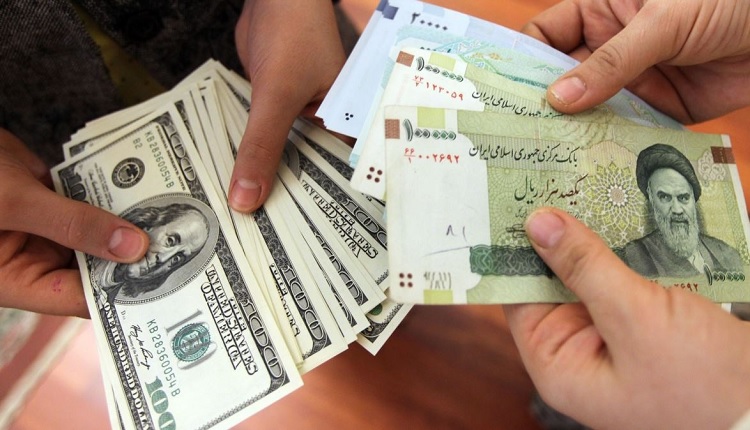
According to Ham-Mihan, “The rise in the value of the dollar can have a multiple effect. Middlemen may exploit the situation by hoarding goods and engaging in price gouging to maximize their profits.”

Unprecedented Inflation And Rising Prices In Iran’s Food Market

The report also noted that rising prices of essential goods could lead to a decline in demand, with the impact being even more severe among low-income groups.

The newspaper highlighted a concern long raised by labor activists and health experts.

Ham-Mihan wrote in its report: “Studies show that the consumption of essential goods by low-income and even middle-income groups has declined compared to last year, and with rising prices, this decline will become even more noticeable.”

This issue has raised concerns, as even according to official statistics—which many experts believe are far from reality—a significant portion of the population consumes far less than the daily required 2,100 kilocalories.

The Ham-Mihan report also touched on other aspects of the crisis in the supply and distribution of essential goods, stating: “The increase in the preferential exchange rate could eliminate some domestic producers, increasing the risk of their bankruptcy.”

The report’s author examined the current economic crisis from a different perspective, arguing that the rising value of the dollar fuels inflationary expectations among the public. When people anticipate price increases in the near future, they tend to buy and stockpile more goods, which in turn exacerbates price hikes and even leads to shortages of certain items.

The point raised by the newspaper is visibly reflected in Iran’s market conditions today. For a long time, cooking oil has experienced both official price increases and rationed distribution. Moreover, the latest official reports indicate that cooking oil imports have decreased by more than 30%, despite the fact that over 90% of the country’s cooking oil supply relies on imports.


Iran’s Industries Face Complete Power Shutdown Amid Growing Crisis

0

Ali-Mohammad Abouei, chairman of the board of the Iranian regime’s Steel Rolling Association, criticized the governance of the Iranian regime and stated that there is a possibility of a complete power outage for industries in the coming days.

According to the state-run Eghtesad Online website, Ali-Mohammad Abouei emphasized, “I have no good news for steel industry activists. There are reports from the Ministry of Industry, Mine and Trade and the Ministry of Interior indicating that orders have been issued to completely cut off power to industries.”

Abouei, sarcastically pointing out the contradictory behavior of the Minister of Energy, said, “When Mr. Ali-Abadi was Minister of Industry and Mines, he used to say that industrialists could legally sue the Ministry of Energy for damages caused by power outages, and now he himself is the Minister of Energy.”

Iran’s Power Plants Waste $30 Billion in Fuel Amid Energy Crisis

According to reports, Jahanbakhsh Shokri, head of the House of Industry, Mine, and Trade in Kermanshah, stated, “In the past 10 months, industries, especially steel industries, have operated for less than three months.”

Shokri added that the industry is on the verge of bankruptcy, and all industrialists are barely managing to keep going under dire financial strain.

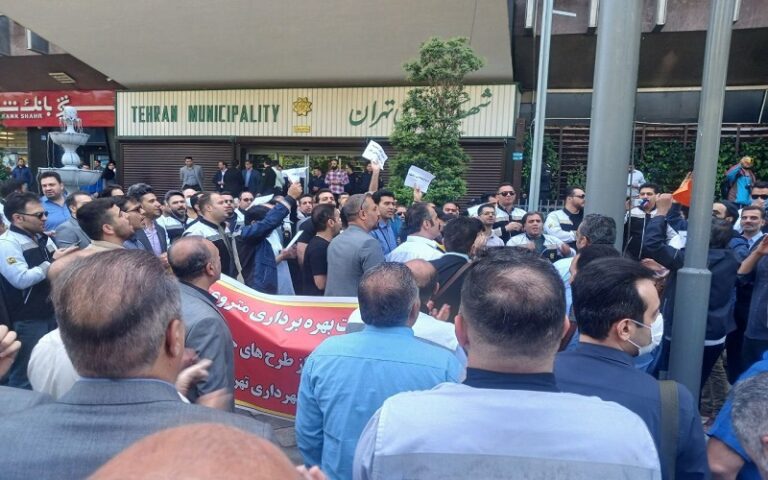
The shutdown of industrial gas supplies and the halt in production in Iran have led to widespread protests from industry owners. The restrictions on electricity and gas supply have reached such a critical point that the Tejarat News website reported on December 18, 2024: “The shortage of electricity has created numerous problems for industries. Industrial parks, which in previous years experienced power outages in summer and gas shortages in winter, are now facing both simultaneously. This situation has led to the complete shutdown of these industrial zones, and inside the production halls, no sound is heard except the cawing of crows.”


Weekly Protest Against Executions Expands to 34 Iranian Prisons

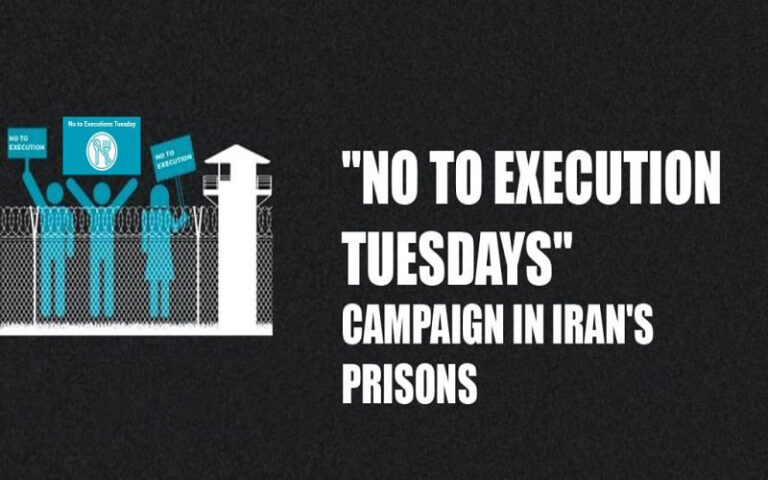
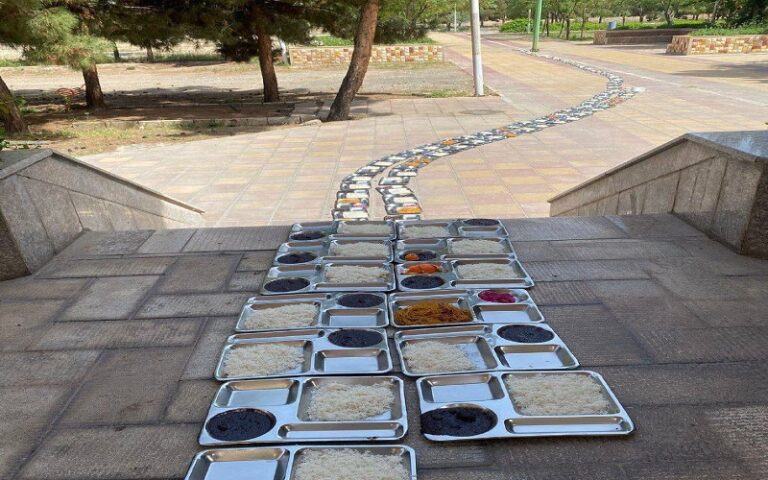
On Tuesday, January 14, 2025, the 51st week of the “No to Executions Tuesdays” campaign witnessed a significant expansion, now encompassing 34 prisons across Iran. This week, the prisons of Talesh, the women’s ward in Adelabad Prison of Shiraz, Borazjan, and Joveyn joined the initiative, marking a notable escalation in participation.

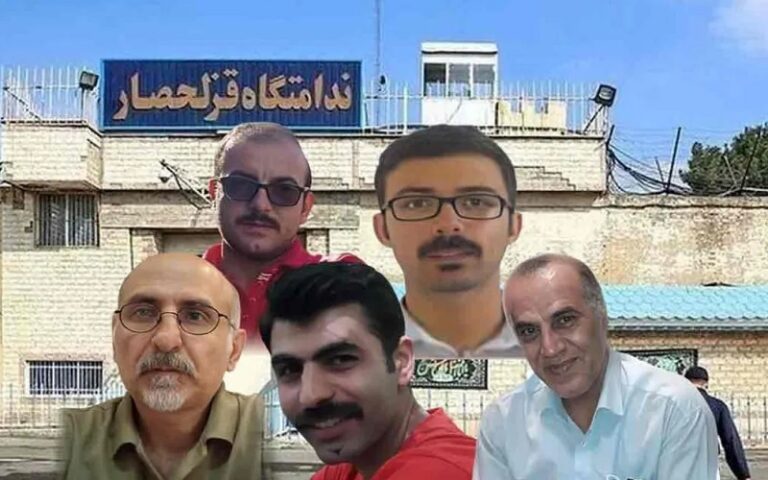
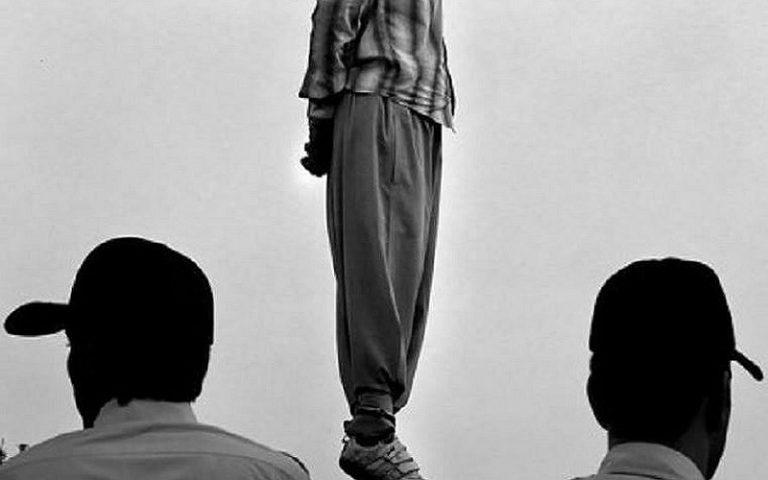
Participants in the campaign issued a statement condemning the confirmation of the death sentences for four political prisoners. In their declaration, they stated: “With the intensification of economic, cultural, and political crises, we are witnessing widespread protests across various social groups daily. The ruling oppressors in Iran are well aware that this growing public discontent will soon transform into another wave of mass uprisings, pushing their despotic regime closer to collapse. In a misguided calculation, the regime has resorted to increasing executions to instill greater fear and prevent protests. Since last Tuesday alone, at least 17 individuals have been executed, and over 102 executions have been recorded since the beginning of January.”

The statement also highlighted the plight of death row inmates, noting: “Every day, prisoners sentenced to death for non-political crimes are hanged.” It added that political activists inside and outside prisons, along with grieving families, have strongly condemned these inhumane sentences.

Members of the “No to Executions Tuesdays” campaign emphasized that abolishing the death penalty is achievable only through solidarity and collective action. They called on all sections of society to join hands in opposing capital punishment and supporting the cause of justice and human rights.

The campaigners also released the names of the participating prisons during this significant week. On Tuesday, January 14, 2025, prisoners in these facilities engaged in hunger strikes to voice their opposition to executions. The prisons involved include:

– Evin Prison (women’s ward, wards 4 and 8)

– Ghezel Hesar Prison (units 3 and 4)

– Karaj Central Prison

– Greater Tehran Penitentiary

– Khorin Prison in Varamin

– Arak Prison

– Khorramabad Prison

– Esfahan Asadabad Prison

– Dastgerd Prison in Esfahan

– Sheiban Prison in Ahvaz

– Shiraz Military Prison

– Bam Prison

– Kahnuj Prison

– Tabas Prison

– Mashhad Prison

– Qaemshahr Prison

– Rasht Prison (men’s and women’s wards)

– Roodsar Prison

– Ardabil Prison

– Tabriz Prison

– Urmia Prison

– Salmas Prison

– Khoy Prison

– Naqadeh Prison

– Saqqez Prison

– Baneh Prison

– Marivan Prison

– Kamyaran Prison

– Haviq Talesh Prison

– Adelabad Prison of Shiraz (women’s ward)

– Joveyn Prison in Razavi Khorasan

– Borazjan Prison in Bushehr

The growing participation in this weekly campaign reflects a deepening resistance to the regime’s use of the death penalty as a tool of repression. The calls for justice, unity, and the abolition of capital punishment continue to resonate among both prisoners and the wider Iranian community.


Mohammad Abedini, Accused of Violating U.S. Sanctions, Returns to Iran

0

Esmail Baghaei, spokesperson for the Iranian Foreign Ministry, stated that Mohammad Abedini Najafabadi, who had been detained in Italy, has returned to Iran following his release.

Abedini Najafabadi was arrested in Italy for violating U.S. sanctions against Iran by transferring drone technology to the country. He was scheduled to be extradited to the United States.

On Sunday, January 12, Italy announced that Carlo Nordio, the Minister of Justice, had submitted a request to the Milan Court of Appeals to cancel the detention of Mohammad Abedini Najafabadi.

Under Italian law, courts are obligated to comply with the Justice Minister’s request.

This move by the Italian Ministry of Justice came just four days after the release of Cecilia Sala, an Italian journalist detained by the Iranian government.

Italian journalist, Cecilia Sala

Ms. Sala had officially traveled to Iran with a journalist visa and had published reports about recent developments in Iran following the fall of Bashar al-Assad’s regime in Syria.

Some media outlets, citing a U.S. State Department spokesperson, reported that the detention of the Italian journalist by the Iranian regime was a retaliatory act for the arrest of Mohammad Abedini Najafabadi, an Iranian-Swiss citizen, in Italy.

The Italian Ministry of Justice stated in a declaration that under Article 2 of the extradition treaty between the United States and Italy, only crimes punishable under the laws of both countries can lead to extradition, and this condition, based on current documents, is not met.

The statement further explains that the U.S. accusation against Abedini Najafabadi of criminal conspiracy to violate the International Emergency Economic Powers Act does not align with any crimes classified under Italian law.

Regarding the two other charges—”criminal conspiracy to provide material support resulting in death to a terrorist organization” and “providing or attempting to provide material support resulting in death to a foreign terrorist organization”—the Ministry of Justice stated that no evidence has been presented to substantiate these claims.

According to the statement, the existing evidence only indicates that Abedini Najafabadi, through companies he worked with, was responsible for producing and trading “technological tools with potential but not exclusive military applications” with the Iranian government.

In recent years, Iranian security forces have detained dozens of foreign and dual nationals, mostly on charges of espionage and security-related offenses.

Human rights groups accuse the Iranian regime of “hostage-taking” to gain political leverage over other countries. The Iranian government denies these allegations.


30% Increase in Prices of 370 Medicines Since March

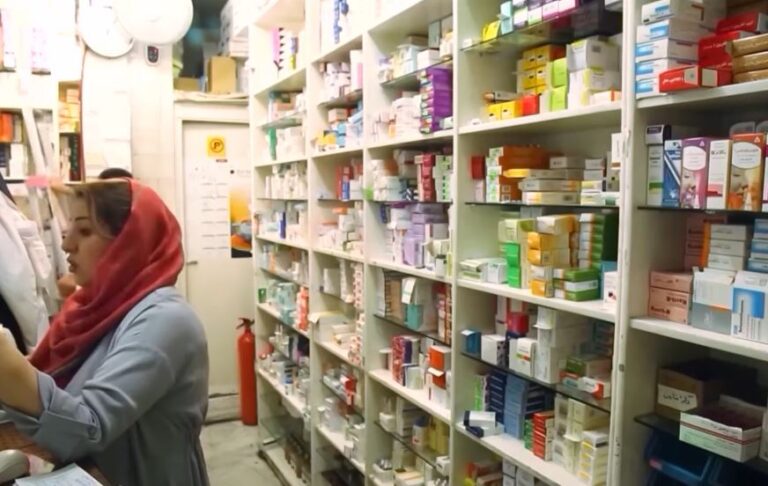
Mehdi Pirsalehi, the head of the Iranian regime’s Food and Drug Administration announced a 30% increase in the price of 370 types of medicine, stating that, compared to the country’s inflation rate, “the absolute figure is not very high.”

According to the state-run Tasnim news agency, Pirsalehi also reported shortages of certain types of infant formula in the country. He explained that one reason pharmacies are reluctant to distribute infant formula is the low profit margin and the months-long delay in receiving payments from insurance companies.

This Ministry of Health official emphasized that out of approximately 3,800 types of medicine, 370 have increased in price. He noted that some injections that previously cost 60,000 rials have now risen to 190,000 rials (with 1 USD equaling approximately 820,000 rials). Meanwhile, the minimum monthly wage for a worker with two children in Iran is around $135.

Preferential Currency for Medicine Will Be Removed in Iran

Masoud Pezeshkian, the president of the Iranian regime, speaking at a conference of university and medical school presidents, acknowledged the issue but failed to present any solutions for improving healthcare in terms of workforce, medicine, or equipment. He stated, “Experience has shown that part of the foreign currency allocated for importing medicine and its subsidies gets lost. With this distribution method, justice cannot be achieved.”

Pezeshkian stressed that it is evident healthcare resources do not reach deprived areas.

Meanwhile, experts have increasingly warned of a worsening crisis in the pharmaceutical sector, predicting that medicine shortages will soon become one of the biggest problems for patients.

In this regard, Salman Eshaqi, a spokesperson for the Health Commission of the Iranian parliament, warned on December 22, 2024, that the number of critically scarce medicines had reached 116. He urged the government to take action, warning that if no measures were taken, shortages could increase tenfold by the end of the year.

Eshaqi stated, “At this rate, medicine shortages will multiply by ten by the end of the year, putting public health at serious risk.”

On October 20, 2024, the chairman of the Syndicate of Human Pharmaceutical Industries of Iran warned in a letter to the Minister of Health that the alarm for future medicine shortages had already been sounded. He urged the ministry to separate the budget for medicine and medical equipment from other hospital revenues.

Iran’s pharmaceutical industry, like many other industries, suffers from issues such as currency exchange rates, shortages of foreign currency and liquidity, delayed allocation of foreign exchange, numerous domestic and international difficulties in importing raw materials, unpaid debts from the government, and, ultimately, frequent power outages that halt production.


Iran’s Power Plants Waste $30 Billion in Fuel Amid Energy Crisis

0

Malek Shariati, a member of the Energy Commission of the Iranian regime’s Majlis (parliament) has reported that Iran’s power plants consume $30 billion worth of fuel annually due to their low efficiency.

Malek Shariati told Mehr News Agency on Saturday, January 11, that the efficiency of Iran’s power plants is very low, around 37%, which results in the wastage of a massive amount of fuel.

More than 90% of Iran’s electricity is generated from thermal power plants that run on natural gas, fuel oil, diesel, and coal. Last year, Iran’s power plants consumed approximately 84 billion cubic meters of natural gas, 10 billion liters of diesel, 6 billion liters of fuel oil, and some coal.

Aging and Low-EfficiencyPower Plants Worsen Iran’s Electricity Shortage

The market value of this amount of fuel in regional markets exceeds $30 billion.

Iran has faced an escalating energy crisis this year, leading the government to impose frequent power outages and shut down offices and schools.

On January 5, the regime’s Minister of Energy stated that the country faced a 20,000-megawatt electricity deficit this summer and warned that this figure could rise to 25,000 megawatts next year.

Despite efforts over the past two decades, the Iranian regime has failed to successfully upgrade its low-efficiency gas and steam power plants to higher-efficiency combined-cycle plants. Moreover, many of the power plants built in recent years are still low-efficiency gas and steam plants.

Currently, combined-cycle power plants account for only 38% of the country’s total electricity generation capacity.

Recommendation to Use Polluting Coal as Fuel

Shariati, without mentioning the potential for developing clean energy sources such as solar and wind power, suggested using coal as an alternative fuel for power plants.

Without acknowledging the severe pollution caused by coal consumption, he stated: “Currently, our use of coal is zero. Therefore, we can diversify our power plants to avoid fuel shortages.”

Contrary to his claim, Iran’s coal consumption is not zero; in fact, it has doubled in less than a decade.

Previously, Mohammad Bagher Ghalibaf, the speaker of the regime’s Majlis, had also promoted the use of highly polluting coal in power plants.

Iranian regime officials have remained silent about the rising coal consumption in the country, but data from BP and the International Energy Agency (IEA) indicates that in 2023, Iran generated around 900 gigawatt-hours of electricity by burning coal, which is three times the amount at the beginning of the last decade.

Iran currently ranks seventh in the world for greenhouse gas emissions, yet despite this reality, the Iranian regime plans to build over 5,000 megawatts of coal-fired power plant capacity by 2042.


France Summons Tehran’s Ambassador Over Hostage-Taking

On Friday, January 10, France summoned the Iranian regime’s ambassador in connection with the issue of French nationals who have been taken “hostage” by the Iranian government.

The French Foreign Ministry, reiterating its recent warnings about the dangers of French nationals traveling to Iran, described the situation of detained French citizens in Iran as intolerable and stated that, under international law, detention without respecting human dignity constitutes torture.

The French Foreign Ministry’s statement referred to these French citizens as hostages of the Iranian government.

Cécile Kohler, a French union activist, and her husband Jacques Paris have been imprisoned in Ward 209 of Evin Prison—a section controlled by the Iranian regime’s Ministry of Intelligence—since their arrest in May 2022.

Iran’s Regime Releases French Hostage Louis Arnaud

Iranian regime security forces arrested them after they met with several labor activists and teachers, later accusing them of espionage.

Another French citizen, identified only by his first name, Olivier, is also imprisoned in Iran by the regime.

In recent years, the Iranian regime has arrested dozens of dual-national and foreign citizens, mostly on espionage and security-related charges.

In one of the most recent cases, a Swiss citizen who had been imprisoned on espionage charges died on Thursday, January 9. In response, the Swiss government demanded that the Iranian regime provide precise information regarding the reasons for his detention and the circumstances leading to his death in prison.

On Friday, January 10, the Swiss Foreign Ministry announced that Iranian authorities had informed the Swiss Embassy in Tehran on December 10 that a 64-year-old Swiss man had been arrested on suspicion of “espionage.”

Cecilia Sala, an Italian journalist who was in Iran on a journalist visa, was arrested by the Iranian regime three days after the detention of Mohammad Abedini Najafabadi at Milan Airport on December 15, 2024, on charges of aiding the Iranian regime in circumventing U.S. sanctions.

In 2015, coinciding with the nuclear agreement, the Iranian regime exchanged five foreign and dual-national prisoners for Iranian prisoners in the United States.

Senior French, British, and German diplomats are scheduled to meet with their Iranian counterparts in Geneva on Monday, January 13, to discuss bilateral issues and the future of nuclear negotiations.

Diplomatic sources report that approximately 20 European citizens from 10 different countries are currently incarcerated—and effectively taken hostage—by the Iranian regime.


Age of Smoking in Iran Drops to 9 Years

0

According to Mohammadreza Sohrabi, Deputy of Health at Beheshti University, the age of smoking initiation in Iran has dropped to 9 years. He emphasized that the younger a person starts smoking, the harder it becomes to quit.

The state-run Mehr News Agency quoted Sohrabi as saying, “The worrying statistic is the rising prevalence of smoking among women. In 2016, the smoking rate among women was 2.4%, and by 2021, it had increased to 4.2%.”

Sohrabi stressed that 20 years have passed since the enactment of the anti-smoking law, and there is a need for legal reforms in this area.

Mohammadreza Masjedi, Director of the Iranian Anti-Tobacco Association, criticized the government’s inaction in fighting tobacco use, stating, “The National Tobacco Control Headquarters has not held a meeting for the past eight years.”

The President of the Iranian Association of Internal Medicine Specialists stated on December 5, 2024, cigarette consumption in the country has reached 10-year-old children, posing a significant risk of leading them toward drug use in the coming years.

Dr. Iraj Khosronia, in an interview with the state-run Shafaqna website, warned about the increasing use of tobacco—especially cigarettes and hookahs—among teenagers and women. He stated, “Research shows that in the years before and shortly after the revolution, people generally started smoking at older ages. However, over the past two decades, this trend has shifted, and the number of child smokers has risen sharply.”

Hamidreza Shahsavon, Secretary of the Iranian Anti-Smoking Association, stated in May 2024 that cigarette production in the country has tripled compared to previous years, and smoking has now spread to elementary schools. He also reported a 133% increase in smoking among women.

Meanwhile, cigarette consumption has significantly declined in most countries worldwide. In the United States, the smoking population has reached its lowest historical level, now accounting for only 12% of the total population. This figure was as high as 67% in the 1960s.


Prominent Global Leaders Unite in Support of Resistance and Democracy in Iran

0

Prominent leaders took part in an international conference in Paris on January 11, 2025. The event gathered distinguished political and military figures who emphasized the urgency of shifting global policy toward the Iranian regime. The conference underscored the significance of the Iranian Resistance as a viable democratic alternative to the ruling theocracy.

Speakers included Maryam Rajavi, President-elect of the National Council of Resistance of Iran (NCRI); Gen. James Jones, former U.S. National Security Advisor; Liz Truss, former UK Prime Minister; John Bercow, former Speaker of the UK Parliament; Janez Janša, former Prime Minister of Slovenia; Yulia Tymoshenko, former Prime Minister of Ukraine; Gen. Tod Wolters, former NATO Commander and U.S. Forces in Europe Commander; David Jones, former UK Minister; and Gen. Keith Kellogg, former National Security Advisor to U.S. Vice President Mike Pence. Other speakers included Ola Elvestuen, former Norwegian Minister of Climate and Environment.

Maryam Rajavi highlighted the regime’s vulnerabilities, stating, “The boycott of the 2024 elections and the fall of the Syrian dictatorship demonstrate that the Iranian regime is on the brink of collapse.” She pointed to economic crises, regional defeats, and Resistance Units’ increasing activities as signs of imminent change. “The Resistance Units in Tehran and other cities are advancing the great task of preparing for an organized uprising,” she said. She urged Western governments to shift from appeasement to a firm stance, declaring, “The recognition of the Iranian Resistance is a necessary part of a firm policy against the mullahs’ regime.”

Gen. James Jones described 2024 as “catastrophic for the Iranian regime,” citing Tehran’s strategic failures, including the “fall of Bashar al-Assad” and “Hezbollah’s near-collapse.” He commended MEK-affiliated Resistance Units, stating, “These brave men and women remind us that the spirit of resistance in Iran is alive.” Calling for stronger sanctions, he said, “We must recognize the NCRI as the legitimate voice of the Iranian people.”

Liz Truss criticized appeasement, stating, “Appeasement only strengthened the regime.” She warned, “Iran is on the verge of acquiring a nuclear weapon, and this poses an existential threat to global peace.” Truss advocated for “maximum pressure sanctions, rigorous enforcement, and support for the Iranian Resistance,” adding, “The NCRI offers a clear and democratic vision for Iran’s future.”

John Bercow supported the NCRI, stating, “Mrs. Rajavi and the NCRI are the embodiment of vision, courage, and leadership.” He pointed to “millions of Iranians” boycotting the 2024 elections as proof of the regime’s unpopularity. He described the Resistance Units as “interwoven with Iranian society” and called the NCRI’s plan “a roadmap for a peaceful transition to democracy.”

Gen. Keith Kellogg emphasized 2025 as “a year of hope, action, and change.” He described the Iranian regime as weaker than ever: “The regime in Iran is weaker and more vulnerable than it has been in decades. It should not be feared but challenged.” Criticizing past appeasement, he pointed to “President Trump’s withdrawal from the Iran nuclear deal” as a turning point. Supporting the NCRI’s Ten-Point Plan, he called it “a clear transitional path to a friendly, stable, and non-nuclear Iran.”

Janez Janša urged recognition of the NCRI, stating, “The people of Iran deserve democracy, freedom, and the protection of human rights.” He dismissed past engagement strategies with Iran, calling them failures: “It is time to transition from engagement to firmness.” He advocated for “sanctions enforcement and the designation of the IRGC as a terrorist organization.”

Yulia Tymoshenko compared Iran’s freedom movement to Ukraine’s fight against tyranny, stating, “The Iranian regime is one of the gravest threats to global stability.” She highlighted the role of Iranian women, calling them “the heart of the movement for change.” Tymoshenko urged decisive international action: “The Iranian people are not asking for military intervention but for moral and political support.”

Gen. Tod Wolters described 2025 as a “transformative year for Iran.” He praised the Iranian Resistance: “For over four decades, you have given your blood, sweat, and tears to correct the nefariousness of the regime.” Highlighting Iran’s vulnerabilities, he said, “The conditions are correct on the ground and strategically.”

David Jones described Assad’s overthrow as “a pivotal loss” for Tehran, stating, “The collapse of the IRGC’s intervention in Syria highlights the vulnerability of the regime.” He condemned the regime’s repression, referencing “nearly 1,000 executions in 2024 under President Masoud Pezeshkian.”

Ola Elvestuen highlighted Tehran’s “deliberate defamation campaign against the NCRI” as proof of its fear of organized resistance. He noted that “the regime wants to paint a picture of disunity to confuse parliamentarians and the public.” Calling for global recognition of the NCRI, he stated, “Sanctions alone are not enough. The international community must recognize and engage with the true agents of change—the Iranian people and their organized resistance.”

The conference concluded with a call for firm international policies against the Iranian regime and support for a democratic transition led by the Iranian Resistance.