Home Blog Page 160

Population of Iran’s Deteriorated Urban Areas Is Increasing

The regime’s Majlis (Parliament) Research Center published a report on housing poverty in Iran, which was removed from the center’s website hours after its release. This report revealed that the population living in deteriorated urban areas has increased in recent years.

According to the report, the most significant manifestation of housing poverty in urban areas is the high share of rent in total household expenses. The main reason for this is the high and increasing cost of rent in urban regions.

The report indicated that in provincial divisions, the highest number of families either without housing or struggling with the disparity between income and housing costs are in Tehran and Alborz provinces.

The report also emphasized that nearly 33% of the urban population in the country lives in deteriorated areas, with Tehran province having the highest number of residents in such areas and informal settlements.

Qom province, in relation to its population, has the highest percentage of residents living in deteriorated areas and informal settlements.

In recent years, various reports have been published on the decay of urban areas in different parts of Iran.

In 2020, Mehdi Abouri, then-Deputy Minister of Roads and Urban Development, stated that around one-quarter of the country’s population lives in deteriorated, inefficient areas and informal settlements.

Abouri mentioned that there are over 148,000 hectares of deteriorated, informal, and inefficient areas nationwide, with 20 million people residing in these areas.

The new statistics from the Majlis Research Center show that the number of residents in the country’s deteriorated areas has increased.

According to the report, the share of rent costs in the total expenses of renting households has been increasing during the 2010s, reaching around 36% in 2022.

On an international scale, household housing expenses in Iran in 2022 were about 1.6 times the housing costs in the European Union in the same year.

Given the high share of housing costs, for the bottom three income deciles of urban households in 2022, the average estimated waiting period to become a homeowner was around half a century.

In 2022, female-headed families were approximately 1.2 times more likely to experience inadequate housing, and 1.1 times more likely to lack access to affordable housing, compared to male-headed families. The rate of inadequate housing among the lower classes and the poor is more than twice that of non-poor households.

One of the issues sociologists have repeatedly pointed out in recent years is the impact of inflation on shrinking the middle class and pushing it below the poverty line, a phenomenon that is most evident in the housing market.
55% Increase in Water Prices in Iran

0

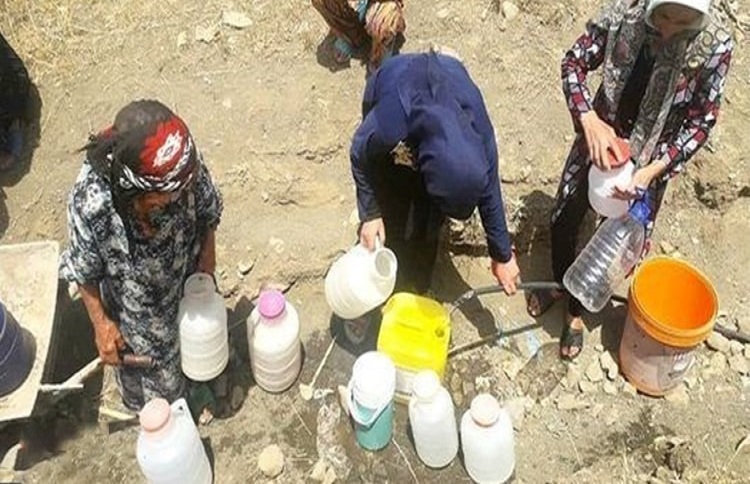
At the same time as the increase in the price of the US dollar, gold coins, and the rise in some food prices, Iranian regime officials in the energy sector announced a gradual increase in water prices, stating that the price of water will increase by up to 55%. Earlier, Massoud Pezeshkian, the president of the Iranian regime, had defended the increase in gasoline prices.

State media in Iran reported on Monday, October 7, that the government has approved “new tariffs” for water and electricity, stating that these decisions will be implemented “after final approval.”

According to the Iranian regime’s official news agency, IRNA, the Ministry of Energy stated that the goal of the tiered water pricing is “to encourage excessive consumers to manage their consumption better,” and “the highest tier will see a 55% increase” in prices. However, Firouz Ghasemzadeh, a spokesperson for the water industry, claimed that “the tariffs for low consumers will not change.”

The announcement of rising prices of essential goods, including water, for Iranian citizens comes amid ongoing livelihood problems and the shrinking of household budgets, even as, in recent days, Iranian regime officials have announced that they sent tens of tons of aid shipments to Lebanon.

The water shortage and energy crisis, which many observers attribute to the regime’s mismanagement, have not only caused livelihood challenges for the people but also endangered Iran’s environment.

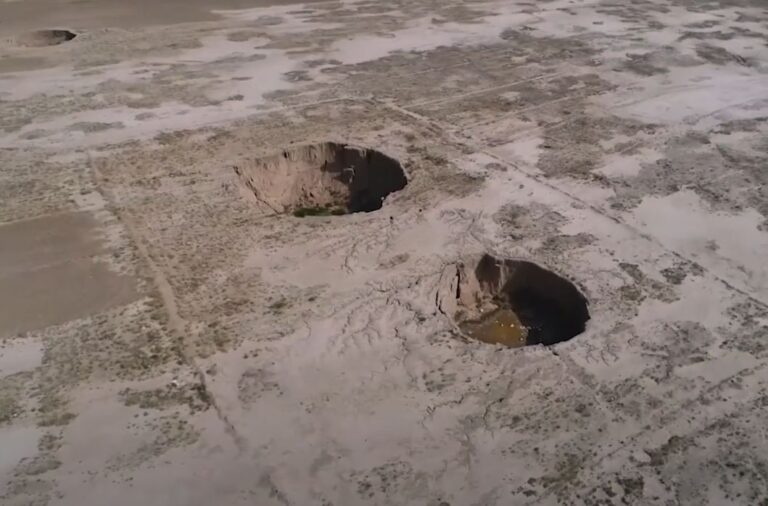
According to the head of the Earthquake and Risk Department at Iran’s Road, Housing, and Urban Development Research Center, all provinces in Iran are facing the risk of land subsidence, and there is “only 5 to 10 years left” to mitigate this phenomenon.

As a result of the water crisis and the spread of land subsidence, Iran’s habitable areas are continuously shrinking.

Simultaneous with the announcement of the increase in water prices in Iran, the Iranian Dairy Products Association reported a “30% increase in dairy product prices” and a minimum 14% rise in the cost of dairy products.

The increase in water prices, along with the rising costs of dairy and meat products, comes after earlier rumors of a gasoline price hike. Massoud Pezeshkian said, “There is no logic in buying gasoline at the free-market dollar rate and selling it to people with subsidies.”

Some observers suggest that the Iranian regime has handed over tasks that Ebrahim Raisi did not dare to undertake to Massoud Pezeshkian.

The announcement of water price hikes comes amid the spread of protests by various labor groups, including retirees, industrial workers, teachers, victims of financial fraud, nurses, and healthcare workers, which in recent months have reflected the increasing livelihood challenges in Iran and the neglect by Iranian regime officials.

5 to 10-Year Window to Save Iran’s Major Cities from the Threat of Subsidence  

0

Ali Beitollahi, director of the earthquake and risk management division at Iran’s Road, Housing, and Urban Development Research Center, warned about the increasing severity of land subsidence, stating that all provinces in the country are facing this threat and “we only have 5 to 10 years to save our cities and villages, starting now.”

Beitollahi told Etemad newspaper that subsidence is also occurring in unexpected areas, such as Golestan province, eastern Mazandaran province, and the provinces of Ardabil, East Azerbaijan, and West Azerbaijan, which have better rainfall compared to the central plateau.

According to this Ministry of Roads official, “if there is serious determination” to confront the threat of subsidence, “this threat is controllable.”

Beitollahi emphasized that the provinces of Khorasan Razavi, Tehran, Fars, Kerman, and Isfahan have reached a “critical” state in terms of subsidence rates, and in 11 provinces, the annual subsidence rate exceeds 10 centimeters.

The official highlighted that if this trend continues, “in 30 years, we will face a three-meter drop in land level, which would be catastrophic.”

Previously, the Deputy Minister of Energy for Water and Wastewater had reported a subsidence crisis in 359 plains across the country, revealing that 28% of agricultural wells, amounting to 117,000 wells, were drilled in areas where subsidence rates exceed 10 centimeters.

In December 2023, a faculty member of the Road, Housing, and Urban Development Research Center reported observing subsidence effects along the Tehran-Mashhad railway, stating that “very dangerous” signs of subsidence were clearly visible near Varamin and Nishapur.

On December 4, 2023, the Parliament Research Center announced that “more than 35% of the country’s population is at risk of land subsidence.”

The construction of numerous dams without considering environmental consequences and excessive extraction of underground water have been identified as major causes of subsidence in Iran.

Despite the depletion of underground water resources and the threat to life in Iran’s environment, the Iranian regime still insists on goals like self-sufficiency in agricultural production and population growth.

The Iranian regime has yet to take any measures to control land subsidence.

Iranian Regime Security Forces Attack Protesting Steel Industry Retirees  

Reports indicate that Iranian regime security forces attacked a protest gathering of steel industry retirees in Tehran.

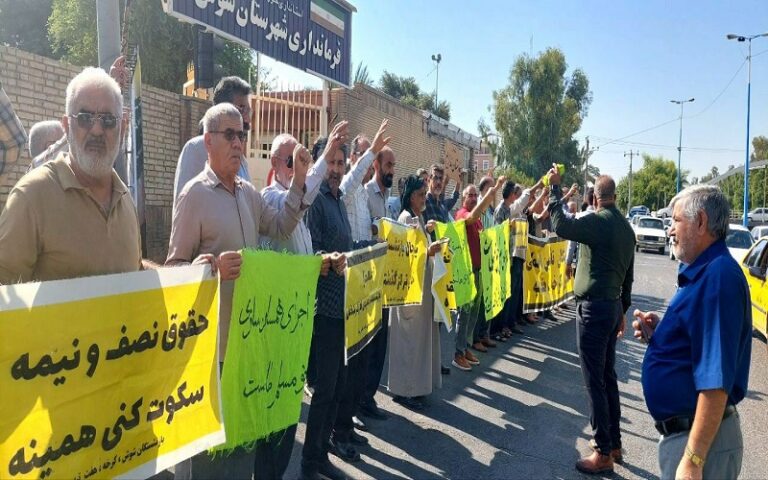
On Sunday, October 6, steel retirees held a protest in front of the presidential office near Pasteur Square.

Published videos show that the protest turned violent after the intervention of security forces, who not only beat the protesters but also arrested some of them.

On the same day, a number of steel industry retirees in Ahvaz also gathered in front of the Khuzestan Steel Pension Fund building, demanding that their concerns be addressed.

The state-run ILNA news agency also reported that labor retirees held protests in various cities in Iran on Sunday, including Shush, Ahvaz, and Mashhad.

According to this report, the retirees at these gatherings complained about the meager pensions and the economic crisis, saying that their repeated protests over the past months have been ineffective.

Following the relentless rise in inflation and the decline in citizens’ purchasing power in Iran, protests by various sectors over low wages and economic hardships have significantly increased in the past one or two years.

Steel industry retirees are among these protesters, who have held numerous gatherings in recent months to protest the lack of attention to their demands.

The retirees’ demands in these protests include increasing their pensions, implementing the wage equalization law, resolving issues with supplementary insurance, paying end-of-year bonuses, and accounting for the service records of hard and hazardous jobs in the pension adjustments.

According to official statistics, 60 percent of the country’s population is currently considered to be living below the poverty line.

Iran’s Regime Likely Involved in Attacks on Israeli Embassies in Scandinavia

Following explosions and shootings near Israeli embassies in Sweden and Denmark, Sweden’s security service reported the possibility of Iran’s involvement.

Fredrik Hallstrom, head of operations at Sweden’s security service, stated in a press conference on Thursday, October 3rd, in response to a question about Iran’s potential connection to these incidents, that there are elements that could point in that direction.

He added that this possibility is partly due to the choice of targets [of the attack] and the manner of execution but emphasized that this is purely speculative and not based on complete information.

On Wednesday, Danish police reported two explosions, “likely with hand grenades,” near the Israeli embassy in Copenhagen and announced the arrest of three Swedish citizens in connection with the incidents.

According to the report, Danish judicial authorities issued detention orders for two Swedish suspects, aged 16 and 19, on Thursday, while a third Swedish citizen has been released.

Additionally, Swedish police reported that the Israeli embassy in Stockholm was shot at a day before the explosions in Copenhagen.

In May 2024, Sweden’s security service had indicated that Iran’s regime was attempting to recruit Swedish criminal gangs to carry out violent acts against Israel and its interests in Sweden.

Swedish TV network SVT reported on Wednesday that it had obtained information indicating that the recent attacks on Israeli embassies in Stockholm and Copenhagen were ordered by the Swedish criminal network Foxtrot at the request of Iran’s regime.

These attacks coincided with missile strikes by the Iranian regime against Israel.

This method allows the Iranian regime to distance itself from terrorist activities and present such actions as mere criminal acts.

Iran’s regime has used similar tactics to intimidate its opposition in Europe. For example, Belgium convicted an Iranian diplomat in Austria for attempting to attack an Iranian opposition rally in Paris, sentencing him to 20 years in prison. However, he was released in a controversial exchange in 2023 and returned to Iran.

Hiring criminals to carry out terrorist acts on behalf of Iran’s regime against those perceived as enemies is one of Tehran’s favored methods.

According to this source, last month, Sweden accused Tehran of hacking a messaging service to send 15,000 messages to Swedes with the aim of “creating divisions in society” and portraying Sweden “as an Islamophobic country.”

The Washington Post also reported on September 12 that Iran’s regime, relying on Western criminal networks, had been planning violent actions against its opponents in the US and Europe.

Tehran Prosecutor Files Charges Against Social Media Users for “Undermining Public Security”

Tehran’s prosecutor has announced criminal charges against several individuals accused of spreading “false news” and creating “fear to harm the psychological security of society” through social media. According to reports from the judiciary-affiliated Mizan news agency on October 4, various users on platforms like X (formerly Twitter), Telegram channels, and other online activists have been identified as part of this crackdown.

The judiciary stated that it has been actively monitoring cyberspace, targeting those disseminating content deemed harmful to the public’s psychological well-being. Legal actions have been taken against some individuals, while others have received warnings. “For those who have been charged, judicial cases have been opened,” the Mizan report added.

This heightened scrutiny of online activity comes amid significant regional developments, including reactions to the death of Hezbollah leader Hassan Nasrallah, a recent missile attack by the Iranian regime on Israel, and the public reappearance of Supreme Leader Ali Khamenei at Friday prayers after more than four years.

In a related move, on October 2, Iran’s Islamic Revolutionary Guard Corps (IRGC) issued a statement threatening citizens with legal action if they expressed support for Israel on social media. Subsequently, Tehran’s prosecutor’s office announced on October 3 that former presidential aid Abdolreza Davari was among those charged for “spreading false news” and contributing to “psychological insecurity.”

In recent days, several social media users in Iran have urged the public to refrain from commenting on sensitive political matters to avoid arrest, account suspensions, and interrogations by security forces. Some have even posted videos asking citizens to remain silent, fearing government retaliation. However, these appeals have sparked backlash, with critics accusing these users of aligning with the authorities, labeling them as “traitors” and “collaborators.”

Iran’s cybersecurity apparatus has also been on high alert. On September 28, the Strategic Management Center for Cyberspace Security issued a red alert for financial, communication, and cyber infrastructure, signaling a broader crackdown on online activities.

The judiciary’s actions are part of a long-standing effort to control public discourse, especially in the aftermath of high-profile incidents, including the deaths of key regional figures like Hamas political leader Ismail Haniyeh and Iranian officials. Human rights activists have condemned these actions as clear violations of free speech in Iran, accusing the regime of intensifying efforts to stifle dissent and limit access to information.


The Price of The Dollar in Iran Has Risen Again

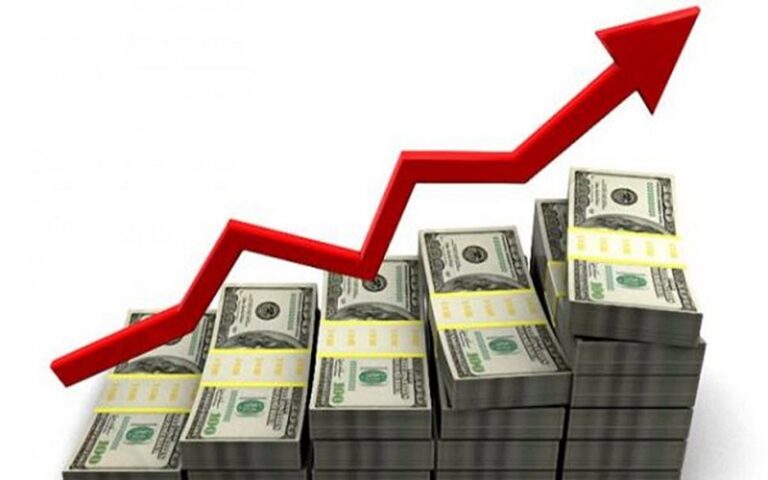
As speculation about the possibility of an Israeli counterattack on Iran increases, the upward trend in the prices of foreign currency and gold in Iran continues.

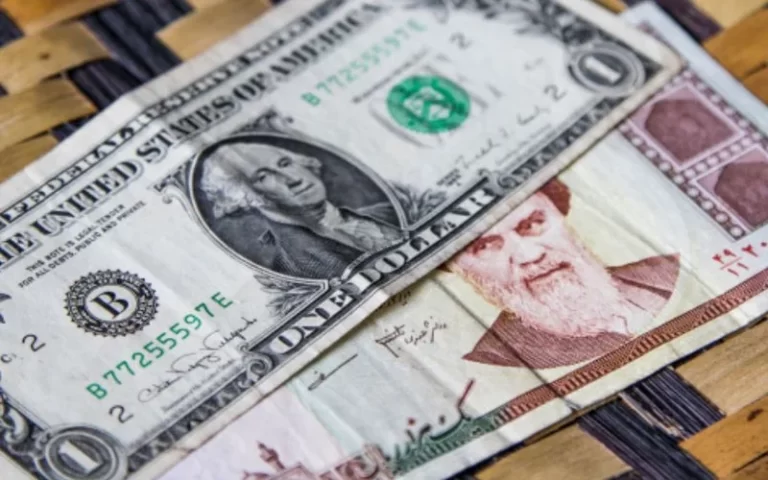
While on Wednesday, October 2, the Iranian foreign exchange market closed with the U.S. dollar trading at 615,000 rials, by Thursday morning the upward trend continued, and by the end of the trading day, the price of the dollar approached 630,000 rials.

Accordingly, the selling price of the U.S. dollar in Tehran’s market has reached 627,500 rials, and the euro has hit 692,500 rials. This is while in recent months, before Iran’s missile attack on Israel, the dollar had been fluctuating around 590,000 rials.

On the same day, the selling price of Bahar Azadi gold coins reached 432 million rials, and the well-known “Emami” gold coin hit 487.5 million rials.

According to reports from Iran’s economic media, the prices of domestically produced cars have also risen in recent days following Iran’s missile attack on Israel.

At the same time, the prices of many essential and consumer goods in Iran have also accelerated once again.

On Tuesday, October 1, Iran’s official news agency, IRNA, reported the rise in rice prices and published an open letter from the Rice Producers and Suppliers Association of Iran to Vice President Mohammad Reza Aref.

The association cited the accumulation of “100,000 tons of rice” in customs and the reduction of imported rice in the market as the reasons for rising prices.

According to data from the Statistical Center of Iran, the inflation rate for food and beverages in August this year reached 34.8%, with the highest food inflation being in the “red meat and poultry” category.

Meanwhile, Massoud Pezeshkian’s government has announced the submission of a request for a review of the controversial FATF case to the Expediency Council.

Previously, in 2020, despite the insistence of then-President Hassan Rouhani, members of the Expediency Council had opposed reviewing the FATF bills.

According to economic experts, removing the barriers to Iran’s FATF membership would facilitate Iran’s international financial transactions and could ease the pressure on the currency market, leading to a downward trend in prices.

However, opponents of these bills in Iran argue that if they are passed, Iran’s financial support to Tehran-affiliated militias, or as the Iranian regime calls them, the “Axis of Resistance,” will face difficulties.

The Financial Action Task Force (FATF) has placed Iran on its blacklist due to the regime’s refusal to take strategic actions, allowing all countries to handle financial transactions with Tehran independently.

This intergovernmental body, which designs and promotes policies and standards for combating financial crimes, particularly money laundering and terrorist financing, has made it clear that Iran will remain on the blacklist until it addresses the existing deficiencies.

Iranian Regime Mandates Installation of Police-Approved Cameras in Businesses

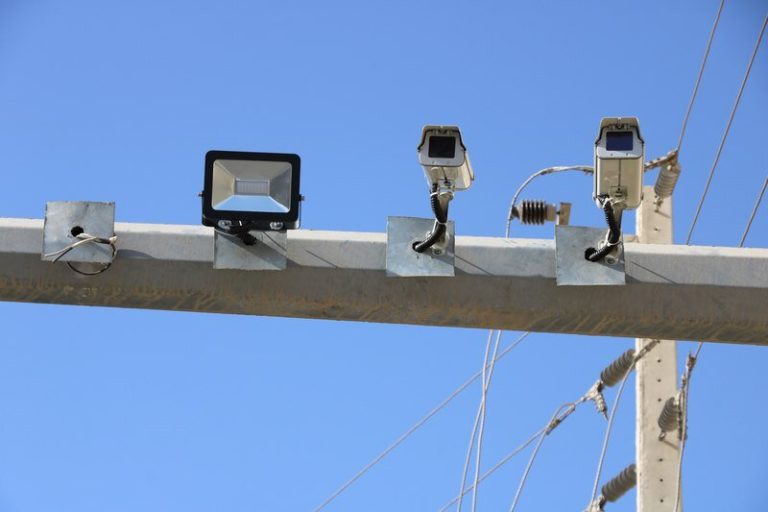
Mehdi Omidvar, the spokesperson for Iran’s Chamber of Guilds, announced that based on the regulatory guidelines for business premises, all business units are now required to install police-approved cameras, which will allow police access to their footage through a designated system.

Omidvar made this announcement in a media interview on Tuesday, October 2, 2024.

He stated that according to police regulations and guidelines for monitoring public places, a system called Saptam has been established for surveillance of public areas, which “oversees the quality of the security systems (cameras) in business units.”

The justification for this system is that in case of an “incident or crime” at business premises or public spaces, the police can review the recorded footage and follow up on the matter.

However, it is unclear from his statements whether the term “crime” refers to theft or includes non-compliance with mandatory hijab laws.

Since the nationwide protests in Iran in 2022, which were sparked by the death of Mahsa (Zhina) Amini while in the custody of the morality police, the Iranian regime has imposed greater control over its citizens.

The regime’s Tahlil Bazar website reported that the police have requested business owners to install cameras with specifications that meet the standards of police-approved laboratories, as the police are unable to track footage from “low-quality, non-guaranteed cameras” in cases such as theft.

According to Omidvar, “This system was created with the help of the private sector, in cooperation with the National Licensing Portal and the Police for Public Places.”

Based on the spokesperson’s statements, 39 professions and around 280 related industries, including jewelers and restaurants, will now be connected to the police surveillance system through the National Licensing Portal, which is the platform for obtaining business licenses.

Iranian regime’s police and judiciary also use citywide cameras to enforce the mandatory hijab laws, even fining vehicles carrying women without hijabs.

Meanwhile, the regime has ignored the demands of grieving families who have asked authorities to use camera footage to identify the attackers responsible for the deaths of protesters during the 2022 demonstrations.

The Iranian regime continues to suppress dissent. During nurses’ protests in August 2024, many protesting nurses were arrested or threatened with job dismissal by security forces.

Escalating Currency and Commodity Prices In Iran Amid Regional Tensions

The rise in the price of foreign currencies and gold continues in Iran, and domestic media outlets report the continued increase in the prices of cars, rice, and other goods in the country.

While the price of each US dollar in Iran fluctuated around 590,000 rials in recent months, with escalating regional tensions, foreign exchange rates began rising on the night of Friday, September 27, reaching 615,000 rials by Wednesday, October 2.

Meanwhile, on Wednesday, October 2, a member of the Tehran Chamber of Commerce told the state-run Mehr News Agency that the rise in currencies like the dollar is “solely related to Iran’s attack on Israel.”

Arman Khaleghi, referring to the 10,000-rial increase, predicted that this price hike “will subside in the coming hours, as it has in previous instances.”

Meanwhile, the prices of some goods in Iran had already risen in recent days, even before this attack.

The official regime news agency, IRNA, reported on Tuesday, October 1, that the price of gold coins had increased, stating that the price of each new-design coin had risen by 5.59 million rials (approximately 9 USD) compared to the previous day.

This agency wrote that the price of new-design coins had reached 470.59 million rials (approximately 771 USD).

According to economic media reports, the price of domestically produced cars also rose on Monday, September 30.

On Tuesday, IRNA also reported the rise in rice prices and published an open letter from the Rice Producers and Suppliers Association of Iran to Mohammad Reza Aref, the regime’s Vice President.

The association announced that the stagnation of “100,000 tons of rice” in the country’s customs had led to a decrease in the supply of imported rice to the market, causing price increases.

The letter noted that despite the stable exchange rate for preferred currencies and the global price of rice compared to last year, the price of imported rice in Iran’s market has increased by “around 50%.”

Data released by the Statistical Center of Iran shows that in August this year, the inflation rate for food and beverages reached 34.8%, with the highest inflation in the “red meat and poultry” food category.

Pezeshkian’s Internet Freedom Pledge: Empty Promises Amid Rising Censorship and Economic Strain

In the lead-up to his election, Masoud Pezeshkian vowed to fight internet censorship in Iran, promising to “free the internet” and end the widespread filtering that restricts access to global platforms like Instagram, WhatsApp, and Twitter. He positioned himself as a reformist, claiming that he would resist the regime’s oppressive digital policies. “I will stand against filtering,” he stated during his campaign, appealing to an electorate tired of digital repression. Yet, months into his presidency, these promises have proven to be hollow.

Despite Pezeshkian’s assurances, his administration has taken no concrete steps to lift restrictions on the internet. Instead, his government, much like its predecessors, continues to uphold and even reinforce the regime’s control over cyberspace. His newly appointed Minister of Information and Communications Technology (ICT), Sattar Hashemi, has not addressed the removal of internet filters and is instead focusing on minor reforms that will likely perpetuate the status quo.

Furthermore, Pezeshkian’s efforts are dented by the power of Iran’s security institutions, including the Supreme Council of Cyberspace (SCC), which remains committed to maintaining a tight grip on information flow. The “Internet User Protection Bill,” which would formalize and expand these controls, has already been partially implemented without full parliamentary approval. While it has not officially become law, many of its core principles are already in place, restricting access to VPNs and blocking most global platforms.

The censorship is more than just a political tool—it has caused substantial economic harm. Iran’s economy, particularly its digital commerce sector, has suffered severe losses due to the internet shutdowns and restrictions. The Iran Chamber of Commerce reported daily losses of $1.5 million during the 2022 protests, a trend that has only worsened under Pezeshkian’s leadership. Small businesses, many of which are run by women in rural areas, rely on social media to operate, and the continued blocking of platforms like Instagram has devastated them.

The Iranian regime imposes strict internet censorship to maintain control over the flow of information and suppress dissent. According to Reporters Without Borders (RSF), the Iranian government has effectively “enslaved” its internet, employing widespread censorship, surveillance, and arbitrary shutdowns. This “cruel strategy” aims to isolate its population from the global information sphere, preventing access to uncensored news and platforms that could facilitate protests and opposition movements.

Similarly, Freedom House ranks Iran as “Not Free,” noting that the regime uses internet restrictions to silence critics and prevent the spread of information that could expose government corruption and human rights abuses. The government fears that “unrestricted internet access” would enable the population to become aware of political realities and join opposition movements, thus threatening the regime’s hold on power.

Pezeshkian’s presidency so far has proven that his promises of internet freedom were nothing more than political theater. The regime’s control over the internet, fueled by fear of political awareness and unrest, remains stronger than ever. By continuing to enforce these oppressive policies, Pezeshkian has confirmed that his words were little more than lip service, aimed at placating a society hungry for change.