Home Blog Page 164

Family of Mahsa Amini Not Allowed to Leave Their Home on The Second Anniversary of Her Death

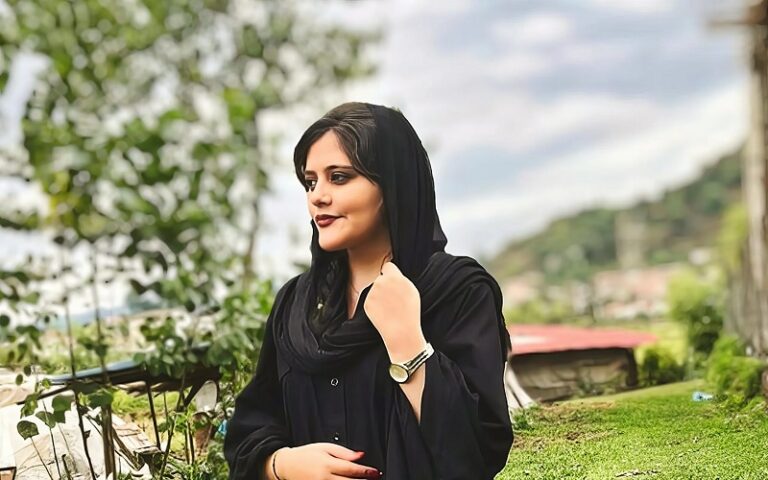
On Sunday, September 15, on the anniversary of Mahsa Amini’s death, which sparked nationwide protests in 2022, her family is not permitted to leave their home.

Close relatives of Mahsa Amini‘s family reported that “this morning, the Ministry of Intelligence contacted Amjad Amini, informing him that if he or his wife leaves the house, they will be arrested.”

Previously, the Amini family had planned to hold a memorial for the second anniversary of their daughter’s death, which occurred while in the custody of the morality police, at the Aychi cemetery on September 15.

Government agents informed the Amini family that “they do not have the right to leave their home.”

Reports indicate that “a significant number” of plainclothes officers are currently stationed outside the Amini family’s residence, and the family members are not allowed to leave.

It is said that government security forces are also present throughout the city of Saqqez, and “even garbage bins have been removed to prevent protesters from setting them on fire.”

A checkpoint has been set up in the Ghough area, which provides access to the Aychi cemetery, where Mahsa Amini was buried. Every person attempting to pass is interrogated, and some are not allowed to proceed.

In the days leading up to the second anniversary of the nationwide protests that began with Mahsa Amini’s death in the custody of the morality police in 2022 and lasted for months, reports have indicated that several people have been arrested in Kurdistan.

On Saturday, September 14, news also emerged that access to the Aychi cemetery has been restricted.

At the same time, on Saturday, various sources reported that security forces had released water from the “Cheragh Veys” dam into the Saqqez riverbed, just as they did last year, blocking some of the access routes to the Aychi cemetery and Mahsa Amini’s grave.

A large number of political and civil activists, as well as various parties, have issued calls for a general strike in the cities of Kurdistan province and other cities in Iran on Sunday, coinciding with the anniversary of Mahsa (Jina) Amini’s death in the custody of the morality police.

Images and videos shared on social media show that merchants and shopkeepers in Kurdish-majority cities went on strike on the second anniversary of Mahsa Amini’s death.

According to reports, today, Sunday, September 15, 2024, businesses in the cities of Sanandaj, Saqqez, Divandarreh, Mahabad, and Bukan are on strike.

These strikes have taken place despite threats and the increased security measures in Kurdish-majority cities in recent days.
Iranian Regime Vice President Reports a $17 Billion Deficit

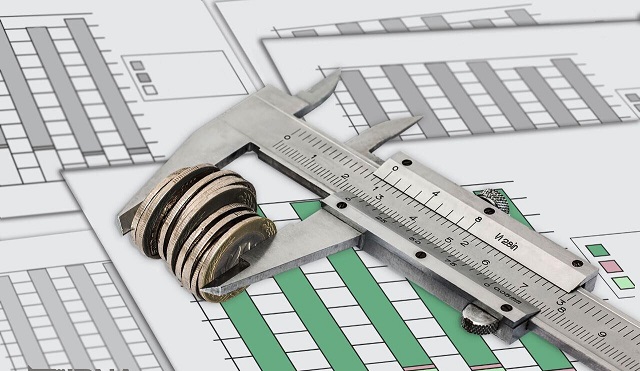
Mohammad Reza Aref, the Vice President of Iran’s regime, referring to the dire economic conditions and budget deficit, announced a deficit of one quadrillion rials (about $17 billion) in the first six months of the Persian calendar year (from March 21 to September 21). He added that last year, “Our trade balance was negative by $17 billion.”

On Saturday, September 14, Aref, during a conference of university presidents, stated, “We are facing imbalances in various sectors, and this is a very serious issue.”

According to some experts and critics, Aref’s remarks align with the “economic reforms and surgery” that the regime has tasked its president Masoud Pezeshkian with implementing.

The one quadrillion rial ($17 billion) deficit and imbalance mentioned by Aref is a warning for people’s livelihoods. Analysts believe the government will respond by raising prices, reducing subsidized fuel quotas, and increasing the cost of other energy carriers to compensate for the shortfall.

In recent months, the regime has increased bread prices in various provinces, with hikes starting at 25% in most provinces and ultimately reaching 66% in Tehran.

Regarding gasoline, in recent months, Masoud Pezeshkian and his cabinet have repeatedly stressed the need for price reforms. Critics believe that Iranian media, regardless of political alignment, have been tasked with preparing the public sentiment for these changes.

An increase in water and electricity prices is another step that experts believe the government will take next. While the Ministry of Energy has remained silent on the matter, the head of Tavanir (the national electricity company) stated, “We will not increase electricity prices for now or this year.” However, indirect increases have been applied through consumption coefficient tables in household and industrial electricity bills.

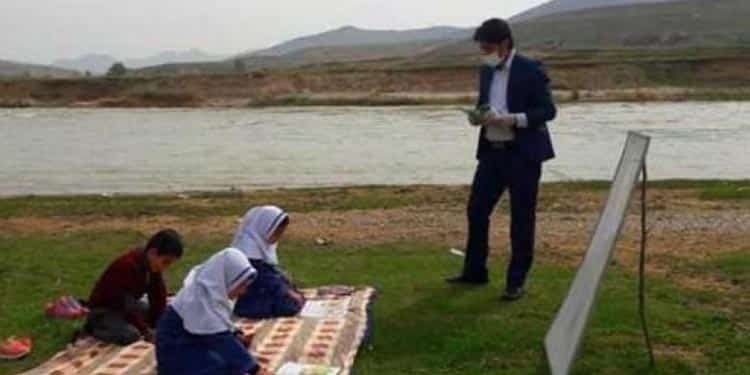
High Prices in Iran Prevent 110,000 Kids from Attending First Grade

Donya-e-Eqtesad newspaper reported on the issue of education in the new school year and the impact of inflation, stating that 110,000 first-graders were prevented from entering the education system due to the rising costs of school supplies and tuition.

In its September 14 issue, the newspaper wrote that comparing the prices of elementary school textbooks shows a roughly 50% increase compared to last year.

According to the newspaper, the price of stationery has increased by at least 20% compared to last year, and a middle-class working family must spend at least 30 million rials (approximately $50) to meet the minimum needs of students, excluding the cost of a backpack, shoes, and uniform. The minimum wage in Iran is approximately $180 per month.

Donya-e-Eqtesad noted that the expected number of first-grade enrollments is about 1.495 million, which is down by about 110,000 compared to last year. “The rise in education costs has prevented these children from enrolling,” it stated.

The newspaper also interviewed Mohsen Golestani, the head of the Union of Stationery and Engineering Supplies Sellers, who said: “Most of the raw materials for domestic production are imported. The exchange rate has affected prices, and wages have also risen, along with an increase in bank interest rates.”

Golestani also pointed to the current hot topic of power outages in industries, stating: “Another issue we faced in production was power outages. Most stationery production saw a drop in output during the summer. The decline in output due to power cuts, along with fixed costs and wages, has all contributed to the rise in the price of domestic stationery.”

According to this trade official: “People’s purchasing power has declined, and families, instead of buying all the necessary supplies at once, are managing their needs throughout the year.”

Previously, the Deputy Minister of Primary Education had announced on September 9 that for the 2023-2024 school year, about 216,243 children in primary school were out of school, of which only 31,518 had returned to education.

The statistics on children who are out of school in Iran are highly inconsistent. On June 25, the Deputy Chairman of the Education Committee in the Majlis (Parliament) announced that 911,000 children, including 400,000 primary school students, were out of school in Iran.

Mohammad Molavi, another member of the Education Committee, said in July that 279,000 children had dropped out of school due to “financial difficulties.”

Regardless of the statistical discrepancies, the significant point is the increasing trend of dropping out or not entering the education system in the first grade due to financial problems and poverty, a problem that continues to spread.

Official data also shows that 70% of school dropouts are from the lowest five income deciles.

Many Workers in Iran Have to Wait Six Months to Receive Their Wages

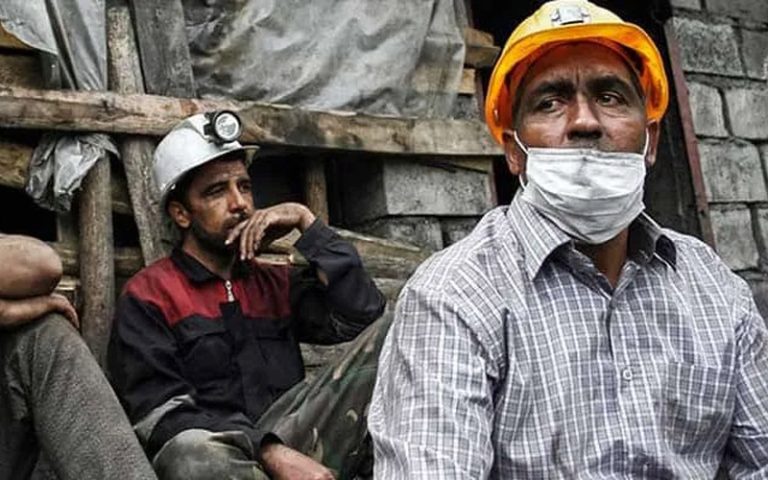
Many workers in Iran file complaints against their employers after being laid off to claim their dues. The process of addressing these complaints in the labor dispute resolution offices takes months, leaving some workers and their families without money for at least six months, causing them significant hardship.

The state-run ILNA news agency, in a report, stated: “Imagine a worker who hasn’t received their wages for three months, and after an entire season of being without money, has been laid off or, in the language of today’s capitalists, ‘downsized.’ This worker has no choice but to turn to the labor dispute resolution offices to claim their rights.”

The report highlights the lengthy process of addressing workers’ complaints at labor dispute offices: “When a worker enters the system and files a complaint, they don’t wait just days or weeks, but months for their case to be addressed.”

Representatives of the government and employers in the Supreme Labor Council agreed on March 19, 2024, to a 35% increase in the minimum wage for workers in 2024.

According to this agreement, the minimum wage for workers supporting a family of four was set at 121 million rials (approximately 202 USD).

Armin Khoshvakhti, a senior labor law expert, criticized the long delays in processing workers’ complaints, telling ILNA: “Sometimes a complaining worker has to wait up to six months! There have been cases where a worker hasn’t been paid for three months and then had to wait an additional six months for their complaint to be addressed.”

Ehsan Sohrabi, a labor activist, also criticized the long and unfair process of handling workers’ complaints, telling ILNA that some employers act unjustly and unfairly, refusing to pay workers’ wages and failing to take responsibility.

Sohrabi added that these employers always act in line with the economic interests of the Chamber of Commerce, leaving desperate workers wandering the halls of provincial labor offices, facing “the stress of proving their case, rejection of their complaint, or possibly employer lobbying.”

This civil rights activist stressed that in densely populated and labor-heavy provinces, workers often receive their rights so late that it no longer feels like a right, but more like a meager handout.

According to Sohrabi, some cases take more than six months to reach a verdict, and this method of handling workers’ complaints poses dangerous challenges for their families.

He called on the Minister of Cooperatives, Labor, and Social Welfare to order a stop to the “trickle-down referral of workers’ complaint cases.”

Majid Rahmati, head of the Wage Committee of the Coordination Council of Labor Councils in Tehran Province, told ILNA on March 10 that the cost of living for a family of four in Tehran, with 3,000 calories per day, was calculated at 328.5 million rials (approximately 548 USD) and for the rest of the country at 265.5 million rials (approximately 443 USD).

An analysis of the wages set by the Supreme Labor Council for 2024 and the cost of living announced by the head of the Wage Committee for a family of four in Tehran reveals a gap of 150 million rials (approximately 250 USD) between wages and living costs.

This, along with the non-payment of workers’ dues and delays in processing their complaints, indicates that the situation for workers in Iran has worsened compared to previous years, and their families are also facing numerous problems.

ILNA, in its conclusion, pointed out the high volume of economic and labor relations problems, writing that under such circumstances, there is little hope that a worker who hasn’t been paid for months and has been laid off by a profiteering employer will receive their rights in one, two, or even three months.

In recent years, workers across Iran have repeatedly held protests and strikes over their living conditions and unpaid monthly wages, but their demands have yet to be fulfilled.

Food Inflation Is Exacerbating Poverty in Iran

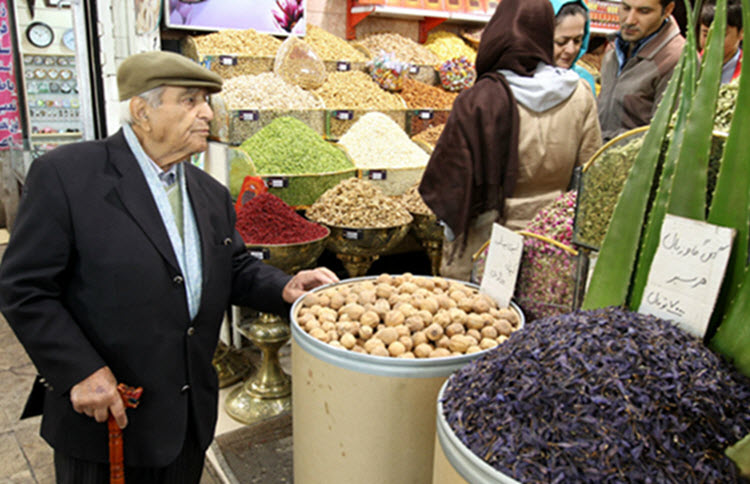
Daily household purchases in Iran show that the prices of food items are constantly rising.

The price increases are so noticeable that complaints such as “Why do prices keep rising?” are voiced.

From an economic perspective, the reasons for rising prices and inflation vary based on time, location, and the type of product.

In recent years, the price increases of food items in Iran have reached unprecedented levels, with some food items rising in price even more than non-food goods.

According to the Statistical Center of Iran, in August 2023, the inflation rate for the twelve months leading up to that month was 34.8% compared to the same period the previous year.

Severe Price Increases in Food Items Over the Past Year

This means that Iranian households spent 35% more in August 2023 to purchase the same goods and services.

The inflation rate for food items was reported at 30.1%, while for non-food goods it was 37.3%. The highest inflation was seen in red and white meat, which increased by 58.3%.

These figures indicate a sharp rise in food prices and food inflation under the Iranian regime. Annual inflation for fruits and nuts was 32.4%, and for vegetables, it was 25%.

This runaway inflation has caused households to lose their purchasing power day by day. The decline in purchasing power has led to reduced consumption and worsened food security.

In August 2024, the price of mushrooms increased 1.5 times, potatoes 1.1 times, onions 1.7 times, melons 1.6 times, and bell peppers 1.3 times compared to the same period the previous year.

This sharp rise in prices, coupled with stagnant incomes, has caused households to lose their purchasing power and reduce their consumption.

This reduction in consumption is more noticeable among middle- and low-income groups and has negative effects on nutrition and health, especially for children.

In the Iranian regime, solutions such as imports, export bans, stockpiling, and preferential exchange rates have been implemented to regulate the food market.

However, these policies have not been able to significantly reduce prices.

Imports to regulate the market under inflationary conditions are considered a lack of support for domestic producers, reducing their motivation to produce.

On the other hand, export bans impose significant costs on exporters and are considered anti-production policies.

Price controls have also been consistently criticized by farmers and producers due to the lack of an accurate accounting system, leading to reduced social capital and shifts in business practices.

The Iranian regime prefers to intervene in the market rather than regulate it.

These interventions are made without considering their consequences and without designing efficient systems.

Inflation and rising prices of food and non-food items do not seem to be a significant issue for the mullahs’ regime.

U.S. Presses Charges Against Iran-Backed Hackers Targeting Trump Campaign

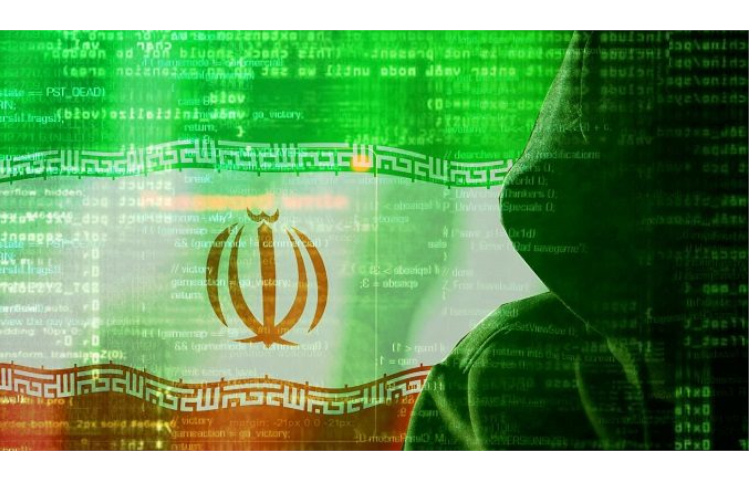
The U.S. Department of Justice is preparing to file criminal charges related to the hacking of the election campaign of Donald Trump, the Republican candidate in the 2024 U.S. presidential election, by the Iranian regime.

Citing two informed sources, The Associated Press reported on Thursday:  

“It was not immediately clear when the charges might be announced or whom precisely they will target.”

This action is the result of an FBI investigation into a cyber intrusion that multiple intelligence agencies quickly identified as being orchestrated by the Iranian regime, with the aim of influencing this year’s U.S. presidential election.

The potential criminal charges come as the U.S. Department of Justice warns about efforts by countries including Russia and China, which are seeking to interfere in the November 2024 presidential election, notably through hacking and using covert social media campaigns to shape public opinion.

Matthew Olsen, Assistant Attorney General and senior national security official at the U.S. Department of Justice, stated in a speech in New York that the Iranian regime is making more significant efforts than in previous election cycles to influence this year’s election. As the election approaches, Iran’s activities have become increasingly aggressive.

He also noted that the Iranian regime views this fall’s U.S. election as crucial for its own interests, and this has heightened its desire to shape the election’s outcome.

Previously, U.S. intelligence officials had stated that the Iranian regime’s efforts were aimed at preventing Donald Trump from returning to office. According to them, the Iranian government has decided to use influence campaigns to damage Trump’s efforts.

A U.S. intelligence official had earlier told reporters that the Iranian regime’s preference is primarily a reflection of its unwillingness to escalate tensions with the United States. Iran is opposing a candidate that Tehran’s leaders believe would increase these tensions.

In early September, the U.S. Attorney General warned the Iranian regime against interfering in U.S. elections and undermining American democracy.

On August 10, Trump’s campaign revealed that it had been hacked and stated that Iranian regime agents had stolen and leaked sensitive internal documents.

On Wednesday, a day before the Associated Press report, U.S. prosecutors formally charged a Pakistani national linked to the Iranian regime for attempting to assassinate a U.S. official in retaliation for the killing of Qasem Soleimani, the former commander of the Quds Force of the IRGC.

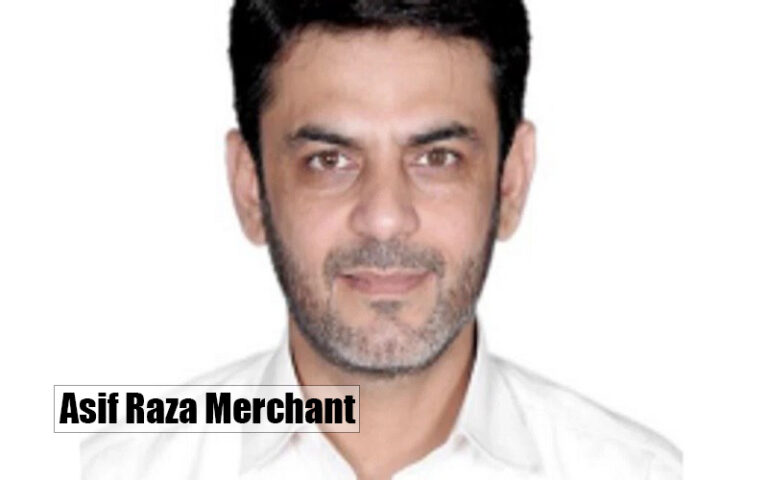
The U.S. Department of Justice announced in a statement that Asif Reza Merchant, 46, was allegedly seeking to hire an assassin to kill a U.S. politician or government official inside the United States. U.S. officials have said that he has wives and children in both Iran and Pakistan.

A few days earlier, U.S. Senator Charles Grassley had released FBI documents revealing that Iranian regime-backed individuals were seeking to assassinate several prominent American political figures in connection with the killing of Qasem Soleimani.

The Escalating Poverty Crisis in Iran: A Grim Reality

René Descartes, the French mathematician and philosopher of the Enlightenment, laid the foundations for modern philosophy and the new era in human history. In his book Discourse on the Method, he introduced four principles for attaining truth, one of which is the principle of “division”: “Divide each problem into as many parts as possible to better understand it.” While nations that entered the modern era took steady steps towards growth, progress, and prosperity using Descartes’ teachings, the same cannot be said for Iran. Unfortunately, the teachings of Descartes are now used in Iran to dissect and analyze the multifaceted poverty and suffering that has plagued the country under the regime of supreme leader Ali Khamenei and his corrupt and exploitative administration.

Poverty in Iran has become more than just the opposite of wealth or prosperity. It has now been dissected into “absolute poverty,” “below the poverty line,” “extreme poverty,” “survival poverty,” “relative poverty,” and dozens of other forms such as educational, healthcare, housing, and nutritional poverty. The regime’s so-called “poverty experts” shamelessly present these terms to explain the dire situation of millions of impoverished Iranians.

Recently, the Minister of Labor in Khamenei’s government provided shocking statistics on the extent and severity of poverty in Iran. On September 8, 2024, Mehr News Agency quoted Ahmad Meydari, an expert in poverty, as saying: “30% of the population is below the poverty line. Most of those experiencing ‘absolute poverty’ have jobs and incomes, but their wages do not cover their living expenses. Eradicating absolute poverty is a goal we must move towards.”

Meydari’s statement, made after four decades of authoritarian and exploitative governance, indicates the regime’s supposed goal to eliminate absolute poverty, an ironic and disheartening claim given the current state of the nation.

The Rise of Absolute Poverty

Meydari added, “Until the mid-2000s, about 12% to 15% of the population was in absolute poverty. By the mid-2010s, this figure rose to around 20%. Since 2018, it has increased sharply to 30%, with approximately 25.4 million people living in absolute poverty according to data from the Statistical Center of Iran and the Research Center of Parliament.” This statistic reveals that 30% of Iranians, despite being employed, are unable to meet their basic needs such as food and essential living expenses.

Furthermore, even economic growth and controlling inflation seem incapable of eliminating absolute poverty, with Meydari emphasizing that “different actions” are needed.

Extreme Poverty: A More Severe Crisis

The crisis, however, does not end with absolute poverty. Millions of Iranians are suffering from what can be categorized as “extreme poverty,” meaning their income is insufficient even to cover basic sustenance. Meydari explains: ”Extreme poverty is when an individual’s income cannot even cover the cost of food. In other words, absolute poverty is defined as the inability to achieve a minimum standard of living, and therefore, extreme poverty is a subset of absolute poverty.”

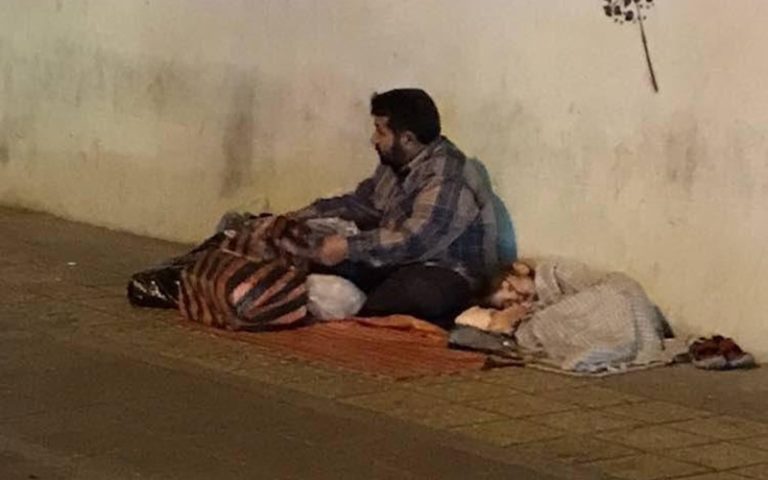
According to the Iranian Statistics Center, approximately 6% of the population, or 5 million people, suffer from extreme poverty. These are individuals who go to bed hungry and search for food each day just to survive. Shockingly, even providing a warm meal to the poorest has faced budgetary obstacles under the regime’s rule, despite the country’s immense oil wealth and billions spent on internal corruption, terrorism, and military projects.

Widespread Poverty Across the Nation

Experts in the field of poverty have acknowledged that “the Gini coefficient has surpassed 40%,” reflecting a vast gap between the rich and the poor. Sociologist Maqsud Farasatkhah remarked: ”Between 2011 and 2023, around 10 million people were added to the poverty statistics, a terrifying figure. In such conditions, poverty becomes widespread” (Deutsche Welle, September 7, 2024).

Farasatkhah also noted that a quarter of Iran’s population, along with half of the population in provinces such as Sistan and Baluchestan, live below the poverty line. He described this trend as “a catastrophic trajectory” affecting many regions, including Chaharmahal and Bakhtiari, North Khorasan, West Azerbaijan, and Hormozgan. Farasatkhah and others question whether Iranian society can withstand such hardship or if it will face further unrest and social upheaval.

Additionally, Zahra Kavyani, an economic researcher, expressed concern over the worsening poverty gap: “The 30% poverty rate is alarming, but even more dangerous are the growing trends within this population. Over the past four years, the poverty gap has steadily increased, and it will not be easy to bring those below the poverty line back above it” (Jamaran, September 8, 2024).

The crisis of poverty in Iran has far-reaching consequences, including children dropping out of school, increased child labor, and the intergenerational transmission of poverty. Other devastating effects include smuggling, fuel trafficking, scavenging, and many other harmful byproducts of widespread destitution.

IAEA Board of Governors To Yet Again Debate Over Iran’s Nuclear Program

With the start of the seasonal session of the Board of Governors of the International Atomic Energy Agency (IAEA), Iran’s nuclear program has become the focus and agenda, which will continue from September 9 to 13.  

Rafael Grossi, Director General of the IAEA, expressed concern at this session about the agency’s awareness of the latest developments in Iran’s nuclear activities, including the production of centrifuges and the operational aspects of the heavy water reactor.  

He also expressed hope that he would soon meet with the Iranian regime’s new president, Masoud Pezeshkian. However, the main actor in this issue on the Iranian side is not Pezeshkian but regime supreme leader Ali Khamenei.  

Grossi’s statement comes as the Iranian regime had previously pretended to adopt a peaceful approach toward reaching an understanding with the IAEA Director General and resuming a new level of cooperation.  

But this was merely a deception; the Iranian regime always takes such actions ahead of the Board of Governors’ meetings to prevent the issuance of resolutions against its nuclear program.  

According to the Iranian government’s claims, the IAEA and European members of the Board of Governors have disrupted cooperation by issuing their own alleged statements.  

Two days ago, the regime’s delegation in Vienna presented its latest positions and demands regarding the Director General’s reports to the Board of Governor.  

In another report, the Iranian regime proposed designing a new modality for implementing the provisions of the 2022 statement.  

The Iranian regime claimed that this requires direct dialogue between Iran and the IAEA.  

The Iranian regime asserted that an agreement would only be implemented if Grossi kept his promise not to use the IAEA as a political tool, and this would be evident in his tone and reports.  

However, in his recent speech about engaging with the Iranian government, Grossi stated that he had exchanged messages with Pezeshkian after the Iranian elections.  

But as mentioned earlier, the main actor on the scene is Khamenei. These meetings and displays of understanding with the IAEA pursued by the Iranian government have another goal.  

That goal is that in October 2024, the expiration date of the JCPOA agreement will occur, and all sanctions against the Iranian regime will automatically be lifted.  

Afterward, no sanctions can be imposed on Iran’s nuclear program, unless before this deadline, the European Troika triggers the snapback mechanism.  

This means that due to Iran’s significant violations of the JCPOA and its lack of cooperation with the IAEA and the Board of Governors, all sanctions from the six resolutions prior to Resolution 2231 would be reinstated.  

It is important to note that none of the permanent members of the UN Security Council have the right to veto the snapback mechanism.  

Therefore, the Iranian regime is trying to engage with Grossi, the IAEA, and the Board of Governors and politicize the IAEA’s decisions to reach this expiration date.  

Additionally, the regime aims to maneuver against the European Troika, which recently threatened to activate the snapback mechanism if Iran does not cooperate with the IAEA before the expiration of the JCPOA, and neutralize their actions.  

Iran possessing nuclear weapons, in addition to regional chaos, would fuel a nuclear arms race in the already volatile Middle East region.  

The U.S. Has Formally Charged an Iranian Regime Operative

0

The U.S. Attorney’s Office has announced formal charges against a Pakistani man connected to the Iranian regime, accused of attempting to assassinate a U.S. official in retaliation for the killing of Qassem Soleimani, the former commander of the IRGC’s Quds Force. His arrest was announced on August 6.

According to AFP, the U.S. Department of Justice stated on Wednesday that 46-year-old Asif Reza Merchant allegedly sought to hire a hitman to assassinate a U.S. politician or government official.

Earlier, U.S. officials had said that the Pakistani man had wives and children in both Pakistan and Iran. It remains unclear how the Iranian regime recruited this Pakistani citizen for their plot.

U.S. Attorney General Merrick Garland stated, as these charges against Asif Merchant for terrorism and murder-for-hire demonstrate, we will continue to hold accountable those who seek to execute Iran’s deadly plots against Americans.

U.S. Attorney Breon Peace added, as charged, Merchant orchestrated a plot to assassinate U.S. politicians and government officials. Today’s indictment sends a message to terrorists both here and abroad.

FBI Director Christopher Wray stated that the Pakistani man had close ties with the Iranian regime, and the murder-for-hire plot comes straight from the playbook of the Iranian regime.

Another FBI official revealed that the assassins Merchant allegedly tried to hire were actually undercover FBI agents.

The U.S. Department of Justice announced that after spending time in Iran, the Pakistani citizen entered the U.S. from Pakistan and contacted someone he believed could help him with the plan to kill a U.S. politician or government official. However, that person reported the plot to law enforcement.

Asif Reza Merchant was arrested on July 12 while attempting to leave the United States.

The Iranian regime’s delegation to the United Nations stated last month that it had not received any report on this matter from the U.S. government.

In August 2022, the U.S. accused a member of the Islamic Revolutionary Guard Corps (IRGC) of plotting to assassinate John Bolton, the former U.S. National Security Advisor.

The Department of Justice stated that Shahram Poursafi, who remains at large, had offered to pay an individual in the U.S. $300,000 to kill Bolton.

Republican Senator Chuck Grassley released FBI documents showing that individuals supported by the Iranian regime sought to assassinate several prominent U.S. political figures in retaliation for the killing of Qassem Soleimani.

The documents, provided to Senator Grassley, show that the Iranian regime targeted several U.S. politicians and military officials, including President Joe Biden, former President Donald Trump, and former U.S. Ambassador to the U.N. Nikki Haley, who is also a former presidential candidate.

Earlier, Michael McCaul, the Republican chairman of the House Foreign Affairs Committee, described the reports of the Iranian regime’s plot to kill a U.S. politician or official through a Pakistani national as “horrific.”

This senior lawmaker said that the Iranian government is brazenly attempting to carry out terrorist activities on U.S. soil, adding that the arrest of the suspect is a good step, but the U.S. government must take significant actions to hold Iran accountable for this plot and to prevent future schemes.

Why Does Iran’s Regime Want to Import Gas from Russia?

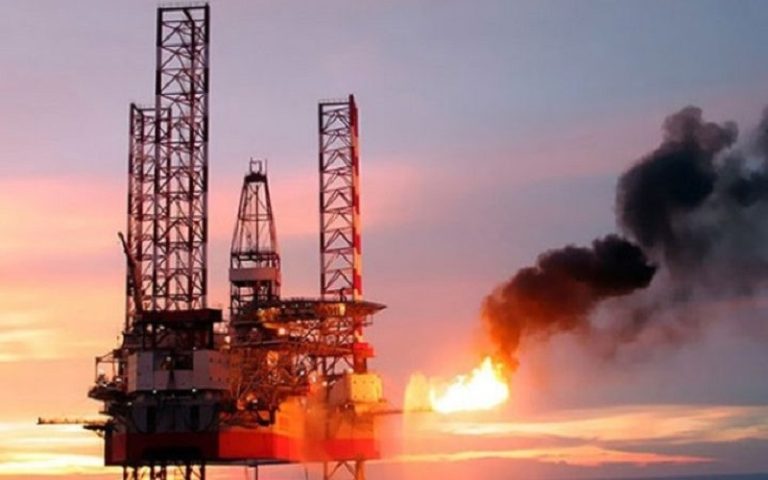
The news of Iran’s request to import gas from Russia, despite being the world’s second-largest holder of gas reserves, has sparked widespread reactions.

Some experts say that the agreements signed with Russia in recent years have not brought significant benefits to Iran. Importing gas from Russia might disrupt Iran’s own efforts in gas exploration and extraction.

Some analysts believe that importing gas from Russia could be an opportunity to offset shortages during the colder months.

On the other hand, this move could turn Iran into a regional gas transit hub.

Bahman Khodakarami, an energy expert, stated that importing gas from Russia has garnered a lot of attention in recent years.

He added that despite Iran being one of the largest holders of natural gas reserves in the world, importing gas from Russia seems contradictory.

Khodakarami pointed to infrastructure problems, international sanctions, and reduced investment in the energy sector, saying these issues have prevented Iran from producing and distributing gas to its full potential.

In winter, Iran faces gas shortages for domestic consumption due to high demand, an aging gas distribution network, and decreased production efficiency.

Russia sees Iran not only as a consumer but also as a potential route for exporting gas to other countries.

With Western sanctions and the war in Ukraine, Russia is looking for new export routes, and Iran could serve as a strategic corridor.

Khodakarami further stated that importing gas from Russia could help Iran use imported gas during peak consumption seasons like winter and prevent potential outages.

This would also allow Iran to export some of its domestic gas to other countries, generating revenue for the government.

According to Khodakarami, becoming a regional gas hub would help Iran strengthen its bargaining power in the region by acting as a transit route for Russia’s gas to neighboring countries.

In recent relations between Iran and Russia, the benefits of this cooperation have been more in Russia’s favor.

Russia gains access to new markets through Iran, while Iran, by becoming a regional gas hub, not only meets its domestic needs but also strengthens its geopolitical position. However, the success of this cooperation depends on managing political and economic challenges.

Mohammad Sadegh Jokar, head of the Energy Studies Institute, announced that the gas import will take place through a pipeline that passes through Azerbaijan.

Morteza Behroozi-Far, another energy expert, said that Iran is facing an imbalance, with consumption exceeding production in winter.

He added that if Iran cannot raise production to an acceptable level, importing gas from Russia will be inevitable.

Behroozi-Far stated that despite Iran’s vast gas reserves, it is forced to import gas from Russia due to infrastructure issues and an inability to attract investment.

Hassan Moradi, an energy expert, also believes that having gas reserves does not mean Iran should avoid trading with other countries.

However, beyond all these reasons, it is a political issue, not an economic one or due to shortages, that has forced Iran, despite having the world’s second-largest gas reserves, to import from Russia.