Home Blog Page 173

The Black Market for Medicine in Iran

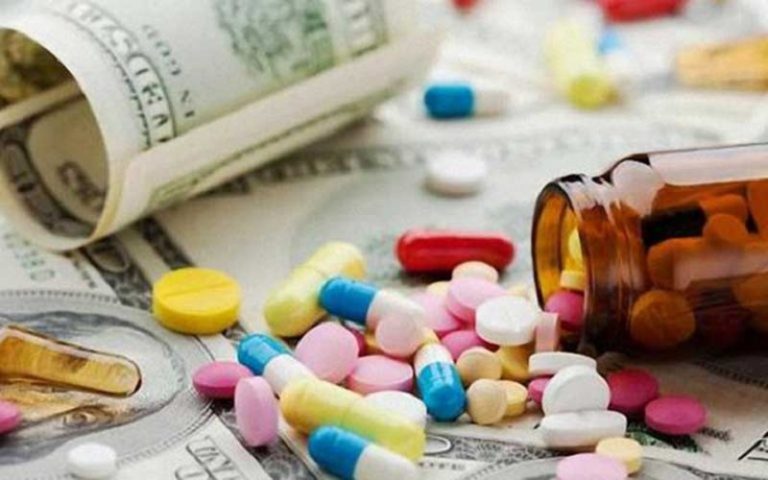
The Iranian pharmaceutical market is in crisis and experiencing shortages. These shortages sometimes extend to simple cold tablets and saline solutions, but certain medications are always in crisis, such as specialty drugs, insulin, or chemotherapy drugs.

This is while the head of Iran’s Food and Drug Administration claims that 99 percent of the country’s medicine is domestically produced, but the state of drug shortages shows that the volume of production has not been able to meet the country’s pharmaceutical and healthcare needs.

Given the market shortages and the level of demand, smuggled imported drugs are being bought and sold in the black market and online.

Insulin medication is not available in pharmacies and can only be found at the Red Crescent pharmacy; similarly, Formetin is available in the black market. Medications for cancer patients are also only available in the black market.

From Self-Sufficiency in Production to a Medicine Crisis

While government officials claim that pharmaceutical factories are operating at full capacity, the condition of pharmacies does not confirm this.

Seyed Heidar Mohammadi, Deputy Minister of Health and head of the Food and Drug Administration, claimed that a large portion of drugs are available domestically. He stated, “Many anticancer drugs are produced domestically and with high quality. One percent of the country’s required drugs are supplied through imports, and this one percent accounts for 13 percent of the total monetary value of our drugs.”

Accordingly, Iran only has a one percent need for drug imports, but the difficulties people face in procuring and supplying medicine do not confirm this 99 percent domestic production claim.

The Etemad newspaper reported drug shortages in various cities and public hospitals. Saline solution is rationed in a public hospital in Isfahan due to shortages. Shortages of narcotic drugs, declining drug quality, and the lack of surgical blades and gloves are other points mentioned in this report.

In July 2024, Mohammad Abdozadeh, chairman of the board of the Syndicate of Human Pharmaceutical Industries, spoke about the problems in the production sector: “The Central Bank has made the conditions for receiving facilities more difficult, and now we neither have the ability to receive receivables nor facilities. In this situation, registering orders and obtaining foreign currency for importing raw materials becomes very difficult.”

According to him, nearly $600 million of the allocated foreign currency for the pharmaceutical sector was canceled last year due to a lack of liquidity. Pharmaceutical companies are facing a liquidity crisis, and insurance companies are also not fulfilling their commitments.

In such a situation, even if the capability for production exists in the country, it seems that due to a shortage or lack of liquidity, this cannot be realized, and patients are the victims.

Aside from these problems, on July 22, Abdozadeh, in a letter to the First Vice President, announced that due to the lack of tariff code determination for 700 items on the country’s pharmaceutical list, pharmaceutical companies are unable to clear raw materials that are in customs.

Producing 99 percent of the country’s medicine may be possible with imported raw materials, but now these are locked in customs, and manufacturers warn that a drug crisis in the country is imminent. Currently, only specific pharmacies have medicines like insulin, and as one member of parliament mentioned, its distribution in small towns is very limited.

A Wave of Drug Crisis is on the Way

Vahid Mahalati, vice chairman of the board of directors of the Drug and Supplement Distribution Companies Association, has predicted that a drug crisis will occur in the last quarter of 2024 and the first quarter of 2025. He said, “Four billion dollars was supposed to be allocated to medicine and equipment. If we accept the government’s statistics that $700 million was allocated in three months, and this trend continues for other quarters (i.e., multiplied by four), we will not reach the figure of four billion dollars.”

If online sellers delay finalizing an order for an hour, they erase all chat and negotiations and will not respond again, leaving no trace.

The heartbeat of the market is in the hands of brokers, and they are aware of market shortages; therefore, they supply the shortages at high prices.

In this simple manner, the brokers’ market thrives day by day, especially as the drug situation continues to worsen and dark days for patients lie ahead.

According to Mojtaba Burbur, vice president of the Drug Importers Union, more than 60 percent of the country’s pharmaceutical market is in the hands of semi-governmental or public pharmaceutical companies. These state-owned companies profit from this black market at the expense of Iranian citizens’ lives.
New US Sanctions Against Iran-Linked Facilitators of Weapons Procurement for Houthis

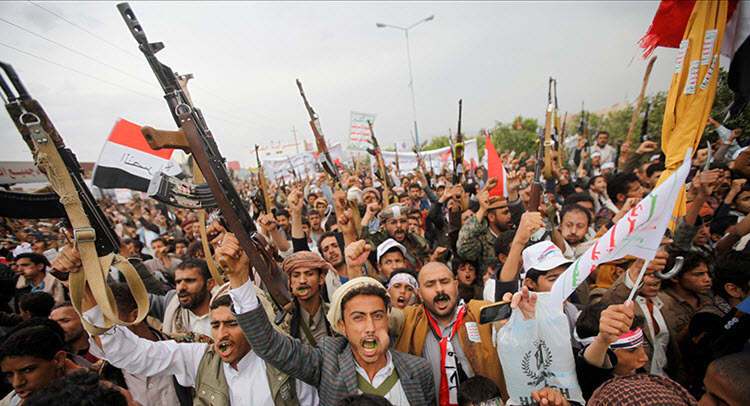
The United States has sanctioned two individuals and four companies for facilitating the procurement of weapons for the Houthi rebels in Yemen.

In a statement, the US Department of the Treasury announced that the Wednesday sanctions targeted logistics personnel, transport facilitators, and suppliers based in Yemen and China who were procuring dual-use equipment for use in the Houthis’ advanced weapon systems.

Those sanctioned include Al-Shahari United Corporation Ltd, a company based in Sanaa, the capital of Yemen, which is said to rely on a branch office in Guangzhou, China, to facilitate shipments to Yemen.

The US Treasury Department also sanctioned a Yemeni trader named Maher Yahya Muhammad Mutahar al-Kinai, who, according to the department, cooperated with other Houthi agents to “facilitate the transport of dual-use equipment and components.”

Following the start of the Gaza war, the Houthis launched attacks on ships in the Red Sea, forcing many shipping companies to alter their routes and provoking retaliatory strikes from the United States and its allies.

The US Treasury Department’s statement said that the sanctioned individuals “directly” supported the Yemeni rebels’ efforts to procure “military materials from abroad,” which were then sent to Houthi-controlled areas in Yemen, enabling their ongoing attacks.

According to Agence France-Presse, Brian Nelson, the Under Secretary of the Treasury for Terrorism and Financial Intelligence, said that the Houthis have been seeking to exploit key areas like the People’s Republic of China and Hong Kong for sourcing and transporting components necessary for their lethal weapon systems.

He added that the Treasury Department will continue to target these “facilitators” who enable Houthi activities.

Iran-Backed Hashd al-Shaabi Forces Targeted, Senior Hezbollah Official Killed

Amid escalating tensions between Hezbollah and Israel, a U.S. official told Reuters about an American attack on Iraqi militia positions.  

Reuters reports it is still unclear which militia forces in Iraq were targeted, but the U.S. official emphasized that the attack was carried out to defend U.S. forces.  

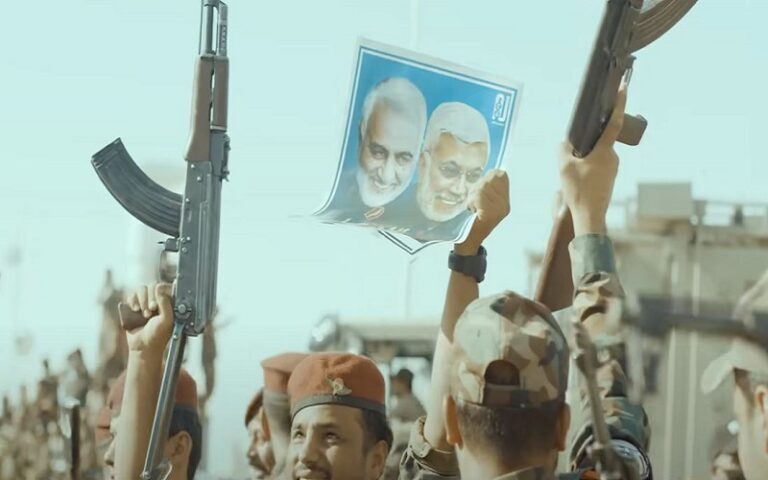
At the same time, Hashd al-Shaabi, the most significant militia group backed by the Iranian regime in Iraq, announced early Wednesday, July 31, that two patrols of their forces were targeted in an airstrike in Babil province, central Iraq.  

According to Iran’s state news agency IRNA, Hashd al-Shaabi stated: “Available information indicates that two patrols of the 47th Brigade in northern Babil province were targeted by missiles fired from a drone, resulting in casualties and injuries among the forces.”  

Reuters, citing Iraqi police and hospital sources, reported that four people were killed and three injured in these explosions.  

A U.S. official, who wished to remain anonymous, stressed that this attack was carried out due to threats against coalition forces stationed in Iraq.  

Iraqi and U.S. officials reported on July 25 the launch of several rockets toward the Ain al-Asad airbase in Iraq, where U.S.-led coalition forces are stationed, but these attacks caused no damage or casualties.  

Meanwhile, on Tuesday, the Israeli army announced that it had killed Fouad Shokr, a commander of Hezbollah, in an airstrike in Beirut.  

Hezbollah is financially and militarily supported by the Iranian regime.  

14,000 Hemophilia Patients in Iran Facing Medication Shortages

Elnaz Yari, the director of the Hemophilia Center of Tehran Province, noted that 14,000 hemophilia patients are registered in the country. She emphasized the provision of medication as the primary need of these patients and stated that this center has experienced one of the most challenging periods in recent years in terms of supplying hemophilia medications.

In an interview with the regime’s ISNA news agency, the director of the Hemophilia Center of Tehran Province mentioned that out of the 14,000 hemophilia patients in the country, 4,000 are in Tehran. She added that there are probably patients in the country, especially in deprived areas like Sistan and Baluchestan Province (where consanguineous marriages are common), who have not been identified yet.

Yari stated that providing medication is a challenge for all patients and emphasized that hemophilia is a special condition, making the provision of medication the most significant challenge for these patients.

She noted that in 2023, the shortage and unavailability of Factor VIII caused problems for patients, and currently, there is a shortage of “Factor XIII,” “fibrinogen,” and “Humate.”

Ahmad Ghavidel, an advisor to the board of directors of the Iran Hemophilia Society, said on July 24 that in the past three years, hemophilia patients have experienced the worst years in terms of medication shortages.

He said, “In fact, the situation was even worse than during the war.”

Amin Afshar, the chairman of the board of the Iran Hemophilia Society, also reported on the same day that three hemophilia patients, including two young adults and a child, have died since the beginning of this year due to medication shortages.

According to Afshar, the medication shortages that existed in rural areas have now reached Tehran.

Nazanin Farzadi-Far, the CEO of the Iran Hemophilia Society, stated in December 2023 that in 2022, the domestic production of medication significantly decreased, and she mentioned, “We had a very difficult autumn and winter in terms of medication.”

The director of the Hemophilia Center of Tehran Province emphasized that the shortage of these medications has caused problems for pregnant women. She said, “Fibrinogen patients are considered the mildest cases of hemophilia, such that they need to use fibrinogen medication in situations like nosebleeds, gum surgery, or tooth extractions. Unfortunately, fibrinogen medication is not available, and this causes irreparable harm.”

Amir-Hesam Alirezaei, the head of the Transplantation and Disease Treatment Management Center at the Ministry of Health, said in an interview with ISNA in March 2024 that approximately 14,000 patients are registered in the national hemophilia system. He added, “Among these, there are 5,500 cases of Factor VIII deficiency hemophilia, 1,892 cases of von Willebrand disease, and 1,200 cases of Factor IX deficiency hemophilia and other bleeding disorders.”

Iran’s Treasury Facing Crisis as Reserves Deplete

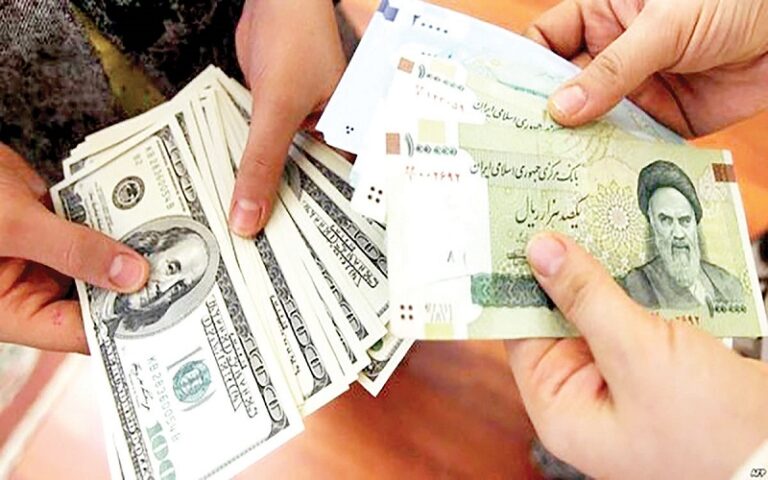
Iranian media, citing an official letter from the Minister of Economic Affairs and Finance to the “acting president” dated July 27, announced that the cash balance of the treasury is 105 trillion rials, approximately 170 million dollars.

The regime’s Asr Iran website published this news, stating that this amount is literally “nothing” for a country like Iran, as the salaries and wages of employees are much higher than these figures.

Asr Iran emphasized that this does not mean that no money will come in the future and that the government cannot pay salaries. However, it stated that “the current treasury balance, which the thirteenth government is handing over to the fourteenth government, is only enough to pay the salaries of government employees for 2 to 3 days.”

The financial crisis in Iran, resulting from sanctions due to its ambitious and “suspicious” nuclear activities, along with government mismanagement, has placed the country in the most challenging period of the last four decades.

Problems with oil exports and the return of its revenues have also created significant challenges for the production sector.

In this regard, on July 16, Hossein Selahvarzi, a member of the regime’s “Board of Representatives of the Chamber of Commerce” of the Iranian regime, announced that the government is “facing a shortage of foreign exchange resources” and that “the statements of responsible officials regarding the management of foreign exchange resources are a kind of courtesy.”

Selahvarzi stated that the supply of a wide range of imported goods has been “disrupted and now we have reached a point where even the raw materials and necessities needed by production units are not being supplied.”

The resistance of Iranian regime officials to remove existing obstacles in order to get Iran’s name off the Financial Action Task Force (FATF) blacklist is one of the issues that has troubled Iran’s economy. Alongside this, international sanctions imposed due to the lack of transparency in the Iranian government’s nuclear program in recent decades have limited the regime’s access to foreign exchange resources.

However, despite these problems, the Iranian regime continues to spend the resources of the Iranian people on its ambitious interventions in regional countries and warmongering in Lebanon and Palestine.

Iran’s Power Outage Crisis Has Reached Hospitals  

0

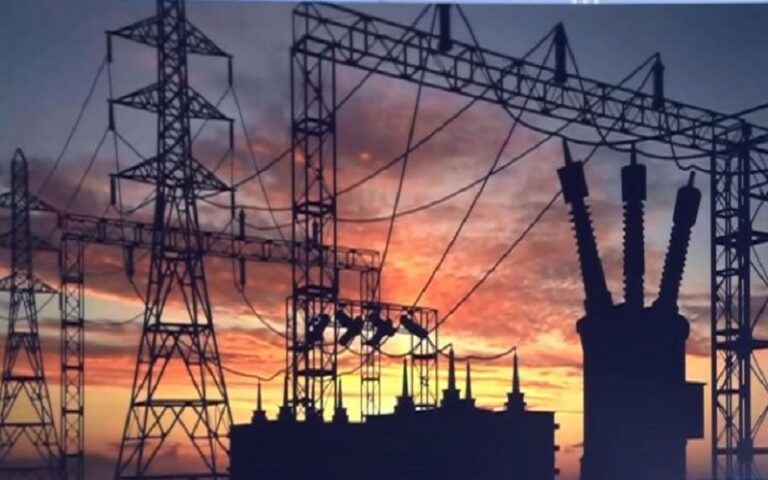
Amid the challenge of energy supply in Iran due to the sharp increase in temperature, media outlets have reported that the power outage crisis has reached medical centers, disrupting the activities of some hospitals and healthcare facilities.

The state-run Tejarat News website reported a power outage at Khomeini Hospital in Mahallat, Markazi Province, on July 24, stating that at the time of the incident, 18 patients were undergoing hemodialysis.

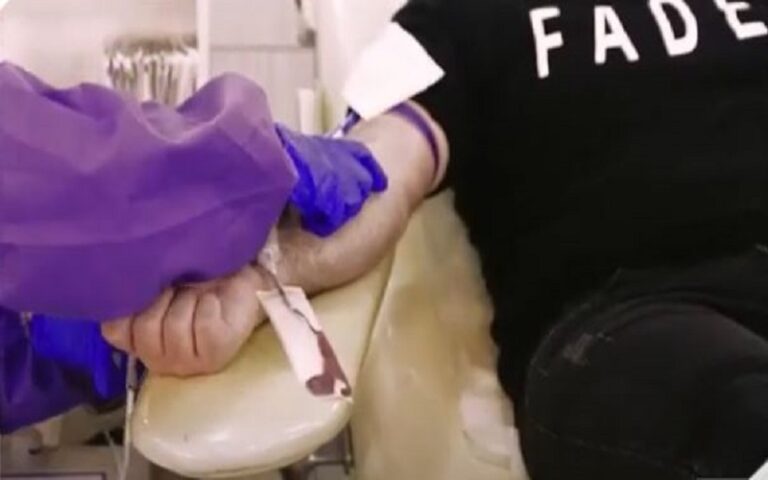
A relative of one of these patients told the media, “Power outage in dialysis machines means severe shock to the patients. The blood that is taken out of the patient’s body for purification is returned to the body with the help of this device, and when the power to these devices is cut off, this cycle stops.”

According to him, the power outage at Khomeini Hospital in Mahallat lasted more than 15 minutes, during which some companions manually operated the dialysis machines to prevent excessive shock to the patients.

Earlier, on July 27, Mohammad Taghi Ashoobi, the President of Gilan University of Medical Sciences, addressed the power outage incident at Pirouz Hospital in Lahijan and stated that the hospital’s director had been dismissed after this incident.

Ali Akbar Mehrabian, the Minister of Energy, warned on July 27 that with the arrival of a heat wave and increased electricity consumption in Iran, the conditions for electricity production and supply have become more challenging.

According to Mehrabian, the average growth in electricity consumption in the country has been around four percent in recent years, but this year it has exceeded eight percent and is estimated to reach nine percent in the coming days.

Tejarat News, in its continued report, called the issue of electricity shortage and outages one of the main challenges of the country, stating that this crisis has sounded the alarm for the healthcare sector and has affected the condition of patients.

The website added, “Power outage in a hospital means the failure of devices that patients’ lives depend on, such as the ICU, CCU, dialysis units, etc. This incident, of course, occurs more often in small cities than in other areas.”

The unprecedented increase in temperature and electricity consumption in Iran led to the closure of centers, government offices, and banks across the country on Sunday, July 28.

The National Meteorological Organization announced that from the second half of next week, significant heat will cover almost all regions of Iran.

Tejarat News deemed power outages in public hospitals more likely due to their outdated equipment and wrote that in such conditions, “providing healthy power generators” for medical centers is essential.

Mostafa Rajabi Mashhadi, the CEO of Tavanir (Iran’s Power Generation and Distribution Company), announced on July 25 that the unprecedented increase in temperature in Iran, in addition to increasing energy consumption, has put additional pressure on the country’s power grid.

Mehrdad Moniri, an emergency physician, warned in an interview with Tejarat News that the worn-out generators and power outages in public hospitals could be disastrous.

He emphasized, “The Ministry of Health and Medical Education should allocate these funds to equip public hospitals instead of opening new hospitals and equipping them when there is no manpower to operate them.”

Power outages in hospitals and healthcare centers are not a new phenomenon and have also been a concern for health and medical professionals, patients, and their families in recent years.

The regime’s ISNA news agency published a report titled “The Miseries of Power Outages for Patients and Hospitals” in July 2021.

Despite having 300 days of sunshine a year, the Iranian regime has made no investment in renewable energy. Iran holds one-fifth of the world’s gas reserves, yet the regime struggles to supply fuel for its power plants, resorting to mazut, which has resulted in significant air pollution.

Tehran Police Inspecting Citizens’ Telephones 

On July 29, Hammihan newspaper reported the establishment of “registry patrols” at metro stations and quoted the capital’s police as saying, “We are looking for stolen phones, and we are implementing this plan at all stations.”  

Hammihan wrote that police officers have been asking metro passengers whether their mobile phones are registered or not.  

According to this newspaper, the police have tried to implement this plan quietly in recent weeks and have not made much public announcement about it.  

Hammihan also addressed reports of the seizure of iPhones at metro stations and quoted the Tehran Metro Operating Company as saying: “This rumor was probably due to a misunderstanding of one of the actions of the police stationed in the metro to identify stolen property and deal with thieves.”  

According to this report, the issue of importing and selling American-branded iPhones in Iran has been controversial in recent years. These controversies peaked after regime supreme leader Ali Khamenei declared his stance against the import of this American brand.  

In September 2020, Ali Khamenei said: “Sometimes these imports are luxury imports, meaning there is no need for them; I heard that about half a billion dollars were spent on importing a type of luxury American phone in 2019. Of course, the private sector does this, but the government should stop it.”  

Khamenei’s statements became an excuse for the government to announce a ban on importing iPhones into the country and to impose heavy tariffs on its lower models.  

This approach eventually led to the formation of fraudulent networks, and in one case, the company “Kourosh Company,” which was involved in selling mobile phones, claimed that it was providing iPhones, which were bought and sold in the Iranian open market for 350 to 400 million rials, to consumers for “200 million rials” (approximately $339) by “eliminating intermediaries.” Eventually, the company left more than 200,000 people waiting for their phones, leading to a case against its owner in the Iranian judiciary for an amount of 20 trillion rials (approximately $33.9 million).  

Some experts believe that the ban on importing this brand in Iran is aimed at reaping substantial benefits by individuals or groups close to the government.  

Accordingly, after the import ban on iPhones and the imposition of up to 100% tariffs on passenger imports of lower models, last week Iran Customs announced a new directive setting the import duty for mobile phones valued under $150 at 10%, for mobile phones valued between $150 and $600 at 5%, and for mobile phones valued over $600 at 15%.  

According to this directive, the ban on importing Apple iPhones(models 14 and above) remains in place.

At least 30 prisoners executed in Iran in 8 Days  

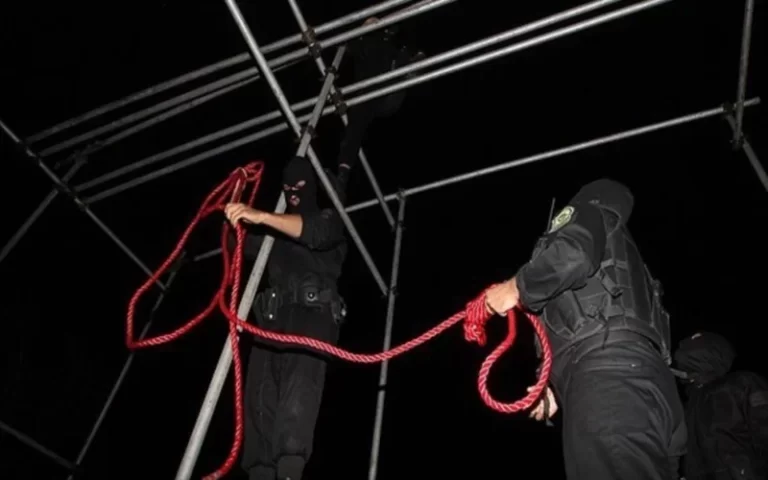
Reports from various media outlets indicate that from Saturday, July 20 to Saturday, July 27, the death sentences of 30 prisoners were carried out in Iran.  

This means that approximately four prisoners were executed daily during this period, indicating a surge in execution rates following the presidential elections in Iran.  

The human rights news agency HRANA reported that three prisoners convicted on drug-related charges were executed at dawn on July 27 in Parsilon Prison in Khorramabad.  

Two days earlier, Kamran Sheikheh, a political prisoner from Mahabad, was executed at dawn on Thursday, July 25, in Urmia Prison.

Meanwhile, the death sentence of Hassan Yousefi-Azar, a prisoner from Naqadeh convicted of premeditated murder, was also carried out in the same prison.  

Human rights media reported that Ghadir Jamshidi was also executed on the same day in Torbat Jam Prison.  

These media outlets also reported the execution of two prisoners, Hamed Naderi and Ali Mahramkhani, on Thursday in Choobindar Prison in Qazvin, and an Afghan citizen a day earlier in Qaen Prison in South Khorasan Province.  

Khorasan newspaper also reported that a person named Ramazan was executed on July 24 in Vakilabad Prison in Mashhad on charges of premeditated murder.  

Seven prisoners, including three women, were executed on July 23 in Birjand Prison, and an Afghan national in Bandar Abbas Prison.  

A day earlier, Danial Kazeminejad and Khalil Jamali were executed in Dieselabad Prison in Kermanshah, and Hassan Fallahi in Qom Prison.  

Human rights activists also reported that on July 20 and 21, “nine prisoners” sentenced to death were executed in Adelabad Prison in Shiraz, Ghezelhesar Prison in Karaj, and Khorramabad Central Prison.

These executions have taken place despite warnings from prisoners involved in the “No to Executions on Tuesdays” campaign, who had warned in early July during their 24th week of hunger strike about the potential increase in executions following the elections.  

These prisoners, spread across various prisons in the country, pointed to the historical pattern of increased executions after each election in the Iranian regime, citing the death sentence for labor activist Sharifeh Mohammadi and the arrest of Rana Kokor, the sister of a political prisoner sentenced to death, as signs of this “troubling” trend.

In the first six months of 2024, at least 249 people were executed in Iran, 147 of whom were on drug-related charges.

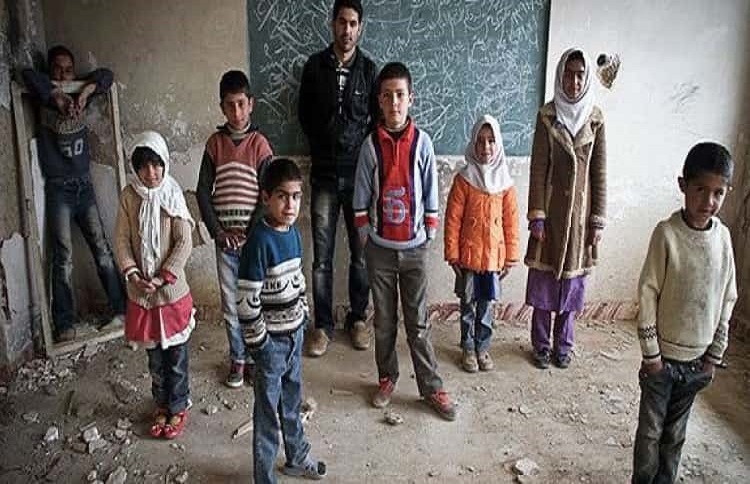
Reduction in Iran’s Education Budget Coincides with Over 900,000 Children Dropping Out of School

Mohammad Molavi, Vice Chairman of the Education Committee in the regime’s Majlis (parliament), announced on Thursday, July 25, that the number of children dropping out of school in Iran is 911,000, including 400,000 primary school students.

According to Molavi, while 279,000 of these children dropped out due to “financial problems,” the education budget for 2024 has decreased compared to last year.

Experts have cited “poverty” as the main reason for children dropping out of school in Iran.

The Vice Chairman of the Education Committee in Parliament noted that while 12% of the country’s general budget was allocated to education in recent years, this allocation has dropped to less than 10% this year.

This comes despite a 20% increase in the overall budget for 2024 compared to last year.

Recently, Deputy Attorney General Gholam-Abbas Torki described the existence of about one million dropouts as a “significant statistic” and called for a “transformation” in the education system.

The Statistical Center of Iran had reported that the number of dropouts in the 2022-2023 school year was over 929,000, a 2% increase compared to the previous year.

Last year, the representative of Sistan and Baluchestan in the Supreme Council of Provinces announced that annually, 30% of students in this province are forced to drop out due to issues such as school transportation costs.

Farooq Azami stated in an October 2023 interview with the regime’s ILNA news agency, that in just one region of Sistan and Baluchestan, 4,000 students had dropped out of school.

Moein al-Din Saeedi, a representative of Chabahar in Majlis, also emphasized in December 2023 that in Sistan and Baluchestan, southeastern Iran, fewer than 40 out of every 100 students successfully obtain a diploma.

In addition to poverty, issues such as a shortage of teachers and educational facilities also contribute to the increasing number of dropouts in Iran.

Alireza Monadi Sefidan, Chairman of the Parliament’s Research and Education Committee, has predicted that educational facilities will face a shortage of 70,000 to 80,000 teachers in October this year.

Meanwhile, teachers have held numerous protest rallies in recent years to achieve their professional and livelihood demands and have criticized the governing policies on educational matters in the country.

Iran’s Regime Owed More Than a Trillion Rials to Wheat Farmers

Ataollah Hashemi, head of the National Wheat Farmers Foundation, announced on Thursday, July 25, that the government’s debt to wheat farmers has reached 1,040 trillion rials (approximately $1.762 billion). He said, “With wheat production reaching 9.1 million tons, the government has a commitment of 1,570 trillion rials (approximately $2.661 billion) to farmers, of which only 530 trillion rials (approximately $898 million) has been paid, leaving 68% of the government’s debt to farmers unpaid.”

In an interview with the regime’s Sanapress website, Hashemi criticized the Planning and Budget Organization, stating that it “does not prioritize agriculture and the payment of this sector’s claims.” He added, “Farmers should be paid within three days, and if this deadline is missed, they should be compensated with medium-term loan interest.”

He referred to the “poor condition of farmers” and added, “There is a farmer who delivered wheat three months ago but has not yet received any money. This means that a person who has worked on the crop for nine months, with all kinds of expenses like family costs and debts for the next cultivation, is now left with his life in disarray.”

In this interview, Hashemi accused “government officials” and “planners” of “having a greater inclination towards imports.”

Hashemi criticized Davood Manzoor, the current head of the Planning and Budget Organization, stating that he “does not believe in production, prefers imports, and brings up impressive justifications in meetings.”

He concluded by announcing the deadline set by the Wheat Farmers Foundation for the government to pay its debt to farmers by Thursday, warning that the institution will file a complaint with the Administrative Justice Court and the Inspection Organization on Saturday, July 27.

Earlier, on Wednesday, July 24, the Chairman of the Parliament’s Agriculture Committee had reported that wheat farmers were owed 1,020 trillion rials (approximately $1.728 billion) by the government.

According to Tasnim News Agency, Mohammad Javad Askari had said, “More than 8 million tons of wheat worth 1,550 trillion rials (approximately $2.627 billion) have been purchased from farmers, but only 530 trillion rials (approximately $898 million) has been paid.”

He mentioned the promises made by government officials, stating that all the farmers’ claims are to be paid by the end of the week, on Friday.

In recent months, government officials have repeatedly promised to pay all the farmers’ claims, but no practical action has been taken in this regard.

This issue has exacerbated the financial problems of farmers, leading to their protests.

Previously, reports from Iran indicated that at least 200 wheat farmers had gathered in front of the Khuzestan governor’s office in Ahvaz on June 5 to protest the non-payment of their claims.