Home Blog Page 197

US, UK Sanction IRGC Deputy Commander, Affiliates

0

The U.S. and Britain have imposed sanctions against two individuals and three organizations affiliated with the Revolutionary Guards’ Quds Force for facilitating the activities of Houthi paramilitaries supported by the Iranian regime in Yemen.

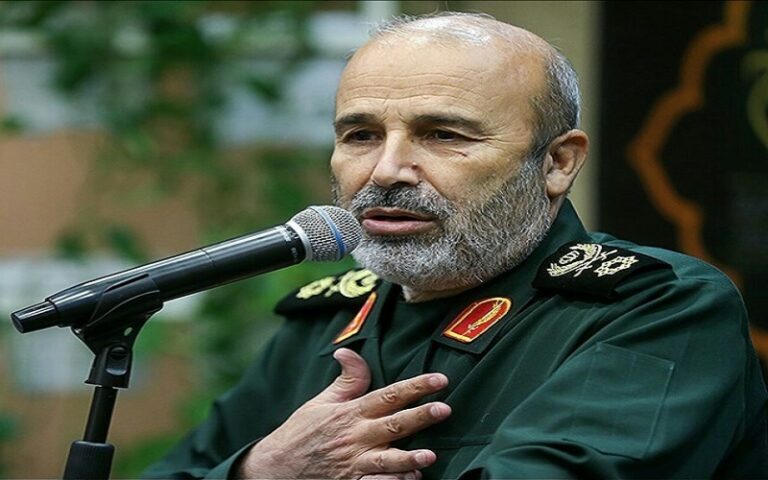
On February 27, the British Foreign Ministry announced that the new sanctions target Mohammad Reza Fallahzadeh, the deputy commander of the Quds Force of the Revolutionary Guards; three units of the Quds Force of the IRGC; Saeed al-Jamal, an Iranian resident and businessman; and Ali Hussein Badr-al-ddin al-Houthi, the deputy minister of the Houthi government.

Washington, on Tuesday, also sanctioned Ibrahim al-Nasheri, a Houthi member, in addition to Mohammad Reza Fallahzadeh.

Fallahzadeh, also known as Abu Baqer, was appointed as the deputy commander of the Quds Force of the Revolutionary Guards in March 2021. He is one of the lesser-known senior commanders of the Revolutionary Guards.

The U.S. Treasury Department also announced the inclusion of two registered companies in Hong Kong and the Marshall Islands in its list of sanctions. It has also imposed sanctions on two cargo ships, one of which had transported about $100 million worth of goods to China.

Two other companies, acting on behalf of the Iranian Ministry of Defense to deliver goods to Chinese companies through the same ship, have also joined the sanctions list of this department.

The three units sanctioned by Britain are responsible for arms transfer and smuggling to organizations, groups, and governments under the protection of the Iranian regime, as well as operational responsibilities in the Arabian Peninsula and research, development, and technical support for groups supported by the Iranian regime.

David Cameron, the British Foreign Secretary, said in a statement issued by the country’s Foreign Ministry that the attacks by Iran-backed Houthi forces are unacceptable, illegal, and a threat to innocent lives and freedom of navigation.

He added, that as he has told the Iranian Foreign Minister, the Iranian regime is responsible for these attacks due to its extensive military support for the Houthis.

Shipping in the Red Sea has been severely threatened since November due to repeated drone and missile attacks by Houthi forces in the region.

Houthi paramilitaries claim that these attacks are in support of the Palestinians and have stated that they will continue these attacks.

U.S. and British forces have conducted several attacks on Houthi facilities in response to their attacks. The United States and Britain had previously imposed sanctions on the Houthis.

In late January, they announced new sanctions on four senior officials of the Houthi group for their role in directing or supporting direct attacks on commercial ships in the Red Sea.

Officials of these two countries separately stated on January 25 that Mohammed Nasser al-Atifi, the Houthi defense minister; Mohammed Fadel Abdul Nabi, the commander of the group’s navy; Mohammed Ali al-Qudairi, the commander of the coastal defense of the Houthis; and Mohammed Ahmad al-Talebi, who is said to be responsible for the supplies of Houthi forces, have been placed on the sanctions list.

The Houthis, who receive support from the Iranian regime, have also returned to the U.S. list of foreign terrorist organizations.
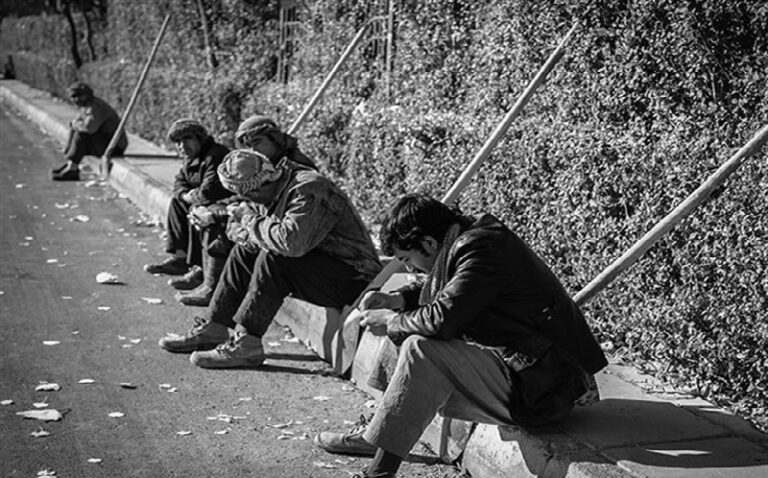
 

Iran’s Currency Continues to Decline

The trend of the decline in the national currency value continues, according to statements from market players and prices listed on websites and information channels for gold and currency prices.

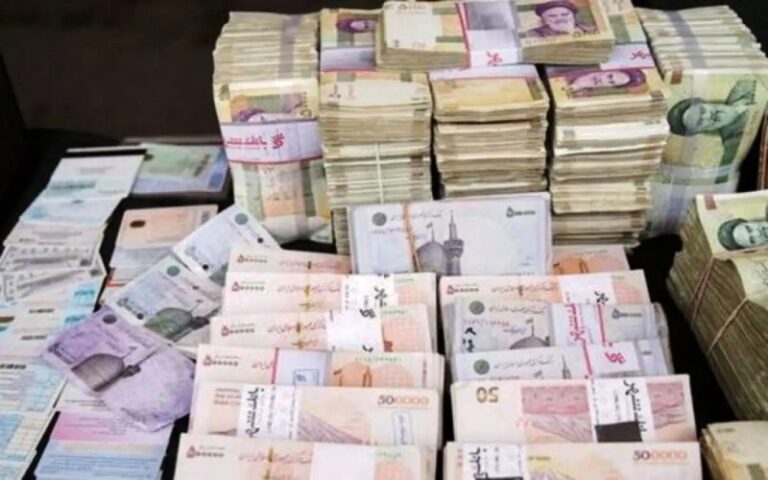
The exchange rate for the US dollar has reached 580,000 rials, experiencing significant fluctuations in recent months, ranging from 500,000 to 600,000 rials and then returning to 540,000 rials.

Some experts believe that considering the fiscal policies of the United States and the approach of neighboring countries like Iran regarding currency affairs, the upward trend of the dollar’s value will persist.

Reuters reported on February 4 that eight Iraqi banks were banned from US dollar transactions after a senior US Treasury official visited Iraq.

Earlier, the Iraqi government had already prohibited banks and currency exchanges in the country from engaging in currency transactions with Iran.

Prior to this, a spokesperson for the US Treasury stated that Washington would continue to be a partner with Iraq in protecting its financial sector against the misuse by the Islamic Republic of Iran or other malicious actors.

The fall of the Iranian stock market

Simultaneously with the continued increase in the dollar’s price in the Iranian market, the capital market faced its “second winter decline.”

An economic expert states that those remaining in the Iranian stock market are experiencing the “Stockholm Syndrome.”

News outlets report that the market index has once again fallen to its support level, around two million units, in the latest month.

The regime’s Mehr News Agency also announced that the overall stock index experienced a “hard drop of over 16,000 units” at the end of trading on February 27, with the current “value of retail transactions at its lowest level.”

According to the report, a kind of stagnation and recession has gripped the capital market, with “560 stock symbols in a negative situation” and only “34 symbols in a buying queue” in the February 27 transactions.

Some media outlets have also referred to the 112 billion dollars decline in the total value of the capital market since the beginning of the thirteenth government and announced that its current value is “144 billion dollars.”

In recent days, as the capital market in Iran continues its downward trend, some shareholders held protest gatherings in front of the Tehran Stock Exchange building.

It is noteworthy that the financial literacy score of Iranians is around “35 out of 100,” lower than the scores of Yemenis, Cambodians, and Paraguayans, according to a survey.

Reports also suggest that the poverty line in Iran for a four-member family has exceeded 250 million rials (approximately $431), and the living conditions for the people have become very difficult, with an expected “100% increase in inflation,” as inflation exceeding 50% adds further challenges.

It is worth mentioning that the minimum wage for workers until March 2024 is approximately 80 million rials (approximately $174), while the poverty line in Tehran is more than 300 million rials (approximately $517).

Morteza Afghah, an economist affiliated with the government, stated on October 18, 2023, that in the most optimistic scenario, 30 million out of Iran’s population of 88 million are below the absolute poverty line.

However, the budget for 2024 will exacerbate the poverty and misery of the Iranian people. A significant portion of Iran’s oil income is being used for the Revolutionary Guards’ intervention and warmongering in the Middle East.

Misery Index Increase in 25 Provinces of Iran

Iranian media have reported an increase in the Misery index over the past year in 25 provinces of Iran. 

The economic website Eco Iran has announced in a report that in the fall of 2023, the misery index across the country was 52 units.

According to Eco Iran’s report, this fall, the Misery level in urban areas was 52.3 units, while in rural areas, it was 51.7 units, indicating a 0.6-unit higher Misery rate in cities compared to villages.

The report indicates that the highest level of Misery is in the cities of Lorestan province with 64.2 units. 

Chaharmahal and Bakhtiari, Yazd, and Sistan and Baluchestan are other provinces with the highest Misery levels in their cities.

On the other hand, the lowest Misery level is in the cities of Tehran province with 44.5 units.

The misery index reflects the difficulty of the economic situation in society, derived from the total inflation and unemployment rates.

Some experts believe that the misery index is distant from the actual situation in Iran because the compilation of inflation and unemployment statistics in Iran involves manipulation of numbers and economic definitions by government institutions. Therefore, independent experts always consider the real situation to be more severe than the figures announced by government institutions.

Iranian Nurses Quitting Due to Job Difficulty and Low Wages

0

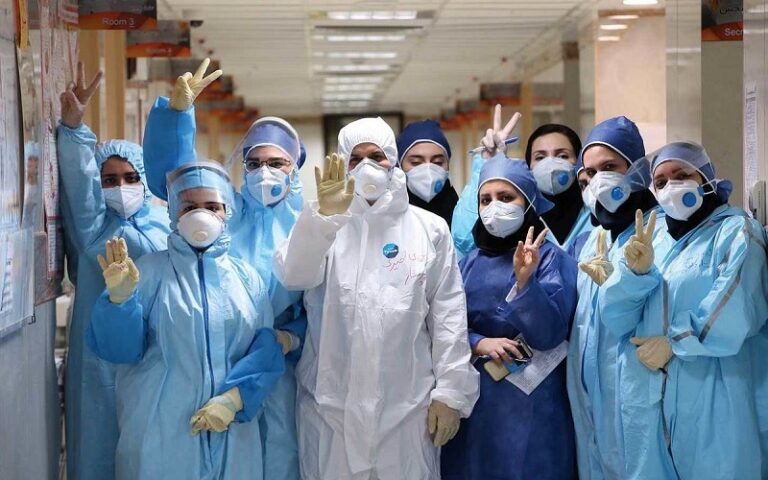
Mohammad Taghi Jahanpour, the head of the Iranian Nursing Organization, stated that from March 21 to December 21, 2023, 216 nurses have resigned due to the difficulty of the job and low wages.

Hussein Qana’ati, the president of Tehran University of Medical Sciences, also mentioned that neighboring Gulf and European countries are recruiting Iranian nurses, describing it as being as common as “drinking a glass of water.”

Jahanpour, on February 24, informed the state-run Mehr news agency that the majority of nurse resignations in the past nine months were concentrated in Tehran, where the highest number of the country’s hospitals is located.

He pointed out that the very low retention rate of nurses in the capital has led to a chaotic situation, with nurses leaving their jobs and migrating from government hospitals in Tehran.

According to Jahanpour, when a nurse leaves a department, an additional 200 hours of overtime are imposed on their colleagues.

However, nurses in other departments are not willing to work overtime. In late June 2023, the semiofficial ILNA news agency reported on mandatory overtime for nurses and emphasized that, due to staff shortages, a nurse who completes their scheduled shift often has to work an additional shift. Nevertheless, the hourly wage for overtime is only 160,000 to 200,000 rials (approximately $0.27-0.34).

The report highlighted that, based on productivity laws, a nurse is obligated to work approximately 150 hours per month, and overtime should not be mandatory. If a nurse does not want to work overtime, they should still receive their full salary by completing their scheduled hours.

However, as per the nurses’ statements, in many healthcare centers, this overtime is mandatory.

According to the report, the monthly salary of a nurse ranges from 100 to 120 million rials (approximately $174-208), but for mandatory overtime, considered a separate shift, they are paid only between 10 to 20 million rials (approximately $17.3-34.7).

In mid-November 2023, Mohammad Sharifi Moghadam, the Secretary-General of the Nurses’ House, reported patient deaths in Iranian hospitals due to a severe shortage of nurses. He declared that more than 3,000 nurses migrate from Iran annually. However, the Ministry of Health does not even add this number to the healthcare workforce.

Previously, in official statistics, it was announced that over 90% of nurses are dissatisfied with their jobs, with less than 10% being nurses who do not engage in clinical work.

The shortage of nurses in Iran, especially since the onset of the COVID-19 pandemic, has worsened, leading nurses to protest against their working conditions in various cities.

Professional associations in recent years have repeatedly pointed out a shortage of at least 100,000 nurses in Iranian hospitals.

The Winter of Higher Education in Iran

0

Mehdi Soleimanieh, a sociologist, believes that after the first Cultural Revolution in Iran, it gained more intensity during the Mahmoud Ahmadinejad era (the former regime’s president from 2005 to 2013), moving towards the “purification” of universities, and we have entered the “university winter.” (The Cultural Revolution in Iran refers to a series of events related to the culture of Iran, higher education in Iran, and education in the Islamic Republic of Iran, especially during the years 1980 to 1983. It is said to have taken place with the aim of purging professors and students who were considered by the Iranian regime to be influenced by the West during the specified years.)

According to the regime’s Khabar Online news website, Soleimanieh, speaking at the National Conference on Social and Cultural Research in Iranian Society, stated, “Those currently active within the university and those who have been expelled and are outside are not against each other but are both against the expelling institution.”

According to this sociologist, the purification process in universities has three mechanisms, including strict control over admissions, control of faculty members through the promotion system and changing their status, and ultimately the expulsion of opposing professors.

The sociologist’s emphasis on the expulsion of professors as one of the three mechanisms of purification is significant as Iranian media continue to report on the ongoing series of professors’ expulsions.

In this regard, the media reported that more than 25 professors were expelled only from the University of Tehran in two years, most of whom are graduates or practitioners of humanities.

Based on reports, during the mid-academic year, these expulsions are still ongoing.

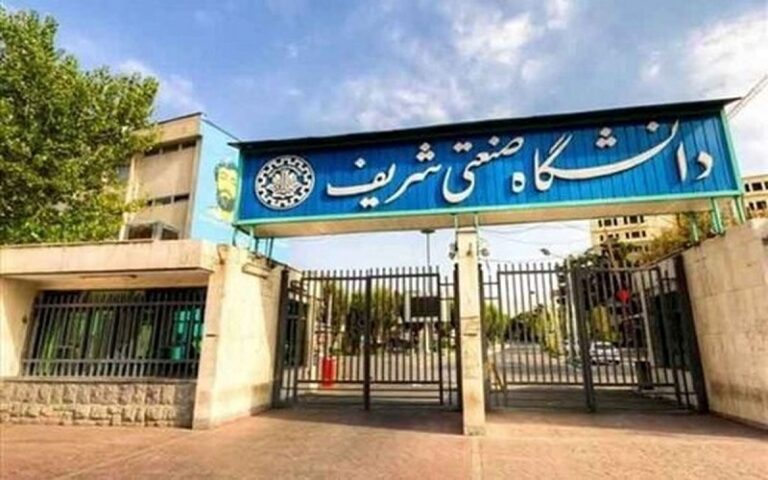
According to the same source, during the presidency of Ebrahim Raisi, the University of Tehran and Tehran University of Medical Sciences each had 26 expulsions, Alameh University had five, Ferdowsi University of Mashhad had six, Azad University had 14, Babol University of Medical Sciences had two, Iran University of Medical Sciences had three, and Hakim Sabzevari, Tarbiat Modares, Kermanshah University of Medical Sciences, Mazandaran University, Shiraz University, Gilan University, and Sharif Industrial University each had one expulsion.

The expulsion of professors has led to reactions from students and criticism from experts, but within the government, these expulsions have been normalized and justified.

The Jam-e Jam newspaper, a media outlet of the state broadcaster, Islamic Republic of Iran Broadcasting (IRIB), also considered the university in May 2023 as a place for producing opposition and emphasized the continuation of purifications.

On the same day, the president of the University of Tehran claimed that cutting ties with professors was due to “ethical problems” and not political issues.

The wave of professor expulsions intensified after nationwide protests in 2022 in response to the killing of Mahsa Amini in the custody of the “Morality Police,” and the role played by students and the support of professors.

On September 10, 2023, members of seven scientific societies in the country warned in a statement about “widespread expulsion of professors and security confrontations with students,” stating that the gradual “disintegration” and the currently accelerating inefficiency of the educational system are exacerbating the governance system’s failures.

Previous Exposure of Iran’s Cyber-Attacks Against U.S. Helped Prevent New Wave of Attacks

0

A senior security official at the White House announced that the public disclosure of the Iranian regime’s role in the attack on US water facilities has deterred Iranian government hackers from continuing cyber-attacks on America.

In an interview with WIRED, Anne Neuberger, deputy national security adviser for cyber and emerging technology on the White House’s National Security Council, stated that despite Iranian hacker groups continuing their operations against other countries after that attack, their attacks on American infrastructure have ceased.

Neuberger emphasized that these conditions could change at any moment.

In another part of her remarks, she pointed out ongoing events such as Russia’s invasion of Ukraine, the Israel-Hamas conflict, and cyber operations by Iran’s regime, highlighting that cyber-attacks are an integral part of international conflicts in today’s world.

In December 2023, a hacker group known as “Cyber Avengers” disrupted the water facilities in the city of Aliquippa, Pennsylvania, causing disruptions to the water pressure stations. Following the confirmation of the Iranian origin of this cyber-attack by US federal agencies, it was reported that several states across the country were affected by the incident.

US officials simultaneously described the executed attacks as not sophisticated.

In these attacks, hackers successfully penetrated the victims’ networks by exploiting security vulnerabilities in default password settings on water control devices.

The Cyber Avengers continued their attacks, infiltrating water facilities in other countries, including Ireland, causing water disruptions in some regions worldwide.

In response to the Iranian hackers’ attack on the infrastructure of the Pennsylvania region, representatives from the state announced their efforts to create a special task force to counter cyber-attacks.

In mid-December 2023, the US Cybersecurity and Infrastructure Security Agency issued a statement urging technology product suppliers to stop producing products with default passwords. The US government has attributed the Cyber Avengers group to the Islamic Revolutionary Guard Corps.

On February 2, 2024, the US Department of the Treasury added six individuals responsible for the mentioned cyber-attacks on the country’s infrastructure to its sanctions list.

Iran’s Regime Ratchets Export of Missiles

0

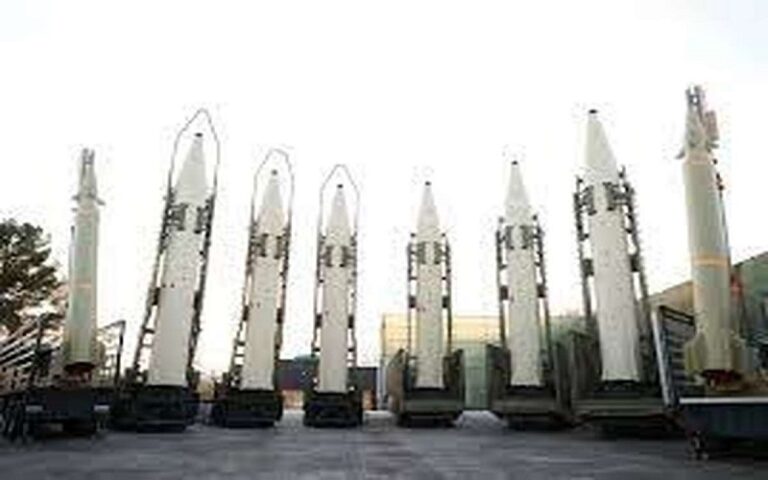
Iran’s regime Defense Ministry has announced a 40% surge in arms sales to foreign nations in the past 11 months. Reports suggest that Iran has transferred around 400 ballistic missiles, primarily from the Fateh-110 family, including the Zolfaghar, to Russia. The Zolfaghar, a road-mobile missile, has a range of 300 to 700 km (186 to 435 miles), as experts have disclosed.

Despite the increased arms sales, both Iran’s defense ministry and the Revolutionary Guards (IRGC) have refrained from commenting on the matter. Shipments began in early January, following a finalized deal reached in meetings between Iranian and Russian military and security officials held in Tehran and Moscow the previous year.

Iranian military officials have confirmed multiple shipments of missiles, transported either by ship through the Caspian Sea or by air. The lifting of U.N. Security Council restrictions on Iran’s missile exports in October was noted, but the U.S. and the European Union maintained sanctions on Iran’s ballistic missile program due to concerns about weapon exports to proxies in the Middle East and to Russia.

Despite ongoing conflicts, Iran has persistently supplied drones and missiles to Russia. This includes Shahed drones, which have played a role in Moscow’s long-range assaults on Ukrainian territories during the Ukrainian-Russia conflict. In December, Ukraine’s air force reported Russia deploying 3,700 Shahed drones with extensive range and destructive capabilities.

Iran’s pursuit of deeper ties with Russia and China to counteract U.S. sanctions and political isolation is evident. In November, Iran finalized agreements with Russia for the procurement of Su-35 fighter jets, Mi-28 attack helicopters, and Yak-130 pilot training aircraft.

Tehran’s Municipal Systems Still Struggling 8 Months After Cyber Attack

0

The malfunction in Tehran’s municipal systems continues eight months after a cyberattack, according to the “CITNA” website. Tehran’s municipal systems are still experiencing disruptions eight and a half months after being targeted by a cyberattack that resulted in the disruption of 150 websites and municipal systems.

Ahmad Sadeghi, a member of Tehran City Council, said that the employees in Tehran’s municipal areas are refraining from performing their duties under the pretext of the municipal systems’ malfunction, as reported by CITNA.

The site also mentioned that during a meeting of Tehran City Council, Sadeghi criticized the failure of municipal administrators to make progress towards making Tehran’s municipality “smart”, emphasizing that the situation has not improved but has seen regressions in some respects.

The report referred to a cyberattack in June 2023, emphasizing the ongoing challenges and problems in the field of municipal intelligence and the necessity of addressing them by the authorities.

The site reported that the organization announced on June 6, 2023, after the cyberattack, that “some devices will be used to perform only essential tasks, under the responsibility of the higher authorities and in coordination with the Technology and Information Protection Organization”, indicating the reactivation of these systems.

CITNA’s report continued by mentioning statements by Mehdi Chamran, head of Tehran City Council, who considered the dimensions of the cyberattack much wider than previous breaches, highlighting the significant impact of the attack on a municipal system that includes more than 50,000 users, contractors, and clients.

Jaffar Bandi Sharbiani, another member of the city council, pointed out that “the electronic archive of documents is still facing disruptions or slowdowns,” as reported by CITNA.


Iranian Authorities Are Working to Prevent the Emigration of Elite Students

0

Salman Seyed Afghahi, the deputy of the National Elite Foundation, announced the “agreement with the police to address migration offices and prevent the emigration of elite students.” He stated that the police will have a representative at the Elite Foundation to provide information on the entry and exit of elites within less than an hour.

In an interview with the regime’s Mehr News on February 19, Seyed Afghahi expressed concerns about some businesses in the migration sector operating with lower costs without providing evidence. He emphasized that these offices are financially supported by a certain system.

Contrary to the statements of Mohammad Javad Zarif, the former Minister of Foreign Affairs of the Iranian regime, regarding student migration as “dark propaganda,” Seyed Afghahi dismissed the notion and criticized media manipulation on the subject as “loading the barrel of the enemy’s gun.”

Last week Zarif had claimed in Mardom Salari party’s congress that five out of every ten students he meets ask him to write resumes aimed at leaving the country.

Seyed Afghahi, on January 24, had stated that the migration of elites in the country is not in a crisis, and without revealing sources, mentioned that approximately 2,000 individuals who have studied abroad return to Iran annually.

Previously, in September 2023, the head of the Sociology Association warned of Iran being on the brink of a “very severe migration wave,” citing societal disillusionment, especially among youth and elites.

Simultaneously, the regime’s supreme leader, Ali Khamenei, urged students to resist the “evil attractions” causing an increase in the migration of academic elites to reach the peak.

In October 2022, Khamenei had criticized emigrant elites, calling them ungrateful, stating that they grow in Iran and leave when it’s time for their achievements to bear fruit.

Rokna News Agency, in August 2023, reported on a video of top-ranking students from the 2023 university entrance exam, where many expressed their intention to leave Iran, encouraged by their families.

Australia, the United States, Canada, Italy, France, and other European countries were mentioned as preferred destinations.

Factors such as lack of job opportunities, limited career advancement, inability to start a relevant business, social restrictions, inadequate welfare facilities, and poor economic conditions were cited as reasons for migration decisions in interviews.

In August 2023, the state-run Ham-Mihan newspaper highlighted the migration trend of top-ranking students in mathematics and physics from 2001 to 2016.

All top 10 students in 2008 and 2009 in these fields had emigrated from Iran.

The report revealed that in the 15-year period, a total of 114 individuals from the top-10 rankings of math and physics exams had migrated.

The data indicated that, on average, 78% of other elites had   to the country, while the United States, Canada, and Switzerland were among the preferred destinations.

In winter 2023, Baram Salavati, the director of the Migration Observatory, stated that Iran had reached the threshold of 50,000 migrant students and had now surpassed 66,000.

He noted the rapid growth of the phenomenon of “increasing the population of foreign students,” though precise and up-to-date statistics were lacking.

Nevertheless, the National Migration Observatory’s survey data in 2022 indicated that Iran ranked seventeenth among countries sending students to the world.


Rafael Grossi: Iran Continues Uranium Enrichment at High Levels

0

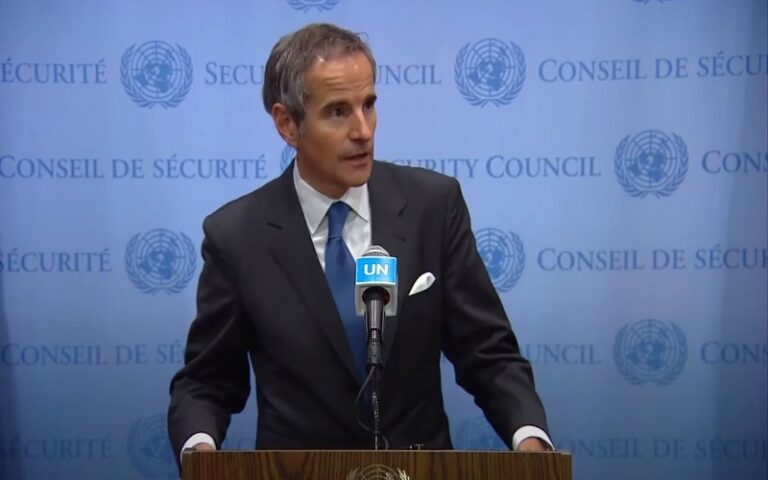
On February 19, Rafael Grossi, the head of the U.N.’s nuclear watchdog (IAEA), stated that Iran is continuing uranium enrichment at levels higher than commercial needs. He added that he intends to visit Iran next month for the first time in the past year.

Mr. Grossi, in an interview with Reuters, stated that ”while the pace of uranium enrichment had slowed slightly since the end of last year, Iran was still enriching at an elevated rate of around 7 kg of uranium per month to 60% purity.”

Enrichment of uranium to 60% is close to the level required for the production of nuclear weapons and is not necessarily applicable for commercial or non-military purposes. Iran insists that it is not pursuing nuclear weapons, but no country has undertaken uranium enrichment at this level without consideration of nuclear weapon production.

Under the 2015 nuclear agreement known as the Joint Comprehensive Plan of Action (JCPOA), Iran’s regime could only enrich uranium up to 3.67%.

The IAEA had previously reported that Iran reduced uranium enrichment from June to November of the previous year but increased it to 9 kilograms by the end of the year.

“This slowdown, speedup thing is like a cycle that for me does not alter the fundamental trend, which is a trend of constant increase in inventory of highly enriched uranium,” said Grossi.

In late 2023, the International Atomic Energy Agency had warned that if Tehran enriches uranium above 60%, it would possess the necessary materials for producing three nuclear bombs.

“There is a concerning rhetoric, you may have heard high officials in Iran saying they have all the elements for a nuclear weapon lately,” Grossi said.

Grossi further expressed concern, considering the current situation in the Middle East, particularly with the ongoing conflict in Gaza.

Recently, Ali Akbar Salehi, the former head of the Atomic Energy Organization of Iran, likened Iran’s capability to build nuclear weapons to a car with different components. He stated that Iran has produced all these components separately for its own purposes and has not connected them.

These statements prompted a response from Rafael Grossi, who mentioned that Iran is “not entirely transparent” about its nuclear program.