Home Blog Page 210

Protests Resurge In Iran Despite Crackdown

September 16 marked the first anniversary of Iran’s 2022 nationwide uprising, which began after the regime’s security forces murdered Mahsa Amini, a 22-year-old woman. People held protest rallies and strikes despite severe security measures by the regime.

Protests in Iran continued on Sunday, despite widespread repression of the protesters by the state security forces.

On Sunday, protesters in the city of Hamedan shouted, “Death to the Islamic Republic.” Security forces fired at the demonstrators.

In this regard, Maryam Rajavi the president elect of the Iranian resistance, condemned the brutal suppression of protesters in Hamedan.

Human rights groups reported the detention of several protesters in several cities, including in Saqqez and Sanandaj.

Meanwhile, the Minister of Intelligence of the Iranian regime warned that actions may be taken against foreign media outlets that Tehran accuses of fueling the protests in the country.


The protests in Iran have garnered attention from many world politicians.

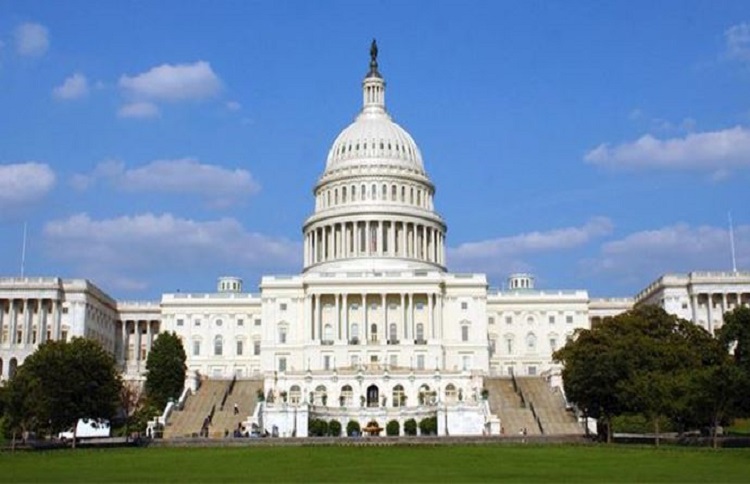
Robert Menendez, the chairman of the Senate Foreign Relations Committee, called for accountability from the Iranian regime by the international community on the occasion of the first anniversary of the “beating and murder of Mahsa Amini at the hands of the Iranian regime.”

Senator Menendez spoke about the Iranian protests, from Tehran to Mahabad and Isfahan, stating that Iranian men and women took to the streets in over 133 cities and all provinces to defend their fellow citizens, their lives, and their freedoms.

Menendez said that despite the intentional blinding of the protesters, the use of military ammunition by the regime’s agents, and the issuance of death sentences, the people of Iran continued their demonstrations day by day, exposing themselves to the dangers of intimidation, violence, imprisonment, and death.

The American senator further added that the international community owes it to the people of Iran to never allow the Islamic Republic to escape the crimes committed during its brutal crackdown.

Menendez said that while the brave people of Iran continue to be suppressed by the Islamic Republic, the international community is owing “full support” to the Iranian people.

Jim Risch, a senior member of the Senate Foreign Relations Committee, also emphasized his renewed support for the people of Iran on the occasion of the first anniversary of Mahsa’s murder.

According to this prominent Republican senator, simultaneous with the release of Iranian assets by the Biden administration, further actions must be taken to hold the regime accountable for serious human rights violations and its support of terrorism.

Claudia Tenney, a Republican member of the House of Representatives, posted a video commemorating Mahsa and highlighting her lasting impact on Iran and the world. She called for the support of human rights and human dignity in Iran and throughout the world.

In Tehran, nightly protests were reported in several cities, where protesters chanted slogans against the regime and supreme leader Ali Khamenei.


What The “Reduction” of Iran’s Gini Coefficient Says About the Economy

0

Although the latest report from the Statistical Center of Iran indicates a decreasing trend in Iran’s Gini coefficient, which reflects income inequality, studies show that without considering the uninterrupted increase in inflation and the decrease in purchasing power parity, the result of a fair distribution of wealth cannot be achieved.

The Gini coefficient measures the distribution of income and wealth among different individuals in a specific period of time and indicates how the economic situation of individuals has changed.

Persistent inflation and sudden inflationary spikes, especially in the past five years, have led, according to official regime statistics, to a significant decrease in purchasing power parity (PPP) for the people and nearly half of Iran’s population falling below the poverty line.

However, the Statistical Center of Iran, in a recently published report, has announced that in 2022, the Gini coefficient for households in the entire country was 0.3877, indicating a decrease of 0.0061 compared to the previous year.

The Gini coefficient, which is used to measure income or wealth inequality in a country or any other group of people, is a number between 0 and 1. The closer the Gini coefficient is to zero, the better the economic situation and the greater the economic equality. On the other hand, as this index approaches the number one, it indicates an unfair and unequal distribution of wealth.

An analysis of the details of the Statistical Center’s report indicates the fact that although industrial provinces such as Kerman, Isfahan, Semnan, and Qazvin are ranked as provinces with low Gini coefficients, Ilam, which is one of Iran’s deprived provinces in terms of fair wealth distribution, is introduced as the second province with a low Gini coefficient in the Statistical Center’s studies.

On the other hand, despite its proximity to oil-rich regions and the presence of hundreds of oil-industrial complexes, Bushehr Province is classified as one of the provinces with a high Gini coefficient.

It seems that such a picture of Iran’s economy cannot reflect the realities of Iranian society.

Hidden and explicit points in the report

As mentioned, the Gini coefficient alone is not enough to demonstrate fair wealth distribution in a society, and it is necessary to consider other components such as Gross Domestic Product (GDP), Purchasing Power Parity (PPP), and the prosperity index to measure the level of well-being.

Since wealth distribution has a direct relationship with the well-being of citizens in a country’s economy, wealth distribution is defined based on the Gross Domestic Product index, which reflects the real value of all products and services produced by a nation within its borders.

The International Monetary Fund reported Iran as the 22nd largest economy in the world based on GDP in 2022. The question is whether the well-being and wealth distribution in Iran, as the 22nd largest economy in the world, also confirm this.

To further investigate, we examine two other indices: the Economic Prosperity Index and Purchasing Power Parity.

The latest report related to the global prosperity index by the Legatum Prosperity Index in 2022 indicates that Iran is ranked 126th out of 167 countries surveyed.

At the same time, in the same year, according to the International Monetary Fund, Iran’s ranking in the Purchasing Power Parity (PPP) index is 85th in the world.

Comparing these three indices with each other suggests that wealth distribution and purchasing power parity in 2022 have not improved in proportion to Iran’s gross domestic product. The real measure of each Iranian’s benefit from national gross production becomes more accurate when other indices improve accordingly.

Economists believe that in some countries like Iran, the best method of measuring the Gini coefficient is to calculate income distribution rather than assets and wealth since it is possible for an individual who has a good financial status to experience a decrease in income for any reason during the period under review, while their assets and wealth remain unchanged. Such conditions can have a misleading impact on measuring the Gini coefficient.

Fair distribution of poverty

Alongside the global picture of fair wealth distribution in Iran, other indicators can be added to assess whether the economic situation of the people has changed during the mentioned period.

Inflation rate, unemployment rate, and the poverty index are three components that statistics show have deteriorated rather than improved over the past five years.

In June, the Majlis (parliament) Research Center announced in an official report that the poverty line in Iran has grown by about 65% in the past two years. According to this government institution, the poverty rate has pushed approximately 11 million people below the poverty line over a decade.

Following that, the regime’s Jamaran website, cited economist Farshad Momeni as saying that almost one out of every three Iranians is considered absolutely poor. Farshad Momeni stated this based on reports from the Statistical Center and said that for the first time in the past 100 years, Iran’s impoverished population has doubled in less than three years.

At the same time that the people of Iran become poorer, a small group, mostly beneficiaries and affiliates of powerful and wealthy institutions, has seen an increase in their wealth and assets.

Amnesty International Calls for Action Against Suppressors of Iran Protests

0

Amnesty International warned about Iranian regime authorities committing multiple crimes under international law since the anti-government protests that erupted in response to the death of Mahsa Amini in the custody of the regime’s morality police.

Iranian authorities committed “unspeakable atrocities” against people in Iran who have resisted “decades of oppression and inequality,” said Julia Duchrow of Amnesty International Germany in a statement released on Wednesday.

Sept 16 marks the first anniversary of the death of the 22-year-old at the hands of the so-called morality police.

Amnesty called on the international community for legal action against the related authorities. In practice, it is a call for countries like Germany to prosecute crimes against humanity that have been committed abroad.

“Last year, the German government played a key role in the establishment of the Commission of Inquiry on Iran in the UN Human Rights Council. We also expect this clear commitment to respect human rights in Iran from the German government one year after the death of Jina Mahsa Amini,” Duchrow added.

The Iranian regime heavily suppressed nationwide protests last year. According to various human rights activists, at least 750 protesters were killed, and tens of thousands of people were detained by Iranian government forces.

The severe crackdown led to a decrease in the intensity of the protests. However, many women in Iran today are standing in the front line, protesting to gain their rights.

Iran’s Regime Increases Pressure on Students on the Anniversary of Nationwide Protests

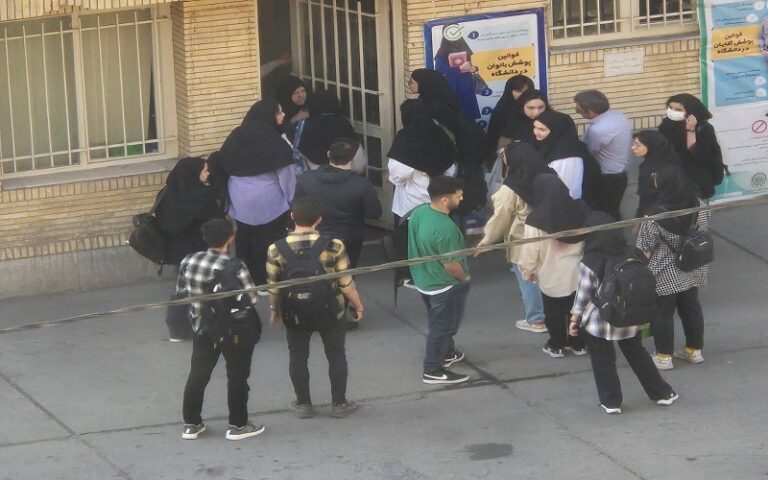
The National Student Council of Iran announced on its news channel that at least 30 students from Tehran’s Beheshti University have been summoned on the eve of the anniversary of nationwide protests and the reopening of universities.

According to the report, students have been summoned to the “General Supervision” of the university to provide a commitment not to participate in “potential protests” during the upcoming semester.

According to the statement by the council, some students who had previously received threatening calls from “private numbers” were once again threatened by the “supervision” authorities.

Students who have refused to sign the commitment letter have also been threatened by the authorities with “preventing them from graduating.”

As the anniversary of the death of Mahsa (Zhina) Amini in the custody of the Iranian regime’s “Morality police” approaches, the contacts made by security institutions and the summoning of students and student activists in most universities has increased.

In August, student news channels also reported the summoning and interrogation of several students from Jundishapur University in Ahvaz, Amirkabir University of Technology in Tehran, and Isfahan University of Technology by security institutions.

On August 15, the Iranian Student Guild Council announced that based on received reports, “at least 13 students” at Jundishapur University in Ahvaz, “10 students” at Amirkabir University of Technology in Tehran, and “several students” at Isfahan University of Technology had received threatening calls and were summoned to follow-up offices.

This student council had also received similar reports from “University of Tehran, Isfahan University of Medical Sciences, and Ferdowsi University of Mashhad.”

On August 14, the state-run Shargh newspaper reported that some students from Allameh Tabataba’i, Beheshti, and Tarbiat Modares universities in Tehran were summoned by security and judicial authorities, and simultaneously, 200 students from Bu-Ali University in Hamedan province were prevented from entering the dormitory.

On the eve of the anniversary of Mahsa Amini’s death, and in recent weeks, pressure on the families of the victims of last year’s nationwide protests has significantly increased. Opponents and protesters have been detained on various pretexts, and a large number of families seeking justice have been summoned or detained and transferred to prisons.

Thousands of Iranian Children Will Miss the New School Year

0

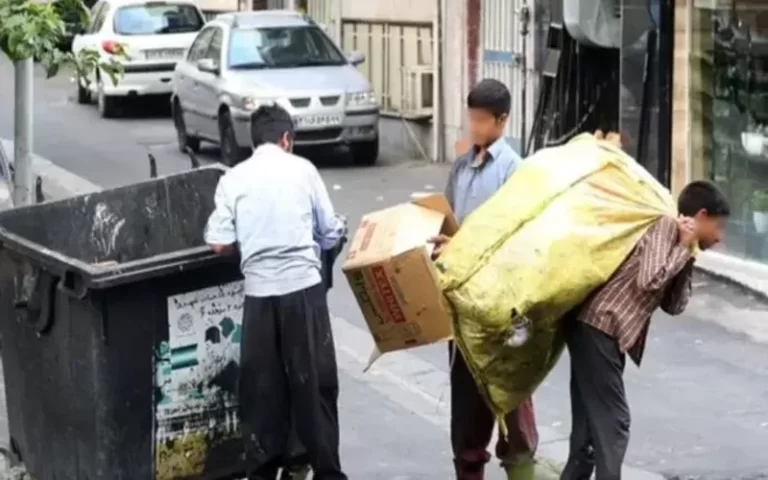
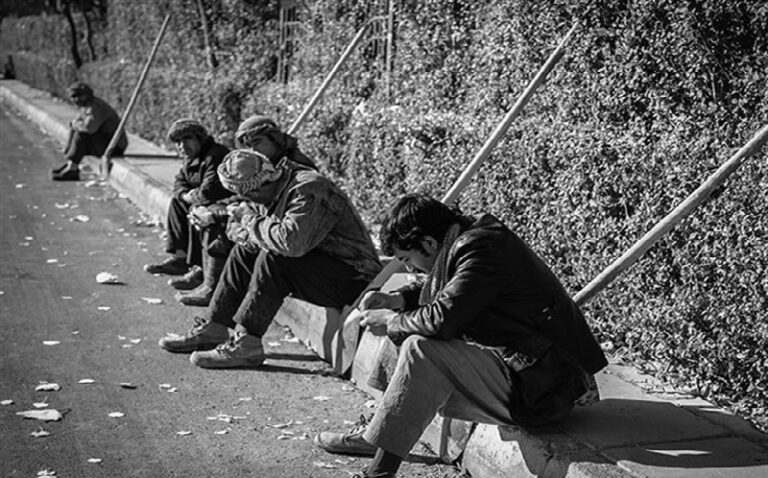
While Iranian regime officials have presented official statistics indicating an increase in the number of dropouts from education to over 970,000 and the existence of at least 9 million illiterate individuals in the country, reports suggest that the increased fees imposed by schools under various pretexts have resulted in thousands of students being unable to enroll. Afghan children residing in Iran are also facing significant barriers to education.

The state-run Shargh newspaper reported on Sunday, September 10, about the “increase in school dropouts.” Shargh stated that “the number of school dropouts increases every year,” and this situation is a result of the “wrong economic and educational policies of governments” in Iran, which have disregarded “the principle of Article 30 of the Constitution and the fundamental rights of children.”

This report, highlighting the increase in the number of children dropping out of education and the simultaneous increase in child labor in Iran, emphasizes that according to available statistics, “the illiteracy rate in 2021 was 12% of Iran’s population.”

According to the Statistical Center, Iran’s population in September is approximately 85.25 million people, and based on the “12% illiteracy rate” in 2021, the number of illiterate individuals in the country is at least 10.23 million people.

Yousef Nouri, the former Minister of Education in Ebrahim Raisi’s administration, also presented similar statistics on August 27, saying, “Regarding the number of illiterate individuals, according to the 2016 census and the statistics announced by the Statistical Center of Iran, we have 8.795 million illiterate individuals in Iran.”

He referred to 160,000 elementary school dropouts and said, “According to the latest information, there were 970,000 dropouts in the country, and this number has been reduced by approximately 150,000 individuals.”

Shargh newspaper warns about “future damages in society in the next decade” due to the increasing number of school dropouts and emphasizes that the “commercialization of children’s education,” which has led to “receiving money under the pretext of school assistance” and “tuition fees for enrollment” even in public schools, is one of the factors contributing to “the dropout of some children” whose families are in the lower-income brackets.

Intensified Obstacles to Afghan Children’s Education in Iran

In recent weeks, multiple reports have been published regarding the increased obstacles faced by Afghan children in Iran when it comes to enrollment and education. The Shargh newspaper also confirms the escalation of these issues, emphasizing that “the barriers to enrollment, especially for Afghan children, are becoming more complex every day.”

The newspaper further adds that with less than two weeks remaining until the new academic year begins, “many of these children have not even been able to obtain the initial code for the registration process.” Additionally, according to statements from child rights activists, in many cases, even after completing all the required documents, school administrators still refuse to enroll them.

Mohammad Saleh Noghrehkar, a lawyer and head of human rights at the Bar Association, told the newspaper that “despite the increased migration of Afghan citizens to Iran and the management difficulties at the borders, the number of these children in Iran has grown compared to the past, and the obstacles to their enrollment have increased accordingly. Many non-governmental organizations have not yet been able to facilitate the registration of Afghan children in schools.”

Noghrehkar, who has been in contact with charities in three areas of Tehran that were established to support the education of Afghan children, adds that “these institutions have generally announced reaching their capacity after September 6 because the number of these children has risen to such an extent that, for example, a school with a capacity of 30 students is now facing the arrival of 300 students.”

It is worth noting that the schools in Iran open on September 23.

Commercialization of Education: Increasing Dropouts and Widening Educational Disparities

The commercialization of education in higher education began in 1982 with the establishment of the Islamic Azad University. However, in pre-higher education levels, it was officially recognized through the approval of the “Amendment to the Law on the Establishment of Non-Profit Schools” by the regime’s Majlis (parliament) on July 23, 1988.

Nevertheless, over the past three decades, the establishment of non-profit schools has effectively turned into a profit-generating enterprise for certain individuals and government affiliates. Some high-ranking officials, primarily using government resources, have established private schools.

The tuition fees of private schools have reached astronomical figures, and in practice, only children from affluent sections of society have been able to benefit from private education.

Ahmad Mahmoudzadeh, the head of the Organization for Non-Governmental Schools and Centers at the Ministry of Education, announced in a television program that the tuition fees for non-governmental schools for the academic year 2023-2024 would range from 50 to 480 million rials (approximately $100 to $1,000).

Meanwhile, Mohammad Hassan Asafari, a member of the Majlis, has stated that “many schools charge tuition fees of 700 million and 1 billion rials (approximately $1,400 to $2,000) under the pretext of language classes, yoga, swimming pools,” and similar activities.

It is worth noting that the minimum monthly salary of wage earners in Iran is approximately 80 million rials, meaning a mere $155.

The exorbitant tuition fees of non-governmental schools have also led to government schools demanding money from students’ families under various pretexts. This issue is now mentioned in a report by the Shargh newspaper as one of the factors contributing to the increase in school dropouts and the “rise in the number of those left behind in education” in Iran, as many families from lower socioeconomic backgrounds cannot afford these expenses.

Furthermore, the report emphasizes that even for issuing or delivering student report cards, many schools demand “money” from families. As a result, some students lose the opportunity to receive their report cards and progress to higher grades, disrupting their educational continuity.

The commercialization of schools in recent years has exacerbated the “educational gap and social divide” in Iran to the extent that, according to a study by the Ministry of Welfare’s Social Studies Office on university admissions, “in the 2010s, the top three decile of the of society were six times more likely to enter top-ranking universities compared to the lower segment of society.”

On August 20, the state-run Resalat newspaper also highlighted that, according to official government statistics, “in the nationwide entrance exams held in January and July, only three out of the top 40 ranks were from public and ordinary schools.”

Mansour Kabganian, a member of the Supreme Council of Cultural Revolution, also admitted in a television program that “80 percent of the rankings below the top 3,000 in the nationwide entrance exams come from high income deciles, and only two percent of the top three ranks manage to enter universities.”

The International Association for the Assessment of Academic Progress test results reveal a distressing reality – Iranian students rank among the “weakest” in the world when it comes to their educational abilities. Moreover, the outcomes of the PIRLS and TIMSS exams further underscore the alarming state of Iran’s education system.

According to the PIRLS 2021 exam results, published in mid-June 2023, Iranian students scored a dismal 413 in reading ability, placing Iran at the bottom of the table among the 57 participating countries. The gender disparity is equally concerning, as girls’ average performance has been consistently better than boys’ in almost all countries, except in Iran where girls’ performance has declined since 2016.

The deeply rooted problems within Iran’s educational system stem from government policies that perpetuate corruption and hinder students’ progress. As long as these issues persist, Iran’s students will continue to face immense challenges in achieving their educational potential.

Ebrahim Raisi’s claim about resolving Iran’s $9.6 billion budget deficit

0

Iranian regime president Ebrahim Raisi has stated that since his inauguration, the country’s budget deficit of 4,800 trillion rials (approximately $9.6 billion) has been resolved without printing money or borrowing from the central bank. However, the Majlis (parliament) Research Center has announced in its latest report on the government’s debt situation that the amount of these debts has grown by 61 percent in one year.

The Majlis Research Center‘s report explicitly states that the ratio of government and state-owned companies’ debts to gross domestic product (GDP) reached 30.6 percent at the end of autumn 2023.

This ratio is significant because the larger the gap between debt and GDP, the more severe the recession becomes, and the government resorts to printing money to compensate for its debts. The most significant consequence of printing unbacked banknotes is an increase in inflation rate, a method that the regime has used in various periods when facing budget deficits.

In addition, the government of Ebrahim Raisi has employed another method to compensate for the budget deficit: borrowing from surplus resources of state-owned companies.

An examination of the financial statements of state-owned companies shows that the majority of them are operating at a loss and not only do they not have surplus resources to lend to the government, but many of them are also at risk of bankruptcy.

A report published by the Ministry of Economy in June admits that government-owned companies and banks have a debt of 5,000 trillion rials (approximately $100 billion), of which one-third is related to the National Iranian Oil Company.

Hidden Debts

Domestic media outlets, including Tejarat News website, report that the reason for the increase in the debts of government companies to banks, especially within a year mentioned by Ebrahim Raisi, who claimed that no borrowing had taken place, is that government companies have acted as intermediaries between the government and the banking network. These companies have borrowed cash from banks and lent it to the government.

This process has also put banks under resource shortages, to the extent that the legal reserves of some banks have fallen below critical levels. The government’s borrowing from banks has led to increased withdrawals from their legal reserves and a significant increase in their debts to the central bank.

In July, the Central Bank announced in a report that the debt of specialized banks to the central bank reached 514 trillion rials (approximately $102,8 billion) in the past year, which is 10.7 percent higher than the previous year. At the same time, the Parliamentary Economic Commission stated that the government’s debt to banks during the mentioned period has grown by 62.4 percent to over 650 trillion rials (approximately $1.3 billion).

The government’s borrowing from banks and the pressure on them to cover the budget deficit has intensified the practice of “printing money” in Iran’s economy. The printing of money, measured by the base money index, has been accelerated in recent years due to government budget deficits.

The growth rate of the base money index in the past year has been reported as 42 percent. This means that although the government has not directly borrowed from the central bank, it has increased the debts of both banks to the central bank and its own indebtedness to the banks through intermediary transactions.

The result of such actions has pushed the inflation rate to around 70 percent at the end March.

The regime has a debt of approximately 30 quadrillion rials (approximately $60 billion). According to Rahim Mombeini, the Deputy of the Organization of Planning and Budget, “the total debt of the government to the banking system and organizations is about 11,440 trillion rials (approximately $22,88 billion), and the debt of government companies is about 18,940 trillion rials (approximately $37,88 billion). Additionally, the government’s debt to the National Development Fund is about 74 billion dollars.” These figures have grown by 61 percent in just one year, according to a report by the Parliamentary Research Center.

The Majlis Research Center, in a recently published report on the government’s debt situation, cites the reasons for the increase in these debts as “failure to pay annual commitments by the government to the Social Security Organization, underestimation of some expense items, and borrowing from the banking network for guaranteed purchase of wheat.”

In explaining the “underestimation of some expense items,” the report states that the debts of government companies are in foreign currency and increase as the rial continues to depreciate.

This government research institution also explicitly states in this report that the ratio of government and state-owned companies’ debts to gross domestic product (GDP) reached 28.8 percent at the end of 2022. At the same time, government debts resulting from the issuance of government bonds have also grew by 42 percent during the mentioned period.

Every day more than yesterday

To escape from increasing and larger debts, the regime has borrowed not only from banks but also from the resources of the National Development Fund. According to Mehdi Ghazanfari, the CEO of the National Development Fund, the government has withdrawn $100 billion out of $150 billion reserves of the National Development Fund so far.

About a month ago, the Majlis Research Center also stated in a report that the average withdrawal from the resources of the National Development Fund in the tenth government (Mahmoud Ahmadinejad’s second term) was $453 million per month, nearly $700 million per month during the eight years of Rouhani’s two terms, and an average of $12.1 billion per month in the thirteenth government (one and a half years).

Of the total $100 billion resources of the National Development Fund, $40 billion was given to government and private sector companies, which, according to Ghazanfari, are repaying them with difficulty.

Moreover, in the past five years, the government has resorted to issuing ‘Islamic bonds’ with a 23% interest rate to compensate for its budget deficits.

These bonds, considered as market debt, can temporarily serve as a means to cover budget deficits, but the increasing trend of bond issuance and creating financial burdens for future years complicates the government’s debt sustainability.

According to the Majlis Research Center’s report, the government has issued a total of 5,130 trillion rials (approximately $10.26 billion) in bonds from 2016 to the present. The highest amount of bond issuance was in 2020, amounting to 1,624 trillion rials (approximately $32.48 billion), the same year when the stock market experienced a historic crash in August.

While advanced economies use debt as a means to stimulate economic growth, in Iran, with the increase in debts, recession accompanied by inflation has made living conditions harder for people. As borrowing from the banking system increases, unbacked money is created, leading to increased inflation.

Moreover, the borrowed funds have been spent on current expenditures instead of being invested in production resulting in higher inflation figures.

It appears that this practice, which started during the presidency of Ebrahim Raisi, will continue in the coming years. According to Rahim Mombini, the Deputy of the Organization of Planning and Budget, the budget deficit for this year’s government is estimated at 794 trillion tomans. This increase in the budget deficit must be compensated either through increased taxes or borrowing from banks and the central bank, both of which will further burden the economy and the people, according to Mombini’s statements.

The inhumane conditions of political prisoners in Iran’s Ghezel Hesar prison

0

In a letter, Iranian political prisoner, Saeed Masouri, described the conditions of Ghezel Hesar prison as inhumane and warned that political prisoners may be murdered in the prison.

Masouri is one of several prisoners who were forcibly transferred from Evin prison to Ghezel Hesar on September 3. They were beaten during the transfer and their belongings were stolen.

In his letter, he stated: “After 23 years in prison, I thought I had witnessed and experienced the worst conditions and crimes of the Iranian regime in prisons, unaware that a dungeon like Ghezel Hesar existed.

“Ghezel Hesar is a black hole where criminals like Eje’I (Gholam-Hossein Mohseni-Eje’I, Chief Justice of the regime), under the orders of the regime’s supreme leader, Ali Khamenei, throw the people of this land, young and old, and burn them in the fire of their crimes.

“There is no minimum provision for nutrition, hygiene, medical care, or even half a meter of space to sit. In a room of approximately 9 square meters, 15-16 people are crammed together, deprived of the slightest right to protest. No water, no food, no decent clothing. They give nothing to the prisoners because they have decided to eradicate any Iranian life, dignity, and humanity, to serve the savage called Eje’I, and to cover the budget deficit and the money of Ebrahim Raisi’s government by oppressing and tormenting defenseless prisoners whose cries go unheard.

“However if they think they are safe from the wrath of the Iranian people, they are mistaken. The people of Iran, the young and old, the girls and boys, the teachers and workers, the students and retirees, are looking for an opportunity.

“If I were to write about the crimes taking place in this prison, it would be unbelievable for any sound mind and even for our compatriots who have not yet set foot in prison.

“Right now, in the adjacent cells, several young detainees are awaiting execution behind the iron doors and concrete walls, and even last night, they took several people, bloody and injured, to the infirmary. Orders were given not to treat them, not even to provide them with bandages and disinfection, and they handcuffed and shackled them and threw them into solitary cells while they were bleeding.

“Even if these prisoners attack us political prisoners and murder us to delay their sentence and open a new murder (which is very common), there will be no reproach for them. Because the only way to survive or at least delay their execution is this. There is no legal authority, and executions are only for suppression and intimidation and not a legal matter… not justice, no right to defense, no legal representation… everything is barbaric.

“This prison is a small example of eradicating any human and dignified life. We are prepared to be killed in prison, just as our youth are on the streets, and freedom comes at a cost, not an excuse!

Death to religious fascism!

Long live freedom and democracy!

Saeed Masouri

September 2023

Ghezel Hesar prison

Saeed Masouri, is the longest held political prisoner in Iran. Saeed Masouri has been imprisoned in Iran since January 8, 2001, for being a supporter of the People’s Mojahedin Organization of Iran.

Saeed Masouri was sentenced to death on May 25 of that year for allegedly collaborating with the PMOI/MEK to “harm national security” and was jailed at Tehran’s Evin prison.
The sentence was commuted to life imprisonment in 2007 under pressure from the rights groups.

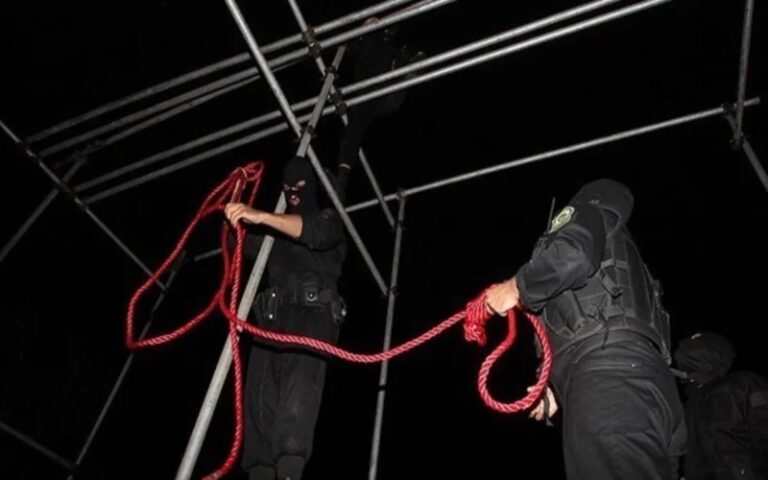
It is worth noting that the prisoners are subjected to physical abuse, torture, and even extrajudicial killings.

The regime’s actions demonstrate a complete disregard for human dignity and the principles of justice and fairness.

These conditions and crimes highlight the oppressive nature of the Iranian regime and its systematic violation of human rights, particularly against political prisoners in Ghezel Hesar prison.

Experts Warn About “Environmental Disasters” In Iran

On Sunday, at the “International Summit on Sand and Dust Storms,” Iranian regime president Ebrahim Raisi referred to industrial and military developments in “developed countries” as “injustice to humanity” and the environment.

The Iranian regime President stated that developed countries are “only” focused on their own industrial and military development, disregarding the impact on the air, sea, water, soil, forests, and space.

While Raisi accuses other countries of “neglect” towards the environment, environmental experts warn that Iran has experienced “tragic” conditions due to the wrong policies of the Iranian regime’s authorities over the past four decades.

Shirin Hakim, the director of the unit for “environment, climate security, and public health” in Berlin, previously stated, “With the mismanagement of the Islamic Republic, the water situation in Iran has become critical, and irreparable damage has been done to the environment.”

Isa Kalantari, the former head of the Environmental Protection Organization, also stated some time ago, “Iran has a 7,000-year history of civilization, but in the past 25 years, we have depleted the country’s water resources because all the water authority is in the hands of one person.”

In comments to the Didban-e Iran website, he said, “We are severely anti-science. With water consumption, all the lakes, wetlands, and rivers have dried up, and then they wonder why there are problems.”

The publication of images of Lake Urmia in mid-August surprised social media users, and Salman Zaker, the representative of this city in the parliament, stated that with the drying up of this lake, the lives of about “five million people” are at risk and exposed to “respiratory diseases.”

Ali Alizadeh, a member of the parliament’s Research and Inspection Committee on the “Lake Urmia Restoration Headquarters,” also told Shargh newspaper on August 1, “There is no water capacity in the region to revive Lake Urmia, and there is no hope for the revival of the lake with imaginative plans.”

Lake Urmia, which was once known as the indigo eye of Iran, is in a more critical condition in comparison to previous years. According to environmental experts, the water level of Lake Urmia has reached its lowest record in the last 60 years. The concern regarding the risk of Lake Urmia drying up dates back to the beginning in the 2000s. But the leaders of Iran’s regime have continued to plunder the water rights of this lake despite these threats.

According to the results of a study by Sharif University of Technology, “The water level of Lake Urmia on June 3 was the lowest recorded since 1964, and now in 2015 the water volume has also substantially decreased.”

In addition to the drying up of lakes and wetlands, the level of air pollution and the invasion of dust storms in Iran have also created a critical situation in the country.

The level of air pollution and the influx of dust storms in the skies of Iran are increasing, and according to media reports, 60% of Iran has been affected by dust storms. The Environmental Protection Organization of Iran says that certain areas in the northwest of Iran have faced a new wave of dust storms.

Ali Salajegheh, the head of the Environmental Protection Organization of Iran, announced that the origin of the dust storms in the north and northeast of the country is Turkmenistan, but Mohammad Darvish, an environmental expert, says that Turkmenistan’s contribution to the increase in dust storms in Mazandaran is only 15%.

According to Darvish, the entire plains of Turkmen Sahra and international wetlands in that region have dried up. “If we do not change our interaction with nature, we will face conditions in the northern provinces that are more severe than Isfahan, Semnan, and Yazd,” he warned.

This regime that has spent all the wealth of the country on its own survival, does not care about the improvement of the environmental situation. For this reason, we are witnessing the destruction of many wetlands, rivers, etc. Zayandeh Rud, Gavkhoni, Maharlo, Karun, Horul Azim and… are just examples of this great crime by the current regime.

Swedish EU Staff Imprisoned in Iran for Over 500 Days

0

The New York Times, citing informed sources, reported on Monday, September 4th, that Johan Floderus, a 33-year-old Swedish national and employee of the European Union, has been detained in Iran for over 500 days. He traveled to Iran in spring last year for a personal tourist trip along with several fellow countrymen. On April 17, when he was trying to leave Iran, he was arrested at Tehran’s Imam Khomeini Airport.

The Iranian regime had announced the arrest of a Swedish citizen on charges of “spying” in July of last year.

Johan Floderus, who is currently held in Evin Prison, has a background of holding several positions within EU-related institutions. He has also appeared in a promotional campaign aimed at attracting Swedish youth to EU careers.

The New York Times spoke to six people with firsthand knowledge of the case. All requested anonymity, fearing a backlash for speaking about it. They denied that Mr. Floderus had been involved in espionage.

While refraining from commenting on the details of the incident, the Swedish Ministry of Foreign Affairs stated in an email correspondence with the New York Times: ” A Swedish citizen — a man in his 30s — was detained in Iran in April 2022. The Ministry for Foreign Affairs and the Embassy of Sweden in Tehran are working on the case intensively.”

The Swedish Ministry of Foreign Affairs added, “We understand that there is interest in this matter, but in our assessment, it would complicate the handling of the case if the ministry were to publicly discuss its actions.”

Since 2019, Mr. Floderus has been an assistant to Ylva Johansson, the European Commissioner for Home Affairs. In 2021, he also joined the European External Action Service, which combines the foreign affairs and defense departments of the European Union and is currently led by Josep Borrell.

Informed sources told the New York Times that this Swedish citizen had previously visited Iran without any problems as part of a European Union development program.

The report by the Islamic Republic last year also referred to Mr. Floderus’ previous trips to Iran as a reason for his “sinister activities.”

The European External Action Service stated that it is “closely following the case of a detained Swedish citizen in Iran,” but did not mention whether Mr. Floderus works for this institution or if he had previously traveled to Iran for EU-related matters.


 Nabila Massrali, a spokesperson for the European External Action Service, said, “We have used every opportunity to raise this issue with Iranian authorities in order to secure the voluntary release of all arbitrarily detained EU citizens and will continue to do so.”

Mr. Floderus’s father has refrained from commenting on his son’s situation.

Relations between Iran and Sweden are very cold. In July of last year, a court in Sweden sentenced Hamid Nouri, a former judicial official of the Iranian regime, to life imprisonment for his involvement in the massacre of political prisoners in 1988.

Hamid Nouri, a former judicial official of the Iranian regime

One month after Mr. Floderus’s arrest, the Islamic Republic issued a death sentence for Ahmad Reza Djalali, an Iranian-Swedish researcher, on fabricated and baseless charges such as “espionage” and “assisting in the assassination of nuclear scientists by Israel.”

In the same month, the regime executed Habib Asiod, an Iranian-Swedish citizen who had been abducted from Turkey in 2020.

Habib Asiod
Habib Asiod

The non-disclosure of the arrest of this 33-year-old Swedish diplomat by Swedish and EU authorities comes at a time when Western officials have repeatedly accused the regime of engaging in “hostage diplomacy” to gain political leverage.

In recent years, the Iranian regime has detained dual and foreign nationals on fabricated charges in pursuit of exchanging them for its arrested agents in Europe and the United States, or to use them as leverage to gain money and other benefits.

Last month, the United States agreed to release $6 billion of Iran’s blocked assets in South Korea in exchange for the freedom of five of its detained citizens in Iran.

In May Belgium released Tehran’s convicted terrorist diplomat, Assadollah Assadi. Assadi was convicted for organizing and commanding a terrorist attack targeting a NCRI rally near Paris back in 2018, later described as the biggest criminal act in Europe after World War II.

Assadollah Assadi, terrorist diplomat,

It is not unlikely that the Swedish government, after 500 days of silence, is seeking the release of Hamid Nouri and exchanging him for its own hostage.

While Critics Urge More Pressure over Hostage-Taking, Tehran Sees New Opportunities

0

Recently a US State Department official met with the family of an Iranian-German dual national, signaling a possible expansion of ongoing American efforts to secure the release of hostages from the Iranian regime. The meeting was preceded by weeks of international discussion and debate over a prisoner exchange agreement that is currently pending, which could see five American citizens released from Iranian custody in exchange for at least four Iranian plus six billion dollars’ worth of Iranian financial assets that have been frozen in South Korea.

Various enemies of the Iranian regime and critics of US policy toward that regime have voiced opposition to that agreement in its current form, with many arguing that the financial component comprises a “ransom” payment that could help to finance more malign activities by the Iranian regime, including crackdowns on dissent which have accelerated in the wake of that nationwide uprising sparked last year by Mahsa Amini’s death at the hands of “morality police.”

Other critics have taken issue with the perceived exclusion of certain hostages, including Jamshid Sharmahd, whose family has lobbied for greater attention from the White House and finally secured a meeting with Abram Paley, a deputy special envoy for Iran, on Friday. Apart from holding citizenship in Iran and Germany, Sharmahd is a permanent US resident and had been residing there for many years before being kidnapped by Iranian operatives during a layover in Dubai and taken back to the Islamic Republic to face trial for several terrorist acts attributed to an organization with which he has had prior involvement.

The trial concluded in February with a death sentence, but was described by Amnesty International as “grossly unfair.” State Department spokesperson Vedant Patel affirmed this description in an August 14 briefing, calling the legal proceeding a “sham trial.” This no doubt raised existing expectations that Washington would become directly involved in efforts to secure Sharmahd’s release, and perhaps also the release of other people imprisoned in Iran who have meaningful connections with the US falling short of citizenship.

In this respect, Sharmahd’s situation is similar to that of Shahab Dalili, who was arrested after returning to his native Iran for his father’s funeral in 2016, and was ultimately sentenced to 10 years based on vague allegations of spying for Tehran’s “enemies”. According to his son, Dalili had been planning to apply for American citizenship, having lived there for years prior to his trip. The interruption to this plan may have resulted in Dalili being perceived as a lower priority in discussions of possible prisoner swaps, but according to some of the aforementioned critics, it shouldn’t have.

Richard Ractliffe, the husband Nazanin Zaghari-Ratcliffe, an Iranian-British charity coordinator who was held hostage in the Islamic Republic between 2016 and 2022, expressed this view in remarks that were published by the Guardian on Sunday. Evidently not satisfied by any explanation that relies upon the difference in their citizenship status, Ratcliffe said that Dalili and Sharmahd were at risk of being left behind for “opaque reasons,” and noted that the State Department has so far declined to formally label the two men as “wrongfully detained,” though it has the power to do so.

Ratcliffe emphasized that in absence of that status, Sharmahd’s connections to the West would not protect him from having his death sentence carried out, and might even make him a more appealing target for Iranian hardliners. Noting that at least two foreign nationals have been killed by the Iranian judiciary in the past year, he concluded that “we have seen Iran expand its hostage diplomacy into execution diplomacy.”

Ratcliffe also called attention to the conspicuous timing of the tentative US-Iran prisoner exchange deal, coming just ahead of the mid-September anniversary of the latest nationwide uprising. He said: “This deal is clearly part of an Iranian government plan to manage the anniversary headlines, along with a new round of mass arrests. Why the US government has gone along with that timing, I don’t know.”

Meanwhile, Sharmahd’s daughter Gazelle argued that negotiations to finalize that agreement should only proceed if it looks like they will lead to the release of all known hostages with intimate ties to the US. Using the hashtag “#LeaveNoOneBehind in a post on Twitter, or X, following her meeting with Paley, she expressed commitment to working with the administration of US President Joe Biden to develop a plan for securing that outcome.

For his part, Paley affirmed on the same social media platform that Jamshid Sharmahd “should have never been detained in Iran” and that the White House hoped to see him quickly reunited with his loved ones. This and the underlying discussion of a broader exchange plan seem to have elicited a response from Tehran, though it was not immediately clear whether the intention was to dismiss American involvement in Sharmahd’s case or to frame it as an opportunity to Iranian authorities to also pursue broader aims.

On Monday, Iran’s Foreign Ministry spokesman Nasser Kanaani called upon the US government to “explain” its connections to Sharmahd. On its own, the request could reinforce Tehran’s longstanding tendency to blame both domestic terrorism and peaceful dissent as the product of interference by Western intelligence agencies. But depending on the American response, or perceived response, the inquiry could also help to clarify the potential value to the US of the hostage in question.

Officially, Tehran does not recognize dual nationality and in cases like Sharmahd’s and Dalali’s, it generally denies access to consular assistance from their adoptive home countries, insisting that the detainees are Iranian only and that their trial and punishment are purely domestic matters. To the extent that Kanaani was genuinely inquiring about Sharmahd’s ties to the US, it is possible that the State Department was signaling willingness to discuss his case at the diplomatic level. But if this were the case, such discussions would almost certainly lead to new demands on the Iranian side.

Questions were raised about what those demands might entail later on Monday, when Foreign Minister Hossein Amir-Abdollahian claimed that there are no other Iranian assets frozen in any country, apart from the six billion that is due to be released from South Korea if and when the prisoner swap agreement goes into effect. This claim was reiterated by President Ebrahim Raisi in a televised press conference the following day, albeit not before he seemed to contradict the claim by urging the government of Japan to assert its independence from the United States by releasing Iranian funds.

Regardless of whether the Foreign Minister’s claim was actually true, its public assertion could be meant to highlight expectations that Tehran will be able to secure other sorts of concessions through future diplomatic negotiations, including negotiations over the Iranian nuclear program as well as the various dual and foreign nationals who will remain in Iranian custody after the pending agreement goes into effect.

Tehran’s insistence that it can currently access all money earned through foreign transactions is also indicative of the regime’s commitment to promoting a narrative of the “failure” of US-led economic sanctions. That narrative was no doubt encouraged last week when it was reported that Iran would be among six nations to formally join the coalition of developing nations known as BRICS at the start of next year.

Indeed, Ali Akbar Velayati, a close advisor to Supreme Leader Ali Khamenei, was quoted on Tuesday by Mehr News Agency as saying that Iran’s inclusion in the Chinese-led organization “has thwarted the United States policy of isolating Tehran.” Separately, Mehr appeared to suggest that the same development would help to accelerate the development of a trade route linking Iran, Pakistan, and Turkey, which the outlet said would be a “game-changer” for Iran’s economy and for international challenges to the existing world order.

Of course, Iran has sought to present itself as the central figure in those challenges, not just through “economic diplomacy” but also through mounting military threats, in cooperation with its BRICS partners, among others.

In Monday’s press conference, Kanaani boasted that the naval forces of the Islamic Revolutionary Guard Corps would soon be outfitted with new submarines, then proceeded to demand an end to the “illegal presence of the US in Syria.” A day later, Iranian state media claimed that Iran had put into production a new air defense system called “Tactical Sayyad,” which is supposedly capable of intercepting 12 targets at once. On Wednesday, Brigadier General Alireza Sabahifard, commander of the Iranian Army’s Air Defense Force, reiterated this claim and described Iran’s overall air defenses as “world class.”

Developments in this area surely owe much to Iran’s growing partnership with Russia, which famously initiated plans to sell Iran an advanced S-300 missile defense system almost immediately after the implementation of a nuclear agreement between Iran and six world powers in 2016. With that agreement having been on life support since the US withdrew from it in 2018, Iranian-Russian military cooperation has only grown more extensive, with both participants often praising that cooperation in terms of its impact on Western supremacy around the globe.

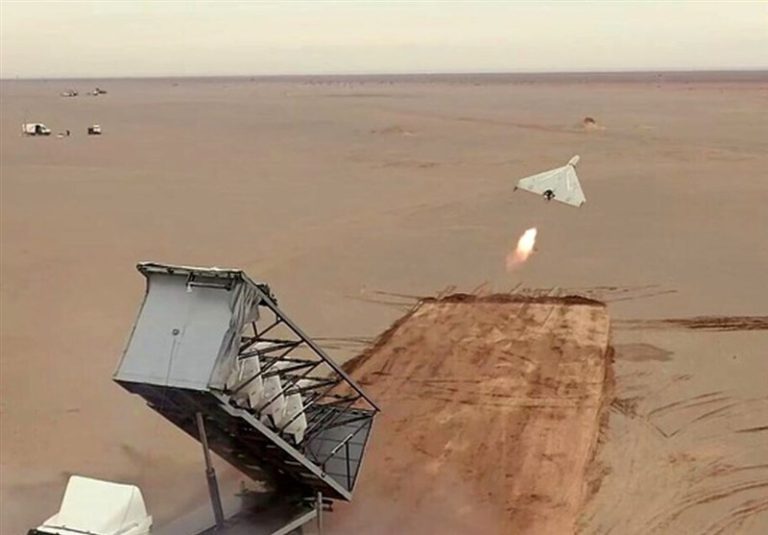
Recently the US reportedly pushed for an end to the sale of Iranian drones to Russia for use in the war on Ukraine, only to be publicly rebuffed from the Russian side: “There are no changes, and cooperation with Iran will continue,” said Russia’s Deputy Foreign Minister Sergei Ryabkov. “We are independent states and do not succumb to the dictates of the United States and its satellites.”

Iran’s Government Debt Has Grown by 61%

In its latest report, the Majlis Research Center has announced a 61% growth in the government and state-owned companies’ debt in 2022 compared to September 2023.

According to the report, published on September 3, the government’s debt has reached 12,480 trillion rials (approximately $24.960 billion) with a 30% growth during the mentioned period, while the debt of state-owned companies has peaked at 18,910 trillion rials (approximately $37.820 billion) with a 90% growth.

The total debt of the government and state-owned companies was estimated to be around 31,380 trillion rials (approximately $62.760 billion) by the end of the previous year, equivalent to approximately 29% of Iran’s Gross Domestic Product (GDP).

However, the report specifies that there are discrepancies and unregistered items in the national treasury regarding certain claims by creditors. If these figures are taken into account, the debt-to-GDP ratio would increase.

The release of the recent report on the government’s debt by the  Research Center comes while regime Supreme Leader Ali Khamenei recently praised the performance of President Ebrahim Raisi’s government on August 30, claiming that “a significant number of macroeconomic indicators indicate growth and progress.”

The International Monetary Fund has assessed Iran’s government debt-to-GDP ratio at around 34% or $120 billion for 2022.

The IMF report, published in May, indicates that Iran’s government debt has surged from $49 billion to $120 billion over the past two years, effectively doubling from 2020 to 2022.

This spike in government debt comes at a time when the regime’s president, Ebrahim Raisi promised to control government borrowing during the presidential election and curb inflation by controlling liquidity.

He has also recently claimed that “all economic indicators of the country are on a growth path,” while recent statistics show that the government’s debt has exceeded 31 trillion rials (approximately $62 billion).

In recent years, various governments, due to overestimation of oil revenues in the budget and their non-realization, have been forced to extensively borrow from financial institutions, including the Central Bank and other banks, the National Development Fund, and so on.

Mehdi Ghazanfari, the head of Iran’s National Development Fund, said in May that 67% of the $150 billion resources of the National Development Fund have been withdrawn by governments.

The Majlis Research Center had also reported in August that the average monthly withdrawal of governments from the National Development Fund during Mahmoud Ahmadinejad’s presidency was around $453 million, during Hassan Rouhani’s presidency it was $700 million, and during Ebrahim Raisi’s presidency, it reached $1.1 billion.

As a result of such extensive and escalating borrowing, the government has forced the Central Bank to print unsupported banknotes, leading to a surge in liquidity and, consequently, soaring inflation in the country.

According to the World Bank’s estimate, Iran’s inflation rate was 49% last year, and the price growth of food items in Iran has the highest rate in the world after Venezuela, Lebanon, Zimbabwe, and Argentina.