Home Blog Page 230

Iran’s astronomical housing prices

Since the mullahs came to power in Iran, the topic of housing has remained a contentious issue. Home ownership is becoming increasingly difficult with each passing day. Unfortunately, for the younger generation, owning a home has become all but a dream due to the regime’s failed policies.

The Iranian people’s inability to afford residential units built in the country has left housing developers disheartened, according to Ali Farnam, a specialist at the Majlis (parliament) Research Center. “Consumer demand is currently almost non-existent in the market,” he told the semi-official Tasnim News Agency in an April 16 interview.

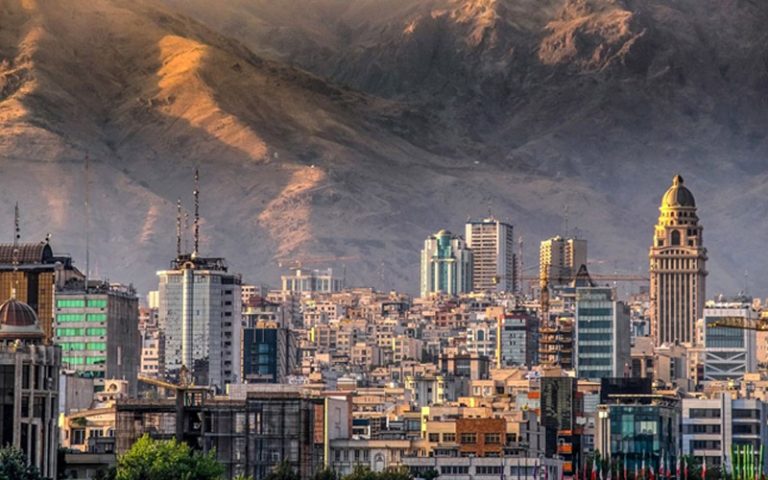
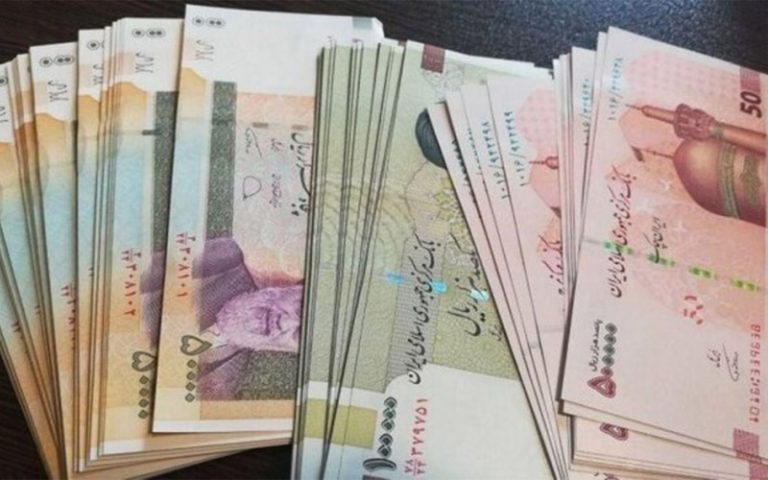
The average housing price per square meter in Tehran has skyrocketed over the past five years, Farnam explained. In 2018 the average price per square meter was 60 million rials. Today, it exceeds 600 million rials, marking a ten-fold increase.

According to Farnam there has been no increase in housing production between 2018 and 2023. Moreover, the risks of construction materials becoming more expensive and wages increasing have escalated. Additionally, prices increasing in other competing markets, such as Iran’s gold and coins market, are overshadowing the profitability of the house construction industry.

Housing development in Iran has been terminated despite the pledge of regime President Ebrahim Raisi to build one million residential units each year at the outset of his tenure. This commitment was deemed “unrealistic” from day one by both housing market specialists and Majlis members from the beginning.

Only 300,000 units are being constructed across the country each year, which is a third of the volume produced before 2013, Farshid Pourhajat, Secretary of the National Association of Mass Builders, said back in March. The price of construction materials doubled last year (the Persian year begins on March 21), while the construction and sale of housing have come to a halt since December due to the skyrocketing price of the U.S. dollar rate in Iran, Pourhajat explained.

The state-run Donya-e-Eqtesad newspaper published a report on April 8 discussing the significant surge in housing prices and the cost of rent in Tehran over the past three months. The report highlighted that housing prices have risen by a minimum of 40 percent when compared to prices just three months ago.

“The government no longer has adequate social capital and has lost the ability to monitor the chaotic housing market,” the state Jam-e Jam newspaper wrote during the same period.

Mojtaba Yousefi, a member of the Majlis Civil Commission said that on average 51 percent of the country’s population are tenants.

On April 9, referring to the rising housing prices and rents, Yousefi told the semi-official ILNA news agency that the economy, especially the branch related to the minimum expenditure basket, cannot be controlled through directives and orders.

He is referring to the guidelines set to determine the ceiling of rent price growth in the range of 20 to 25 percent, announced by Raisi’s government last year.

Yousefi went on to explain that they were witness to the fact that this ordered price limit was not implemented. When inflation increases, the price of construction materials increase, resulting in the rise in housing costs. It is impossible to control the market through such a method, he added.

According to the data of the Statistics Center, in 2011 housing consists of 34 percent of an average household budget, rising to 39 percent in 2017. This figure reached 47 percent in 2020.

The data related to the Organization for Economic Co-operation and Development (OECD) shows that in the period of six years and nine months from 2015 to the fall of 2022, the price of each square meter of residential units in Saudi Arabia decreased by 12 percent.

At the same time, the price of each square meter of a residential unit in Tehran has experienced a 963-percent growth.

One should take into account that the housing market is affected by the ownership of millions of vacant houses held by various entities associated with the regime, such as the Housing Foundation, the Mehr Housing Foundation, the Mostazafan Foundation, IRGC banks, and state-owned banks. These entities benefit from rising housing costs and rental rates, imposing a further financial burden on the Iranian people.

Despite the fact that a significant number of people are becoming homeless or living in extremely poor conditions, the ruling regime has failed to provide any viable solutions.
Iran’s Regime Resumes Chemical Gas Attacks on Schools, Denies Reports

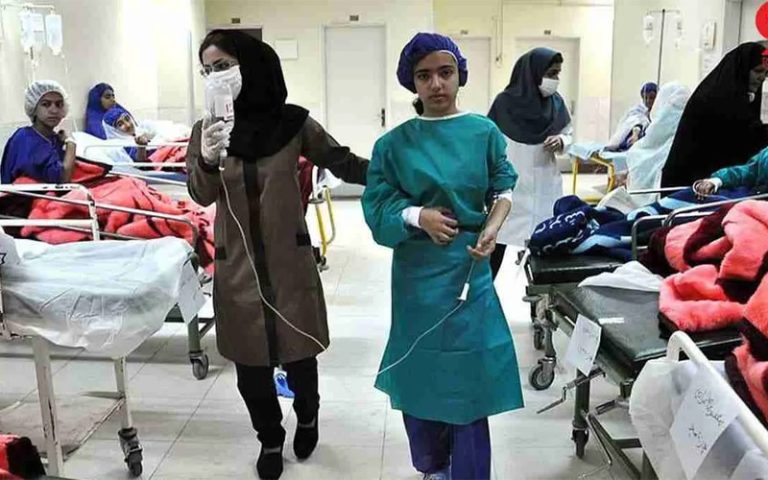
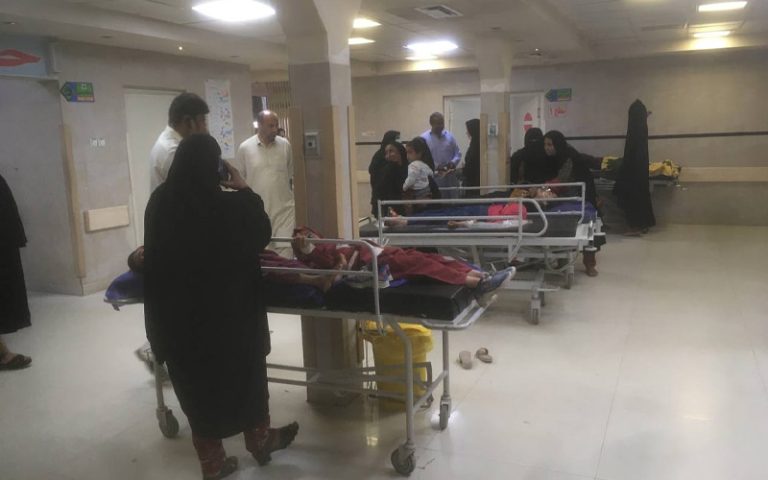
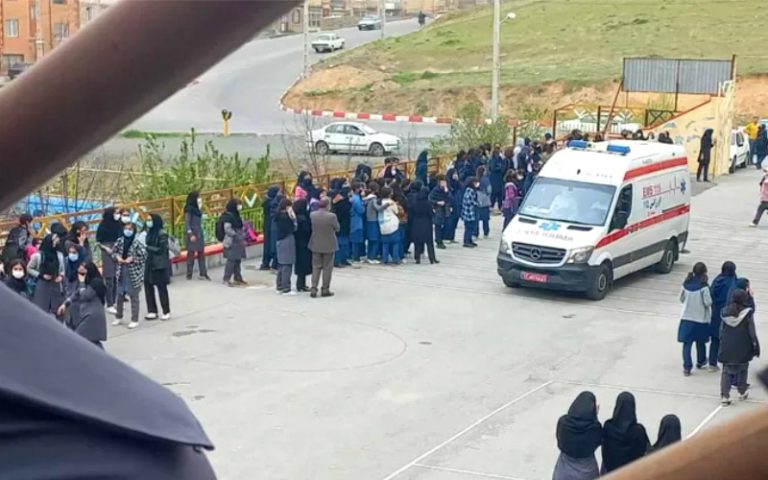
Chemical gas attacks by regime operatives resumed following Iran’s Nowruz holiday season. These measures, which had stopped for about a month before, have picked up again and are on the rise. The new round of poisonings started on April 3 from the cities of Naqadeh and Tabriz. In the following days, they spread to schools in Isfahan, Qom, Kohenjan Sarvestan, Piranshahr, Sanandaj, Diwandareh, Saqqez, Qazvin, Ardabil, Haftgol, Ahvaz, Urmia, and Pardis in Tehran.

The Kurdistan Teachers’ Union described these chemical gas attacks against all-girls schools across Iran as “organized” and even “the killing of children”.

News censorship

These attacks continue while regime authorities are discussing measures aimed at identifying the opponents of compulsory hijab with security cameras. However, the mullahs’ security entities are failing to find the perpetrators of these chemical gas attacks. At the same time, the regime’s Deputy Interior Minister claims that children themselves are behind these poisonings.

The chemical gas attacks targeting  all-girls school in Iran began in mid-December 2022 from the city of Qom, and gradually spread to different cities.

The Interior Ministry also issued a notice to state media prohibiting all outlets from publishing news related to these chemical gas attacks on schools, and described the Education and Interior  ministries as the only “reliable sources” in this regard.

“Kidney complications”

Karo Pashabadi, a student from Kamiyaran, western Iran, who was studying in Tehran, died on April 7 after being hospitalized for three weeks in the capital’s Milad Hospital.

The Education Ministry announced the 16-year-old’s cause of death as “intestinal disease and kidney failure”.

Some media reported that his death as caused by serial poisoning in schools.

The Education Ministry’s public relations notice stated that Karo Pashabadi went to Milad Hospital in Tehran on March 19 due to stomach ache, adding that on that date and days prior there were no reports of “lethargy” among the students of Tehran’s Alami School.

Iranian state media use the term “lethargy” instead of “poisoning,” based on orders and instructions from above .

Poisoning and lying

Similar to the previous attacks, senior regime officials and authorities are denying the matter in its entirety.

“Less than ten percent of the students showed signs of respiratory stimulants… Part of these factors were caused by excitement… Another due to media hype,” said the Health Ministry’s Deputy Health Director, according to the Etamed Online website on April 9.

Hamid Kazemi, head of the “Student Poisoning Fact Finding Task Force”, went even further with preposterous remarks during an open session of the regime’s Majlis (parliament). “Some students may do such things out of mischief… I think that in two weeks we will be able to present a report in this regard to the public forum of the Majlis,” he said, according to an April 8 report by the Etamed Online website.

“More than 1,300 school students have gone to hospitals and still not a single official pathology report has been issued. The Passive Defense Organization has not provided a sampling report from the schools, and we have not seen  even a single official situation being published. Furthermore, there is no ‘lead suspect’ for these chemical gas attacks”.

Mehrdad Veis Karami, a member of the Majlis Education Commission, recently said that there were no poisoning attacks at all (!) and that some students felt ill after inhaling oil vapor.

“This is not poisoning. Nausea is not scientifically considered a case of poisoning,” Veis Karami argued.

Meanwhile, Mohammad Hassan Asafari, a member of the Majlis fact-finding committee, said that last week’s committee meeting ended without any result because security organizations have no lead in this regard. “However, it is not acceptable for the board to just say that scented toy balloons were the cause of the poisoning,” he added, adding more controversy to the already sensitive subject.

Majid Mir Ahmadi, the Interior Ministry’s deputy in security and law enforcement, sought to further downplay the issue in its entirety. “The few cases seen in the new year, which were very limited, were due to mischief by some students seeking to shut down their schools. There have been one or two cases where students used pepper spray, which were identified and will definitely be dealt with,” he said, according to an April 10 report wired the official Mehr news agency.

Mrs. Maryam Rajavi, the President-elect of the Iranian opposition coalition NCRI, has strongly condemned the ongoing chemical gas attacks in Iran.  The goal of the inhumane mullahs’ regime in this systematic crime is to counter the uprising and take revenge on Iranian women and girls who are in the front line of the struggle to overthrow this regime, she added. There is a strong need for an independent investigation by an international fact-finding committee and relevant UN bodies to thus render urgent action aimed at stop this horrific crime, Mrs. Rajavi concluded.

Iran’s Economic Disaster And The Nosediving National Currency

The ongoing situation of Iran’s unstable economy, inflation, and the ruling regime’s political isolation hand in hand skyrocketed the price of the U.S. dollar to more than 600,000 rials in the past few weeks. Despite the hollow promises of regime President Ebrahim Raisi and the Central Bank, it was not possible to immediately control the increase in the price of the dollar, and the government once again realized that economic necessities cannot be changed through orders and promises.

Following the announcement of a recent political agreement between Iran and Saudi Arabia, and the possibility of normalization in relations between Riyadh and Tehran, Iran’s currency market responded with reductions in the price of the U.S. dollar. Although this political development was accompanied by the hope that Tehran is attempting to end its political isolation, financial experts believe this cannot deliver a final solution to the currency woes in Iran.

In the two weeks, the market was facing an increase in a new surge in the price of the U.S. dollar, reaching 550,000 thousand rials on March 30 and 31, and the euro was trading at 600,000 rials.

In a survey conducted at the end of the Persian year, the state-run Donyay-e-Eghtesad daily sought to forecast economic developments expected in 2023. In this survey, market experts expressed their opinions about effective components for economic conditions.

The market is losing trust in the rial

“The most important engine behind the stock market next year will be changes in the dollar exchange rate. Experts believe that next year is the rial’s depreciation will be between 30 to 60 percent. Stock market experts believe the most important factor behind Iran’s stock market’s lagging behind other markets is the lack of confidence among investors,” the survey reads.

From the first day of his administration, Raisi attempted to encourage domestic investors to purchase stocks and boost the country’s market in the absence of foreign investment. However, his claims of incorrect statistics and optimistic economic forecasts failed to fundamentally revitalize Iran’s stock market.

The fact that domestic investors in Iran, and the general public, constantly monitor the dollar exchange rate and adjust not only their transactions but also inflation and general economic conditions with the price of the dollar, are well reflected in this recent survey.

“According to capital market experts, 46 percent of respondents consider the currency exchange rate as the main factor in stock market fluctuations. Twenty-seven percent of the observers said they believe stability in macroeconomic policies, which can be another element behind the rise and fall of share prices of stock market companies,” Donyay-e-Eghtesad writes.

“The return of investors’ trust” also accounts for the remaining 27 percent, which is basically a function of the economic status quo and cannot be realized through the promises of politicians.

It is no secret to economists that the currency exchange rate fluctuations in Iran, and its ups and downs, are mostly caused by the country’s prevailing economic and political circumstances. Corruption and ineffectiveness among regime officials are the main reason behind the current situation.

Popular uprisings in Iran have made it clear that the ruling regime has no legitimacy. Foreign investment, which could boost Iran’s stock market, has been neglected in the survey, the reason being that foreign investment in Iran can face heavy and harmful consequences due to widespread protests.

Continued currency fluctuations

The dollar exchange rate, whether in an upward or downward trend, eventually has to correct its course and stand at a reasonable figure, said Hamidreza Kahedi, a financial affairs expert, in an interview with the regime’s semi-official ILNA news agency. “In the current circumstances, political breakthroughs are very important because they open the way for the currency to flow into the country.  The agreement with Saudi Arabia, which leads to relations development with other Arab countries, has a positive impact, while we cannot expect a strange jump in the currency market in our status quo. However, money printing continues and with the resulting inflation, the dollar exchange rate soaring above the 600,000 rial mark will not be considered strange,” Kahedi added.

According to this expert, with the continuation of high inflation in Iran and during a possible dip, the dollar has the capacity to exceed the 600,000 rial mark. Some experts even predict an “astronomical figure of one million rials” for every dollar by the end of the Persian year (March 2024).

Determining the real price of the dollar

There are several parameters involved in the temporary drop in the price of the U.S. dollar. Siavash Gheibipour, an expert in economic and financial affairs, explains:

“The fluctuation period in terms of time has had a series of short ups and downs during the last six months. Why these fluctuations were formed in this way is divided into two parts, a part of non-economic, non-banking, and non-monetary factors, being the impact of external conditions, foreign relations, the opening of foreign relations with Saudi Arabia and China, and the release of financial resources in Iraq and the UAE. This was a process that partially reduced the psychological impact of the nosediving currency, which took place in the first half of March. What we are witnessing today, and from my analysis, is due to the beginning of the year (starting from 21 March) and the budget launch, which leads to a 30 percent increase in the budget. This budget increase results in added inflation in the economy. Those who trade in the currency market expect that the inflation caused by the budget will reduce the country’s national currency credibility and the dollar will become more expensive.”

According to this expert, the real value of the currency in Iran should be based on the value of one consumer goods basket in U.S. dollars is equivalent to its value in a third country. If there is a difference, the government has started “exploiting the currency”. In fact, the same purchasing power is the basis for measuring various currencies. However, the same amount of purchase depends on continuous and competitive production outside of the country’s borders.

Since Iran’s next fiscal budget is inflationary and there is no hope of correcting the country’s monetary and currency policies, the trend of fluctuations in the currency value will continue into this year. Changes in bank interest rates in Iran and political openings can only restrain the increase in the price of the dollar for limited periods of time.

A Look At Iran’s Astan-e Qods-e Razavi Foundation

Iran’s budget deficit has led to massive government borrowing, a significant increase in liquidity, increasing inflation, and the national currency devaluation. However, the ruling regime does not collect taxes from the economic giants under the supervision of Supreme Leader Ali Khamenei to compensate for the deficit.

In January 2020, Omid Ali Parsa, then-head of the Tax Affairs Organization, said that “half of the country’s economy is exempt from taxes.”

Such a large portion of the country’s economy are exempt from taxes while the government’s tax revenues from the people, businesses, government employees, merchants, and private sectors have increased tremendously over the past years. The share of taxes in the government’s budget increased from 45 percent in 2021 to 52 percent in 2022, and Davoud Manzoor, head of the Tax Affairs Organization, said on March 6, 2023, that this figure would increase to 57 percent in 2023.

The Astan-e Qods-e Razavi (AQR) is one of Iran’s economic giants that is exempt from taxes. It’s head is appointed by Khamenei himself. AQR includes collections, such as the Imam Reza shrine in the city of Mashhad, various institutions, cultural, industrial, agricultural and medical departments, and a car manufacturing branch.

From the beginning of the 1979 Revolution, AQR was entrusted to Abbas Vaez Tabasi by regime founder and first supreme leader Ruhollah Khomeini.  Following Tabasi’s death, AQR’s helm was transferred to Ebrahim Raisi on March 7, 2016.

In 2019, as Raisi was appointed as the head of the judiciary and began his journey to become the regime’s president. Therefore, Ahmad Marvi, referred to as Ali Khamenei’s “old friend” and “one of the most loyal current managers” to him, was appointed as head of AQR..

AQR was sanctioned by the U.S. Treasury Department on January 13, 2021. At the same time, the then-U.S. Treasury Secretary announced that AQR, along with other foundations controlled by the supreme leader, dominate half of Iran’s economy and have caused widespread financial corruption in Iran.

In September 2019, Behzad Nabavi, a member of the regime’s so-called reformist circle, said, “In our country, there are four institutions that control 60 percent of the national wealth; the Execution of Imam Khomeini’s Order, the Khatam-al Anbiya Construction Headquarters, AQR, and the Mostazafan Foundation. None of these have any connection to the government or parliament.”

To this day no documents have been published indicating AQR pays taxes. Due to the lack of transparency and involvement in governance, it is not possible to provide accurate statistics of AQR assets, but according to available documents, they are estimated in the billions of dollars.

ahmad marvi
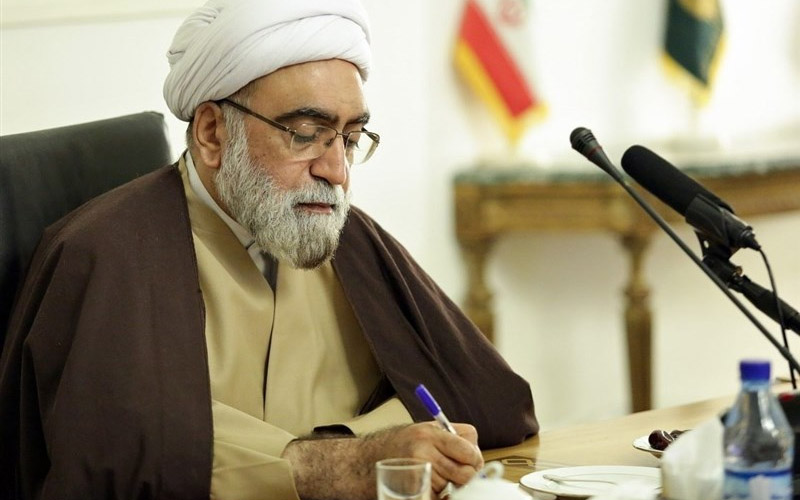
Ahmad Marvi, the head of the Astan-e Qods foundation

More than 13,000 hectares of the 30,000-hectare area of Mashhad city are among AQR endowments. These are not limited to the city of Mashhad and are scattered in most provinces across Iran, as well as Afghanistan and Azerbaijan. In Mashhad alone, AQR has more than 300,000 tenants.

However, what makes AQR special in terms of taxation and economics is the large number of companies in various fields that are under its control. AQR is active in industries such as pharmaceutics, financing, agriculture, construction, automobiles, mining, energy, management, textile, livestock, and food industries. All these companies are managed and supervised by the Razavi Economic Organization.

This organization, self-described as “the largest economic holding in the eastern half of the country,” controls more than 70 companies and institutions.

No government institution is able to audit AQR due to its political power. It is accountable to Khamenei alone.

The Razavi Economic Organization supplies more than 145 types of different industrial, mineral, agricultural, and livestock products and services to the market.

For example, the “Anabad Agriculture and Industry Company” alone owns 10,000 hectares of cultivated land.

A large swath of 69,880 hectares in forestland located in northern Iran is under the control of the “AQR Forestry and Construction Company.”

AQR’s pistachio production inside Iran reaches more than 6,000 tons per year, of which 2,000 tons of dry pistachios are exported.

Every year, AQR’s endowment lands provide 500,000 tons of agricultural products.

More than 30 percent of the sugar cube production in Khorasan Province and ten percent of the country’s total sugar cube production are under AQR’s control.

AQR has control over many registered mines, including 11 percent of the country’s mines that provide granite stones for construction purposes. Moreover, 17.3 percent of the country’s auto industry, city and intercity buses are owned by AQR. And in some food industries, such as yeast and related products, up to ten percent of the country’s total production belongs to AQR.

The AQR Carpet Manufacturing Company has 700 employees in its carpet weaving factory in the cities Mashhad and Kashmar, producing4,000 square meters of [handwoven] carpets used in the Imam Reza shrine. The older carpets are sold for massive profits.

While the list of AQR’s economic assets goes beyond the extent of this piece, it is worth noting that of all these companies and assets are under the supervision of the supreme leader himself. This includes publicly listed companies that do not publish a detailed report of their performance.

IRNA, the regime’s official news agency, reported in 2019 that foundations and institutions under the supreme leader’s supervision, despite having a ten  percent share in Iran’s economy, provide for only 0.008 percent of the country’s annual taxes.

Iran’s Economic Challenges in 2023: Inflation, Investment, and International Relations

As Iran enters the new Persian year, regime experts are raising concerns about the state of the country’s economy. Many predict that the economic crisis will deepen in comparison with the previous year, with little hope for positive change. Experts are warning regime officials that the worsening economic situation could be a major contributing factor to potential social unrest. According to reports, 80% of the population is already living on the brink of poverty.
Last year, the country faced multiple challenges, including an average inflation rate of over 40%, suspension of negotiations to revive the nuclear deal, months of nationwide protests, a sharp decline in the value of the rial in the last three months of the Persian year, and mounting tensions between the regime and Europe. These factors compounded to exacerbate the existing economic crisis in the country.
The Iranian regime hopes to lift some of the pressure and alleviate its self-imposed global and regional isolation by re-establishing diplomatic relations with Saudi Arabia. However, experts are skeptical that this or similar agreements would lead to a swift improvement in the economy. They argue that the regime’s spending is the key factor that affects the economy and that diplomatic efforts alone will not reduce inflation, increase economic growth, or restore the value of the rial.
Experts are concerned about the value of the rial and warn that previous attempts to fix the problem have resulted in sharp increases in the government’s budget deficit the following year. The budget deficit is seen as a major contributor to the problem of printing money and reducing the value of the rial, leading to further economic problems in the coming year. Therefore, experts believe that without addressing underlying economic issues, the government’s efforts to improve diplomatic relations with countries of the region will have limited impact on the country’s economy.
The dwindling value of the rial has made it increasingly difficult, and even impossible, for domestic investors to invest in Iran. This lack of investment, particularly in domestic production, is a major concern as it prevents job creation and economic growth.
Since 2017, Iran’s infrastructure has been steadily weakening, with no foreign investment coming into the country. This trend has continued and intensified each year, creating a significant challenge for the regime this year.
Another challenge facing Iran in the coming year is the shortage of financial resources. The regime planned to sell government properties and assets to the private sector, mostly entities controlled by the IRGC, in order to boost financial productivity. However, this strategy has proven to be a disappointment and failure. The regime will need to find new ways to address the financial shortfall if it hopes to avoid further economic hardship in the future.
There is considerable skepticism that the regime will be able to compensate for its budget deficit through the sale of government properties.
One of the biggest challenges facing Iran’s economy is the persistent inflation problem. In 2022, inflation was almost 50%, and the average inflation rate over the last five years has been around 40%. Addressing the underlying causes of inflation will be crucial for the regime to stabilize the national currency and prevent further economic damage.
Experts warn that without a clear understanding of monetary policy, the regime risks increasing inflation and further devaluing the national currency. Last year, severe currency fluctuations caused significant harm to Iran’s economy, and the Central Bank was unable to prevent the increase in the exchange rate. This ongoing process could lead to a crisis in the country’s economy in 2023.
Experts also emphasize that improving international relations, reducing global conflicts, easing sanctions, and adopting the financial policies of the FATF are essential for the country’s economic recovery. Despite claims by regime officials pertaining to having an independent economy, Iran’s economy is closely tied to international affairs, making it imperative for the regime to address global concerns in order to achieve sustainable economic growth.
The multitude of economic challenges, especially the rising inflation rate is eroding the middle and lower classes’ purchasing power. Addressing these problems will require a comprehensive and strategic approach that prioritizes economic stability and growth, investment, and the creation of a favorable business environment. Unfortunately, such matters happen to be at the bottom of the list of the regime’s priorities.

What Gas Poisonings In Iran Tell Us About The Ruling Regime

For months schools in Iran have been in the crosshairs of gas attacks against the country’s children. The mullahs’ regime has constantly denied any role and refused to provide any credible explanation about the source of these attacks that are attacking the most vulnerable.

Regime officials are more recently attempting to blame Iran’s “enemies” and accusing the Iranian opposition People’s Mojahedin Organization of Iran (PMOI/MEK). The MEK has flat-out denied these allegations and holds the mullahs’ misogynist theocracy responsible for targeting Iran’s schools, especially since most of the victims have been schoolgirls who have played a major role in the ongoing Iranian revolution protests since September 2022.

Amidst all this, a member of the regime’s Majlis (parliament) has acknowledged measures carried out to keep a lid on the truth regarding this troubling matter and denied any foreign role in these attacks.

Yahia Ebrahimi, a member of the Majlis Health Commission, said in an interview with the Roydad24 website in Iran that officials have not been honest with the Iranian people regarding these series of gas attacks, adding they’ve been cloaking the matter for long now. And it goes without saying that regime officials and the Majlis agreed to see into the poisonings only after the gas attacks spread from the city of Qom to other cities across the country.

Reports from Iran indicate more than 13,000 students in at least 245 schools have been affected. Ebrahimi went on to reject the claim of “hysteria” raised by regime officials and specifically said there is a chemical substance involved in these attacks.

Iran’s state-controlled media, and especially those with ties to the Islamic Revolutionary Guards Corps (IRGC), churned out reports of collective hysteria and began pointing their fingers at foreign-based elements. Iran’s deputy Interior Minister in security affairs on one hand related the country’s gas attacks to stress and hysteria, while on the other raised accusations against “the protests’ plotters”.

Yahya Ebrahimi’s remarks, however, pinpoint the contradictory trend in the Iranian regime’s case on these poisonous attacks. “I have participated in all the sessions. It is false to say it has been determined that the PMOI/MEK is behind these attacks. To this day the security forces have not found any signs of foreign involvement in these attacks,” he said recently.

The world has not been silent in this regard as the European Parliament issued a resolution condemning the poisonings. Eight UN rapporteurs published a statement rebuking the mullahs’ hesitance in conducting an immediate investigation and preventing further attacks while voicing grave concerns about the regime’s Interior Minister claiming 90 percent of poisonings were due to stress, while judicial measures have been employed against journalists investigating the entirety of these gas attacks.

The regime’s claims of not having any leads in finding those behind these attacks is hard to believe, to say the least. All schools in Iran are equipped with surveillance cameras and the regime’s security forces have been identifying and arresting tens of thousands of protesters in the past six months alone. Therefore, the possibility of the regime’s own forces behind this series of poisonings targeting Iran’s children easily stands out as the most likely and logical scenario.

Some analysts are describing these poisonings as “state terrorism” and regime Supreme Leader Ali Khamenei remained silent on this topic for more than four months, further strengthening the suspicions against the mullahs’ own apparatus.

“After 100 days, Khamenei is looking for someone to blame in fear of an uprising, which is none other than himself, the agencies, and agents under his command. Otherwise, he should accept the international investigation mission,” said Maryam Rajavi, President-elect of the Iranian opposition coalition National Council of Resistance of Iran (NCRI), condemning the poisonous gas attacks targeting mostly schoolgirls across Iran.

Recently, Mohammad Taghi Fazel Meybodi, a theologian close to the regime, told the state-run Sharq daily that the poisonings across Iran were directed from Qom and Isfahan, two epicenters of the regime’s fundamentalist/misogynist geology. Certain groups “believe girls should have no education, or be limited to third grade at max,” he added, only to retake his remarks later, claiming they were unofficial and should not have been published.

When a regime launches “state terrorism” against its own population and specifically targets children as the most vulnerable branch of any society, there is no limit to its atrocities both inside its borders and abroad. Such a regime has no place in the international community and should be shunned by all global bodies.

Iran’s Regime Inches Toward Nuclear Weapons

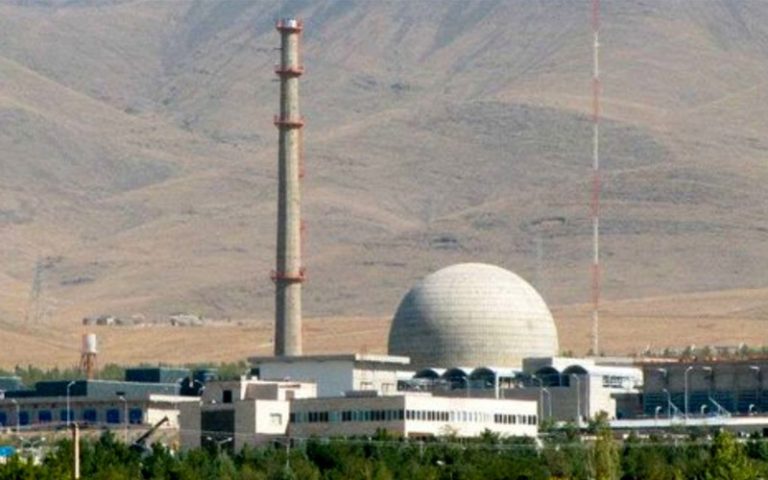
Iran’s regime is once again at the center of a dangerous escalation of the proliferation of nuclear weapons. A recent report by the International Atomic Energy Agency (IAEA) found traces of uranium particles that had been enriched to 83.7%, just shy of 90%, regarded as weapons-grade. This is while Tehran has constantly claimed that its nuclear program is for peaceful purposes. At the same time, it denies IAEA inspectors vital access to its nuclear facilities, to which it agreed in the 2015 nuclear deal with world powers, formally known as the Joint Comprehensive Plan of Action.

The alarming findings in Iran’s nuclear facilities have raised alarms among western politicians. In a recent statement, EU representatives expressed concern about “the presence of HEU particles containing up to 83.7” and said that the EU’s concerns “are exacerbated by the fact that Iran has modified the configuration of the centrifuges able to quickly produce highly enriched materials at levels considerably over 60%, without any credible civilian justification. This further undermines Iran’s argument that its nuclear program is for peaceful purposes only.”

As tension built and politicians and experts warned about the dangers of Iran’s nuclear activities, IAEA Director General Rafael Grossi made a trip to Tehran, during which Iranian officials assured him that they would adhere to their nuclear commitments. They also committed to restoring all access to UN inspectors including cameras used by the IAEA for surveillance of Iran’s nuclear sites. The meeting came ahead of an IAEA Board of Governors meeting.

However, in the past, the regime has made similar commitments only to backtrack and resume its provocative activities shortly after meeting with IAEA officials.

According to the JCPOA, Tehran had to cap its uranium enrichment at 3.67%. However, since 2021, Tehran has increased enrichment to 60%, inching its way toward weapons-grade uranium. It is also experimenting with advanced centrifuges, which will further accelerate its nuclear weapons capabilities. And the JCPOA did not prevent it from developing ballistic missiles that will allow it to launch nuclear warheads against its targets. According to many experts, the regime is a short jump away from obtaining enough fissile material for a nuclear bomb.

Multiple rounds of negotiations in Vienna and other venues to bring the regime back within compliance with the JCPOA. The West has tried many initiatives to prevent the Iranian regime from obtaining nuclear bombs. They all have two things in common: First, they have all failed to put a stop to the regime’s nuclear ambitions. And second, they were all based on appeasing the regime and providing it with concessions in hopes that the ruling mullahs would become good actors.

But time and again, the regime has proven that it will not negotiate in full faith. And even when it signs agreements, it exploits loopholes to continue making progress toward nuclear arms.

Now, with the regime being dangerously close to obtaining nuclear weapons, Western states must make tough decisions. Will they continue to try half-measures hoping that the regime will decide to finally act in good faith? Or will they finally embrace the reality that this regime will not back down from its nuclear ambitions and other nefarious activities without a strong political will and decisive actions to bring it to heel?

US Congress Expresses Support for Iranian People’s Quest for a Democratic, Secular Republic

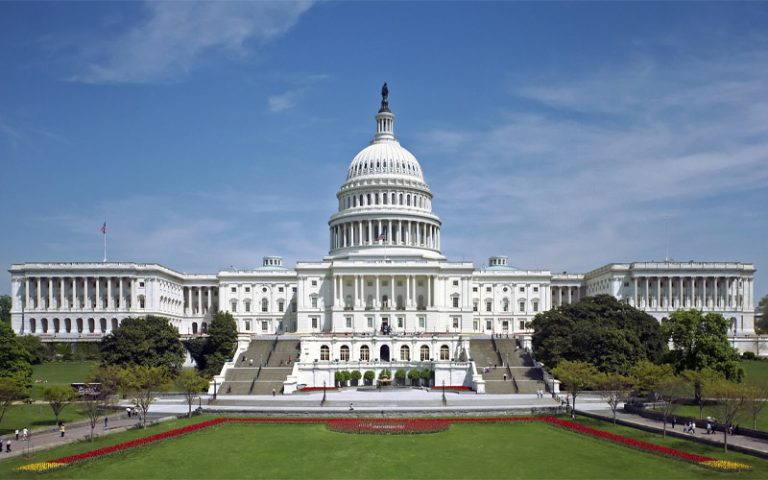
Several bipartisan members of the U.S. House of Representatives have presented a resolution (H. RES. 100) supporting the Iranian people in their desire for a democratic, secular, and non-nuclear Republic of Iran while condemning the Iranian government for violations of human rights and state-sponsored terrorism.

The resolution notes that beginning in 2017, the Iranian regime suppressed protests with the repressive force that resulted in at least 25 deaths and 4,000 arrests. It also acknowledges the November 2019 protests that spread to at least 100 cities throughout Iran, resulting in the deaths of about 1,500 people in less than two weeks, and thousands more were detained.

The current protests ignited in response to the death of Mahsa Amini, a 22-year-old Kurdish-Iranian woman who was arrested by the morality police enforcing Iran’s mandatory dress code laws. The protests, which are being led by women and youth, demand social freedom and political change. The protests reflect the more than four decades of organized resistance against the Iranian dictatorship, led most recently by women who have endured torture, sexual and gender-based violence, and death.

The resolution highlights that in several months of continuing protests in hundreds of cities throughout Iran, the regime’s security forces have killed hundreds and arrested tens of thousands of protesters, with some at risk of execution.

The Department of State’s 2021 Country Reports on Human Rights Practices cites that Iran’s “government and its agents reportedly committed arbitrary or unlawful killings, most common executions for crimes not meeting the international legal standard of ‘most serious crimes’ or for crimes committed by juvenile offenders, as well as executions after trials without due process.”

The resolution urges the Administration to work with United States partners and allies to condemn the ongoing human rights violations perpetrated by the Iranian regime and establish a mechanism by which the United Nations Security Council can monitor such violations.

It also notes that the United Nations Human Rights Council established a fact-finding mission to conduct an independent investigation into the ongoing deadly violence related to the protests in Iran that began on September 16, 2022, and that the United Nations Economic and Social Council (ECOSOC) adopted a resolution to expel Iran from the Commission on the Status of Women (CSW) for the remainder of its 4-year term ending in 2026.

The resolution also condemns the Iranian regime for arbitrarily and brutally suppressing ethnic and religious minorities, including Iranian Kurds, Baluchis, Arabs, Christians, Jews, Baha’is, Zoroastrians, and even Sunni Muslims, and depriving them of their basic human rights, and in many cases executing them. The Iranian people have been deprived of their fundamental freedoms and are rejecting monarchic dictatorship and religious tyranny, as evident in their protest slogans.

In conclusion, the resolution expresses support for the Iranian people’s desire for a democratic, secular, and non-nuclear Republic of Iran, while condemning the Iranian government for violations of human rights and state-sponsored terrorism. It calls on the international community to work to bring accountability to the Iranian government and provide support to the Iranian people in their quest for human rights and democratic governance.

Key characteristics of the H. RES. 100

  • Resolution 100 in the US Congress sponsored by a bipartisan House majority. The names of the signatories are listed on the official website of the US Congress.
  • 225 representatives of the American people supported the request of the Iranian people for a democratic republic.
  • Support for Mrs. Maryam Rajavi’s 10-point plan for the future of Iran.
  • Among the signatories, the names of some members of the leadership of both parties, the heads of 11 out of 20 committees, the heads of 60 sub-committees, and the 28 members of foreign committees are noticeable.
  • The support of the majority of the US House of Representatives for a resolution in the first 50 days of 118th Congress, 1st Session is unprecedented.

The resolution greatly angered the regime. Immediately, its official and unofficial representatives, including Raisi, its foreign minister Amir-Abdollahian, and the regime’s lobbyists, along with remnants of the monarchy, created an unprecedented mobilization to attack the sponsors of the resolution to withdraw their signatures and prevent other representatives from joining.

They bombarded the representatives’ offices with tens of thousands of emails, machine-generated letters, and fake documents, but they could not even deter and regret one representative from his/her decision. In contrast, in less than a month, the number of signatories to the resolution has exceeded 225 representatives.

Wave Of Poisoning Attacks Against Schools Leave Hundreds Sick

Iran has been shaken for three months by serial poisoning attacks against all-girls schools, which has left more than 1,000 children ill. While official media has reported the news since mid-December, the regime’s supreme leader Ali Khamenei has remained mostly silent. On Monday, he finally made his first remark on the issue, saying, “If the poisoning of the students is proven, its perpetrators must be punished.”

Khamenei also called for “seriously pursuing” this issue. Parallel to this, government entities have expressed their inability to identify the perpetrators of these gas attacks on schools in the past few months and have repeatedly said that they have not found “clear leads”. At the same time, there are ample signs and evidence that the regime’s agents organize the attacks.

The growing wave of attacks

The gas attacks on all-girls schools in Iran started in mid-December from Qom and gradually spread to different cities. It has also included the university dormitories of female students and some boys’ conservatories.

According to the semi-official ISNA news agency, on March 5, The vice-chancellor of Ahvaz University of Medical Sciences announced “the increase in the number of students who have been poisoned today in Khuzestan province to 700. Five hundred have been discharged, and 200 others are still cared for.”

On March 4 and 5, more than 33 cities in more than 17 provinces of Iran witnessed poisoning attacks against students. In some towns, hospital emergency rooms were overwhelmed with sick students.

The United Nations Human Rights Office in Geneva expressed concern over the publication of these reports on Friday, March 3, and called for a transparent investigation.

At the same time, reports and pictures published on social networks during the past few days show security forces and authorities beating parents who had gathered at schools to protest the attacks. But protest rallies against the regime are expanding in many cities, where parents, students, and concerned citizens are outraged by the regime’s role in the attacks.

“Public Hysteria”

Some government-linked media and officials have called the chain poisoning “mass hysteria” and have tried to downplay the situation. In an article on Monday, Kayhan newspaper republished parts of the reports from Tasnim and Fars news agencies linked to the IRGC, which claim that Iranian students were not poisoned but suffered from “public hysteria”.

According to Keyhan, “by heavily promoting news about poisoning attacks, the media and some social networks have created a sense of public fear or hysteria. Such news has caused some students to experience anxiety and psychological distress, which could lead to physical symptoms that mimic poisoning, even from usual everyday causes.”

As per a state-run television report, a school was reportedly closed due to the disruptive behavior of students who feigned illness from poisoning.

Yousef Nouri, the Minister of Education, claimed on March 5, “Now you see that they have worked on the issue in foreign media that this problem is due to social and psychological issues.”

Regime president Ebrahim Raisi considered these attacks on students a “conspiracy of the enemy”, and other officials attributed it to “external factors”.

At the same time, Kayhan newspaper, affiliated with Ali Khamenei’s office, called for “summons and interrogation” of the commentators about these serial poisonings.

An orchestrated act

But Shahriar Heydari, a member of the National Security and Foreign Policy Commission of the Majlis, admitted on Monday, March 6, that the poisoning attacks are “a completely organized act.”

“Its factors and elements are internal. Even if its origin is outside the border, which has yet to be proven, its executive capacity is domestic,” Heydari said.

On March 6, the Didban-e Iran website quoted Massoud Pezeshkian, a member of the Healthcare Commission of the Majlis, as saying, “How can the security system, which investigates, follows up and arrests in the shortest possible time if a problem occurs, not see this case?… The failure of the country’s security system to deal with the perpetrators is questionable and unacceptable.”

There are several reasons to believe the regime itself is behind the attacks.

First, it claims that its security and surveillance apparatus is capable of finding crime suspects with very high accuracy. During the nationwide protests in September 2022, the regime quickly provided security camera footage and other evidence to incriminate citizens and convict them of crimes. But since the poison attacks began, the administration has failed to produce evidence of the crime despite its heavy surveillance hardware nationwide.

Second, students and schoolgirls have been a thorn in the regime’s side since the protests began. While it deployed state security forces and Basij units to universities to suppress students, it could not do the same to high schools and elementary schools. And schoolchildren have continued to hold anti-regime protest rallies in the past months, chanting slogans against the regime and calling for overthrowing the mullahs’ rule. The poison attacks could thus give the government a tool to suppress the children and force parents to keep their children at home.

And finally, the scale of the attacks and their widespread nature and consistency could not be caused by rogue elements or terrorist groups. It needs orchestration and organization of a scale that could go unnoticed by security forces only if they were directly involved.

The poison attacks only indicate a desperate regime struggling against the continuous wave of protests calling for change.

Iranian Security Forces Beat Baluch Doctor To Death

On Thursday, February 23, activists in Sistan and Baluchestan provinces reported the news of the death of Dr. Ebrahim Rigi, 24, in Zahedan. Rigi was a physician who had been arrested during nationwide protests and had been recently released. Regime authorities announced his death as a result of “assault.” But according to activists, on the day of his death, he was arrested by the police for resuming his political activities and beaten to death at a police station.

Ebrahim Rigi was among the physicians who helped treat the injured after “Zahedan’s Bloody Friday”. On September 30, 2022, security forces opened fire on peaceful protesters who had rallied after the Friday prayers. At least a hundred people, including several children, were killed on this day. A few days later, on October 13, the police arrested Rigi at the Social Security Hospital in Zahedan.

According to Mr. Rigi’s relatives, he was charged with “Enmity against God, corruption on earth, and leading protests.” He was released on bail in December.

According to the local website report of  Sistan and Baluchestan, on Thursday, Mr. Rigi was arrested again on the evening of Wednesday, February 22. Just one hour later, forensic officers came to the police station, examined the body and observed that his clothes were torn, and declared the cause of death to be assault.

Activists say he was arrested again because he published an Instagram post in which he said that death and execution are no longer important to him.

According to the same source, “On February 22, around 4:30 PM, two agents arrested Ebrahim from the area of Karimpur Street and took him to the 12th police station in Bethat area. Ebrahim’s phone was switched off from the moment of his arrest and he was beaten. He died at the police station. The judge of the special homicide branch… and the judge on duty and the medical examiner confirmed that Ebrahim died as a result of a beating that took place inside the 12th police station.”

Ali Rahimi, deputy commander of the police force of Sistan and Baluchistan province, claimed, “This person was in a bad condition in the back seat of the car, and the police immediately intervened by seeing the inside of the car, they found an unconscious person in the car, and immediately informed the emergency services. After examining this person, named Ebrahim Rigi, the emergency staff at the scene announced that he had been dead for more than an hour.”

“Last night, some people with a car went to the door of the police station in 12th district of Zahedan and announced that they had arrested a person on 23 Karimpour street, identified as Ebrahim Rigi for whom the arrest warrant had already been issued by the judicial authority They brought him to the police,” Rahimi added.

In his last Instagram post, Dr. Ebrahim Rigi said:

“No Iranian or Baluch will forget September 30. The incident was as wide as the broken hearts of the bereaved mothers as wide as the broken hearts of the families of Khodnour, Mahsa Amini, and other victims. We all had many dreams in this land, and we might say to ourselves that we have died somewhere else, and this is our hell. Maybe so… I did not know that helping the wounded and criticizing the killing of our brothers and sisters is also a sin. In this land, however, I have complained to God against all those who have been involved in oppressing me. But my dears, know this, even my death, even my execution, was no longer important to me. Because I have died many times in this country, they made many suggestions for my departure from this land. They sent me messages from all over the world, but I will not leave my city and Makki.”

A handwriting by Ebrahim Rigi that seems to be from the time he was in Zahedan prison:

“You scare us from beheading, if we were afraid of, we wouldn’t dance in the lovers’ circle.”