The Iran Human Rights Center reported that the death sentence of Mohammad Javad Vafaei Sani, a thirty-year-old boxer and political prisoner held in Vakilabad Prison in Mashhad, was once again upheld by the country’s Supreme Court after his request for a retrial was rejected.
Announcing this news, the Iran Human Rights Center wrote that the rejection of Vafaei Sani’s retrial request had been formally communicated to him.
Quoting an informed source, this human rights website wrote: “After this notification, in a call from the prison, Vafaei Sani’s family was informed that his case had been sent to the Mashhad Office for the Enforcement of Sentences. The mother of this political prisoner was unexpectedly granted permission for an in-person visit.”
The informed source added: “Taken together, these developments, along with the final confirmation of the sentence and the transfer of the case to the enforcement office, indicate that this political prisoner’s situation has reached a worrying stage.”
Earlier, on November 27, Vitali Klitschko, the mayor of Kyiv and a former world boxing champion, had called in a letter for the halt of the execution of this political prisoner.
On November 6, a group of well-known foreign and Iranian athletes, in a joint statement addressed to the United Nations, international sports federations, and governments, warned of the imminent execution of Vafaei Sani and called for saving the athlete’s life.
Vafaei Sani’s death sentence had previously been overturned twice by the Supreme Court, but in recent months it was upheld by Branch Nine of the court.
Following this decision, his defense attorney, Babak Paknia, submitted another request for a retrial, which according to HRANA, a human rights news agency, was ultimately rejected.
On December 7, Paknia wrote on the social media platform X: “Given the finality of the verdict, we will use all our efforts to obtain approval for a renewed review in the Supreme Court, and these efforts will not stop; from the bottom of my heart and with full conviction, I say that this young man deserves a second chance at life.”
Security forces of the Iranian regime arrested Vafaei Sani in March 2020 following the bloody November protests in Mashhad and transferred him to Vakilabad Prison.
This protesting citizen was sentenced to death about two years later, in January 2022, by the Mashhad Revolutionary Court on the charge of “corruption on earth through arson and destruction of public property.”
At present, in addition to prisoners convicted of ordinary crimes who are executed daily in Iran’s prisons, about 70 prisoners across the country are facing confirmation or implementation of death sentences on political charges.
Additionally, more than 100 other individuals face the risk of receiving death sentences on similar charges, among whom 18 people have been sentenced to death for alleged cooperation with the People’s Mojahedin Organization of Iran, the largest opposition group.
Milad Doosti, deputy of the Iranian regime’s Company for Construction and Development of Transportation Infrastructures, said that following the increase in highway tolls in Iran, the rate of increase for heavy vehicles has been set between 80% and 100%, while for passenger cars it has been capped at around 50%.
State-run Fars News Agency, on Wednesday, December 17, citing Doosti’s remarks and a report by the construction and development company, wrote that tolls on the Tehran–North highway have increased by about 43%, while tolls on the Pardis highway have risen by about 51%.
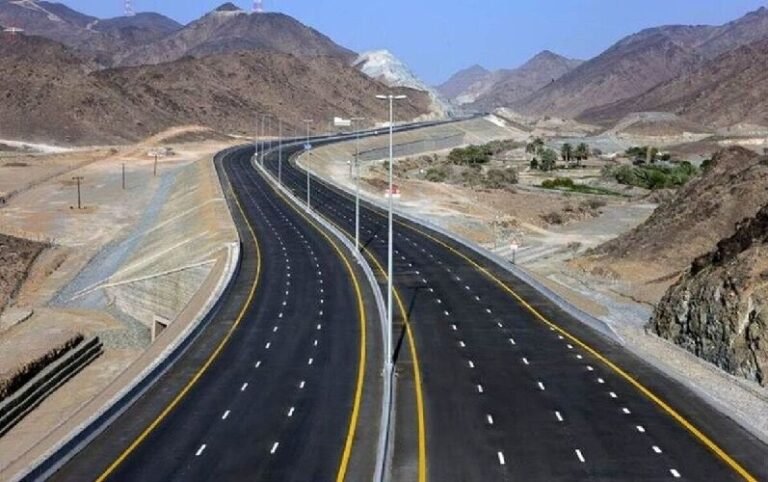
The Tehran–North highway, as one of the country’s main transportation routes, plays an important role in travel between the capital and the northern provinces.
The new toll rates on this route are being implemented while many Iranian families use this highway for their trips, a factor that has doubled concerns over rising travel costs.
According to Fars, the Pol-e Zal–Andimeshk, Andimeshk–Khorramabad, and Khorramabad–Borujerd highways have also seen changes in toll rates, and the Lake Urmia causeway is among the routes whose tolls are now calculated at the new rates.
The state-run news agency added that some reports claiming a 120% increase in tolls on 10 highways across the country are not accurate.
While a 120% increase is being denied, the currently announced figures are already burdensome and worrying for many citizens, especially at a time when income levels do not keep pace with rising costs.
Critics say that even this level of change in tolls, without considering the economic pressure on households and transportation sector workers, reflects the continuation of policies whose main burden falls on the public, with no sign of fundamental reforms or effective accountability by responsible institutions.
Earlier, in Aban, Doosti had announced that “according to the law,” the average highway tolls had increased in the range of 37% to 43%, but on some highways that had not seen any rate changes in recent years, the increase had reached as high as 60%.
In an effort to justify the sharp rise in toll prices, he said the increase “could have been higher than this, but the government and the Ministry of Roads and Urban Development tried to keep it at a level that would not put pressure on the people while also improving service quality.”
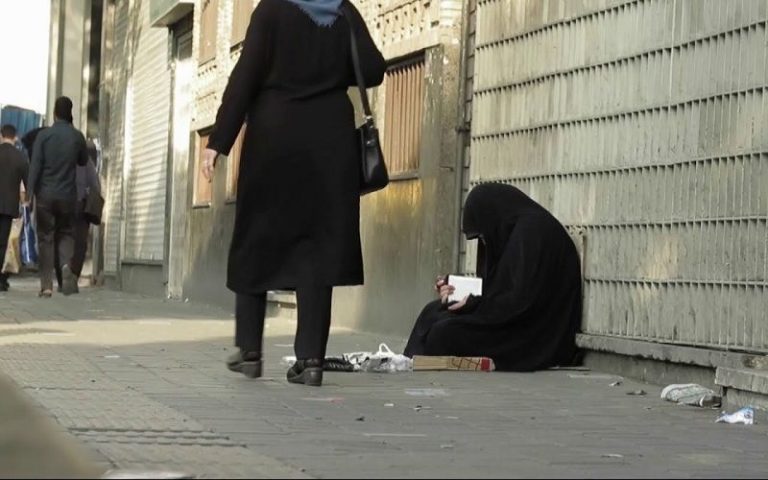
In recent months, the deepening economic crisis, runaway inflation, and repeated record highs in foreign currency exchange rates have placed unprecedented pressure on people’s livelihoods.
At the same time, the government, unable to control these conditions, has shifted the costs of the crisis in various areas, including gasoline, onto citizens.
Previously, numerous reports had also been published about the increasing share borne by the public in paying healthcare costs.
Iran’s rial continues to fall and has reached the lowest level in its historical record. As a result, the U.S. dollar exchange rate in the open market has surpassed 1.32 million rials.
This sharp decline comes less than two weeks after the rial crossed the 1.2 million thresholds against the dollar for the first time, a trend that has accelerated under the pressure of sanctions and escalating regional tensions.
In a report, the Associated Press news agency addressed the unprecedented decline in the value of Iran’s national currency, writing that currency traders in Tehran on Thursday, December 18, quoted rates higher than 1,320,000 rials per dollar, indicating the rapid pace of the rial’s depreciation since December 3, the date when it reached a historic record.
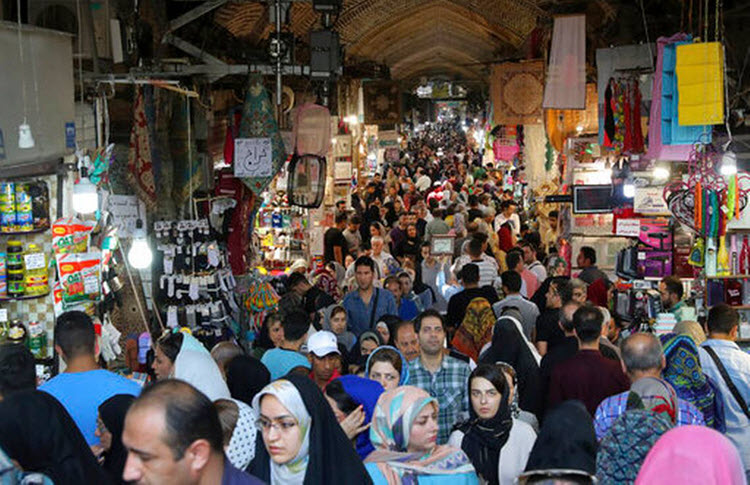
The rapid decline of the rial has intensified inflationary pressures and fueled higher prices for food and essential daily goods, a trend that economists warn could worsen following recent changes in gasoline prices.
Iran’s government introduced a new price cap for gasoline on Saturday, marking the first major change to the fuel pricing system since 2019, the year when gasoline price hikes sparked nationwide protests that were reportedly met with a crackdown leaving more than 1,500 people dead.
Under the new system, drivers still receive 60 liters of gasoline per month at the subsidized price of 15,000 rials and another 100 liters at a rate of 30,000 rials, but consumption beyond this quota is now calculated at a price more than three times the initial subsidized rate. Although gasoline in Iran remains among the cheapest in the world, experts warn that this change, amid the rapid collapse of the rial, could further drive up prices. It should be noted, however, that the base salary of a person with two children is around 115 dollars per month, which is also among the lowest rates in the world.
Diplomatic deadlock and the shadow of renewed conflict
The collapse of the rial has coincided with the halt of efforts to revive negotiations between Tehran and Washington over Iran’s nuclear program. At the same time, concerns persist about the possibility of renewed conflict following the 12-day war in June between Iran and Israel.
Many Iranian citizens are worried about the expansion of tensions and the potential involvement of the United States in a larger confrontation, a factor that analysts say has fueled greater uncertainty in the markets.
Sanctions and the historic collapse of the national currency
Iran’s economy has been under international sanctions for years, especially after Donald Trump withdrew from the 2015 nuclear agreement in 2018. At the time the deal was implemented, which led to the lifting of some sanctions in exchange for strict limits on uranium enrichment, the dollar rate was around 32,000 rials.
With Trump’s return to the White House for a second presidential term in January, his administration revived the “maximum pressure” policy and imposed broader sanctions on Iran’s financial sector and energy exports. U.S. officials have said that Washington has once again targeted companies involved in Iran’s oil trade, including discounted sales to Chinese buyers.
Pressure also increased in late September, when the United Nations Security Council used the so-called “snapback” mechanism to reimpose sanctions related to Iran’s nuclear program. Although U.S. sanctions against Iran had already been in place, the psychological impact of the reactivation of UN sanctions has had significant economic consequences for Iran and its national currency.
Economists warn that the continued fall of the rial could create a vicious cycle of rising prices and declining purchasing power, particularly for essential goods such as meat and rice that play a key role in Iranian households’ food baskets. For many people, the rial reaching this new record is a sign of how distant any economic relief remains amid ongoing diplomatic deadlock and intensified sanctions.
The continuous rise in food prices in recent months has not only placed growing pressure on households’ cost-of-living baskets and their limited monthly budgets but has also raised experts’ concerns about emerging signs of potential hyperinflation in Iran.
Official data released by the Central Bank of the Iranian regime show that Iran’s economy has faced an average annual inflation rate of 43% over the past eight years. It should be noted that these figures are provided by the regime’s own domestic institutions, which attempt to portray conditions more favorably than reality.
Calculating the cumulative increase in the general price level based on inflation rates over the past eight years shows that average prices of goods and services have risen by slightly more than 17 times, while the purchasing power of money has declined by 94%.
Meanwhile, over the same period—from March 2018 to mid-December 2025—the dollar exchange rate rose from 47,730 rials to 1,300,000 rials, increasing by just over 27 times. As a result, the surge in the dollar’s value has been about 60% higher than the rise in inflation.
Unprecedented Pressure on Household Livelihoods
A comparison of commonly consumed food items by Iranian households shows that food price increases have exceeded even the 17-fold rise in the general price level, placing heavier pressure on household consumption. An examination of 20 selected food items between spring 2018 and autumn 2025 indicates that their prices, based on averages reported by the Statistical Center of Iran, have increased by an average of 20 times.
What Awaits the Economy Eight Years From Now?
If this trend continues and prices rise in the same way as over the past eight years, what should be expected?
Since inflation in Iran has experienced significant volatility over the past four decades, making precise forecasts is very difficult. However, by using average annual growth and the overall inflation trend, an approximate projection can be made based on the continuation of a linear trend.
In this simple linear model, the average growth rate of inflation over the past eight years is estimated at 3.23%, indicating an inflation rate of about 52.5% in 2033.
In other words, purchasing power over this period would decline by about 94%. For example, if in 2025 one could buy roughly 400 grams of ordinary Iranian rice with 1,000,000 rials, in 2033 that same amount of money would buy only about 23 grams—an amount effectively less than a small handful, clearly illustrating the potential emergence of hyperinflation in Iran’s economy.
The Future of the Dollar Exchange Rate
If the trend of the past eight years continues, the dollar exchange rate could rise another 27.25 times, which would place it at around 35 million rials in 2033.
If, in addition to high inflation, issues such as the government’s growing budget deficit, political risk, sanctions, restrictions on currency transfers, capital flight, and declining foreign investment remain unresolved, the exchange rate will continue to rise much faster than overall inflation, leading to an even sharper collapse in the rial’s purchasing power against the dollar.
Why Hyperinflation Is Likely in Iran
The reasons behind the likelihood of hyperinflation in Iran’s economy can be traced to the following factors:
Budget deficits and monetary policies: Due to poor financial management and the printing of money without backing, inflation has become a chronic and long-term phenomenon.
Sanctions and political tensions: Escalation in foreign policy tensions, economic sanctions, and international restrictions have had a severe impact on inflation and have sharply driven up the exchange rate.
Inflationary expectations: Negative expectations among the public and economic actors about the future have pushed investments toward the dollar and non-rial assets. For example, over the past eight years, the price of a full gold coin—driven by inflationary expectations, the collapse of the rial, and rising global gold prices as a safe haven—has risen from 18,000,000 rials to 1,400,000,000 rials, increasing by more than 77 times.
Therefore, if the current trajectory continues, the general price level will rise astronomically. Under such conditions, wages and savings will no longer be sufficient to cover basic daily needs. In the event of hyperinflation, not only will purchasing power collapse and the middle class fall into poverty, but the formal economy will also stagnate, markets will face persistent instability, investment will decline, and the economy will enter a period of deep financial crisis.
The US Office of Foreign Assets Control (OFAC), a sanctions enforcement body under the US Treasury Department, announced that the American cryptocurrency company Exodus was ordered to pay more than 3 million dollars in fines for providing services to customers in Iran.
According to this US Treasury Department body, Exodus violated US sanctions by helping users in Iran access third-party exchanges and by recommending the use of VPNs to conceal their geographic location.
The Office of Foreign Assets Control (OFAC) of the US Treasury Department announced in a detailed statement on Tuesday, December 16, that it had reached a settlement with Exodus Movement, Inc. for the payment of 3,103,360 dollars to resolve the company’s potential civil liability for 254 violations of Iran-related sanctions.
Exodus is a financial technology company incorporated in Delaware and headquartered in Omaha, Nebraska. Since 2016, it has offered the free Exodus Wallet software, which allows users to conduct transactions across various blockchains and use the services of partner digital exchanges, without the company itself holding customers’ digital assets or directly processing transactions.
According to the Office of Foreign Assets Control of the US Treasury Department, between October 17, 2017, and January 4, 2019, Exodus’s customer service unit provided technical and support services in 254 instances to users who identified themselves as “residents of Iran.”
Based on the statement, this assistance effectively enabled these users to continue using the Exodus wallet or the services of its partner exchanges.
The US Treasury Department statement said that in numerous cases, support staff—just as they did with other users—also suggested the use of VPNs to Iranian users. In several instances where users explicitly asked about the impact of US sanctions on their use of Exodus, support services were not discontinued.
This is despite the fact that Exodus had stated in its terms of service that the use of its services is prohibited in sanctioned countries, including Iran.
However, according to the US Treasury Department, this prohibition was not properly implemented through training and operational controls.
The issue became more sensitive when one of Exodus’s partner exchanges, referred to as Exchange A, announced in April 2018 that it would block access for users based in Iran in order to comply with US laws.
Iranian users who connected to this exchange through the Exodus wallet encountered errors, and support requests increased. By May 2018, Exodus managers and staff knew that the reason for the blockage was the exchange’s compliance with US sanctions against Iran. Despite this awareness, they continued responding to Iranian users and, in 12 specific cases, knowingly recommended that they use VPNs to conceal their location so the exchange could not detect that they were in Iran.
The Office of Foreign Assets Control of the US Treasury Department assessed these 12 cases as “egregious” and involving assistance in circumventing sanctions controls.
In one example of correspondence cited by the Office of Foreign Assets Control of the US Treasury Department, an Exodus support representative wrote to an Iranian user on May 20, 2018, that the partner exchange had blocked Iran due to compliance with US laws, but also stated in the same response that some Iranian customers had reported they were still able to trade using VPNs.
In another case on May 23 and 24, 2018, the user was first told that trading was not possible due to sanctions, and the next day the same representative recommended changing the IP address via a VPN so that the exchange would not realize the user was in Iran.
The Office of Foreign Assets Control of the US Treasury Department described this behavior not merely as a technical error, but as a deliberate action to undermine sanctions controls.
A law firm in the US state of Texas has filed a lawsuit against Texas Instruments, AMD, and Intel, accusing these companies of illegally exporting electronic components—parts that, according to the plaintiffs, were used in drones and missiles deployed by Russia and Iran against Ukrainian civilians.
The news website Wattstrialfirm wrote in a report that according to the text of the complaint filed in a Texas state court, the American companies Texas Instruments, AMD, and Intel are accused of failing to prevent their chips and microprocessors from being transferred to Russian and Iranian weapons systems.
According to the outlet, the plaintiffs—who are victims of drone and missile attacks—said they have lost family members or suffered severe physical and psychological injuries.
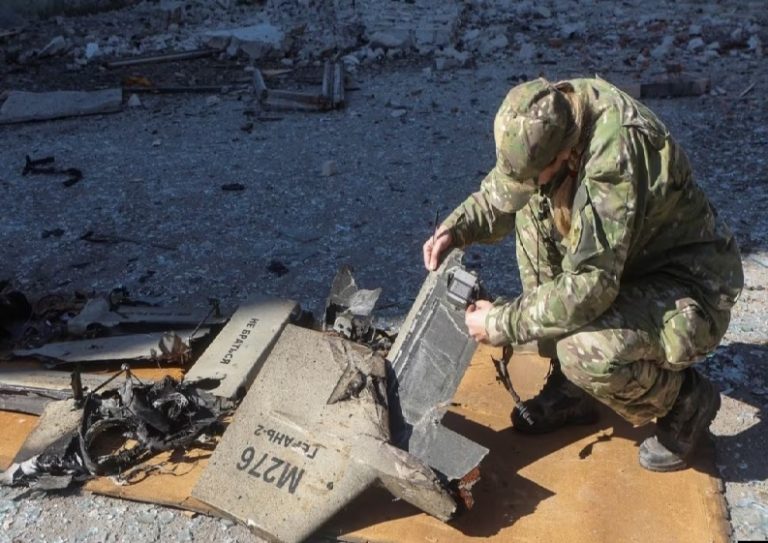
The lawsuit states that these components, including those used in Shahed drones, were employed in areas such as flight control systems, navigation, and counter-jamming, and played an effective role in attacks on residential areas and Ukraine’s energy infrastructure.
The local newspaper Glos Wielkopolski reported on September 13 that the Polish company “WSK Poznan” sold components to Iran that were used in the production of Shahed-136 suicide drones—drones that were recently used in Russian attacks against Poland.
The case was first exposed by an investigative journalist from Radio “ZET.” He reported that fuel pumps exported directly from the Polish factory ultimately ended up in the production line of Iranian drones.
Efforts to prevent the transfer of sensitive technologies
The plaintiffs’ lawyers said that despite repeated warnings from government bodies, media reports, and independent investigations, these companies continued selling their products through channels that posed the risk of transfer to Russia, Iran, and China.
According to the report, the filed lawsuit has four main pillars: negligence, violation of US export control laws, gross negligence, and wrongful death.
The complaint emphasizes that US export control laws and executive orders issued by former and current presidents were enacted precisely to prevent sensitive technologies from reaching hostile actors, and that violations of these laws have directly led to the killing of civilians.
The US Department of Justice announced on September 12 that it had filed a complaint to seize approximately 584,000 dollars in Tether cryptocurrency linked to Mohammad Abedini Najafabadi, a 39-year-old Iranian national and CEO of the company “Sanat Danesh Rahpouyan Aflak,” due to his role in connection with the IRGC’s drone program.
US prosecutors in Massachusetts stated that the Iranian company produced “Sepehr” navigation systems for the Islamic Revolutionary Guard Corps and that this technology was used in drones and guided missiles.
Seventy percent of Russian drone components are American-made
The lawsuit also refers to reports published by institutions such as the United States Institute of Peace, the PBS network, the Kyiv School of Economics, and the Institute for Science and International Security, showing that a large portion of the components found in Russian drones and missiles were manufactured by American companies.
One of these reports states that about 70% of the components identified in Russian drones were supplied by American companies.
The plaintiffs said that despite being aware of the risk of misuse of their products, these companies failed to adopt effective measures to control their supply chains and continued cooperating with high-risk distributors.
They are seeking compensation as well as punitive rulings, which they say are intended to prevent the recurrence of such cases in the future.
Following Russia’s military invasion of Ukraine in February 2022, “Shahed” suicide drones manufactured by Iran’s regime have played a prominent role in the war.
Russian forces have deployed thousands of these drones—also known by local names such as “Geran-2”—to carry out repeated attacks on Ukraine’s energy infrastructure, urban areas, and military targets, aiming to strain the country’s air defense systems and intensify the burden of war, a move that has drawn criticism from Kyiv and the West and led to sanctions and calls for international investigations.
The life of political prisoner and national boxing champion Mohammad Javad Vafaei Sani is in grave danger following a series of alarming developments in Mashhad’s Vakilabad Prison. On December 15, 2025, authorities notified the 30-year-old athlete that the regime’s Supreme Court had rejected his request for a retrial. In a move that typically signals the final administrative step before a state-sanctioned murder, prison officials informed his mother during a phone call that his death sentence has been forwarded to the department for the implementation of sentences.
The urgency of the situation was underscored when Vafaei’s mother was unexpectedly granted an in-person visit with her son on the same day. These bureaucratic maneuvers follow a week of intensified pressure; on December 6, 2025, Vafaei was transferred to solitary confinement, and all communication lines to the prison were severed. These actions are widely interpreted as a clear and final prelude to his execution.
A travesty of justice controlled by intelligence services
Vafaei’s case stands as a stark example of how the Iranian judiciary functions not as an impartial arbiter of law, but as a repressive arm of the security apparatus. A boxing champion and coach in Mashhad, Vafaei was arrested in January 2020 following nationwide protests. He was subjected to 65 days of intense physical and psychological torture aimed at extracting forced confessions regarding his support for the People’s Mojahedin Organization of Iran (PMOI/MEK).
The legal proceedings against him have been riddled with such blatant flaws that even the regime’s own Supreme Court was compelled to overturn his death sentence on two separate occasions—first in late 2022 and again in mid-2024. However, demonstrating the judiciary’s subservience to the Ministry of Intelligence, the sentence has now been upheld again. Vafaei’s lawyer has publicly attributed this reversal to the “interference of third parties,” a euphemism for the security services’ insistence on securing a political execution regardless of the lack of legal merit.
Psychological torture and systematic cruelty
The regime’s vindictiveness extends beyond the prison walls, targeting the families of political prisoners in a campaign of psychological warfare. Vafaei was consistently denied medical leave and was cruelly barred from attending the funeral of his father, Mr. Seyed Ali Vafaei, who passed away in November 2024. His father’s health had deteriorated rapidly due to the immense grief caused by the confirmation of his son’s death sentence.
This inhumanity is systemic. On August 29, 2025, Mr. Valiollah Daneshvar Kar, who had campaigned on the streets for his imprisoned son Shahrokh despite his own illness, passed away. Shahrokh was denied permission to attend the funeral. Similarly, in January 2025, Khamenei’s henchmen prevented political prisoner Marzieh Farsi from attending the funeral of her mother, Mrs. Khadijeh Farsi.
A broader campaign of terror
The push to execute Vafaei is not an isolated incident but part of a systematic campaign to intimidate a society on the verge of change. He is one of at least 18 political prisoners currently on death row for their support of the PMOI. This list includes his own cousin, Mehdi Vafaei, who faces fabricated capital charges.
This escalation follows the July execution of PMOI members Mehdi Hassani and Behrouz Ehsani. Regime officials are increasingly hinting at repeating the “successful experience” of the 1988 massacre, during which over 30,000 political prisoners were executed, as a model for dealing with current dissent.
The Iranian Resistance has called on the United Nations, the European Union, and all human rights defenders to take urgent, concrete action. Mere condemnation is insufficient to stop a regime that views execution as a necessary tool for survival.
Iranian Boxing Champion Mohammad Javad Vafaei Faces Imminent Execution as Regime Accelerates Crackdown
The political prisoner and national athlete is at risk of execution following intensified repression by Iranian authorities, raising urgent international human rights concerns.
The life of political prisoner and national boxing champion Mohammad Javad Vafaei Sani is in grave danger following a series of alarming developments in Mashhad’s Vakilabad Prison. On December 15, 2025, authorities notified the 30-year-old athlete that the regime’s Supreme Court had rejected his request for a retrial. In a move that typically signals the final administrative step before a state-sanctioned murder, prison officials informed his mother during a phone call that his death sentence has been forwarded to the department for the implementation of sentences.
The urgency of the situation was underscored when Vafaei’s mother was unexpectedly granted an in-person visit with her son on the same day. These bureaucratic maneuvers follow a week of intensified pressure; on December 6, 2025, Vafaei was transferred to solitary confinement, and all communication lines to the prison were severed. These actions are widely interpreted as a clear and final prelude to his execution.
A Travesty of Justice Controlled by Intelligence Services
Vafaei’s case stands as a stark example of how the Iranian judiciary functions not as an impartial arbiter of law, but as a repressive arm of the security apparatus. A boxing champion and coach in Mashhad, Vafaei was arrested in January 2020 following nationwide protests. He was subjected to 65 days of intense physical and psychological torture aimed at extracting forced confessions regarding his support for the People’s Mojahedin Organization of Iran (PMOI/MEK).
The legal proceedings against him have been riddled with such blatant flaws that even the regime’s own Supreme Court was compelled to overturn his death sentence on two separate occasions—first in late 2022 and again in mid-2024. However, demonstrating the judiciary’s subservience to the Ministry of Intelligence, the sentence has now been upheld again. Vafaei’s lawyer has publicly attributed this reversal to the “interference of third parties,” a euphemism for the security services’ insistence on securing a political execution regardless of the lack of legal merit.
Psychological Torture and Systematic Cruelty
The regime’s vindictiveness extends beyond the prison walls, targeting the families of political prisoners in a campaign of psychological warfare. Vafaei was consistently denied medical leave and was cruelly barred from attending the funeral of his father, Mr. Seyed Ali Vafaei, who passed away in November 2024. His father’s health had deteriorated rapidly due to the immense grief caused by the confirmation of his son’s death sentence.
This inhumanity is systemic. On August 29, 2025, Mr. Valiollah Daneshvar Kar, who had campaigned on the streets for his imprisoned son Shahrokh despite his own illness, passed away. Shahrokh was denied permission to attend the funeral. Similarly, in January 2025, Khamenei’s henchmen prevented political prisoner Marzieh Farsi from attending the funeral of her mother, Mrs. Khadijeh Farsi.
A Broader Campaign of Terror
The push to execute Vafaei is not an isolated incident but part of a systematic campaign to intimidate a society on the verge of change. He is one of at least 18 political prisoners currently on death row for their support of the PMOI. This list includes his own cousin, Mehdi Vafaei, who faces fabricated capital charges.
This escalation follows the July execution of PMOI members Mehdi Hassani and Behrouz Ehsani. Regime officials are increasingly hinting at repeating the “successful experience” of the 1988 massacre, during which over 30,000 political prisoners were executed, as a model for dealing with current dissent.
The Iranian Resistance has called on the United Nations, the European Union, and all human rights defenders to take urgent, concrete action. Mere condemnation is insufficient to stop a regime that views execution as a necessary tool for survival.
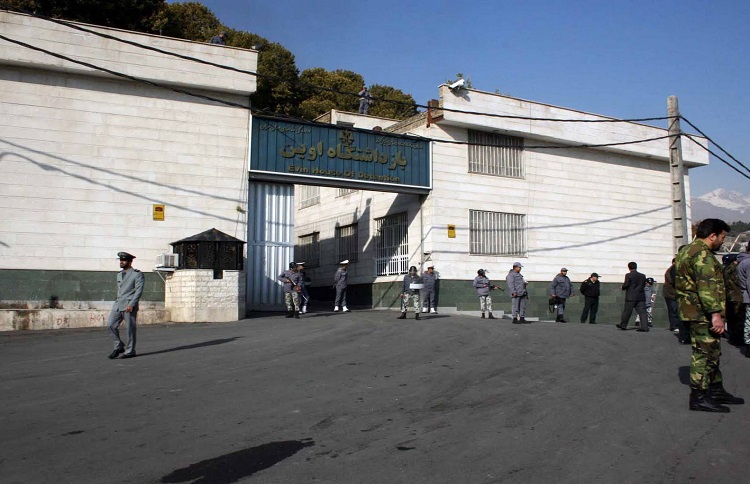
Women political prisoners held in the women’s ward of Evin Prison are spending late autumn 2025 under conditions that, according to received reports, involve widespread deprivation of the most basic sanitary, welfare, and medical facilities. This alarming situation continues while repeated warnings by prisoners and their families have so far been met with no effective or lasting action by prison authorities.
In the early hours of October 9, dozens of women political prisoners were transferred from Qarchak Prison in Varamin to the women’s ward of Evin Prison. This transfer, which was initially carried out with promises of improved conditions, has in practice led to an intensification of problems and additional pressure on these prisoners. According to informed sources, conditions in the women’s ward of Evin Prison are not only no better than Qarchak, but in some cases are reported to be far worse.
Severe contamination in the women’s ward; rats and vermin
According to available information, around 60 women political prisoners are currently being held in the women’s ward of Evin Prison. Prisoners say that the corridors and rooms of the ward are severely contaminated and that the widespread presence of rats and vermin has become a permanent problem. According to them, the number of rats in the ward has reached about 100 and continues to increase.
Despite these conditions, no effective measures such as pest control, cleaning, or improvements to sanitary conditions have been taken by prison authorities. This negligence has increased the risk of infectious disease outbreaks and serious physical harm to prisoners.
Permanent locking of wards and severe restrictions on outdoor time
Another serious problem faced by women political prisoners is the severe restriction on movement and access to outdoor time. Reports indicate that ward doors are often kept continuously locked, confining prisoners to enclosed spaces for long hours. This situation, especially for elderly and ill prisoners, has serious physical and psychological consequences and has exacerbated their chronic illnesses.
Deprivation of medical care and medical transfers
Women political prisoners in the women’s ward of Evin Prison are also deprived of minimum medical services. Access to specialist doctors, essential medications, and transfers to hospitals outside prison has been severely restricted, and in many cases prisoners’ medical requests are ignored. This deprivation places the lives of prisoners suffering from serious illnesses at direct risk.
Critical situation of elderly and ill women
The harsh conditions in the women’s ward of Evin Prison are reported to be far more severe for elderly and ill prisoners. These individuals endure difficult days without access to specialized medical care or supportive facilities, a situation that has greatly heightened the concerns of families and human rights activists.
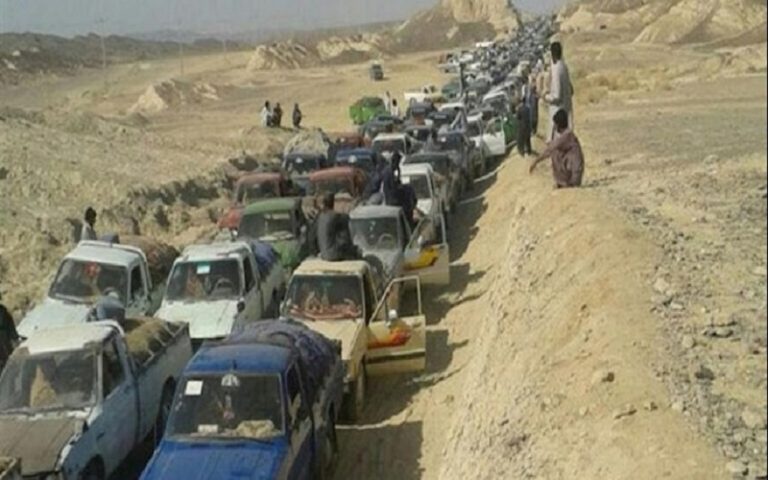
According to media reports, over the past nearly nine months, at least 66 fuel porters have lost their lives in road accidents in Iran. A large portion of these fatalities occurred on roads in the southern part of Sistan and Baluchestan province.
The state-run Ham-Mihan newspaper reported in its Sunday, December 14 issue that from the beginning of Persian months of Farvardin until mid-Azar of the current year (from March 20 to early December), the identities and deaths of 62 fuel porters on roads in southern Sistan and Baluchestan were recorded, nine of whom were teenagers.
According to Ham-Mihan, these figures do not include fuel porters traveling on roads in southern Kerman, Minab, Hormozgan, Bandar Abbas, and other roads in southeastern Iranian provinces, and when these cases are included, the death toll in less than nine months reaches at least 66 people.
Ham-Mihan cited “widespread school dropout” in Sistan and Baluchestan province as one of the factors contributing to the spread of fuel portering, writing that in some villages, teenagers enter fuel portering from the ages of 12 to 14.
Citizens in Baluch-populated regions of Iran have for years been forced into fuel portering due to the collapse of agriculture, economic poverty, widespread unemployment, and the lack of job opportunities. This is a high-risk occupation that exposes them to shootings, chases, and deadly road accidents.
The state-run Mehr news agency wrote on December 7 that following a collision between a fuel-carrying vehicle and a passenger car on a road in Kerman, 13 members of a fuel-porter family lost their lives.
Danesh Dadollahzehi, a secretary and social activist in Iranshahr, told Ham-Mihan newspaper that the primary reason children, teenagers, and young people turn to fuel portering is that the job is very accessible to them and the fuel price difference between Iran and Pakistan is very large.
He continued by saying that one of the main problems is the devaluation of the national currency: “That child who does fuel portering says, I spend one week, prepare a load of diesel, and earn 200 million rials. Some people take the load directly to the border, and others transport it over shorter distances and deliver it to depots.”
The social activist added: “Whereas a civil servant with a master’s degree and an official job, with experience like mine—19 years—earns about 250 million rials (approximately 195 dollars). That child says if I become a clerk or laborer, I will earn 190 to 200 million rials per month (approximately 150 to 156 dollars), while on the other hand I can earn 800 to 1,000 million rials per month (approximately 625 to 780 dollars); for this reason, he accepts that risk.”
Ham-Mihan also pointed to the dangers posed by fuel-carrying vehicles for other citizens and reported accidents in which, in addition to fuel porters, occupants of other vehicles have also lost their lives.
On November 9 as well, following a collision and fire involving two fuel-carrying vehicles on the Sarbaz–Mehrestan route, at least four Baluch citizens, including one teenager, lost their lives.
The Baluch Activists Campaign reported in March 2025 that over the past seven years, at least 1,010 fuel porters in Baluch-populated areas of Iran have been killed or injured as a result of shootings by military forces or their pursuits.
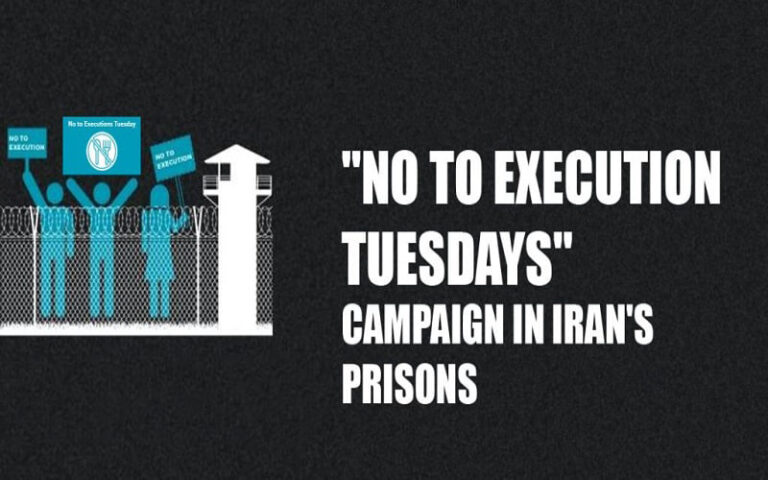
The ninety-ninth week of the “No To Executions Tuesdays” campaign continues with hunger strikes by prisoners in 55 different prisons across Iran. In this week’s statement, the “No To Executions Tuesdays” campaign, referring to the rising number of executions, states:
“The oppressive government ruling Iran has intensified the pace of executions over the past week and has executed at least 67 individuals, and since November 22 it has sent nearly 271 people to the gallows.
“These executions are carried out without fair trials, without effective access to independent lawyers, and in media silence; a process that indicates the institutionalization of execution as a tool of political and social repression.”
The full text of the statement for the ninety-ninth week of the “No To Executions Tuesdays” campaign is as follows:
Continuation of the “No To Executions Tuesdays” campaign in its ninety-ninth week in 55 different prisons
This week, the “No To Executions Tuesdays” campaign coincides with the International Day of “Reconciliation,” a day that globally symbolizes an end to violence. But in Iran, the authoritarian Iranian regime continues at a terrifying pace to replace justice and dialogue with the noose.
Reconciliation is not possible without truth and justice, and execution negates justice and absolutely denies any possibility of social reconciliation.
This campaign has now continued for ninety-nine tireless weeks in 55 prisons across the country; a collective effort from inside prisons to defend the “right to life” and confront the policy of death.
The oppressive government ruling Iran has intensified executions over the past week and has executed at least 67 individuals, and since November 22 it has sent nearly 271 people to the gallows.
These executions are carried out without fair trials, without effective access to independent lawyers, and in media silence; a process that demonstrates the institutionalization of execution as a tool of political and social repression.
This week, Ramin Zelleh, a political prisoner held in Naqadeh Prison, was sentenced to death by Branch One of the Revolutionary Court in Mahabad on the charge of “baghi” (armed rebellion against the state).
Also in the past week, the death sentences of six political prisoners held in Ghezel Hesar Prison and members of the “No To Executions Tuesdays” campaign—Babak Alipour, Pouya Ghobadi, Vahid Bani Amerian, Akbar (Shahrokh) Daneshvar Kar, Mohammad Taghavi, and Abolhassan Montazer—were once again issued by Branch 26 of the Tehran Revolutionary Court.
Ehsan Rostami, a well-known activist in the field of books and publishing, was charged with “baghi” on December 11 and transferred to solitary confinement in Evin Prison; a move that increases the risk of intensified pressure and the issuance of a death sentence.
Continuing these repressions, the Iranian regime arrested a number of participants at the memorial ceremony for the late Khosrow Alikordi. This action is a continuation of the same policy of elimination and intimidation of society.
While condemning these repressions and the rapid executions carried out by the execution-oriented ruling authorities, the “No To Executions Tuesdays” campaign calls on the honorable people of Iran, awakened consciences, and international human rights organizations to be the voice of prisoners sentenced to death, to republish and follow up on their cases, and to provide practical and media support to their families.
In the ninety-ninth week, the “No To Executions Tuesdays” campaign participants are on hunger strike on Tuesday, December 16, in 55 prisons across Iran.