Home Blog Page 9

Inflation in Iran and the Limits of What an Agreement with the United States Can Achieve

A sick political system inevitably produces a sick economy. In an absolute dictatorship where political and social freedoms are suppressed, independent institutions have been dismantled, the rule of law has been replaced by the will of those in power, and the country’s resources are directed towards preserving political rule, the emergence of a healthy, transparent and development-oriented economy is virtually impossible. The profound crisis now engulfing Iran’s economy is not merely the result of one mistaken decision, the incompetence of a particular administration, or a single period of sanctions. It is the direct product of a totalitarian structure that, for nearly five decades, has placed the preservation of its rule above freedom, public welfare and the country’s development.

Within this structure, Iran’s economy has not been managed according to the needs of society, free competition, productive investment and long-term planning. Instead, it has been shaped by the regime’s political and security priorities. A substantial share of public resources, oil revenues, the state budget and the country’s economic capacity has been diverted away from infrastructure, job creation, productivity, public services and higher living standards, and placed at the disposal of military and security institutions, regime-controlled foundations, and regional and weapons programmes. At the centre of this structure stand the Islamic Revolutionary Guard Corps, the Office of the Supreme Leader and a vast network of unaccountable and opaque institutions that control a large part of the economy.

In most countries, politics influences the economy. Under the Islamic Republic, however, Iran’s economy has effectively become a hostage to the regime’s policies. Economic decisions are made not primarily to serve the public interest, but to meet security requirements and preserve the ruling system. For this reason, the economy has remained close to crisis for much of the past two decades, and successive administrations have failed to resolve its fundamental problems. Without changing the underlying structure, each government has merely replaced one set of short-term measures with another, ultimately adding to the budget deficit, public debt, liquidity, corruption and instability.

The central problem is therefore not simply the replacement of governments or executive officials. It lies with the principal policymaker and the structure that determines the broad direction of the economy, the budget, foreign policy and the distribution of resources. The scale of the crisis has become so evident that even regime-affiliated media and experts have been forced to acknowledge it. On 10 June 2026, the state-run Jahan-e Sanat daily published the striking headline, “Treating Iran’s sick economy by changing the policymaker.” Such an admission shows that even within the official establishment, the political roots of the economic crisis can no longer be concealed indefinitely.

For years, Iran’s economy has resembled a half-living body on an autopsy table. Despite their differences, state-affiliated and independent experts increasingly agree on one essential point: the ruling structure places its own survival above the basic needs of the population. Over the past four decades, public welfare, sustainable employment, economic security and the protection of purchasing power have been subordinated to the regime’s security, military and regional objectives. The result has been a state-dominated command economy marked by expanding monopolies, institutionalised corruption, rent-seeking, capital flight, declining investment and the gradual destruction of productive sectors.

One of the clearest consequences of this structure is a chronic and expanding budget deficit. When genuine government revenue cannot cover expenditure, and the regime is unwilling to reduce its non-productive and security-related spending, it resorts to borrowing, expanding the monetary base and drawing directly or indirectly on central bank resources. This increases liquidity, weakens the national currency and drives a continuous rise in prices. A vicious cycle is created: budget deficits lead to money creation, money creation fuels inflation, inflation erodes purchasing power, and falling purchasing power deepens poverty, stagnation and social discontent.

On the other side of this cycle, parts of the ruling establishment and their associates use preferential access to foreign currency, commercial monopolies, privileged information and public resources to accumulate immense wealth. At the same time, ordinary people watch the value of their wages and savings decline day by day, while groups close to power use the crisis itself to enrich themselves further. Inflation in Iran is therefore not merely a monetary or statistical phenomenon; it also operates as a mechanism for transferring wealth from the majority of society to a small minority connected to power.

Among the many consequences of this structure, inflation is the most visible and pervasive crisis affecting the daily lives of millions of Iranians. The continuous rise in the cost of food, housing, medicine, transport, education and other basic needs has widened the gap between household income and expenditure and pushed a large part of society below, or close to, the poverty line. Chronic inflation has also deprived households and businesses of the ability to save, plan and invest, making uncertainty a permanent feature of economic life.

This study examines the scale of inflation in Iran, its structural causes and its effects on living standards, wages, employment, housing and quality of life. To avoid exaggeration, and to ensure that the findings can be assessed even against the regime’s own stated criteria, the analysis relies exclusively on official figures published by institutions of the Iranian regime, including the Statistical Centre of Iran, the Central Bank of Iran, the Supreme Labour Council and other official bodies.

Reliance on official figures, however, does not mean that those figures are accepted as accurate or complete. The Iranian regime has a long record of concealing economic realities, releasing data selectively, changing calculation methods, delaying reports and understating the scale of crises. The lack of independence among statistical institutions, discrepancies between figures published by the Statistical Centre and the Central Bank, the absence of public access to detailed datasets, the exclusion or neglect of much of the informal economy, and political pressure on data-producing bodies all raise serious questions about the credibility and completeness of the official numbers.

The figures presented in this report should therefore not be treated as a full reflection of economic reality. They are better understood as the minimum scale of a crisis that the regime itself can no longer completely hide. The true extent of inflation, poverty, unemployment and the loss of purchasing power—particularly among low-income groups, workers, pensioners, rural communities and residents of deprived regions—is likely to be considerably worse than official reports suggest. With this limitation in mind, the following analysis examines inflation and its economic and social consequences using the Islamic Republic’s own published data.

Abstract

Official data for May 2026 show that Iran’s economy has entered a period of extremely high and accelerating inflation. The Statistical Centre of Iran reported monthly inflation of 8.8 per cent, year-on-year inflation of 83.9 per cent and twelve-month average inflation of 57.7 per cent. Using a different methodology and geographical coverage, the Central Bank reported corresponding urban figures of 8.5, 77.2 and 53.9 per cent. The gap between the two official institutions itself demonstrates the need for caution when interpreting the figures.

Inflationary pressure has not been distributed evenly. Year-on-year inflation for food, beverages and tobacco reached roughly 130 per cent. The corresponding rate was 101.8 per cent in rural areas and 80.8 per cent in urban areas, while annual inflation for the second-lowest expenditure decile exceeded that of the wealthiest decile. Low-income households, which spend a larger share of their budgets on food and basic necessities, have consequently borne the greatest pressure.

The central finding of this study is that a possible agreement with the United States could reduce the pace of inflation in the short term by lowering inflation expectations, bringing relative stability to the foreign-exchange market, increasing oil exports, reducing transaction costs and improving access to foreign currency. It would not, however, be sufficient to resolve the crisis on a lasting basis. Without budgetary discipline, control over liquidity growth, reform of banking imbalances, stronger investment, greater public confidence and statistical transparency, external relief would probably function more as a temporary painkiller than as a cure.

Research Question and Method

The central questions of this report are: how severe is Iran’s current inflation, which groups are most heavily affected, what are the principal causes of its persistence, and to what extent could an external agreement alter its course? To address these questions, the study distinguishes between three official measures: monthly inflation, year-on-year inflation and twelve-month average inflation. Data from the Statistical Centre and the Central Bank are then compared with official information on wages, the cost-of-living basket and the labour market.

This is a descriptive and scenario-based analysis, not an econometric estimate of causal relationships. Whenever the possible effects of an agreement, sanctions, war or exchange-rate policy are discussed, the conclusions are stated conditionally. Expert statements are also kept separate from official data and presented as scenarios or expert assessments rather than firm predictions.

The Official Inflation Picture in May 2026

According to the Statistical Centre of Iran, the consumer price index for Iranian households rose by 8.8 per cent in May 2026 compared with April and by 83.9 per cent compared with May 2025. The average index during the twelve months ending in May was 57.7 per cent higher than in the preceding twelve-month period. For urban areas, the Central Bank reported monthly inflation of 8.5 per cent and twelve-month average inflation of 53.9 per cent, while reports based on Central Bank data placed year-on-year inflation at 77.2 per cent.

Official Inflation Indicators for May 2026

Institution Coverage Monthly Inflation Year-on-Year Inflation Twelve-Month Average
Statistical Centre of Iran All households nationwide 8.8% 83.9% 57.7%
Central Bank of Iran Urban areas 8.5% 77.2% 53.9%

The index levels published by the two institutions are not directly comparable because their base years and coverage differ. The discrepancies do not necessarily mean that one institution has simply made an error. The statistical population, base year, weights assigned to goods and services, geographical coverage and timing of price collection may all differ. Nevertheless, when two official institutions report figures several percentage points apart, a research article must identify the source of each number clearly and avoid combining indicators without attribution.

Understanding the Indicators and Avoiding Common Misinterpretations

Monthly inflation measures the change in the price level compared with the previous month. Year-on-year inflation compares the price of the same basket with the corresponding month a year earlier. Twelve-month average inflation compares the average index during the most recent twelve months with the average during the preceding twelve months. Year-on-year inflation is therefore an official statistical measure and should not simply be described as “the inflation people feel”. A household’s experienced inflation depends on its consumption pattern, location, income and the prices of the goods and services it purchases most frequently.

When prices are accelerating, twelve-month average inflation usually rises with a delay because earlier, lower-inflation months remain within the average. The gap between year-on-year inflation of 83.9 per cent and twelve-month average inflation of 57.7 per cent is therefore less a contradiction than a sign that the inflationary wave has intensified sharply in recent months.

Food Inflation, Geographical Inequality and Pressure on Low-Income Households

The most important feature of the current wave is its concentration in essential goods. According to figures attributed to the Statistical Centre, year-on-year inflation for food, beverages and tobacco reached approximately 130 per cent in May 2026. In other words, the price level for this group more than doubled in a single year. Twelve-month average inflation for the same group was reported at about 83 per cent, again demonstrating the recent acceleration in food prices.

The geographical burden has also been uneven. Year-on-year inflation was recorded at 80.8 per cent for urban households and 101.8 per cent for rural households. This difference may reflect variations in the composition of household consumption, the greater share of food in rural budgets, transport costs, more limited access to competitive markets and differences in local prices.

Across the income distribution, annual inflation ranged from 55.9 per cent for the wealthiest expenditure decile to 63.2 per cent for the second-lowest decile, producing an inflation gap of 7.3 percentage points. This pattern highlights the regressive nature of inflation: the larger the share of food, rent and energy in a household budget, the greater the proportion of income absorbed by rising prices.

A national average is therefore insufficient for assessing living standards. Two households with different incomes and locations may experience very different inflation rates. For a low-income rural household, the disaggregated official indicators are closer to lived reality than the national average, although even those indicators do not necessarily capture every change in local markets.

Wages, the Food Basket and the Loss of Purchasing Power

The Supreme Labour Council increased the basic minimum wage for the Iranian year 1405, which began in March 2026, by 60 per cent to approximately 16.625 million tomans[1] per month. The minimum gross monthly income of a single worker with no prior service was announced at about 21.826 million tomans, while that of a married worker with two children was approximately 26.151 million tomans. During the same negotiations, the workers’ cost-of-living basket was estimated at 42.9 million tomans per month.

An estimate based on the Ministry of Welfare’s subsidised-goods basket and average prices published by the Statistical Centre placed the cost of a limited food basket for a family of four at 21.212 million tomans in May 2026. This basket did not include rent, transport, healthcare, education, clothing or communications.

On this basis, the limited food basket alone consumed about 81 per cent of the minimum income of a married worker with two children. For a single worker, its cost was almost equal to the entire monthly income. The minimum income of the four-person household covered only about 61 per cent of the cost-of-living basket agreed by the Supreme Labour Council. These ratios are calculated before insurance and other deductions and exclude housing rent.

Minimum Wage and Estimated Living Costs in 2026

Indicator Monthly Amount
Basic minimum wage 16.625 million tomans[2]
Minimum income of a single worker 21.826 million tomans
Minimum income of a married worker with two children 26.151 million tomans
Limited food basket for a family of four 21.212 million tomans
Cost-of-living basket agreed by the Supreme Labour Council 42.900 million tomans

A nominal wage increase of 60 per cent may initially appear substantial. Yet when overall year-on-year inflation is 83.9 per cent and food inflation is around 130 per cent, the purchasing power of wages for basic necessities still falls. The problem is not only the level of pay but also the timing gap between wage adjustment and continuous price increases. Wages are generally revised once a year, while prices change every month.

Why Has Inflation Become Chronic?

Growth of Liquidity and the Monetary Base

Recently released Central Bank data show that twelve-month liquidity growth reached approximately 47.3 per cent in February 2026, while the monetary base grew by 54.7 per cent. When money and near-money expand more rapidly than real output, the potential pressure on prices increases, although the strength and timing of the transmission to inflation depend on the velocity of money, expectations and production conditions.

Budget Deficits and Banking Imbalances

Structural budget deficits, government debt, off-budget obligations and imbalances within the banking system can lead to an expansion of the monetary base and credit. The Iranian Parliament’s Research Centre had already warned, before the latest surge, about worsening fiscal and banking imbalances. When current expenditure is not supported by sustainable revenue, financing the deficit through the banking network or central bank resources strengthens the monetary foundations of inflation.

The Exchange Rate, Sanctions and Transaction Costs

Iran’s economy depends heavily on imported intermediate goods, raw materials, medicine, animal feed and equipment. Depreciation of the rial, restrictions on money transfers, higher insurance and transport costs and difficulty obtaining foreign currency all raise the cost of imports and domestic production. Empirical studies of Iran have also found that stronger sanctions, operating partly through the exchange rate, are associated with higher inflation and lower output.

Removal of the Preferential Exchange Rate and War-Related Shocks

Changing the exchange-rate policy for essential goods can reduce the gap between official and market prices. If implemented without targeted support, adequate competition, sufficient reserves and exchange-rate stability, however, it can trigger an abrupt rise in the prices of basic necessities. Using official rates, economist Mohammad-Taghi Fayyazi calculated that average monthly inflation rose from about 3.6 per cent before January 2026 to approximately 7.34 per cent afterwards. He identified the removal of the preferential exchange rate and the subsequent war-related shock as important intensifying factors. These figures represent an expert interpretation of official data rather than an independent estimate by this study.

Expectations and Declining Confidence in the National Currency

In an inflationary economy, businesses and households do not respond only to present costs. Expectations of future increases in the exchange rate and prices also alter behaviour. Bringing purchases forward, reducing holdings of rials, pricing with wider safety margins and shortening the duration of contracts can accelerate the transmission of shocks. In such an environment, even news of an agreement or the failure of negotiations may influence exchange rates and prices before the actual supply of foreign currency changes.

Is Iran Approaching Hyperinflation?

In the classical literature, hyperinflation is generally defined as an increase of more than 50 per cent in the price level within a single month. Monthly inflation of 8.8 per cent in May was extremely severe and destructive, but by this definition it was not yet hyperinflation. Triple-digit annual inflation is also not the same as hyperinflation: a country may record annual inflation above 100 per cent without prices rising by 50 per cent every month.

To illustrate the severity of the monthly figure, if an 8.8 per cent monthly increase were repeated unchanged for twelve months, the compounded annual rate would be about 175 per cent. This is only a mathematical scenario, not a forecast, because base effects, economic policy, the exchange rate, the supply of goods and political developments will change over subsequent months.

Valiollah Seif, a former governor of the Central Bank, has likewise distinguished between “very high chronic inflation” and “classical hyperinflation”. He identifies liquidity growth, budget deficits, exchange-rate volatility, geopolitical shocks and falling confidence in the national currency as a combination of risks that must be taken seriously. The analytical value of this assessment lies in its warning about a dangerous trajectory, not in a claim that hyperinflation has already begun.

The Labour Market and the Social Consequences of Inflation

For the winter of 2025-26, the Statistical Centre reported an unemployment rate of 7.6 per cent among people aged 15 and over and an economic participation rate of 39.7 per cent. The population aged 15 and over was approximately 66.5 million, while the economically active population was close to 26.4 million. This means that more than 40 million people of working age were outside the labour force.

A relatively low unemployment rate alone is not evidence of a healthy labour market because it measures only those unemployed people who are actively seeking work within the labour force. A fall in participation can keep the unemployment rate low even when the economy is failing to create sufficient opportunities. An analysis of inflation and living standards must therefore also consider underemployment, withdrawal from the labour market, job quality and real wages.

High inflation changes patterns of employment. Holding several jobs, compulsory overtime, the entry of more family members into the labour market and the expansion of informal work all become means of compensating for lost purchasing power. These strategies may increase nominal household income, but they do so at the cost of less rest, greater exhaustion and increased employment insecurity.

In housing, rising rents can force families to accept smaller homes, move to cheaper areas or share accommodation. In healthcare and education, inflation can lead people to postpone medical appointments, buy less medicine, withdraw from private education and reduce household investment in skills. These effects are not captured fully in headline inflation figures, but their long-term consequences for human capital and inequality are serious.

Psychological pressure is also part of the economic cost of inflation. When prices change rapidly, planning even a few months ahead becomes difficult. Savings held in rials lose value, contract horizons shorten, and major life decisions—from marriage and having children to buying a home and emigrating—are made under far greater uncertainty.

What Effect Could an Agreement with the United States Have?

Short-Term Channels of Influence

An agreement that effectively reduces restrictions on oil, banking, insurance and transport could help restrain inflation through several channels: increasing the supply of foreign currency, reducing import and transaction costs, improving access to raw materials, lowering risk and inflation expectations, and facilitating the supply of essential goods. Even before full implementation, a change in expectations could affect the exchange rate and asset prices.

The release of frozen assets would not necessarily have a single, uniform effect. If the funds were used for essential imports, repayment of foreign obligations and strengthening reserves, they could reduce pressure on supply and the exchange rate. If, however, they were converted into higher rial expenditure without fiscal discipline, part of their anti-inflationary effect could be lost. How the resources are used is therefore as important as their total value.

Kamal Seyed-Ali, a former deputy governor of the Central Bank for foreign-exchange affairs, has proposed an optimistic scenario in which oil sales of 2.5 million barrels per day, combined with 35 billion dollars in non-oil exports, could reduce inflation to around 20 per cent. This should be treated as an expert scenario rather than an official forecast. Its realisation would depend on genuine access to revenues, exchange-rate stability, budgetary control and the reaction of public expectations.

The Post-JCPOA Experience: Real but Unsustainable Improvement

The experience following the Joint Comprehensive Plan of Action shows that the claim that external relief had no effect on inflation is inconsistent with official data. According to the Central Bank’s annual series, inflation fell from 34.7 per cent in the Iranian year 1392 (2013-14) to 9.0 per cent in 1395 (2016-17) and 9.6 per cent in 1396 (2017-18). This decline was not caused by the agreement alone; monetary policy, exchange-rate conditions and weak demand also played a role. Nevertheless, reduced risk and a degree of external opening contributed to the more favourable environment of that period.

After the United States withdrew from the JCPOA in 2018 and sanctions were restored, inflation rose again. During six of the eight Iranian calendar years from 1397 to 1404, the official Central Bank rate exceeded 40 per cent. This experience supports two conclusions at once: an agreement can produce a meaningful and genuine reduction in inflation, but if it lacks political durability and is not accompanied by domestic reform, its gains will remain fragile.

Why an Agreement Alone Is Unlikely to Reduce Inflation Significantly

Even under a scenario in which an agreement with the United States leads to higher oil exports, the release of frozen assets and improved access to foreign currency, a significant and lasting decline in inflation would remain highly unlikely without a fundamental change in the regime’s economic and political priorities.

Chronic inflation can be brought under control only if government spending and the budget deficit are restrained, the banking system is prevented from creating undisciplined credit, the Central Bank is able to pursue a coherent and independent monetary policy, and the business environment becomes sufficiently predictable to encourage productive investment. Additional oil revenue may temporarily ease pressure on the currency and provide resources for economic reform, but it cannot substitute for reform itself.

The more fundamental problem, however, lies in the nature of the ruling system. The regime has consistently placed the preservation of its own power above the economic welfare of the Iranian people. Its primary priorities have long been the security and repressive apparatus, the Islamic Revolutionary Guard Corps, nuclear and missile programmes, and the financing and arming of proxy groups across the region. Economic development, public welfare, employment, healthcare, housing and the protection of people’s purchasing power have repeatedly been treated as secondary concerns.

Past experience reinforces this conclusion. Whenever the regime has gained access to greater oil revenues or previously restricted financial resources, there has been no guarantee that these funds would be directed towards productive investment or improving living standards. A substantial share of available resources has instead been channelled towards military, security, nuclear, missile and regional projects, as well as opaque institutions that operate beyond meaningful public oversight. For this reason, the release of frozen assets or an increase in oil income would not automatically translate into lower prices or greater economic security for ordinary citizens.

There is also a risk that new foreign-currency revenues would be used primarily to stabilise the exchange rate temporarily or to suppress prices through short-term market intervention. Such measures may create a brief period of relative calm, but they can deplete reserves and pave the way for another currency shock if the underlying causes of inflation remain untouched.

A sustainable anti-inflation policy would have to address monetary expansion, the budget deficit, banking imbalances, production, trade, investment and social protection simultaneously. Support for low-income households would also need to be targeted and adjusted to the actual inflation of essential goods. Yet the regime’s record gives little reason to expect that it would place such reforms above the financial needs of its security apparatus and strategic projects.

Therefore, even if an agreement with the United States were to reduce external pressure and generate a temporary improvement in the currency market, it is doubtful that inflation would fall substantially or remain low. As long as the regime continues to prioritise its own survival, repression, nuclear and missile programmes, and regional proxy networks over the economy and the welfare of the population, any improvement is likely to be limited, temporary and vulnerable to reversal.

All figures used in this study are drawn from official Iranian institutions or state-reported data. Calculated figures have been rounded to one decimal place where appropriate. As explained at the outset, these official figures should be regarded as a minimum indication of the crisis rather than a complete account of economic reality.

[1] At the free-market exchange rate on 17 June 2026, one million tomans was equivalent to approximately US$6.50.
[2] At the free-market exchange rate on 17 June 2026, one million tomans was equivalent to approximately US$6.50.
Day 2 of Free Iran 2026: International Figures Rally Behind NCRI Alternative

0

PARIS — The second day of the Free Iran 2026 World Summit brought together a broad range of former senior officials, parliamentarians, diplomats, military leaders, and human rights advocates who voiced support for the National Council of Resistance of Iran (NCRI) and its vision for political change in Iran.

Held on June 21, the gathering marked the 45th anniversary of June 20, 1981, when Iranian security forces opened fire on a mass demonstration in Tehran. Throughout the day, speakers repeatedly referred to the role of organized resistance inside Iran, the need to reject both religious rule and monarchical restoration, and the importance of supporting democratic change led by Iranians themselves.

The event unfolded against the backdrop of restrictions imposed on a planned mass rally by Iranian expatriates in Paris. Several speakers criticized the move, arguing that it reflected broader challenges faced by Iranian opposition groups abroad.

Opening the session, Professor Ramesh Sepehrad commemorated those killed during the events of June 1981 and described the summit as a platform representing political prisoners, workers, and young protesters inside Iran. She argued that neither administrative restrictions nor international policies of engagement with Tehran had diminished the momentum of the opposition movement.

NCRI President-elect Mrs. Maryam Rajavi delivered the keynote address, focusing on the role of organized resistance and what she described as the necessity of a domestic force capable of confronting the Islamic Revolutionary Guard Corps (IRGC). Rajavi paid tribute to members of the People’s Mojahedin Organization of Iran (PMOI/MEK) who lost their lives over decades of confrontation with the Iranian authorities.

She reiterated the NCRI’s proposal for a transitional process in which a provisional government would organize free elections within six months of political change. Rajavi also emphasized that Iran’s future should exclude both the current religious system and a return to monarchical rule.

The summit featured remarks from a number of former senior Western officials.

Former U.S. National Security Advisor Gen. James L. Jones described the Iranian government as facing significant internal pressures, including economic challenges and public dissatisfaction. He argued that political transformation is most likely when popular discontent converges with an organized opposition movement. Jones also urged governments and media organizations to challenge what he characterized as Tehran’s disinformation efforts and to examine the NCRI’s political platform more closely.

British MP Bob Blackman, Chairman of the British Committee for Iran Freedom, told participants that more than 3,000 parliamentarians worldwide had expressed support for the NCRI’s proposed transitional framework. Blackman highlighted recent developments in the United Kingdom concerning legislation that could facilitate the proscription of the IRGC.

Former UK Secretary of State for Wales David Jones criticized what he described as decades of Western appeasement toward Tehran, arguing that dialogue and concessions had failed to moderate the Iranian government. He endorsed what supporters of the NCRI refer to as a “third option” — neither military intervention nor accommodation, but political change led by Iranians.

Former U.S. Special Envoy Gen. Keith Kellogg pointed to the NCRI’s 2002 disclosures regarding Iran’s nuclear facilities at Natanz and Arak as evidence of the organization’s intelligence capabilities. He argued that weakening the regime’s strategic position could create opportunities for domestic political change.

Former UK Defense Secretary Sir Liam Fox focused on regional security concerns, warning that any easing of economic pressure could strengthen the Iranian authorities and their regional activities. He maintained that only Iranians themselves should determine the country’s political future.

Accountability and human rights were recurring themes throughout the conference.

Former FBI Director Louis Freeh called for greater international efforts to investigate and prosecute officials involved in human rights abuses. He argued that establishing individual criminal responsibility for acts committed by Iranian authorities should remain a priority for the international community.

Former Finnish Prime Minister Anneli Jäätteenmäki drew comparisons between contemporary Iranian opposition efforts and historical democratic movements in Europe. She expressed support for the NCRI’s political program and argued that meaningful change would come from those actively resisting inside Iran rather than through foreign intervention.

Belgian lawmaker Kathleen Depoorter highlighted the situation of women in Iran and called for human rights considerations to become a central factor in diplomatic relations with Tehran. She praised the NCRI’s proposals regarding secular governance, judicial independence, and gender equality.

Former NATO Supreme Allied Commander Gen. Tod Wolters emphasized what he described as the growing presence of Resistance Units throughout Iran. He argued that organized opposition networks inside the country demonstrate the persistence of anti-government sentiment despite ongoing repression.

Religious freedom and minority rights also featured prominently in the discussions.

Dr. Margot Käßmann, former Chairperson of the Evangelical Church in Germany, condemned the persecution of religious minorities in Iran and stressed the importance of separating religion from state institutions. She noted that a group of bishops and rabbis had jointly condemned recent executions in Iran.

Former Colombian presidential candidate Ingrid Betancourt drew attention to recent executions of activists and Resistance Unit members. She argued that younger generations of Iranians increasingly reject both the current political system and the prospect of restoring the monarchy.

Several speakers specifically addressed the debate over potential alternatives to the current Iranian government. Former U.S. Ambassador Carla Sands, former Icelandic Prime Minister Geir Haarde, former White House official Linda Chavez, and former U.S. Ambassador Robert Joseph all argued that political change should emerge from organized movements inside Iran rather than through external intervention or a return to the monarchy.

The conference concluded with remarks from former U.S. Assistant Secretary of State Lincoln Bloomfield, former Members of the European Parliament Struan Stevenson and Paulo Casaca, and representatives of younger generations of Iranian activists.

Speaking on behalf of Iranian youth attending the summit, jurist and commentator Mahan Taraj reflected on growing up in exile and her decision to support the NCRI after independently studying Iran’s political history. She linked the current generation of activists to those who participated in the June 1981 demonstrations and to contemporary Resistance Units operating inside Iran.

As the second day of the summit came to a close, participants repeatedly returned to a common theme: the future of Iran should be determined by its citizens. While speakers differed in emphasis—focusing variously on human rights, regional security, accountability, or democratic governance—the proceedings centered on support for an organized opposition movement and rejection of both the current theocratic system and any restoration of hereditary rule.

Free Iran 2026 Summit in Paris Draws International Support for Democratic Change in Iran

0

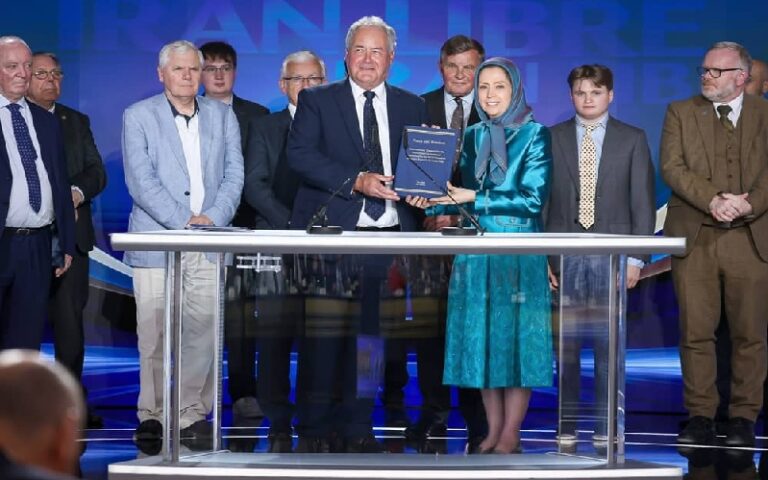
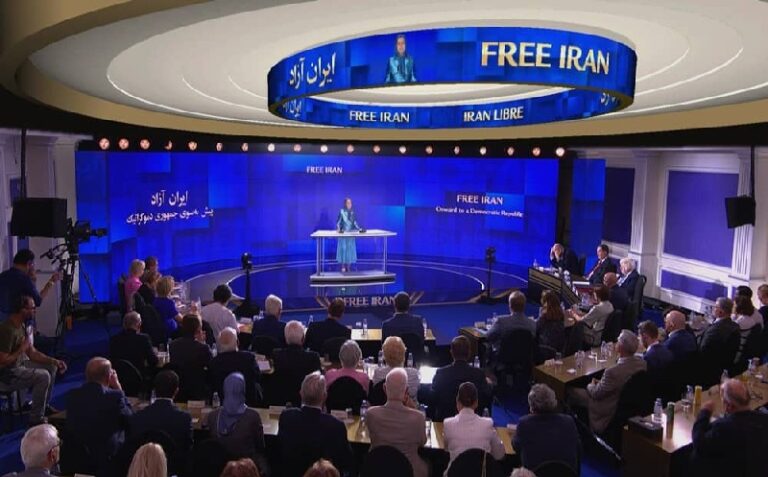
PARIS, June 20, 2026 — Political leaders, former government officials, parliamentarians, and human rights advocates from Europe and North America gathered in Paris on Saturday for the Free Iran 2026 World Summit, an event focused on Iran’s political future and support for democratic change.

The conference took place amid controversy surrounding a last-minute administrative decision that prevented a planned public demonstration in Paris. According to organizers, the rally was expected to draw tens of thousands of participants from across Europe, North America, and Australia. Speakers at the summit repeatedly referred to the cancellation of the gathering, arguing that it reflected broader tensions surrounding international policy toward Tehran.

The event was organized around support for the National Council of Resistance of Iran (NCRI), with participants presenting the coalition and its President-elect, Mrs. Maryam Rajavi, as a democratic alternative to the current ruling establishment in Iran.

Opening the summit, Mrs. Rajavi marked 45 years of organized resistance against the Iranian regime. She highlighted the activities of Resistance Units inside Iran and argued that domestic opposition remains a decisive factor in shaping the country’s future.

“Iran’s future, and peace and freedom in Iran, lie in the establishment of a democratic republic,” Mrs. Rajavi told the gathering. She pointed to the NCRI’s Ten-Point Plan, which calls for a secular republic, free elections, gender equality, judicial independence, and a non-nuclear Iran.

A recurring theme throughout the conference was criticism of what speakers described as Western “appeasement” of Tehran. Participants from a range of political backgrounds argued that diplomatic engagement had failed to moderate the Iranian government’s behavior and called for stronger measures, including increased pressure on Iranian authorities and the designation of the Islamic Revolutionary Guard Corps (IRGC) as a terrorist organization.

Former European Council President and former Belgian Prime Minister Charles Michel argued that policies aimed at accommodating authoritarian governments had historically failed to produce meaningful change. Referring to Rajavi’s Ten-Point Plan, Michel described it as a framework for a future democratic Iran and emphasized that lasting transformation must emerge from within Iranian society.

Former British Prime Minister Boris Johnson also addressed the conference, criticizing the French authorities’ decision to block the planned demonstration. Drawing comparisons with historical democratic movements in Eastern Europe and South Africa, Johnson argued that political change ultimately depends on organized domestic resistance rather than outside intervention. He expressed support for principles outlined in the NCRI platform, including free speech, gender equality, and an independent judiciary.

Several speakers drew on their own experiences with political transitions. Former Romanian Prime Minister Petre Roman recalled the downfall of Nicolae Ceaușescu’s dictatorship in 1989 and suggested that authoritarian systems can appear stable until sudden political shifts occur. He described Rajavi’s Ten-Point Plan as a structured roadmap that provides a vision for democratic governance after political change.

Former Speaker of the UK House of Commons John Bercow used his remarks to criticize both the Iranian government and efforts to revive monarchical rule. He praised the NCRI as a secular and pluralist movement while arguing that democratic aspirations in Iran should not be linked to a return to the political system that existed before 1979.

Ukraine’s former Foreign Minister Dmytro Kuleba connected developments in Iran to broader international security concerns. He noted Tehran’s military cooperation with Russia and described the experience of Ukraine’s own democratic movement as evidence that popular mobilization can overcome entrenched systems of repression.

Former Canadian Foreign Minister John Baird similarly rejected the notion that Iran’s future lies in a choice between the current ruling establishment and the restoration of the monarchy. He argued that organized opposition movements inside and outside Iran have developed an alternative political vision centered on democratic institutions and civil liberties.

Support for the NCRI’s platform was echoed by several European lawmakers and political figures. Former Vice President of the European Parliament Alejo Vidal-Quadras described the organization’s political program as a blueprint for a secular republic based on democratic principles and equal rights.

Baroness Nuala O’Loan of the United Kingdom’s House of Lords focused on growing calls within British politics to designate the IRGC as a terrorist organization. She also criticized the restrictions placed on the planned Paris demonstration, describing them as inconsistent with democratic principles and freedom of expression.

German Bundestag member Carsten Müller argued that the Iranian government’s reliance on executions, censorship, and repression reflected underlying vulnerabilities rather than strength. He called on European democracies to support democratic movements advocating political change in Iran.

French Deputy Christine Arrighi addressed the controversy surrounding the cancellation of the public rally, expressing concern about the decision and its implications for freedom of assembly. Speaking on behalf of parliamentary groups supporting a democratic Iran, she described the NCRI as an organized political movement with a clear vision for the country’s future.

Italian parliamentarian Naike Gruppioni highlighted the role of women in Iran’s protest movements and praised what she described as the resilience of Iranian civil society. She pledged to raise human rights concerns through Italian and European institutions.

Canadian Member of Parliament Judy Sgro pointed to demonstrations held by Iranian communities abroad, including large gatherings in Toronto, as evidence of continued international engagement with developments inside Iran. She argued that support for democratic change remains strong among members of the Iranian diaspora.

The summit concluded with remarks from Dominique Attias, former President of the European Lawyers Association, who framed the event in terms of legal rights and democratic freedoms. Attias criticized restrictions on peaceful assembly and argued that international attention should remain focused on human rights concerns in Iran.

Throughout the day, speakers repeatedly returned to several common themes: support for democratic change, opposition to both the current theocratic system and any restoration of monarchy, criticism of Western engagement policies toward Tehran, and endorsement of the NCRI’s Ten-Point Plan as a political framework for a future republic.

The gathering also included participation from residents of Ashraf 3 in Albania through a live video link, underscoring the international character of the event and the continued involvement of Iranian opposition supporters from multiple countries.

As the conference came to a close, participants presented a unified message that Iran’s future should be determined by its people through democratic institutions, free elections, and respect for fundamental rights.

Iran’s Water Crisis: Women on the Front Lines of a Silent Disaster

0

Iran’s water crisis is no longer merely an environmental or economic challenge; it has become one of the country’s most serious social and humanitarian threats. Experts have warned for years about the consequences of mismanagement of water resources, excessive extraction from groundwater reserves, climate change, and ineffective policies. Today, however, the effects of this crisis are more visible than ever in people’s daily lives, especially among women.

Iran is now among the countries experiencing severe water stress. According to the World Resources Institute, Iran is one of the 25 countries facing the highest levels of water stress in the world. This means that a large share of the country’s renewable water resources is consumed each year, a trend that seriously threatens the sustainability of its water supplies.

According to official statistics, Iran’s rainfall has declined significantly over recent decades. At the same time, excessive extraction of groundwater has caused many of the country’s plains to experience land subsidence, a phenomenon experts consider irreversible.

Number of Water Wells in Iran 2.5 Times Greater Than All Middle Eastern Countries Combined

The state-run Shargh newspaper warned in a report that dozens of Iran’s plains have reached a critical stage and that a large portion of the country’s groundwater resources has been lost. The state-run Mehr News Agency also quoted water officials as saying that many of Iran’s dams are facing significant declines in water reserves and that some cities are on the verge of severe water shortages.

Alarm Bells for Tehran and Dozens of Other Cities

The crisis is not limited to desert regions. Tehran, Iran’s most populous city, is also facing the threat of water shortages.

In a report on Iran’s water resources, Newsweek wrote that declining rainfall, shrinking dam reserves, and poor management have placed the Iranian capital at risk of a serious water crisis. The report warns that if current trends continue, providing water for millions of people will become increasingly difficult.

Reuters also reported on the worsening water crisis in Iran, citing drying rivers, declining groundwater resources, and expanding water stress across many provinces. The report emphasized that climate change, combined with mismanagement, has made the situation more complex.

Meanwhile, environmental experts have repeatedly warned that unchecked expansion of water-intensive industries, the drilling of thousands of illegal wells, and the implementation of water-transfer projects without environmental assessments are among the main factors worsening the crisis.

When Water Scarcity Becomes a Social Crisis

The consequences of the water crisis extend far beyond the depletion of natural resources. Water shortages have gradually affected every aspect of people’s lives, from agriculture and food production to employment, migration, health, and education.

Successive droughts have destroyed a significant number of jobs linked to agriculture and livestock farming, forcing many rural families to migrate. These forced migrations have not only increased urban marginalization but have also placed additional burdens on women and children.

In many parts of the country, the shortage of safe drinking water has become a daily challenge. Field reports from provinces such as Sistan and Baluchestan, Khuzestan, Kerman, Hormozgan, and parts of Fars and Isfahan show that some families spend hours obtaining the water they need.

Women: The First Victims of the Water Crisis

Although the water crisis affects all segments of society, studies show that women suffer disproportionately from its consequences.

United Nations experts have repeatedly emphasized that water crises exacerbate gender inequality and place women and girls at greater risk of poverty, malnutrition, disease, and educational deprivation than other groups.

Women on the Front Lines of the Crisis: The Added Burden of Daily Life

In rural and marginalized areas of Iran, women are often the first to experience the direct effects of water scarcity. In many families, securing drinking water and water for daily use has become a task assigned to women, one that requires increasingly greater amounts of time and energy as the crisis deepens.

According to a report by the Women’s Committee of the National Council of Resistance of Iran (NCRI), this situation has created an additional gender-based burden. Women, beyond their traditional family responsibilities, are forced to spend hours obtaining water, directly affecting their education and employment opportunities.

Health Consequences: A Silent Threat to Women’s Well-Being

The lack of safe water carries serious health consequences. According to international reports, reduced access to clean water can increase infectious diseases, skin conditions, and reproductive health problems.

In Iran, this issue is particularly dangerous for pregnant women and adolescent girls because insufficient water for personal hygiene increases the risk of preventable illnesses.

In marginalized areas, the use of unsafe or contaminated water sources due to a lack of alternatives poses a serious threat to family health.

Economic Pressure: From Agriculture to Migration

The water crisis has had a direct impact on household economies. Many women in rural Iran participate in small-scale farming, livestock raising, and handicraft production. However, dwindling water resources have severely restricted these activities.

As a result, household incomes have declined and women’s economic dependence has increased, deepening gender disparities in vulnerable regions.

At the same time, declining water resources have driven large-scale internal migration. Families leaving drought-stricken areas often settle on the outskirts of cities, where women face unemployment, poverty, and a lack of social support.

A Social Crisis: Migration, Marginalization, and the Erosion of Women’s Roles

Migration caused by water shortages has altered the social fabric of many regions in Iran. On the outskirts of major cities, migrant women face a range of new challenges, from inadequate access to healthcare services to reduced employment opportunities and increased social vulnerability.

This trend has not only reduced their quality of life but has also placed pressure on women’s social roles within both the family and the broader community.

Education: A Silent but Deep Divide

One of the less visible consequences of the water crisis is its impact on girls’ education. In many water-scarce regions, girls are more likely than boys to drop out of school because of family responsibilities or inadequate facilities.

In the long term, this could increase gender inequality and reduce economic opportunities for women in future generations.

The Water Crisis: A Crisis of Social Justice

The available data and reports indicate that Iran’s water crisis is no longer merely an environmental issue. It has become a multidimensional crisis affecting the economy, public health, education, and the country’s social structure.

According to a report by the Women’s Committee of the National Council of Resistance of Iran (NCRI), women, as the primary victims of this crisis, face a range of compounded pressures affecting their daily work, health, education, and economic future.

Ultimately, what remains from this crisis is not merely water scarcity, but deeper social divides that, if current trends continue, could seriously affect the future of development and social justice in Iran.

Child Laborers: The Silent Victims of Poverty and Inflation in Iran

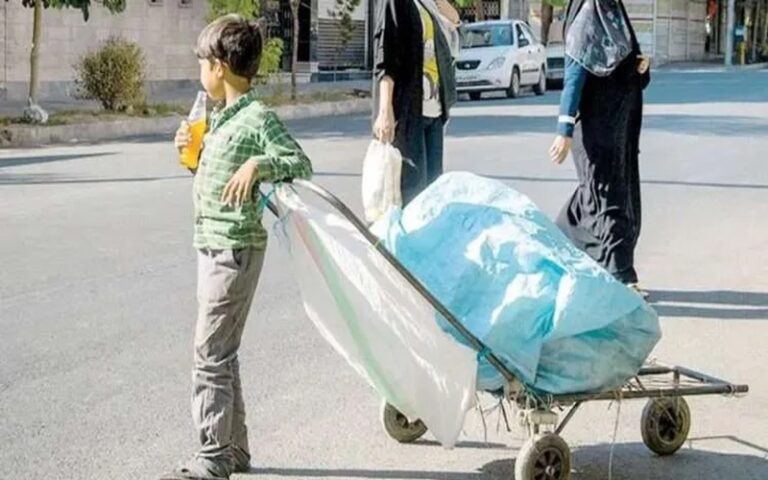
On June 15, the state-run Shargh newspaper published a report on child labor titled “Childhood on a Work Shift,” highlighting the painful conditions faced by child laborers in Iran. At the same time, on the occasion of the World Day Against Child Labour, a conference titled “Red Card to Child Labor” was held in Tehran. Unlike many official ceremonies, the event presented a bleak and alarming picture of the situation of child laborers in Iran. Statistics and remarks by experts attending the conference indicate that child labor is not merely a limited social problem but one of the most widespread manifestations of poverty, inequality, and the failure of support structures under Iran’s regime.

According to estimates presented at the conference, approximately 2 million children in Iran are engaged in labor. Even the speakers described this figure as a conservative estimate. The lack of transparent and reliable statistics has left the true scale of the child labor crisis shrouded in uncertainty. While a report by the Statistical Center of Iran in 2017 estimated that about 410,000 children between the ages of 10 and 17 were employed, social activists argue that this figure represents only a small fraction of reality, as many working children—especially those without identity documents or those who are migrants—are not recorded in any official statistics.

Millions of Iranians Living Below the Poverty Line

Child Laborers: The Hidden Face of Structural Poverty

Experts emphasized that the issue of child labor is not limited to a few children working on the streets. The phenomenon is a direct result of widespread household poverty, declining purchasing power, unemployment, migration, and the gradual collapse of social support systems.

According to studies cited at the conference, more than 60% of the fathers of working children are employed, yet their income is insufficient to meet the minimum needs of their families. Many of these families work in low-income and informal sectors and are compelled to send their children into the labor market to help support the household.

One of the most shocking statistics presented showed that 38% of working children began economic activity between the ages of five and seven—a period that should be devoted to education, play, and healthy childhood development.

The Identity Crisis Among Child Laborers

Another issue highlighted at the conference was the lack of identity documents among a large proportion of working children. According to the statistics presented, tens of percent of these children do not possess birth certificates, national identity cards, or residency documents. This situation not only restricts their access to education, healthcare, and social support services but effectively renders them invisible within the country’s official system—children who exist and work, yet remain absent from many statistics and policy discussions.

Reports also indicate that a significant proportion of working children are migrants. However, experts noted that under international conventions to which the Iranian regime is a party, access to fundamental children’s rights should not depend on nationality or immigration status.

Many Laws, Almost No Enforcement

One of the main themes of the conference was the deep gap between existing laws and reality. Although Iran has adopted dozens of laws, regulations, and policy documents concerning children’s welfare over the past decades, the situation of child laborers continues to deteriorate.

Experts believe that the primary problem is not a lack of legislation but rather the absence of political will and effective enforcement mechanisms. Various institutions—including the State Welfare Organization, the Ministry of Labor, the Ministry of Education, municipalities, and the Ministry of Interior—each bear part of the responsibility, yet in practice there is little accountability, and responsibility is continually shifted among agencies.

A clear example of this situation is child waste-picking. Although existing laws classify such work as a hazardous condition and among the worst forms of child labor, thousands of children continue to work in waste collection and sorting operations, while the profits generated by this system flow to contractors and affiliated economic networks.

A significant portion of public awareness regarding child labor is the result of efforts by non-governmental organizations. However, the absence of a national strategy, the lack of dedicated funding, and the shortage of transparent data have undermined effective efforts to address the crisis.

While official institutions speak of implementing various programs, no transparent reports have been released regarding their results. Even the targets set in development plans for reducing the number of child laborers remain unsupported by baseline data and cannot be meaningfully evaluated.

Iran’s Regime Executes Political Prisoners Javad Zamani and Abolfazl Saedi

Iran’s regime hanged two young men, Javad Zamani and Abolfazl Saedi, in the early hours of Tuesday, June 16, continuing its wave of executions and repression against opponents.

The judiciary of Iran’s regime justified the executions by citing charges such as “corruption on earth,” “waging war against God,” “disrupting public order and security,” and “gathering and colluding against national security.” Mizan, the judiciary’s news agency, claimed that the two prisoners had confronted regime forces with firearms and bladed weapons during the January 2026 uprising in Shahroud.

Iran’s ‘No to Executions Tuesdays’ Campaign Marks 125th Week

The head of the judiciary in Semnan Province announced the implementation of the death sentences and claimed that the cases had gone through all judicial procedures. However, human rights organizations have repeatedly warned about the lack of fair trials, the denial of effective access to legal counsel for political defendants, and the use of forced confessions in security-related cases.

Iran’s regime also released a video presented as the “confessions” of Javad Zamani and Abolfazl Saedi, in which the individuals’ faces were blurred and their voices altered. Human rights organizations have long criticized this practice as a tool used to legitimize predetermined verdicts.

The two prisoners were among those arrested during the January 2026 uprising, which Iran’s regime responded to from the outset with mass arrests, harsh sentences, and violent repression. Now, amid an intensified security atmosphere and the use of wartime conditions, the issuance and implementation of death sentences against protesters and opponents have accelerated.

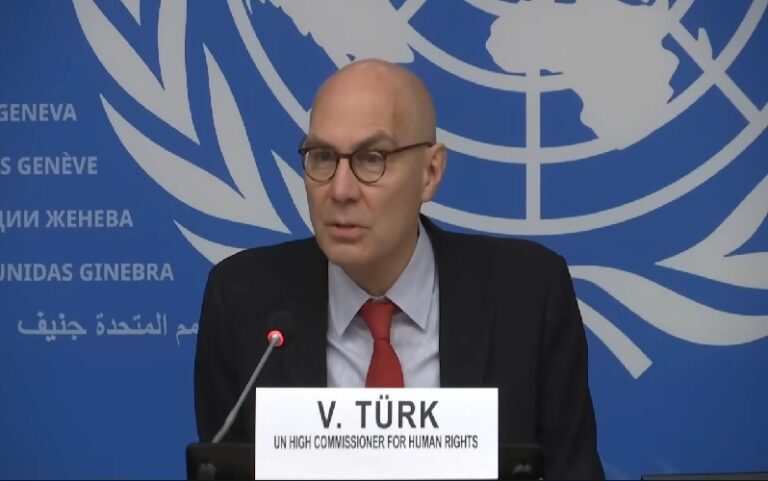
The United Nations announced yesterday that Iran’s regime has executed at least 40 people since the beginning of 2026, including 18 protesters, on charges related to “national security.” Volker Türk, the United Nations High Commissioner for Human Rights, expressed concern over the intensifying repression and rising number of executions, describing them as part of an increasing effort to restrict political opponents.

Previously, the United Nations Special Rapporteur on the situation of human rights in Iran had warned that Iran’s regime uses the death penalty as a tool to silence dissent and suppress political opponents, particularly during periods of crisis and conflict.

While judicial officials of Iran’s regime have called for accelerating the prosecution and sentencing of those arrested during the 2026 uprising, human rights activists view the trend as evidence of escalating political repression and an effort to create an atmosphere of fear and intimidation in society.

Iran’s Healthcare System on Verge of Crisis as Nurses Migrate En Masse

The crisis of nursing staff shortages in Iran, driven by the migration of nurses, has once again come into focus following the release of official statistics by officials from the Iranian regime’s Ministry of Health. The published figures show that the trends of nurses leaving their jobs, retiring, and emigrating continue, while regime officials are warning about the consequences for the healthcare system. At a time when medical centers across the country face shortages of personnel, the migration of nurses has become one of the most significant challenges in the healthcare sector.

According to remarks by Abbas Ebadi, Deputy Minister for Nursing Affairs at the Iranian regime’s Ministry of Health, published on June 13 by the state-run IRNA news agency and the state-run Asr Iran news website, 1,800 nurses left their jobs during the past year. In addition, 800 nurses resigned and 380 nurses left the country. These figures, combined with the retirement of 1,600 nurses and 2,400 recorded cases of deferred nursing service obligations, present a troubling picture of the healthcare system’s workforce situation.

Nurses’ Migration and Growing Staff Shortages

The Deputy Minister for Nursing Affairs described staff shortages as the most significant challenge facing the sector. According to him, the shortage of nurses has contributed to burnout, job abandonment, and nurse migration. He emphasized that the low nurse-to-hospital-bed ratio, retirements, resignations, and an increase in unpaid leave have placed additional pressure on healthcare personnel.

The issue of nurses’ migration has been raised repeatedly in recent years by various institutions. Many nurses choose to leave the country due to difficult working conditions, professional pressures, and career limitations. This trend continues while healthcare centers face severe staffing shortages, and many hospital wards are operated through mandatory overtime and extensive workloads.

Ebadi stated that the departure of each nurse from the country results in an annual loss of approximately 40 billion rials. This figure includes educational costs and investments made in training specialized personnel who ultimately leave the country’s healthcare system due to migration.

Warning About the Security of the Healthcare System

One of the most significant aspects of the deputy minister’s remarks was his warning about threats to the security of the healthcare system. He stated that nursing shortages could lead to increased mortality rates, more medical and nursing errors, and higher healthcare costs for citizens.

The Health Ministry official emphasized that nursing is no longer merely a professional labor issue but has become a matter directly linked to the quality of healthcare services and public health security. He added that the decline in the number of active nurses places greater pressure on the remaining workforce and may negatively affect the quality of patient care.

In this context, the Ministry of Health announced that it received authorization to hire 12,000 nurses during the past year. However, healthcare experts believe that recruitment alone cannot solve existing problems, as the migration of experienced nurses continues simultaneously.

Changing the Approach to Workforce Management

In another part of his remarks, the Deputy Minister for Nursing Affairs stressed the need to change the approach toward nurses’ professional demands. He said that international experience shows nurse retention does not depend solely on financial factors and that professional, organizational, and social factors also play a decisive role.

Nevertheless, the release of official statistics on resignations, retirements, and nurse migration indicates that the workforce crisis in the healthcare sector remains one of the most significant challenges facing the country’s healthcare system. If this trend continues, it could place greater pressure on hospitals and medical centers and make access to healthcare services more difficult for citizens.

Official statistics published by the Ministry of Health indicate that nurses’ migration and the departure of skilled professionals from the healthcare system have reached a stage where even regime officials describe it as a threat to the security of the healthcare system. The continued staff shortages, occupational burnout, and loss of human capital from the country paint a picture of a deepening crisis whose consequences will directly affect patients and the quality of healthcare services.

Volker Türk: At Least 40 People Executed on Security-Related Charges in Iran

Recent remarks by Volker Türk, the United Nations High Commissioner for Human Rights, have once again drawn international attention to the human rights situation in Iran. Speaking at a session of the UN Human Rights Council, he stated that authorities ruling Iran have executed at least 40 people on security-related charges since the beginning of the current year, including 18 protesters. The senior UN official also warned about increasing arrests, growing restrictions on civil liberties, and intensified repression of citizens.

What Did Volker Türk Say About the Human Rights Situation in Iran?

In his speech at the UN Human Rights Council on Monday, June 15, Volker Türk presented a troubling picture of the current situation in Iran. He stated that since the beginning of 2026, at least 40 people have been executed on charges related to national security, including 18 protesters.

Referring to the prevailing security environment in the country, Türk said that the ruling authorities have not only failed to halt executions but have also intensified domestic repression amid rising regional tensions.

He emphasized that thousands of people have been arrested and that further restrictions have been imposed on civil activities, freedom of expression, and citizens’ rights.

Why Is the United Nations Warning About the Increase in Executions?

The UN High Commissioner for Human Rights stated that the widespread use of the death penalty, particularly in political and security-related cases, remains one of the international community’s primary concerns regarding Iran.

According to human rights organizations, Iran has the second-highest number of executions in the world after China. In recent years, death sentences issued against protesters, political prisoners, and defendants in security-related cases have drawn widespread criticism from international institutions.

Türk stressed in his remarks that the people of Iran are facing difficult circumstances in which domestic security pressures are intertwined with regional crises and conflict.

The UN High Commissioner’s comments come as human rights organizations have repeatedly warned in recent months about the aftermath of the nationwide protests of January 2026.

According to published reports, the protests were followed by a broad wave of arrests, summonses, harsh sentences, and the opening of security-related cases. Dozens of citizens faced charges such as “enmity against God,” “corruption on earth,” “acting against national security,” and “cooperation with opposition groups.”

Many of these cases have been criticized by human rights organizations because, in numerous instances, insufficient information has been made public regarding legal proceedings, defendants’ access to independent counsel, and the judicial process.

Reports and Developments Related to Human Rights Violations in Iran

In recent months, numerous reports have emerged regarding the issuance or confirmation of death sentences for political prisoners and individuals detained during protests.

Human rights activists warn that the use of security-related charges to impose the harshest punishments has increased the risk of political executions. This concern is heightened by the fact that many defendants in these cases are still awaiting review by Iran’s Supreme Court or the implementation of their sentences.

Legal Review of Security-Related and Political Executions

One of the most significant legal concerns in security-related cases involves the manner in which charges are substantiated and whether fair trial standards are observed. In many protest-related cases, limited information has been released regarding the evidence supporting the charges, the judicial process, and defendants’ access to lawyers of their choice.

The issuance of death sentences in cases with political or security dimensions has also consistently raised questions about whether all legal guarantees necessary for a fair and impartial trial have been fully observed.

Iran’s ‘No to Executions Tuesdays’ Campaign Marks 125th Week

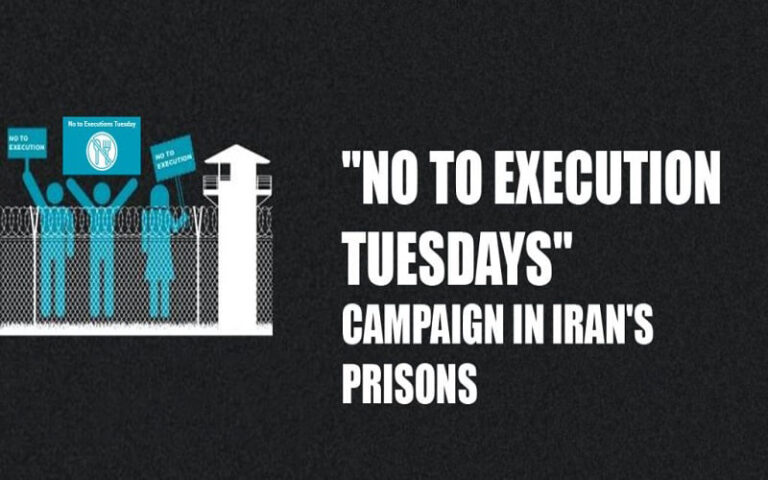
On Tuesday, June 16, the “No to Executions Tuesdays” campaign entered its 125th week, once again demonstrating the determination of Iran’s resistant prisoners not to surrender to the rule of executions and torture.

On this occasion, the “No to Executions Tuesdays” campaign issued a statement, listing numerous human rights violations during the past week and calling for the immediate halt of executions.

The statement reads:

“In the critical conditions facing Iranian society, while the Iranian regime and its repressive and judicial apparatus have hanged more than 177 prisoners since March 21, we continue to witness the issuance and implementation of inhumane death sentences. This is a desperate attempt to contain the explosion of public anger from people exhausted by oppression, injustice, and soaring prices.”

NCRI Reports At Least 72 Executions in Iran Between January 28 and February 3

“According to reports published during the past week, in addition to hundreds of prisoners convicted of ordinary crimes who are sentenced to death without public attention and many of whose sentences are carried out, the death sentences of political prisoners Ali Fattah and Mohammad Naghizadeh have at least been upheld by the Supreme Court, and they have been transferred to solitary confinement in Ghezel Hesar Prison. Two other political prisoners, Ali Kamali and Peyman Ganji, have also been transferred from Greater Tehran Prison to Ghezel Hesar Prison. Peyman Ganji is a 23-year-old man who was arrested during the January uprising and sentenced to death by Branch 26 of the Revolutionary Court in Tehran.”

“As we have repeatedly pointed out before, Ghezel Hesar Prison serves as the main execution center in Tehran Province and is one of the regime’s execution sites. It holds many prisoners sentenced to death, and inmates transferred there after receiving death sentences face the risk of imminent execution.”

“Amnesty International, in response to the wave of executions of political prisoners and the threat to the lives of five prisoners—Alireza Merdasi, Masoud Jamei, Reza Abdali, Farshad Etemadifar, and Hassan Maslavi—has called for the suspension of the executions of these five individuals and other prisoners in Iran.”

“We, the members of the ‘No to Executions Tuesdays’ campaign, demand the immediate cessation of executions and call upon all conscientious individuals and political, human rights, civil, labor, and social activists to condemn executions in every possible way and take serious action to stop them.”

“The realization of freedom, equality, and the preservation of human dignity is impossible without safeguarding the right to life. We call on all opponents of the death penalty to unite in solidarity and collective action to dismantle the structure of despotism and the cycle of taking human life.”

Prisoners participating in the “No to Executions Tuesdays” campaign are on hunger strike on Tuesday, June 16, during the campaign’s 125th week, in 56 prisons across the country.

Cyberattack on Iranian Regime Banks Causes Widespread Disruptions in Banking Services

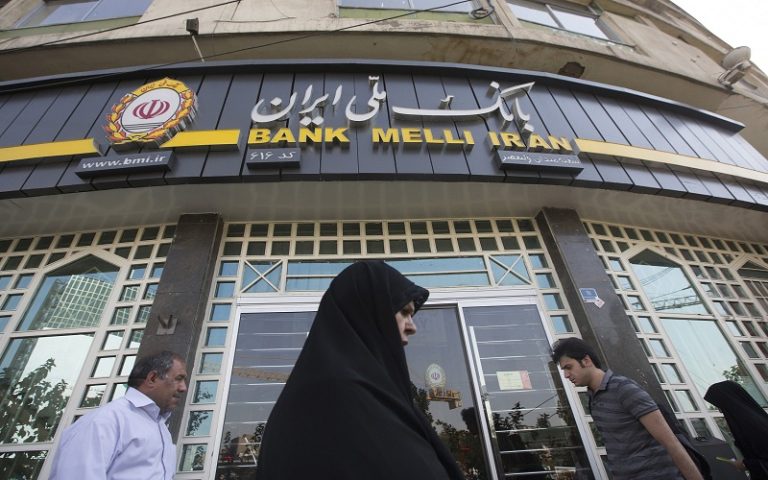
A cyberattack seriously affected the financial resources of the Iranian regime. A widespread disruption in Iran’s banking network beginning in the early hours of Saturday, June 13, caused the suspension of part of the country’s banking services nationwide. Reports indicate that the disruption resulted from a cyberattack and affected four of the country’s largest banks.

According to state-run media reports, the services of Bank Melli Iran (National Bank), Bank Saderat Iran, Tejarat Bank, and Export Development Bank of Iran have experienced widespread problems since the early hours of the morning. As a result of the disruption, many customers have been unable to access mobile banking, online banking, and other electronic services.

Reports also indicate disruptions in point-of-sale payment terminals and difficulties in processing financial transactions across various parts of the country, causing confusion among citizens and disrupting routine commercial activities.

Cyberattack Spreads Disruptions to Fuel Stations and Retail Stores

The disruption has not been limited to the banking network and has also affected certain services dependent on electronic payment systems. Published reports indicate problems at a number of fuel stations and retail stores that rely on electronic payment platforms. In some areas, this situation has slowed commercial transactions and created difficulties for citizens seeking to meet their daily needs.

This incident has once again brought the cybersecurity of the country’s financial infrastructure into focus. Experts believe that the scale of the disruptions has exposed the vulnerability of critical systems and the extensive dependence of public services on centralized networks.

According to observers, the continuation of such attacks could have significant economic and social consequences and further highlight the need to strengthen security infrastructure and improve the resilience of the country’s financial networks.