Home Blog Page 95

Iran: 15 Years On, Burial Site of Farzad Kamangar and Others Still Unknown

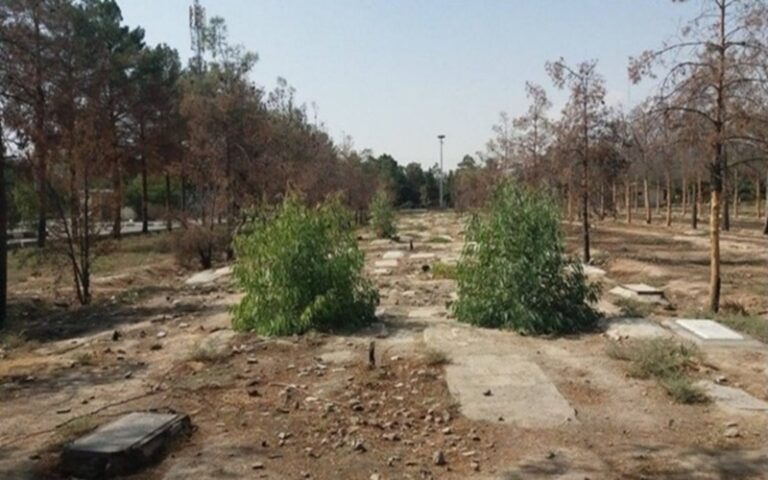
Fifteen years after the secret execution of Farzad Kamangar—a teacher and human rights activist—and four other political prisoners named Ali Heydarian, Shirin Alam-Houli, Farhad Vakili, and Mehdi Eslamian, there is still no information about their remains or place of burial. They were hanged on May 9, 2010, in Evin Prison in Tehran.

The judiciary and security agencies of Iran’s regime have prevented the return of these five executed political prisoners’ bodies to their families and have refused to disclose their burial locations.

Over the past four decades, Iran’s regime has repeatedly violated the fundamental rights of families of those killed or executed for political reasons by withholding the bodies and refusing to return them to their loved ones.

1,164 Executions in Less Than a Year in Iran

Forced disappearance constitutes a violation of Article 6 of the Universal Declaration of Human Rights, which affirms that “Everyone has the right to recognition everywhere as a person before the law.”

Arrest and Execution

Kamangar, Heydarian, Alam-Houli, Vakili, and Eslamian were arrested by the security forces of Iran’s regime between August 2006 and May 2010. After months of physical and psychological torture, they were sentenced to death by the Revolutionary Court in three separate cases.

On May 9, 2010, they were hanged in a secret execution in the parking area of Evin Prison without due process and without informing their lawyers or families.

The issuance and execution of the death sentences for these five political prisoners triggered a wave of domestic and international protests. Kamangar’s lawyer accused Iran’s regime judiciary of lacking independence and acting politically in handling his client’s case, stating: “The court did not hear the arguments, and my client is innocent.”

Human rights organizations have repeatedly declared that the legal proceedings in these cases were rife with clear violations, including unlawful arrest, prolonged solitary confinement, lack of access to legal counsel during detention, physical and psychological torture, and numerous violations of due process.

At the time, it was reported that Kamangar, Vakili, and Heydarian were convicted as “mohareb” (enemy of God) and sentenced to death in a seven-minute trial without any chance to defend themselves.

“Free Teacher Day”

On the first anniversary of the execution of these political prisoners, several teachers’ associations in Iran commemorated the legacy of Farzad Kamangar—a teacher, union activist, and human rights defender—and, coinciding with Teacher Appreciation Week in Iran, declared May 9 as “Free Teacher Day.”

In one of his letters from prison, Kamangar described himself as a public-school teacher from the city of Kamyaran with twelve years of teaching experience. He was a board member of the Kamyaran Teachers’ Union, a member of the editorial board of the educational-cultural monthly “Ruyan,” a board member of the Kamyaran Environmental Society (ASAK), and a member of the Human Rights Activists in Iran organization (HRANA).

This passage from Kamangar’s March 2008 letter from prison has been etched into the collective memory of the Iranian people: “Remember not to turn your back on poetry, on song, and on your dreams. Teach your children to be, for their homeland, for today and the days to come, a child made of poetry and rain.”


Global Lawmakers Unite in Paris to Back NCRI and Maryam Rajavi’s Vision for a Democratic Iran

0

On May 17, 2025, an international conference held in Paris brought together lawmakers and dignitaries from across the globe to endorse a new and assertive international stance on Iran. The event served as a powerful show of support for the National Council of Resistance of Iran (NCRI) and its President-elect, Mrs. Maryam Rajavi, who delivered the keynote address.

Mrs. Rajavi opened by condemning four decades of appeasement towards the Iranian regime, asserting that reform from within is impossible. “The religious dictatorship ruling Iran is the source of terrorism and warmongering in the region,” she stated. She stressed that the regime’s repression, nuclear ambitions, and regional interference are core to its survival. Declaring the solution lies in regime change, she emphasized, “The real solution is the overthrow of the regime by the people of Iran and the Iranian Resistance.”

Mrs. Rajavi presented the NCRI and the People’s Mojahedin Organization of Iran (PMOI/MEK) as a viable democratic alternative, committed to establishing a secular, democratic, and non-nuclear republic. She urged European governments to take concrete actions: “Add the Revolutionary Guard Corps (IRGC) to the list of terrorist organizations,” “activate the snapback mechanism,” and “recognize the legitimate resistance of brave young Iranians fighting the IRGC.”

The conference saw support from 560 UK lawmakers, led by Conservative MP Bob Blackman, who presented a book signed by 190 MPs. “It is time to change course on Iran policy,” he declared. He insisted, “The only diplomatic relations we need are with the NCRI, Madam Rajavi, and the Iranian people,” and added optimistically, “Next year, we’re going to a free and democratic Tehran.”

Support of 560 British Lawmakers from Both Houses for the Iranian Resistance

Former Cabinet Minister Rt Hon David Jones lamented the failure of Western diplomacy, highlighting Iran’s capacity to produce nuclear weapons: “despite over two decades of diplomatic efforts, Iran now possesses enough uranium for multiple nuclear weapons.” He urged the immediate activation of the JCPOA’s snapback mechanism and declared support for “Mrs. Rajavi’s Ten-Point Plan.”

Baroness O’Loan underscored the regime’s misogyny and mass executions as signs of its desperation. Praising the NCRI’s plan, she announced that “over 330 members of the House of Lords have signed today’s parliamentary endorsement of the statement for Iranian freedom,” and added, “The UK must now proscribe the IRGC as a terrorist organization.”

Former MP Mark Williams praised Rajavi’s leadership, saying: “When the history of Iran’s future democratic republic is written, it will record how you and Masoud Rajavi organized, led the cause… and built a viable democratic alternative.” He endorsed IRGC proscription as “a case for terrorism.”

William Powell, of the Welsh Assembly, declared: “Iran will again and again soon be free… on the basis of Madam Rajavi and the program for government, the Ten-Point Plan.” He urged recognition of the NCRI as the provisional government.

Former MP Martyn Day condemned the death penalty as “state sanctioned terror” and affirmed: “At the heart of that policy must be support for Iran’s Democratic alternative, which is yourself, madam Rajavi, and the NCRI.”

MP Martin Vickers expressed growing support for Rajavi’s plan: “If we keep up the pressure, we will secure democracy and freedom in Iran.”

Lord Dholakia urged referral of Iran’s human rights abuses to the UN Security Council and advocated for a UN tribunal.

Former Romanian Prime Minister Petre Roman likened Iran’s situation to Romania before the fall of Ceausescu. “Suddenly, we understood we are not alone,” he recalled. He expressed confidence: “With the NCRI and under the leadership of president Rajavi, the future of free Iran is under preparation right now.”

Canadian MP Judy Sgro acknowledged the NCRI’s role in exposing regime crimes: “It’s really only coming out because of the work of NCRI.” She highlighted Canada’s IRGC designation and urged other nations to follow suit.

Canadian Senator Michael L. MacDonald decried Iran’s 1,145 executions in eight months and praised imprisoned dissidents. He declared: “Mrs. Rajavi’s Ten-Point Plan is the viable democratic alternative.”

Irish Senator Gerard Craughwell stated, “The time for talking is over,” and urged Iranians: “You need to rise up… and say enough.”

MP James O’Connor warned, “The regime in Tehran cannot be trusted,” citing secret weapons work. He praised Rajavi’s plan as a “real path to freedom.”

Lawyer and former Irish Senate VP Catherine Noone called the plan “eminently sensible,” adding, “to do away with tyranny… seems like such a basic thing to want to do.”

Senator Mary Fitzpatrick recalled Mahsa Amini’s death and repression of protests, declaring, “We absolutely reject the dictatorial behavior.” She endorsed “an alternative plan for a free and democratic Iran.”

MP Erin McGreehan lauded women’s leadership in the NCRI as “unprecedented and unique in Middle Eastern politics.” She said, “This plan offers a democratic, inclusive, and secular vision for a future Iran.”

Former Senator Gerry Horkan affirmed, “The NCRI represents and puts forward that alternative… with a clear transition plan.” He called for UN Charter Chapter Seven action.

MP Tony McCormack framed the event as a “united call for action,” stating, “The regime will understand that the era and culture of impunity is over.”

Portuguese professor António Carmona Rodrigues blamed regime mismanagement for Iran’s water and energy crises. He praised the NCRI and expressed hope: “I hope that this day of freedom will come very soon, very soon to Iran.”

Former MEP Dorien Rookmaker called Rajavi “one of the most visionary leaders of our time.” She declared, “There’s no reason to not support [the Ten-Point Plan],” and criticized appeasement.

Patrick Lussi of Geneva’s Grand Council announced widespread Swiss support and said: “It is evident that this regime cannot be reformed.” He emphasized the IRGC designation as a “moral [and] strategic” imperative.

Organized smuggling of home appliances in Iran

Iran’s current ban on the import of home appliances has turned into a driver of increased smuggling, supported by various state institutions and major domestic manufacturers. The ban was implemented under the directive of the Iranian regime’s supreme leader Ali Khamenei, allegedly to support domestic production.

According to data from Iran’s Headquarters for Combating Smuggling of Goods and Currency, the volume of home appliance smuggling in 2023 was estimated at around $2 billion. Some reports indicate that at least one-third of home appliances on the Iranian market have been smuggled into the country.

Rising Prices of Potatoes and Appliances in Iran Due to Supply and Exchange Issues

Experts argue that the import ban has not improved domestic production. Instead, it has created monopolies, reduced product quality, encouraged illegal imports of foreign goods, and led to the resale of these smuggled goods under domestic brand labels.

The high volume of home appliance smuggling, along with evidence implicating some major domestic manufacturers in unofficial imports, suggests that the continued insistence on the import ban serves more to protect the interests of those benefiting from organized smuggling networks than to support national production.

Hossein Samsami, a member of the Economic Committee in Iran’s regime parliament, criticized the high volume of smuggled goods—especially home appliances and consumer goods—on Thursday, May 15. He pointed out a key issue: of the country’s $50 billion in non-oil exports last year, $20 billion was never repatriated.

Samsami questioned the oversight mechanisms at entry points for smuggled goods. He stated that part of the currency used to import smuggled items comes from non-oil export revenues, indicating a hidden and illegal financial structure and official support for the entry of these goods.

The Prevalence of Smuggled Goods in Iran’s Market

Another indicator of the organized nature of the smuggling networks is the large volume of seizures regularly reported by the media. Such large-scale smuggling of home appliances would not be possible without the coordination and involvement of some supervisory, security, and customs authorities. An analysis of these seizures shows that the goods were not brought in through unofficial or mule routes but mainly entered through official customs channels.

Since the beginning of the Iranian new year (March 21), multiple reports have emerged about the discovery of large warehouses full of smuggled home appliances across various cities. For instance, a warehouse containing smuggled goods valued at 1 trillion rials (approximately $120,482) was uncovered in Babol; a similar warehouse was found in Eslamshahr; and 4,000 smuggled home appliance items were confiscated in southern Tehran. These are only part of the officially recorded seizures, while the volume of undetected smuggled goods is likely several times higher.

The link between domestic home appliance production and smuggling

The simultaneous rise in domestic production and the increase of smuggled goods in the market is another indicator of the connection between some domestic manufacturers and smuggling networks.

While the economy is in recession and market demand is reportedly down, an increase in supply likely points to the influx of low-quality foreign products being sold under fake labels. In such conditions, some domestic manufacturers exploit the monopoly created by the import ban by rebranding imported goods and selling them under domestic brand names.

Among them, the Entekhab Industrial Group, one of the largest home appliance manufacturers in the country, has repeatedly been accused of involvement in smuggling over the past years.

In the mid-2010s, the discovery of 52 containers of smuggled refrigerators in Hormozgan customs—registered under the label of refrigerator parts—linked the company’s name to a smuggling case.

In recent years, the discovery of shipments containing hundreds of containers of home appliances—imported under the guise of industrial parts—has raised serious questions about the role of major companies, military-economic institutions, and corrupt financial networks in securing foreign exchange and clearing goods through official customs channels.

The case involving the stockpiling of 426 containers of Bosch-branded home appliances, which were seized in 2020 for falsified customs documents and eventually handed over to the Organization for the Collection and Sale of State-Owned Properties in 2022, is a clear example of officially smuggled goods entering through customs.

Monopoly and the consequences of home appliance smuggling in Iran

The explosion at Rajaei Port once again exposed the structural corruption in Iran’s customs system, as some of the suspicious containers involved were filled with smuggled home appliances.

Small appliance companies have repeatedly stated that monopolies created in favor of large corporations are the primary reason for recession and the shutdown of many production units. According to industry insiders, the import ban has become a tool for rent-seeking, and some influential companies, through smuggling and selling at inflated prices, have effectively eliminated competition.

During the thirteenth government, the policy of bartering goods for oil—especially with China—led to increased entry of home appliances through quasi-governmental companies and affiliated institutions. These entities, benefiting from currency privileges and oversight exemptions, imported goods that now hold a significant share of the market.

In March 2024, Ehsan Fadaei, a home appliance industry expert, stated that 35% of the home appliance market is comprised of smuggled goods. He emphasized that part of these goods entered the country using government-subsidized foreign exchange and were declared under different categories. According to him, items such as fuel and medicine—sold at subsidized prices in Iran—are exported out of the country and replaced by smuggled home appliances.


The Sixty-Ninth Week of the “No to Executions Tuesdays” Campaign In 44 Prisons Across Iran

Political prisoners in Iran are on hunger strike in 44 prisons during the sixty-ninth week of the “No to Executions Tuesdays” campaign. This campaign was initiated by prisoners to protest against executions and to advocate for their abolition. It has continued for more than a year.

In this week’s statement, the striking prisoners expressed heartfelt gratitude for the widespread solidarity of the Iranian people with the “No to Executions Tuesdays” campaign.

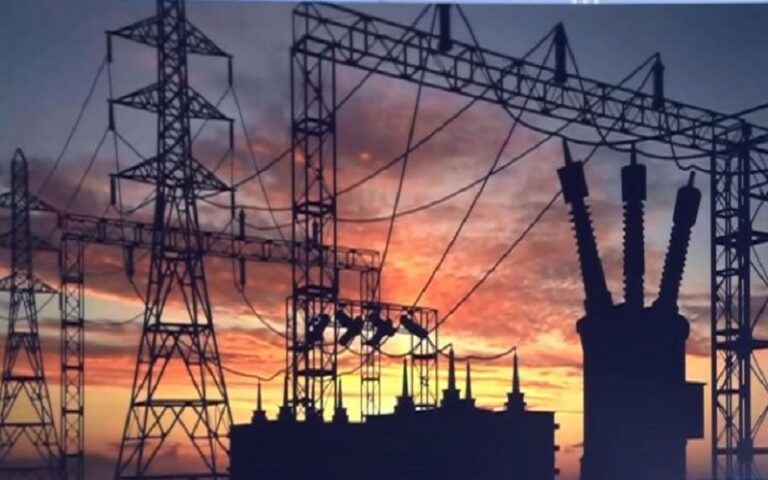
They also referred to the power and water outages affecting the public and disrupting people’s lives, writing: “At a time when the country is facing systemic corruption and the inefficiency of the ruling authoritarian structure—conditions that have disrupted citizens’ lives and deprived them of basic necessities such as water and electricity—the issuance and implementation of inhumane death sentences has not only not stopped, but has in fact increased with the clear will of the regime.”

The “No to Executions Tuesdays” campaign: Ongoing hunger strike in 41 prisons across Iran

The full text of the statement from the prisoners participating in the “No to Executions Tuesdays” campaign is as follows:

In its sixty-ninth week, the “No to Executions Tuesdays” campaign expanded to include the prisons of Mahabad, Bukan, and Yasuj, bringing the total to 44 participating prisons.

At a time when the country is plagued by systemic corruption and the inefficiency of the ruling authoritarian structure, disrupting citizens’ lives and depriving them of basic necessities such as water and electricity, the regime has not only failed to halt the issuance and execution of inhumane death sentences, but has escalated them with clear intent.

The regime consistently refrains from publishing accurate statistics on prisoner numbers and executions. However, based on reports received by the campaign, since April 20, more than 129 people—including four women—have been executed. Just last week, 25 prisoners were executed, including two juvenile offenders who were hanged in Malayer Prison and Adelabad Prison in Shiraz. This was done without any regard for public opinion or international human rights bodies, stripping them of their “right to life.”

1,164 Executions in Less Than a Year in Iran

In response to this violence and systematic violation of the “right to life,” protests by the families of death row prisoners have increased, and the campaign has received growing support from youth across various cities. These expressions of support have taken diverse and creative forms among the public.

We, the members of the campaign, salute all supporters of “No to Execution” and call on all people—especially the youth—to raise their voices in every street and alley against this inhumane punishment and support this movement in any way possible. We invite all opponents of the death penalty to stand with grieving families and not leave them alone during protest gatherings.

Last week, thanks to the efforts of activists both inside and outside the country, widespread solidarity with the “No to Executions Tuesdays” campaign took shape. We sincerely thank all individuals, organizations, political parties, civil groups, and human rights institutions who participated in this grassroots movement.

Additionally, a group of prisoners in Mahabad, Bukan, and Yasuj prisons have announced that starting this week, they are joining the campaign and will go on hunger strike every Tuesday. With the inclusion of these three prisons, the total number of participating prisons has reached 44.

On Tuesday, May 20, 2025, prisoners in 44 prisons will go on hunger strike for the sixty-ninth consecutive week.


Per capita meat consumption of Iranian workers drops to zero

Officials of Iran’s regime say the government can no longer afford to continue providing subsidized foreign exchange for the import of red meat. This comes after the government had already cut off subsidies for many essential goods such as medicine, medical equipment, and numerous food items.

According to the Planning and Budget Organization of Iran’s regime, red meat imports will no longer be eligible for preferential exchange rates. The announcement of this policy alone has significantly driven up the price of red meat per kilogram. Meanwhile, on Sunday, May 18, Iranian online meat retailers announced, “product unavailability until further notice,” suggesting an ongoing price surge.

Sharp Rise in Food Prices in Iran; Meat and Rice Lead the Surge

On May 18, the average price of lamb and veal in Tehran stores exceeded 15 million rials (approximately $18) per kilogram. This comes as Ali-Asghar Maleki, the head of Iran’s Lamb Meat Union, had already stated that red meat has become “like a luxury and unattainable item” for the public.

It is worth noting that, at best, the minimum monthly wage for a worker with two children is around 150 million rials (approximately $181), whereas a household’s minimum living expenses are estimated to be two to three times that amount.

In September 2024, Ahmad Shaad, the secretary of the Iranian Association of Raw Animal Product Importers, citing Central Bank statistics, stated that “the per capita consumption of red meat among Iranians does not even reach one kilogram per year and stands at about 700 grams per person annually.”

However, the global average annual red meat consumption is about 8.98 kilograms per person, and in the United States, this figure reaches approximately 38 kilograms per adult per year. In a report titled “Will wage-earners’ meat consumption drop to zero?”, the regime-affiliated ILNA news agency wrote that if subsidized foreign currency for red meat is removed, eliminating the 20% share of cheaper meat that was previously imported using government rates, meat prices will skyrocket in the coming days and “this essential protein item will disappear entirely from dinner tables.”

Faramarz Tofighi, a labor rights activist, told the state-run newspaper Iran: “The reasoning is that because we don’t have dollars, we cut off subsidized currency for red meat. Because we don’t have dollars, we also cut off subsidized currency for livestock feed. This means they are playing with the lifeline of the people, and they must know that the wage-earning class no longer has the strength to shoulder the government’s mistakes any further.”

Iranian media have also refuted the claim made by Gholamreza Nouri Ghezeljeh, the regime’s Minister of Agriculture, who said after last week’s cabinet meeting that “the price of red meat is less than 10 million rials.” Reports on meat prices dated May 17 indicate that red meat—especially lamb—is “well above 10 million rials.”

While Masoud Pezeshkian, the regime’s president, and Mohammad Bagher Ghalibaf, the parliament speaker, have repeatedly stressed Iran’s massive budget deficit due to Western sanctions in recent months, last week Saeed Ohadi, the head of the regime’s Foundation of Martyrs, announced that “120,000 commemorative ceremonies” will be held across Iran within a week for the first anniversary of the death of former president Ebrahim Raisi. If each of the 120,000 events uses only 1 billion rials (approximately $1,205) from public funds, the total cost for Raisi’s first death anniversary will be at least 120 trillion rials—about $145 million.


Support of 560 British Lawmakers from Both Houses for the Iranian Resistance

0

Five hundred sixty lawmakers from both the House of Commons and the House of Lords in the United Kingdom declared their support for the Iranian opposition, the National Council of Resistance of Iran (NCRI). This joint statement, signed by 230 members of the House of Commons and 330 members of the House of Lords, expressed support for Maryam Rajavi’s ten-point plan for the future of Iran.

The statement called for support of Maryam Rajavi’s ten-point plan for tomorrow’s Iran.

British lawmakers emphasized that:

Nuclear and military programs: Under the Iran (Sanctions) Regulations 2023, the UK enforces sanctions related to Iran’s nuclear ambitions and other destabilizing conduct.

Criminal proxies in Europe: The April 2025 designation of the Foxtrot Network imposed asset freezes, travel bans, and director disqualifications.

This moves targeted Iranian-backed organized crime and intimidation campaigns across Europe.

Human rights and terrorism: To date, over 450 individuals and entities linked to Iran have been sanctioned for human rights violations, nuclear proliferation, and terror plots—including attempts to kidnap or kill British nationals.

Increased scrutiny of influence operations: Starting July 2025, Iran will be placed on the enhanced tier of the UK’s Foreign Influence Registration Scheme (FIRS), aimed at curbing covert Iranian activities in the UK.

The statement also called for the designation of the Islamic Revolutionary Guard Corps (IRGC) as a terrorist organization.

Malign Global Operations: The IRGC, through the Quds Force and networks like Foxtrot, carries out extraterritorial operations that include violence, intimidation, and subversion.

Blacklisting would send a strong signal of zero tolerance for such state-sponsored terrorism.

Alignment with Allies: A formal IRGC designation would align UK policy with the United States and parts of the European Union, increasing the impact of multilateral sanctions and strengthening collective diplomatic leverage.

Community Protection: UK-based dissidents, Jewish citizens, and political activists have faced persistent threats.

Blacklisting the IRGC would enable more robust enforcement measures and enhanced protection for at-risk communities.

British lawmakers have also called for the recognition of the Iranian people’s struggle against the Islamic Revolutionary Guard Corps (IRGC), emphasizing that during the 2022 uprising, the people of Iran rejected all forms of dictatorship—both monarchical and theocratic.

They called for a democratic republic. Appeasement of this collapsing regime undermines democratic values, strengthens its repressive policies, and weakens global security.

Given that the regime has completely blocked all avenues for political activity in Iran, the international community must recognize the Iranian people’s right to change the regime.

The Iranian opposition, with its democratic platform and the ten-point plan presented by Maryam Rajavi—the elected president of the National Council of Resistance of Iran—calls for national unity and offers a roadmap for ending the religious dictatorship and transferring sovereignty to the representatives of the people.


1,164 Executions in Less Than a Year in Iran

Between Monday, May 12 and Thursday, May 15, the Iranian regime executed at least 19 prisoners across various prisons in the country. Among those executed were two juvenile offenders and one woman.

With these executions, the number of people hanged since August 2024, during the presidency of Masoud Pezeshkian, has reached at least 1,164. This figure represents the highest number of recorded executions in the past three decades and indicates an unprecedented intensification of repression and state violence against Iranian citizens.

On Thursday, May 15, two inmates—Reza Dahmardeh (24) and Mohammad Ebrahim Esfandiari—were executed in the prisons of Zabol and Vakilabad in Mashhad.

On Wednesday, May 14, five prisoners, including 18-year-old Hadi Soleimani (who was under 18 at the time of the offense), were hanged in Ghezel Hesar, Urmia, and Adelabad prisons in Shiraz.

Iran: Secret Execution of Kurdish Kolbar 

On Tuesday, May 13, Mohammadreza Sabzi (20), who committed the crime at the age of 16, along with Ebrahim Joghtai and another unidentified inmate, were executed in the prisons of Malayer, Gonabad, and Ghezel Hesar.

On Monday, May 12, nine more inmates were executed in the prisons of Isfahan, Arak, and Ghezel Hesar, including Mahmoud Hojatzadeh (35), Nemat Piri Zali, Mohammad Abdi, Jalil Azizi, and Kourosh Jalili.

The execution of juvenile offenders, women, and the high number of executions reflect the totalitarian nature of Iran’s regime, which relies on organized violence and physical elimination to maintain its grip on power.

Amnesty International Report

According to Amnesty International’s annual report published in May 2025, Iran accounted for more than 64% of all recorded executions worldwide in 2024, with at least 972 executions.

More than half of these executions were related to drug offenses, which is in violation of international law.

The “No to Executions Tuesdays” campaign: Ongoing hunger strike in 41 prisons across Iran

Additionally, ethnic minorities such as the Baluch, who make up only 5% of Iran’s population, accounted for 20% of those executed.

Amnesty International condemned this trend as a gross violation of human rights and a manipulative use of the death penalty to suppress dissent.

While the Iranian regime attempts to instill fear through a surge in executions, the people of Iran, through their nationwide protests, continue to demonstrate that they reject this regime.


Soaring Dairy Exports Amid Plummeting Domestic Consumption in Iran

Amid a sharp decline in per capita dairy consumption in Iran, official statistics show an unprecedented increase in dairy exports in 2024 compared to previous years.

According to the Iranian regime’s customs office, dairy exports in 2024 increased by 43% in value and 19% in volume.

The report indicates that over 587,347 tons of various dairy products, worth approximately $948.9 million, were exported to 46 different countries during this period.

This export growth occurred alongside rising global prices for powdered milk, strengthening suspicions that domestic dairy supply has been deliberately reduced, prices inflated to curb local demand, and raw milk redirected toward production and export of powdered milk in international markets.

Export Incentives and the Dairy-Depleted Iranian Household Basket

Major dairy companies’ inclination to focus on export markets has resulted in reduced product variety in the domestic market.

However, the decline in per capita dairy consumption in Iran is not due to changes in dietary patterns or consumer preferences. Data shows the main cause is the steep rise in dairy prices, leading to its gradual elimination from the household shopping basket.

Despite some dairy products being listed for electronic subsidy support, this measure has failed to halt the downward trend in consumption.

According to official data, Iran’s per capita dairy consumption has dropped from around 130 kilograms in 2010 to about 55 kilograms in 2024.

This figure is alarmingly lower than the global average of 150 to 160 kilograms, and drastically behind countries like France and parts of Northern Europe, where per capita consumption can reach up to 300 kilograms.

Nutritional and Health Consequences of Declining Dairy Intake

Health experts have repeatedly warned that the continued drop in dairy consumption in Iran will have far-reaching consequences on public health.

Calcium deficiency, osteoporosis, impaired growth in children and adolescents, and various health problems among the elderly are just some of the medical outcomes of this trend.

A notable concern is the reduction in production of certain dairy types, aimed at narrowing variety and maximizing export profits, which points to the industry’s deliberate effort to remove raw milk from the domestic supply chain.

In June 2024, Mohammadreza Banitaba, then-spokesperson for Iran’s Dairy Industry Association, identified declining household purchasing power and rising production costs as the two main reasons for the drop in per capita dairy consumption.

According to him, misguided policies by the Central Bank, the Ministry of Economy, and other executive bodies have led to increased inflation. As a result, production costs have risen while consumers have lost their purchasing ability.

The Government’s Role in the Conflict Between Foreign Currency Revenues and Public Nutrition

This situation raises a critical question for the government: While part of the subsidy for importing livestock feed is allocated to supporting dairy farms, why is there no direct subsidy for dairy products aimed at lower-income segments of society?

In reality, it appears that the nutritional health of citizens has been sacrificed for the sake of foreign currency revenues from dairy exports.

Producers, by exporting their goods, have not only jeopardized domestic consumption but have also benefited from government subsidies.

Economic experts argue that if a significant portion of these subsidies had been paid directly to consumers, it could have prevented the decline in dairy consumption and the incentive to export.

Another Raw Milk Price Hike Signals New Waves of Inflation

According to an official announcement on May 17, the purchase price of one kilogram of raw milk—with 3.2% fat, 3% protein, and a microbial count below 100,000—has increased by 50,000 rials.

Experts estimate that, given raw milk’s 27.7% share in the final price of dairy products, this increase could lead to a 65% to 90% surge in the prices of various dairy products, depending on the type.

For example, the price of one liter of low-fat pasteurized milk is expected to rise from the current range of 330,000 to 390,000 rials to over 550,000 rials (approximately $0.66).

Doubts Over Producer Motives and the Role of the Global Powdered Milk Market

If, as production companies claim, rising dairy prices result from increased production costs and decreased output, then how has export volume simultaneously experienced such dramatic growth?

Is the continual price hike a deliberate strategy to diminish domestic purchasing power and shift production toward export markets?

Moreover, the dairy industry’s export drive coincides with the rise in global powdered milk prices, raising concerns about potential shortages in Iran’s domestic market.

In recent years, families have faced significant challenges in accessing powdered milk at various points.

Rationing by national ID number, limited distribution, and black markets were recurring problems between 2021 and 2024.

Ample evidence suggests that in times of economic hardship, Iran’s regime has prioritized maximizing foreign currency revenue from dairy exports over the nutritional well-being of its population.

This approach has not only resulted in an unprecedented drop in per capita dairy consumption but has also endangered the health of millions of Iranians—particularly children, the elderly, and low-income groups.


European Troika Holds Unproductive Nuclear Talks with Iranian Regime in Istanbul 

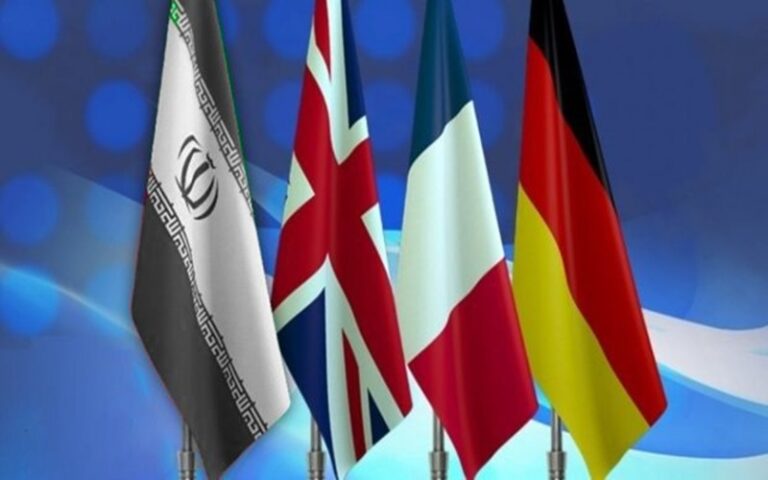
The meeting between representatives of Iran’s regime and the European troika—Germany, the United Kingdom, and France—which began on Friday morning in Istanbul, has concluded.

Kazem Gharibabadi, deputy foreign minister of Iran’s regime, wrote on X (formerly Twitter) on Friday, May 16: “If necessary, these talks will continue.”

After the joint meeting between Gharibabadi and Majid Takht-Ravanchi—deputy ministers for political, legal, and international judicial affairs at Iran’s Foreign Ministry—and the political directors of Germany, the UK, and France, Olof Skoog, the deputy to the EU’s High Representative for Foreign Affairs and Security Policy, is scheduled to meet with the Iranian delegation.

Widespread Coverage of Iranian Resistance’s Nuclear Revelation

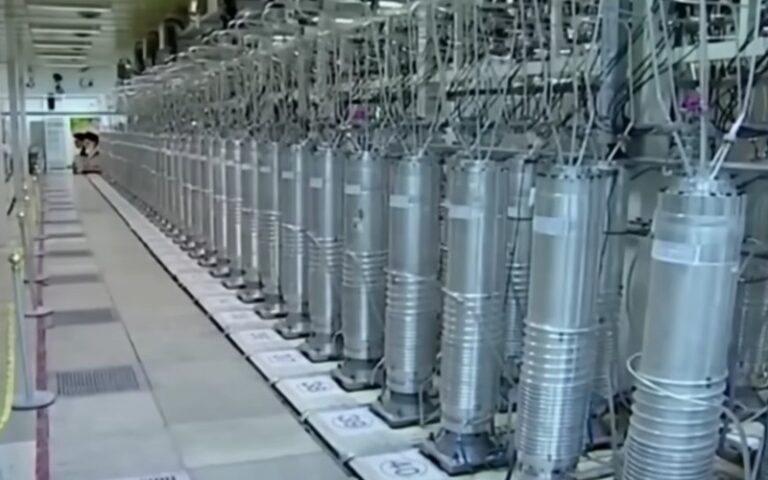
Dominik Mutter, the Political Director at Germany’s Foreign Ministry, represented Germany in the Istanbul meeting, during which the European side was briefed on the Iranian regime’s nuclear program and the details of the Tehran–Washington talks.

On Thursday, May 15, the spokesperson for France’s Foreign Ministry announced that the talks between the three European countries and Iran (at the level of political deputies) in Istanbul, Turkey, are taking place “in full coordination with the United States,” and the aim is to find a diplomatic solution to Iran’s nuclear crisis, given that time is running out.

Prior to this, four rounds of meetings had been held between deputy foreign ministers of Iran’s regime and the political directors of the foreign ministries of Germany, France, and the United Kingdom. According to European diplomats, these meetings were “unproductive.”

Abbas Araghchi, the foreign minister of Iran’s regime, said on May 14 about the negotiations with European countries: “Unfortunately, the Europeans themselves have become somewhat isolated in these negotiations due to their own policies. We do not seek such a situation and will continue our talks. I think the next round of negotiations at the level of deputy foreign ministers will be held on Friday in Istanbul.”

On May 15, Axios reported, citing a U.S. official and two informed sources, that during the fourth round of nuclear negotiations in Oman, the administration of Donald Trump had presented a formal proposal for a nuclear agreement with the Iranian regime.

The proposal was delivered on Sunday, May 11, by Steve Witkoff, Trump’s special envoy for Middle East affairs and the head of Washington’s negotiating team with Tehran, to Araghchi, who then took the proposal to Tehran for review and consultation with regime supreme leader Ali Khamenei and other senior officials.

New U.S. Secretary of State: Snapback Mechanism to Be Activated Against Tehran

Berlin, Paris, and London have threatened that if Iran’s nuclear issue is not resolved, they will trigger the United Nations snapback sanctions mechanism against the regime.

The meeting between the Iranian regime’s representatives and the European troika took place as Rafael Grossi, Director General of the International Atomic Energy Agency (IAEA), is expected to present a comprehensive report on Tehran’s nuclear program to the IAEA Board of Governors.


Dusty Iran: The Story of the Dust Storm Crisis from Border to Center

0

In recent years, Iran has plunged deeper than ever into a dust storm crisis. But what flows in the country’s darkened skies is not just dust particles, it is an echo of decades of environmental mismanagement, anti-development policies, and the inability to confront climate challenges.

A large portion of the dust in Iran originates from outside its borders. Iraq, Syria, Saudi Arabia, and even North Africa—especially during periods of political instability, civil war, and infrastructure collapse—have become active dust-producing centers.

Abdolkarim Hosseinzadeh, Vice President for Rural Development and Deprived Areas under Iran’s regime, stated: “60% to 80% of the dust storms in the country have external sources, and this issue must be managed through negotiations with neighboring countries.”

The drying of Mesopotamian wetlands abandoned farmlands, and reduced vegetation cover have created conditions that allow dust storms to cross borders unhindered and settle in central regions of Iran.

60% Of Iran Affected by Dust and Sand Pollution

The absence of environmental diplomacy has turned Iran into a vulnerable country facing crises that are beyond its control.

The dust storm crisis in Iran has emerged from chronic disregard for climatic capacity and poor natural resource management. Rapid development without environmental planning has led to soil erosion, widespread dam construction, deforestation, destruction of rangelands, and the obliteration of wetlands. Lands that were once green and vegetated have now become dust-generating hotspots.

From Hamoun in eastern Iran to Hoor al-Azim in the southwest, wetlands that once acted as natural shields against dust storms have now themselves turned into centers of crisis.

Experts say that successive droughts, excessive extraction of groundwater, dam construction on upstream rivers, and inter-basin water transfer projects have severed the vital lifelines of these wetlands. In many cases, the ecological water rights of these environments have been ignored in favor of agricultural, industrial, or urban water supply projects.

43% of Iran’s Wetlands at Risk of Drying Up

Hamoun Wetland, once a source of life in eastern Iran, now sends dust storms as far as the cities of Zahedan and Birjand with every wind. In the southwest, Hoor al-Azim Wetland—partially located within Iranian territory—has lost much of its natural capacity to retain moisture and suppress dust due to oil and industrial activities.

Dust particles are the silent enemy of public health. Fine particulate matter with a diameter smaller than 2.5 microns easily enters the lungs and can even penetrate the bloodstream. These particles are associated with diseases such as asthma, cancer, heart conditions, and neurological disorders.

Cities like Ahvaz, Zahedan, Abadan, and Ilam have repeatedly ranked among the most polluted places in the world. On days when the Air Quality Index reaches “hazardous” levels, the only short-term measure taken is the closure of schools and advising people to stay indoors.

Health officials have repeatedly reported a sharp rise in emergency room visits for respiratory issues following increased levels of dust pollution.

Iran’s healthcare system is being worn down by this crisis—from the surge in emergency visits and respiratory medication use to the strain on healthcare infrastructure and hidden medical costs.

Recently, the Deputy for Treatment at Ahvaz University of Medical Sciences stated: “Every year, more than 22,000 people seek medical care due to respiratory problems caused by air pollution, and approximately 251,000 individuals directly visit medical centers for this reason. Moreover, over 700 people in Ahvaz lost their lives last year due to particulate matter in the air.”

Dust storms, drought, and the collapse of traditional livelihoods are fueling a wave of climate migration from Iran’s border regions toward urban centers.

In provinces like Khuzestan, Baluchestan, Ilam, and Kermanshah, rural life is collapsing under the weight of environmental crises. Schools have shut down, lands lie abandoned, and livestock have been lost. Many residents have no option but to migrate involuntary movements pulling them toward the outskirts of major cities, where basic infrastructure for housing, employment, and services is lacking.

Migration is a process that, over the long term, can erode territorial resilience and deepen social and security divides.

Dust Storms: The Hidden Enemy of the Economy

On the surface, dust storms merely pollute the air; but in reality, they corrode the country’s economy from within. Decreased agricultural productivity, infrastructure erosion, transport disruptions, and higher maintenance costs for industrial equipment are just part of the damage. Particulate matter interferes with sensitive systems in power plants, refineries, and water treatment facilities, reducing the service life of equipment.

In agriculture, reduced sunlight, clogged plant stomata, soil and water pollution, and declining product quality have trapped farmers in a vicious cycle of bankruptcy and migration.

At a broader level, the decline in tourism, suspension of outdoor economic activities, and increased energy consumption impose a heavy economic burden on the country.

Domestically, the first step must be the restoration of wetlands and a revision of the water allocation system; without this, no technical measure will be effective. In addition, programs for soil stabilization, native vegetation development, livestock management, and rangeland rehabilitation must be prioritized.

The dust storm crisis is not merely an environmental issue—it is a full reflection of Iran’s flawed development model. Unless this crisis becomes an opportunity to revise policies, relocate industries, reform water-intensive projects, and transition toward a climate-compatible economy, it will shape a future for Iran that is dusty, unstable, and unequal.