Home Blog Page 119

Repeated School Closures in Iran

0

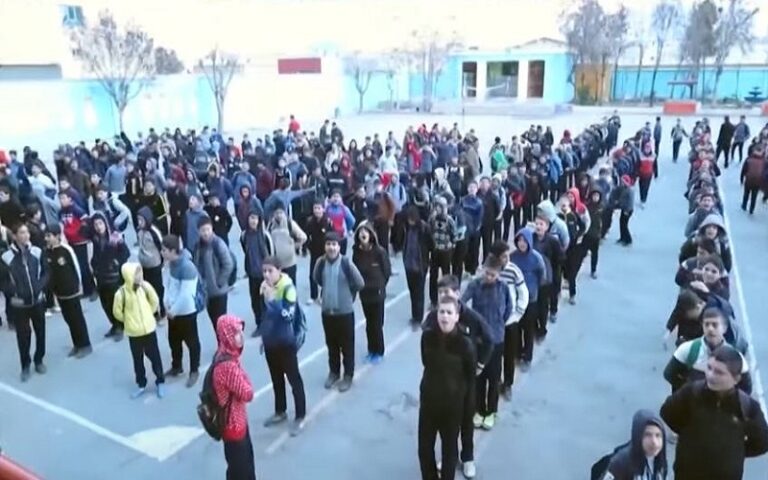
Ali Farhadi, the spokesperson for the Iranian regime’s Ministry of Education, warned that repeated school closures in Iran have had a negative impact on students’ learning quality.

On Saturday, March 22, in an interview with the official IRNA news agency, Farhadi stated that each day of school closure costs approximately 10 trillion rials, and online education cannot be an effective substitute for in-person learning.

He added that frequent school closures and reduced in-person teaching time have significantly harmed students’ learning quality and have prevented them from achieving satisfactory educational outcomes.

Schools in Many Provinces of Iran Closed Due to Cold Weather, Gas Shortages

In its report, IRNA highlighted the frequent school closures in 2024 due to air pollution, cold weather, and the energy crisis. Citing education officials and experts, the report stated that online education has caused serious academic and developmental setbacks.

Some provinces declared school closures for 72 out of 291 working days last year due to gas or electricity shortages. This figure does not include additional closures caused by the death of Ebrahim Raisi, natural disasters, and other incidents.

The Ministry of Education spokesperson emphasized in his interview that frequent school closures are not endorsed by the ministry.

Farhadi added, “The Ministry of Education has even opposed school closures in the Emergency Air Pollution Task Force, but final decisions are made collectively, and the ministry only has one vote.”

This is not the first time warnings have been issued regarding weak remote learning infrastructure, learning poverty, and declining student achievement in Iran.

Masoud Kabiri, a faculty member at the Iranian regime’s Education Research Institute, warned in January 2025 that two out of every five Iranian students lack effective learning, and 70% of boys in rural schools fail to reach the minimum expected learning level.

Rezvan Hakimzadeh, Deputy Minister of Primary Education, stated in November 2024 that 40% of students suffer from learning poverty, significantly reducing their chances of academic and professional success in the future.

He described learning poverty as a situation in which some students, despite attending school, fail to properly acquire basic literacy skills, including reading, writing, arithmetic, and speaking.

Gholam-Ali Afrooz, a professor at the University of Tehran, stated in November last year that only 70% of Iranian students who start elementary school complete high school.
 

At Least 104 People Executed in Iran Over Past Month

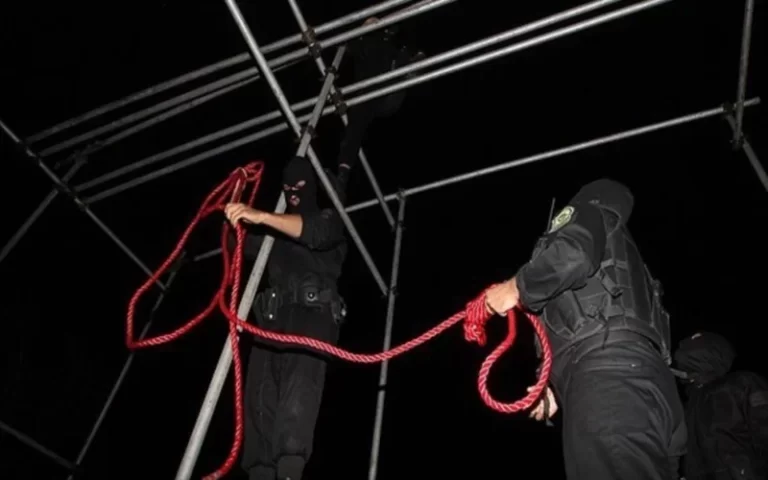
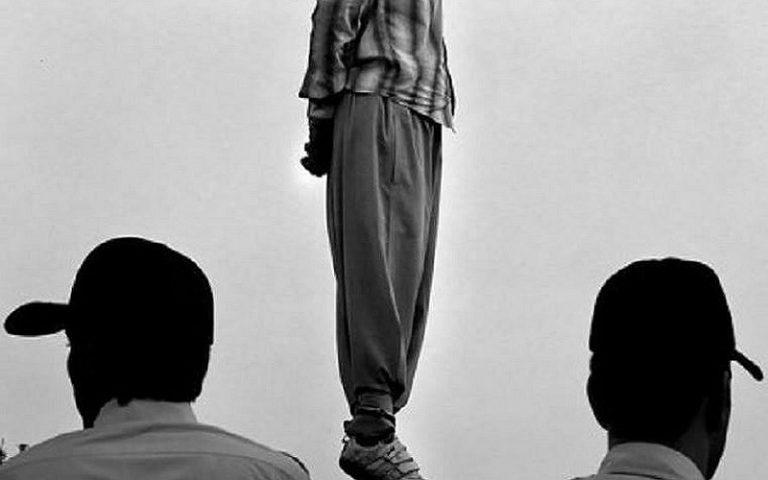
The Iranian regime hanged at least 104 people in prisons across the country between February 19 and March 20. According to these figures, nearly four executions took place per day on average last month.

On March 21, the human rights website HRANA released its latest monthly report on human rights violations in Iran, stating that at least 98 instances of the right to life violations (executions) were recorded between February 19 and March 20.

The news agency of the Human Rights Activists in Iran (HRA) added that, in addition to executing 104 prisoners, the Iranian regime issued death sentences for at least 22 individuals and confirmed the death sentences of at least five others during this period.

Seventy-four people were executed in Iran in one month

HRANA highlighted the public hanging of a prisoner in Esfarayen and the death sentence issued for Sasan Shadman, an 18-year-old juvenile offender from Yasuj who committed murder at the age of 16, as some of the most significant cases of the right to life violations in March.

The issuance and execution of death sentences for individuals under 18 violate international human rights standards, including the Convention on the Rights of the Child, to which Iran is a signatory.

Iran is one of the few countries in the world that continues to issue and carry out death sentences for individuals under 18.

On March 19, HRANA published another report on human rights violations in Iran, stating that in the Iranian year 1403 (March 21, 2024 – March 20, 2025), the regime executed at least 1,050 people, including 29 women and five juvenile offenders.

According to this report, five of those executed were put to death in public.

Additionally, last year, 189 more individuals were sentenced to death, and the Supreme Court upheld the initial death sentences of 55 others.

The Resistance of Prisoners with the “No to Execution Tuesdays” Campaign, 1,148 Executions in Less Than a Year

The rise in the issuance, confirmation, and execution of death sentences in Iran in recent months has sparked widespread protests both domestically and internationally.

In the latest example of such reactions, Mai Sato, the United Nations Special Rapporteur on Human Rights in Iran, expressed concern in her first report about the Iranian regime’s use of executions as a tool for repressing the population.

On March 18, a group of families of political prisoners sentenced to death gathered in Sarab Park in the town of Sonqor, Kermanshah province, to protest the death sentences issued against their loved ones and other prisoners.


The Ongoing Electricity Crisis in Iran

0

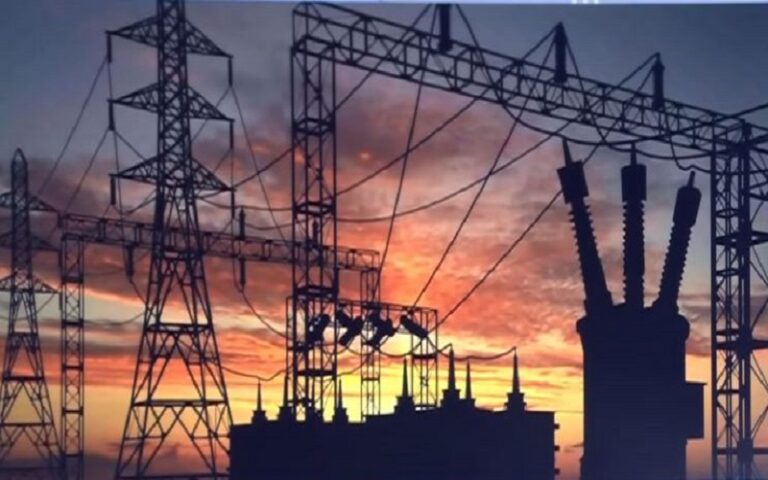
As the Iranian regime continues to struggle with the challenge of supplying electricity, Abbas Aliabadi, the regime’s Minister of Energy, called on the public to invest in Iran’s electricity industry projects as a way to escape the power crisis.

On Saturday, March 22, Aliabadi referred to the Iranian New Year’s theme designated by Ali Khamenei, the regime’s Supreme Leader, as the “Year of Investment for Production.” He stated that the Ministry of Energy is implementing “a specific program to attract small-scale public investments alongside large-scale investments.”

He added that with the establishment of an investment fund in the electricity industry, people will be able to participate in implementing electricity projects, including “major and strategic renewable energy projects,” by purchasing shares in the fund.

Iran Faces Worsening Power Shortages as Officials Contradict on Electricity Crisis

In his Nowruz (Persian New Year) message, Khamenei, without offering New Year greetings, described the past year as “strange and eventful” and named the new year the “Year of Investment for Production.”

Following this, vice president Mohammad Reza Aref established a special task force to implement this slogan, in line with previous administrations. Iranian media reported that this task force will consist of “executive agencies and related institutions.”

Last year, Khamenei had designated the year as the “Year of Production Leap with Public Participation.” However, economic indicators in Iran declined, the rial depreciated, and rampant inflation severely impacted the lives of citizens, particularly low-income groups.

Overall, the past year (from March 21, 2024, to March 21, 2025) had 291 working days, but some provinces declared 72 days of closures due to gas or electricity shortages.

Masoud Pezeshkian, the Iranian regime’s president, stated on March 15 in a meeting of Tehran Province’s Planning and Development Council regarding energy-related closures: “Only six days of the closures were due to energy shortages. The rest were unrelated, but we shut down industries more frequently.”

A review of regional and national regulations indicates that, contrary to Pezeshkian’s claim, 72 working days in various parts of the country were either fully or partially suspended. This figure does not include additional closures due to the death of Ebrahim Raisi, natural disasters, and other factors.

In recent months, many citizens have staged protests in various parts of the country against the Iranian regime’s inefficiency in energy supply and the frequent power outages.


Warnings About Iran’s Drought Crisis Coinciding with World Water Day

0

Several Iranian media outlets, marking World Water Day, reported a significant decline in groundwater resources and reservoir levels, as well as the ongoing water crisis and drought. The Minister of Energy warned of a water crisis in the provinces of Isfahan, Tehran, Razavi Khorasan, and Yazd.

Abbas Aliabadi, Iran’s Minister of Energy, stated on Saturday, March 22, that five consecutive years of drought have led to a decline in the country’s water reserves.

He emphasized the importance of implementing water consumption management programs and water recycling initiatives, which are currently on the Ministry of Energy’s agenda.

Nearly three decades ago, the United Nations designated March 22 as World Water Day to raise awareness about sustainable water resource management and addressing water-related crises.

Drought Has Put Iran’s Environment at Risk

“Preserving Glaciers” has been chosen as the theme for World Water Day in 2025.

Mohammad Javanbakht, Iran’s Deputy Minister of Energy, stated that 93 permanent rivers in Iran are fed by natural glaciers. However, the volume and surface area of these glaciers in the Alborz and Zagros Mountain ranges—such as Alam-Kuh, Damavand, Sabalan, Zard-Kuh Bakhtiari, and Takht-e Soleyman—have been decreasing.

Citing statistical data, he noted that over the past decade, snow accumulation in Iran’s glaciers has decreased by approximately 30%, while snow production across the country declined by about 20% during the 2010s.

Iran’s Challenges in the Global Arid Belt

For Iran, which lies in the world’s arid and semi-arid belt, water management remains a critical issue, even without the additional impact of climate change.

The state-run ISNA news agency reported on Saturday, March 22, citing Reza Shahbazi, Director General of the Geological Hazards Office at the Geological Survey of Iran, that since 1998, Iran has entered a prolonged period of drought, with all water balance levels in continuous decline.

Over Extraction of Groundwater and Drought Crisis

Ezzatollah Raeesi Ardakani, a professor at Shiraz University, told ISNA that since 1966, the number of water extraction wells has increased, leading to the drying up of wells, qanats, and rivers.

According to him, Iran has entered years of critical drought.

According to conducted studies, 11 provinces—Isfahan, Razavi Khorasan, South Khorasan, Khuzestan, Sistan and Baluchestan, Fars, Kerman, Mazandaran, Hormozgan, Hamedan, and Yazd—are experiencing the highest levels of water stress in Iran.

Official statistics indicate that approximately 80% of the country’s groundwater resources have been consumed, and dam reserves are in a critical state.

Previously, some experts warned that Iran’s thousand-year-old groundwater reserves have been depleted over the past three decades.

Repeated Warnings About Dam Reserves

On March 22, ISNA, in another report, referred to the condition of the Zayandeh Rud River, stating that in the current water year, inflows to its dam were 19% lower than last year and 53% below the long-term average, leading to a sharp decline in water reserves.

Previous reports have suggested the possibility of water rationing, particularly in the provinces of Tehran and Isfahan.

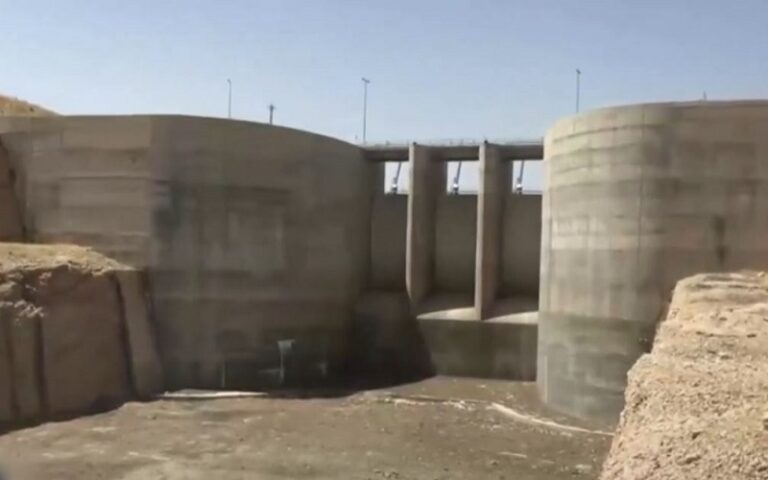
Hamid Ehsani, CEO of the Semnan Regional Water Company, described the water crisis in the province as severe on March 22, stating that half of the province’s dam reservoirs are empty.

In recent weeks, warnings about water shortages, emptying dam capacities, and the worsening drought crisis have intensified.

Isa Bozorgzadeh, spokesperson for the water industry, warned on March 18 about the significant drop in reservoir water levels and the critical condition of key dams in Iran. He stated that the usable volume of the Karaj Dam reservoir has been reduced to nearly half, with a large portion consisting of dead volume and sediment.

According to him, the Lar Dam has nearly dried up, while the Latyan, Taleqan, and Mamloo dams have experienced a 46% decrease in rainfall compared to the normal level and a 25% decrease compared to last year.


Russia Defends Iranian Regime’s Right to a Nuclear Program

Moscow defended what it called the Iranian regime’s right to “a peaceful nuclear program” and stated that Tehran is acting in accordance with international law. The United States and Israel are set to hold a meeting soon regarding Iran’s nuclear program.

Reuters reported on Friday, March 21, that Russia has stated its willingness to mediate between the Iranian regime and the administration of U.S. President Donald Trump.

Moscow maintains security and military cooperation with Tehran while also working to improve its relations with Washington.

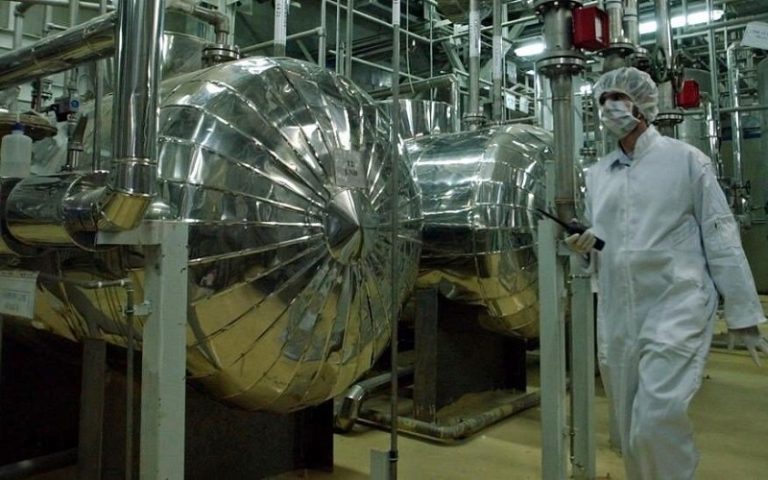
Iranian Regime Accelerates Uranium Enrichment to Concerning Levels

The issue of Iran was among the topics discussed during a recent phone call between Trump and Russian President Vladimir Putin on Tuesday.

Following the call, the White House announced that the two presidents agreed that Iran must never be in a position to destroy Israel.

Kremlin spokesperson Dmitry Peskov stated in a press conference on Friday that Russia is convinced that the Iranian regime’s nuclear issue must be resolved exclusively through peaceful political and diplomatic means.

He added that everything necessary for this resolution is available, with the only requirement being political will.

Kremlin Accepts Iran’s Claims Regarding Its Nuclear Program

Peskov stated that, like all other countries, Iran has the right to develop its peaceful nuclear sector and energy. He added that Tehran has taken significant steps in this direction, all in strict compliance with international law.

He said that Moscow has accepted Tehran’s repeated claims that it has no intention of acquiring nuclear weapons.

In March, Trump sent a letter to Ali Khamenei, the Supreme Leader of Iran’s regime, warning that Iranian officials must choose between a nuclear agreement with the U.S. or facing potential military action.

The Iranian regime responded by stating that it would consider both the opportunities and threats mentioned in Trump’s letter.

Rafael Grossi, Director-General of the International Atomic Energy Agency (IAEA), warned on March 15 that Tehran is very close to crossing the “nuclear threshold.”

U.S.-Israel Talks

Western officials are concerned that if Iran, despite its claims, acquires nuclear weapons, it could threaten Israel and oil-producing Gulf states, potentially triggering a regional arms race.

Israel has clearly stated that it wants to align with the United States in any action against the Iranian regime.

On Thursday, March 20, the news website Axios, citing two Israeli officials and one U.S. official, reported that Israeli and American delegations would hold strategic talks next week at the White House regarding Iran’s nuclear dossier.

According to the report, Israeli officials see a low likelihood of reaching an agreement with Tehran and are therefore seeking coordination with the U.S. on potential actions if tensions escalate, including military options.


Iran’s Regime Refuses to Publish Budget Tables in Unprecedented Move

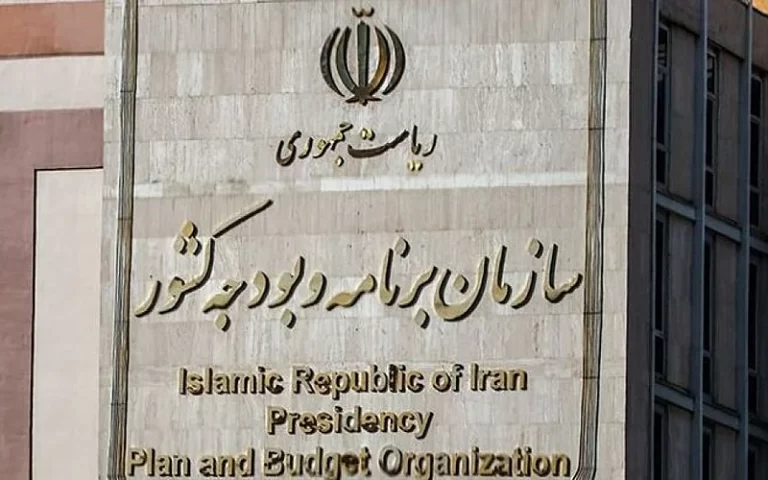
According to the state-affiliated news outlet Etemad Online, on March 19, legal expert Kambiz Norouzi strongly criticized the Planning and Budget Organization’s refusal to publish the 2025 budget tables, calling it a sign of deliberate secrecy.

In a harsh statement directed at the government, he said: “It is astonishing that the Planning and Budget Organization or the Presidential Office refuses to publish the budget tables. Secrecy is usually not unrelated to wrongdoing. Those who are confident in the correctness of their actions never resort to concealment.”

Experts Warn About the Iran’s Inflationary “War Budget” in 2025

Norouzi stressed that the budget law, unlike military or security information, is not classified and that there is no justification for hiding it.

Fear of Exposure or Violation of People’s Rights?

The state-affiliated Khabar Online website also quoted Norouzi as saying, “Keeping the budget tables confidential during the review stage is a blatant violation of the fundamental rights of the people.”

He described this move as contrary to the Constitution, the right to free flow of information, and the citizens’ right to access public data. He added: “This secrecy strengthens suspicions that the budget tables contain figures that the government fears will provoke public outrage.”

Norouzi called on the government to explain why it has refused transparency at this critical stage.

Who Benefits from the Budget Tables’ Secrecy?

In response to the question of who benefits from the secrecy surrounding the budget tables, the legal expert bluntly stated: “The people certainly do not benefit. The real winners are individuals within the hidden layers of power, whose actions are never reported to the public.”

He cited examples such as the illegal transfer of land belonging to a seminary in Ozgol, northern Tehran, to Kazem Sedighi, Tehran’s Friday prayer leader, a case about which no report was ever provided to the public.

Norouzi also mentioned institutions linked to figures such as the late Mohammad-Taqi Mesbah-Yazdi, a Mullah close to the regime, and asked: “Why should the people bear the cost of these organizations while having no knowledge of how these budgets are spent? Why is this money taken from the public while schools and universities in the country lack basic facilities?”

Why Does Khamenei’s Government Engage in Secrecy?

The secrecy surrounding budget tables cannot simply be considered an administrative oversight; rather, it is part of a long-standing pattern aimed at preventing transparency and avoiding accountability to the public.

It appears that the primary reason for this secrecy is the fear of exposing wasteful expenditures and the allocation of massive budgets to institutions and individuals that provide no benefit to the general public.

These expenditures, which often end up in the pockets of those close to power or fund unnecessary projects, could, if revealed, spark public outrage and even lead to larger uprisings.

The Iranian regime is well aware that in the current economic crisis, any transparency regarding the misuse of public resources could completely destroy the remaining trust of the people.

Therefore, secrecy is not just a tool for maintaining power but also a shield against potential protests.

But how long can this strategy prevent the eruption of accumulated discontent?


Iranian Regime Foreign Minister: Trump’s Letter Is More of a Threat

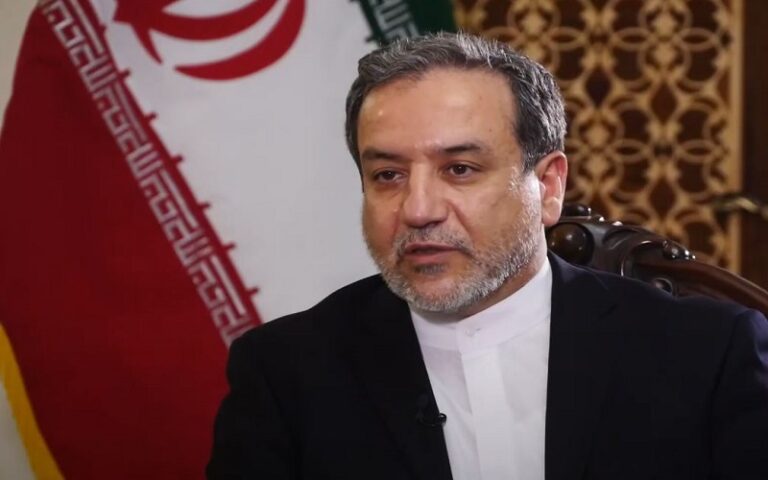
Abbas Araghchi, the Iranian regime’s foreign minister, stated during a Nowruz television program on state TV that Donald Trump’s letter was more of a threat but that “he claims there are also opportunities.” Araghchi added that the Iranian regime would consider both the threat and opportunity aspects of the letter and would respond accordingly.

Araghchi further stated: “Under pressure, threats, and increased sanctions, we will certainly not engage in direct negotiations. We will respond to Trump’s letter in the coming days and send it through the appropriate channels.”

Minutes before Araghchi’s remarks, the state-run ILNA news agency quoted Fatemeh Mohajerani, spokesperson for Masoud Pezeshkian’s government, as saying that Trump’s letter to the Iranian regime’s supreme leader, Ali Khamenei, was “under review” and that a “substantive response” would be provided at an appropriate time and in a manner deemed suitable.

U.S. Doesn’t Renew Iraq’s Waiver for Purchasing Electricity from Iran

On March 20, Mohajerani stated: “There is currently no plan to disclose the content of Trump’s letter.”

Previously, on March 17, Esmaeil Baghaei, the Iranian regime’s Foreign Ministry spokesperson, said that there was no decision yet to publicly release Trump’s letter to the Supreme Leader and that a response would be given “through the appropriate channels after a full review.”

Baghaei also stated: “The tone of Trump’s letter does not differ significantly from his public statements and has been structured along the same lines.”

Hours before Araghchi’s and the government spokesperson’s remarks about Trump’s letter, the news website Axios, citing a U.S. official and two informed sources, reported that the letter had a “strict and tough tone” and included a two-month deadline to reach a new nuclear agreement.

The letter was recently delivered to Abbas Araghchi, the Iranian regime’s foreign minister in Tehran, through Anwar Mohammed Gargash, diplomatic advisor to the President of the United Arab Emirates.

Axios wrote that it is unclear whether the two-month deadline given to Tehran is counted from the time the letter was sent or from the start of potential negotiations.

According to the report, if Tehran rejects Trump’s proposal and continues its nuclear program, the likelihood of U.S. or Israeli military action against Iran’s nuclear facilities will significantly increase.

Axios also reported that before sending the letter, the White House had shared its contents with Israel, Saudi Arabia, and the United Arab Emirates.

Although the details of Trump’s letter to Khamenei have not yet been officially released, Sergey Lavrov, Russia’s foreign minister, stated on March 12 that the U.S. demands the dismantling of Iran’s proxy groups in the region as part of reviving the JCPOA (Iran nuclear deal).

On March 7, the U.S. President told reporters at the White House that confronting the threats posed by the Iranian regime had reached its final stages and that the issue would either be resolved through negotiation or military action.


The U.S. Sanctions Iranian Oil Transport, Purchase, And Processing Network

The U.S. Department of the Treasury, in its latest round of sanctions against the Iranian regime, targeted a network involved in Iran’s oil exports and sanctioned an individual and several entities, including an oil refinery in China, for purchasing and processing Iranian crude oil.

The sanctions announced by the U.S. Treasury Department on Thursday, March 20, mark the fourth round of Washington’s sanctions against Iranian oil sales since the reinstatement of the maximum pressure policy under the new administration of Donald Trump.

Trump has stated that the purpose of these measures is to prevent the Iranian regime from acquiring nuclear weapons and to stop its funding of Tehran-backed proxy groups.

Negative Record in Iran’s Oil Exports; Consequences of Sanctions

On March 20, the U.S. Treasury Department announced in a statement that it had sanctioned a refinery known as Teapot and its CEO for purchasing and refining hundreds of millions of dollars’ worth of Iranian crude oil.

“Teapot Refinery” refers to small, independent crude oil refineries in China, which generally have lower production capacities than large state-owned refineries and were historically focused on meeting local demand.

According to the U.S. Treasury Department, Lucheng Petrochemical, an independent refinery in Shandong Province, China, purchased millions of barrels of Iranian oil worth approximately $500 million.

Wang Xueqing, a Chinese citizen and the CEO and legal representative of this company, is also included in Washington’s new sanctions list.

The oil purchased by this Chinese refinery included shipments from vessels affiliated with Yemen’s Houthi rebels and Iran’s Ministry of Defense.

In this round of sanctions, 19 entities and vessels responsible for transporting millions of barrels of Iranian oil have also been targeted.

“Teapot refinery purchases of Iranian oil provide the primary economic lifeline for the Iranian regime, the world’s leading state sponsor of terror,” said Secretary of the Treasury Scott Bessent. “The United States is committed to cutting off the revenue streams that enable Tehran’s continued financing of terrorism and development of its nuclear program.” 

The U.S. Treasury Department emphasized that Iranian crude oil is transported to Teapot refineries via a shadow fleet that employs deceptive shipping practices, such as altering Automatic Identification System (AIS) data.  

While the U.S. remains committed to efforts to reduce Iran’s oil exports to zero, Reuters reported on February 28 that China plans to increase its crude oil imports from Iran and Russia in the coming month.  

According to the report, China’s increased imports are due to the arrival of tankers that are not under U.S. sanctions and have replaced sanctioned vessels due to their high profitability.  

The new sanctions have been imposed under Executive Order 13902, targeting Iran’s oil and petrochemical sectors.  

Since returning to the White House, Trump has continued the maximum pressure policy against the Iranian regime, which he had also pursued during his first term in office.

Execution of 1,050 People and Crackdown on 30,000 Women for Not Wearing the Hijab

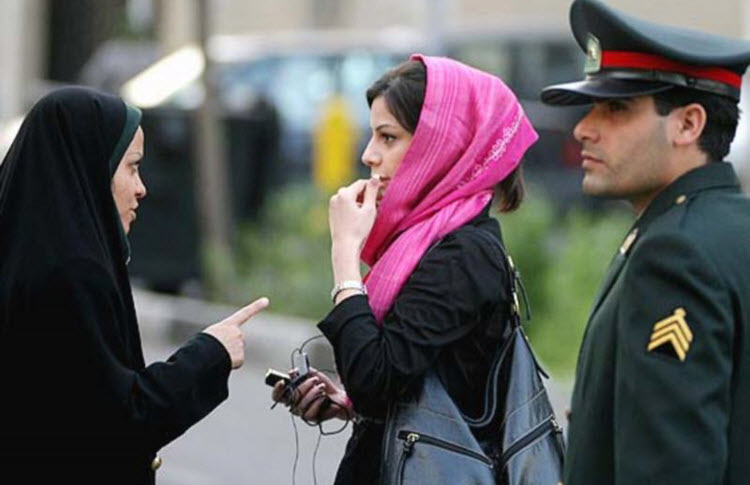
According to human rights sources, the Iranian regime executed at least 1,050 people in the Persian Calendar year 1403 (March 21, 2024 to March 21, 2025). Additionally, over 30,000 women faced punitive measures for not adhering to the regime’s mandatory hijab rules.

During this period, at least 3,702 protests and strikes took place, and a minimum of 355 Iranian citizens were shot by security forces.

The human rights website HRANA reported that the year 2024 was a tragic continuation of Iran’s ongoing human rights violations.

The report emphasized that “the provided statistics cannot fully represent the human rights situation in Iran” because the Iranian regime does not allow independent human rights organizations to operate freely or access necessary information.

The Resistance of Prisoners with the “No to Execution Tuesdays” Campaign, 1,148 Executions in Less Than a Year

Executions

According to HRANA’s report, the Iranian regime executed at least 1,050 people in 2024, including 29 women and five juvenile offenders.

The report also states that five of these executions were carried out in public.

Additionally, 189 people were sentenced to death during this period, and the Supreme Court upheld the death sentences of 55 individuals.

Issuing and enforcing the death penalty for individuals under 18 is a violation of international human rights standards, including the Convention on the Rights of the Child, which Iran has ratified.

Iran remains one of the few countries in the world that continues to execute juvenile offenders.

The sharp rise in the issuance, confirmation, and implementation of death sentences in recent months has sparked widespread protests both inside and outside Iran.

In the latest international reaction, Javaid Rehman, the UN Special Rapporteur on human rights in Iran, expressed concern in his first report about the regime’s use of executions as a tool to suppress the population.

On March 18, a group of families of political prisoners sentenced to death gathered in Sarab Park in Sonqor, Kermanshah province, to protest the death sentences issued against their loved ones and other prisoners.

Women and Children’s Rights

In its annual report on women’s rights in Iran, HRANA stated that in 2024, the Iranian regime took punitive action against at least 30,642 women for not adhering to the mandatory hijab.

The report recorded 16,567 cases of domestic violence, 125 femicides, 33 honor killings—including the murder of 19 men—five acid attacks, and three suicides during this period.

Regarding children’s rights, HRANA documented at least 4,296 cases of child abuse, at least 27 instances of child rape and sexual assault, 43 cases of child homicide, 14 deaths, and 204 child injuries due to official negligence. The report also recorded 58 child suicides, five honor killings, three abandoned newborns, nine deaths, and 17 injuries among child laborers.

Over the past year, at least three million students dropped out of school, and approximately two million children were recorded as child laborers.

Killing of Citizens

According to HRANA’s report, a total of 355 citizens were shot by military forces throughout 2024, resulting in 156 deaths.

This includes the deaths of 31 cross-border porters (kulbars), 42 fuel porters (sookhtbars), and 83 other civilians.

Over the past year, 199 citizens were also injured due to indiscriminate shooting by Iran’s military forces, including 105 kulbars, 51 ordinary citizens, and 43 fuel porters.

HRANA also noted that 30 other kulbars suffered accidents due to harsh environmental and geographical conditions, such as hypothermia and falling from heights. Among them, 21 were injured, and nine lost their lives.

Additionally, 19 fuel smugglers were involved in accidents due to military chases, resulting in five deaths and 14 injuries.

Earlier, on February 23, the Baluch Activists Campaign, which covers news from Sistan and Baluchestan province, reported that in the past seven years, at least 1,010 fuel porters in Baluch-populated areas of Iran had been killed or injured due to military shootings or pursuits.

On February 22, the human rights organization HANA reported that in 2024, at least 41 Kurdish kulbars were killed by direct fire from Iranian border guards, and 216 others were injured.

Protest Gatherings

According to HRANA’s report, at least 2,255 protest gatherings took place in Iran in 2024.

Among these protests, 724 were labor protests, 1,187 were related to professional and trade unions, 74 were related to freedom of thought and expression, 47 were student protests, and 48 were environmental protests.

Additionally, 175 protest gatherings were organized by citizens—mainly those who had lost their savings or other individuals whose rights had been violated—across 31 provinces in the country.

In addition to protest gatherings, at least 70 professional strikes and 1,377 labor strikes were held.

These statistics indicate a sharp rise in professional and labor protests in Iran, with a total of 3,702 protests and strikes recorded over the past year.


New Global Democracy Report: Iran Ranked 147th Among 179 Countries

The V-Dem Institute at the University of Gothenburg in Sweden has released its latest global democracy report. According to this report, Iran ranks 147th out of 179 countries worldwide.

In the Liberal Democracy Index (LDI) assessed in this report, Iran’s ranking remains unchanged at 147th among 179 countries.

Among Iran’s neighbors, Qatar is ranked 150th, the United Arab Emirates 152nd, Azerbaijan 161st, Afghanistan 176th, Pakistan 116th, Iraq 111th, and Turkey 139th.

The Liberal Democracy Index (LDI) combines various elements of democracy and assesses the overall quality of liberal democracy in a country. This index particularly focuses on individual rights, civil liberties, judicial independence, and the rule of law, reflecting how these principles are incorporated into a country’s democratic institutions.

Iran’s ranking in the Electoral Democracy Index (EDI) also remains unchanged at 158th. This index emphasizes the competitiveness and transparency of elections in a country. It assesses the level of electoral freedom and fairness, considering factors such as universal suffrage, the absence of electoral manipulation, and the conduct of free elections.

In the most recent elections held by the Iranian regime in June and July 2024, citizen observations and various assessments indicated that the officially announced voter turnout rate did not align with reality.

Spanish Senate Unanimously Condemns Human Rights Violations in Iran

Additionally, through the Guardian Council, the Iranian regime has significantly reduced the role of elected bodies in its structure by widely disqualifying candidates in elections and establishing new governing institutions.

The latest V-Dem Institute report ranks Iran 142nd in the Liberal Component Index (LCI), with no change from previous assessments. This index evaluates individual rights and freedoms in a country, measuring the extent of respect for fundamental freedoms such as freedom of speech, freedom of assembly, freedom of the press, and human rights.

Among Iran’s neighbors, Iraq ranks 108th in this index, Turkey 146th, Pakistan 113th, Qatar 140th, the United Arab Emirates 143rd, and Afghanistan 175th.

In the fall of this year, the final text of the so-called “Chastity and Hijab” law was published, in which Iranian regime lawmakers imposed severe penalties and punishments. Additionally, protests in Iran have been increasingly suppressed.

In the Egalitarian Component Index (ECI), which assesses equal access to resources and opportunities for all citizens, Iran ranks 122nd. Meanwhile, in the Participatory Component Index (PCI), which evaluates the level of public engagement in democratic processes, Iran is ranked 174th. Iran’s scores in both indices remain unchanged from previous reports.