


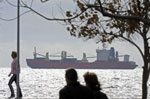
 Wall Street Journal: The strategic Strait of Hormuz has long been the subject of terrorist threats and piracy worries, but has operated free of oil-tanker sabotage since the 1980s.
The Wall Street Journal
By SPENCER SWARTZ And SUMMER SAID
The strategic Strait of Hormuz has long been the subject of terrorist threats and piracy worries, but has operated free of oil-tanker sabotage since the 1980s.
Slicing between Iran and Oman and connecting the Persian Gulf with the Gulf of Oman, the strait is the transit route for tankers carrying roughly 17 million barrels a day—almost 20% of the world’s daily oil needs—from key producers such as Saudi Arabia.
With such strategic economic importance, U.S. and other Gulf naval forces have for years routinely patrolled the waters in and around the strait, reducing the risk of attacks.
Gulf News reported that Oman and Iranian military officials made a joint pledge to protect the strait in the wake of Wednesday’s claim by militants that they damaged a Japanese oil tanker last week.
Still, terrorists have threatened oil trade in the Gulf, and Iran has threatened tanker traffic through the passageway.
In recent years, Somali pirates have launched attacks on ships close by, assaulting at least one merchant ship in recent months just south of the entranceway to the strait, off the coast of Oman.
But oil tankers haven’t been attacked since the 1980s, when dozens of vessels from various countries got caught in the crossfire of the Iran-Iraq war, during which the two countries attacked each other’s ships.
Even during the start of the U.S.-led invasion of Iraq in 2003, ships continued to load crude in Persian Gulf ports and transit unhindered through the strait, which is about 21 miles wide at its narrowest point at the mouth of the waterway.


