


 Bloomberg: Iran’s nuclear weapons ambitions and arming of proxy fighters still represent the “greatest long- term challenge” in the Middle East, the top U.S. commander for the region says.
Bloomberg
By Tony Capaccio
Iran’s nuclear weapons ambitions and arming of proxy fighters still represent the “greatest long- term challenge” in the Middle East, the top U.S. commander for the region says.
Iran, after four rounds of United Nations sanctions, still “appears determined to mature its nuclear weapons program — an ambition that could lead to the proliferation of illicit nuclear materials and spark a nuclear arms race in the region,” Marine Corps General James Mattis, who leads the U.S. Central Command, said in testimony today to the Senate Armed Services Committee.
Mattis’s command includes nations that have experienced popular demonstrations against current leaders, such as Yemen and Bahrain, or the downfall of existing governments, such as Egypt.
“The strategic landscape of the broader Middle East has been altered by recent events in Tunisia, Egypt, Libya and elsewhere,” Mattis told the committee.
There’s “pressure on government institutions from the aspirations of people seeking improved economic and social conditions,” he said. “Young people born in the information age are exchanging ideas in real time,” said Mattis, who said it was too soon to predict the outcomes.
“For the vibrant people of Iran, the regime is no giant,” Mattis said. “The regime’s actions have thrown the economy into disarray, destroyed rapport with the bulk of the world and spread hate and discontent across the region.”
‘Urgent Concern’
Libya, which is undergoing a revolt against Muammar Qaddafi, isn’t in the Central Command region.
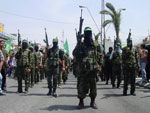
Mattis said Iran’s Islamic Revolutionary Guard Corps, under the control of its Islamic leaders, continues “to fund, arm, train and equipment a network of agents, surrogates and proxies” in Lebanon, Syria, Gaza, and elsewhere.
“Of urgent concern,” said Mattis, the Revolutionary Guard “continues to equip militants in Iraq and Afghanistan that attacks U.S. and coalition forces.”
A January attack by insurgents in Iraq using a large- caliber improvised rocket-assisted mortar was aided by Iranian forces and “demonstrated Iran’s malicious intent and ability to escalate violence when they desire,” Mattis said.


