


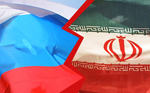
 Reuters: The White House said on Monday it was concerned about a recent report that Iran and Russia are negotiating an oil-for-goods swap worth $1.5 billion a month, a deal a spokeswoman said could trigger U.S. sanctions.
By Roberta Rampton
WASHINGTON (Reuters) – The White House said on Monday it was concerned about a recent report that Iran and Russia are negotiating an oil-for-goods swap worth $1.5 billion a month, a deal a spokeswoman said could trigger U.S. sanctions.
Such a deal would significantly boost Iran’s oil exports, which have been slashed by more than half to about 1 million barrels a day by U.S. and European economic sanctions aimed at forcing Iran to accept curbs to its nuclear program.
Russian and Iranian sources close to the barter negotiations said the deal could see Russia buy as much as 500,000 barrels a day of Iranian oil in exchange for Russian equipment and goods.
“We are concerned about these reports and Secretary (of State John) Kerry directly expressed this concern with (Russian) Foreign Minister (Sergei) Lavrov today,” Caitlin Hayden, spokeswoman for the White House National Security Council, told Reuters.
Iran agreed on Sunday to limit its enrichment of uranium and allow more international monitoring for six months in exchange for about $7 billion in sanctions relief.
The agreement with the P5+1 group of major world powers includes a pause on efforts to further reduce Iran’s exports of crude oil – although it does not allow major buyers to increase their imports.
Russia is part of the P5+1 group, but has not been part of the sanctions efforts, led by the United States and Europe.
“If the reports are true, such a deal would raise serious concerns as it would be inconsistent with the terms of the P5+1 agreement with Iran and could potentially trigger U.S. sanctions,” Hayden said.
Iran and the P5+1 group will likely begin talks on a long-term nuclear deal in February – talks that both Iran and the United States have said will be difficult.
(Reporting by Roberta Rampton, Mark Felsenthal and Steve Holland; Editing by James Dalgleish and Jonathan Oatis)


