


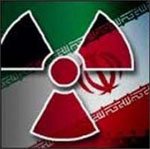
 AP: A group of U.N. inspectors visited a key uranium mine in southern Iran on Wednesday, as part of a deal to allow expanded monitoring of the country’s nuclear sites.
The Associated Press
By Ali Akbar Dareini
TEHRAN, Iran (AP) — A group of U.N. inspectors visited a key uranium mine in southern Iran on Wednesday, as part of a deal to allow expanded monitoring of the country’s nuclear sites.
Nuclear spokesman Behrouz Kamalvandi told the official IRNA news agency that the three-member team from the U.N. nuclear watchdog – the International Atomic Energy Agency – inspected the Gachin uranium mine, 50 kilometers west of the southern port city of Bandar Abbas.
Iran and the IAEA struck a deal Nov. 11 in Tehran granting U.N. inspectors wider access to Iran’s nuclear facilities. The deal was parallel to an agreement reached with world powers Nov. 24 in Geneva to have Iran halt its most sensitive uranium enrichment activities in return for an easing of Western sanctions over its controversial nuclear program.
Kamalvandi, spokesman of the Atomic Energy Organization of Iran, said U.N. inspectors were given a “managed access” to Gachin site. The term refers to a level of scrutiny that provides IAEA inspectors with access to data while at the same time allows the host country to protect some information.
Next to Gachin uranium mine is an associated mill that turns the mined uranium into uranium ore concentrate, a powder known as yellowcake because of its mostly yellowish color. The processing is part of the early stages before actual enrichment of uranium.
In the past, IAEA has questioned whether the Gachin facility was linked to alleged possible military dimensions to Iran’s nuclear program.
“The main purpose of inspecting the Gachin mine is to calculate its existing stockpile of (uranium) and probe to see whether Iran has withdrawn undeclared materials and injected them into an undeclared process or not,” the nuclear news website, irannuc.ir, reported Wednesday.
Iranian media said Tehran was not under any international obligations to allow such inspections but agreed to allow wider U.N. access to dispel suspicions about its past nuclear activities and show greater transparency in order to prove its goodwill.
Iran allowed U.N. inspectors a similar managed access to its Arak heavy-water production plant last month.
Iran stopped enrichment uranium to 20 percent and started neutralizing its stockpile of it on Jan. 20 in order to fulfil its commitments under the historic Geneva accord. The U.S. and the European Union also lifted some sanctions in response to the Iranian moves.
Under the six-month deal, Iran has agreed to halt its 20 percent enrichment program, which produces uranium just steps away from military grade, but will continue enrichment up to 5 percent. It also will convert half of its stockpile of 20 percent enriched uranium to oxide, and dilute the remaining half to 5 percent.
In return, the U.S. and the EU simultaneously announced the lifting of sanctions on petrochemical products, insurance, gold and other precious metals, passenger plane parts and services. They also plan to release $4.2 billion Iranian assets of oil revenues blocked overseas, in 8 installments over a period of six months.
The first installment of $550 will be provided to Iran on Feb. 1, according to U.S. administration officials.
Iran and the six-nation group – the five permanent members of the U.N. Security Council plus Germany – are expected to start talks for a comprehensive, permanent deal next month in New York.


