

The war-torn people of Gaza and Syria expressed their happiness following the death of Ebrahim Raisi by distributing sweets and celebrating. Additionally, Iranians around the world joined in the celebrations. Iran: Hamedan-Iran Stockholm: Germany:#ابوالفضل_آدینه_زاده
— مرضیه آدینه زاده (@MarzieAdinezade) May 20, 2024
🤍✌🏻 pic.twitter.com/H6plg7iPtK
Iranians Celebrate Raisi’s Death Across the World
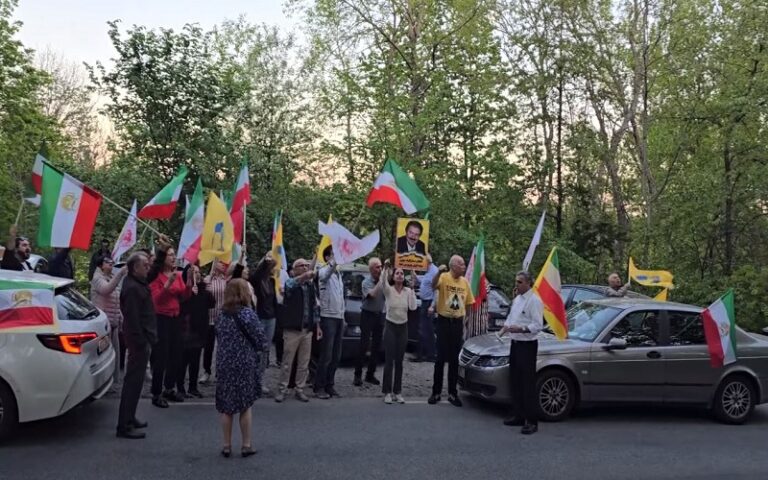
The death of Ebrahim Raisi, the President of the Iranian regime, elicited diverse reactions within the Iranian community. The government and some official groups announced mourning and condolences, with several world leaders also offering their sympathies, which were met with sharp reactions.
However, the reaction of the Iranian people was quite different, with many celebrating and rejoicing at the news worldwide. Raisi was widely despised for his various roles in suppressing protests and violating human rights, particularly for his brutal crackdown on protests following the death of Mahsa Amini in morality police custody.
In social media and on the streets, people responded to Raisi’s death with celebrations, highlighting their deep-seated hatred for him due to his inhumane policies. Raisi was a member of the so-called “Death Committee” in 1988, which issued execution orders for approximately 30,000 political prisoners, mostly from the People’s Mujahedin of Iran (PMOI/MEK), after brief trials.
In response to the public’s celebratory reactions, Mohammad Movahedi Azad, the regime’s Attorney General, issued a directive for all public and revolutionary prosecutors to take necessary measures against those “misusing social media” to “disturb public opinion” regarding the incident. This includes “spreading false information and insults,” with a call for “quick and deterrent action” according to regulations.
Following this directive, regime supporters on social media, especially on X (formerly Twitter), began collecting information about users who expressed joy over Raisi’s death, urging their like-minded peers to gather data on opponents and those rejoicing in the death of regime officials to hand over to security and judicial authorities.
Despite the regime’s announcement of five days of public mourning and a one-day holiday following the deaths of President Ebrahim Raisi, Foreign Minister Hossein Amir-Abdollahian, and several other officials, the widespread joy among the Iranian people was evident.
Families of the victims of the 2022 nationwide protests also shared videos of their children dancing on social media.
EU Politicians Face Backlash After Sending Condolence Messages for Death of Ebrahim Raisi
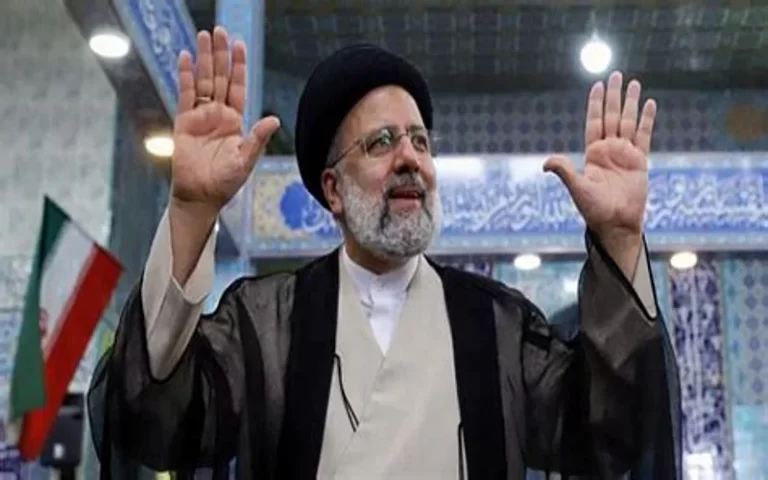
After the death of Ebrahim Raisi, the President of the Iranian regime, in a helicopter crash, Josep Borrell, the High Representative of the EU for Foreign Affairs and Security Policy, and Charles Michel, the President of the European Council, sent messages of condolence. This prompted protests from members of the European Parliament and parliamentarians from various countries with the hashtag “Not in My Name.” They referred to Raisi as the “Butcher of Tehran” responsible for the killing and massacre of people in Iran and the region.
The European Commissioner for Crisis Management, Janez Lenarčič, clarified that he was not offering “political support” to the Iranian regime after ending a post confirming the provision of satellite assistance to Iranian rescuers with “#EUSolidarity.”
As neighboring countries offered assistance in locating the crash site, Lenarčič announced on X that the EU was activating its Copernicus emergency satellite mapping service to help find the downed helicopter. He concluded his tweet with the hashtag #EUSolidarity, which sparked immediate backlash.
David Alexander Lega a Member of European Parliament from Sweden wrote on his X account:
Dennis RADTKE an MP from Germany wrote on X: “Have Josep Borrell, Charles Michel, and Janez Lenarčič ever seen such images? Then why do they express sympathy and solidarity with someone responsible for these actions? These three no longer have a place at the high levels of European leadership.”Can you look the brave women and freedom fighters of Iran in the eye ever again? Can you look Floderus’ or Djalali’s families in the eye ever again?
— David Lega (@DavidLega) May 20, 2024
I can. Shame on you. #NotInMyName https://t.co/8Odf7SFefm
Robert Jenrick, former UK Minister of State for Immigration wrote: “The death of the butcher of Tehran will not be mourned by oppressed Iranians, nor their Western allies. The EU’s weakness on Iran is again clear for all to see. And to think Labour would rush into a foreign policy pact with the Commission.”Haben @JosepBorrellF ,@CharlesMichel und @JanezLenarcic solche Bilder noch nie gesehen oder warum empfinden sie Mitgefühl und Solidarität mit dem Mann,der für diese Taten verantwortlich ist? Diese 3 haben in europäischen Spitzenfunktionen nichts mehr zu suchen.#Iran #Raisi pic.twitter.com/moqsXiOSQx
— Dennis Radtke (@RadtkeMdEP) May 20, 2024
“I am shocked that [Lenarčič] posted a message on behalf of the EU proposing to activate EU solidarity to save the Iranian president,” Flemish MEP Assita Kanko said. “European solidarity? With whom. And with whose money?” Marie-Agnes Strack-Zimmermann, one of the liberals’ lead candidates for June’s European election, wrote: “It is an absolute mystery to me how the EU Commission can show #EU solidarity with Iran. What a miserable hashtag, what a mockery of the brave fighters for human rights in Iran. I expect an explanation for this.”The death of the butcher of Tehran will not be mourned by oppressed Iranians, nor their Western allies.
— Robert Jenrick (@RobertJenrick) May 20, 2024
The EU’s weakness on Iran is again clear for all to see.
And to think Labour would rush into a foreign policy pact with the Commission. https://t.co/WcFaqAQeWh
Who is Mohammad Mokhber, the Vice President of Iran’s regime?
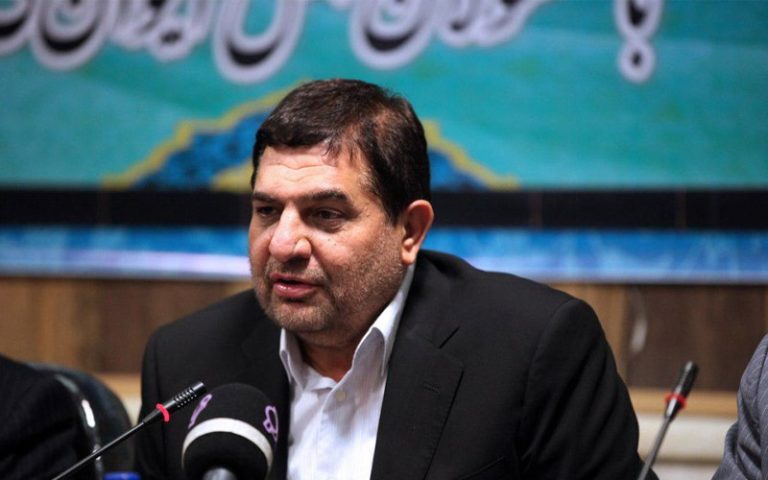
The Vice President of Iran’s regime has assumed the executive responsibilities of the Iranian government following the death of Ebrahim Raisi.
According to Article 131 of the Iranian Constitution, “In case of the death, dismissal, resignation, absence, or illness of the President for more than two months, or in cases where the term of the presidency ends and the new President has not been elected due to certain obstacles, or other similar matters, the Vice President, with the approval of the Supreme Leader, assumes the duties and responsibilities of the President.”
Additionally, based on this law, “a council consisting of the Speaker of the Parliament, the Head of the Judiciary, and the First Vice President is obliged to organize the election of a new President within a maximum period of fifty days.”
Currently, Mohammad Mokhber, the First Vice President of Iran, has unexpectedly taken on this new mission.
Who is Mohammad Mokhber?
Mohammad Mokhber Dezfuli was born on June 26, 1955, in Dezful, located in the Khuzestan province in southwestern Iran. During the 2000s, he rose through the ranks within the institutions under the office of Iran’s Supreme Leader by working with the Mostazafan Foundation. He held various government and state positions, including Deputy for Commerce and Transportation of the Mostazafan Foundation, Chairman of the Board of Sina Bank, and Deputy Governor of Khuzestan Province. In 2007, he was appointed as the head of the Execution of Imam Khomeini’s Order (EIKO), where he outlined his program’s main principles as “being Islamic, revolutionary, and disciplined” during his introduction ceremony. In January 2020, while serving in this position, he was placed on the U.S. sanctions list. Earlier, in 2010, Mohammad Mokhber was sanctioned by the European Union due to his alleged involvement in Iran’s missile and nuclear programs. However, his name was removed from the EU sanctions list two years later. In 2013, Reuters published a report estimating the assets of EIKO, overseen by Iran’s Supreme Leader, at around $95 billion. Other reports estimate that EIKO, along with Astan Quds Razavi and the Foundation of the Oppressed, and Khatam-al Anbiya (a company owned by the Revolutionary Guards), control more than half of Iran’s economy. The assets and activities of these institutions are not overseen by the parliament and are independent of the national budget. In July 2019, Mokhber hosted several commanders from Hashd al-Shaabi, the most significant militia group supported by Iran in Iraq, with reports and photos of the meeting published by official news agencies. Since 2021, he has been serving as the seventh First Vice President in the thirteenth government of Iran. Given that Ebrahim Raisi had no prior executive experience, some observers believed that Mohammad Mokhber Dezfuli effectively managed Raisi’s government and even played a direct role in selecting economic ministers.Activities Related to Corruption
The name of Sajad Mokhber, Mohammad Mokhber’s son, has been associated with corruption cases related to the sale of Iranian oil, and according to some reports, he is one of the bank debtors. Transparency International consistently ranks Iran among the most corrupt countries in its annual reports. Additionally, during Ebrahim Raisi’s presidency, Mohammad Mokhber was appointed to head a committee tasked with “monetizing government assets,” under the support of Iran’s Supreme Leader, Ali Khamenei, which aims to sell public assets and properties.Death of Iranian Regime President Ebrahim Raisi Sparks Celebrations Among Citizens
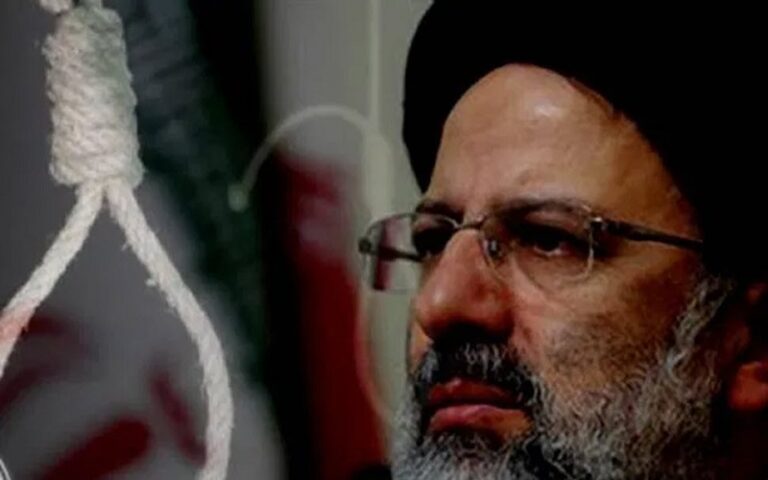
The helicopter carrying Ebrahim Raisi, the President of the Iranian regime, infamously known as the “Butcher of 1988” due to his involvement in the mass execution of political prisoners in the summer of 1988, crashed yesterday in northeastern Iran.
In the crash of the helicopter carrying Ebrahim Raisi, Foreign Minister Hossein Amir-Abdollahian, the governor of East Azerbaijan Province, and the Friday prayer leader of Tabriz were also killed.
Families of the victims of the Iranian regime described Ebrahim Raisi in their messages as “one of the most significant human rights violators” in the country and emphasized that with his death, Raisi escaped trial.
However, social media users inside and outside Iran have posted numerous videos of dancing, celebration, and distribution of sweets, showing the hatred of the Iranian people for the “Butcher of ’88.”
For instance, Saeed Afkari, the brother of Navid, a young athlete executed by the Iranian regime in September 2020, wrote on the social media platform X: “I haven’t seen my mother this happy in years.” Navid Afkari was executed when Ebrahim Raisi was the head of the judiciary of the Iranian regime. Foreign Policy wrote: “Raisi’s death puts a coda on a short but transformative era in Iranian politics that saw the country lurch in a hard-line direction and threatened to bring the Middle East to the brink of regional war. In nearly three years in power, Raisi moved Iran’s domestic politics and social policy in a more conservative direction and pushed the country further into the role of clear U.S. antagonist in the region after his predecessor, Hassan Rouhani—who defeated him in the 2017 presidential election—first sought a detente with the West over Iran’s nuclear program before stepping up proxy attacks.” The American online newspaper Politico wrote in the introduction of Ebrahim Raisi: “Raisi, 63, was a conservative cleric and former judiciary chief who was responsible for decades of vicious crackdowns against his own people’s aspirations for greater personal freedoms and democracy, arresting, torturing and executing tens of thousands of the Islamist regime’s opponents.” The New York Post, one of the oldest newspapers in the United States, also wrote: “Iran’s hardline President Ebrahim Raisi was killed when a helicopter carrying the reviled leader known as the “Butcher of Tehran” crashed in a remote region of the country Sunday, officials and state media said.” The analytical news website The Conversation wrote: “Domestic turmoil under Raisi’s presidency was accompanied by shifts in Iran’s regional and international role. “As supreme leader, Khamenei has the final say on foreign policy. But Raisi presided over a state that continued down the path of confrontation toward its adversaries, notably the U.S. and Israel.”تو این چندسال مادرمو اینقدر خوشحال ندیده بودم.
— سعید افکاری (@afkari_saeed) May 20, 2024
Iranian regime president Ebrahim Raisi killed in a helicopter crash
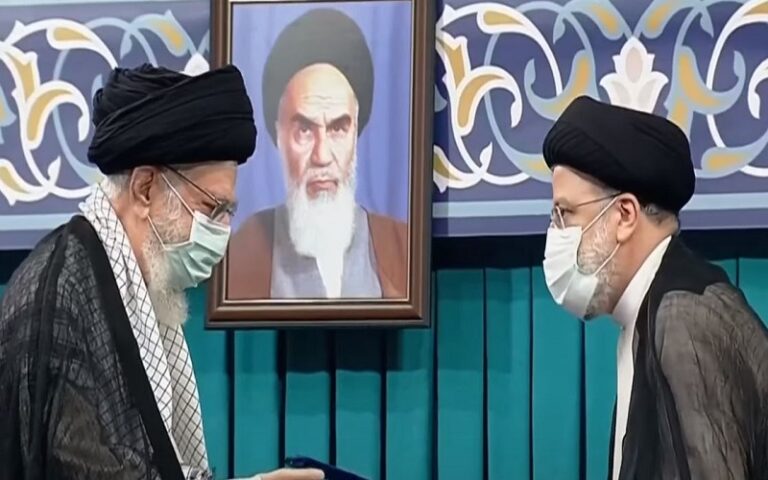
Iranian regime president Ebrahim Raisi and his eight-member delegation, including Foreign Minister Hossein Amir-Abdollahian, were killed in a helicopter crash.
The regime’s Tasnim and Mehr news agencies confirmed on the morning of Monday, May 20, 18 hours after the helicopter accident during its journey from the Iranian border with Azerbaijan, that the wreckage had been found, ending the search operation and confirming the deaths of the president and the foreign minister of Iran.
Ebrahim Raisi was appointed as a “prosecutor” in Karaj at the age of twenty in 1980.
Raisi was a member of the “Death Committee” in the case of the execution of thirty thousand prisoners in the summer of 1988, a committee of four members that issued execution orders for prisoners within minutes. Most of the executed prisoners in the summer of 1988 were members of the People’s Mojahedin Organization of Iran, the largest opposition group to the Iranian regime.
Since then, thousands of survivors of the 1988 summer executions, which are considered the bloodiest political purges by the regime against its critics, have named Ebrahim Raisi as the perpetrator of the crime. However, in the judicial system of the Iran’s regime, such missions led to Raisi’s growth and promotion.
In the decades before his presidency, whether in intermediate roles like the prosecutor of Tehran or senior roles like the Attorney General of the country, the First Deputy Chief Justice, and also as the Chief Justice, he was considered one of the key figures in Iran’s judicial network.
Over these years, the Iranian opposition, due to his involvement in the 1988 summer executions, has referred to him as the “Ayatollah of Execution” or “Ayatollah of Massacre.”
During the nationwide uprising of 2022, Ebrahim Raisi was directly responsible for the suppression and killing of more than 750 people, the execution of dissidents, and the imprisonment of over 30,000 individuals.
Mrs. Maryam Rajavi, the president-elect of the National Council of Resistance of Iran, described Raisi’s death as “an irreparable and strategic blow to Khamenei and the entire regime of executions and massacres with consequences and chain crises at the head of the religious tyranny that drives the rebels.”
Sky news wrote:
“A man who launched the first direct attack on Israel in his country’s history and a hardliner on whose watch hundreds of Iranians have been killed in the brutal repression of recent women-led protests, Mr Raisi had a huge amount of blood on his hands.
His fearsome reputation went back to the 1980s – a period that earned him the dubious soubriquet the Butcher of Tehran.
He sat on the so-called Death Panel of four Islamic judges who sentenced thousands of Iranian prisoners of conscience to their deaths during the purge of 1988.
Mr Raisi was personally involved in two of the darkest periods of Iranian repression. And he was seen as one of the favourite contenders to replace the elderly and ailing Supreme Leader Ali Khamenei.”
Iran’s Regime Cuts Government Aid to Thousands of Disabled People
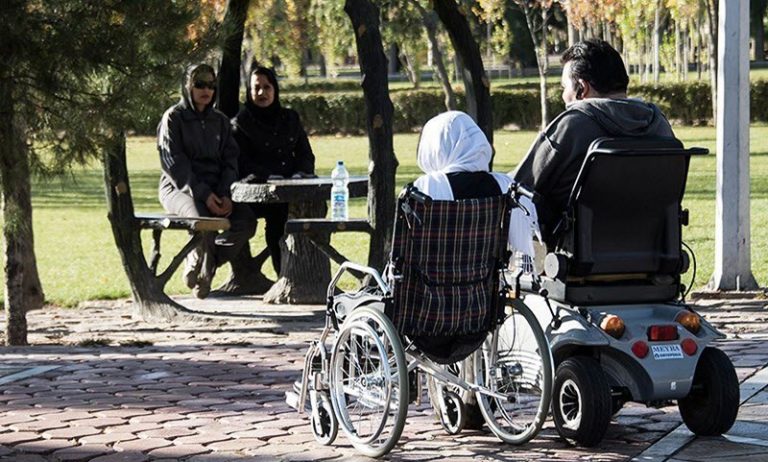
Behrooz Morovati, an activist for disability rights and the director of the 19 May Disabilities Campaign, announced that “this month,” the pensions of tens of thousands of beneficiaries of the Welfare Organization, who had been receiving pensions until March, have been cut by the Targeted Subsidies Organization without any explanation.
The director of the Disabilities Campaign told the regime’s ILNA news agency that, based on reports received by the campaign and the Beneficiaries News Channel, the “massive pension cuts” have affected about 20 percent of the Welfare Organization’s beneficiaries for “two consecutive months.”
This disability rights activist added that until last year, the pensions were directly deposited by the Relief Committee and the Welfare Organization. “However, according to Clause 2 of Addendum 8 of the 2024 Budget Law, the responsibility for depositing pensions for the Relief Committee and the Welfare Organization beneficiaries has been transferred to the Targeted Subsidies Organization this year.”
According to the follow-ups by the Disabilities Campaign, although the monthly list of beneficiaries is confirmed by the Welfare Organization and the Relief Committee and then communicated to the Targeted Subsidies Organization, the organization “has cut their pensions due to ambiguities in some accounts.”
Morovati added, “Beneficiaries whose pensions were deposited into the head of the household’s account due to their young age are among those affected by this pension cut.”
Morovati stated that with the intervention of the Audit Court, there was a promise to pay the April pensions to those beneficiaries whose pensions were cut last month. “However, with the repeated cuts for two consecutive months, it seems new issues are arising.”
Expressing concern over the potential pension cuts in May for another group of Welfare Organization beneficiaries, this disability rights activist said that these conditions “strengthen the suspicion of targeted pension cuts for thousands of beneficiaries by the Targeted Subsidies Organization.”
The ongoing problems for people with disabilities and the government’s neglect have led to continuous protests by these individuals in front of various government agencies and institutions. In this regard, Zabihollah Khodaeian, head of the National Inspection Organization, said on December 4, 2023, “If the officials take action, many of the problems of people with disabilities can be resolved.”
The state-run Asr Iran website also emphasized in a report on March 3 that “people with disabilities often protest in the snow and cold or heat in front of the Parliament, the Ministry of Health, or any organization that can solve their problems, hoping that someone will hear their cries.”
According to this media outlet, people with disabilities are forced to wait for hours in the street in their wheelchairs, hoping that someone in Iran will hear their voices.
It is worth mentioning that Article 27 of the Law on the Protection of Persons with Disabilities obliges the government to “determine and allocate the necessary funds in the annual budget laws to provide livelihood assistance to severely and profoundly disabled individuals who are unemployed and have no income,” but this part of the law has not been implemented so far.
International Energy Agency: Iran Producing 3.3mn Barrels of Oil Per Day
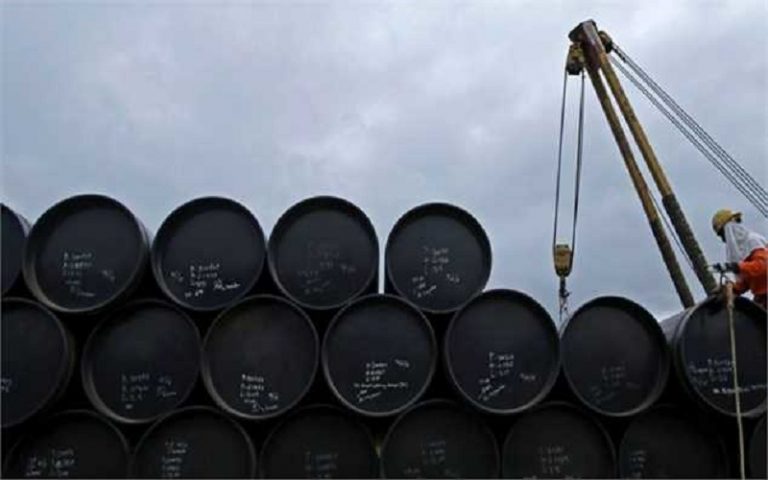
According to the latest monthly report by the International Energy Agency, Iran’s daily oil production in the month of April reached 3.3 million barrels, which is 75,000 barrels more than March.
The statistics archive of this international agency shows that since the beginning of 2024, Iran’s daily oil production has increased by 150,000 barrels.
Before the US sanctions in 2018, Iran had a daily oil production of 3.8 million barrels, but this figure dropped to below 2 million barrels in 2020. Since the Biden administration took office, Iran’s oil production has experienced significant growth due to consecutive increases in exports.
Iran has also used an extensive network of middlemen and intermediaries, and the oil tanker tracking company Vortexa reported on Saturday, May 18, that 163 large oil tankers are involved in clandestine oil transfer from Iran to China.
The commodity information company Kepler had previously reported that in the first three months of the current year, Iran’s oil exports reached 1.5 million barrels per day, which is 200,000 barrels more than in 2023.
This international company also stated that last year, Iran exported 670,000 barrels of oil to China through intermediaries in Malaysian waters, but this figure has reached 800,000 barrels this year.
Recently, Brian Nelson, the Deputy Treasury Secretary of the United States, warned during his trip to Malaysia and Singapore that the United States considers Iran’s increased capacity for oil transfer dependent on service providers based in Malaysia. This oil is transported from the vicinity of Singapore and other areas to China.
In the first quarter of this year, Iran’s regime has increased its oil exports not only through increased production but also by selling its unsold oil stored in tankers in the Persian Gulf and the waters of East Asia.
Kepler’s statistics show that Iran’s unsold oil reserves steadily decreased from 45 million barrels in mid-fall last year to below 15 million barrels by the end of March this year.
Despite the significant increase in oil exports, Iran faces substantial costs to bypass US sanctions and receive payment for its exported oil. For example, considering the price and volume of Iran’s oil exports, it was expected that the country would have at least $44 billion in oil revenue last year, but customs statistics indicate that it only had $36 billion in oil revenue.
Reuters previously reported that Iran offered a $13 discount to Chinese refineries for each barrel of exported oil last year.
In addition to the costs of clandestine oil shipments in the middle of oceans to other tankers or the rebranding of Iranian oil with the help of intermediaries and its sale as Malaysian, Iraqi, Emirati, and Omani oil to China.
Amnesty International Calls Halting the Death Sentence of Toomaj Salehi
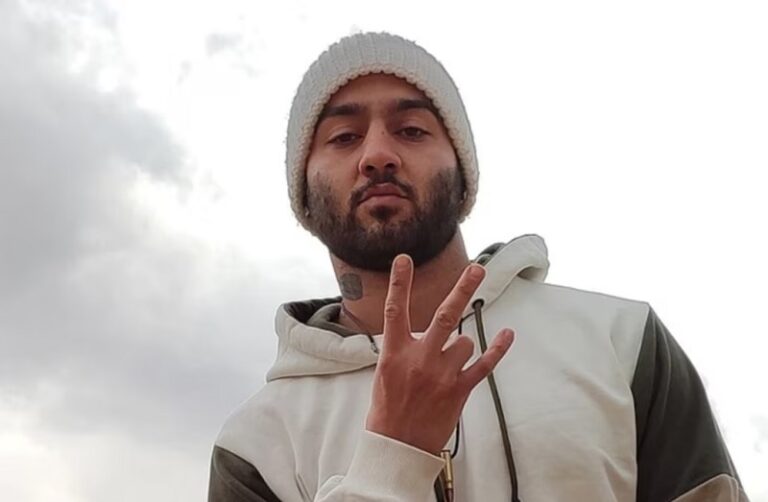
On Thursday, May 17, Amnesty International sent a letter to the head of the Iranian regime’s judiciary, calling for the overturning of Toomaj Salehi’s death sentence.
Amnesty International emphasized that this Iranian rapper was sentenced to death solely for participating in the 2022 nationwide protests and posting critical content on social media against Iranian regime officials. The organization asserts that the trial of this dissident singer was highly “unfair.”
The letter warns that Salehi was “tortured during arrest, including through repeated beatings, resulting in fractures in his hands and leg, and loss of consciousness for two days.”
Amnesty International, citing multiple human rights violations against this political prisoner, has asked the head of the Iranian judiciary, Gholam-Hossein Mohseni-Eje’i, to unconditionally release Toomaj Salehi and to effectively and impartially investigate the allegations of torture against him.
The human rights organization concludes the letter by calling for independent observers to be granted access to the judicial processes in cases where the death penalty is issued.
Amir Raeesian, Toomaj Salehi’s lawyer, announced on Thursday that an appeal against his client’s death sentence has been registered with the Supreme Court.
Following the news of the appeal by Toomaj Salehi’s lawyer, Ye-One Rhie, a German parliament member and Toomaj Salehi’s political sponsor, called the increasing pressures on him “outrageous” on her X account.
Rhie pointed out that Toomaj is not allowed to contact his lawyer, his phone calls have been cut off, and his visits with family are conditional on being filmed. She emphasized that “They try to frame him and make him appear weak.”
The announcement of the death sentence for this dissident singer by the Revolutionary Court has sparked a widespread global wave of protests, which continues to this day.
Around 6 Workers Die of Safety Incidents Every Day in Iran
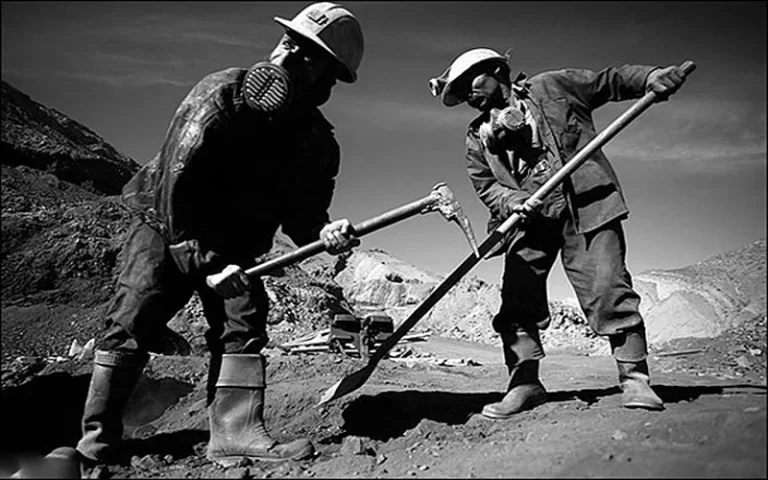
Ali Ziaei, the head of the Crime Scene Investigation Group at the Iranian Forensics Organization, reported the deaths of 2,115 workers and injuries to 27,000 others due to work-related accidents in 2023.
The state-run ILNA news agency criticized the the Ministry of Labor for concealing statistics and stated that this figure translates to the death of 5.79 workers per day.
Ziaei stated to ILNA that the number of work-related accidents in the past year increased by 11.3% compared to the previous year.
He added that falls from heights consistently accounted for the largest share of casualties, with 983 victims losing their lives due to falls, comprising 46.5% of all fatalities.
In Iran, there is no accurate data regarding work-related accidents, and various sources such as the Iranian Statistical Center, the Ministry of Cooperatives, Labor, and Social Welfare, and the Forensics Organization publish different numbers with significant discrepancies.
What the media and labor activists publish based on these numbers, along with their observations and unofficial reports, also significantly deviates from the government statistics.
ILNA reported that on April 29, Ali Hossein Raeiati Fard, the Deputy for Labor Relations of the Minister of Cooperatives, Labor, and Social Welfare, presented new statistics on work-related accidents in the country, stating that there were 680 fatalities in 2023, down from 712 in 2021.
ILNA also questioned whether the Ministry of Labor and its extensive subsidiaries truly lack access to data and the country’s forensics information database in this era of internet dominance and database control over all aspects of existence.
Previously, the Legal Medicine Organization had announced that 900 workers were killed in 2022, while the Ministry of Cooperatives, Labor, and Social Welfare claimed that 711 workers lost their lives due to work-related accidents.
According to a report by the Iranian Human Rights Activists Center in April, at least 1,680 workers lost their lives in the past 12 months (from May 1, 2023, to April 27, 2024), and 8,199 workers were injured during this period.
In March 2024, the Iranian Statistical Center reported only 548 work-related deaths in the fall of 2023.
Taking into account previously announced figures for the spring and summer, a total of 1,625 deaths during work were registered in Iran from March 21 to December 20, 2023.
In September 2023, a legal expert and labor activist, in an interview with the regime’s Payamema newspaper, stated, “Overall, there are no reliable figures in the field of labor. We do not know how many million workers we have, how many minimum wage workers, how many female workers, and how many foreign workers. There is no willingness to publish statistics.”
He explained the discrepancy in figures by stating that official statistics only include insured workers, excluding uninsured workers, foreign nationals, and informal workers, which is the reason behind the differences in statistics.
Ehsan Sohrabi, a labor activist, considered the Ministry of Labor’s approach to statistics on work-related accidents as a clear example of deception and stated to ILNA, “In this era and time, harmonizing statistics is very simple; however, they do not want to accept the realities because if they endorse the realities, they must admit that a considerable number of workers lose their lives every day due to the lack of basic safety principles, and the mortality rate is experiencing a noticeable increase!”
Sohrabi added: “These statistics are just a bunch of numbers for them, but the death of each worker is an irreparable tragedy for a family in the country.”
Based on these fabricated statistics from last year, 2,115 people died due to work-related accidents, which is equivalent to 5.79 worker deaths every day of the year, a number that even the Ministry of Labor does not acknowledge or recognize officially.
According to assessments, Iran ranks 102nd among countries in terms of observing labor safety issues, and the worker mortality rate exceeds global averages.
Air Pollution Kills 26,000 People in Iran Every Year: Head of Environment Organization
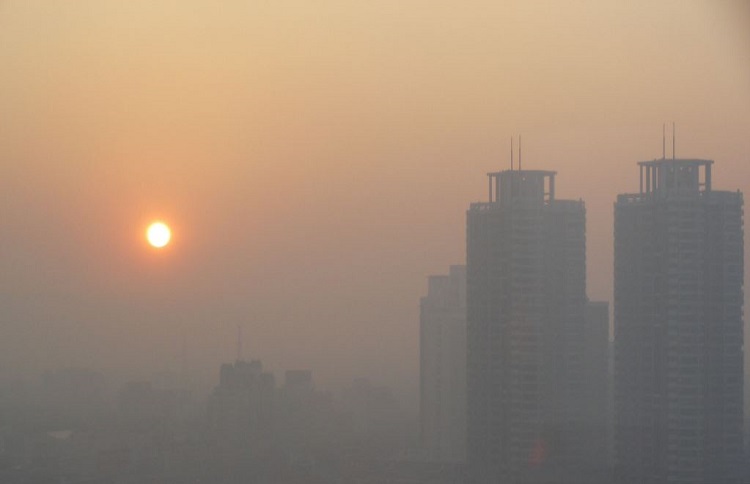
Ali Salajegheh, the head of the Environmental Protection Organization admitted in a conference in Kerman on Monday, May 13 that air pollution in Iran is six times higher than the global standard, resulting in the deaths of 26,000 people each year.
According to the state-run news agency IRNA, Salajegheh estimated the damages caused by air pollution in Iran at $11.3 billion per year and added, “The average concentration of particulate matter in the Iranian atmosphere has reached around 30 micrograms per cubic meter, which is about two and a half times higher than our own country’s standards.”
These statements are made while regime Vice President Mohammad Mokhber has stated that the air quality in most Iranian cities in April and May has been favorable due to weather conditions and appropriate rainfall.
Dariush Gol-Alizadeh, the head of the National Center for Air and Climate Change at the Environmental Protection Organization, had stated on December 4, 2023, with the same statistics and figures that the main culprits of air pollution in Iranian cities are low-quality domestic gasoline and vehicles.
This is happening while Iranian media reported last week that the Raisi government has asked petrochemical factories to produce gasoline again to compensate for the gasoline shortage in the country through a $2.7 billion contract.
Experts consider the gasoline produced in petrochemical factories as the “most polluting type of gasoline.”
