

Global Concern Over Death Sentence of Iranian Political Prisoner

The Iranian regime’s judiciary has sentenced political prisoner Mohammad Javad Vafa’i Sani to death on charges of “supporting the MEK”, “spreading corruption on earth”, and “burning and destroying regime facilities”, after enduring two years of imprisonment and torture the verdict was delivered to his lawyer.
Mohammad Javad Vafaei is a 26-year-old boxing champion from the city of Mashhad. He was arrested in this city in March 2020. The regime’s judiciary set a bail of 300 billion rials (approximately $600,000) for his temporary release, which his family could not afford.
The Iranian regime is trying to prevent the spread of social protests by increasing executions and repression. This sentence is part of the regime’s continued pressure on political prisoners and its efforts to further suppress society to prevent the possibility of future fiery protests.
The National Council of Resistance of Iran (NCRI) called on the UN Secretary-General, the UN Human Rights Council and Commissioner, all human rights defenders, as well as the European Union and its member states, to take urgent action to save the life of this political prisoner.
In a letter released on July 20, dozens of human rights activists, prominent lawyers, and former prosecutors asked the UN Human Rights Chief to intervene to prevent the execution of this prisoner.
96 international NGOs, current and former United Nations officials, human rights and legal experts including Judge Sang-Hyun Song, President of the International Criminal Court (ICC) (2009-2015), and Nobel laureates that sent an urgent letter to the UN High Commissioner for Human Rights Volker Türk, requesting his urgent intervention to prevent the imminent execution of Mohammad Javad Vafa’i Thani.
The spokesperson for the UN High Commissioner for Human Rights, said, “We have received information about this case and are in the process of following up and gathering further information.”
The full text of the letter follows:
Dear High Commissioner,
We request your urgent public intervention to save the life of Iranian political prisoner Mohammad Javad Vafa’i Thani.
According to information received from Vakil-Abad Prison in the city of Mashhad, earlier this morning a prison judge went to the political prisoners’ ward, where he informed Vafa’i Thani that his execution verdict had been finalised.
Vafa’i Thani was then summoned and taken by a prison guard to an unknown location. There is no further information about his current whereabouts.
Vafa’i Thani, 27, is a local boxing champion in Mashhad and a supporter of the main opposition group People’s Mojahedin Organisation of Iran (PMOI or MEK).
He was arrested in March 2020 (Persian calendar month of Esfand 1398) for taking part in the November 2019 anti-government protests. He was tortured for several months and eventually handed down an execution sentence for “efsad-fil-arz” (“corruption on Earth”) by Branch Four of the Mashhad Revolutionary Court.
In recent months, the Iranian authorities have executed at least seven other protesters on similar bogus charges with total impunity. These political executions are a callous attempt by the authorities to frighten and silence an increasingly restive population no longer willing to accept their corrupt and oppressive rule.
We ask that you make an urgent public call for the Iranian authorities to halt Vafa’i Thani’s imminent execution sentence.
Sincerely,
Iran’s stock market crisis; where did billions of tomans of hot money go?
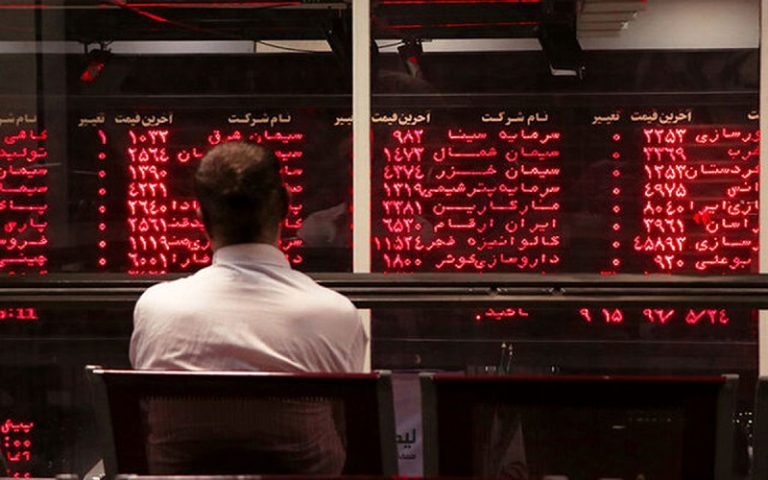
Investigations into the flow of money in and out of the Iranian stock market show that over the past 50 days, more than 300 trillion rials (approximately $6 billion) have been withdrawn from this market since the historic fall of the Tehran Stock Exchange. During these 50 days, the stock market has experienced a continuous downward spiral, and the number of days that the index has been positive is barely in the single digits.
Market players and many managers of private company attributed the repeated decline in the index to lack of knowledge until the government’s decision to increase the price of gas for industrial usage was announced. They only found out about the underlying reasons for the serial declines in the stock market when the letter attributed to Vice President Mohammad Mokhber was sent to companies, revealing the government’s secret decision regarding the increase in price of gas for industries and petrochemicals.
Since that day, the outflow of money from the stock market has continued unabated. Retail investors (small shareholders who are independently active in the stock market) are trying to withdraw their remaining capital from this market to avoid further losses.
The emergence of new rent-seekers
The term “rentier state” is used for governments similar to the regime in Iran; a government that has independent financial resources other than society’s taxes and can implement government policies and demands with greater independence. Over the past four decades, rentier governments in Iran have created rent-seeking groups that have widened the class divide and resulted in the emergence of a group called “white-collar ” in Iran’s economy, which formed a new class and rooted itself in all economic sectors. This emerging group is either close to centers of power or behind the scenes of corrupt economic movements and creates economic rent directly for its subordinates. The secret decision the government made on May 7 to increase the price of gas for industries is an obvious example of rent and corruption that has destroyed the capital of many small shareholders. A similar incident occurred on August 21, 2020, when the Tehran Stock Exchange index dropped by 51,000 points, destroying the capital of many small shareholders. This decline occurred with the exit of government-affiliated shareholder entities from the market, and it later became clear that the government’s advertising campaign to encourage people to invest in the stock market with the aim of collecting cash to cover the budget deficit. Behind the scenes of every economic decision that disrupts the markets, a group of emerging “white-collar ” rent-seekers is always forming, just like what happened this year and the Black Monday that hit the Tehran Stock Exchange.Where does the hot money go?
Examination of the inflow and outflow of money from the stock market over the past 50 days shows that $6 billion of hot money has been withdrawn from the market, which can cause turbulence in any market it enters. Although the dollar has been on a downward trend and fluctuating between 480 to 500 thousand rials in the past month, analysts believe that this fluctuation will be temporary, and the market awaits a political news or economic decision from the government to quickly redirect the flow of money in that direction. In addition to the 300 trillion rials withdrawn from the stock market, money printing continues unabated. According to statistics from the Central Bank, liquidity grew by 3.9 percent in the first three months of this year. The latest statistics on liquidity volume announced in May was 64.680 trillion rials (approximately $129.360 billion). With 1.390 trillion rials (approximately $2.780 billion) in facilities paid in June, according to Central Bank statistics, it can be expected that liquidity in Iran reached over 66 trillion rials (approximately $132 billion) by the end of June. Taking into account the outflow of money from the stock market and the growth of liquidity in recent months, it seems that hot money is heating up for movement towards non-productive parts of the Iranian economy. This money, which the “white-collar” people will manage, can move towards the gold and coin market, real estate, and ultimately affect goods, services, and people’s lives, while the government, as a rentier state, holds their affairs in hand while they pay taxes. This is a practical and prominent example of a rentier state’s administration.Political prisoners protest “fabricated charges” against Maryam Akbari Monfared

The opening of a new case against Maryam Akbari Monfared, who has been in prison without furlough for 14 years, has been protested by current and former women political prisoners. These women consider the new case as “revenge of the judiciary because she was seeking justice.”
Forty-four current and former women political prisoners have protested in a letter the “fabricated charges” against Maryam Akbari Monfared and the opening of a new case against her by the judiciary.
The letter refers to Maryam Akbari Monfared’s 14 years of imprisonment without even a day of furlough and her exile to Semnan Prison in central Iran.
She has been in prison since 2009 and was held in Evin, Gohardasht, and Qarchak prisons before being exiled to Semnan in February 2022.
The authors of the letter have written: “We are witness to Maryam’s struggle and resistance, witness to her passion and concern for the people’s suffering.”
One sister and three brothers of Maryam Monfared were executed in the 1980s on charges of supporting the People’s Mojahedin organization of Iran (PMOI), and she is part of a large family of plaintiffs and advocates who demand clarification of the reasons for the executions and the burial sites of political prisoners executed by Iran’s regime.
The authors of the letter stated: “We know that the new case is not only against Maryam but is a plan for the judiciary’s revenge against her complaint.” They have considered this fabrication of charges as “torture of Maryam and her family.”
The letter concludes: “The sound of those who seek justice is not only heard from Maryam’s throat but also from all over Iran.”
Maryam Akbari Monfared was arrested during the Ashura protests in 2009 and was sentenced to 15 years in prison. During this time, she has not been granted a furlough.
While her imprisonment is nearing its end, on July 1, 2023, she was transferred from Semnan to Evin Court and was informed of five new charges. She was then returned to Semnan.
The charges include “propaganda against the Iranian regime, assembly and collusion against national security, spreading lies, insulting the leader, and inciting people to disrupt public order.” These charges are based on letters, statements, and reports published in the media and social networks. After serving five new charges, she was returned to Semnan Prison. The goal is to prevent her release after completing her sentence.
Two brothers and one sister of Maryam Akbari Monfared’s were executed in the 1980s, and one brother were executed during the mass executions of political prisoners in the summer of 1988.
Her husband says that their repeated requests for medical furlough have remained unanswered, despite heavy bail payments, and they have been told that the Ministry of Intelligence and the prosecutor’s office are against granting furlough.
The Precarious State of Iran’s Retirement Funds: Budget Deficits and Resource Shortages
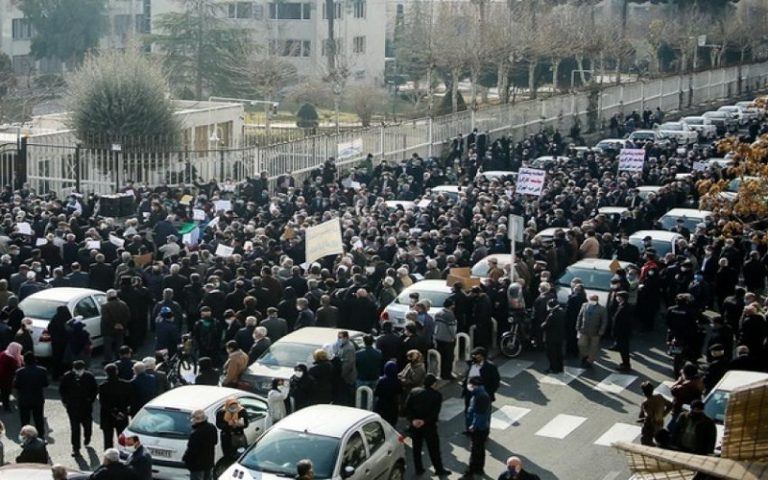
The Iranian government has decided to merge 18 retirement funds in response to a budget deficit of 3,000 trillion rials (approximately $6 billion) and its increasing debt to these funds. Retirement funds in Iran are called “time bombs,” not because they are all considered bankrupt, but because they can lead to the destruction of both the economy and the Iranian society, along with bankruptcy.
For more than a decade, the Iranian regime has been dealing with the retirement fund crisis through tricks such as assigning shares, transferring factories and even lands to the funds to pay off their debts. Nevertheless, official reports show that out of a total of 18 retirement funds in Iran, 17 are bankrupt or on the brink of bankruptcy.
Recently, it has been suggested in the Seventh Development Plan that the retirement age for women in difficult and hazardous jobs be reduced to 45 years and for men to 50 years. According to experts, this proposal could be a countdown to the explosion of retirement fund time bombs.
In many countries, retirement policies are aimed at increasing the retirement age, but in Iran, the retirement age is between 45 and 53 for women and 50 to 56 for men. The low retirement age in Iran is one of the most important factors that increases the financial burden on the funds year after year.
Another dangerous factor is the decrease in the support ratio to working individuals; that is, the ratio of retirees to working individuals is decreasing. Currently, the support ratio in the national retirement fund is 0.65 percent, and in the armed forces, it is 0.83 percent, while the global average is 6 percent. (In simple terms, in a standard fund, six people must work to support one retiree.)
According to the Iranian Statistical Center, in the spring of this year, the number of employed individuals was reported as 23,577,638. With a population of nearly 88 million in Iran, the lives of approximately 64,340,000 people are dependent on the work and activities of these employed individuals.
The population-to-employment ratio in Iran is 3.7 percent, meaning that each employed person, except for themselves, must provide for an average of 3.7 other individuals’ living expenses.
Hard times for retirees
Inflation and increasing poverty threaten retirees more than any other group in Iran. Although this year retirees under the coverage of the Social Security Organization saw a 27 percent increase in their pension, and those under other funds received a 20 percent increase, this group is still under pressure due to inflation and economic difficulties. According to unofficial reports, the poverty line in Iran has reached 300 million rials (approximately $600), while the minimum pension in 2023 was announced to be around 55 million rials (approximately $110). There are 18 retirement funds in Iran, covering a total of 25 million retirees and pensioners. Due to the low population-to-employment ratio (3.7%), the resource crisis in these funds can affect the lives of 50 million people. This year, a budget deficit of about 3,000 trillion rials (approximately $6 billion) has been estimated for these funds, and it is predicted that by 2026, their resource deficit will reach 8,000 trillion rials (approximately $16 billion). The government is legally required to provide 8 to 10% of the resources of some of these funds, while some others receive funding from the general budget. In the current year’s budget bill, the government has allocated 3,300 trillion rials (around $6.6 billion) to compensate for the budget deficit of retirement funds, which is 1,130 trillion rials (around $2.26 billion) more than the previous year. The annual budget figures from the past decade show that the share of retirement funds in the general budget has increased from about 12% in 2014 to over 15% in the current budget. When combined with budget deficits and the government’s debts to these funds, the severity of the retirement fund crisis becomes evident. If the current trend continues, it can be expected that within three years, five retirement funds will account for more than half of the government’s budget.From selling islands to merger proposals
The proposal to merge retirement funds has been raised since two years ago, but due to the potential social crises, the decision to implement this plan has been delayed. In May of this year, the controversial statement of a Ministry of Labor official that resulted in his dismissal raised concerns about the severity of the retirement fund crisis. Sajjad Padam, the director-general of the Ministry of Labour’s insurance, had said, “We will soon have to sell Qeshm and Kish islands and Khuzestan province to pay retirees’ pensions.” His reference was to the sale of 120 islands in Greece in response to the retirement fund crisis in Iran. Although such statements are considered a form of dissent for officials in the Islamic Republic, the speed of action to dismiss this Ministry of Labor official indicates a cover-up of a crisis that is intensifying every day. This is happening while protests by retirees, which had somewhat subsided in the shadow of last year’s nationwide uprising, have intensified since the beginning of this year. These days, the government is looking for a solution to cover the budget deficit of retirement funds while also considering their merger. Among the letters found in a series of leaked documents from the Presidential Institution website, a letter dated December 26, 2022, signed by the deputy minister of intelligence and addressed to the vice president, stated that due to the “inability” of the Special Retirement Fund of the Ministry of Intelligence to pay its pensioners, “another 10 billion rials (around $20,000) should be allocated to this fund in the 2023 budget law.” In recent years, some government officials have repeatedly reported the bankruptcy of some retirement funds. Nevertheless, this letter from the Ministry of Intelligence is another testament to the precarious situation of retirement funds in Iran.Iranian Regime President Ebrahim Raisi Orders to Relaunch Morality Police Patrols
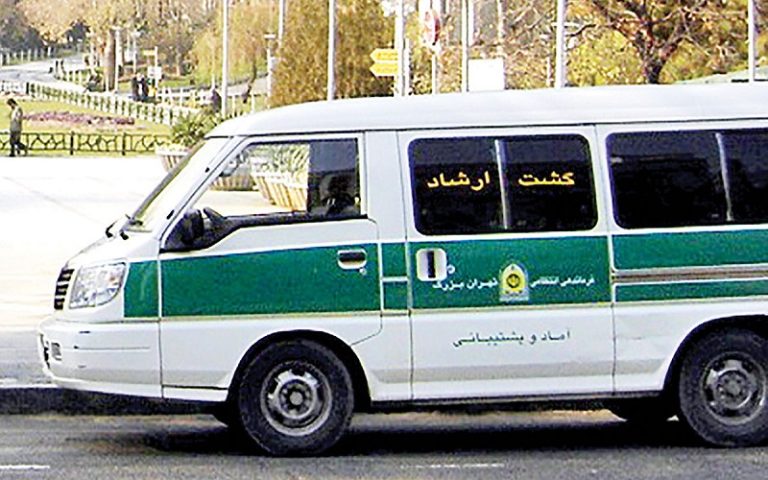
According to state-run media outlets on July 16, Saeed Montazer al-Mahdi announced on behalf of the State Security Forces (SSF) that as of today, July 16, the police will conduct mobile and foot patrols throughout the country to deal with individuals who continue to violate social norms by wearing non-conforming clothing. The police will give warnings and if non-compliance continues, they will take legal action and refer the individuals to the judiciary.
The SSF also stated that this action is in response to the demands of the people, various social groups, and the emphasis of the President and the judiciary.
This official announcement of the morality patrols, known as “Ershad”, comes after clips and photos were circulated on social networks in the past three days depicting the patrols in action, including the arrest and threat against women and the issuance of sentences against those arrested.
In one of these clips, a police officer addresses women, saying “Either wear a headscarf or get in the van. If you believe in freedom, I will let all the thieves and thugs go unpunished so they can settle with you.”
Social media outlets have also released court documents in the past three days. In one of these documents, a woman was sentenced to washing dead bodies in a Tehran cemetery for a month and a fine of 31 million rials (approximately $62) for not wearing proper Hijab.
The Iran newspaper, linked officially to the office of the president, admitted to one of these documents, stating, “The publication of a sentence against a woman for her hijab, sentenced to one month of work in a Tehran cemetery and washing the dead corps, has surprised observers.”
At the same time, Mohammad Taqi Naghdi, a member of the regime’s Majlis (parliament), said, “The maximum level of restraint has been imposed in the hijab bill so that there is no need for further action. We cannot submit the religious verdict to a referendum.”
However, Vali Ismaili, the head of the parliamentary social commission, emphasized that the decision to restart the repressive Guidance Patrols is the decision of Raisi’s government. He said it seems unlikely that coordination has taken place with the parliament to relaunch these patrols, and the government is taking action based on the law.
Meanwhile, Mohammad Bagher Ghalibaf, the speaker of the parliament, stated that the violation of hijab must be considered a crime, and the hijab bill will be passed in two months, with its contents increasing to 60 articles so far, according to a July 16 report by the Entekhab daily.
“Improper hijab”, which is a woman not wearing the mandatory veil or even having it adjusted to show part of her hair, is considered a security threat by the mullahs and has been since they took power 40 years ago. The names of the so-called morality police have changed since 1979, from the “Sarallah Patrols” during the 1980s to the “Guidance Patrols” that were launched in 2005 to the “Ansare Hezbollah” launched by the IRGC in 2013, but their purpose has remained the same: the suppression of women.
Senior officials always mention the importance of the veil in their speeches and it is the most obvious way for the mullahs to suppress women.
With such repressions, mullahs ruling Iran aim to prevent the formation of popular uprisings like what happened last September. The sudden death of Mahsa Amini in the custody of the morality police led to months-long protests across Iran. The Iranian regime killed at least 750 people and arrested 30,000 during this uprising.
Ministry Of Labor: 57% Of Population Suffering From Malnutrition
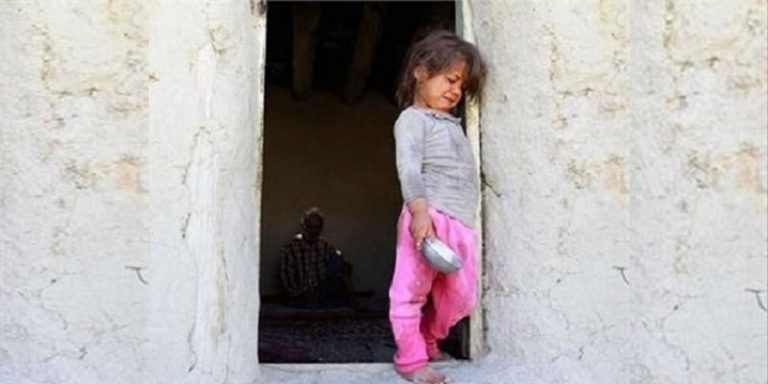
An official from the Ministry of Cooperatives, Labor, and Social Welfare has issued a warning about the “malnutrition” of the Iranian people, presenting new statistics that suggest a “humanitarian disaster” is unfolding in the country.
Hadi Mousavi Nik, the Director General of Social Welfare Studies at the Ministry of Cooperatives, Labor, and Social Welfare, said that 57 percent of the Iranian population suffers from malnutrition and does not receive the required 2,100 calories per day.
The official’s remarks were published on news website 90eghtesadi on July 10.
He added that this number of calories is the minimum daily requirement for humans, which the World Bank considers for refugees in refugee camps.
Mousavi Nik also stated that among the malnourished population in Iran, 14.5 million children, including 10 million children under the age of 12, are affected.
This figure presented by the government official is significantly higher than previous statistics.
In November 2022, Iranian media reported that according to statistics from the Ministry of Health, 800,000 Iranian children were suffering from malnutrition, equivalent to 15 percent of the country’s children.
At that time, the official IRNA news agency wrote that these Iranian children “are generally facing a shortage of energy and protein, as well as a lack of micronutrients.”
Meanwhile, Mohammad Taghi Hosseini Tabatabai, the scientific secretary of the 18th Emergency and Common Diseases of Pediatric Medicine conference, also announced that based on studies, four provinces of Sistan and Baluchestan, Hormozgan, Ilam, and Kohgiluyeh and Boyer-Ahmad have high rates of short stature, underweight, and malnutrition.
In addition to the malnutrition of children, various reports in recent years have shown a significant increase in the price of protein foods like red meat in Iran, causing many impoverished and even middle-class families to reduce their consumption of protein.
Two months ago, the state-run Etemad newspaper published a field report on the state of buying and selling poultry in Iran, which showed that some citizens were unable to buy this type of white meat.
Reporters for the newspaper encountered various issues at poultry and meat stores in several locations in Tehran, from bartering to working for a few pieces of chicken.
Warning from the Parliamentary Research Center about the spread of poverty
In its latest report, the Parliamentary Research Center has warned that if the experience of the 2010s is repeated in the Seventh Development Plan, “redistributive policies” will not lead anywhere, and the poverty rate will experience an increasing trend. This center has announced in its report: “To achieve high growth and improve productivity, policymakers must abandon price control policies to control inflation in order to fundamentally resolve the problem of inflation.” This research institution has recommended to the regime’s officials that in the current situation, the country needs “to increase the production of new foreign exchange resources and strategic investment.” The Parliamentary Research Center has also called for the “reform of the banking network with the aim of financing productive investments” and has written: “The health of the banking network has a direct relationship with its ability to provide facilities and its stability.” This is happening while in recent years, according to numerous government and judicial reports, corruption in Iran’s banking system has increased, and domestic production has given way to imports, especially from China.Iran: Poverty Line Reaches 300m rials
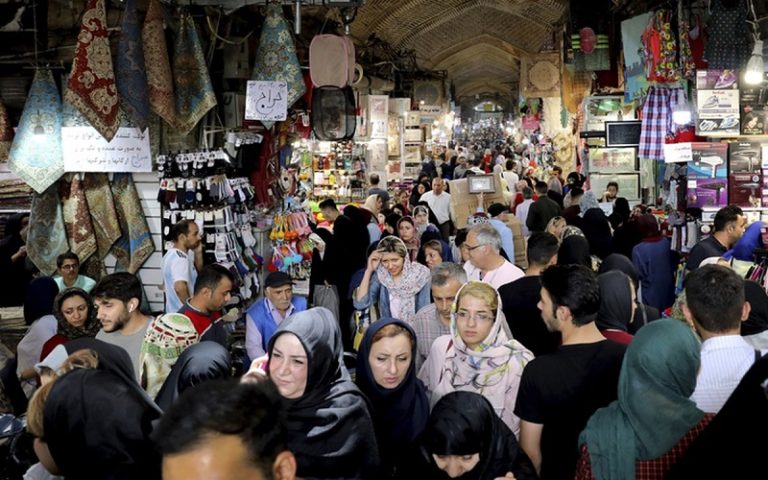
Following the Ministry of Labor’s rejection of the proposal to increase the minimum wage for workers, the government-linked ILNA news agency reports that even families with two employed members are still living below the poverty line in Iran.
According to the decision of the Labor Council, the minimum wage for single and inexperienced workers is set at 73 million rials (approximately $146), and for workers with two children, it is 85 million rials (approximately $170), only 21 percent higher than last year.
On June 18, ILNA reported that these figures only cover one-third of household expenses.
Last year, the Ministry of Labor announced in a report that one-third of the country’s population is below the poverty line. Recently, the Research Center of the regime’s majlis (Parliament) also reported that 30 percent of the population is below the poverty line.
The 21-percent increase in workers’ wages is announced while the official point-to-point inflation rate in Iran is announced to be 63 percent, and Mohammad Bagheri Banaee, a member of the parliament’s economic commission, also says that the poverty line has reached 300 million rials in Tehran.
ILNA writes that the poverty rate in Tehran is 300 million rials (approximately $600), and in other cities, it is about 240 million rials (approximately $480), with a difference of 20 percent. Therefore, a family with two employed members cannot afford the minimum cost of living.
Recently, a member of the Supreme Labor Council criticized the government regime president Ebrahim Raisi, saying that “tangible inflation” for Iranian workers and their families in the spring of 2023 is between 70 percent to 100 percent.
On June 7, in response to the statements of three labor representatives regarding the government’s promise to review the minimum wage if the inflation rate does not decrease to 27 percent, Soulat Mortazavi, the Minister of Cooperatives, Labor, and Social Welfare, said, “I did not make such a promise.”
His statements come while Ali Khodayi, a member of the Supreme Labor Council, had previously said that in the council’s meeting to determine the minimum wage for workers, the Minister of Labor signed a document stating that if the government’s promises regarding inflation fail, the wage will be adjusted.
Bahram Hassani-nejad, a labor activist and former secretary of the Chador Malu Mining Workers’ Association in Yazd province central Iran, told ILNA news agency that the rent for a small 60-square-meter apartment in central Tehran is not less than 150 million rials per month.
Meanwhile, the latest statistics from the United Nations Food and Agriculture Organization (FAO) have also reported a significant decline in domestic consumption of dairy and meat in Iran.
Previously, numerous reports in domestic and foreign media have reported on increasing poverty and the inability of Iranians to buy meat, dairy, and many essential food items, as well as housing and basic necessities. Even on May 19 Nasser Nabi-pour, the head of the Union of Egg-Laying Chicken Producers, announced that since the purchasing power for red meat and chicken has decreased, people show more interest in buying eggs, leading to an increase in domestic consumption and a halt to exports.
Mohammad Ali Kamali, a senior advisor to the Iranian Poultry Farmers Union, also said on June 6 that since the “popularization of subsidies” in May 2022, the country’s chicken consumption has dropped by six kilograms per person, or 12 percent.
Some regime officials have also recently referred to the poor living conditions in Iran, including Ali Agha Mohammadi, a member of the Expediency Discernment Council, who said in late May of this year that based on estimates, 19.7 million Iranians are deprived of basic living facilities such as housing, employment, health, food, and clothing.
This is while according to official and international statistics, during the past two years, with consecutive record-breaking inflation and a decline in the value of the national currency, unemployment, and marginal growth in wages compared to inflation, the poverty situation in the country has become worse, and as a result, the absolute poverty statistics of the country and individuals who are deprived of basic living facilities are estimated to be almost twice as much as what Agha Mohammadi has suggested.
Britain, France, Germany: Tehran’s nuclear program has reached a dangerous level
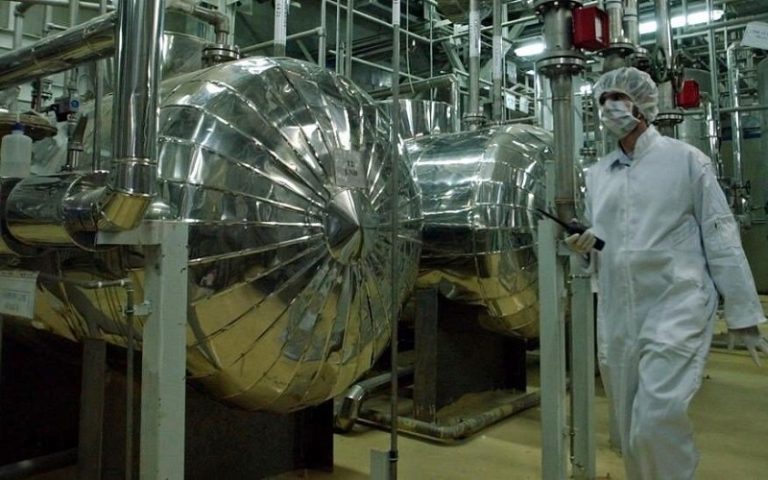
Following a United Nations Security Council meeting on Thursday regarding Resolution 2231 on Iran’s nuclear program, Britain, France and Germany issued a joint statement in which they raised an alarm that the Iranian regime has been violating its nuclear commitments under the JCPOA (Joint Comprehensive Plan of Action) for over four years. As a result, Tehran’s nuclear program has now become “dangerous.”
These European countries emphasized that this issue is a critical concern for international peace and security.
During a special session on July 6, the United Nations Security Council discussed not only Tehran’s uranium enrichment program but also its military cooperation with Russia, missile program, and regional policies.
UN officials at the meeting stated that the regime’s stockpile of enriched uranium has currently exceeded the JCPOA limits by more than 20 times. They urged the regime to refrain from any actions that go against its commitments outlined in the JCPOA.
The JCPOA, also known as the Iran nuclear deal, is attached to UNSC Resolution 2231.
The recent statement by Britain, France, and Germany states that Iran’s possession of 20% and 60 percent enriched uranium stockpiles is “unprecedented” for a country without a nuclear weapons program. It has been previously stated that enrichment at such levels has no legitimate non-proliferation justification.
In March, the International Atomic Energy Agency reported the discovery of highly enriched uranium particles in Iran’s Natanz facility. The recent statement highlights that such advanced enrichment levels raise serious concerns and are not in line with the JCPOA or even the levels reported to the Agency.
The statement also mentions that Iran’s research and development activities have resulted in irreversible scientific achievements, which the JCPOA aimed to limit. It further states that Iran has withheld reporting changes in the configuration of centrifuges in Natanz to the Agency since 2009.
The three European countries assert that Iran lacks a valid non-proliferation justification for escalating tensions. They express concern that Tehran’s activities are increasingly bringing it closer to military capabilities, which poses a significant threat to international peace and security.
The statement also addresses the regime’s missile program and the transfer of missiles and drones to countries and non-state actors in the region and beyond. It states that Iran continues to produce ballistic missiles capable of carrying nuclear warheads, which violates Resolution 2231. The statement adds that regime’s proliferation of arms to non-state actors in the Middle East endangers the region and the international community. It refers to “convincing” evidence that Iran is supplying prohibited weapons to non-state actors, which is unauthorized and violates the UN Security Council resolution.
The European countries also highlight the transfer of “hundreds of drones” from Iran to Russia since August 2022. They describe this as another violation and warn Iran’s regime about further delivery of drones to Russia, knowing that Moscow intends to use them for potential attacks on Ukraine.
The European countries condemn the regime’s continuous disregard for its commitments under Resolution 2231. They call upon the United Nations Secretary-General to instruct the UN Secretariat to investigate and report on evidence regarding the transfer of arms, materials, equipment, goods, technology, or related services by Tehran, in accordance with Resolution 2231.
The European countries reiterate their commitment to finding a diplomatic solution to the nuclear crisis with the regime. They emphasize that Iran’s regime must never develop nuclear weapons and should cease its nuclear activities that raise tensions. They also highlight that other restrictions imposed by relevant Security Council resolutions after the expiration of Resolution 2231 in October will remain in force.
Regime’s Negligence Amplifies Iran’s Air Pollution Crisis
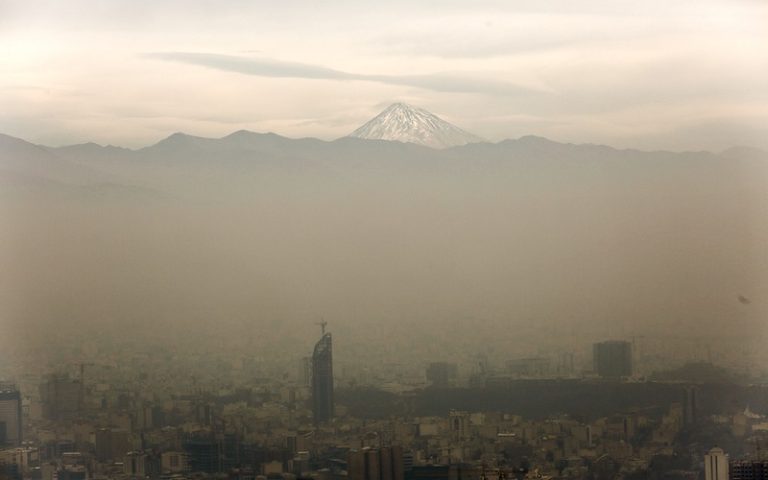
The United Nations experts have coined the term “the tragedy of air pollution” to describe the dire state of air pollution in Iran. Shockingly, the Center for Air Pollution Research at Tehran University of Medical Sciences reveals that approximately 40,000 people in Iran lose their lives each year due to respiratory infections, lung cancer, and heart attacks caused by air pollution-related issues. This alarming statistic is expected to rise as environmental experts observe a deteriorating situation. Iran’s excessive consumption of mazut, a highly polluting and low-quality fuel, to compensate for natural gas shortages exacerbates the problem.
Burning Mazut and Toxic Emissions:
The combustion of mazut results in the release of toxic gases, including sulfur dioxide, which leads to various diseases and premature deaths. David R Boyd, the UN Special Rapporteur on Human Rights and the Environment, describes Iran’s current state as an air pollution disaster with high levels of particulate matter (PM) in the atmosphere.Inadequate Fuel Standards and Mismanagement:
The Article 90 Commission of the Iranian Parliament highlights a significant increase in mazut consumption across the country. Out of 16 power plants, 14 rely on mazut as fuel. Shockingly, the commission confirms that the delivered fuels do not adhere to the required standards. Furthermore, the report underscores the failure of government ministries and institutions, such as the Ministry of Energy, to incorporate renewable energy sources into the country’s electricity supply. The lack of implementation of government laws and regulations, particularly in major cities, further exacerbates the air pollution crisis, representing a significant challenge.Ineffectiveness of Environmental Organizations and Ministries:
Despite the Clean Air Law’s existence, the Environmental Organization responsible for implementing 60 legal decrees has failed to enforce more than 10 percent of them. The Ministry of Industry, Mining, and Commerce, despite being aware of the major role outdated industries and transportation play in Tehran’s air pollution, has not taken appropriate actions to address the issue. Similarly, the Ministry of Oil has failed to implement necessary standards for the use of mazut fuel in power plants and has supplied various fuels, including gasoline, gas oil, kerosene, and white oil, without adhering to approved national standards.Economic and Budgetary Considerations:
The World Bank, in 2018, declared Tehran’s air as one of the most polluted in the world and estimated the annual cost of air pollution-related diseases in Iran to be around $2.6 billion. This figure, however, does not account for the costs incurred due to reduced agricultural productivity and school closures. Unfortunately, despite a 40 percent increase in the budget for the year 2023, the allocated funds for combating air pollution have nearly halved to approximately three million dollars at the official exchange rate, raising concerns about the government’s commitment to addressing the crisis.Root Causes and the Need for Change:
The excessive consumption of mazut and the ongoing environmental crisis in Iran stem from a combination of political and managerial failures. The regime’s neglect and disregard for scientific principles while exploiting natural resources without accountability have led to environmental degradation and public dissatisfaction. To address the deep-rooted issues, it is imperative to remove the root cause, which lies within the current regime. The people of Iran, well-aware of the regime’s culpability, demand a change that prioritizes the preservation of their environment and the well-being of all living beings. Iran’s air pollution crisis represents a dire situation that demands urgent attention and corrective action. The excessive burning of mazut, inadequate fuel standards, mismanagement by government ministries, and the failure to enforce environmental regulations have resulted in severe health consequences and economic losses. To safeguard Iran’s environment and protect its citizens, a comprehensive national plan and a commitment to renewable energy sources are imperative. Additionally, removing the root cause, the existing regime, is necessary to establish responsible governance that prioritizes environmental preservation and the welfare of the Iranian population.Leaked Confidential Letter Urges Iran Regime’s President to Shut Down Internet and Social Networks
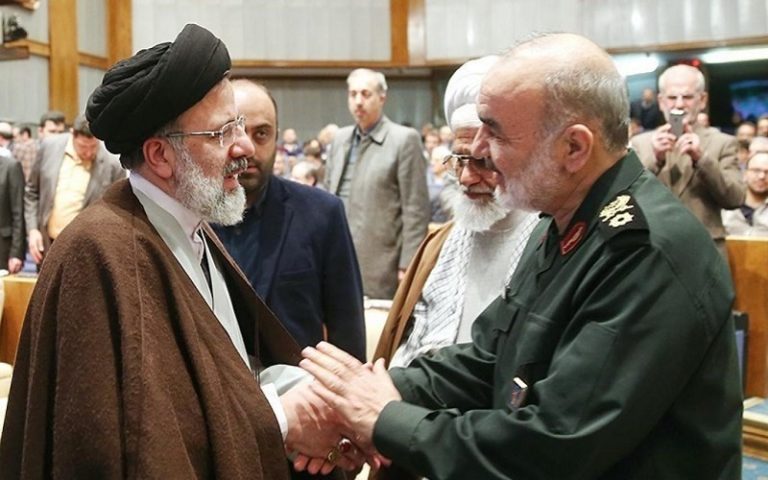
In a recently leaked classified letter exchanged among the Iranian regime’s leaders and commanders during last year’s protests, Commander-in-Chief of the Revolutionary Guards, Hossein Salami, expressed concerns about the detrimental impact of the internet, social networks, and virtual space on the regime. He urgently called on the regime’s President Ebrahim Raisi to take decisive action and shut them down.
On June 27, a dissident group named “Ghiam ta Sarnegouni” (meaning “Uprising Until Regime Overthrow”) made the contents of Hossein Salami’s letter regarding the internet shutdown public. In the letter, Salami highlighted the need to permanently block access to this harmful virtual space due to prevailing security conditions.
Salami emphasized the necessity of preventing foreign social networks from operating with significant influence for several years, citing the unregulated nature of the virtual space as the rationale. Remarkably, Salami’s request to regime’s president Raisi aligns perfectly with the statements made by the regime’s Supreme Leader Ali Khamenei on the day the letter was published.
During a meeting with senior judiciary officials, Khamenei stressed the importance of planned measures to address both the virtual and non-virtual spheres. This further supports Salami’s proposition.
However, opposition has arisen concerning the shutdown of social networks. Salami, the author of the letter amidst nationwide protests and the subsequent blocking of messaging apps and foreign social networks, pointed out that most detained individuals during the protests are impressionable young people whose mental constructs differ greatly from reality due to exposure to foreign virtual networks.
Salami expressed deep concerns about potential adversaries who exploit artificial intelligence tools and data processing techniques to gather information about people’s virtual space usage. He fears that these enemies could manipulate preferences and conduct targeted operations to steer individuals towards foreign values and ideals.
Salami criticized certain regime officials who perceive blocking foreign social networks as a temporary and tactical measure and called for their release. He emphasized the need to strengthen domestic networks over the course of several years before considering “competing with foreign capabilities in a managed manner and with appropriate policies,” as stated in his letter.
Furthermore, Salami indirectly held those within the regime opposing the shutdown of virtual spaces and internet restrictions indirectly responsible for the loss of Basij forces’ lives and the heavy costs incurred in the “defense of the revolution.” The Basij is a paramilitary force affiliated with the Revolutionary Guards and plays a significant role in suppressing protests.
While Salami claims that the armed forces bear the burden of suppressing protesters without firearms and face bullets and attacks from enemies of the revolution, contradicting evidence exists as hundreds of protesters and others have been killed by bullets fired by regime forces during violent crackdowns.
The Commander of the Revolutionary Guards considers the prolonged restriction of people’s access to the internet and social networks in the coming years as a “critical measure” comparable to the downfall of the previous regime.
Under Raisi’s government, as per a decision by the Supreme National Security Council, internet access has been severely limited, and in certain provinces such as Kurdistan and Sistan and Baluchestan, internet access has even been completely cut off. Additionally, popular platforms like Instagram and the messaging app WhatsApp have been filtered.
However, it is worth noting that many regime officials, including the office of Khamenei, continue to use virtual space and foreign networks to disseminate government messages and propaganda.
During a meeting with the head of the judiciary and judicial officials, Khamenei called for judiciary action against those who manipulate public sentiment in virtual and non-virtual spaces, deeming it contrary to the preservation of public rights. Khamenei emphasized the need for planned interventions within the bounds of rules, discipline, and careful planning.
The regime has consistently failed in its attempts to restrict people’s internet access in recent years, highlighting the challenges in implementing effective measures.
