


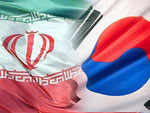
 AP: South Korean officials said Saturday that they will continue working with the U.S. to reduce oil imports from Iran after President Barack Obama greenlighted potential sanctions against countries that continue to buy Iranian oil. The Associated Press
By SAM KIM
SEOUL, South Korea (AP) — South Korean officials said Saturday that they will continue working with the U.S. to reduce oil imports from Iran after President Barack Obama greenlighted potential sanctions against countries that continue to buy Iranian oil.
South Korea is one of several major importers of Iranian oil that have not received exemptions from the U.S. sanctions.
Obama announced Friday that he is plowing ahead with the potential sanctions, which could affect U.S. allies in Asia and Europe, as part of a deepening campaign to starve Iran of money for its disputed nuclear program.
The sanctions aim to further isolate Iran’s central bank, which processes nearly all of the Iran’s oil purchases, from the global economy. Obama’s move clears the way for the U.S. to penalize foreign financial institutions that do oil business with Iran by barring them from having a U.S.-based affiliate or doing business here.
Obama’s goal is to tighten the pressure on Iran, not allies, and already the administration exempted 10 European Union countries and Japan from the threat of sanctions because they cut their oil purchases from Iran. Other nations have about three months to significantly reduce such imports before sanctions would kick in.
Foreign Ministry officials in South Korea said Saturday that they expect to reach an agreement with Washington by late June on reducing oil imports from Iran. The officials declined to be named because discussions were still under way.
South Korea has already restricted financial dealings with more than 200 groups and individuals with suspected links to Iran’s nuclear program. Seoul relies on Iran for up to 10 percent of its oil.
Energy-starved India, which relies on Iranian oil for 12 percent for its power needs, has said that while it would accept U.N. sanctions against Iran, it does not heed unilateral sanctions such as those imposed by the U.S. and EU.
Nevertheless, New Delhi has not remained completely immune to sanction pressures and is slowly easing its dependence on Iranian oil, with a slow decline in Iranian oil imports. The Western sanctions also have made it harder for Indian companies to pay for Iranian oil, with international banks unwilling to handle transactions from Tehran.
In February, India irked the West by arranging to make 45 percent of its yearly $11 billion oil payments to Iran in Indian rupees, with the rest paid in a barter system as Tehran seeks Indian-made machinery, iron and steel, minerals and automobiles. Barter might also be in wheat, soybean and
The government has said simply that India needs the Iranian crude, noting that its aging refineries are configured for Iranian crude, and retrofitting them would be costly.
On Thursday, India along with its BRICS bloc partners China, Russia, Brazil and South Africa said they believed negotiations were the best way to resolve worries over Iran’s nuclear program, while also supporting “Iran’s right to peaceful uses of nuclear energy.”
The U.S. sanctions are set to take effect on June 28. A European oil embargo, approved in January, starts in July.
Put together, Obama administration officials contend Iran is about to face its most severe economic pressure ever.
The United States imports no oil from Iran.
The main importers of Iranian oil that have not received exemptions from the U.S. are China, India, Turkey, South Africa and South Korea. The administration would be loath to hit a close friend like South Korea or India, or a NATO ally like Turkey, with sanctions, and is working with those countries to reduce their imports.
Turkey announced Friday it was shrinking oil imports from Iran by 20 percent, apparently bowing to pressure from the United States and the sanctions threat.
U.S. officials hope ratcheting up economic pressure will both push Iran to abandon its nuclear program and convince Israel to give sanctions time to take hold before pursuing a military strike on Iran’s nuclear facilities.
The U.S. and allies believe that Iran is pursuing a nuclear bomb; Iran denies that.


