


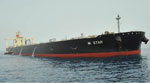
 Reuters: The United States ramped up pressure on Iran’s ability to export oil on Thursday, identifying Tehran’s main tanker firm and exposing dozens of its vessels as government-controlled entities.
 WASHINGTON (Reuters) – The United States ramped up pressure on Iran’s ability to export oil on Thursday, identifying Tehran’s main tanker firm and exposing dozens of its vessels as government-controlled entities.
In the latest set of measures designed to stop Iran from acquiring nuclear weapons, the U.S. Treasury identified the National Iranian Tanker Company (NITC), 58 of its vessels and 27 of its affiliates as extensions of the state, which would undermine Iran’s attempts to use renamed, disguised vessels to evade sanctions, the department said.
The identifications, which also included naming what Washington said were four front companies for Iran’s state oil enterprise, would help countries and foreign companies comply with Western penalties against Iran.
An Obama administration official said the measures would have some impact on Iran’s ability to sell oil. “It will make it that much more difficult for Iran to deceive potential purchasers about the origin of the oil,” the official told reporters.
U.S. companies and Americans are already prohibited from doing business with entities controlled by Iran’s government.
The National Iranian Tanker Company changed the names and flags of many of its oil tankers ahead of a European Union ban on Iranian oil imports. That included swapping Maltese and Cypriot flags for Tuvalu and Tanzanian ones.
The main part of NITC’s oil fleet can carry a maximum of around 62 million barrels of oil, data from its website show. The fleet has become significantly more important this month because new European Union sanctions have cut off access to the London-based ship insurance market, putting Iran off-limits to almost every major tanker firm.
The United States has mounted an international campaign aimed at depriving Iran of oil revenue to pressure it to rein in its nuclear program, which Tehran maintains is solely for peaceful purposes.
“We will continue to ratchet up the pressure so long as Iran refuses to address the international community’s well-founded concerns about its nuclear program,” Treasury Undersecretary David Cohen said in a statement.
The U.S. sanctions have limited Iran’s major trading partners from buying Iranian crude. The European Union banned Iranian oil imports as well as providing insurance for vessels carrying Iranian oil from July 1.
Malaysian-based Noor Energy, Petro Suisse, Dubai-based Petro Energy and Hong Kong Intertrade were identified as being controlled or acting on behalf of the Iranian government. The Treasury said they were acting as front companies for the National Iranian Oil Company (NIOC) and other blacklisted Iranian entities.
U.S. lawmakers said Treasury’s action was a move in the right direction but said much more had to be done.
“We must continue to increase pressure on the Iranian regime until it verifiably abandons its nuclear weapons program,” said Howard Berman, the top Democrat on the House Foreign Affairs Committee, who has been asking Tuvalu and Tanzania to stop reflagging Iranian oil tankers.
A senior Senate Republican aide said the administration was finally playing the game correctly by exposing Iranian fronts for sanctions evasion and laying the groundwork for new sanctions legislation that will make any business dealing with such entities illegal.
Treasury also imposed economic sanctions on 11 entities including the Ministry of Defense Logistics Export, which represents Iran at arms trade fairs.
In addition, four individuals including an Austrian who allegedly provided support to Iran’s missile program and an Islamic Revolutionary Guard Corps official were blacklisted.
The penalties will bar U.S. companies and Americans from doing business with them and freeze any assets they may have in the United States.
(Reporting by Rachelle Younglai; Editing by Doina Chiacu and Eric Walsh)


