Home Blog Page 134

Iran’s Economic Growth Halving, According to Central Bank Report

New data from the Central Bank of the Iranian regime indicates that GDP growth from March 20 to September 22 has halved compared to the same period last year.

According to Central Bank statistics, the country’s economic growth was 5.3% from March 20 to September 22, 2023, but this year, it has fallen to 2.9% during the same period.

The details reveal that economic growth in the summer of this year was even lower than in the spring, registering 2.7% with oil included and only 2.3% without oil.

A significant point in the Central Bank’s data is that economic growth over the past two years has been primarily driven by increased oil exports rather than sectors such as services, industry, agriculture, and others directly affecting people’s livelihoods.

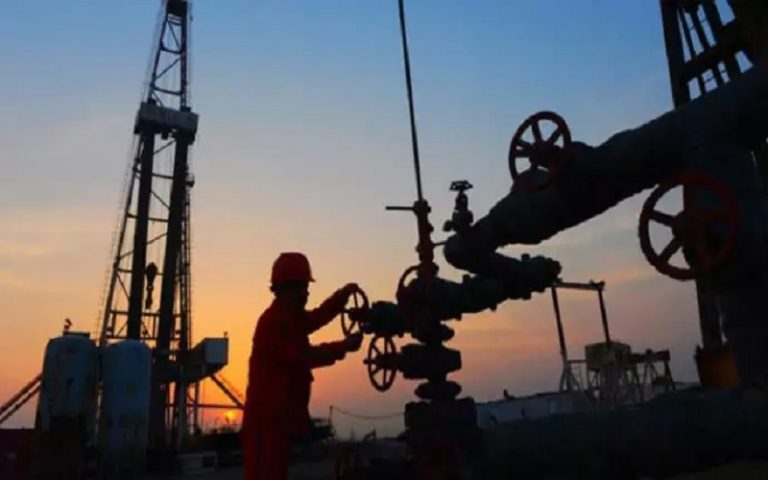
According to this governmental body’s estimates, Iran experienced overall economic growth of 5% last year, driven by an 18.8% increase in the oil sector’s added value. In the first half of this year, the oil sector’s growth was 9.3%, contributing to the overall rise in the national economy.

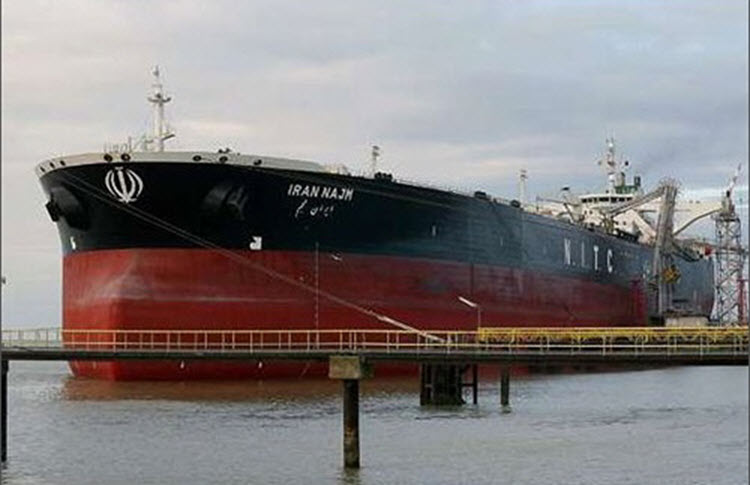
Data from the commodity information company Kpler, along with tanker tracking firms like Vortexa, show that Iran’s oil exports have grown by 34% this year compared to last year and by approximately 100% compared to the year before.

Iran exports 40% of its oil and condensate production and 7% of its gas production.

The halving of the country’s economic growth in the spring and summer occurred while data from Kpler and Vortexa indicate that Iran’s oil exports decreased by 500,000 barrels (about one-third) in the fall compared to the summer, increasing the likelihood of further economic decline in the fall.

However, the Central Bank’s estimates of economic growth in certain sectors face significant skepticism. For example, while reports from the Statistics Center indicate a shrinking share of industry and agriculture in the economy due to summer power outages, the Central Bank claims growth of 1.7% and 2.8% in the industrial and agricultural sectors during the summer.

The slowing economic growth comes as the government’s Seventh Development Plan, implemented this year for five years, aims for an “annual 8% economic growth.”

However, according to the International Monetary Fund, Iran’s economic growth rate is expected to decline steadily from this year over the next five years, falling to 2%.

Data from the regime’s Statistics Center shows that Iran’s “national income per capita” fell by 20% in 2023 compared to 2011, reaching approximately 884 million rials (around $1,134).

The findings of this report indicate that in 2023, Iran has become poorer than before, a poverty now evident in most economic indicators and data.


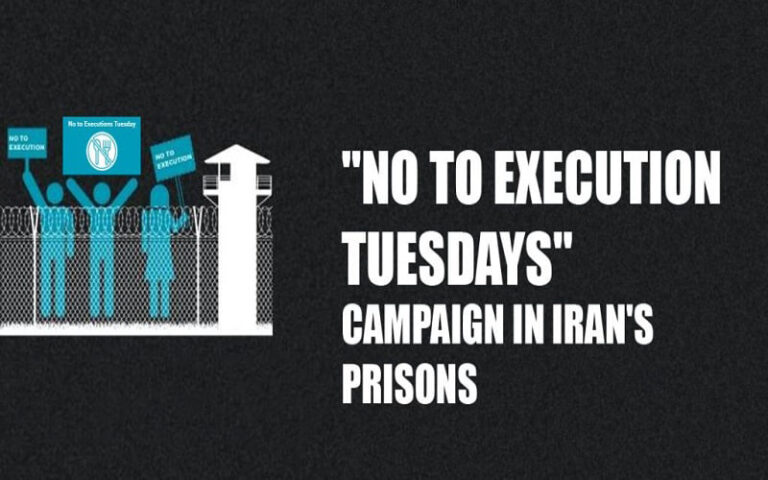
The 48th Week of the “No to Executions Tuesdays” Campaign in Iran

In the 48th week of the “No to Executions Tuesdays” campaign, its members announced that with the participation of Rudsar Prison in Gilan Province, hunger strikes would take place in 28 prisons on Wednesday, December 24.

The statement from the “No to Executions Tuesdays” prisoners reads:

“On the eve of the New Year, we celebrate the birth of Christ, the harbinger of peace and freedom, and wish a year free from oppression, executions, and killings for all nations, especially Iranians who suffer under the rule of the Supreme Leader’s regime.”

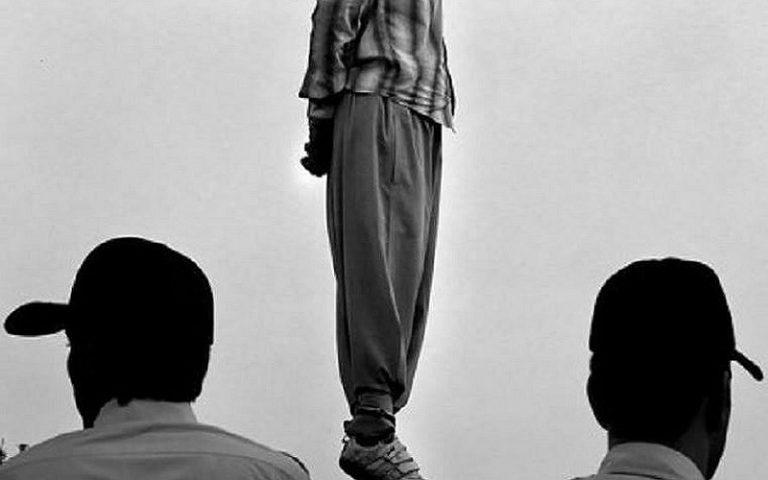
“In 2024, the authoritarian regime in Iran has executed at least 953 individuals via hanging; among them, approximately 33 were women, and 8 were political prisoners. Additionally, 96 Kurdish compatriots and 101 Baluchi compatriots were executed within this year.”

The statement from the hunger striking “No to Executions Tuesdays” prisoners further stated:

“Out of the total executions in 2024, 158 occurred at the Ghezel Hesar Prison in Karaj.”

“The ‘No to Executions Tuesdays’ campaign has sought to amplify the voices of anonymous prisoners and those on death row by exposing parts of the atrocities and executions carried out in prisons across the country. The campaign, along with other political and human rights organizations, has revealed these crimes, which led to Ghezel Hesar Prison being placed on international sanctions lists after years of executions and killings.”

“Last week, on Wednesday, December 18, the execution regime hanged a Kurdish political prisoner named Rahim Barin in Mahabad Prison after 19 years of torture.”

“Additionally, another political prisoner in Urmia Prison, Rezgar Bigzadeh Babamiri, who was arrested during the 2022 protests in Bukan, has been charged with ‘waging war against God’ and rebellion by Branch 10 of the Revolutionary Prosecutor’s Office in Urmia, putting him at risk of receiving the death penalty.”

The hunger-striking prisoners’ statement also reads:

“As we have repeatedly emphasized, it is evident that the regime uses suppression and executions to prevent public protests, and all executions in Iran have political implications. Therefore, the members of this campaign once again urge all organizations and human rights institutions, both inside and outside the country, to make serious efforts to stop executions in Iran. The key to victory and halting the execution machinery lies in solidarity and collective unity. We can and must stand against executions to put an end to this systematic killing.”


30% Decrease In Iran’s Autumn Crops Due to Power Outages

Qassem Pishehvar, the head of the Iranian regime’s Agricultural Guild Chamber announced a 30% reduction in autumn crop production due to power outages.

On Saturday, December 21, Pishevar also told the state-run Mehr News Agency that the damage caused by power outages is not limited to agricultural products but also seriously affects equipment for wells.

According to Pishehvar, electricity to agricultural wells is currently cut daily from 4:00 PM to 9:00 PM.

Two weeks ago, an inspector from the National Broiler Farmers Union reported a 20% loss to poultry farms due to power outages.

The government’s inability to supply electricity during autumn comes despite electricity demand being one-third lower in cold months than in warmer seasons. The government is unable to meet even this reduced demand due to gas shortages and insufficient liquid fuel for power plants.

Statistics from the Ministry of Energy show that agriculture accounts for 13% of the country’s electricity consumption, but this figure peaks in summer and drops significantly in colder seasons.

Iran’s agricultural sector has faced a drought crisis for years, compounded by a power crisis since last year. Consequently, agriculture’s share in total national employment fell to its lowest in 19 years last autumn. The latest report from the Statistics Center shows that this summer, the sector’s share in total employment dropped by 1% compared to last summer, reaching approximately 14.5%.

Meanwhile, Iran’s annual agricultural imports have peaked at $17 billion, most of which comprises grains like wheat and barley, planted in both spring and autumn.

In addition to agriculture, the government has severely limited electricity supply to industries, while widespread blackouts are also implemented in residential areas.

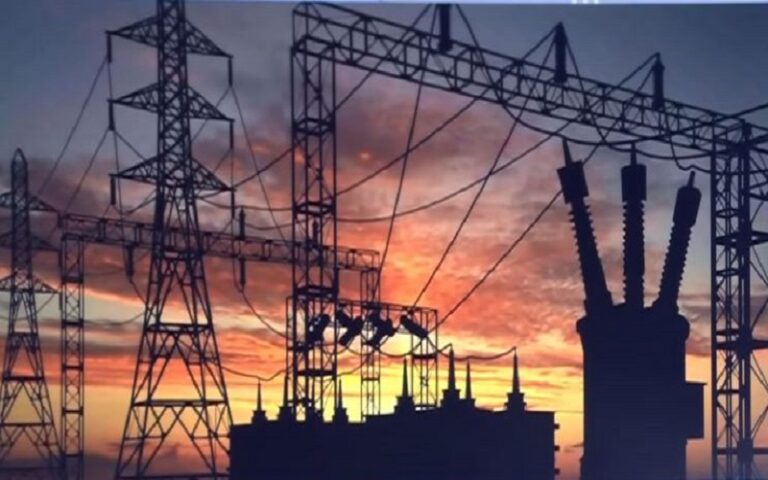
Iran’s annual electricity consumption grows by 7%, but since 2011, electricity generation has not even reached half that growth rate.

For example, last year, 6,000 megawatts of power generation capacity was supposed to be added, but only one-third of this target was achieved, exacerbating electricity shortages and causing widespread blackouts during summer.

This summer, the electricity shortfall reached 20,000 megawatts, meaning the government was unable to meet 25% of peak demand.

Meanwhile, due to the energy crisis, all university classes in Iran will be held online until the end of the current semester (January 10, 2025). Additionally, many highways and streets in Iranian cities have experienced blackouts.

Iranian regime officials continue to blame the public and high consumption for the crisis, but the main causes are lack of investment in this sector, government indifference, the aging electricity transmission and distribution network, and poor management.


The Iranian Chamber of Commerce warns about worker layoffs due to power outages

A day after the Iranian regime’s Majlis (Parliament) Research Center reported on the persistent decline in industrial sector growth, the head of the Industry Commission of the Iranian Chamber of Commerce warned about potential worker layoffs in this sector due to repeated power outages.

On Sunday, December 22, Alireza Kolahi Samadi stated that over the past three years, investment in electricity generation, transmission, and distribution has been “zero,” leaving Iran facing a massive electricity shortage.

The Majlis Research Center also reported the previous day that energy imbalances in the country have caused Iran’s industrial economic growth to decline sharply since 2023. This trend worsened in the second and third quarters of 2024, approaching “zero.”

Some industries, such as pharmaceuticals, wood and paper, automotive, ceramics, tiles, and cement, experienced negative growth in the first half of this year.

Samadi mentioned that the government is obligated to compensate industries for damages, but it fails to do so and lacks the resources to fulfill this responsibility.

Mahmoud Najafi Arab, head of the Tehran Chamber of Commerce, said last week that the industry and mining sector’s share of GDP decreased by 1% in 2025 compared to the previous year, falling to 15.2%, with the decline continuing.

Warnings about worker layoffs come as 8.5 million people in Iran are employed in the industrial sector, accounting for one-third of the country’s workforce.

The damage caused by power outages is not limited to the industrial sector.

Previously, the head of the Iranian Agricultural Guild Chamber reported a 30% decrease in autumn crop production, while an inspector from the National Broiler Farmers Union mentioned 20% losses to poultry farms due to power outages.

Kolahi Samadi stated that at least $10 billion in investment is needed to address the electricity shortfall. Due to the water crisis, building high-efficiency combined cycle power plants is no longer feasible.

He elaborated: “Under these circumstances, decentralized power generation has increased, but continued reliance on it will lead to a diesel supply crisis. Additionally, the mazut and diesel used in the country are substandard, with high-sulfur diesel damaging engines.

He emphasized that in the short term, the only way to increase electricity capacity is through solar energy. However, renewable energy requires significant investment in the transmission network, and given the state of the country’s grid, high-quality solar electricity distribution is not feasible.

Renewable energies such as solar, wind, and geothermal currently account for about 1% of Iran’s total electricity production, compared to over 30% in Turkey and the European Union.


300% increase in tuition fees at Azad University has left students indebted

0

Ramadan Rahimi Dasht-Louie, a member of the Education Committee of the Iranian regime’s Majlis (Parliament), noted the 300% increase in tuition fees for medical sciences programs at Islamic Azad University, stating that students in these programs have become indebted to the university due to their inability to pay the fees.

On Sunday, December 22, Rahimi announced in an interview with the state-run ILNA news agency that the tripling of tuition fees for medical sciences at Islamic Azad University was abruptly announced, leaving the Parliament and the Ministry of Science uninformed.

This Majlis member stated that if Islamic Azad University intended to increase tuition fees, it should have been mentioned in the registration guide for entrance exams, adding that this decision has violated the rights of university entrance exam candidates.

He pointed out: “If candidates are admitted to medical sciences programs but do not register, they can no longer participate, and in this way, their rights are also violated.”

Students of medical sciences at Islamic Azad University have been staging protests since October 13 against the tuition fee hikes and the resulting economic pressures.

During this time, they have repeatedly protested in front of university buildings and various institutions, including the Majlis, the Presidential Office, the Supreme Council of the Cultural Revolution, the Ministry of Science, Research, and Technology, and the Ministry of Health, Treatment, and Medical Education.

Rahimi called for the appointment of an oversight body by Massoud Pezeshkian to monitor Islamic Azad University, saying: “There must be clarity regarding supervision of tuition fees, activities, registrations, and all educational and training affairs of Islamic Azad University.”

Rahimi added that currently, there is no regulatory body in the executive branch to evaluate the performance of Islamic Azad University, and it is unclear which ministry, or agency should be addressed in case of issues at this university.

Tuition hikes at Islamic Azad University in recent years have also sparked student protests.

Mohammad Mehdi Tehranchi, President of Islamic Azad University, described tuition increases as natural in June 2022, stating: “We are a cost-revenue organization and do not rely on governments.”

Islamic Azad University was established in May 1982 on the proposal of Akbar Hashemi Rafsanjani and is considered the wealthiest university in Iran.

The university’s expenses are funded through tuition fees from students, governmental and public contributions, and support from state institutions, as per its charter.

Tuition per semester for high-demand fields such as dentistry, pharmacy, and medicine has tripled, reaching 90 million rials (annually 180 million rials), approximately $1,168–$2,336. The total semester payment for these fields ranges from 112 million to 135 million rials ($1,455 to $1,754), with some universities also requiring 50%, 25%, or 10% of the next semester’s tuition upfront at the beginning of the first semester.

According to applicants in these fields, in higher semesters, tuition can reach 450 million rials (approximately $5,845), and by the end of their studies, they must pay 3 billion rials (approximately $39,000) to Islamic Azad University.

The minimum wage for a worker with two children in Iran is approximately $142.


Khamenei Urges Syrian Youth to Oppose New Rulers

0

Ali Khamenei, the Supreme Leader of Iran’s regime, once again vowed to reclaim Syria from Bashar al-Assad’s successors and encouraged the youth of Syria to stand against the new government.

On Sunday, December 22, Khamenei spoke of the “emergence of an honorable and strong force in Syria” opposing the country’s new rulers.

He emphasized, “The Syrian youth have nothing to lose. Their universities, schools, homes, and streets are unsafe. What should they do? They must stand with strength and determination against those who have designed and executed this insecurity.”

Earlier, on December 11, Khamenei had promised to reclaim Syria and implicitly referred to Turkey’s role, describing the fall of Bashar al-Assad as “the result of a joint American-Israeli plan.”

In his latest speech, Khamenei rejected the attribution of regional militias to Iran, saying, “They keep saying that Iran has lost its proxy forces in the region. This is another false claim; Iran does not have proxy forces.”

He stressed, “If one day we decide to act, we won’t need proxy forces.”

Khamenei added that groups such as Hezbollah in Lebanon, Hamas, Islamic Jihad, and the Houthis “fight because their beliefs compel them to do so.”

These remarks come despite Khamenei’s repeated mentions in recent years of Iran’s “strategic depth” and “strategic influence.”

For instance, in December 2022, Khamenei referred to countries such as Iraq, Syria, and Lebanon as “Iran’s strategic depth.” In another speech, he stated that a pillar of national power is “to influence other nations and create strategic depth for the country.”

In 2019, during a meeting with IRGC commanders, Khamenei said, “Do not lose sight of this expansive vision of the geography of resistance; do not abandon this transnational perspective. We should not settle for just our region.”

Meanwhile, some Iranian regime officials have threatened that proxy forces will assist in suppressing protests in Iran.

For example, in 2018, Mousa Ghazanfarabadi, head of Tehran’s Revolutionary Courts, stated, “If we do not support the revolution, the Iraqi Hashd al-Shaabi, Afghan Fatemiyoun, Pakistani Zainabiyoun, and Yemeni Houthis will come and support the revolution.”

Similarly, in 2017, Qasem Soleimani, commander of the IRGC’s Quds Force, wrote to Khamenei about the end of ISIS in Syria, saying, “On behalf of all commanders and the thousands of Iranian, Iraqi, Syrian, Lebanese, Afghan, and Pakistani martyrs and veterans defending the shrine, I congratulate Your Excellency on this great and decisive victory.”

In recent days, various reports have emerged about the potential weakening of Iran’s proxy groups, particularly in Iraq and Lebanon.

For example, Naim Qassem, Deputy Secretary-General of Hezbollah in Lebanon, stated that with Bashar al-Assad’s fall, the group has lost its route for securing military resources through Syria.

Referring to Syria, Khamenei said that the United States now “imagines it has achieved victory” and that “they have lost control of their tongues and are talking nonsense.”

He added, “One of the American figures said that anyone who riots in Iran, we will help them. Fools have smelled barbecue.”

These threats from Khamenei come at a time when the Iranian people are facing widespread poverty, and the regime is struggling even to provide electricity and energy for its citizens.

Iran: Only Three Days of Electricity and Gasoline Per Week

0

Hossein Abdeh Tabrizi, an economist and professor at Sharif University, warned about the emergence of a “super-crisis” in the energy sector, stating, “We might reach a point where we have electricity only three days a week, or gasoline for two days, with work stopping on the remaining days.”

In response to a question by the state-run website Eghtesad100 regarding the root cause of the energy imbalance, Abdeh Tabrizi emphasized, “Raising electricity prices does not necessarily solve the problem, nor is it the starting point.”

According to Abdeh Tabrizi, the standard of living will decline even further from its current state. He stressed, “The issue is not that continuing on this trajectory will maintain the status quo; we might even reach a point where we have electricity only three days a week or gasoline for two days, and no work is done on the other days. Our healthcare standards may worsen, and universities may become even weaker.”

Warnings about the worsening imbalances, including in the energy sector and even in wages compared to household expenses, are considered overdue by experts. Many believe the situation has already surpassed the warning stage.

Meanwhile, the Pezeshkian administration, in its initial months, attempted to manage the economy primarily by raising prices, a strategy many experts believe has worsened people’s living conditions.

In this regard, on Sunday, December 22, during a meeting of the “Market Regulation Task Force,” the regime’s Vice President Mohammadreza Aref stated, “Some price increases are global, and we have no choice but to adjust prices.”

Mohammadreza Aref also claimed, “We will make necessary price adjustments while preserving the livelihood of the masses.”

However, the prevailing trends—such as the rise in the dollar’s exchange rate, uncontrolled increases in food prices, rising electricity and gas tariffs, and the impending increase in gasoline prices—are entirely inconsistent with the Vice President’s claims about safeguarding the livelihood of the masses.

Iran: Patients Injected with Distilled Water Instead of Chemotherapy Drugs

0

Following a suspicious rise in the number of deaths at Valiasr Hospital in Tabriz, officials confirmed on Saturday, December 21, that staff at the hospital had been injecting patients with distilled water instead of chemotherapy drugs. Four people have been arrested in connection with the matter.

After some media outlets reported that distilled water was being administered to patients instead of chemotherapy drugs at Valiasr Hospital in Tabriz, Shahriar Mokhtari, the hospital’s deputy director, confirmed the reports and announced the arrest of four individuals in relation to the incident.

He stated that in the past month, hospital authorities realized that chemotherapy drugs were not being administered to patients. “We suspected the drugs were being sold on the black market. When one of the hospital staff was caught buying and selling drugs in the market, we identified them, filed a complaint, and handed them over to the police,” he said.

According to Mokhtari, some families of cancer patients donated their loved ones’ medications after their passing. These donated drugs were supposed to be used for low-income patients, but some hospital staff sold them on the market.

The state-run Etemad newspaper reported on December 20 that the suspicious number of deaths in the chemotherapy ward of Tabriz International Hospital had significantly increased.

According to the report, the rising number of deaths and repeated complaints prompted oversight organizations to intervene in the hospital’s case, resulting in the arrest of several staff members.

The deputy director of Valiasr Hospital further announced that following the efforts of the hospital’s director and an order from the East Azerbaijan prosecutor’s office, four hospital staff members were detained.

Mokhtari stated that the individual selling the drugs on the black market was released on bail one day after their arrest.

He criticized the media for exposing the matter and added, “We are the complainants and have fully cooperated with the judiciary, providing them with all personnel data.”

9 Patients Blinded in an Ophthalmology Hospital in Iran

0

Iranian media reported that nine people became blind at an ophthalmology center due to the use of a “wrong medication.” These individuals developed severe eye infections after cataract surgeries, and some are now at risk of eye removal due to the severity of the infection.

The newspaper Sazandegi reported that the incident occurred at the Negah Ophthalmology Center in one of the northern districts of Tehran. Despite media follow-ups in recent days, the officials at Negah Hospital have not provided any explanation or taken responsibility for the disaster.

According to media reports, documents reveal that the cause of the eye infections in these patients was contamination with a type of bacteria called Pseudomonas aeruginosa. This contamination was confirmed to have occurred following eye surgeries at the hospital.

The news website Tabnak also reported that the number of affected individuals is nine, stating: “Unfortunately, at least four of them have undergone eye removal.”

The website emphasized that one of the doctors transferred patients to other hospitals for treatment to prevent a recurrence of the incident. However, the management of this hospital reprimanded the doctor due to concerns about the shareholders’ and investors’ interests in the clinic.

Medical malpractice in Iran has increased in recent years, often resulting in severe consequences, including confrontations between patients’ families and healthcare workers.

Experts in this field believe that the mass migration of doctors and nurses is one of the main reasons for the rise in medical errors, a trend that is expected to continue with the increasing emigration of healthcare professionals.

Previously, the state-controlled newspaper Jomhouri-e Eslami reported that “from March to December 2024, 4,500 more healthcare professionals applied to emigrate.”

The official Iranian news agency IRNA also reported that the number of members of the Iranian Medical Council who obtained a “Good Standing” certificate for emigration increased from around 750 in 2018 to over 6,000 in 2022, reflecting more than an eightfold rise. This trend has recorded even higher numbers in 2023 and 2024.

Over 80% of Iranian Households Below the Global Poverty Line

With the continuing rise in inflation and the sharp devaluation of Iran’s national currency, Iranian media have reported that over 80% of Iranian households have fallen below the global poverty line.

The Eghtesad Online website stated that based on the poverty line set by the World Bank for economies comparable to Iran, a three-person household (earning in rials) in Iran’s dollarized economy needs a monthly income of 400 to 500 million rials (approximately $520 to $650) to avoid being considered impoverished.

However, the minimum wage for a married worker in Iran, including all benefits, does not exceed 110 million rials (approximately $143).

Meanwhile, reports from Iran indicate that individuals in positions such as bank manager, department head, section chief, investment manager, and branch deputy earn an average of 353 million rials (approximately $460). Even these high-ranking employees fall significantly short of the global poverty line.

According to reports, the Research Center of the Iranian Parliament previously announced an increase in the poverty rate to 30.1% in 2023, meaning that one-third of Iran’s population is unable to meet their basic needs. Critics believe this figure is significantly higher, and considering the devaluation of the national currency this year and the lack of improvement in purchasing power, they estimate the poverty rate has exceeded 40%.

The Research Center’s analysis also shows that after four years of claimed growth exceeding 4%, the country’s economy contracted by 2.5% in the spring of 2024. This decline was attributed to power outages affecting industries, reduced oil exports, and the government’s contractionary budget policies.

It has been projected that economic growth for 2024 and 2025 will be 2.5% and 2.8%, respectively—well below the 8% target set by the Seventh Development Plan of the regime. This part of the regime’s parliamentary research arm’s report also confirms the lack of a clear outlook for improving the economic conditions of the population.

Reports indicate that in the coming weeks, sessions to determine the minimum wage for the next year will be held. These discussions have raised concerns among activists and the labor community, as estimates suggest the government intends to set wage increases at around 30%.

Inflation forecasts for the upcoming year in Iran exceed 40%, and the persistent mismatch between income and expenses in recent years, combined with income disparity in the coming year, is expected to pose even greater challenges to household livelihoods.