Home Blog Page 136

Iranian Authorities Silent on Patient Deaths from Contaminated Dialysis Solutions

0

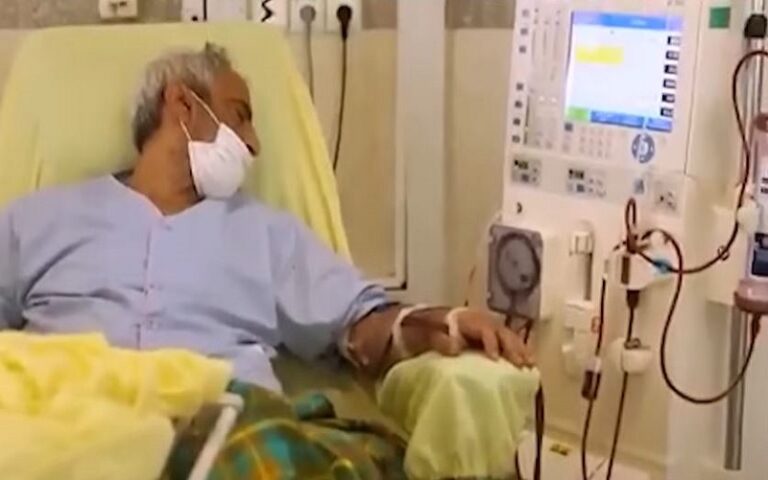
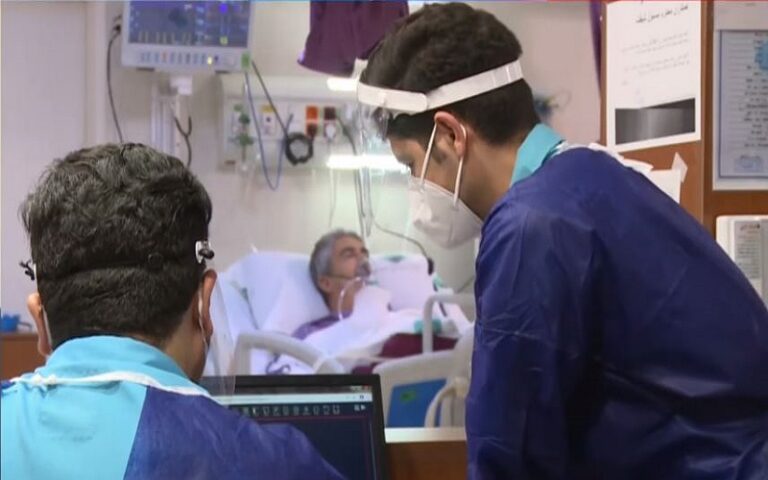
Saman Eshaqi, spokesperson for the Health Commission of the Iranian regime’s Majlis (Parliament), criticized the judiciary’s approach to handling the case of patient deaths caused by “contaminated peritoneal dialysis solutions.” He stated that the judiciary has not provided any response on the matter, and the Thamen pharmaceutical company has not even issued an apology.

Speaking to the state-run ILNA news agency, Eshaqi questioned why, despite nearly a year having passed since the incident, “the judiciary has not clearly announced the criminal responsibility of those accused in this case or the actions taken against them.”

The Majlis member emphasized that, based on “credible reports” and “expert opinions,” pharmaceutical products from Thamen, which operates under Astan Quds Razavi, led to the deaths of at least 70 people, possibly more.

Eshaqi further pointed out the irony that Thamen has filed complaints with the Mashhad judiciary against some raw material suppliers. He questioned, “But who is supposed to file a complaint against Thamen?”

According to reports, in June 2024, Thamen—a subsidiary of Astan Quds Razavi—responded to the deaths of at least 70 people from its products by telling the media, “By order of the higher authorities, we are not permitted to speak on this matter.”

In response to the lack of progress on the investigations and the victims’ families’ complaints, the state-run Ettelaat newspaper wrote on November 7, 2024: “If the death of seventy dialysis patients due to injections with contaminated syringes still does not stir anyone’s conscience, then we must both lament the accountability of pharmaceutical officials and mourn the erosion of public conscience.”

Astan Quds Razavi is one of the largest financial institutions of the Iranian regime, operating under the direct supervision of the regime’s supreme leader, Ali Khamenei.

64-Year-Old Swiss Tourist Dies In Iranian Prison

The Swiss Ministry of Foreign Affairs announced in a statement on Friday, January 10, that Iranian authorities had informed the Swiss embassy in Tehran on December 10, 2024, that a 64-year-old Swiss man had been arrested on suspicion of “espionage.”

According to the Swiss Foreign Ministry’s statement, the citizen, who had not resided in Switzerland for the past 20 years and was living in South Africa, had traveled to Iran as a tourist.

The statement added that since being informed of the detention of its citizen, the Swiss embassy in Tehran had been in daily contact with Iranian authorities to obtain more information about his detention conditions and to gain access to him.

However, Iranian authorities, citing the “espionage-security” nature of the accusations against him during the initial investigation phase, did not approve the Swiss embassy’s requests.

According to the statement, on Thursday, January 9, the Swiss embassy in Tehran was informed that a Swiss citizen had “committed suicide” in prison.

The Swiss Foreign Ministry further stated that the Swiss government is seeking detailed and precise information about the reasons for the arrest of its citizen by the Iranian government, as well as a full investigation into the circumstances of his death.

According to the statement, the repatriation of the citizen’s body to Switzerland is a priority and is expected to take place “within the next few days.”

Previously, several regime-linked media outlets in Iran, citing a report from the regime’s Khabarfoori website on Thursday, January 9, wrote that the Swiss citizen, who had reportedly died by suicide in Semnan prison, had been arrested while “gathering information” in one of the cities of Semnan province.

According to the regime’s Tabnak website, citing Khabarfoori, “an informed security official” claimed that “a Swiss national” was arrested by the Islamic Revolutionary Guard Corps (IRGC) Intelligence Organization while “gathering information and collecting soil samples in Iran’s central desert” at the same time as Israel’s attack on several locations in Iran, including in Shahroud.

According to Iranian state-affiliated media, Mohammad Sadegh Akbari, the head of the Semnan judiciary, claimed—without mentioning the Swiss citizen’s name—that he had “committed suicide” in prison.

Reuters noted that in recent years, the IRGC has detained dozens of dual nationals and foreign citizens, mostly on espionage and security-related charges.

According to the news agency, Switzerland plays a crucial mediating role between Washington and Tehran as the protector of U.S. interests in Iran, facilitating the exchange of messages between the two countries.

One of the suspicious deaths of political prisoners in Iranian prisons was that of Kavous Seyed-Emami, a dual-national and Iranian-Canadian university professor detained in Iran. He died in Evin Prison two weeks after his arrest, with Iranian authorities claiming that he had “hanged himself.”

At the same time as Seyed-Emami’s arrest, eight environmental activists, including Houman Jokar, Taher Ghadirian, Morad Tahbaz, Sepideh Kashani, and Niloufar Bayani, were also detained. Regarding this case, The Guardian reported that a journalist close to the IRGC had claimed that the arrested environmental activists had planted cameras and collected soil samples to identify sensitive locations used for Iran’s missile tests.


30,000 General Practitioners in Iran Reluctant to Practice Due to Low Income

Mohammad Raeeszadeh, head of Iran’s Medical Council, criticized the low consultation fees for doctors, stating that 30,000 general practitioners in the country are unwilling to practice medicine or pursue further education and specialization.

Raeeszadeh highlighted the annual fee-setting process for doctors, noting that one of the main issues is the extremely low and unacceptable consultation fees for general practitioners. For example, a general practitioner in Tehran cannot sustain a private practice with a consultation fee of 1.2 million rials (approximately $1.5).

On December 25, 2023, Raeeszadeh criticized the lack of determination of the actual cost of medical consultations in the country, stating:

“If they cannot determine the actual cost of a medical consultation in the country, it means no calculations have been made.”

The medical community argues that the set fees for medical services do not align with inflation rates and have protested against them.

One-Third of Iranians Deprived of Basic Needs

In April 2024, the government approved a 35% increase in medical service fees, which faced strong opposition from medical groups and associations.

On April 7, Saeed Karimi, then Deputy Minister of Health for Treatment Affairs, stated:

“Private sector doctors’ salaries have increased from 360,000 rials in 2011 to approximately 700,000 rials in 2023. This means that in 12 years, their wages have not even doubled, whereas the minimum wage for other professions has increased more than tenfold between 2011 and 2023.”

On December 29, 2024, Jalil Hosseini, Deputy Minister of Health for Education, stated that Iran does not suffer from a doctor shortage, but rather, 30,000 general practitioners are not practicing medicine and must be persuaded to work in underserved areas.

On December 30, 2024, the President of Qazvin University of Medical Sciences, addressing the shortage of doctors in the province, stated:

“The low salaries and benefits of doctors in the public sector compared to the private sector, as well as the low consultation fees, are the main reasons for the doctor shortage in Qazvin.”


“Iran’s Regime is Finished” Mike Pompeo Declares at NCRI Meeting

0

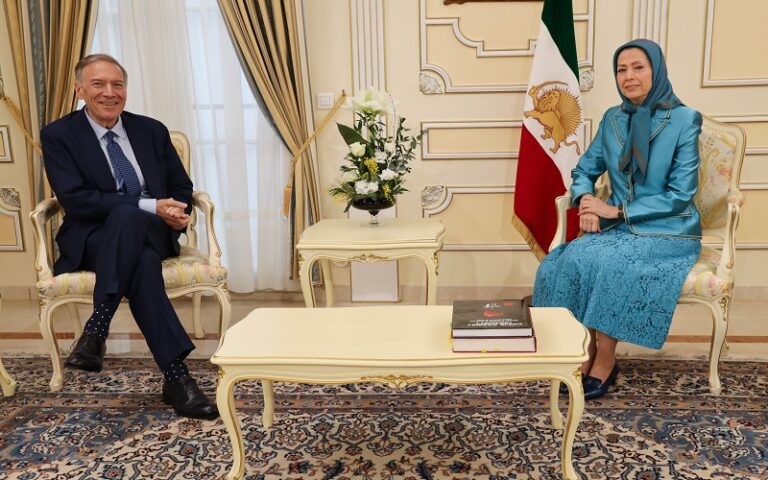
On January 9, at the National Council of Resistance of Iran (NCRI) headquarters in France, a gathering marked a pivotal moment in the struggle against Iran’s ruling regime. Speakers included NCRI President-elect Maryam Rajavi and former U.S. Secretary of State Mike Pompeo.

Mrs. Rajavi emphasized the resilience of the Resistance, citing the regime’s struggles: economic instability, mass poverty, growing dissent, and defections. She called for global recognition of the NCRI, stating, “Recognizing the Iranian Resistance is not one choice among many; it is the only practical and viable solution to confront the religious fascism ruling Iran.” She reaffirmed her vision of a democratic republic rooted in gender equality and separation of religion from the state.

Mr. Pompeo depicted the Iranian regime as being in rapid decline, emphasizing the fall of the Assad regime as a precursor to Tehran’s fate. “Assad hiding in another country, hoping only that he can stay alive in spite of the crimes he committed against his own people. The fact that it fell so quickly, that it was such a paper tiger, told the world that the Ayatollah is finished, that his time is complete,” he stated. He encouraged Resistance Units, saying, “Keep up the fight…The United States and the pressure campaign will return, making the regime even more fragile. You, the Resistance, you are on the right path.”

He dismissed any hope of the IRGC moderating, labeling it the core of the regime’s brutality. “No one is going to change the nature of that regime. Pretending so will only lead to the continuation of the rule of the clerics in Iran,” he asserted. Pompeo highlighted the sacrifices made by the MEK, recalling the 1988 massacre of 30,000 political prisoners. “The MEK has been the target of terror abroad and the subject of massive demonization campaigns by the regime. Every week in Friday prayer ceremonies across Iran, the regime chants slogans against the resistance,” he said, defending the group against propaganda efforts.

He praised Maryam Rajavi’s leadership and her 10-point plan for a democratic Iran, calling it a viable roadmap: “Mrs. Rajavi, you’ve repeatedly stated there’s only a single path, one path to the regime’s end, and that is being achieved by the Iranian people and the organized resistance inside of Iran.” Pompeo emphasized that the resistance does not demand foreign intervention but recognition of their right to resist. “This plan doesn’t ask for regime change from outside…The only demand of the resistance is the recognition of the Iranian people’s plight,” he declared.

Pompeo urged international support for the NCRI: “New U.S. policy, as the new administration comes in, needs to create even more space for the Iranian resistance to be vigilant on the ground. The focal point of this policy has to be recognition of the Iranian people’s right to resist and recognition of the National Council of Resistance of Iran as the single best alternative to the clerics ruling Iran.” He described the NCRI as a capable and democratic alternative, lauding its exposure of Iran’s nuclear weapons and missile programs.

His speech conveyed confidence in the Iranian people’s ability to achieve freedom. He called for accountability for the regime’s atrocities.

Pompeo concluded with a powerful message: “This is the time for the West to recognize the right of the Iranian people, this fundamental right that is so basic to every human being created in the image of God, to live with human dignity. And that means the right to resist and to change the nature of the lives of the people inside of Iran.”


Mafia-style Loan Distribution in Iran

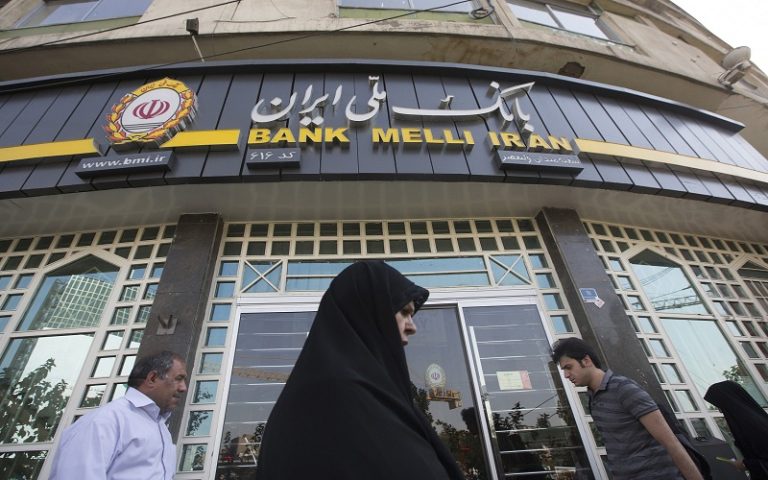
Iranian regime president Masoud Pezeshkian’s government has recently reduced the previous administration’s approved housing loan from 8 billion rials (approximately $9,877) to 6.5 billion rials (approximately $8,025). However, even this reduced amount is in doubt, as members of the regime’s parliament and economic experts question whether it will be provided at all. Additionally, the recent “devaluation of the rial” and “rising housing prices” have rendered any housing loans ineffective. While the strict conditions for obtaining housing loans have left many applicants waiting, numerous reports on corruption in the banking system and the “misallocation of financial facilities” have further complicated the situation.

Mohammadreza Farzin, the head of the Central Bank of the Iranian regime, had previously stated in a letter to the Minister of Roads and Urban Development that decisions regarding the loan cap and banking facilities fall under the jurisdiction of the “Supreme Board of the Central Bank.”

Iranian banks typically circumvent loan approval regulations for ordinary applicants by imposing strict conditions such as requiring guarantors, credit assessments, and the purchase of bonds. As a result, even if an 8-billion-rial loan is approved, banks’ “cooperation” in disbursing it remains highly unlikely.

A look at the latest official report from the Central Bank regarding the loans issued under the “National Housing Movement” plan until November 2024 reveals that in fourteen Iranian banks, housing loan disbursement has remained at “zero” even after three and a half years since the program’s launch. This is despite the legal requirement for banks to allocate 20% of their financial facilities to this sector.

According to this report, in the past three and a half years, Iranian banks have issued a total of 167 trillion rials (approximately $206 million) in financial facilities, of which only 2.5% has been allocated to the housing sector. This means that banks have only provided “2.5%” of the mandated 20% share for housing loans.

Diversion of Banking Facilities Toward “Super Debtors”

The extralegal actions of banks in Iran have effectively turned banking facilities into a tool for “rent distribution” (a form of economic favoritism). While the overall volume of financial facilities issued by banks continues to rise, ordinary citizens receive only a minimal share of these funds. The release of several lists detailing Iran’s largest bank debtors has revealed that most banking facilities have been distributed among “highly influential and rent-seeking sectors.”

Reports indicate that even Bank Maskan, a specialized housing finance bank, has allocated its resources to other sectors. According to the Central Bank report, the net loans granted by this bank to the auto parts manufacturing group “Ezam”—one of Iran’s super debtors—amounted to more than 12.3 trillion rials (approximately $151.8 million) by September 2024. This means that if the housing loan were set at 6.5 billion rials (approximately $8,025), Bank Maskan could have provided loans to more than 18,000 applicants just with the amount owed by Ezam Group.

Despite being classified as a super debtor, this manufacturing company continues to benefit from banking facilities, whereas many applicants for small-scale housing loans face stringent conditions imposed by the bank.

Other official reports indicate that banks not only fail to comply with legal priorities for the housing sector but also attempt to allocate large-scale loans to their “employees and subsidiaries.”

One of the main barriers preventing applicants from obtaining housing loans is the “high interest rates.” The repayment of the 6.5 billion rial loan is structured in a “graduated” manner, meaning monthly installments will start at approximately 87 million rials (around $108) and increase to about 152 million rials (around $188) in the 20th year. Consequently, the borrower will ultimately pay more than 2.4 billion tomans (approximately $29,630).

Moreover, persistent inflation in recent years has devalued housing loans, and despite the increase in loan ceilings, their effectiveness has been nullified. According to the Central Bank report, the average price per square meter of housing in Tehran reached 740 million rials (approximately $914) in December 2024. This means that even if the 6.5 billion rial loan is approved, it will only cover the purchase of “8.7 square meters” of property.

Citizens seeking housing loans must purchase a specified amount of securities to qualify for loan disbursement after a waiting period. Therefore, applicants who do not have any initial capital cannot obtain a loan. For instance, to receive a 6.5 billion rial loan, applicants must first purchase securities equivalent to one-quarter of the loan amount. Once this portion is paid, they will receive the remaining three-quarters of the loan.

Majid Goodarzi, a housing market expert, told the regime-affiliated Etemad newspaper: “Nowhere in the world are loans structured like they are in Iran; this method is entirely flawed because interest is charged on a loan that hasn’t even been disbursed yet, and repayments are required over a short-term period.” Goodarzi added, “This type of loan structure has been obsolete worldwide for years. However, in Iran, we are still dealing with such outdated loans.”


 

Italian Justice Minister: U.S. Has Not Requested Mohammad Abedini’s Extradition

One day after the release of Cecilia Sala, an Italian journalist detained in Tehran, and her return to Italy, Carlo Nordio, Italy’s Minister of Justice, stated that the U.S. has not formally requested the extradition of Mohammad Abedini Najafabadi, an Iranian detained in Milan. *

On Thursday, January 9, Justice Minister Carlo Nordio described Abedini Najafabadi’s case as a legal matter and stated that it was unrelated to Sala’s release.

Nordio explained that it is too early to discuss Abedini’s extradition to the U.S. since no formal request has been submitted yet.

One day before these remarks, Sala was released and returned to Italy, after 20 days in detention in Tehran.

Italian Journalist Cecilia Sala Arrested in Tehran: Mystery Surrounds Detention

The Italian newspaper Il Giornale, which is close to the Italian government, previously reported that Giorgia Meloni, Italy’s Prime Minister, secured Donald Trump’s agreement to “suspend” the extradition process of Abedini Najafabadi during her January 4 meeting with the U.S. president-elect.

Meanwhile, U.S. President Joe Biden was scheduled to visit Rome from January 9 to 12 for meetings with Prime Minister Meloni and Pope Francis. However, the White House announced that Biden had canceled his trip due to the massive wildfires in California.

Speculation had arisen that Biden’s visit would include discussions on Abedini Najafabadi’s extradition from Italy to the U.S.

On January 2, Milan’s Attorney General, citing the risk of Abedini Najafabadi fleeing before a decision on his extradition to the U.S., opposed his conditional release and transfer to house arrest.

The Milan Court of Appeals has scheduled a hearing on January 15 to review Abedini Najafabadi’s request for house arrest.

Mohammad Abedini Najafabadi, 38, was arrested at Milan Airport on December 16, 2024, at the request of the United States. He is accused by U.S. authorities of providing technology used in a drone attack in Jordan that killed three American soldiers.


Canada: Iran Must Take Full Responsibility for Downing Ukrainian Flight

On the fifth anniversary of the downing of Ukraine International Airlines Flight PS752 by two missiles fired by Iran’s Islamic Revolutionary Guard Corps (IRGC), the Canadian government issued a statement detailing its efforts to hold Iran accountable and called on the Iranian regime to take full responsibility for its actions.

The statement noted that among the 176 victims of the downing, 55 were Canadian citizens and 30 were permanent residents of Canada. It emphasized that Canada, along with Sweden, Ukraine, and the United Kingdom—its three partners in the International Coordination and Response Group—continues to demand accountability from the Iranian regime, including compensation for the victims’ families.

Details of the Downing of Flight PS752

Flight PS752 was shot down on January 8, 2020, by two IRGC missiles in the early hours of the same day that the Iranian regime launched missile strikes on Ain al-Asad Airbase in Iraq, in what it claimed was retaliation for the killing of Qasem Soleimani.

According to evidence provided by the Association of Families of Flight PS752 Victims and a ruling by the Ontario Superior Court of Justice on June 10, 2024, it has been repeatedly asserted that the downing of the Ukrainian aircraft was not the result of an “human error” by the IRGC but rather a deliberate act, carried out despite knowledge that the aircraft was a civilian flight.

The Canadian government, in its statement outlining the Coordination Group’s efforts to hold Iran accountable, referenced the ongoing case against Iran at the International Civil Aviation Organization (ICAO) for violating the Chicago Convention. The statement added that this process is still progressing, with further steps expected to be taken early this year.

On Tuesday, the Association of Families of Flight PS752 Victims issued a statement emphasizing the IRGC’s role in the deliberate killing of 176 passengers, calling for truth and justice in legal proceedings at the International Court of Justice (ICJ) and the International Civil Aviation Organization (ICAO).

On Wednesday, Ukraine’s Foreign Ministry issued a statement marking the anniversary of the tragedy, highlighting Iran’s use of weapons against a civilian aircraft in flight, failure to take measures to prevent the downing, lack of transparent and impartial investigations into the incident, and refusal to prosecute those responsible, as violations of international law.


Khamenei Calls for Strengthening Iraq’s Hashd al-Shaabi

0

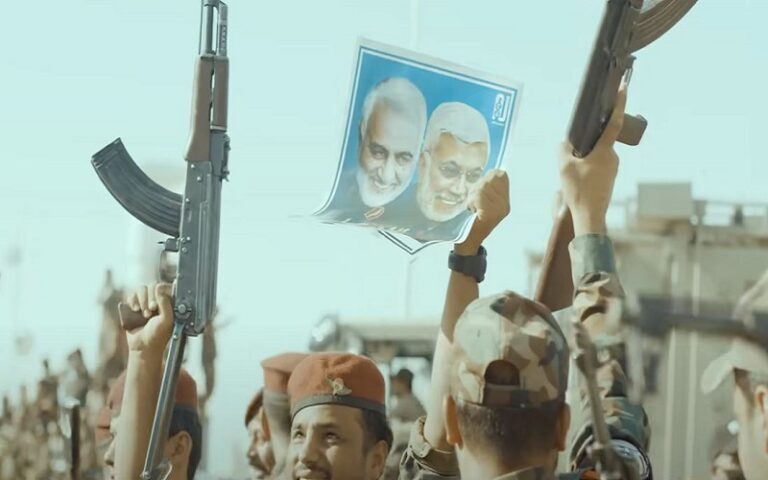
Ali Khamenei, Iran’s regime Supreme Leader, stated during a meeting with Iraq’s Prime Minister that the United States is trying to expand its presence in Iraq, and therefore, the Iraqi government must further strengthen Hashd al-Shaabi, the Iranian-backed Shiite militia group.

On Wednesday, January 8, during a meeting in Tehran with Iraqi Prime Minister Mohammed Shia’ Al-Sudani, Khamenei said: “Hashd al-Shaabi is one of the key pillars of power in Iraq, and efforts must be made to preserve and further strengthen it.”

Khamenei’s emphasis on maintaining and strengthening Hashd al-Shaabi comes as prior reports indicated that the Iraqi Prime Minister’s visit to Tehran aimed to discuss “the dissolution and integration of certain armed groups within the Hashd al-Shaabi structure.”

Last week, reports emerged that U.S. President-elect Donald Trump had sent a special message to the Iraqi Prime Minister, emphasizing the need to limit Iranian regime’s proxy forces and prevent interference in Syria’s internal affairs following the fall of Bashar al-Assad’s government.

On Wednesday, January 8, in a separate speech, Khamenei reiterated his regime’s anti-American stance, stating: “Before the revolution, Iran was under U.S. control, but the Islamic Revolution took away that immense political and economic wealth from American hands. Therefore, their resentment towards the revolution is immense.”

He added: “The U.S. failure to reclaim Iran despite heavy costs over the past 46 years is another reason for their hatred toward the Iranian nation and regime. America has failed in Iran and is now trying to compensate for that loss, which is why it opposes the Iranian people in every possible way.”

Khamenei further stated: “One of the demands of global arrogance, led by the U.S., from all nations, including Iranian officials, is to prioritize their interests in policy-making. Accepting this unreasonable demand from the U.S. would threaten democracy and republicanism in our country.”

“The people have voted for officials to serve their interests, not America’s. Therefore, decision-makers in economic matters such as inflation, production, and currency, as well as cultural issues like hijab, must only consider the interests of the Iranian nation, without any regard for American and Zionist interests.”

Khamenei’s call for strengthening Hashd al-Shaabi comes at a time when the so-called ‘Resistance Axis’ has been severely weakened due to the fall of Assad’s government and the elimination of Hezbollah Lebanon’s secretary-general and senior commanders.

Hashd al-Shaabi is considered one of Iran’s proxy forces in the region.

Following the collapse of Assad’s government, multiple reports have emerged about U.S. efforts to restrict Iranian regime’s proxy forces in Iraq.

During the fall of Assad’s government, Hashd al-Shaabi stated that its forces were not deployed in Syria and would only enter Syrian conflicts upon receiving orders from the Iraqi Prime Minister.


Japanese Yakuza Leader Admits to Smuggling Nuclear Materials from Myanmar to Iran

The U.S. Department of Justice has announced that the leader of a Japanese criminal organization known as the “Yakuza,” who had been accused by U.S. authorities of smuggling nuclear materials to Iran, has pleaded guilty.

According to a Justice Department statement released on Thursday, January 9, Takeshi Ebisawa, a 60-year-old Yakuza leader, pleaded guilty in a Manhattan court to conspiring to smuggle nuclear materials from Myanmar to countries including Iran. He admitted to working with a network of criminals to traffic uranium and weapons-grade plutonium suitable for nuclear weapons.

The statement also notes that Takeshi Ebisawa has admitted to international drug and arms trafficking charges.

In February 2024, U.S. officials charged the Yakuza leader with conspiring to smuggle nuclear materials from Myanmar to Iran for use in nuclear weapons.

He had also been charged in 2022 with international drug trafficking and firearms-related crimes.

Acting U.S. Attorney Edward Y. Kim for the Southern District of New York stated:

“As he admitted in federal court today, Takeshi Ebisawa brazenly trafficked nuclear material, including weapons-grade plutonium, out of Burma.”

“At the same time, he worked to send massive quantities of heroin and methamphetamine to the United States in exchange for heavy-duty weaponry, such as surface-to-air missiles, to be used on battlefields in Burma. He also laundered what he believed to be drug money from New York to Tokyo. It is thanks to the extraordinary efforts of the DEA’s Special Operations Division, the career national security prosecutors of this Office, and the cooperation of our law enforcement partners in Indonesia, Japan, and Thailand, that Ebisawa’s plot was detected and stopped.”

Ebisawa’s plot was uncovered and thwarted through cooperation between authorities in the United States, Indonesia, Japan, and Thailand.


Iran: Confirmation of Death Sentences for Political Prisoners – 54 Political Prisoners on Death Row

In November, The National Council of Resistance of Iran (NCRI), in a statement regarding the issuance of death sentences for six political prisoners on charges of “rebellion” (Baghi), called for urgent action by the UN Security Council, the High Commissioner for Human Rights, the UN Human Rights Council and related UN bodies, as well as the European Union and its member states to save their lives and secure the release of all political prisoners.

The six political prisoners—Akbar Daneshvar Kar, Mohammad Taghavi Sang-Dehi, Babak Alipour, Pouya Ghobadi Bistouni, Vahid Bani-Amarian, and Abolhassan Montazer—have been sentenced to death on charges of “Baghi” (armed rebellion) on charges of membership in the People’s Mojahedin Organization of Iran (PMOI/MEK).

Mohammad Taghavi was a political prisoner in the 2000s and 2010s. His brothers, Mojtaba and Ali Taghavi, have been sentenced to imprisonment and exile solely due to their family ties with him.

Iran’s Supreme Court Upholds Death Sentences for Three More Political Prisoners

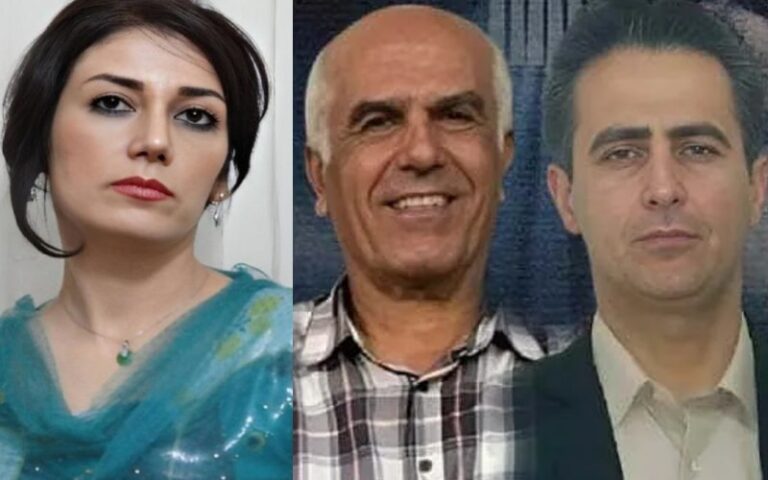
News sources have also reported that Iran’s Supreme Court has upheld the death sentences of three political prisoners held in Evin Prison: Pakhshan Azizi, Behrouz Ehsani Eslamloo, and Mehdi Hassani.

Amir Raeesian, the lawyer of Pakhshan Azizi, announced on Wednesday, January 8, that the Supreme Court’s Branch 39 has confirmed the death sentence for this political prisoner.

Azizi’s lawyer had previously stated that “the evidence and documents against my client were so weak that a simple review would have been enough to dismiss the charge of Baghi.” However, despite this, “even though innocence does not require proof, we had submitted credible documents to the Supreme Court.”

On July 23, 2024, Pakhshan Azizi was sentenced to death and four years in prison by Branch 26 of Tehran’s Revolutionary Court, presided over by Iman Afshari, on charges of “Baghi, through membership in opposition groups.”

Death Sentences for Behrouz Ehsani Eslamloo and Mehdi Hassani Upheld

Additionally, in a new statement, the NCRI declared that the Iranian regime’s supreme court has upheld the death sentences of Behrouz Ehsani Eslamloo and Mehdi Hassani.

Their death sentences were officially communicated to their lawyers on Tuesday, January 7.

Behrouz Ehsani Eslamloo and Mehdi Hassani were sentenced to death in mid-September 2024 by Branch 26 of Tehran’s Revolutionary Court, presided over by Iman Afshari, on charges of “Baghi (armed rebellion), Moharebeh (waging war against God), corruption on earth, gathering classified information, and conspiracy against national security.”

“Membership in the People’s Mojahedin Organization of Iran (PMOI/MEK)” was cited as one of the accusations against these two prisoners.

At Least 54 Political Prisoners on Death Row in Iran

Currently, at least 54 political and security-related prisoners are on death row in Iran, facing charges such as “Baghi (armed rebellion), Moharebeh (waging war against God), and corruption on earth.”