Home Blog Page 165

Protest Gatherings by Oil Workers and Various Other Groups of Iranian Society

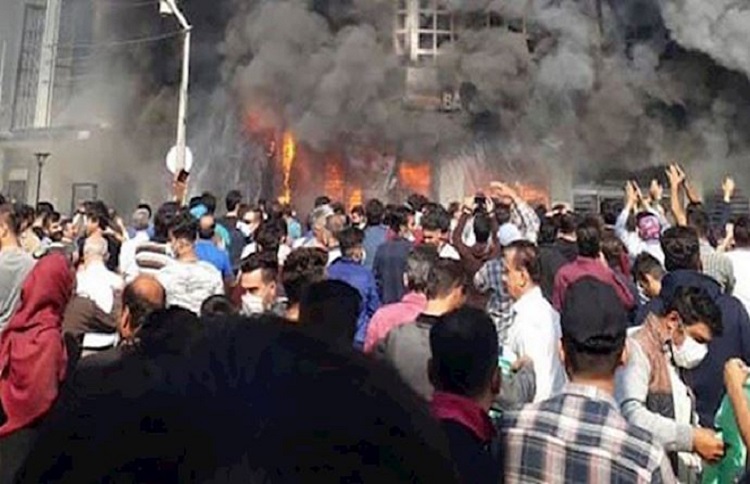
Protest gatherings by various segments of the Iranian population were held in different cities across the country due to economic hardships. On Monday, September 9, widespread protests took place in several cities. The economic crisis, rising inflation, and declining purchasing power have severely impacted the livelihoods of the people.

Protests by oil workers in several cities of Iran  

Oil workers in several cities, including Bushehr and Kangan, held protests. Employees of Pars Oil and Gas Company (site 2) in Kangan protested the lack of response to their demands. One of the main demands of the Pars Oil and Gas Company (POGC) workers is the removal of unfair salary caps in operational areas of the oil industry.

Another issue sparking protests is the separation of specialized and support roles.

Workers have also demanded the adjustment of minimum wages for new employees and the return of excess taxes collected in recent years.

Employees at the Fajr Jam Gas Refinery in Bushehr held a protest march within the refinery grounds, demanding employment contracts and salary increases.

Protest by heavy vehicle owners in Zabol  

Heavy vehicle owners held a protest outside the Zabol governor’s office in response to the blocking of their fuel cards. One of the drivers at the protest stated, “We will not give up our rights, even if the army, the IRGC, or the police come and tear us apart.”

It is worth noting that drivers’ protests were also held in several other cities last week.

Protest by literacy movement teachers  

Teachers from the Literacy Movement in their protest declared: “We, the literacy movement instructors since 2013, demand formal employment and status resolution.” Despite multiple protest gatherings, no officials from the Ministry of Education have responded to their demands. Today’s protest was held in front of the Ministry of Education.

Protest by housing applicants in Kerman  

Housing applicants in Kerman held a protest in front of the governor’s office, objecting to the delays in housing allocation and construction. Although housing construction has taken place, particularly in Kerman, not a single unit has been delivered to the public under the “Leap in Production” scheme.

Protest by school janitors in Isfahan  

School janitors and service workers resumed rallies to protest the harsh living conditions by laying out an empty tablecloth. One janitor said, “Despite the heavy workload, for some time now they’ve been promising us salary increases, but nothing has happened so far.”

The widespread protests by various segments of the Iranian population reflect the ongoing economic disorder and the lack of improvement. These protests are growing daily, and protests continue to be held in cities across Iran. However, the Iranian regime, unable to solve their problems, responds with indifference to these protests.

A New Wave of Protests in Iran

On September 9, Iran witnessed a new wave of protests that spread to several provinces, with demonstrations focusing on living problems and the failure of the Iranian regime’s companies to fulfill their promises to retirees. Retirees from the telecommunications company held a protest rally to express their anger at the Execution of Khomeini’s Order (EIKO) and the Iranian Revolutionary Guards Corps, which supervise the company, for not fulfilling their promises to provide the necessary financial rights. The demands centered on restoring their legitimate rights and improving their financial conditions.

The Execution of Khomeini’s Order (EIKO) and the Iranian Revolutionary Guards Corps (IRGC), as the main shareholders in the pension fund, operate under the direct supervision of the regime’s supreme leader, Ali Khamenei. The intervention of these institutions, aimed at securing funding for regional intervention projects and exporting terrorism, has led to a significant deterioration in the conditions of retirees. Khamenei and the Revolutionary Guards sought to control all of Iran’s resources, including the pension fund, to finance their interventions, resulting in widespread poverty and greatly angering the people.

In today’s protest rallies, retirees chanted slogans directly targeting the EIKO and the IRGC. One of the main slogans was: “The EIKO and the IRGC are thieves, and the retiree is their enemy,” denouncing these institutions for their role in the deterioration of retirees’ conditions and their failure to fulfill their obligations. These slogans reflect the widespread anger and dissatisfaction of retirees with the mismanagement and interference of these entities operating under Khamenei’s supervision.

A similar gathering of telecommunications company retirees took place in the city of Tabriz in East Azerbaijan Province, where protesters voiced their frustration at the company’s failure to meet its obligations. They demanded that the situation be resolved and their overdue wages paid.

Retirees from the telecommunications company also gathered in Shiraz to denounce the company’s failure to meet its financial obligations toward them, demanding that their long-accumulated rights be paid.

A protest march was organized by telecommunications sector retirees in the Khuzestan province, where demonstrators demanded their lost rights and denounced the company’s failure to fulfill its commitments. The demonstration was attended by a large number of retirees who raised slogans expressing their dissatisfaction.

Another gathering of telecommunications company retirees took place in Gilan province, where they expressed their anger towards the company’s management for failing to implement its repeated promises. The protesters focused on the need for management to fulfill its legal and financial obligations.

Retirees of the telecommunications company organized another protest gathering in Isfahan, where they raised the slogan: “We have not seen justice, we have heard many lies,” referring to the company’s hollow promises. The city also witnessed protests by service workers and school guards, who expressed their demands with an empty table, symbolizing the deterioration of their living conditions.

Housing applicants for the “Balad Al-Amin” project gathered in front of the Kerman Governorate building, where they set up symbolic tents in protest against the failure to deliver housing units on time, despite having paid the money in advance. The protesters criticized the delay in the implementation of housing projects and their high costs.

The literacy movement teachers gathered in front of the Ministry of Education in Tehran, where they demanded improvements in their professional conditions and the implementation of the ministry’s promises regarding salary increases and an improved work environment.

These growing protests indicate the escalation of popular anger towards the deterioration of living conditions and the continued failure of the government and its affiliated companies to provide appropriate solutions to the accumulated crises. While the Iranian people are suffering from economic and living crises, the regime is busy igniting wars in the region and financially supporting terrorist groups, instead of focusing on solving these internal problems. Its nuclear ambitions have also imposed heavy costs on the people, exacerbating internal crises. With increasing public discontent and the expansion of protests, it is not unlikely that the people, having lost patience with these policies, will rise up in a comprehensive uprising to overthrow this regime and achieve a better future.

Bread Price-Hike Policies Begin in Tehran

State news agencies in Iran, including the national broadcaster IRIB, reported that as of today, new bread prices have been registered in all smart card readers used for bread sales in Tehran.

The 40% to 66% price increase for bread in Tehran has begun while most provinces in Iran had already implemented similar price hikes.

Previously, Mizan News Agency, affiliated with Iran’s judiciary, reported from Tehran on Wednesday, August 28, stating that “bread prices have been arbitrarily increasing at bakeries for a while,” which “can have a direct impact on people’s lives.”

Although this judiciary-affiliated news agency reported a “50% increase” in bread prices in Tehran, the actual prices showed a 100% increase.

In mid-August, the Nournews website reported an unofficial and quiet increase in bread prices in Tehran, stating that some types of bread had seen price hikes of more than 100%.

This website, linked to the Supreme National Security Council, reported: “The bread price increase is being quietly implemented in some areas of Tehran. The price of Barbari bread in some areas has risen from 50,000 rials to 70,000 rials, and Taftoon bread from 7,000 rials to 15,000 rials.”  

(Each US dollar is equivalent to 600,000 rials.)

Nournews also quoted a flour industry activist saying that “the government has lost control over bread prices because the fundamental policies supporting this sector have been flawed for years.”

Statements by regime’s President Masoud Pezeshkian and other government officials regarding the implementation of subsidies and the potential increase in gasoline and bread prices come at a time when a significant portion of the population lives below the poverty line.

Earlier, sociologist Maqsoud Farasatkhah, in an interview with the Ham-Mihan newspaper on August 13, stated: “Based on my research, at least one-third of Iranian households are facing absolute poverty in some form.”

He further mentioned, “We are dealing with a group that is going hungry and surviving on the minimum number of calories,” adding: “Last year, Iran was ranked among the ten countries with low hunger levels in the Global Hunger Index. However, field reports indicate that millions of people in the country are living with hunger.”

Former Iranian Political Prisoner Dies of Wounds Caused by Security Forces

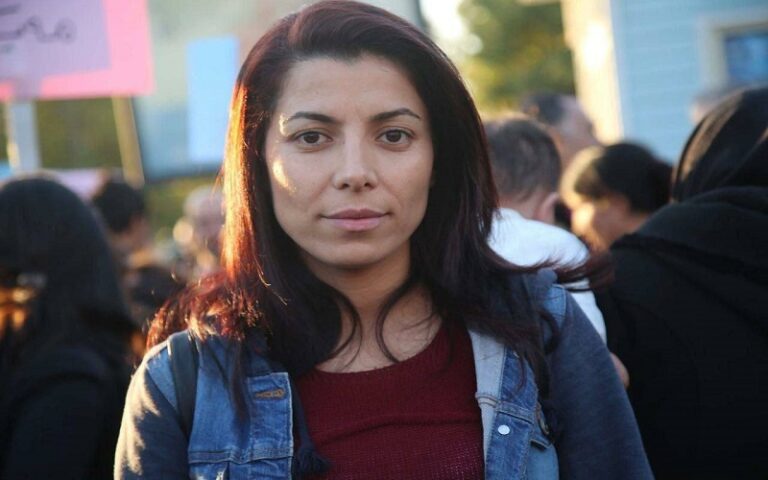
According to social media reports, Sara Deldar, a former political prisoner from Rasht, has died after suffering from infections caused by pellet wounds.

Ms. Deldar was hit by pellet bullets by Iranian regime security forces during the nationwide protests in 2022 in Rasht for helping the injured.

After her arrest, she was sentenced to one year, three months, and six days in Lakan prison in Rasht. She was released on probation after serving more than six months.

In her last Instagram post on July 21, she mentioned contracting an infection in her body after being released from prison and being hospitalized. She referred to physical weakness, severe anemia, and the enlargement of her spleen, kidneys, and ovaries as some of the problems she was facing.

Ms. Deldar also stated that other prisoners released from Lakan prison in Rasht were struggling with similar illnesses after their release.

Several political prisoners have died under suspicious circumstances after being released from prison.

Sara Tabrizi, former Iranian political prisoner

In another case, the lifeless body of Sara Tabrizi, a former political prisoner, was found at her parents’ home in Tehran on March 24. This 20-year-old woman had been under severe psychological pressure from security forces in the final weeks of her life. She had been summoned to the Ministry of Intelligence on March 23.

Yalda Agha Fazli: "the defendant did not express remorse"
Yalda Agha Fazli: “the defendant did not express remorse”

Yalda Agha Fazli, a 19-year-old girl who was arrested in late October 2022 during anti-government protests, died under suspicious circumstances after being released from prison on November 11, 2022. The Iranian regime declared her death a suicide. In Yalda’s case file, it was recorded during her detention that “the defendant did not express remorse,” and this phrase has since become a symbol among political prisoners.

A Favorable Loan for Iranian Regime Parliament Members

Following multiple revelations of unregulated loans being given to bank employees and multi-billion rial loans to members of the Stock Exchange Board with low interest rates and 10-year repayment periods, Iranian media now report on a favorable 5-billion-rial loan (approximately $8,334) being granted to members of Parliament for housing deposits, with an interest rate of only 4%.

Tejarat News, in a report on this subject, wrote that “legal favoritism has occurred from the Stock Exchange and banks to Baharestan (the Parliament building), while ordinary people are only given housing deposit loans up to a maximum of 200 million tomans (approximately $3,334) with an 18% interest rate.”

Tejarat News also pointed out that after Majid Eshqi, the head of the Stock Exchange Organization, resigned following reports of receiving a billion-rial loan with a 4% interest rate and a 10-year repayment period, it became evident that the 5-billion-rial housing deposit loan (approximately $8,334) with 4% interest given to Parliament members demonstrates that “favoritism” in Iran’s economic structure is not limited to the Stock Exchange Board. In some cases, like the housing deposit loans for Parliament members, it occurs “within a completely legal framework.”

Tejarat News wrote that both the lenders and borrowers justify this “favoritism” as being “within the legal framework,” and such excesses have become a natural routine. An example of this is the special loan terms for Parliament members’ housing deposits.

Earlier, a report from the Central Bank revealed that last year, banks loaned 910 trillion rials (approximately $1.516 billion) solely to their own employees.

However, Abdolnaser Hemmati, the Minister of Economy under the government of Masoud Pezeshkian, defended this practice, stating, “Bank employees start work at 6 a.m. and work under difficult conditions.” In recent years, “despite 40% inflation, their wages have only increased by 20%, so they deserve these loans.”

Hemmati’s comments sparked public backlash, with citizens responding that millions of employees and workers in other sectors also start work at 6 a.m. and often work until the afternoon and evening. Their salaries have also only increased by the same 20% annually.

High Costs of Stationary Ahead of the New School Year in Iran

0

The state-run ISNA news agency reported a sharp increase in the prices of school supplies in the market, stating that luxury items have also entered the market, with school backpacks being sold at prices ranging from 3 million to 70 million rials (approximately $5 to $117). It is worth mentioning that the minimum wage in Iran is around $180, and many workers earn even less.  

In its report, ISNA discussed the millions of rials spent on purchasing school supplies, noting that the prices of various items have increased compared to last year, with some items falling into the luxury category and being sold at unexpectedly high prices.  

According to the news agency, a 12-pack of regular black pencils is sold for up to 2.4 million rials (approximately $4), while high-quality brands can go for over 14 million rials (about $24).  

In the retail market, mechanical pencils are sold for prices ranging from 400,000 rials to over 20 million rials (approximately $0.66 to $34), and regular pens are priced at 500,000 rials (about $0.80).  

It has also been reported that in the stationery market, colored gel pens in 42-piece sets are sold for over 65 million rials (around $109).  

A 12-pack of colored pencils is priced at up to 7 million rials (about $12), while a 120-piece set of foreign-brand colored pencils sells for 230 million rials (around $384).  

According to ISNA, backpacks range in price from 3 million to nearly 70 million rials, and laptop backpacks are sold from around 7 million rials up to 250 million rials (about $384).  

These skyrocketing prices come at a time when many families are unable to afford their children’s educational needs, leading to an increase in dropout rates and children not entering the education system.  

In this regard, the Deputy Minister of Elementary Education at the Ministry of Education announced that in the 2023-2024 school year, about 216,243 children were left out of school.  

Mohammad Molavi, a member of the Education Commission of the regime’s Majlis (Parliament), also stated in July that 279,000 children had dropped out of school due to “financial difficulties.”  

The Deputy Chairman of the Education Commission in the Majlis also reported that the total number of children out of school in Iran stands at 911,000, including 400,000 elementary students.

Iran’s Regime Delivers Ballistic Missiles to Russia Despite Warnings  

Bloomberg News and the Wall Street Journal have reported that Iran, despite warnings from Western countries, has delivered ballistic missiles to Russia for use in Ukraine. However, the Iranian regime’s delegation to the United Nations denied these reports.

The two outlets reported on Friday, September 6, that Iran recently delivered the ballistic missiles to Russia. Bloomberg, citing informed sources, stated that the U.S. has informed its allies about this development.

Three days earlier, Bloomberg had reported that Ukraine’s allies believed that the ballistic missile transfer from Iran to Russia would take place within a few days. The Wall Street Journal also cited an American official saying that the U.S. had recently informed its allies that the missile delivery had been completed.

According to the report, the shipment included over 200 short-range ballistic missiles. The Wall Street Journal also quoted a European official stating that this was not the end, and that weapons shipments from Tehran to Moscow were ongoing.

Both American media outlets reported that the U.S. and the European Union are planning to impose sanctions on Tehran over this action. The Wall Street Journal wrote that the new EU sanctions package against Iran will likely include sanctions on Iran’s national airline, Iran Air, and several individuals and entities involved in the ballistic missile deliveries to Russia.

Meanwhile, Sean Savett, spokesperson for the White House National Security Council, expressed concern over reports of missile transfers from Iran to Russia, stating that any such transfer signals an escalation in Iran’s support for Russia’s aggressive war in Ukraine. Another U.S. official told Reuters that Washington is closely monitoring the missile transfers between Iran and Russia.

In contrast, Iran’s mission to the United Nations on Friday denied the reports of missile transfers to Russia, asserting that the regime’s stance on the Ukraine conflict has not changed, and that Iran considers providing military assistance to either side as inhumane. According to the state-run IRNA news agency, Iran’s UN office stated: “Not only does Iran refrain from such actions, but it also calls on other countries to cease sending weapons to the parties involved in the conflict.”

Cooperation between Moscow and Tehran has increased since Russia’s war against Ukraine began, with the Iranian regime sending a large number of drones and other military equipment to Russia. The decision to send ballistic missiles had been discussed for some time, and Reuters reported on August 9 that a group of Russian military personnel had traveled to Iran to receive training on using “Fateh-360” ballistic missiles.

Reuters, citing European sources, reported that hundreds of these missiles were expected to be delivered to Russia soon. While the Iranian regime has consistently denied sending weapons to Russia for use against civilians in Ukraine, Western and Ukrainian officials have so far provided multiple pieces of evidence of Iranian-made weapons, including Shahed drones, being sent to Russia.

Professor Javaid Rehman Responds to Attacks After Exposing Iran’s Atrocity Crimes

In the wake of his final report detailing atrocities committed by the Iranian regime, Professor Javaid Rehman, the former UN Special Rapporteur on Human Rights in Iran, has faced an onslaught of attacks from Iranian authorities and their allies abroad. His July 2024 report, titled “Atrocity Crimes,” highlighted heinous acts including mass executions in the early 1980s and the massacre of over 30,000 political prisoners in 1988, which Rehman classified as crimes against humanity and genocide. Following the release of the report, Iranian officials launched a campaign to discredit Rehman, accusing him of bias, corruption, and accepting bribes—all claims he vehemently denies.

In a statement, Professor Rehman emphasized that he conducted his duties with “great integrity and absolute commitment,” acting impartially throughout his six-year tenure as Special Rapporteur from 2018 to 2024. Rehman disclosed that the Iranian government not only barred him from entering the country but also resorted to personal abuse and unsubstantiated accusations in an attempt to undermine his work. Furthermore, he categorically rejected claims that he had received any form of payment for his participation in conferences related to his findings, calling these allegations “false and fabricated.”

The regime and its allies attacked Rehman for his recent participation in an event that was about the regime’s human rights abuses, especially the execution and torture of dissidents in the 1980s.

“I completely reject the false and fabricated accusations that I received any form of honorarium, conference fee or speaker fee for participation in the conference on 24 August 2024 in Paris. There have been false allegations against me that I have received funding to attend this meeting based on various allegations that high-profile persons have been paid to attend such events,” Rehman wrote. “I must alert the international community, that through this smear campaign against me, the Iranian authorities (and their sympathisers) are attempting to escape and avoid accountability for their crimes.”

Rehman’s report shines a light on the mass execution of political prisoners, religious persecution, and the abuse of women and children. He calls for international intervention, urging the global community to establish investigative mechanisms to hold Iranian authorities accountable for their crimes.

Amid the smear campaign, Rehman asserts his commitment to pursuing legal action against those who continue to propagate falsehoods aimed at damaging his reputation. He concludes his statement by urging the international community to focus on the victims and to ensure justice is served.

The full text of Professor Rehman’s statement is below:

Statement from Professor Javaid Rehman


U.S. Arrests Dual Citizen for Illegally Exporting Technology to Iran

0

The U.S. Department of Justice has announced in a statement the arrest of an Iranian-American dual citizen on charges of illegally exporting U.S. technology to Iran.

U.S. prosecutors have identified this Iranian-American citizen as Gholamreza Goudarzi, also known as Ron Goudarzi, a resident of Porter, Texas. He was arrested on August 30 at George Bush Intercontinental Airport.

The 76-year-old man is accused of smuggling parts and components used in the production of both unmanned and manned aircraft from the U.S. to Iran.

According to the U.S. Department of Justice statement, Mr. Goudarzi is currently in custody and will remain so until his court hearing on September 5, where the reasons for his detention will be addressed.


According to Robert Wells, Executive Assistant Director of the FBI’s National Security Branch, the illegal smuggling of sensitive U.S. technology to a foreign country endangers national security and undermines the integrity of trade laws.

He further emphasized that the United States will not tolerate the illegal export of advanced technology to its adversaries, and the FBI, along with its partners, will work to hold those who violate U.S. laws accountable.

Court documents indicate that from November 30, 2020, to July 4, Gholamreza Goudarzi illegally exported aircraft parts, as well as oil and drilling components, to Iran.

He frequently traveled to Iran, often carrying out these exports through the UAE, and several times transported parts in his luggage.

The Justice Department’s complaint states that security agents inspected Goudarzi’s luggage on several occasions and discovered aircraft parts and components hidden within clothing. Some items had features consistent with drone manufacturing parts as well as components used in electric motors and generators.

According to this complaint, Gholamreza Goudarzi did not have the necessary license to export such items to sanctioned countries, including Iran.

If Mr. Goudarzi is found guilty in this case, he faces up to 10 years in prison and a maximum fine of $250,000 for smuggling goods.

Previously, on August 14, the U.S. Department of Justice had also charged Jeffrey Chance Nader, a 68-year-old Iranian-American citizen, with attempting to illegally export American aircraft parts to Iran.

UN Special Rapporteur Iran’s Regime Executes Individuals with Violation of Fair Trial

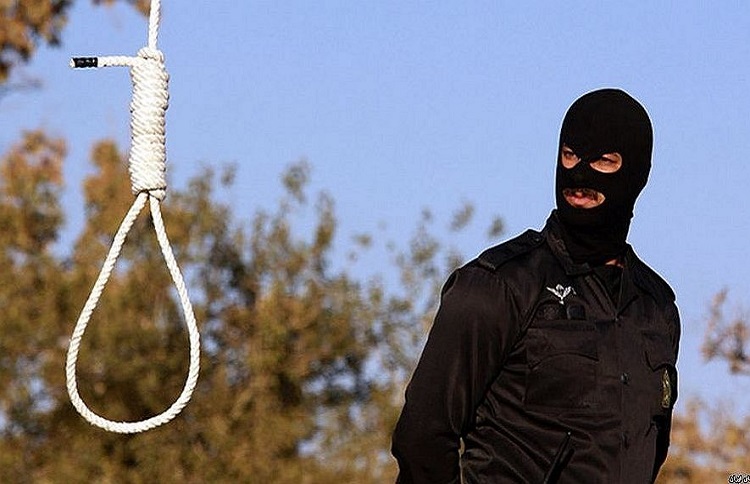
In a series of posts on X, Mai Sato, the United Nations Special Rapporteur on Iran, on Tuesday, September 4th, highlighted the execution of at least 93 individuals in Iran over the past month. She noted that only a portion of these executions have been officially reported by the Iranian regime.

Mai Sato expressed concern about the execution of Reza Rasaei, one of those arrested during the nationwide protests in 2022, on August 6th. She pointed out that his conviction was based on confessions obtained through torture, other individuals in the case had retracted their testimonies implicating Rasaei, and a forensic expert had challenged Rasaei’s involvement in the murder.

Ms. Sato emphasized the “necessity of transparency” in the judicial process, stating that executions carried out with a “violation of fair trial and due process” are considered “illegal” and “irreversible.”

The UN Special Rapporteur on the human rights situation in Iran stated that based on the reports she has received regarding the current implementation of the death penalty in Iran, she is “deeply” concerned that innocent people may have been executed or may be at risk of execution.

“I have been the Special Rapporteur on Iran for one month. In August 2024, at least 93 people were executed. Based on the information received, only a portion of these executions were officially reported by the Iranian regime, highlighting the need for transparency,” she said.

Ms. Sato, along with several other UN experts, reported on Friday, September 2nd, that the number of executions by the Iranian regime in August was more than double the 45 executions carried out in July.

The report states that so far this year, 400 Iranian citizens, including 15 women, have been executed by the Iranian regime.

UN experts noted that according to the Iranian regime’s claims, nearly half of those executed had committed drug-related offenses. They added that “execution for drug-related crimes violates international standards.”

In response to this report, a spokesperson for the U.S. State Department described the execution statistics in Iran and the judicial processes leading to such sentences as “concerning.”

Matthew Miller, in his daily press briefing, criticized the Iranian regime’s judiciary, stating that this institution is neither independent nor capable of providing fair trials.

Amnesty International has reported that the Iranian regime was responsible for 74% of the documented executions worldwide last year. Those executed include ethnic minorities, particularly the Baloch, women, and individuals who were minors at the time of their crimes.