Home Blog Page 175

Rent for a Room in Central Tehran Exceeds 100 Million Rials

0

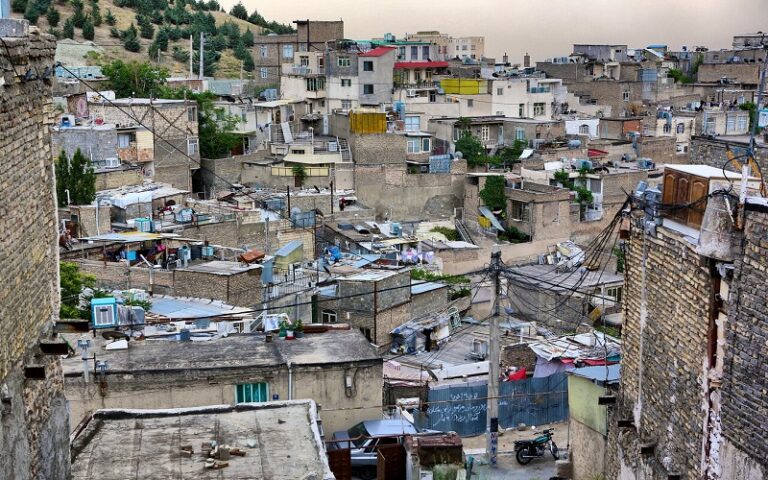
Following the continued increase in rental prices and the housing crisis in Iran, Iranian regime media have reported monthly rent for a bed in central Tehran at prices ranging from 65 to 106 million rials.

The regime’s ecoIran website has announced that the minimum monthly rent for a bed in central Tehran is at least 65 million rials (approximately $112).

It is worth noting that the minimum wage for a worker with two children is estimated to be around $200.

The website emphasized that the majority of the demand for these dormitories and hostels comes from employees and workers. If the basis of received wages is the Ministry of Labor’s wage for 2024, the minimum cost of renting a single room in the center of the capital for single individuals without work experience is about 69% of their monthly salary, and the maximum rental cost is equivalent to 112% of their monthly salary.

Yesterday, Iranian media also reported on the chaotic state of the housing market, announcing that even with 500 years of current wages and salaries, it is impossible to purchase a 75 square meter apartment.

In a report on Thursday, July 18, the Ettelaat newspaper addressed the issue of rent, stating that over 7 million renting households across the country have experienced heavy increases in housing rent in recent years.

Housing has become a super crisis for households over the past decade. Government promises to solve the housing problem have also gone nowhere. During his election campaign and after taking office, Ebrahim Raisi promised to build one million housing units per year. However, more than three years into his government and after his death, nothing significant has happened in this area, and concerns about the continuation of the current trend persist in Masoud Pezeshkian’s government.

Eighty-Five Femicide Cases Recorded in Iran in the First Quarter of the Past Three Years

The newspaper “Etemad” reported on femicide in Iran, stating that in the first quarter of the years 2022 to 2024, at least 85 femicide cases were recorded in Iran, with most of the accused being husbands.

Etemad emphasized that news of the murder of women and girls, referred to in government literature as “honor killings” or family disputes, is often not reported by the media.

honor killing is the killing of a relative, especially a girl or woman, who is perceived to have brought dishonor on the family.

According to the newspaper, such killings have been on the rise in Iran over the past three years.

Etemad wrote that in the first quarter of the past three years (from March 21 to June 20), at least 85 women and girls were killed by their husbands, fathers, brothers, and other close male relatives.

According to this report, in the first quarter of 2022 (from March 21 to June 20), at least 22 women and girls, in the first quarter of 2023 at least 28 women and girls, and in the first quarter of 2024 at least 35 women and girls were killed in various cities in Iran.

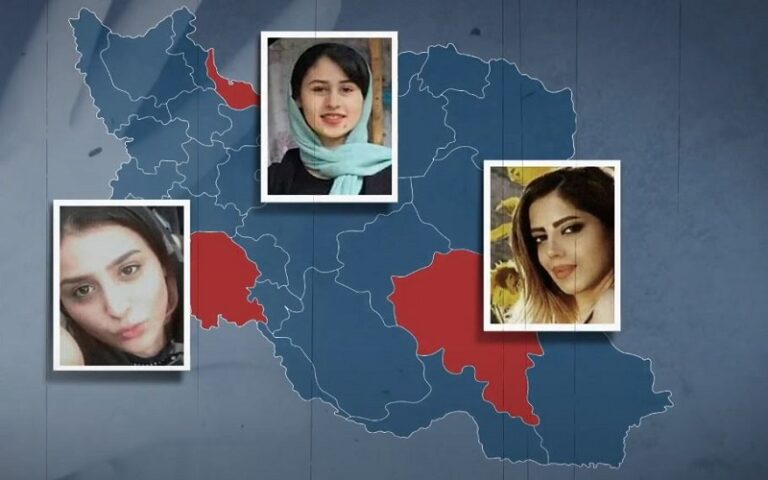
The report also mentioned the geographical distribution of the murders, stating that in the first quarter of 2024 (from March 21 to June 20), the highest number of murders occurred in the cities of Urmia, Talesh, Tabriz, Mashhad, Iranshahr, and Tehran.

According to Etemad, “Tehran with five femicides” topped the list in this period. Similarly, during the same period in 2023, the highest number of murders occurred in the cities of Divandarreh, Kuhdasht, and Tehran, with “Tehran having 11 femicides” at the top. In the first quarter of 2022, the highest number of murders also occurred in “Tehran with 10 femicides,” most of which were committed by the victims’ husbands during the same period.

The report emphasized that most of the killers were husbands, with statistics showing that in 2022, 16 women, in 2023, 15 women, and in 2024, 27 women were killed by their husbands.

According to reports, 156 cases of “femicide” were recorded in Iran in 2023, averaging 13 murders per month.

In 92% of recorded femicide cases, the killer knew the victim, with the killer being the woman’s husband in half of the cases and violence being perpetrated by relatives other than the husband in 57 cases.

Women’s rights activists say the lack of judicial strictness towards femicide perpetrators has led to an increase in these cases. In recent years, there have been many instances where a father or brother killed a young woman on the pretext of not observing hijab or having a relationship with another man, and the killer faced minimal punishment.

Some academic articles and theses have reported an annual statistic of 375 to 450 cases of femicide in Iran, referred to as “honor killings” in official government literature.

According to the laws of the Iranian regime, a victim’s father, if he is the killer, is practically immune due to the right of blood and what is called “guardian of the blood” in regime laws. In cases of uxoricide or femicide, Islamic penal laws also leave openings for the killer to gain immunity under pretexts such as “honor” or suspicion of “illicit relations.”

According to the regime’s Islamic Penal Code, the punishment for “murder” is “retribution,” but according to Article 630 of the Islamic Penal Code, “if a man sees his wife committing adultery with another man and knows that the woman has consented, he can kill them both at the moment. If the woman was coerced, he can only kill the man.”

Civil activists and human rights defenders have protested against discrimination against women in Iranian regime laws for decades. International organizations and the United Nations have repeatedly called on the regime’s officials to abolish discriminatory laws in their periodic reports, a demand that has remained unanswered for the past four decades.


Predicted 7.5% Increase in Electricity Consumption in Iran

0

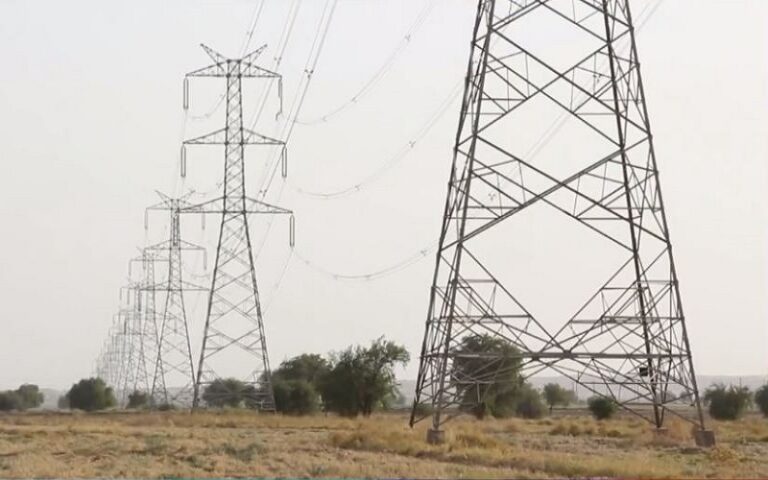
The spokesperson for Iran’s electricity industry says that due to the intensifying heat in Iran, the electricity consumption demand is expected to increase by “7.5 percent.” On Saturday, July 20, Mostafa Rajabi, noting that two “very hot” weeks lie ahead for Iranian citizens, told ILNA News Agency: “We predict that electricity consumption demand will break records set this year starting today.”

Rajabi stated that this level of consumption is “5,500 megawatts” higher than last year, which is “equivalent to the electricity consumption of the provinces of Khorasan and Sistan and Baluchestan.”

On Friday, Tehran’s electricity distribution company issued a notice asking the residents of Iran’s capital to “reduce electricity consumption by at least 10 percent, especially from 11 AM to 5 PM” in the coming week to prevent disruptions in the power network.

The company also threatened to take action against “customers” and “offices” that “do not adhere to the necessity of reducing electricity consumption.”

At the same time, an official from the Ministry of Energy announced: “Electricity consumption in Iran alone is more than half of the consumption of the 27 member countries of the European Union.”

Mojtaba Gilvanejad, pointing to the rising temperatures in the coming days, stated: “Since most of our country’s electricity is generated by burning gas, the increase in temperature not only reduces production efficiency but also leads to higher energy consumption.”

He continued: “With each degree increase in temperature, the load on the power grid increases by about 1,800 megawatts, and the capacity of power generation and network facilities decreases by more than 400 megawatts.”

In recent weeks, there have been numerous reports of widespread power outages in Iran.

In this regard, the head of Tehran’s Chamber of Commerce announced last week that the pharmaceutical industry, like other industries in the country, has been affected by power imbalances and experiences power cuts during the hot days of the year.

On July 13, Mahmoud Najafi-Arab said that production units in Iran’s pharmaceutical industry also experience power outages for two days a week.

Some areas of Tehran also faced an unprecedented five-hour power outage on Thursday, July 11, and the rise in temperatures and record-breaking electricity consumption caused several provinces in the country to shut down.

According to reports from Iranian domestic media, “to prevent a nationwide blackout and planned power outages in 15 provinces, Thursday was declared a holiday” to reduce office electricity consumption and “manage the network and avoid blackouts.”

Due to repeated delays in the development of power plants and widespread electricity losses in the outdated network, Iran faces a 14,000-megawatt electricity deficit during the hot seasons each year, and the country’s electricity deficit increases annually.

Last year, the Iranian government aimed to launch more than 6,000 megawatts of new power plants, but only 2,000 megawatts have been achieved.

Deadly Houthi Attack on Tel Aviv with Iranian-Made “Samad-3” Drone

0

Following a deadly drone attack by the Iran-backed Houthi terrorist group, against Tel Aviv, Defense Minister Yoav Galant, after meeting with senior military officials including Herzi Halevi, the Chief of the General Staff of the Israel Defense Forces, said that the Israeli army is immediately strengthening all its defense systems and will take revenge on anyone seeking to harm Israel or carry out terrorist operations against it.

In this regard, Benjamin Netanyahu, the Prime Minister of Israel, held a meeting on Friday to assess the security situation.

However, Israeli officials have stated that the Houthis’ attack using an Iranian drone will be responded to. According to them, the option of a direct Israeli attack on Yemen is on the table.

According to these officials, the target of the Houthi drone attack was the US Embassy in Tel Aviv.

Jacob Lew, the US Ambassador to Israel, expressed his shock at the brazen drone attack by the Houthis in a post on the social media platform X.

Expressing sympathy for the family of the Israeli citizen killed in the attack, he added that all the staff of the US Embassy in Tel Aviv are safe and sound.

Meanwhile, Daniel Hagari, the spokesperson for the Israeli army, announced that one Israeli civilian was killed, and eight others were injured as a result of the suicide drone attack on Tel Aviv early Friday morning.

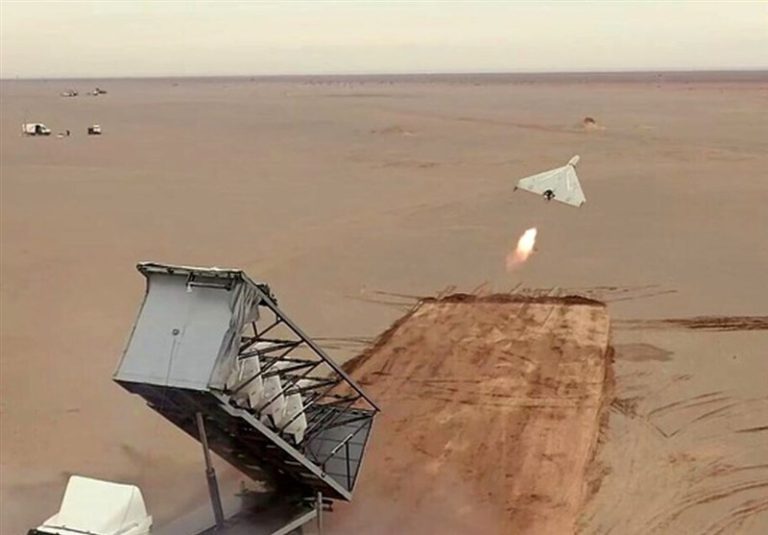
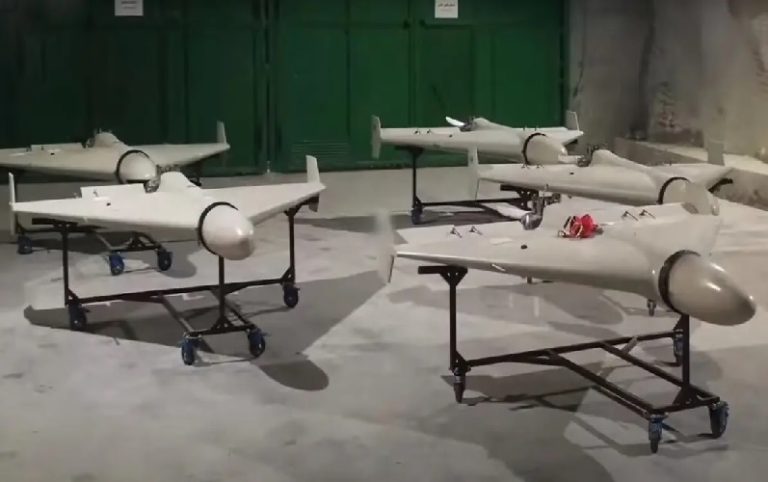
According to the Israeli army’s assessment, the suicide drone used by the Houthis in the deadly attack on Tel Aviv was a “Samad-3” model made by the Iranian regime, modified for greater range and launched from Yemen.

In recent months, the Houthis have carried out numerous drone and missile attacks against commercial ships in the region’s waters, and in response, the US and its allies have formed an international coalition to target the positions of this group supported by the Iranian government.

Parts Sold by a Polish Company to Iran Found in Shahed Drones  

A Polish state-owned company has sold parts to Iran that have been used in combat drones manufactured by this country and deployed in Russia’s war against Ukraine. The Polish prosecutor’s office has been investigating this matter for the past two years.  

According to Reuters, “Radio Zet,” a private radio broadcaster in Poland, reported on Thursday, July 18, that a Polish state-owned company sold parts to an Iranian company that were used in the manufacture of “Shahed” drones. The broadcaster did not name its information source but mentioned that the Polish prosecutor’s office has been investigating this matter since 2022.  

Polish prosecutors confirmed in an email that they are investigating the potential export of dual-use goods from the country but did not mention Iran by name.  

Since the start of Russia’s war against Ukraine, the Iranian regime has provided Moscow with thousands of Shahed-136 suicide drones. Russia has used these drones to deplete Ukraine’s air defense capabilities and destroy its infrastructure. Poland, a NATO member, has been one of Ukraine’s biggest supporters.  

According to “Radio Zet,” a Polish company owned by the country’s Fuel Industry Development Organization sold parts that ended up in Iranian drones.  

Radio Zet reported that the Poznan Communication Equipment Factory in Poland sold pumps to the Iranian Motor Manufacturers Company, which produces agricultural tractors. The purchased parts were handed over to Iranian military equipment factories and used in drones sold to Russia.  

According to the report, this matter has been investigated by the Polish Internal Security Agency and reported to the prosecutor’s office.  

In its statement, the prosecutor’s office announced that it is investigating the export of dual-use goods from the mentioned Polish company, which did not require legal authorization from the Ministry of Development and Technology.  

Following ongoing investigations, the CEO of the Poznan company has been accused of selling strategic products without the necessary permits and faces a potential 10-year prison sentence.

Illegal Export of Industrial Equipment from the U.S. to Iran

0

Abdolrahman Hantoosh, known as “Ray Hunt,” a 70-year-old Iranian American resident of Alabama, confessed to illegally exporting industrial equipment to Iran two years after his arrest.  

The U.S. Department of Justice announced in a statement that Hunt, who was charged and arrested in the fall of 2022 for defrauding the United States, violating sanctions, smuggling goods from the U.S., and providing false or misleading export information, now faces a long prison sentence and a $1 million fine for violating U.S. trade sanctions against Iran.  

According to court documents, Hunt registered his company, Vega Tools, in Alabama in May 2014 and began working with two Iranian companies in 2015 to send equipment for use in Iran’s oil, gas, and petrochemical industries.  

The court stated that during this period, Hunt used deceptive methods to conceal his activities, such as using intermediary companies in Turkey and the UAE and providing false information to U.S. authorities.  

Hunt could face up to five years in prison for conspiracy charges. The federal judge will determine the final sentence after reviewing sentencing guidelines and other legal factors.  

The Department of Justice, the Department of Commerce, and the FBI are still investigating his case.  

The longstanding U.S. sanctions against the Iranian regime prohibit American companies from trading with the Iranian regime or investing in Iran’s energy sector, and violators face severe penalties.

Iran’s IRGC Pays for Al-Qaeda’s Military Operations in the Middle East 

According to research by the National United Front of Afghanistan, the Iranian regime has committed to covering the costs of housing and training Al-Qaeda fighters in Afghanistan, as well as financing the group’s operations in the Middle East, as part of a secret agreement with the Taliban and Al-Qaeda.  

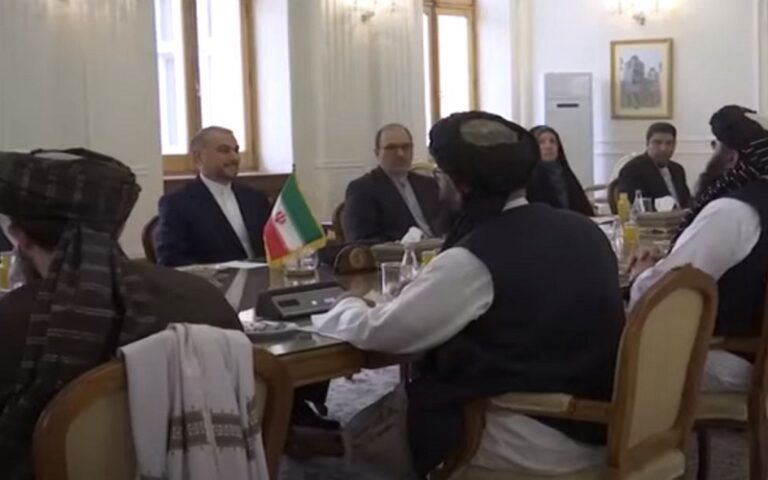
The document states that Esmail Qaani, commander of the Quds Force of the IRGC, a senior Taliban representative, and Saif al-Adl, the current leader of Al-Qaeda, met secretly in Tehran in October 2021 and agreed that all Al-Qaeda branches and IRGC-affiliated groups in the Middle East and Africa would collaborate.  

According to the research, it was agreed in this secret meeting that the Taliban would provide the necessary space and tools for training Al-Qaeda fighters in Afghanistan, while the IRGC would cover the group’s expenses in Afghanistan and finance Al-Qaeda’s operations in the region.  

According to the National United Front of Afghanistan, this was the first recorded face-to-face meeting of these three senior officials from the IRGC, Taliban, and Al-Qaeda.  

There had previously been numerous reports of close relations between the Iranian regime and Al-Qaeda.  

In March 2024, the U.S. Department of State said that the Iranian regime had allowed Al-Qaeda to facilitate its terrorist activities through a key communication channel via Iran since at least 2009, transferring funds and fighters to South Asia, Syria, and other areas.  

According to the U.S. Department of State, the Iranian regime continues to provide a safe haven for senior Al-Qaeda leaders on Iranian soil.  

The National United Front of Afghanistan stated in its research that following the meeting between the IRGC Quds Force commander and representatives of Al-Qaeda and the Taliban, a peace agreement was established between the Houthis in Yemen and Al-Qaeda in the Arabian Peninsula, which remains stable.  

Another outcome of this meeting that has now been implemented is Al-Qaeda’s cooperation with groups allied with the Iranian regime in Syria, Iraq, and Lebanon, including Hezbollah.  

The Telegraph reported on May 4 about the expanding cooperation between the Houthis and Al-Qaeda in Yemen. According to this report, the Houthis, who were previously considered enemies of Al-Qaeda, are now providing them with weapons and drones, and the two sides have exchanged prisoners.  

The National United Front of Afghanistan also reported in its research that following the developments in Tehran in October 2021, Al-Qaeda’s recruitment and the number of training centers in Afghanistan have increased significantly.  

According to this research, the strengthening of Al-Qaeda’s financial capabilities has enabled the group to build more houses and camps for its members coming to Afghanistan from the Middle East and Africa.  

In a report released in February 2023, the United Nations stated that Saif al-Adl, the leader of Al-Qaeda, is believed to have continued his activities in Iran under the protection of the Iranian regime for years.  

Hossein Amir-Abdollahian, the former Foreign Minister of the Iranian regime, had denied that Saif al-Adl resided in Iran and called the dissemination of such news “Iranophobia.”  

According to the National United Front, Qaani expressed satisfaction with the Taliban’s resurgence in Afghanistan after meeting with a Taliban representative in Tehran in October 2021 and said, “We have done a great job, and now we must expel the Americans from the Middle East.”

Iran-Linked Hackers Target Middle East Targets

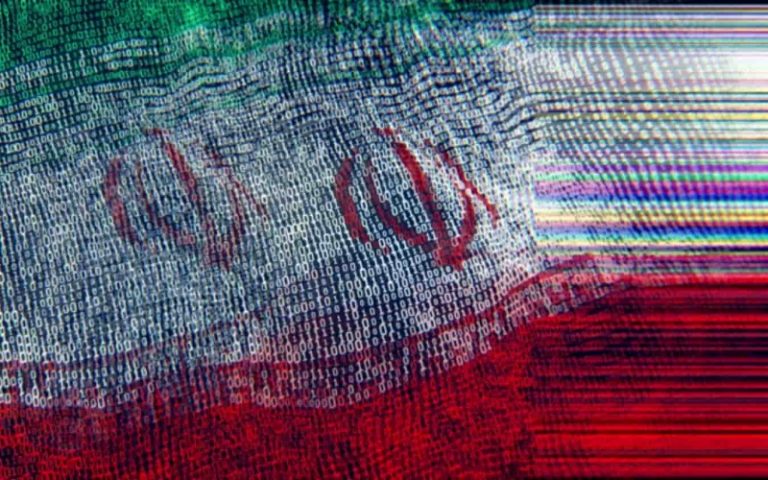
A hacker group linked to the Iranian regime has targeted organizations active in various Middle Eastern countries, including Israel, in a new cyber campaign.

According to research by the cybersecurity company Check Point, the hacker group known as MuddyWater has attacked Azerbaijan, Portugal, Turkey, Saudi Arabia, and India, in addition to Israel, using a new proprietary malware.

This malware allows hackers to remotely execute commands on systems and transfer files between infected devices and servers.

According to cybersecurity researchers, despite its low technical quality, the MuddyWater malware is continually being developed and improved by hackers.

Hackers have sent this malware to their victims through phishing emails.

Check Point experts have identified government organizations, municipalities, media outlets, and travel agencies as the targets of these attacks.

Since the recent campaign was identified in February 2024, more than 50 phishing emails have been sent to hundreds of recipients.

Simultaneously, the cybersecurity company Sequoia reported a similar increase in attacks by the MuddyWater group on various institutions.

Their investigations show that Iranian regime hackers have targeted Azerbaijan, Israel, Jordan, Turkey, and Saudi Arabia with cyberattacks in recent months.

Another finding of this investigation is a change in the method of sending malicious links to attack victims.

In their recent campaign, hackers placed the malicious links in PDF files attached to the emails instead of directly in the body of the phishing emails.

International organizations, including the United States Cybersecurity and Infrastructure Security Agency, have attributed the MuddyWater group to the Iranian Ministry of Intelligence.

This group is also known by other names, including APT34 and OilRig.

In recent years, MuddyWater has focused on cyber espionage against private and government institutions in the Middle East and Western countries.

In November 2023, just a few weeks after the start of the Hamas-Israel war, two Israeli entities were targeted by this group.

In that attack, Iranian government hackers also used phishing emails and social engineering techniques to deceive their victims.

Nikki Haley: The Iranian Regime Can Be Responsible for Any Problem in the Middle East  

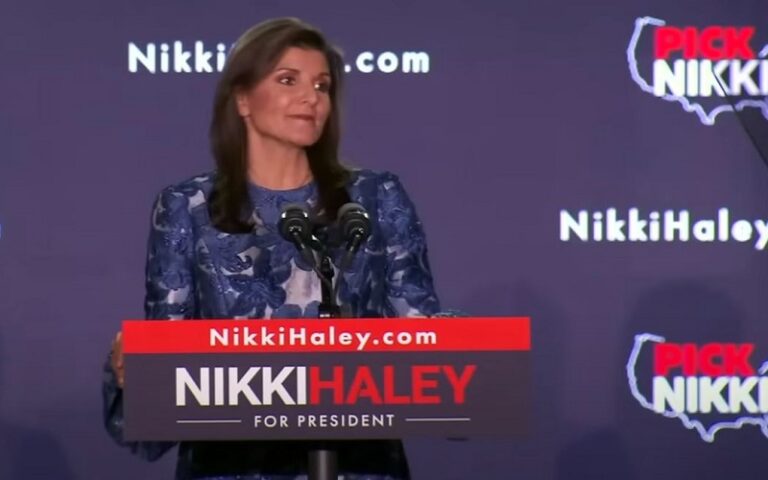
In her speech at the National Republican Convention, Nikki Haley stated that the Iranian regime could be held responsible for any problem in the Middle East. The former United States Ambassador to the United Nations said that the dictators who chant “Death to America” in Iran are the financial backers and weapons suppliers of Hamas and Hezbollah.

In another part of her speech, Haley said that during Trump’s time, the Iranian regime was much weaker and incapable of starting any war because they knew Trump was serious and feared him.

Haley also pointed out that lifting sanctions and begging the regime to return to the nuclear deal has resulted in a greater threat from Tehran and its proxy forces in the region.

At the beginning of her speech at the National Republican Convention, Haley declared her support for Trump, saying that Trump invited her to speak at this gathering for unity. She stated, “I strongly support his candidacy.”

In the past few months, Iran’s regime has engaged in a series of provocative actions through its proxies, sending arms and weapons to terrorist groups and trying to take advantage of the ongoing war in Gaza to bolster its hold on power.

From Promising to Kill Trump to Denying It: The Iranian Regime’s Stance  

0

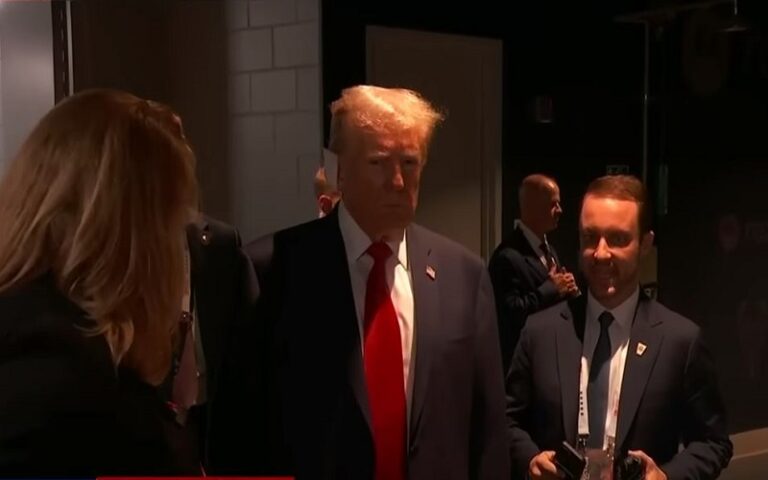
“We are seeking to, God willing, kill Trump and Pompeo.” This statement was made by Amir Ali Hajizadeh, commander of the IRGC Aerospace Force, on a TV program on February 24, 2023. Now, after the assassination attempt on Donald Trump, the Iranian regime has backtracked, claiming it never intended to assassinate him.

Nasser Kanaani, spokesperson for the Iranian Foreign Ministry, said on Wednesday, July 17: “Iran is pursuing legal action against Donald Trump but strongly denies any involvement in the recent armed attack on Trump or claims of intent to do so, considering such claims to have malicious political motives.”

After the killing of Qassem Soleimani, commander of the IRGC Quds Force, in a U.S. operation in Baghdad on January 3, 2020, Iranian regime officials promised “severe revenge.” This phrase has become a key term in subsequent years.

On January 8, 2020, the IRGC targeted a U.S. base in the Ain al-Asad region of Iraq in an operation that resulted in no casualties, later revealed to have been coordinated with the Americans to strike an empty base.

Since then, Iranian regime officials have consistently promised to avenge Soleimani’s death on various occasions.

In December 2020, near the end of Trump’s presidency, Iran’s Supreme Leader Ali Khamenei promised in a speech that “revenge on the orderer and killer of Qassem Soleimani” was certain.

Following these remarks, Khamenei’s Twitter account posted a graphic depicting Trump on a golf course under the shadow of a drone, a veiled reference to his assassination.

This post has now been removed from Khamenei’s Twitter account (now known as X).

Khamenei's Twitter account posted a graphic depicting Trump
Khamenei’s Twitter account posted a graphic depicting Trump

Khamenei’s official website also produced and released an animation showing forces dressed in IRGC uniforms using a robot to assassinate Trump, referencing Khamenei’s promise.

Ismail Qaani, Soleimani’s successor in the IRGC Quds Force, delivered a speech in January 2021 on the anniversary of his death in the Iranian Parliament.

In this speech, he again threatened Trump with assassination, saying: “The American agents involved in the assassination of Martyr Soleimani should learn the secretive lifestyle of Salman Rushdie because the Iranian regime will avenge the unjustly shed blood of Martyr Soleimani.”

Salman Rushdie is a British author whose assassination fatwa was issued by Ruhollah Khomeini, the founder of the Iranian regime, with a bounty placed on his head.

Rushdie was attacked in 2022, losing the sight in one eye and the use of one hand.

Member of Parliament and the Three Million Dollar Bounty  

Ahmad Hamzeh, a member of the 12th Parliament, announced a three million dollar bounty for Trump’s assassination from the parliamentary podium on January 21, 2020. This statement was met with a reaction from Robert Wood, the U.S. disarmament envoy.

Qaani’s Second Threat: Trump is Under the Watchful Eye of the World’s Free People  

On the anniversary of Soleimani’s killing in January 2022, the Quds Force commander again threatened Trump, this time saying: “The enemy thought with the crime they committed and the basest act they performed, it was over, but Trump and others who were with him are all clear to us. From [Mike] Pompeo, whom no one has humiliated as much as Martyr Soleimani, to the President of the United States and all those involved in this crime are under the watchful eye of (not just Muslims, but) the free people of the world.”

Hajizadeh: If We Can, We Want to Kill Trump  

In February 2023, Amir Ali Hajizadeh, commander of the IRGC Aerospace Force, claimed on a TV program: “Killing these people (American soldiers) was not our goal. God willing, we want to kill Trump, Pompeo, [Frank] McKenzie, and the military commanders who issued the order (to kill Qassem Soleimani). But ultimately, they had performed a military action, and we also had to respond militarily.”