Home Blog Page 198

White House Calls For Concerted Efforts Against Iran-Backed Houthis After Attack That Killed 3 Sailors

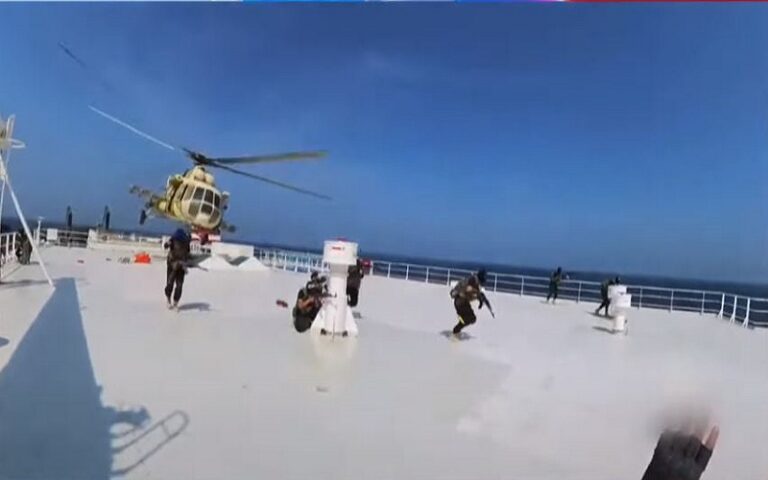
On March 6, Karine Jean-Pierre, the White House spokesperson, in response to the Houthi group’s attack on a commercial ship in the Red Sea, which resulted in the killing of three crew members and injuring four others, stated that the United States calls on governments worldwide to join forces to collectively stop these horrific attacks.

According to the White House website, Karine Jean-Pierre emphasized that the Houthis, in their attack on a commercial ship flying the flag of Barbados, killed innocent civilians.

“So, today, the Houthis have killed innocent civilians by continuing their reckless attacks against international commercial shipping, which impacts countries throughout the world,” Jean-Pierre said.

“The ship they attacked was a Barbados-flagged, Liberian-owned bulk carrier.  It was not a U.S. ship, contrary to what the Houthis claimed.  These reckless attacks by the Iran-backed Houthis have not only disrupted global trade and commerce but also taken the lives of international sea- — seafarers simply doing their jobs.”

The White House spokesperson also condemned the Houthis for carrying out these attacks and expressed condolences to the families of the deceased.

In response to the incident, David Cameron, the Foreign Secretary of the United Kingdom, posted on X:

“We condemn the Houthis’ reckless & indiscriminate attacks on global shipping & demand they stop.”

Earlier, the United States Central Command announced on March 6 that a missile attack by Houthi forces, backed by the Iranian regime, on a commercial ship resulted in the death of three crew members and injuries to four others.

The Central Command also mentioned that the remaining crew abandoned the ship and rescued themselves, and coalition naval forces are assessing the situation.

In this regard, US Republican Senator Tom Cotton posted on X:

“This is what weakness looks like. The Biden administration has allowed an Iranian proxy group of Yemeni outlaws to terrorize international shipping with deadly consequences.”

Houthis, supported by the Iranian regime, have repeatedly attacked ships in the Red Sea, the Gulf of Aden, and the Bab al-Mandab Strait in recent months under the pretext of supporting the people of Gaza, using drones and missiles.

Houthi attacks on commercial vessels, reportedly using Iranian-made weapons, have jeopardized the lives of ship crews and increased the business costs of companies. However, the March 6 attack was the first incident that resulted in the killing and injury of a ship’s crew.

Experts acknowledge that these attacks are carried out at the behest of the Iranian regime and with its assistance.
Amnesty International Report Warns About Deteriorating Women’s Rights in Iran

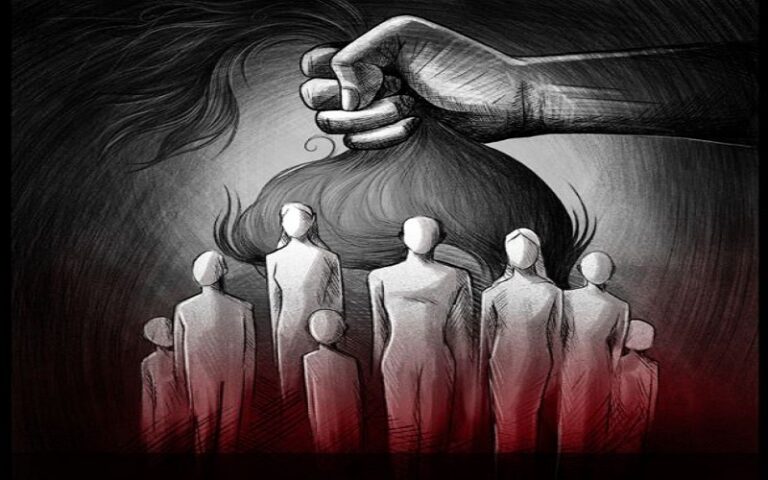
On the eve of International Women’s Day, Amnesty International announced in a statement that Iranian authorities have launched a “large-scale and draconian campaign” to enforce compulsory veiling laws through surveillance, confiscating vehicles, and humiliating citizens.

Amnesty International, on March 6, released a press statement stating that this campaign is being conducted through “widespread surveillance of women and girls in public spaces and mass police checks targeting women drivers.”

“Tens of thousands of women have had their cars arbitrarily confiscated as punishment for defying Iran’s veiling laws. Others have been prosecuted and sentenced to flogging or prison terms or faced other penalties such as fines or being forced to attend ‘morality’ classes,” the statement added.

The report is based on testimonies from 46 individuals – 41 women, one girl and four men – collected by Amnesty International in February 2024

This human rights organization states that, in preparing this report, they have reviewed “official documents including court verdicts and prosecution orders, indicate that a plethora of state agencies are involved in persecuting women and girls for simply exercising their rights to bodily autonomy and freedom of expression and belief.”

Amnesty International reviewed screenshots of 60 such text messages issued over the past year to 22 women and men.

“Amnesty International spoke to 11 women who described intimidating car chases and stops and sudden impoundments while going about their ordinary daily activities such as commuting to work, medical visits or school runs. They emphasized the police’s complete disregard for their safety, with some women left stranded on busy highways or in cities far from their hometown,” the report added.

“Women and men said that the process to retrieve their cars from the Moral Security Police involves long queues and degrading treatment from officials including gender-based insults and reprimands about the appearance of women and girls as young as nine as well as humiliating instructions to cover their hair and threats of flogging, imprisonment and travel bans.”

Women and girls faced humiliating instructions to cover their hair and threats of flogging, imprisonment and travel bans according to the report.

“One woman also told the organization about an incident in late 2023 where an enforcer at a metro station in Tehran punched her 21-year-old cousin in the chest,” Amnesty said in its report.

“A 17-year-old girl told Amnesty International that her school principal temporarily suspended her after a CCTV camera captured her unveiled in a classroom, and threatened to report her to the Intelligence Organization of the Revolutionary Guards if she removed her headscarf again.”

Amnesty International’s press statement notes that determining the extent of such judicial persecutions is challenging because authorities refrain from releasing relevant statistics.

However, statements by Mohammad Reza Mirheidari, the commander of the police force in Qom province in January 2024, regarding 1986 legal cases related to compulsory veiling only in that province since the beginning of 2023, indicate that such cases have not been widely reported.

“One woman told Amnesty International that a judge pointed to a pile of some 30 or 40 cases on his desk, commenting that they were all related to compulsory veiling,” according to the report. “Several other women said that prosecution and police officials lamented their heavy workload due to women’s resistance against compulsory veiling.”

“In January 2024, the authorities implemented a flogging sentence of 74 lashes against Roya Heshmati for appearing unveiled in public. In a testimony on her social media account, she recounted her flogging by a male official in the presence of a judge in a room she described as a ‘medieval torture chamber’.”

Following extensive protests that began last year and resulted in the death of Mahsa (Zhina) Amini while in the custody of the Morality Police, there has been a significant increase in the number of women and girls refraining from wearing the compulsory veiling in Iran as a form of civil protest.

Protests in Different Cities Across Iran

0

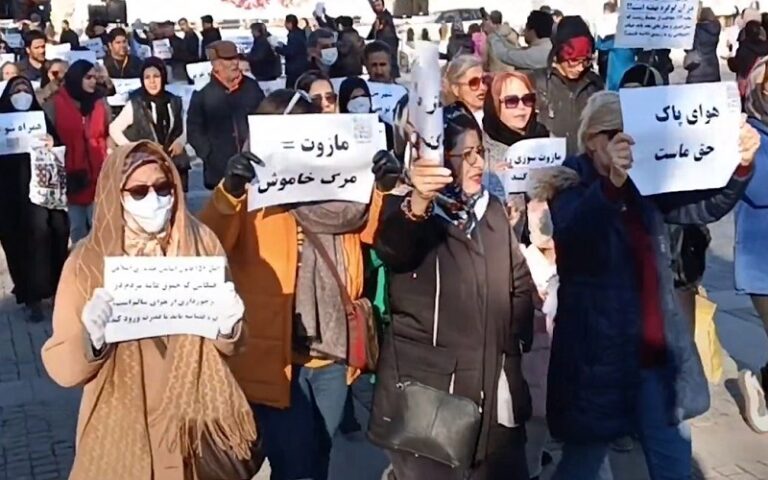
Simultaneously with the protest gathering of retirees from the national pension and social security system in at least three cities, Yazd, Kermanshah, and Ahvaz, and ongoing protests by workers, the people of Arak also raised slogans against the “mazut burning” at the Shazand power plant.

Based on images and videos released, protesting retirees in Yazd on March 5 gathered in front of the National Retirees Organization, holding placards emphasizing their demands, including the adjustment of pensions according to the costs of living, supplementary insurance, and addressing livelihood issues.

Retirees in Ahvaz and Kermanshah resumed their weekly protests to reiterate their demands for higher pensions. On the other hand, workers in various locations have gone on strike in protest of insufficient wages.

According to semiofficial ILNA news agency, some workers at the MDF factory in Haft Tappeh (southwest Iran), who have been protesting since last week, demanded increased wages through the implementation of job classification, bonuses, and other job-related benefits.

According to this report, the removal of volumetric contracts, payment of delayed paychecks, amendment of job titles in the insurance list, and an increase in the workforce are among the other demands of the workers of the MDAF Haft Tappeh factory.

Some workers and technical maintenance personnel of the railway also went on strike due to the non-payment of salaries and bonuses.

Meanwhile, ILNA news agency reported on the protest of a group of nurses and medical staff at a hospital in Kahnuj, located in Kerman province (southeast Iran).

According to this report, the protesters, criticizing the non-receipt of overtime and delayed benefits, have signed a petition stating that they cannot continue to provide services to patients under the current conditions.

On March 2, the Eghtesad24 website reported on the “widespread class gap” in Iran, emphasizing that “half of Iran’s population is below the absolute poverty line.”

The state-run Shargh newspaper also wrote on February 28, referring to the severe economic situation of the people and the regime’s claimed solutions, stating, “It seems we are not far from receiving loans to buy bananas, flour, or milk.

On the other hand, a group of residents of Arak took to the streets to protest against the mazut burning at the Shazand power plant. This is the eighth protest gathering in Arak is considered against mazut burning.

Pollution Levels Critical in Big Cities, Iranian Officials Warm

0

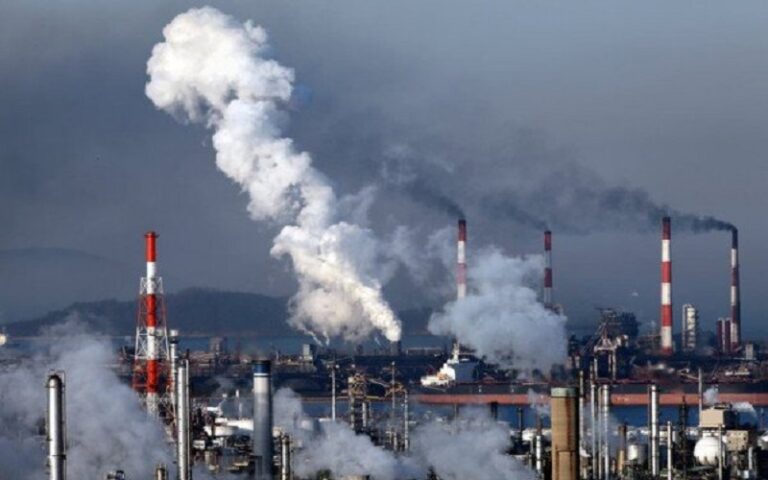
In conditions where air pollution persists in some major cities, including Tehran, Isfahan, and Arak, despite snow and rain in various regions of Iran, Iranian authorities have admitted that this pollution is caused by burning mazut in power plants.

Provincial authorities in Tehran have issued warnings about the continued air pollution and the danger to infants and the elderly. This is happening while Tehran has experienced snow and rain in recent days.

According to a report by the regime’s ISNA news agency on March 5, the Air Pollution Monitoring Center in Tehran province announced in a statement that air pollution in the capital will continue until the morning of Thursday, March 8.

According to this report, during the night leading to the morning of March 5, the average air quality index reached 128, and the concentration of pollutant particles increased, posing “unhealthy conditions for sensitive groups.”

In this announcement, it is recommended for “children and the elderly” to “avoid outdoor activities,” and other citizens are asked to “refrain from unnecessary travel with personal vehicles.”

A report from Arak (central Iran) shows that a group of locals gathered in protest against the use of mazut in the Shazand power plant, which is causing continued air pollution in the central province. They chanted slogans in protest. Locals in Arak had previously protested against the ongoing air pollution.

Reports from Isfahan also indicate that the air in Isfahan has been polluted in recent days.

Tasnim News Agency, quoting Mansour Shishehforoush, the director of the Crisis Management of Isfahan Province, reported that the intensification of air pollution in Isfahan is caused by the continued mazut burning in the Montazeri power plant.

According to the director of the Crisis Management of Isfahan Province, with the drop in temperature, the Ministry of Energy and Oil has decided to burn mazut in the Montazeri power plant.

An investigation by climate change experts from the University of Tehran and the University of Houston, USA, utilizing satellite images, revealed that mazut and diesel consumption in Iran is significantly broader than initially estimated. The primary factor contributing to air pollution in Iran is the utilization of substandard mazut and diesel containing sulfur levels that surpass established standards. This research underscores the extensive impact of low-quality fuel sources on the country’s air quality.

The intensification of air pollution in Iran’s major cities, which has led to widespread criticism of the Environmental Organization, is the most important and fundamental reason for air pollution.

The mazut and diesel produced in Iran do not meet the required quality, and for this reason, the Iranian government cannot export them. Without implementing clean air laws, they continue to use them in power plants.

Grossi: Iran’s Enriched Uranium Reserves Still Increasing

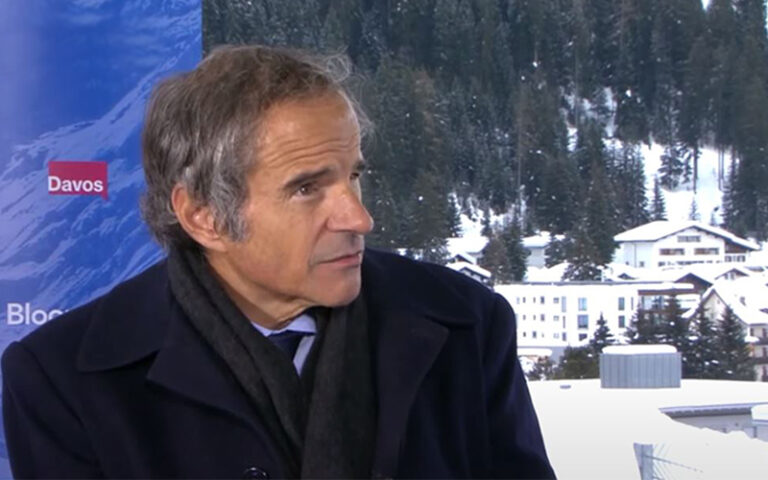
On March 4, the seasonal meeting of the International Atomic Energy Agency (IAEA) in Vienna, the capital of Austria, commenced. Rafael Grossi, the Director-General of the Agency, reported an increase in Iran’s enriched uranium reserves and criticized Tehran’s approach in reducing cooperation with the Agency.

In his report to the IAEA Board of Governors, Grossi said that Iran’s enriched uranium reserves are still increasing, although the level of enriched uranium has slightly decreased to 60%.

Earlier, the Board of Governors had urged Iran to cooperate with the IAEA in investigating uranium particles found at undisclosed sites and provide “immediate and necessary” explanations.

Since then, the number of undisclosed sites under scrutiny has reduced from three to two, adding to the challenges between the Agency and Iran.

Rafael Grossi mentioned in his report that after three years since Tehran’s decision to halt the implementation of the Additional Protocol, no progress has been made in resolving the remaining outstanding issues.

The Iranian regime has not provided valid technical explanations to the Agency regarding the presence of human-origin uranium particles in Varamin and Turquzabad (southern Tehran), and the Agency remains uninformed about the current locations of nuclear materials or contaminated equipment.

Iran’s regime has also halted the Agency’s access to the data from surveillance cameras at nuclear sites and has stopped issuing permits for some inspectors.

Western restraint from confrontation with Iran at the Agency meeting

Meanwhile, Reuters reported on March 4, citing Western diplomats who wished to remain anonymous, that the United States does not want to escalate diplomatic tensions with Iran by approving another resolution against the Iranian regime in the Board of Governors, given the Middle East conflict.

Diplomats stated that passing a resolution could convey a “wrong message” leading to dangerous miscalculations. They added that the region is in a precarious situation, with no ceasefire or solution for Gaza, no prospect for a nuclear agreement, and the United States is also facing presidential elections.

Diplomats also told Reuters that three European countries, France, Britain, and Germany, in coordination with the United States, have drafted a resolution and insist on its approval. These sources added that Washington opposes Iran’s nuclear program by adopting a tough stance.

The regime’s officials have repeatedly claimed that the country’s nuclear program is peaceful and not aimed at acquiring nuclear weapons.

Rafael Grossi had previously warned that Iran’s enriched uranium reserves have reached 27 times more than the limit set by the global powers’ nuclear agreement, known as the “Joint Comprehensive Plan of Action” (JCPOA).

Iran’s Gas Production 42% Higher Than Official Figures, Oil Minister Claims

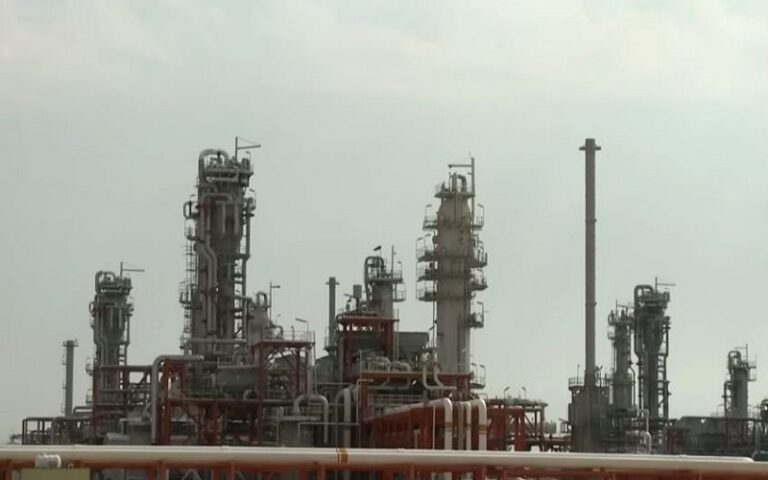
Javad Owji, the Iranian regime’s Minister of Oil, claimed during a meeting of gas-exporting countries in Algeria that in the next five years, with a $70 billion investment, Iran’s daily gas production would increase from the current approximately 1.07 billion cubic meters to 1.3 billion cubic meters.

His statements on March 3 regarding producing over 1 billion cubic meters of gas come in contrast to his previous statement the day before, where he mentioned the country’s total gas production in the entire year of 2022 as 240 billion cubic meters, equivalent to a daily production of 675 million cubic meters. This figure aligns with international and the regime’s official statistics.

Additionally, a document from the National Gas Company of Iran showed that the total gas delivered to the country’s gas network from March 21 to July 23, 2023, was approximately 642 million cubic meters per day. Therefore, Owji has declared the country’s gas production level to be 42 percent higher than the actual figures.

Reuters also reported on Owji’s claims, stating that Iran is expected to face a daily gas deficit of 300 million cubic meters in the coming years.

Currently, Iran’s average daily gas deficit is around 150 million cubic meters, but this figure doubles in winter.

Owji’s claim of a $70 billion investment comes at a time when Iran’s average annual investment in the country’s oil and gas fields in recent years has been only $3 billion.

Official statistics from the Ministry of Economy also indicate that the accumulated debt of the National Iranian Oil Company, responsible for investing in oil and gas fields, reached an astronomical amount of 16,830 trillion rials (approximately $28 billion) by 2021.

This figure is calculated based on today’s dollar exchange rate, whereas the dollar’s price in 2021 was much lower than this amount.

Previous reports had highlighted the increasing debt of the National Iranian Oil Company, exceeding $80 billion, making it the most indebted government entity.

Owji’s assertion of production growth is questionable as the Iranian sector of the South Pars gas field, which contributes 70 percent to the country’s gas production, has entered the second half of its life this year. The field’s pressure will drop by 7 atmospheres each year, resulting in a yearly reduction of 10 billion cubic meters in production.

In February 2024, the National Development Fund announced in a report that the country’s domestic gas demand would nearly double by the year 2041, reaching over 510 billion cubic meters annually. However, during the same period, the country’s gas production is expected to decrease by 25 percent, falling to less than 180 billion cubic meters, equivalent to less than 450 million cubic meters per day.

According to this report, the country’s gas production level in 2041 will only be able to meet “one-third” of domestic demand.

Owji, along with the regime’s President Ebrahim Raisi, traveled to Algeria to participate in the meeting of gas-exporting countries.

Owji also claimed that Iran’s annual gas production growth has been over 5 percent in recent years, contradicting official and international statistics that indicate Iran’s gas production growth in 2022 was only 1 percent, with no data yet available for 2023.

Half of Iranians Live in Absolute Poverty

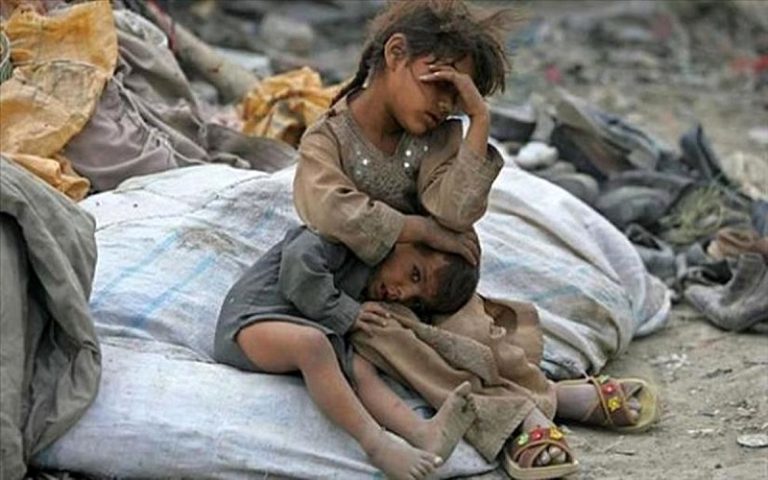
Half of Iranians live below the absolute poverty line, according to a report by the Iranian regime’s Eghtesad 24 website on March 2.

The report highlights the existence of a “broad class divide” in Iran, stating that “half of the Iranian population is below the absolute poverty line.”

Concurrently with the release of this report, discussions regarding the minimum wage for workers in Iran for the coming year continue.

In a situation where even official labor organizations are calling for an increase in the minimum wage to 250 million rials (approximately $420), Davood Manzour, the Vice President and head of the Planning and Budget Organization, stated on March 2 to the semiofficial ILNA news agency that “wages should increase in line with the country’s economic requirements and expected inflation.”

While this official did not provide further explanation, previously, Minister of Cooperatives, Labor, and Social Welfare, Soulat Mortazavi, had defended a 20% increase in the minimum wage for the next year. This comes as the current inflation rate is more than double the anticipated increase suggested by the Minister of Cooperatives, Labor, and Social Welfare for the coming year.

The Eghtesad 24 website noted, “Over the decades, the middle class in society has gradually disappeared, and financial constraints in the country have shifted individuals into the less privileged category.”

At present, the inflation rate is around 45%, and the monthly cost of living, according to labor unions affiliated with the government, is at least 250 million rials.

ILNA news agency reported a few days ago, based on “independent calculations,” that the cost of living for working-class households in major cities has reached 289 million rials (approximately $504).

According to the statistics center of Iran, inflation for food has been “145%” over three consecutive years from September 2020 to September 2023.

This is happening while the minimum wage for married workers with children is around 80 million rials (approximately $135). However, this wage is not paid in workplaces and companies that are exempt from labor law.

Referring to a 2018 research report from the parliament, Eghtesad 24 added, “Between 23% to 40% of the total population of Iran live below the poverty line, according to the same center’s report in October 2020, and due to reports and the unprecedented approach to the fall of the value of Iran’s currency, more than 60% of the total population of Iran live below the poverty line.”

The poverty line, in the sense of the minimum income level for leading a normal life, is what is considered as the threshold for poverty.

Eghtesad 24 added, “At the beginning of this year, with the exchange rate reaching more than 500,000 rials, the poverty line for living in Tehran exceeded 300 million rials. This figure is estimated to be 157 million rials for rural households in Tehran province. Based on this calculation, half of the Iranian population is below the absolute poverty line.”

The website pointed out that the 300 million rial poverty line in Tehran means that “if we consider the minimum price of renting a 60-square-meter house in central Tehran in the best possible condition to be 3 to 5 billion rials (approximately $5,000 to $8,400) and monthly expenses of 100 to 150 million rials (approximately $168 to $252), we will find that almost half of that 300 million will be spent on housing each month.”

According to this report, a family with two earners earning more than 150 million rials should spend half of it on rent and the other half on other necessities for an average life. This is happening while Iranians receive their wages in rials but often deal with expenses in dollars.

In conclusion, the report states that an overview of the last two years shows that the dollar exchange rate has increased from about 260,000 rials to 570,000 rials, gold coins from about 110 million rials to over 300 million rials, the prices of chicken, meat, and cars have more than doubled, liquidity has increased from 37 to 61 trillion rials, and the average housing price has risen from 300 million rials per square meter to over 700 million rials. It considers this a “worrying trend” that “paints a picture of the end of the absolute economic power of the people in the not-too-distant future.”

Nearly 9,000 Iranian Nurses Migrate or Retire Annually

0

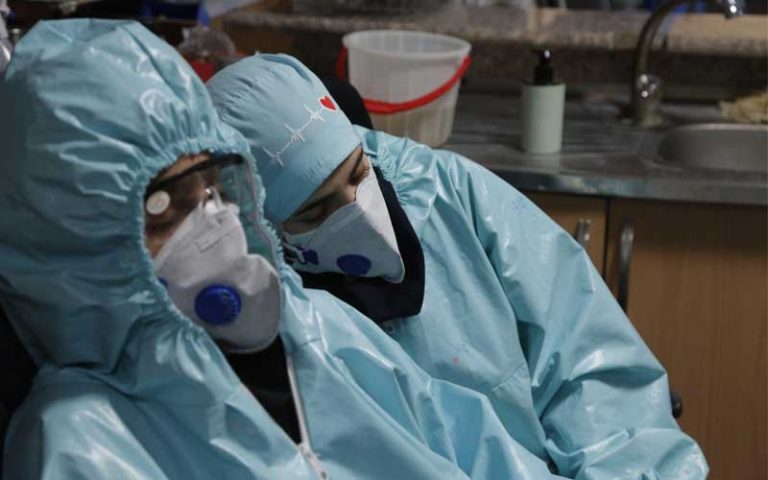
According to officials from the Iranian Nursing Organization, Nearly 9,000 Iranian nurses migrate or retire annually.

In a meeting of the Supreme Nursing Council on March 3, Mohammad Taghi Jahanpour, the head of the Nursing Organization, issued a warning about the state of nursing in Iran, citing the migration of over 2,700 nurses and the retirement of 6,000 nurses annually.

As reported by the news agency affiliated with the Revolutionary Guards, Tasnim, Jahanpour referred to this phenomenon as a “serious alarm for the healthcare system.”

Ghasem Abutalebi, the Deputy the Supreme Nursing Council, also stated during the meeting that 6,000 nurses retire in the country each year, emphasizing the urgent need to recruit at least one hundred thousand nursing staff.

Former head of the Nursing Organization, Mohammad Mirzabeygi, had previously announced on December 22, 2023, that “over ten thousand of the most skilled nurses” in Iran have emigrated.

Mirzabeygi attributed the nurses’ migration to the “behavior of officials” and called for the implementation of special payments, hiring of planned personnel, extension of coronavirus-related plans, and the legal and proper implementation of nursing tariff laws as part of the “Seventh Development Plan.”

Abutalebi identified “livelihood problems” and “lack of employment” as factors contributing to the migration of some nurses. He mentioned that the failure to provide satisfactory services to nurses leads to a “decline in the quality of nursing care and an increase in patient mortality.”

In recent years, nurses have staged protests demanding attention to their demands.

Many regime officials and stakeholders in the healthcare sector have warned about the widespread wave of nurse migration, expressing dissatisfaction with the insufficient and inadequate replacement of nursing staff.

The head of the Iranian Nursing Organization had previously cautioned that “five to six nurses leave the country daily, and between 100 to 150 nurses migrate monthly.”

Mohammad Sharifi-Moghaddam, the Secretary-General of the Nurses’ House, also stated on November 12, 2023, that “over three thousand nurses” leave the country annually, emphasizing the severity of the nursing shortage, which results in patients losing their lives.

Iran’s Parliamentary Election Met With Widespread Boycott

0

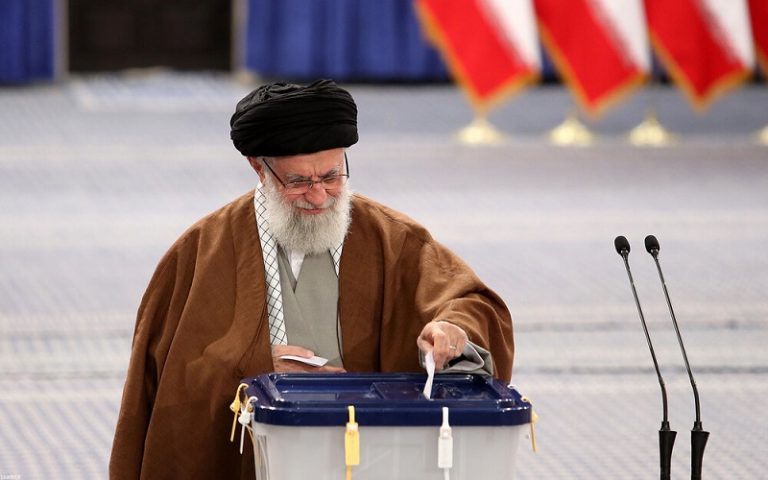
Despite extensive efforts by Iran’s regime to convince the people to vote in its sham parliamentary elections, the event, held on March 1, was met with widespread boycott by a public that is fed up with tyranny, lack of freedoms, and corruption. According to reports by Iranian dissidents, voting stations were empty in most locations in both large and small cities across the country.

Iran’s recent parliamentary elections have sparked controversy and debate, particularly regarding the actual participation rate and the perceived legitimacy of the electoral process.

The actual participation rate in Iran’s recent elections was a mere 8.2%, equivalent to approximately 5 million people, according to the Iranian opposition. This starkly contrasts with official figures released by Iranian authorities, which reported a significantly higher turnout. The discrepancy raises questions about the transparency and accuracy of the electoral process.

The low participation rate is indicative of a broader dissatisfaction among the Iranian population, questioning the legitimacy of the election results. While the government insists on the credibility of the electoral process, these claims suggest a disconnect between official figures and the sentiments of a significant portion of the population.

According to on-the-ground observations of the election day, detailing instances of widespread public apathy and boycotting. The reports highlight empty polling stations, long lines at supermarkets, and the overall lack of enthusiasm among citizens.

The Iranian people characterize the parliamentary elections as a “sham,” emphasizing the deliberate efforts by the Iranian regime to maintain control through an illusion of democratic participation. The reports suggest that the government’s attempts to present a façade of electoral engagement are failing to resonate with the population, leading to a significant boycott.

The apparent discrepancy between official figures and the reports made by the Iranian dissidents raises concerns about the transparency of Iran’s electoral process. The low participation rate underscores the erosion of trust in the government among a substantial portion of the population. The perceived lack of legitimacy in the electoral process may have broader implications, including anti-regime protests in the future by a population that no longer believes in political institutions.

As announced by Mrs. Maryam Rajavi, the President-elect of the National Council of Resistance of Iran (NCRI), this was effectively a referendum and a vote by the Iranian people in favor of overthrowing the religious dictatorship.


Iran’s People on Verge of Requesting Loans For “Bananas, Flour, Milk” 

On February 28, the state-run Shargh daily, referring to the dire economic situation of the people and the government’s solutions, wrote, “It seems there isn’t much distance to getting loans for buying bananas, flour, or milk.”

Shargh added that in recent years, people have moved from loans for buying houses and cars to loans for down payments on housing and purchasing household goods.

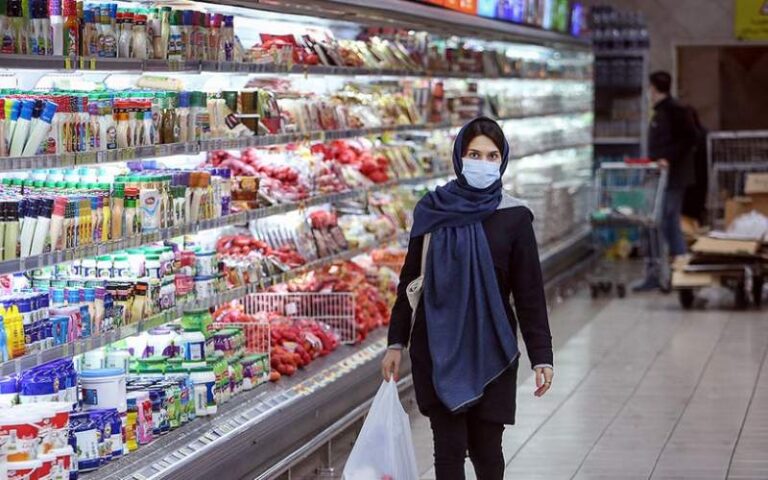
According to the newspaper, with the worsening of people’s economic and living conditions, the situation has escalated to buying meat, chicken, and even installment plans for clothing. Today, people have to take loans to buy nuts and fruits for the Persian new year (Mars 21).

Shargh referred to the news from the Ministry of Industry, Mine and Trade about a 200 million rial (approximately $337) loan for buying new year necessities.

The newspaper added that the bitter narrative of the decline in purchasing power has reached a point where on the very day the inspector of the Supreme Council of Workers’ Representatives announces the poverty line for a four-person family is at least 250 million rials, on the other side, the head of the Public Services Office of the Ministry of Industry, Mine, and Trade announces the allocation of loans to Eid buyers.

Earlier, Hamidreza Emamgholitabar, an inspector of the Supreme Council of Workers’ Representatives, had stated that in the current conditions, the poverty line for a family of four has exceeded 250 million rials (approximately $425). The minimum monthly wage for married workers with children in the current year is about 80 million rials (approximately $136).

The author of the mentioned report recalled that when the idea of a down payment loan for housing was introduced, people found it an unpleasant event, indicating how hope and expectations in society have reached a level where people not only cannot afford to buy a house but also face difficulties in renting a basic shelter.

Referring to the down payment loan for housing is, in fact, a review of a trend that Shargh has chosen to illustrate the unfortunate trend in society.

The newspaper noted that people have become accustomed to seeing billboards with the phrase “installment sale” in butcher shops, clothing stores, dried fruit shops, and even cosmetic and hygiene products.

According to the regime’s Mehr News Agency, Mohammad Hossein Ghamary, the head of the Public Services Office of the Ministry of Industry, said that people can register for the Eid sale through banks with credit verification in March and pay the money later.

He announced zero interest in the credit plan and promised that after credit verification, no checks or promissory notes would be required as collateral.

This approach by the Ministry of Industry, along with continuing subsidy payments, living expenses assistance, and electronic food coupons next year, as well as assistance plans under the title of “Fajr Assistance,” is seen by experts as the government’s anticipation of worsening economic and living conditions. They believe that the continuation of these policies will be ineffective in alleviating some of the pressures.