Home Blog Page 2

Expansion of Rent-Seeking and Corruption in Iran’s Car Industry

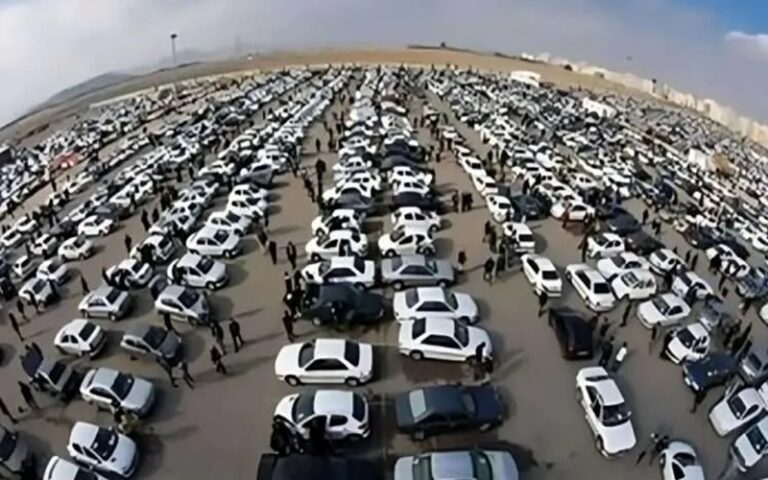
Car imports and the crises resulting from them have become one of the major issues in Iran today. In fact, Iran’s automobile market has for years been plagued by monopoly, unrealistic pricing, and consumer dissatisfaction. In recent years, the Iranian regime promoted an import policy, presenting it as a solution to increase competition and reduce prices. However, market developments show that imported vehicles have not only failed to regulate the market but have also created a new form of monopoly and rent-seeking.

The state-run Eghtesaad24 website wrote on June 5: “Car imports were supposed to unlock the market; with the arrival of foreign vehicles, the monopoly was supposed to be broken, competition was supposed to emerge, and Iranian consumers were supposed to be able to purchase a quality product at a reasonable price after years of waiting. But what has happened in practice is the reproduction of the same old monopoly in a new form, not market liberalization.”

From Inflation to Food Insecurity, Iran Is Moving Toward a Hidden Famine

Car Imports and the Transfer of Monopoly from Manufacturing to Importing

For years, public criticism was directed at domestic automakers. Many believed that the lack of competition had led to declining quality and rising prices. Using the same argument, the Iranian regime advocated for the liberalization of car imports.

However, the experience of recent years has shown that the monopoly has merely shifted from manufacturing to importing. Today, the importation of foreign vehicles is controlled by a limited number of companies. Each global brand is effectively imported by one or two specific firms, and buyers are forced to accept the terms and prices set by those companies.

Under such circumstances, car imports have reproduced a monopolistic structure rather than creating competition. Consumers have little real choice, and the market remains deprived of the natural mechanisms of competition.

Car Imports and Lack of Transparency in Pricing

One of the most important questions surrounding car imports concerns how prices are determined. In global markets, vehicle prices, transportation costs, taxes, and company profits are generally transparent.

Economic experts have repeatedly warned about these pricing discrepancies. Nevertheless, importing companies have not provided transparent explanations regarding pricing details. This has increased suspicions about rent-seeking and behind-the-scenes connections within the market.

Many critics believe that the lack of transparency in foreign vehicle imports prevents consumers from understanding the true costs of importation and creates opportunities for excessive profits.

The Volvo S90 Case; A Symbol of Enormous Price Discrepancies

The latest controversial example in the car import market involves the Volvo S90 plug-in hybrid. According to published information, the vehicle is priced at approximately 499,900 yuan in the Chinese market. Calculations indicate that, based on the free-market exchange rate, the vehicle’s value is about 128 billion rials. However, its announced sale price in Iran has reached approximately 290 billion rials (about $161,000).

This discrepancy has triggered a wave of criticism. Many are asking how shipping, insurance, tariffs, and taxes could justify such a large gap, particularly given that hybrid vehicles are subject to lower tariffs than gasoline-powered cars. The case has once again brought the issue of foreign vehicle imports to the forefront of economic and media discussions and intensified calls for transparency.

The Economic Power of Importers and Lack of Accountability

According to the state-run outlet, critics believe that part of the problem stems from the economic and political structure of companies active in the vehicle import sector. These firms are not merely economic actors, and some reportedly benefit from extensive networks of influence and support.

In competitive markets, the presence of multiple importers typically leads to lower prices. However, such a mechanism does not exist in the current monopolistic market. As a result, many citizens view these imports not as a tool for competition but as a vehicle for distributing special privileges among select groups.

Car Imports; A Market for the Public or Business for the Privileged?

The Iranian regime’s stated objective for allowing car imports was to regulate the market and expand consumer choice. However, most imported vehicles are now offered at prices beyond the purchasing power of a large segment of society. Under these conditions, the influx of imported vehicles has failed to significantly reduce domestic car prices. At the same time, imported cars have become luxury goods affordable only to a limited group.

This situation has raised serious questions about the real objectives of the car import policy. Until full details regarding pricing, the allocation of import licenses, and the relationships between importing companies and centers of power are disclosed, public opinion is likely to view this market as yet another example of structural corruption and the distribution of special privileges among groups close to the ruling establishment. The issue of imported vehicles has once again highlighted the importance of transparency and accountability in Iran’s economy.
Regime Insiders Admit That Majority of Iranians Are Dissatisfied

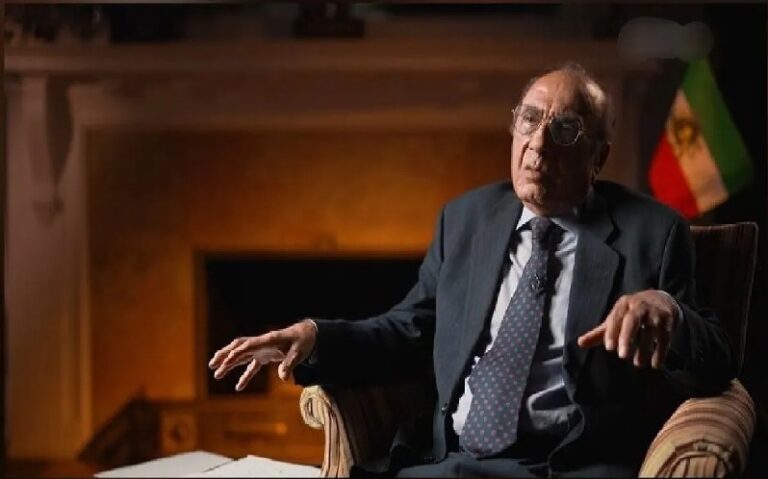
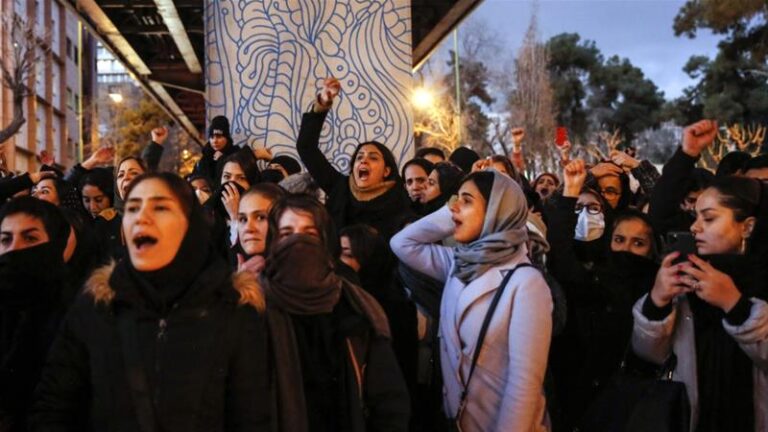
Hossein Marashi, secretary-general of the Executives of Construction Party, acknowledges parts of the social divide between the Iranian people and the Iranian regime. While officials have, over the past years, sought to attribute widespread public protests to foreign actors or opposition political movements, Marashi’s recent remarks have once again drawn attention to the domestic roots of Iran’s political and social crises. His comments, made in an interview with the state-run Etemad newspaper and subsequently reflected in various media outlets, sparked extensive debate about the depth of the social divide between the government and society.

In the interview, Marashi spoke openly about the inefficiency of the economic, social, and judicial structures and emphasized that if the Iranian regime had been able to create a system viewed by the majority of the population as efficient and free of corruption, society’s view of religious rule would also have been different. He stated that administrative corruption, economic problems, and distrust of official institutions have caused a large portion of society to distance itself from the government.

Iran’s Regime Executes Two More Protesters from the January Uprising

The Social Divide and the Government’s Distance from the Majority of the People

A significant portion of Marashi’s remarks focused on the social divide between the government and the people. He stressed that a government cannot remain in conflict with the majority of its society and still expect stability.

In notable remarks, Marashi said that the music preferred by the people differs from the government’s official views. He noted that the general culture of society follows a different path and that the aspirations of a large segment of the population are not the same as those of the ruling establishment. He even spoke of the need for the system of Velayat-e Faqih (Guardianship of the Islamic Jurist) to adapt to the wishes of about 70% of society and warned that maintaining this gap could have serious consequences.

Many observers interpreted these remarks as a rare acknowledgment of the existence of a deep social divide in Iran. This divide has repeatedly manifested itself in nationwide protests and widespread public dissatisfaction over recent years.

Acknowledgment of the Consequences of the January 2026 Massacre

One of the most controversial parts of the interview concerning the social divide related to the events of January. Referring to the events of January 8 and 9, 2026, Marashi stated that if the situation had been managed differently and those events had not occurred, the country’s current circumstances would also be different.

These remarks were viewed as an implicit acknowledgment of the role of government decisions in creating the crisis and its consequences. For the first time, a figure close to the ruling establishment, instead of completely denying the events, spoke about mismanagement and its impact on the current situation.

Marashi also traced the roots of the protests to years of accumulated dissatisfaction. He referred to the protests of 1999, 2009, 2017, 2019, and 2022, saying that many grievances and frustrations remained unaddressed and accumulated within society like embers beneath the ashes.

Concern Over a Repeat of the Crisis

In another part of the interview, Marashi warned about the future. He believes that social anger still exists within society and may re-emerge under new circumstances. Political agreements or regional developments alone cannot eliminate this accumulated dissatisfaction.

He emphasized that economic problems, youth unemployment, corruption, and inefficiency remain among the main causes of public dissatisfaction. Ignoring these issues could pave the way for new crises.

Marashi’s remarks are significant because, contrary to the government’s official narrative, they seek the main source of the crisis within the regime’s own structures. The acknowledgment of a widespread social divide, the dissatisfaction of the majority of the population, and the consequences of security-force responses to protests and the killing of thousands of young Iranians present a different picture of the current state of Iranian society.

References to the dissatisfaction of the majority of society, the inefficiency of government structures, and the consequences of the bloody January events indicate that even some political figures within the ruling establishment are warning about the widening gap between the people and the regime.

US Sanctions Network Involved in the Sale of Iranian Liquefied Petroleum Gas

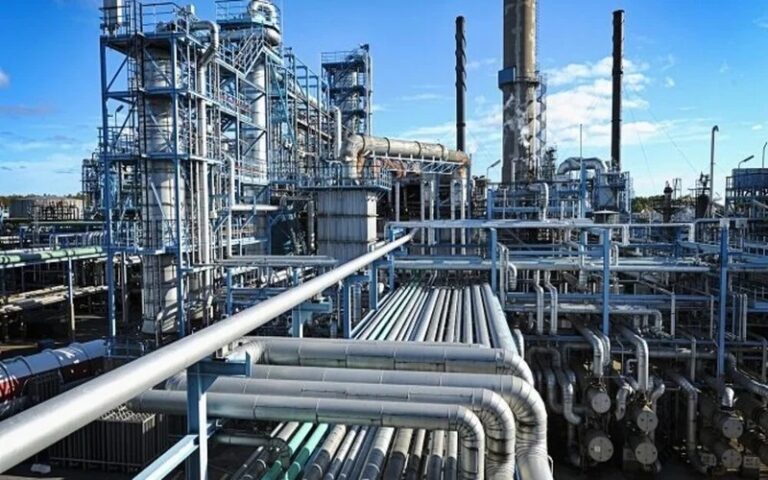
The United States sanctioned a network involved in the sale of Iranian liquefied petroleum gas (LPG). On Friday, June 5, 2026, the U.S. Department of the Treasury imposed new Iran-related sanctions targeting a network of individuals, companies, and vessels responsible for transporting hundreds of millions of dollars’ worth of LPG of Iranian origin.

According to an official statement by the U.S. Treasury Department’s Office of Foreign Assets Control (OFAC), the network used front companies in the United Arab Emirates and China, foreign bank accounts, and the Iranian regime’s shadow fleet to transport millions of barrels of Iranian LPG. It deliberately concealed the origin of the cargo by labeling it as Omani LPG in order to sell it to end users in South and East Asia, including Bangladesh.

Details of the sanctions:

Six vessels, primarily flying the Panamanian flag, were added to the sanctions list. They had transported hundreds of thousands to millions of barrels of Iranian LPG.

Key entities and individuals sanctioned include UAE-based companies such as Butani Trading LLC, Dundlod Trading FZE, and ADH Energy FZE, as well as entities in China and Afghan and Turkish individuals involved in the network.

Mehrdad Geramian Nik and Partners Company, an exchange house, along with its managers Mehrdad Geramian Nik and Romina Geramian Nik, were also sanctioned. The exchange house moved hundreds of millions of dollars in foreign currency on behalf of sanctioned Iranian banks, including Tejarat Bank and Bank Mellat.

U.S. Treasury Secretary Scott Bessent said in a statement that Iran’s economy is in disarray, and its military capabilities have been significantly weakened. Through the Economic Fury campaign, the Treasury Department will continue to cut off access to Iran’s shadow fleet, shadow banking networks, and global trade routes.

This action is part of the Trump administration’s broader Economic Fury campaign aimed at maximizing pressure on Iran’s export revenues.

Steel Workers in Sistan and Baluchestan Face Uncertainty as Iran’s Economy Continues its Downspiral

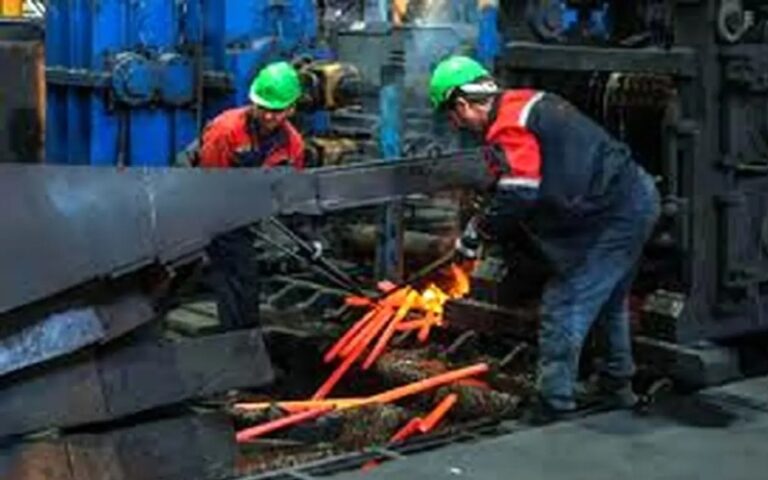
While economic crises and production stagnation have placed heavy pressure on workers’ lives, new reports from Sistan and Baluchestan Province indicate the continued uncertainty facing dozens of dismissed workers from Pars Sistan Steel Company. These workers say that following their dismissal, neither their legal claims have been paid nor has the process of receiving unemployment insurance been completed. According to them, this situation has pushed their families’ livelihood problems to a critical stage.

The Collapse of Iran’s Economic Resilience

According to reports published by local sources, a significant number of employees at Pars Sistan Steel Company have been dismissed since mid-March. Workers were instructed to apply to the relevant authorities to receive unemployment insurance. However, nearly three months after this decision, many workers are still waiting for their status to be determined.

The dismissed workers say that when their employment was terminated, their job status was recorded as suspended. According to them, this has created uncertainty and delays in the payment of seniority benefits, severance pay, and other worker claims. Some of these workers state that their repeated efforts to pursue their claims have yielded no results, and they have received no clear response from company officials.

Workers’ Claims Amid Promises of Reemployment

According to local sources, company managers have promised some of the dismissed workers that they would be rehired. These promises have led some workers to refrain from filing official complaints or pursuing legal action regarding their claims. However, the passage of time and the absence of any concrete measures to reinstate workers have increased concerns.

Workers say that under current conditions, covering living expenses, rent, and their families’ basic needs has become extremely difficult. Many are still waiting for their claims and unemployment insurance payments, while no specific timeline has been announced for these payments.

Meanwhile, reports indicate that the problems facing this industrial unit date back several years. Workers report repeated production stoppages due to shortages of raw materials and steel billets. According to them, at certain times, rebar production at the factory was halted and required products were supplied from other provinces.

History of Production Problems and Concerns About Job Security

Local sources have also pointed to delays in the factory’s development projects. According to them, the second phase of the Pars Sistan Steel complex has still not become operational despite the passage of several years. This situation has raised concerns about the future of the factory and the job security of its workforce.

In previous years, reports had also emerged regarding reduced operations, temporary shutdowns of production lines, and delays in workers’ wage payments. Now, the large-scale dismissal of workers and their uncertain status have once again drawn public attention in the region to the condition of this factory.

The dismissed workers have called on the Labor Department, the Social Security Organization, the Governorate of Sistan and Baluchestan Province, and the management of Pars Sistan Steel Company to clarify their employment status. They are also demanding the immediate payment of workers’ claims, overdue seniority benefits, and an acceleration of the unemployment insurance payment process.

Political prisoner Soheil Arabi from Ghezel Hesar Prison: This Place Smells of Death and Execution

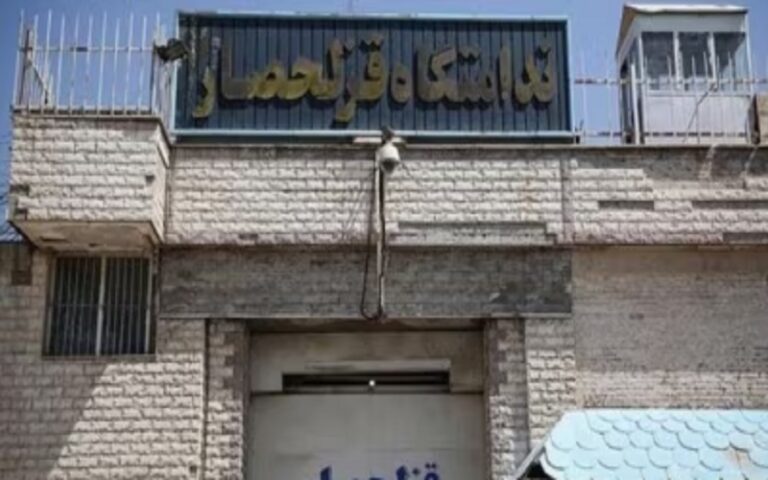
Soheil Arabi, a former political prisoner who was recently released from Ghezel Hesar Prison in Karaj, described the conditions under which opponents of Iran’s regime are held in “Suite 35, Unit Three” of the prison in a letter titled “Imprisonment During War; Struggling to Survive in Ghezel Hesar Prison.”

In the letter, he wrote about the presence of prisoners sentenced to death, the death-centered atmosphere dominating the ward, severe communication restrictions including deprivation of phone calls and visits, and the violent and torturous behavior of prison officials.

Iranian Political Prisoner Mohammad Abbasi Hanged in Ghezel Hesar Prison

Arabi wrote that he observed several young cellmates, born in the second half of the 2000s and under the age of 20, moving their necks up and down and from side to side in order to prepare their muscles for the hangman’s noose.

He also referred to the executions of Hamzeh, Saeed, Pouya Ghobadi, and several of his other cellmates in March and April of this year, adding: “This is not just a prison; it is a place where people are broken before they are executed. The sound of water pipes striking prisoners’ bodies, the laughter of guards, and phrases such as: ‘Guys, get ready to welcome an opponent of the regime,’ are part of everyday life.”

According to this political prisoner, extremely poor detention conditions, small cells, overcrowding, lack of access to outdoor exercise areas, insufficient and low-quality food, lack of sanitary facilities, housing 10 prisoners in a 12-square-meter cell, a single cup shared by everyone, tea served in a crushed plastic bottle, and the enforced lack of contact between many prisoners and their families were only some of the hardships endured in Suite 35 of Ghezel Hesar Prison.

From Inflation to Food Insecurity, Iran Is Moving Toward a Hidden Famine

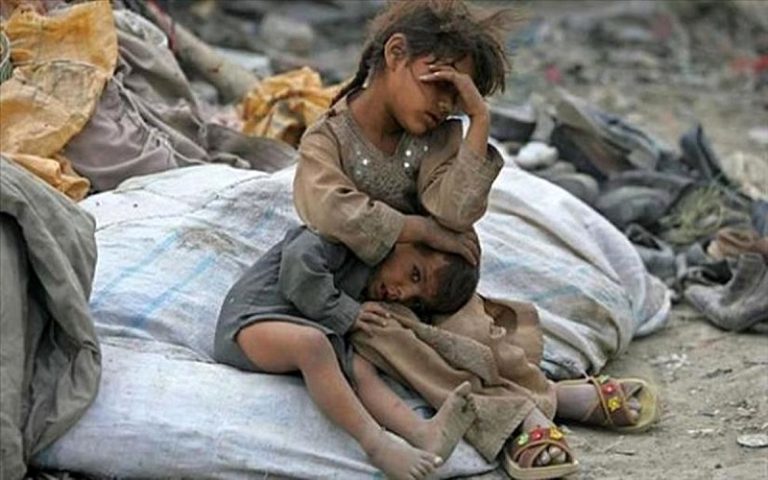
Existing indicators suggest that a large portion of Iranian society is facing not an absolute shortage of goods, but a severe decline in economic access to essential food items. The removal of dairy products, meat, chicken, and many basic commodities from the consumption baskets of low-income households is a serious warning sign for the country’s food security.

The Collapse of Purchasing Power and the Shrinking Household Food Basket

Inflation and economic stagnation in Iran have now reached a stage where their effects are clearly visible in people’s consumption patterns. Labor reports indicate that per capita dairy consumption in Iran has fallen to about one-fifth of the global average.

Urban Poverty in Iran: The Collapse of the Economy of Life in Major Cities

The price of raw milk has more than tripled in a short period, and dairy products have experienced price increases exceeding 100%. The first victims of this trend are working-class families and low-income groups.

At the same time, economic stagnation has limited income opportunities. Many small and medium-sized businesses have faced reduced activity, declining sales, or closure. The result of this dual trend is clear: living costs are rising rapidly while incomes are unable to keep pace.

Is Famine Only About the Absence of Food?

In economic literature, famine does not necessarily mean empty warehouses. Nobel Prize-winning economist Amartya Kumar Sen demonstrated in his research that many of history’s major famines occurred under conditions where food was available in society, but a large portion of the population had lost the ability to purchase it.

This definition underscores the importance of examining inflation and economic stagnation in Iran. Markets remain active and goods continue to be supplied, but the gap between income and expenses is widening rapidly. When households are forced to reduce their consumption of dairy products, meat, fruit, and other essential items, society enters a stage of food insecurity.

Signs of this situation can be seen in rising malnutrition, declining dietary quality, and increasing public health problems. Healthcare costs resulting from malnutrition will also place additional pressure on households in the coming years.

Chronic Inflation; The Product of a Crisis-Stricken Political Economy

Statistics from recent years show that the country’s economy has entered a cycle of chronic inflation. Inflation rates above 40% and 50%, which were once considered exceptional, have now become a normal feature of the economy.

The roots of this situation cannot be attributed solely to sanctions or external factors. A centralized economic structure, widespread corruption, chronic inefficiency, policy instability, and the absence of accountable institutions have played decisive roles in creating this crisis.

The Time Bomb of Inequality and Poverty

One of the most alarming consequences of inflation and economic stagnation in Iran is the widening class divide. Lower-income groups spend the majority of their income on food and housing. Therefore, any price increase in these sectors directly reduces their standard of living.

By contrast, wealthier groups have greater ability to preserve their assets and offset the effects of inflation. The result is growing inequality and the erosion of the middle class—a class that is widely regarded as a cornerstone of social stability and economic development.

Rising emigration, declining marriage rates, deteriorating educational quality, increasing child poverty, and reduced household investment in children’s futures are only some of the consequences of this situation. A society in which a large share of the population struggles merely to meet basic needs loses its capacity for growth and sustainable development.

Iran’s Economic Future; Between Survival and Gradual Collapse

Some analysts use the concept of a survival economy to describe the current situation—a condition in which the primary goal of the ruling structure is not development and prosperity, but preventing complete economic collapse. However, such a model imposes a heavy cost on society.

If inflation and economic stagnation in Iran continue along their current trajectory, they could lead to expanding food insecurity, rising malnutrition, increasing poverty, and worsening social crises. It may not yet be possible to speak of famine in its classical sense, but many indicators suggest that the country is moving along a dangerous path that will result in more widespread food deprivation.

Iran’s Aging Fleet Reveals Road Infrastructure Disorder and a Regime Without Solutions

The condition of Iran’s road transportation sector, including its aging vehicle fleet and transportation infrastructure, has once again become a controversial issue. Recent remarks by Alireza Novin, a member of the Iranian regime’s Majlis (parliament), paint a picture of widespread problems in the transportation sector. According to him, these problems range from an aging fleet to deteriorating roads and continue to remain without effective solutions.

In remarks published on June 2 by the state-run Khaneh Eghtesad news outlet, Alireza Novin stated that approximately 60% of the country’s transportation fleet is worn out and obsolete. He described this situation as one of the transportation sector’s major challenges and referred to the fate of thousands of trucks stranded at the Turkish border.

An Aging Fleet and Thousands of Stranded Trucks

Novin said that approximately 10,000 trucks remain on the Turkish side of the border. According to him, these trucks have been left in limbo without any resolution, and the Turkish government has begun confiscating some of them.

The parliament member added that inquiries with government officials had been met with the explanation that the trucks had reached the border without the required import registration procedures. Nevertheless, he stressed that even if violations had occurred, the government should have taken action to resolve the status of these vehicles.

Novin stated that some of these trucks could have been used in efforts to modernize the aging transportation fleet. He further noted that, according to available reports, about 1,000 of the 10,000 trucks have already been confiscated by Turkish authorities.

The issue of the aging transportation fleet has repeatedly been raised by transportation experts and industry advocates in recent years. The deterioration of trucks and heavy vehicles not only increases maintenance costs but also has a direct impact on road safety. Under such circumstances, the unresolved status of thousands of trucks at border crossings has drawn significant criticism.

Another part of Novin’s remarks focused on the condition of the country’s roads and highways. Referring to the Zanjan–Tabriz freeway, he said that in its current state, the route resembles a rural road more than a standard highway.

The parliament member stated that numerous meetings had been held regarding the condition of this route. According to him, official warnings had been issued to the relevant regime officials, including the minister of roads and transportation, and the necessary correspondence had been carried out. However, these follow-ups have produced no tangible results.

Novin’s remarks come at a time when the condition of many of the country’s roads has long been a source of complaints from citizens and drivers. Aging infrastructure, inadequate safety facilities, and delays in implementing construction and development projects are among the issues repeatedly highlighted in official reports and media coverage.

This comes as Iran’s regime spends billions of dollars on the construction of missile cities to advance its destabilizing and war-driven policies in the region, as well as on nuclear projects that critics describe as being against the interests of the Iranian people.

Parviz Sabeti, Notorious SAVAK Torturer, Faces Court After Decades of Silence

Although decades have passed since the fall of the Pahlavi monarchy, the name of one of the most controversial figures of its security apparatus has once again made headlines. Parviz Sabeti, a senior official of SAVAK—the Shah’s secret police and intelligence organization—and the official responsible for internal security under the Shah’s regime, is now facing a major lawsuit in the United States. The plaintiffs are seeking accountability for allegations including torture, unlawful detention, and widespread human rights violations.

According to a report published by The Guardian newspaper, the man known to his neighbors in the affluent community of Windermere, Florida, as “Peter” is in fact Parviz Sabeti. Many political prisoners from the Pahlavi era regard him as one of the principal architects of repression in the years leading up to the 1979 Iranian Revolution.

For years, Parviz Sabeti lived a quiet and low-profile life with his family in one of Florida’s most luxurious areas. He and his wife, Nasrin Sabeti, established extensive business activities in the construction sector under a new identity and acquired several valuable properties. However, a past that had remained hidden from public scrutiny for decades has now returned to the spotlight.

Serious Allegations Against Parviz Sabeti

Last month, a U.S. federal judge rejected a request by Parviz Sabeti’s attorneys to dismiss the case. The ruling cleared the way for judicial proceedings on a lawsuit brought by three former political prisoners. The plaintiffs, who now reside in California, claim that they were arrested, tortured, and forced into confessions during SAVAK’s operations.

The complaint details a range of alleged torture methods, including electric shocks, waterboarding, nail extraction, rape, and severe beatings. The plaintiffs maintain that these acts were carried out within the security apparatus overseen by Parviz Sabeti.

One of the most disturbing aspects of the case concerns a device known as “Apollo.” Used in SAVAK prisons, it reportedly consisted of a chair and a special metal helmet that amplified and echoed victims’ screams back to them, intensifying psychological pressure.

The Shadow of SAVAK Over Parviz Sabeti’s Present Life

For many opponents of the Pahlavi monarchy, Parviz Sabeti’s name is synonymous with the extensive security structure responsible for monitoring, tracking, and suppressing political dissidents. Documents released by the U.S. Central Intelligence Agency (CIA) have also described him as one of the Shah’s most powerful security officials, with broad authority over arrests, interrogations, and the pursuit of political opponents.

Various estimates indicate that between 1957 and 1979, thousands of people were arrested and tortured by SAVAK. Numerous reports also documented the deaths and disappearances of political opponents during that period. Although the exact number of victims remains uncertain, SAVAK’s role in suppressing political dissent remains one of the most controversial chapters in modern Iranian history.

Parviz Sabeti has not formally responded to the allegations in the new case. In previous years, he repeatedly claimed that he opposed torture and had no direct role in such practices. However, the plaintiffs and their attorneys argue that available documents and witness testimonies present a different picture.

Identity Revealed After Four Decades

According to court documents, Parviz Sabeti spent more than four decades attempting to avoid media and public attention. This situation continued until February 2023, when a photograph of him at a gathering of supporters of the deposed Shah in Los Angeles was published. The image once again drew media attention to his identity and place of residence.

Reports have also pointed to Parviz Sabeti’s political connections in recent years. Some sources have identified him as a security adviser to Reza Pahlavi, the son of the last Shah of Iran, a development that once again brought his name into discussions within Iranian politics and among the Iranian diaspora.

Now, following the decision of a U.S. federal court, a case that remained dormant for years has entered a new phase. The plaintiffs argue that the passage of time should not prevent the investigation of allegations involving torture and human rights abuses.

Although decades have passed since SAVAK’s period of operation, victims of the organization continue to demand accountability from its officials. Many human rights activists also stress that responsibility for torture and political crimes should not be erased by time or statutes of limitation, and that justice, even if delayed, must be allowed to take its course.

Political Prisoner Fathollah Avari Executed in Hamedan

In the early hours of Tuesday, June 2, the death sentence of Fathollah Avari, one of the protesters who participated in the January uprising and protests in Hamedan, was carried out at the city’s central prison.

According to state-run media, he was arrested in connection with the killing of a regime security force member during the January 8, 2026, protests and was sentenced to death by the regime’s judiciary on the charge of moharebeh (“waging war against God”). Reports indicate that his execution was carried out secretly and without granting him a final visit to his family.

Human rights organizations and civil activists have expressed concern in recent months about the handling of this case. Referring to numerous reports regarding pressure on political and security-related defendants, these groups warned about forced confessions, restrictions on access to independent legal counsel, and the absence of a fair trial.

In contrast, media outlets affiliated with the regime claim that after Fathollah Avari’s arrest, documents and evidence related to the case were discovered during a search of his residence and that he admitted to the allegations during interrogation.

Mizan News Agency, affiliated with the judiciary of Iran’s regime, claimed that he was involved in the killing of a Mohammad Javad Bakhshian, one of the regime’s repressive forces dispatched to quell protests. The outlet alleged that the officer lost his life during the January 8 protests in Hamedan.

According to accounts published by state-run media, law enforcement forces were deployed in the area during the protests and clashed with demonstrators. These outlets claim that Major Bakhshian became separated from other officers during the unrest and suffered severe injuries after being attacked by protesters. He reportedly died after being transferred to a hospital.

State-run media have also claimed that following Fathollah Avari’s arrest, a knife, a blood-stained hoodie, and a pair of shoes that they said matched surveillance camera footage were discovered at his residence.

The execution was carried out despite repeated warnings from human rights organizations regarding the issuance and implementation of death sentences against individuals arrested during protests and the use of charges such as “moharebeh” in political cases. These organizations have called for transparency in judicial proceedings and adherence to international human rights standards.

IRGC Attacks Kuwait and Bahrain, Hezbollah and Israel Clash

While in the early hours of Wednesday, June 3, local time, Kuwait reported intercepting missile and drone attacks, air raid sirens sounded in Bahrain and explosions were heard on Qeshm Island, Israel and Lebanon’s Hezbollah also carried out new attacks against each other despite U.S. President Donald Trump’s promise to reduce tensions.

The Islamic Revolutionary Guard Corps (IRGC) announced in a statement early Wednesday, June 3, that in retaliation for a U.S. attack on an Iranian oil tanker near the Strait of Hormuz, a vessel belonging to what it described as the American-Zionist enemy, named Panaya, was targeted by IRGC Navy missiles.

The statement said that U.S. forces targeted an IRGC communications tower in southern Qeshm Island with aerial munitions and that, in response, an American air and helicopter base located in a regional country, as well as the headquarters of the U.S. Fifth Fleet, were targeted by missile and drone attacks carried out by the IRGC Aerospace Force.

The U.S. Central Command (CENTCOM), in response, denied all IRGC claims regarding these attacks in a post on the social media platform X.

CENTCOM also stated that U.S. forces intercepted several Iranian ballistic missiles and drones and, in response to the Iranian regime’s attempts to attack targets across the Middle East, conducted “defensive strikes” against Qeshm Island on June 2, 2026.

The statement said that Iran’s regime launched several ballistic missiles toward neighboring countries in the region, but none reached their intended targets.

According to CENTCOM, two IRGC missiles fired toward Kuwait either veered off course or broke apart before reaching their targets. Three additional missiles launched toward Bahrain were immediately intercepted and destroyed by U.S. and Bahraini air defense systems.

CENTCOM said that shortly before the missile attacks, U.S. forces shot down three suicide drones launched by Iran’s regime toward civilian vessels lawfully transiting regional waters.

The CENTCOM statement added that U.S. forces also carried out defensive strikes against an Iranian regime military ground-control station on Qeshm Island.

The Kuwaiti military announced early Wednesday, June 3, local time, that the country’s air defenses were intercepting enemy missile and drone attacks and urged the public to follow safety and security instructions issued by authorities.

The Kuwaiti military said that any explosions heard were the result of missile interceptions.

Bahrain’s Ministry of Interior also announced early Wednesday that warning sirens had sounded across the country and urged citizens and residents to remain calm and proceed to the nearest safe location.

Meanwhile, the state-run Mehr News Agency, citing local sources and residents, reported that explosions had been heard in the Qeshm Island area.

The state-run news agency added that the exact nature of the sounds remained unclear and that no official military or law enforcement bodies had yet commented on their cause.

Meanwhile, the Israeli military announced on Tuesday that it had conducted a deadly operation in southern Lebanon in response to overnight Hezbollah attacks.

Continued Fighting in Lebanon

Despite claims that a new ceasefire had been established in Lebanon, fighting continued on Tuesday morning.

Israel continued its attacks on Lebanon, and Lebanon’s Civil Defense Organization announced that six people were killed in an Israeli airstrike Monday night on the village of Marwaniyeh in southern Lebanon.

The organization also stated that one of its facilities in the city of Nabatieh in southern Lebanon was directly targeted by an Israeli airstrike.

The Lebanese military later reported that two Lebanese soldiers were wounded in an Israeli drone strike in Nabatieh.

The Israeli military also stated that it intercepted at least two projectiles launched from Lebanon into Israeli territory overnight and that no casualties were reported.

War with Hezbollah and Negotiations with Iran’s Regime

The renewed conflict between Israel and Hezbollah is now tied to negotiations between Iran’s regime and the United States. After Tehran warned that it would withdraw from the talks if Israeli attacks on Hezbollah continued or intensified, U.S. President Donald Trump announced on Monday, June 1, following a phone conversation with Israeli Prime Minister Benjamin Netanyahu, that all shooting would cease and negotiations with Tehran would continue.

Israel’s threat to attack Beirut had caused widespread fear in the Lebanese capital, especially after Israeli forces carried out their deepest incursion into Lebanese territory in 26 years.

The U.S. Department of the Treasury also announced in a statement that the United States is imposing sanctions on Iran’s largest digital asset exchanges and their executives for supporting the Iranian regime’s terrorist activities and helping evade sanctions.