Home Blog Page 209

Iran-backed Houthis Attack 3 Commercial Ships in the Red Sea

0

US Central Command (CENTCOM) announced on Monday, December 3, that the Houthi group in Yemen, backed by the Iranian regime, attacked “three commercial vessels” in the waters of the southern Red Sea. The attack was intercepted by US Arleigh-Burke Class destroyer USS CARNEY.

The CENTCOM statement, released early Monday morning, states that it believes “these attacks, while launched by the Houthis in Yemen, are fully enabled by Iran.”

The statement says that the USS Carney responded to the distress calls of these three commercial ships, which are affiliated with 14 countries, and provided assistance to them.

According to the report, at around 9 a.m. local time in the Yemeni capital of Sanaa, a ballistic anti-ship ballistic missile was launched towards the “Unity Explorer” ship from the Houthi-controlled area in the country. The missile landed near the target.

CENTCOM further stated that about three hours later, a US naval vessel shot down a Houthi-launched unmanned aerial vehicle (UAV), noting that the exact target of this unidentified drone attack could not be determined and it cannot be confirmed that the USS Carney was the intended target.

The report continues to state that at approximately 12:35 p.m. on Monday, the “Unity Explorer” ship reported being hit by a missile fired by the Houthis, followed shortly after by an attack from a UAV.

The report describes the damage to this British-flagged commercial ship, which was sailing under the flag of the Bahamas, as “minor.”

CENTCOM states that Monday afternoon, the commercial ship “Number Nine” was hit by a missile fired from the Houthi-controlled area in Yemen, but despite the incurred damage, there were no casualties.

CENTCOM announced the name of the third targeted ship as “Sophie 2,” which was flying the Panamanian flag and was traveling on an international route in the Red Sea, stating that it had not suffered significant damage.

CENTCOM considered these attacks a “direct threat to international trade and maritime security” and stated that they endangered the lives of the crews of these ships from multiple countries. It also stated that, for this reason, the United States will consider all appropriate options to respond to this action.

The Pentagon announced on Monday afternoon that it was aware of reports of an attack on the USS Carney and several other commercial ships in the Red Sea and would provide information on the matter.

The Houthi group in Yemen also claimed on Monday that it had targeted two ships named “Unity Explorer” and “Number Nine,” which it described as “Israeli.”

An hour later, an Israeli army spokesperson stated that the two targeted ships had no connection to Israel.

Iranian Resistance Office in Berlin Targeted in Terror Attack

At 2:15 am on December 4, 2023, the office of the National Council of Resistance of Iran (NCRI) in Berlin was targeted in an attack by terrorists affiliated with Iran’s regime, according to a statement by the NCRI. According to the statement, the attackers were linked to the mullahs’ Ministry of Intelligence (MOIS) and they threw incendiary materials at the building, resulting in a fire on the exterior walls. The office personnel managed to extinguish the fire, and authorities, including firefighters and the police, arrived at the scene to launch an investigation.

This latest attack follows two similar incidents on May 31 and June 11, 2023, where terrorists and mercenaries associated with the IRGC Quds Force and the MOIS targeted a building belonging to NCRI supporters in northern Paris. In that attack, six gunshots and incendiary materials were employed.

The Iranian Resistance has consistently emphasized that appeasement with the mullahs’ regime emboldens the regime to further increase its terrorism abroad. Examples include the recent release of Assadollah Assadi, a terrorist diplomat responsible for organizing a bomb attack at the Iranian Resistance gathering in Villepinte, Paris in June 2018. Assadi was sentenced to 20 years in prison by a Belgian court but was released in 2023 in exchange for the freedom of dual nationals held hostage by Iran’s regime.

The Iranian Resistance has urged the German government, police, and judiciary to arrest the perpetrators and masterminds of the attack, bring them to trial, and disclose all relevant details and documents to raise public awareness.

More Than 6,000 People Dead from Air Pollution in Tehran in 2021

Mehdi Pirhadi, the head of the Health, Environment, and Municipal Services Commission of the Tehran City Council, criticized regime officials for “concealing the burning of Mazut” in power plants. Pirhadi stated that in 2021, the number of deaths caused by air pollution in Tehran was 6,398.

On December 3, Mehdi Pirhadi said that some might want to deny the reality, but the Ministry of Oil did not adhere to fuel standards, and fuels were not supplied according to the national standard.

While Tehran experienced only three days of clean air last year, Iranian regime officials have consistently denied the burning of Mazut in Tehran province and other major cities in the country. However, according to a confidential report from the Ministry of Oil, an average of 25 million liters of high-sulfur Mazut, along with 110 million liters of diesel, were consumed daily in the country last year.

The daily consumption of Mazut and diesel in the country reached unprecedented figures of 43 million liters and 128 million liters, respectively, even during the past winter.

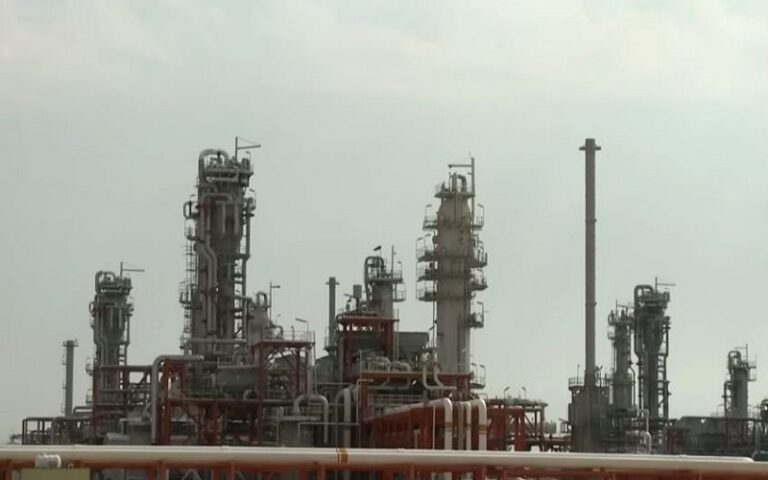
This official document from the Ministry of Oil also indicated that only 20% of the country’s produced gasoline meets Euro 4 and Euro 5 standards, and every day, nearly 10 million liters of chemicals, aromatics, and the highly dangerous substance MTBE (Methyl tert-butyl ether) are mixed with gasoline produced by refineries to compensate for its shortage and adulteration.

Referring to the latest report from the Ministry of Health, Pirhadi announced that in 2021, the cost of morbidity and mortality was $3.4 billion, and according to him, “this number will undoubtedly increase in 2022.”

Iran ranks sixth in the world in terms of greenhouse gas emissions, releasing 900 million tons of carbon dioxide and other greenhouse gasses annually.

Iran’s greenhouse gas emissions have doubled over the past two decades.

As the cold season and severe gas shortages began, severe air pollution due to widespread Mazut burning in the country resumed. Last week, two members of the Tehran City Council identified Mazut burning and non-standard diesel as causes of air pollution.

On November 28, Mehdi Chamran, the head of the Tehran City Council, also attributed the non-standard diesel used by trucks as one of the reasons for the capital’s air pollution. He stated that the level of pollution from this fuel in Iran is a hundred times higher than international standards.

According to official statistics from the Ministry of Energy, power plants in Tehran province generate 31,000 megawatts of electricity annually, with nearly 99% of it produced by thermal power plants operating with gas, Mazut, and diesel.

Both Pirhadi and Mehdi Chamran have stated that out of the 16 thermal power plants in Tehran, 14 of them use Mazut.

Sudeh Najafi, the head of the Health Committee of the Tehran Islamic Council, criticized the head of Iran’s Environmental Protection Organization for his statement last week that he could not promise that Mazut burning in power plants would not take place. She accused him of not implementing the “Clean Air Law” and not fulfilling his responsibilities.

She also criticized the Tehran Municipality for its “poor performance” in terms of informing the public and claimed that “citizens” expect the Tehran city administration to solve the air pollution problem, while the main culprit is the Environmental Protection Organization.

Gas shortages in Iran are cited as one of the reasons for using Mazut in power plants, and BP, in its annual report on global energy statistics in July, announced that the consumption of polluting oil fuels in Iran had increased significantly in the past year.

This is happening while Iran holds the world’s second-largest gas reserves, but the Iranian regime does not prioritize public health.

Less Than 40% of Students Graduate With a Diploma in Iran’s Sistan and Baluchestan

Moein al-Din Saeedi, the member of regime’s Majlis (parliament), pointed out to the problem of “student displacement” as one of the main reasons for the high rate of “educational dropout” among students in Sistan and Baluchestan (southeast Iran), stating that “less than approximately 40 out of every 100 students in this province succeed in obtaining a diploma.”

On December 1, Moein al-Din Saeedi told the regime’s ILNA news agency, “About ten percent of the students who drop out of school in the country are in Sistan and Baluchestan province, and it mostly affects girls.”

According to this Majlis member, “In fact, less than approximately 40 out of every 100 students in Sistan and Baluchestan succeed in obtaining a diploma.”

Saeedi further mentioned the problem of “student displacement” as one of the main reasons for the high rate of educational dropout in this province.

In the past few days, a video of student being transported with a trailer was circulated on social media, which some sources said was related to the students of Jakigor Middle School in Rask County, located in Sistan and Baluchestan.

This is not the first time that images of students being transported in dangerous conditions, especially with mini trucks and trucks, have been shared on social media.

In late November, reports emerged of a minibus carrying Baluch students overturning and catching fire in Qasr-e Qand County, resulting in the injury of some of the children.

Student displacement in Sistan and Baluchestan continues to occur despite the Director-General of Education in this province announcing on August 15 the allocation of 170 billion rials (approximately $336,000) to the “Central Village” plan and a 50 percent increase in funding for this plan by the Ministry of Education in the new academic year.

The “Central Village” plan started several years ago with the aim of relocating students from scattered villages to a central village with a school in some provinces. However, there have been criticisms of the successful implementation of this plan, including Moein al-Din Saeedi stating that “funds for this rural plan are sometimes not provided.”

Minibus carrying Baluch students overturned and caught fire in Qasr-e Qand County

Occasionally, reports are published about the problems and dangers faced by students in commuting to deprived areas. Ham-Mihan newspaper published a report in May about the problems of student transportation in the villages of Sistan and Baluchestan, stating, “Dirt and gravel roads are a threat to the lives of students. Some of them fall off the minitrucks on these routes, get soaked in rivers up to their necks, have encountered attacks by wild dogs and water snakes, Gando (the only crocodile native to Iran) and if they don’t find transportation, they ride on motorcycles and fuel carriers on the roadside and sit among drums of several hundred liters of gasoline.”

According to a report by the Majlis Research Center in the 2021-2022 academic year, more than 911,000 students in Iran dropped out of education. Sistan and Baluchestan province has had the worst situation in terms of “educational dropout” and “school dropouts” indicators.

According to this report, the dropout rate of students in the past academic year has increased by more than 17 percent compared to the 2015-2016 academic year, and reasons for this include “class and gender discrimination,” “cultural poverty,” and “limitations and deprivation.”

Iran’s Regime Executes PMOI Supporter and Protester

Simultaneously with the intensification of executions in Iran, Ali Saber Motlagh, a political prisoner from the 1980s, and Kamran Rezaei, one of the detainees of the 2019 protests, have been executed.

Mr. Saber Motlagh, who was 62 years old at the time of his execution, was arrested in the 1980s on charges of membership in the Mojahedin-e Khalq Organization of Iran (PMOI/MEK) and the assassination of an official in September 1981. After some time, he was released due to lack of evidence.

This former political prisoner went abroad after his release and returned to Iran in 2020. Upon his return, he was arrested again on charges of committing the same assassination and this time, despite the lack of evidence, he was sentenced to death.

The execution of this former political prisoner took place despite his consistent denial of any involvement or knowledge of the assassination of the regime’s official.

Since the beginning of 2023, which is within the span of 11 months, over 700 people have been executed in Iran.

In a statement on November 28, the UN Human Rights Office, , condemned the execution of Milad Zohrehvand, the “eighth executed 2022 protester,” and the execution of Hamidreza Azari, a 17-year-old juvenile offender, and called on the Iranian regime to immediately halt the implementation of the death penalty.

Execution of Kamran Rezaei, one of the detainees of the 2019 protests in Shiraz

Simultaneously with the increase in the number of executions in Iran, the death sentence of political prisoner Kamran Rezaei, arrested during the November 2019 protests, was carried out on November 30 in Adelabad Central Prison in Shiraz.

Kamran Rezaei was arrested during the nationwide protests in 2019 and was sentenced to capital punishment for “intentional murder” of a Basij paramilitary member.

He spent seven months in solitary confinement and was tortured to force him to confess against himself.

This detained protester of the 2019 protests has always emphasized his innocence.

Two days before the execution of Kamran Rezaei, another prisoner named Hani Shahbazi was executed in Sepidar Prison in Ahvaz (southwest Iran).

On the same day, the regime’s Tasnim News Agency announced the execution without mentioning the name of this prisoner. His charges were stated as “Moharebeh” or “enmity against God” following the deliberate killing of a law enforcement officer and a Basij member in Shadegan on December 3, 2019.

In recent days, some unofficial sources reported that Mr. Shahbazi was injured by government forces during his arrest and has been in prison for the past four years.

The lack of international response to these executions gives the Iranian regime a green light for further executions.

This regime is attempting to suppress the explosive conditions of Iranian society and economic protests by ramping up executions.

Iran: 4 Mojahedin Supporters Sentenced to 5 Years in Prison

Zahra Safaei, Parastoo Moeini, Mohammad Masoud Moeini, and Kamran Rezaeifar, four political defendants, were each sentenced to five years of imprisonment by the Tehran Revolutionary Court. Another defendant in this case, Teymour Rezaian, was fined 50 million tomans (approximately $1,000). Among these individuals, Zahra, Parastoo, and Mohammad Masoud are members of the same family.

According to the verdict issued by Iman Afshari, the head of Branch 26 of the Tehran Revolutionary Court, which was communicated to the defendants on November 26, they have been convicted of “assembly and conspiracy to commit crimes against national security.” Their court session was held on November 18.

Iman Afshari used the content of their private conversations and activities on social media as evidence to substantiate these charges and claimed in the issued verdict that their cooperation and organizational connections with the Mojahedin-e Khalq Organization (PMOI/MEK) focused on undermining national security and participating in opposition propaganda against the regime.

The court cited various pieces of evidence to support these allegations, including “reports from the intelligence forces of the Revolutionary Guards (IRGC) as the case officer, the inferences of the interrogator during the interrogation phase, and the judicial conscience.”

These individuals were arrested by the intelligence forces of the Revolutionary Guards on September 13, on the eve of the first anniversary of the murder of Mahsa Amini. On October 11, after the end of interrogations, they were transferred from the IRGC detention center to Evin Prison.

During their arrest, authorities conducted searches of their homes and confiscated personal belongings such as laptops and mobile phones.

Zahra Safaei (Parastoo and Mohammad Masoud’s mother) was subjected to severe humiliation and derogation by the interrogators during the interrogation period, and the authorities had also connected her daughter, Parastoo, to a lie detector during the interrogations. They put pressure on them and other co-defendants to make confessions against each other.

Zahra Safaei is currently held in the women’s ward of Evin Prison, while her son, Masoud Moeini, along with Kamran Rezaeifar, another defendant in this case, are imprisoned in Ward 4 of Evin Prison. Parastoo Moeini, the daughter of Zahra Safaei, was released from prison some time ago, along with Teymour Rezaian, another defendant in this case, after depositing bail until the end of the judicial proceedings.

These individuals have previously been detained and endured imprisonment due to their political activities and support for the Mojahedin-e Khalq Organization of Iran.

Parastoo Moeini was a student of electrical engineering at the International University of Qazvin and was expelled from the university after her release from prison in 2022.

European Powers Condemn Iran For New Ballistic Missile

In a statement released on November 30, France, Germany, and Britain condemned the Iranian regime’s unveiling of a new ballistic missile on November 19.

The statement emphasizes the regime’s continuation of its missile program despite repeated requests from the international community to halt its development. The regime has ignored the limitations imposed by the United Nations for years and continues to develop its missile program.

The three countries, known as the “E3” or the three European powers, stated that Iran’s continued development of its ballistic missile program is “in line with Iran’s nuclear provocation” and “lacks any credible non-military justification.” They added that these tensions also pose a serious threat to global and regional security.

The “E3” countries reaffirmed their commitment to taking diplomatic steps to prevent Iran from acquiring nuclear weapons and to hold it accountable for its destabilizing activities in the region and internationally.

Antony Blinken, the US Secretary of State, stated in a statement on October 18 that the development, procurement, and proliferation of missiles and missile-related technology by the Iranian regime is one of the greatest challenges to international peace and security.

He further stressed the terrifying impact of Iran’s provision of these missiles and drones to terrorist organizations and proxy militias that directly threaten the security of Israel and U.S. partners in the Persian Gulf.

On the same day, the United States and 46 other countries issued a joint statement committing themselves to take all necessary measures to prevent the supply, sale, or transfer of items, materials, equipment, goods, and technologies related to Iranian ballistic missiles.

Blinken also referred to the expiration of UN Security Council Resolution 2231 regarding the restrictions imposed on Iran’s missile activities, stating that the United States once again emphasizes its commitment to using every tool to counter the development, production, and proliferation of Iran’s missiles, drones, and other dangerous weapons.

According to Blinken, these tools include sanctions, export controls, diplomatic engagement, cooperation with private industries, and prohibitions as appropriate and provided for in law and other circumstances.

The US Secretary of State also mentioned that the United States is continuing its efforts to identify individuals and entities involved in Iranian missile activities and conventional arms and Iranian drones, including activities in Russia, China, Venezuela, and other locations.

Based on the provisions of UN Security Council Resolution 2231, on October 18, the limitations imposed by the United Nations on some of Iran’s arms programs were lifted. However, the lifting of these sanctions was conditional on the Iranian government not engaging in any prohibited arms activities, including those related to the design of ballistic missiles capable of carrying nuclear weapons, during the eight years from the conclusion of the JCPOA agreement until the expiration of these sanctions. In recent years, the Iranian regime has been accused of violating this resolution by the United States and JCPOA parties.

Do Not Overlook Iran’s Nuclear Ambitions, IAEA Director Warns

Rafael Grossi, the head of the UN nuclear watchdog International Atomic Energy Agency (IAEA), urged global powers to resume nuclear negotiations with the Iranian regime and “not lose sight of the risks posed by its stockpiling of enriched uranium while attention has turned to the war between Israel and Hamas.”

In an interview with the Financial Times published on November 30, Rafael Grossi said that “There needs to be some recreation of a system of dialogue with Iran.”
“Attention . . . may of course be on something else. But this doesn’t solve the issue. It may even make them more acute, in the sense that there’s a sense of a certain indifference,…People may not be looking at [Iran’s nuclear ambitions], but the problem exists.” Grossi said

Tensions between the Iranian regime and the West have escalated following Hamas’ devastating attack on Israel on October 7. The regime supports Hamas and several paramilitary groups that are essentially proxies of the Iranian regime throughout the region.

Grossi said that negotiations with Tehran may require a new framework, rather than an attempt to revive the Joint Comprehensive Plan of Action (JCPOA), as the 2015 nuclear deal with Iran is formally known.

Grossi continued,“Trying to put [a nuclear deal] back into the JCPOA box wouldn’t work… You can still call it a JCPOA but it should be a JCPOA 2.0 or something because you have to adapt.”

He also said that the situation surrounding the Iranian regime’s nuclear program is “very uncertain” and called on countries to “sit down and re-engage.”

Five days before Grossi’s recent remarks, the AFP agency reported that Western powers have no inclination to escalate tensions against the Iranian regime.

The AFP wrote that Western powers, fearing further escalation in the Middle East, have no inclination to take a tough stance against the regime at a time when it is advancing its nuclear program and simultaneously reducing cooperation with the International Atomic Energy Agency.

According to the report, in a situation where the IAEA Board of Governors of the Agency says that recent actions by the Iranian regime have moved unprecedented boundaries, it has refrained from presenting a mandatory resolution.

Iran’s Regime Claims Buying Sukhoi 35 Fighter From Russia

0

The Iranian regime has once again claimed that the contract for the purchase of Sukhoi-35 fighter jets from Russia has been finalized. Mehdi Farahi, the deputy defense minister of the Iranian regime, reiterated the definitive nature of the contract for the purchase of several types of military equipment from Russia, including these fighter jets.

On November 28, Mehdi Farahi told the state-run Tasnim News Agency, linked to the IRGC, that “the Mil Mi-28 attack helicopter, Sukhoi-35 fighter jet, and Yakovlev Yak-130 training aircraft” are expected to be delivered to Iran soon.

However, he did not provide further details in this regard and did not specify the exact date of the possible entry of these Russian-made weapons into Iran.

Russian authorities have not provided any details on this matter, and no other independent source has confirmed the claim made by the senior official of the Iranian Ministry of Defense.

The Iranian regime has been pursuing the purchase of Russian Sukhoi-35 fighter jets for a long time and considers them a serious competitor to American F-35 fighters.

The fighter jets of the Iranian Armed Forces are relatively outdated, and most of them are the same American fighters that were purchased under the Shah regime before the 1979 revolution.

In 2018, the Iranian regime announced the beginning of the production of the domestically designed Kowsar fighter jet for use in its air force.

Military experts believe that it is a copy of the F-5 jet was first produced in the 1960s in the United States.

In January 2023, Israeli media, citing Western intelligence officials, reported that Russia was preparing to supply Sukhoi-35 fighter aircraft to Iran “in the near future.”

However, during this period, Iranian officials have made contradictory statements about the process of purchasing these types of fighter jets.

Earlier on June 2, Hamid Vahedi, the commander of the Iranian Air Force, told Iranian media, “We need the Sukhoi-35, but we don’t know when it will join our squadrons.”

A month later, Mohammad Reza Aghastiani, the regime’s Defense Minister indirectly confirmed the disruption of the contract for the purchase of these fighter jets by the government.

Mohammad Reza Aghastiani, in response to a question about the purchase of Sukhoi-35, said, “We make plans for purchases, but we come to the conclusion that we have the capability to produce them domestically.”

This statement has led to speculation about disruptions in military cooperation between Moscow and Tehran, including the possibility that Israel has succeeded in persuading Russia not to deliver these advanced fighter jets to the Iranian regime.

A few months ago, the US-based website Axios reported that Israeli officials had discussed with their Russian counterparts the growing military cooperation between Russia and the Iranian regime and the possibility of Russia supplying advanced weapons systems to Iran.

The Tasnim News Agency wrote that the purchase of military helicopters from Russia is taking place at a time when in January 2023, Igor Levitin, Vladimir Putin’s special assistant, reached an agreement with Mohammad Mokhber, First Deputy to Ebrahim Raisi (the regime’s president), regarding “joint helicopter production” between Tehran and Moscow.

In recent years, the Iranian regime and Russia have been strengthening their military cooperation, but Russia’s invasion of Ukraine and Moscow’s need for more weapons, especially combat drones, have expanded these collaborations.

Western countries have repeatedly condemned Tehran’s role in the war in Ukraine due to the regime’s sale of drones to Russia, resulting in sanctions against Russia and the Iranian regime.

Meat 82% More Expensive as Iran Sees Surge in Inflation

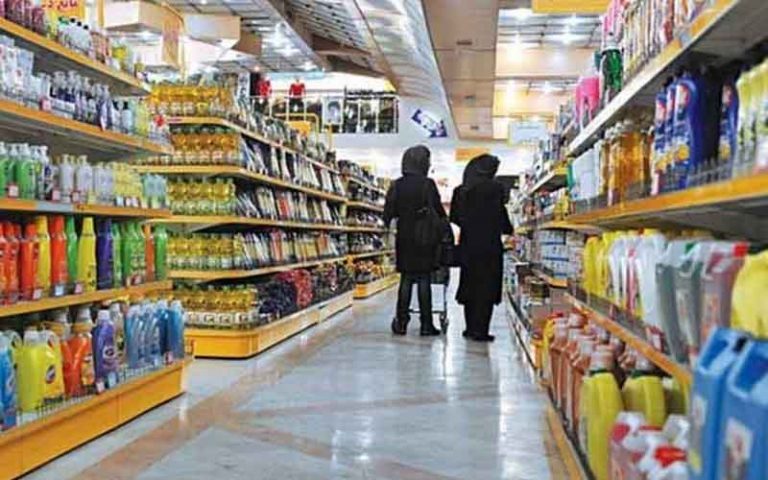
According to the Iranian regime’s Statistical Center, the point-to-point inflation rate of “food and beverage” group increased in November.

According to the report, among food items, red meat had a point-to-point inflation rate of over 82 percent, followed by various types of fish with a record inflation rate of 72.4 percent, making it the highest inflation rate among food items in the second month of autumn.

Point-to-point inflation refers to the percentage change in the price index compared to the same month of the previous year.

The 39.2-percent point-to-point inflation rate for households in the country means that, on average, households have spent 39.2 percent more than November of last year to purchase a “basket of goods and services.”

The report also indicates that the point-to-point inflation rate for food and beverages increased from 36.2 percent in October to 36.4 percent in November.

The Statistical Center of Iran also announced that the point-to-point inflation rate for food and beverage in urban areas during November was 36.7 percent, which increased by 0.3 percent compared to October.

In the report, the point-to-point inflation rate for the whole country in November was announced as 39.2 percent, which showed no change compared to October and indicated a halt in the downward trend of point-to-point inflation rate.

Monthly inflation in the food and beverage group doubled in November compared to October.

Accordingly, monthly inflation increased from 0.5 percent in October to 1 percent in November.

The Statistical Center stated in the report that the monthly inflation rate for the food group in urban areas during November increased from 0.3 percent to 0.7 percent.

The center announced the monthly inflation rate for the whole country in November as 2.3 percent and the annual inflation rate as 44.9 percent.

The annual inflation rate for the food and beverage group in the Statistical Center’s report for November was also announced as 52.2 percent, which decreased by 2.8 percent compared to the previous month.

The price increases have also affected other sectors of the country’s economy.

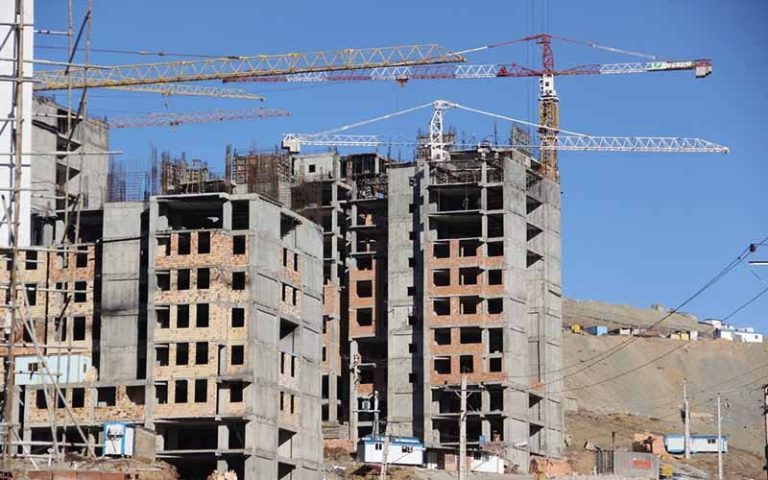
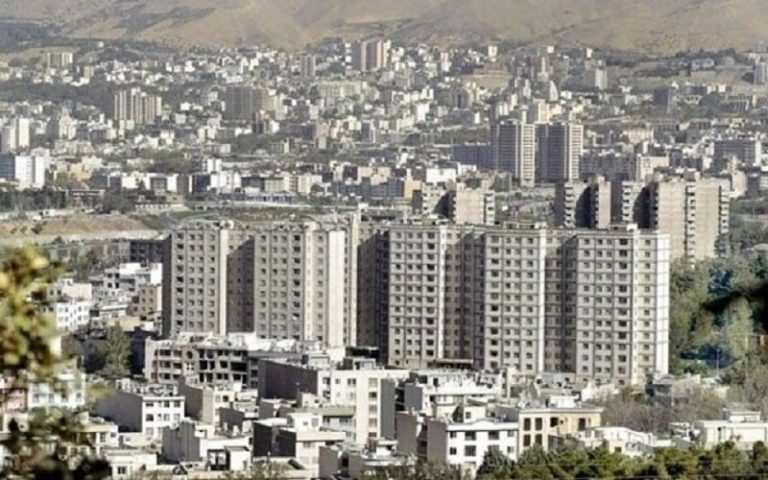
For example, in late October, the Statistical Center of Iran, after months of suspending the publicationof government statistics on the housing situation, reported that house prices in Tehran had increased by 75 percent in September of this year compared to the same month last year.

The suspension of housing statistics by the Statistical Center and the Central Bank has been in effect since last winter, while the Statistical Center’s report shows that in the past winter, the growth rate of housing prices suddenly intensified, and even in May, housing inflation reached 120 percent.

In August of this year, housing inflation was also above 84 percent.