Home Blog Page 212

Iranian Regime Authorities Are Afraid to Report Economic and Social Statistics

On August 12, the Deputy Minister of Interior and the Head of the Iranian regime’s Social Affairs Organization announced the prohibition of “reporting on damages” by government entities and departments, stating that these statistics will be announced by this organization.

In an interview with the regime’s ILNA news agency, Mohammad Abbasi stated that the “Atlas of Social Damages” is prepared and ready every year, mentioning, “Contradictory statistics of social damages are mentioned by some officials and deputies.”

The Deputy Minister of Interior of the Iranian regime described the publication of statistics on social damages by various institutions and entities as causing “concern in society” adding, “From now on, none of the entities are allowed to report such statistics, and the Social Organization of the country will be the sole authority for this matter.”

This announcement came at a time when the online newspaper Faraz Daily reported on August 1, citing official statistics, that 30 percent of Iran’s population live below the poverty line, and another 27 percent have conditions very close to poverty, so nearly 60 percent of the country’s population either live in absolute poverty or have basic living conditions.

The regime’s Research Center of the Majlis (Parliament) also announced that over the course of a decade, the poverty rate in Iran has increased from 19 percent to over 30 percent, which, considering the country’s population of 88 million, means that more than 30 million Iranians live below the poverty line.

Hadi Mousavi, the Director-General of Social Welfare Studies at the Ministry of Cooperatives, Labor, and Social Welfare, said on July 11 that 57 percent of Iran’s population suffers from malnutrition.

Furthermore, according to a report by Etemad newspaper posted in June, “The inflationary conditions of the society and the high growth of inflation have resulted in the short, transient, sorrowful, and challenging, rapid and difficult adulthood for individuals born in the 1990s and even 2000s.

According to this report, the damages and abnormalities existing in daily relationships, family, friendship, and employment are among the issues that have increased due to “increased inflation.”

“Inflation has not only weakened, loosened, and faded support and assistance between families, but also led to artificial relationships,” according to Etemad.

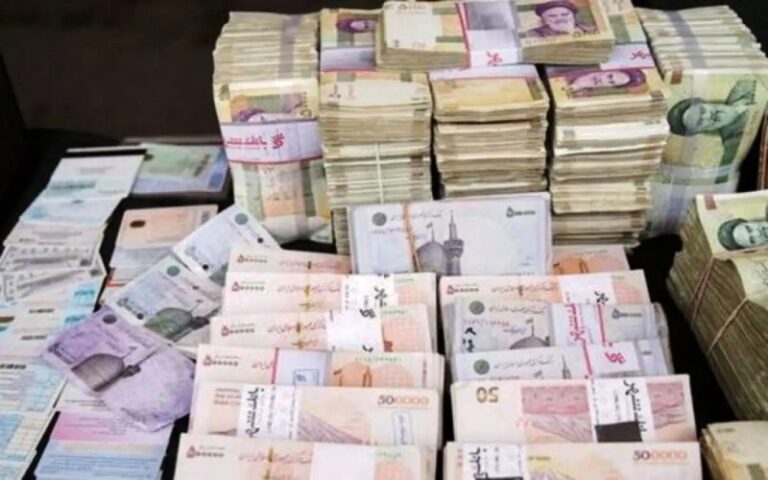
These statistics were announced at a time when the minimum monthly wage for covered workers under the labor law, with a spouse and child, is about 80 million rials per month (approximately $160 while the poverty line in Iran is more than $600). However, some reports in the regime’s media indicate that workers who are not covered by labor laws receive much lower wages.

In another part of his interview with ILNA, the Head of the regime’s Social Affairs Organization, also mentioned the “intensification of social damages” in 2015 and 2016 and said that at that time, Ali Khamenei, the regime’s Supreme Leader, had a meeting with the “then President and officials” in this regard; a meeting whose details were not announced, but after that, the trend of publishing some public information in this field decreased significantly.

According to the Jamaran website, Hossein Raghefar, an economist, said on August 2, “The class gap that has emerged in Iran is the most dangerous capacity for psychological, mental, and social damages, and there is no necessary political determination to overcome it.”

Fereydoun Abbasi, a member of the Iranian regime’s parliament, supported the non-disclosure of statistics and economic indicators, stating that the publication “any data” including wheat, essential commodities, river water levels, and dams, can pose “security threats.”

Abbasi, the former head of the Atomic Energy Organization and a member of the regime’s parliament’s Energy Commission, stated on August 21, “Security and commercial data should not be transparent because the enemy can use them and harm the country.”

Abbasi further stated that during times of economic warfare, it is crucial not to disclose the country’s economic information. He emphasized that certain economic data can be even more significant than security data, and if such data were to be revealed, it could pose a threat to food security.

Abbasi emphasized that even statistics related to “wheat as a strategic commodity” should not be published, stating that “if enemies find information, they can hinder wheat imports,” and presenting statistics and “transparency” in the discussion of oil sales is also a mistake.

Fereydoun Abbasi further emphasized that the publication of any statistics and data, including “geographical issues of the country, river water levels, dams, and electricity consumption,” is “detrimental to the country.”

In recent days, Peyman Qorbani, the economic deputy of the Central Bank, accused Abdolnaser Hemmati, the former governor of the Central Bank, of providing “confidential information of the country, including the exchange rate and inflation rate,” to the International Monetary Fund in order to receive a $5 billion loan during the coronavirus period.

At least two indicators, “inflation rate” and “foreign exchange reserves,” are not considered “confidential statistics and data” in many countries around the world. However, the Iranian regime, by not disclosing economic and social statistics, is attempting to prevent public protests similar to those that occurred last year.

The statistics announced by various officials of the regime and media outlets linked to the government do not reflect the reality and can only provide a general indicator of the severe social and economic situation in Iran.

Iran’s Labor Ministry Wrongly Claims Eradicating a Large Part of Absolute Poverty

Sowlat Mortazavi, the Minister of Minister of Cooperatives, Labour and Social Welfare of the Iranian regime, stated on August 20, “A significant portion of absolute poverty has been eradicated.” This claim is made while in June, the Majlis (Parliamentary) Research Center reported that approximately 11 million more people have been added to the country’s poverty-stricken population between 2011 and 2021.

According to the Majlis Research Center’s report, the poverty rate in Iran has been on an increasing trend since 2006, and since 2018, more than 30 percent of the Iranian population has become poorer.

Shortly after the release of the Majlis Research Center’s report, Mohsen Pirhadi, a member of the Majlis, also warned about the increase in the population below the poverty line, stating that this population is 28 million people, a statistic that occurred following the rapid growth of inflation, followed by a significant number of people in the country falling below the poverty line. The population of Iran is currently 88 million.

Although the announced statistics are general and not distinguishable in terms of how many Iranians have fallen into poverty and absolute poverty simultaneously with the increase in the inflation rate, some critical economists, including Hossein Raghfar, believe that the number of poor people in Iran is higher than the reported figures.

Raghfar has stated, “It does not seem that the number of people who have fallen into absolute poverty today is less than 50 percent of the country’s population.” According to him, these individuals do not even have the minimum necessities of human life.

Extreme poverty, as defined by the World Bank, refers to conditions in which individuals are unable to meet basic needs such as food, clothing, and shelter.

The World Bank has recognized a daily income of less than $1.90 as the global poverty line.

Based on this definition, the continued growth of inflation and the significant gap between wages and inflation have made living conditions more difficult for the people of Iran. Incomes have not experienced significant growth, while the inflation rate continues to rise. As a result, individuals who may have been above the poverty line at the beginning of the year have fallen below the poverty line due to monthly inflation in the final months of that year.

Free fall below the poverty line

Livelihood and shelter are among the most fundamental factors that determine the poverty line. In a report titled “Poverty Monitoring” published in January, the Social Welfare Studies Office of the Iranian regime’s Ministry of Labor announced that by considering a food basket providing 2,100 calories as the threshold of the poverty line, more than half of Iran’s population received less than the minimum specified calories between the years 2017 and 2021.

According to the same report, the average poverty rate in Iran has increased by 10 percent over four years, reaching 30 percent from 20 percent. The poverty monitoring report estimates the poverty rate in rural areas to be over 35 percent. This means that living conditions in rural areas are significantly more challenging than in cities.

If the Majlis Research Center’s report is added as another official document to the data on the increasing poverty of the Iranian people, 30 percent of the population, approximately 28 million people in Iran, have not had access to minimum facilities such as food and shelter since the beginning of 2021. These statistics indicate the worsening poverty of Iranians over the past decade.

Since 2021, the Iranian economy has experienced two more waves of inflation. As a result of these conditions, life for individuals below the poverty line has become even more difficult, and more people have fallen below the poverty line.

The first wave of inflation occurred simultaneously with the removal of preferential currency and was followed by an increase in the exchange rate, which raised the inflation rate to over 40 percent by the end of 2021. The second wave of inflation in 2022 pushed the inflation rate to around 70 percent by the end of the year.

The effects of these two waves of inflation have led to a 2.5-fold increase in rental prices in just one year.

According to statistics from the regime’s Central Bank, over 37 percent of urban households in the country are renters, and rental costs constitute the largest share of their expenses. This means that alongside the increasing inflation rate, this segment of the population has faced additional pressure, and their descent into extreme poverty has accelerated.

The Majlis Research Center has confirmed that tenants are forced to reduce other expenses, particularly their food consumption, in order to afford rental costs.

The future is uncertain for 28 million people.

It is not only “absolute poverty” that is concerning; the poverty line has moved at an accelerating pace over the past five years.

The extent of the expansion of the population at risk of poverty and absolute poverty in Iran is so significant that Ali Aghamohammadi, the head of the economic group in the office of regime’s Supreme Leader, Ali Khamenei and a member of the Expediency Discernment Council, stated on May 18, “At least 19.7 million people in Iran are deprived of basic amenities such as housing, employment, education up to 12 years, health, food, and clothing.”

In the past two years, along with the increasing inflation rate, there have been numerous reports highlighting the poverty line. Some unofficial reports state that the poverty line in Iran reached 200 million rials (approximately $400) at the end of last year and has increased to 300 million rials (approximately $600) this year.

It is worth noting that the minimum monthly salary of wage earners in Iran is approximately 80 million rials, meaning a mere $155.

Furthermore, inflation reached 68.6 percent this  March despite a minimum 27 percent increase in wages. This gap between wages and the inflation rate has resulted in more people falling into absolute poverty.

Given these official statistics and figures, it is unclear on what basis the Minister of Labor of the Iranian regime has made such a claim.

Iranian Officials Reveal The Regime’s Vulnerability Ahead of the Anniversary of Nationwide Protests

0

On August 1, 2023, the statements of Hossein Salami, the head of Iran regime’s Islamic Revolutionary Guard Corps (IRGC), on Khabar TV revealed a new dimension of confusion, fear, desperation, and ignorance within the regime. These statements underscored, more than ever before, that the rhetoric of the regime’s leaders and stalwarts serves as a smokescreen to conceal the dire state of the regime.

Let’s revisit the significant points made by Hossein Salami:

1. He referred to the series of uprisings, particularly the 2022 uprising, as “the most potent, perilous, grave, unequal, and far-reaching global challenge” against the regime.

2. In an attempt to counteract the inclination towards regime overthrow on the anniversary of the nationwide uprising, he urged the regime’s supporters and disheartened operatives to “broaden their understanding, identify leaders, and constrain them.” He issued a warning, “lest we regret our inaction.”

3. He advised them to oversee universities and schools, emphasizing that vulnerabilities can arise through small openings. He likened societal damage to a dam rupture caused by a minor crack, highlighting the importance of sealing these vulnerabilities.

Salami’s statements undeniably underscore that the Velayat al-Faqih system is now more fragile than ever in the aftermath of substantial setbacks.

Continuing with these declarations, it’s worthwhile to examine Salami’s discourse during the so-called “Conference on the Implementation of the Basij Mobilization Order.” This speech, aside from revealing heightened anxiety over the anniversary of the nationwide uprising, exposes additional facets of the regime’s fragility.

In one segment of his speech, he asserted, “Basij bases must devise a strategic plan!”

A strategic plan to counter what type of threat?

Following the proliferation of slogans like “our enemy is right here/they are lying, it is America,” there are few who remain unaware that demonizing America or other illusory adversaries serves to mask the four-decade-long conflict between the Iranian people and resistance on one side and the regime on the other. This conflict has reached a pivotal juncture. Salami’s call for a “strategic plan!” implies the array of measures the regime needs to forestall the potential overthrow. However, there are implications beyond mere words. Presently, the regime grapples with diminished motivation, demoralization, and erosion within its repressive apparatus. The nationwide uprising showcased the populace’s uncontrollable fury, creating deep-seated apprehension about facing it anew.

In a separate portion of his speech, the outspoken leader of the IRGC mentioned “mistakes” and “regrets” in the aftermath of adversity:

“If a nation and society stumble at a historical juncture, it’s plausible for this failure and Islam’s weakness to be exposed perpetually. The divine light may remain obscured for a protracted period, mosques could fall silent, and only the collective efforts of believers can extricate Islam from these predicaments and emancipate Muslims from tyranny’s yoke.”

Salami referred to crises, any one of which could potentially topple the regime. The use of terms like “psychological warfare” and “spiritual depletion and humiliation!” underscore his critical evaluation of the repressive apparatus. Moreover, his reassurance to Khamenei about the Basij’s stance signifies a precarious state within the government’s repressive forces. The deployment of these forces to the streets and rebellion-prone zones exposes the regime’s limited reserves amid the uprising’s outbreak and the looming specter of overthrow. This year presents a higher probability of confrontation compared to the previous one, and Salami provides a preemptive alert:

“Last year, the enemy aimed to alienate youth from the revolution, transforming universities, factories, markets, media, and every domain into battlefields. Basij brothers and sisters, you hold an extraordinary position in history, and the future shall judge you accordingly. As you castigate those who squandered past opportunities, empower the youth.”

These declarations from the highest echelons of repression and terrorism within the Revolutionary Guards and other anti-populist elements of the regime underscore the government’s fragility against the rage of rebellious youth and the uprising population of Iran. Instead of projecting strength, these mournful outcries radiate vulnerability, fatigue, and impending collapse. Their message is the uncompromising overthrow of religious fascism, an indomitable prospect on the horizon.

Continuing the theme of revealing the fragility and failures of the religious regime, another significant insight emerges from the recent speech of regime president Ebrahim Raisi. Raisi, who was a member of the death commission of the 1988 massacre of political prisoners, spoke during a ceremony commemorating the regime’s ‘martyrs of the shrine,’ shedding light on the depths of the regime’s depravity and desperation.

In his speech, Raisi emphasized the imperative of preserving the ‘sacred system,’ drawing parallels to the words of the slain former head of the regime’s Quds force Qassem Soleimani, thereby underscoring the regime’s desperate struggle to maintain its grasp on power. His use of the term ‘sanctuary’ to describe the regime’s existence echoes its past manipulation of religious terminology to justify its actions, both at home and abroad.

Raisi’s speech serves as a poignant reminder of the regime’s singular focus on self-preservation, underscoring the fact that all of its actions and rhetoric are geared towards avoiding its downfall. This obsession with survival has led to a cascade of disgraceful measures, from interfering in the affairs of other nations to investing exorbitant resources in military pursuits and weaponry.

However, behind these desperate actions lies a growing uncertainty within the regime’s leadership. Raisi’s conditional use of the word ‘if’ – ‘If this sanctuary remains, other sanctuary places will also remain’ – reveals the deep-seated doubt that now permeates the highest echelons of power. This doubt is rooted in the realization that the regime’s survival is hanging by a thread, and this last chance to maintain control could very well slip through their fingers.

The regime’s rhetoric, once filled with claims of ‘strategic depth,’ ‘global reshaping,’ and ‘endogenous capabilities,’ now rings hollow in the face of its impending collapse. The once-touted ‘strategic depth’ has crumbled as the regime’s ambitions have been curtailed, with Raisi referencing the ‘defenders of the shrine’ – a plain contrast to the regime’s past efforts to establish a ‘Shia crescent.’ Now, their battle for survival is not fought in foreign lands, but within the heart of Iran itself.

As the regime’s highest leaders voice their concerns about preservation and survival, their words reveal a deeply fractured and vulnerable entity. Together with the observations from Hossein Salami’s statements, these declarations highlight the regime’s rapidly diminishing strength, its internal demoralization, and its impending collapse in the face of the Iranian people’s determination for change.

Iran: Water transfer projects excluded from “environmental assessment”

Iranian regime media have reported that according to the decisions of the water sector in the “Seventh Development Plan” in the Agriculture Commission of the regime’s Majlis (parliament), “water transfer projects” have been excluded from “environmental assessment.”

According to the Didbaniran website, water transfer projects no longer require approval from relevant authorities such as the Environmental Protection Organization or the Organization of Cultural Heritage. As a result, these projects only need to obtain “technical approvals” and approval from the Supreme Water Council.

Therefore, according to this report, most of the current “water transfer” projects, which are labeled as “drinking water supply,” have been met with objections from the public and environmental activists, who believe that these projects are actually intended for “industrial and agricultural water supply.”

Meanwhile, Ahmad Vazifeh, the head of the National Center for Climate and Drought Management of the Meteorological Organization of the regime, announced on July 26 that there is a “drinking water supply crisis” in all regions of the country and told the “Ecoiran” website that the water situation is “very critical” in the eastern half and some parts of the northern regions.

He emphasized that the drinking water supply situation in most areas of the country, especially in metropolises, has become a “problematic issue,” and in the case of continued low precipitation in some cities, including Mashhad, “supplying drinking water will not be possible.”

On the other hand, Tajarat News website also reported on July 28 that based on “official statistics,” “16 large dams” in Iran have “less than 50 percent” of their water capacity, the reservoirs of dams in Golestan province have been declared “zero,” and the Roodbal Dam in Fars province has only “two million cubic meters” of water.

The crisis of “water scarcity” has intensified in recent months, to the extent that repeated power and water outages in various urban, industrial, and agricultural areas have posed problems for the lives of citizens and disrupted some services.

Despite these serious and vital challenges for Iranian citizens, improper water management, clandestine dam construction, and unauthorized extraction from underground resources continue. Currently, the environmental assessment and obtaining the required permits have been excluded from the necessary measures for carrying out water transfer projects.

On August 10, Emtedad News wrote in an article referring to the drying of wetlands, lakes, and plains in Iran: “Currently, the annual extraction of groundwater resources through wells has increased from 9 billion cubic meters to 47 billion cubic meters, and the number of wells has increased 16 times, while the extraction volume has increased 5 times.”

Iran is facing one of the most critical challenges in its modern history – a looming water crisis that threatens the very existence of its land. Over the past four decades, the clerical regime has implemented policies that have led to severe mismanagement of water resources, resulting in a significant depletion of surface and underground water reservoirs. As the world experiences the hottest summer on record in 2023, scientists’ warnings about the escalating global warming have become even more pressing. The question remains: Is contemporary humanity ready to face this unforeseen and daunting guest? For the people under the oppressive rule of the religious fascism in Iran, the answer is bitter and tragic.

The devastating consequences of the regime’s mismanagement and negligence have led to a catastrophic depletion of water resources.

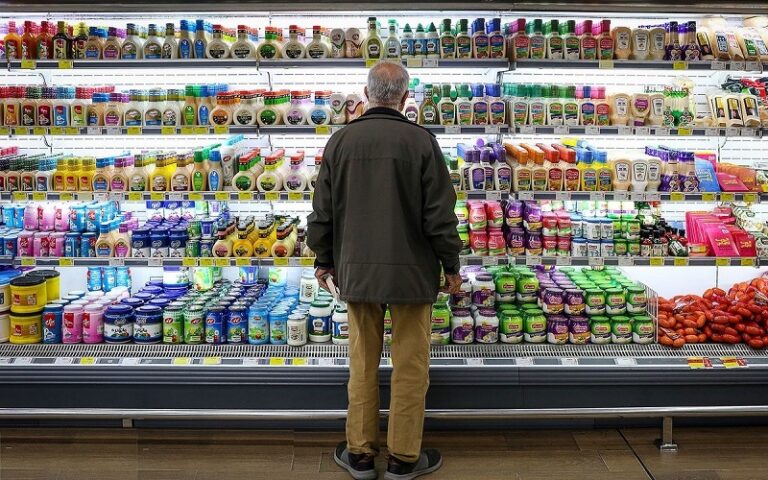
Meat Prices Have Spiked And Chicken Is Scarce In Iran

0

According to a report by the regime’s Etemad newspaper, per capita consumption of red meat has decreased from 13 kilograms in 1390 (2011) to 3 kilograms in 1401 (2022).

Similarly, the price of chicken per kilogram has increased from 250,000 rials (approximately $0.5) in 2011 to 1,200,000 rials (approximately $2.4) in 2023.

Etemad newspaper attributed this phenomenon to the substitution of low-quality goods and stated that with the increase in prices, the resources available to poor families are diminishing.

According to the latest reports, the inflation of red meat has reached 86 percent and the inflation rate for chicken has reached 82 percent, resulting in smaller portions on people’s tables.

Seyed-Morteza Afghah, an economist linked to the regime, told Etemad newspaper that we are currently witnessing an increase in inflation and a decrease in investment. All of these factors contribute to a decrease in food availability and a lower consumption rate.

“With the continuation of these policies, along with a decline in production, an increase in unemployment, and growing inflation, the number of impoverished individuals in the country will increase, and the middle class will gradually fall below the poverty line. If they remain in this category, their consumption levels will be lower than before,” Afghah added.

On May 3, Etemad newspaper reported that “many” people have resorted to bartering goods for meat and chicken, either for their present or future needs or for hosting guests, and they have replaced them with local yogurt, cheese, pickles, or homemade jams.

The reports indicate that the price situation is also chaotic for other consumer goods. Accordingly, the price of rice, which was around 260,000 rials (approximately $0.52) in 2020, is now priced between 1.3 and 1.8 million rials (approximately $2.6 to 3.6) at best.

The price of one liter of milk, which was announced by the government as 60,000 rials (approximately $0.12) in 2020, is now being sold for 300,000 rials (approximately $0.6) in dairy stores.

Iran needs billions of dollars in foreign investment, including in the oil and gas industries. However, in the Iranian economy, all the human, natural, and financial resources of the country are controlled by a limited group dependent on the regime supreme leader, Ali Khamenei.

During the 2021 presidential election, Ebrahim Raisi promised in his programs to “eliminate dependence on essential goods and exchange rates, bridge the class gap and injustice by changing incorrect economic policies, adjust people’s wages according to inflation, support families and marginalized groups, and provide minimum livelihood by issuing a purchase card for the lower three deciles.”

In March 4, 2021, Raisi even gave the order to “eradicate absolute poverty” by the end of the Persian year (March 20), which means within just two weeks.

Raisi had promised to resolve the country’s economic issues, emphasizing during his election campaign that the main problem is in management. “I will be able to use many economy experts to resolve the country’s economic problems, and I will do so” he claimed before assuming office.

During his tenure, however, Raisi has failed to resolve any of the surmounting economic crises plaguing Iran. All the while, various prices of different daily necessities are increasing, resulting in more and more protesters venting their anger and frustration in the streets by holding anti-regime demonstrations.

The multitude of economic challenges, especially the rising inflation rate is eroding the middle and lower classes’ purchasing power. Addressing these problems will require a comprehensive and strategic approach that prioritizes economic stability and growth, investment, and the creation of a favorable business environment. Unfortunately, such matters happen to be at the bottom of the list of the regime’s priorities.

Iran: Medical Shortages Have Killed At Least 170 Spinal Cord Patients

According to a report by the Iranian regime’s Etemad newspaper, citing officials from the Iran Spinal Cord Injury Support Center, “Over the past two years, amid rising prices, at least 170 individuals with spinal cord injuries have lost their lives due to pressure ulcers and infections resulting from the lack of hygiene supplies.”

On August 15 the newspaper quoted Mahnaz Kazemi, one of the directors of the Iran Spinal Cord Injury Support Center, as saying, “The situation of individuals with spinal cord injuries, especially after multiple price hikes in the country, is dire.”

Kazemi referred to the statistics of the database of the Iran Spinal Cord Injury Support Center and stated that the center has learned about the deaths of these individuals from the families of those with spinal cord injuries.

Having suffered a spinal cord injury herself four decades ago, Kazemi told Etemad that “the cost of hygiene and medical supplies is skyrocketing, and even a sterile gauze costs 20,000 to 30,000 rials (approximately $0.4 to 0.6),” while these items are even more vital for individuals with spinal cord injuries than food.

“According to our database, between 170 to 200 beneficiaries with spinal cord injuries, most of whom were young and aged 22 to 35, have died in these two years, and the main cause of their deaths has been pressure ulcers and infections resulting from the lack of hygiene supplies,” Kazemi added.

According to Kazemi, during the COVID-19 pandemic, the deaths of some individuals with spinal cord injuries were attributed to COVID-19, but “most of these deaths were not due to COVID-19, and the cause was pressure ulcers and infections that affected the entire bodies of these people.”

She added, “In these two years, we have lost clients who we never thought we would, as they were like our friends. Suddenly, a family calls us in tears and says that these pressure ulcers have finally defeated our daughter or son. It is a shock to both us and other clients, and they become hopeless due to the conditions they are facing.”

The Iran Spinal Cord Injury Support Center is a non-governmental organization established in 2006 and operates under the supervision of State Welfare Organization of Iran. The center, whose directors are often individuals with spinal cord injuries themselves, currently has 2,100 disabled individuals in Tehran province and 700 beneficiaries from other provinces as its members.

In her interview with Etemad, Mahnaz Kazemi also mentioned numerous cases of suicide among individuals with spinal cord injuries due to the lack of appropriate counseling services provided to them.

However, she stated that the center “does not have statistical data on suicide because they are often not reported to us,” and even the deaths of some beneficiaries are only reported to them by families after one year.

Low Wages and Inflation Have Made Fake Jobs and Migration Attractive

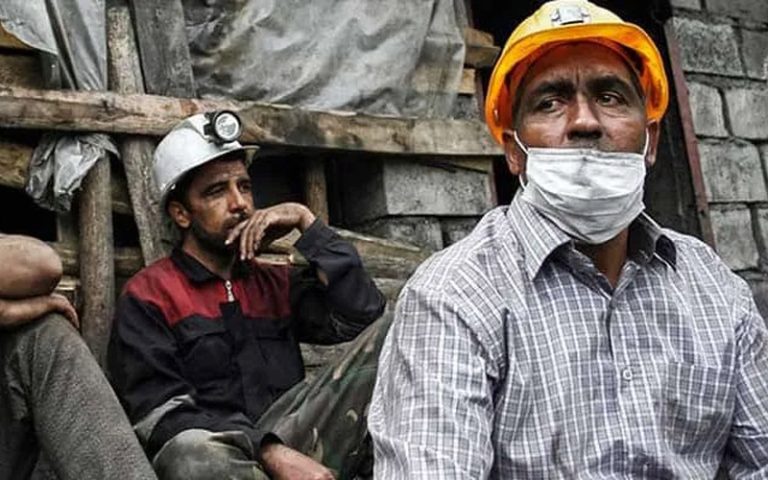
Mahmoud Karimi Beyranvand, the acting deputy of employment and entrepreneurship of Iran’s Ministry of Labor and Social Welfare, has reported a new problem for employers, stating that employers’ concerns about the shortage of resources and capital in circulation have reached the point of securing labor force, and in some provinces of the country, “workers cannot be found.”

These statements by Beyranvand come at a time when there has been no particular development in job creation, and experts attribute the reason for this to the lack of attractiveness of official wages for workers.

On July 23, Hadi Abouyee, the Secretary-General of the Trade Union Associations of Workers stated that nowadays workers are looking for ideal jobs in terms of income and “are not willing to engage in activities under specific regulations.”

Abouyee emphasized that factory production lines need workers, but they cannot be found. Abouyee stated that the reality of society is that the cost of a worker’s livelihood basket is approximately 150 to 160 million rials (equivalent to $320). Since workers can’t earn this amount from their normal jobs, they are forced to constantly look for a job with better income.

It is worth noting that the minimum monthly salary of wage earners in Iran is approximately 80 million rials, meaning a mere $155.

On April 29, Hamidreza Hajibabayi, the head of the Planning and Budget Commission of the Parliament, said, “I want to tell the people to bring your youth to the factories to work because there are job opportunities but no workers.”

The gap between wages and the cost of living has increased in recent years, leading workers to demand wage adjustments.

The lack of support from government and employers to adjust wages has caused some workers to seek fake jobs. Alongside this issue, the discussion of worker migration has also been raised in recent months, and this very issue has affected the motivation of “simple labor force” for working in Iran.

A representative of workers in the Supreme Labor Council said in this regard that “wage suppression” has caused some workers to migrate.

Ayat Asadi’s remarks indicate the widespread extent of low wages in Iran’s economy, which has resulted in the migration of workers.

Asadi emphasized that “wage suppression of workers” has caused some skilled workers to leave their jobs or engage in fake occupations, or some of them migrate to neighboring countries such as Iraq, Qatar, Oman, or even Afghanistan. Currently, employers are facing a shortage of skilled labor.

The head of Tabriz Chamber of Commerce also said that one of the causes of skilled labor migration to neighboring countries is seeking to earn wages in dollars.

Younes Zhaleh emphasized that the salary of skilled Iranian workers in neighboring countries such as Iraq and Pakistan is 1 billion rials (approximately $2,000).

According to Zhaleh, various sectors in Tabriz are in dire need of labor force, and to compensate for this shortage, they have turned to attracting women as low-wage workers.

Zhaleh announced that the main reason for the shortage of labor force and skilled labor in the province is the migration of these individuals to regional countries, including Iraq and Pakistan, to work and receive their wages in dollar.

Under the tyrannical rule of the mullahs, Iran’s workers are not only suffering from low wages, lack of job security and social and health insurance, but they’re also deprived of the most basic rights that every worker in the world should enjoy.

One of the most endemic problems of Iran’s labor force is unpaid wages. Iran’s workers are often deprived from receiving the meager salaries their employers have committed to pay them. This is a problem that has become exacerbated and Iranian workers often go months and even more than a year without receiving their salaries.

The managers of government-run companies, especially companies that have been “privatized,” which means handed over to private owners who are closely tied to Iranian regime officials, regularly refrain from paying the wages of Iranian workers under different pretexts.

The salaries of Iranian workers in government organizations and municipalities are being delayed while regime officials are receiving their stellar wages on time.

While regime officials continue to show a lack of will to respond to the demands of Iran’s labor force, Iran’s workers have proven that they have the will to continue to fight for their rights. And they’re becoming increasingly convinced that things will only change when the mullahs’ regime is overthrown and replaced with a democratic government that cares for the people of Iran.

More Than 260 Cities In Iran Are In Water Stress

The spokesperson for the Iranian regime water industry stated that currently “269 cities” in the country are facing water stress.
In a meeting on the country’s water industry held on August 14, Hashem Amini, in response to a question from the regime’s ILNA news agency regarding cities experiencing water stress, said that the Doosti Dam in Mashhad is in a critical condition and the Nahand Dam in Tabriz has also been lost.

“The groundwater in the city of Zanjan and Tabas, as well as the “Chahnimeh” wells in Sistan and Baluchestan province, are also at risk”, Amini added.
“Chahnimeh” or “half well” refers to four large natural reservoirs in Sistan and Baluchestan province, which are fed by the surplus water of the Hirmand River through a canal.
While the spokesperson for the water industry states that these water supply sources in Sistan and Baluchestan are only in “jeopardy,” Iranian media have reported their drying up in the past two years.
Despite this, the spokesperson for the water industry mentioning “new water supply projects” in various parts of the country stated, “We do not have a severe water shortage.”
In October 2021 the state-run Mehr News Agency reported that one of the Chahnimeh wells had completely dried up and the volume of water in the other three wells had drastically decreased, stating, “Due to repeated droughts and the failure to provide the water ration of Hamun Lake, the situation of these wells is critical.”
On the other hand, other regions of Iran have also faced water scarcity with the onset of the hot season.
On July 14 the regime’s Jamaran website reported that the Malashie region in western Ahvaz, with a population of 80,000, has been without piped water for over “30 days,” and some villages in the Gheyzaniyeh district, 50 kilometers away from this city, are facing water shortage.
The CEO of Qeshm Free Zone: People here have no water
Meanwhile, the CEO of Qeshm Free Zone, expressing the “tragic” water situation on this island, stated that “people here have no water.”
In a press conference on Tuesday, Adel Peyghami, emphasized that the regime’s authorities have asked him not to report a dire picture of the water situation in Qeshm, stating: “People are suffering. We are in an extremely critical situation.”
The CEO of Qeshm Free Zone pointed out that the water issue has been neglected for years, and the necessary investments have not been made, stating: “The house I live in one of the villages in Qeshm only receives water supply once every 60 days.”
Peyghami continued by saying that he has written a letter every month to the regime’s president, Ebrahim Raisi, on this matter, adding: “The Ministry of Energy must answer why they don’t allocate a budget to purchase water.”
Although drought is considered one of the factors contributing to the water stress in Iran, the share of inefficient management in this crisis is also significant.
For example, for years, the regime’s officials have been reporting a 25 percent loss of drinking water in the worn-out water grid, but no action has been taken to solve this problem.
While one-fourth of the country’s purified water is wasted, according to the assessment of the Research Center of the regime’s Majlis (parliament), more than half of Iran’s population is facing water stress.
Despite the constant criticism of the officials regarding “reckless waste” of water in the country, the consumption of drinking water by citizens, without accounting for losses in the outdated transmission and distribution network, is 6.4 billion liters per year, which is exactly equivalent to the domestic water consumption of Germany with a similar population to Iran.
The prospect of a rebellious million-strong population of the capital, suffering from water shortages, terrifies the clerical regime more than anything else. In recent months, several instances of water outage in Tehran sparked widespread anger and demonstrations, with thousands of people taking to the streets.
The devastating consequences of the regime’s mismanagement and negligence have led to a catastrophic depletion of water resources. The people of Iran, fully aware of the impending danger, are determined to resist and fight for their fundamental right to water, clean air, equality and basic human rights.

Majlis Research’s Center: 60% of Iran’s Population Has Lost Access to Housing

In its newest report, the Iranian regime’s Majlis (Parliament) Research’s Center described the increase in exit rates from the housing market and indicated that households in the first to third deciles absolutely, third to fifth deciles and even some in the sixth decile are unable to secure the necessary housing for their habitation.

In its report titled “Analysis of Housing Policies in Five-Year Development Plans,” the center emphasizes that repeated leaps in housing prices in the late 2010s have doubled the number of households that are unable to purchase a home in comparison to the beginning of the decade.

According to the Research Center, four decades of housing planning by different administrations have not been desirable for low-income groups, particularly in major cities, where the decisions have been inefficient and disadvantageous.

The conducted studies have shown that the groups benefiting from housing policies have mainly been households in the first to third income deciles. Vulnerable groups such as single-parent families and individuals with special needs have not benefited from these policies.

The report indicates that four decades of housing policy have ultimately made it more difficult for households to access housing. As a result, affordable housing production has significantly decreased, and according to the research center, the waiting time to become a homeowner has reached nearly 50 years.

On June 8, the Majlis Research Center also reported a housing crisis and a “950 percent” increase in prices in Tehran over the past five years.

During his election campaign, regime president Ebrahim Raisi promised to build one million homes per year. However, an analysis of the housing market and review of reports show that not only were no homes delivered in the past two years, but prices have also doubled. As a result, the price per square meter in Tehran has reached 700 million rials (approximately $1,400).

In July, Iran Construction Engineering Organization (IRCEO) announced that the construction cost of seven building groups in 2023 has increased by 38 to 48 percent compared to the previous year, doubling compared to 2021.

On August 7, the regime’s Tajarat News website discussed the performance of Ebrahim Raisi’s government in the housing sector, stating that housing prices have increased by 109 percent in the past two years, exceeding 650 million rials per square meter.

In May, the Donya-ye Eqtesad newspaper reported that the population affected by “housing poverty” in Iran has reached a “significant record,” with 55 percent of Iranian households deprived of “affordable and accessible” housing.

This report highlights the worsening access to housing for people despite more than four decades of policy-making in this area, where the number of constructed homes has surpassed the number of households. However, due to the lack of effective policies, a significant portion of the constructed units has become part of the inventory of vacant or second homes or has been used for speculative activities in this sector.

This government not only abolished the housing privilege of 60% of the people of Iran, but from December 2022, it has been preventing the news and statistics from being reported by official sources and authorities.

On July 31, Hammihan website wrote, “The Central Bank and Statistics Center of Iran have stopped the publication of statistics related to the housing sector since December of last year.”

Hammihan quoted an expert who confirmed that the regime builds homes in other countries, but in Iran due to the lack of housing, millions of people live in slums. The mullahs’ regime has monopolized all facilities closed the way for others to build housing. According to this expert, “The government starts construction in neighboring countries, but it cannot do this in Iran. The government should remove the obstacles from the path of builders and provide the necessary financial tools.”

Iran’s Regime Has Spent $50bn In Syria, Leaked Documents Show

A leaked “confidential” document from the Iranian regime Presidential Institution reveals that Tehran has spent an estimated $50 billion on supporting the Assad regime during the Syrian war. Only the repayment of approximately $18 billion has been determined, not in cash, but in the form of projects and plans that lack both technical and economic justification and executive guarantees.

Reports emerged on May 29 revealing that the Iranian presidency’s website and internal servers were targeted by a group of Iranian dissidents codenamed “GhyamSarnegouni” (meaning “Rise to Overthrow” in Farsi).

Confidential documents released earlier by the group indicated that the Iranian regime’s budget spent during the ten-year Syrian war goes beyond $50 billion. Now, this group has released another document indicating that the Iranian regime is having a hard time reclaiming its debts from the regime of Bashar al-Assad.

The new document is a report titled “Determining the Fate of Iran’s Investments in Syria and Repayment of Debts,” prepared by the Deputy for Economic and Infrastructure Coordination and Monitoring of the Vice President in February. Its examination shows no certainty regarding the implementation of certain defined projects.

According to this document, Tehran’s claims against Damascus are divided into two categories: military and non-military claims.

In the non-military claims section, it is stated that the Iranian regime, in addition to oil exports to Syria, has also provided cash to the government of Bashar al-Assad during the ten years of the Syrian war.

The report specifies that as a result of a document signed by the Syrian Minister of Economy and Trade and the former Iranian Minister of Roads and Urban Development (Rostam Qassemi) in October 2022, it is planned that approximately $18 billions of non-military debts of Syria to Iran will be repaid over a 50-year timeline, according to a schedule.

  • Out of the eight projects listed in this “confidential” report from the Iranian regime’s presidency, the timing of three projects is not specified, and two projects are still uncertain. For the other four projects, Iran is expected to spend $947 million to collect its dues from the Syrian government after 50 years.
  • For example, the list includes a phosphate mine with a capacity of 1.05 billion tons, which was agreed upon in 2015.
  • Iran needs 530,000 tons of phosphate rock annually in the agricultural sector, some of which is supplied through imports. According to the agreement, Iran is supposed to receive part of its dues over 50 years by investing $125 million in this mine, which will be completed over a period of three years.
  • Apparently, this contract was implemented in 2018, and by the end of February, 2.05 million tons of phosphate have been extracted from this mine.
  • Another “definite” contract is related to Block 21 oil field with a reserve of 100 million barrels of oil in the city of Homs. Iran is supposed to invest $300 million over a 30-year contract starting from 2020 to receive $3.4 billion of its debts from Syria over 30 years.
  • Another definite contract is Block 12 in Bukamal, which is a 30-year contract with the Syrian government. According to this report, no action has been taken regarding this contract yet, but it is predicted that with a $300 million investment over five years, it will bring a total income of $3 billion to Iran over 30 years.
  • The other project is the launch and operation of the third mobile operator in Syria, a project for which the execution time is not even specified. It is only announced that Iran is supposed to spend $222 million to launch the third mobile operator in Syria so that this project can be operational after three years. On paper, the duration of Iran’s operation in this project is stated as 20 years, and a projected revenue of $1.5 billion is also announced.
  • The fifth listed project is the “payment of a five-year share of Lattakia Port’s revenue.” According to this document and the agreement reached with the Syrian government, Iran’s share has been received in 2019 and 2020, and apparently, the process of these payments should continue for 20 years.
  • The sixth project is related to the port of Hamidieh, the fate of which is not specified, and it is only mentioned in this report that the project is under negotiation.
  • “Five thousand hectares of agricultural land” is the title of the seventh project agreed upon by the governments of Iran and Syria. The report states that the draft contract for this project has not yet been signed. This project apparently intends to repay $25 million of Syria’s debt to Iran over 25 years.
  • Finally, the seventh project is called “Zahed Livestock Farm.” The start date of the operation of this project is unknown; however, it is stated that through this project, $7 millions of Iran’s claims from Syria will be repaid over a period of 25 years.

The total required investment by Iran for these projects is stated as $947 million, and according to the estimates in this report, this investment is expected to eventually settle $17.932 billions of Syria’s debts to Iran.

The most noteworthy aspect of this report is the “predicted” duration of debt repayment, which is stated as ten 5-year periods. This means that it is projected that $18 billions of Syria’s debts will be paid to Iran over a period of 50 years through Iran’s investment in these projects at 3- and 5-year intervals.

To provide a general understanding of these amounts, it should be noted that $50 billion is equivalent to 15% of Iran’s total gross domestic product (GDP) and is comparable to one and a half years of the government’s general budget.

Risky and ambiguous negotiations

In the continuation of the analysis of this document, there are other interesting points. According to the report from the Deputy for Economic Coordination and Supervision of the Office of the Vice President, these projects have been selected from a list of 130 projects presented by the Syrian government, and the other projects are currently under review and site visits.

However, the report emphasizes that these “main projects” are the ones mentioned, indicating that despite Iran’s $50 billion expenditure in support of Bashar al-Assad during the 10-year war in Syria, only a few secondary projects have been allocated to Iran. Moreover, these projects require significant investment and time for their operation, and according to the same confidential report, they do not have significant capacity for the reimbursement of Iran’s claims.

The most important point in this report is the uncertainty regarding the guarantee status for these projects. The report explicitly states that the Syrian government’s guarantees are not valid and approved, and Syrian banks do not have the ability to issue guarantees.

According to this document, Iranian banks also cannot provide guarantees to private sector for their activities in Syria due to the lack of banking relations and the high risk associated with guarantees issued by the Syrian side. This means that the risk for private sector activities in Syria, to which promises of investment were made, is high, and only the government and the Khatam-al Anbiya Central Headquarters can accept such project risks.

This document also states that the “Khatam-al Anbiya central Headquarters,” the economic arm of the Islamic Revolutionary Guard Corps, is expected to pursue the receipt of economic claims from Syria.

Unquantifiable Military Claims

Part two of Iran’s demands from Syria in the “confidential” report from the Vice President’s office pertains to military claims. The report explicitly states that there is no information available regarding the specific amount of Syria’s military debts to Iran.

The report emphasizes that military claims, in addition to being subject to significant considerations on the part of the Syrian government, have not yet been finalized by domestic entities, and there is no definitive figure to rely on.

The report does not provide further explanation regarding the “considerations,” which could potentially involve disagreements between the two parties. Additionally, the responsibility for pursuing military claims has been assigned to the Quds Force of the Islamic Revolutionary Guard Corps.

An examination of Iran’s budget laws over the past ten years reveals that a portion of the resources required for the Quds Force of the Revolutionary Guards’ military section has been defined under a category called “Noor Rabi” (Light of Spring) in the annual budgets.

This budget category is only identifiable in the annual budgets of Iran between the years 2019 and 2021, while in the budgets preceding and following this period, it has been consolidated under other sections of the Revolutionary Guards’ budget.

According to reports by the United Nations, during the first ten years of the Syrian civil war, in which the Quds Force of the Revolutionary Guards also participated, over 307,000 civilians were killed. This war also resulted in 12 million displaced individuals, leading to the destruction of cities and the economic foundations of the country. According to some reports, approximately 80 percent of the population of Syria fell below the poverty line.

Nevertheless, Assad’s military performance did not yield the desired outcome for the Iranian regime. It is now evident that it will take 50 years for a portion of Iran’s $50 billion in public wealth, which could have been the foundation for Iran’s development, to be repatriated to the country. Furthermore, even this amount is not certain and is subject to the conditions and contingencies outlined in the same document.

The presence of the Quds Force of the Revolutionary Guards in the Syrian civil war and its support for Bashar al-Assad were carried out on the orders of the regime’s supreme leader Ali Khamenei, under the command of Qasem Soleimani.