Home Blog Page 215

Regime’s Negligence Amplifies Iran’s Air Pollution Crisis

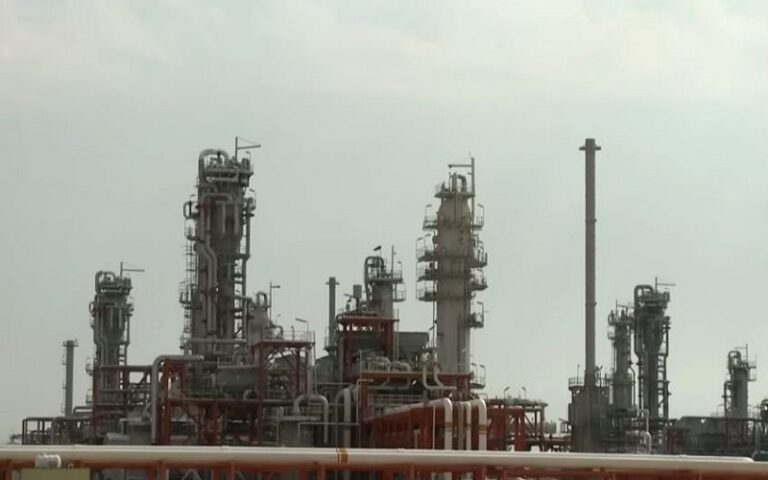
The United Nations experts have coined the term “the tragedy of air pollution” to describe the dire state of air pollution in Iran. Shockingly, the Center for Air Pollution Research at Tehran University of Medical Sciences reveals that approximately 40,000 people in Iran lose their lives each year due to respiratory infections, lung cancer, and heart attacks caused by air pollution-related issues. This alarming statistic is expected to rise as environmental experts observe a deteriorating situation. Iran’s excessive consumption of mazut, a highly polluting and low-quality fuel, to compensate for natural gas shortages exacerbates the problem.

Burning Mazut and Toxic Emissions:

The combustion of mazut results in the release of toxic gases, including sulfur dioxide, which leads to various diseases and premature deaths. David R Boyd, the UN Special Rapporteur on Human Rights and the Environment, describes Iran’s current state as an air pollution disaster with high levels of particulate matter (PM) in the atmosphere.

Inadequate Fuel Standards and Mismanagement:

The Article 90 Commission of the Iranian Parliament highlights a significant increase in mazut consumption across the country. Out of 16 power plants, 14 rely on mazut as fuel. Shockingly, the commission confirms that the delivered fuels do not adhere to the required standards. Furthermore, the report underscores the failure of government ministries and institutions, such as the Ministry of Energy, to incorporate renewable energy sources into the country’s electricity supply. The lack of implementation of government laws and regulations, particularly in major cities, further exacerbates the air pollution crisis, representing a significant challenge.

Ineffectiveness of Environmental Organizations and Ministries:

Despite the Clean Air Law’s existence, the Environmental Organization responsible for implementing 60 legal decrees has failed to enforce more than 10 percent of them. The Ministry of Industry, Mining, and Commerce, despite being aware of the major role outdated industries and transportation play in Tehran’s air pollution, has not taken appropriate actions to address the issue. Similarly, the Ministry of Oil has failed to implement necessary standards for the use of mazut fuel in power plants and has supplied various fuels, including gasoline, gas oil, kerosene, and white oil, without adhering to approved national standards.

Economic and Budgetary Considerations:

The World Bank, in 2018, declared Tehran’s air as one of the most polluted in the world and estimated the annual cost of air pollution-related diseases in Iran to be around $2.6 billion. This figure, however, does not account for the costs incurred due to reduced agricultural productivity and school closures. Unfortunately, despite a 40 percent increase in the budget for the year 2023, the allocated funds for combating air pollution have nearly halved to approximately three million dollars at the official exchange rate, raising concerns about the government’s commitment to addressing the crisis.

Root Causes and the Need for Change:

The excessive consumption of mazut and the ongoing environmental crisis in Iran stem from a combination of political and managerial failures. The regime’s neglect and disregard for scientific principles while exploiting natural resources without accountability have led to environmental degradation and public dissatisfaction. To address the deep-rooted issues, it is imperative to remove the root cause, which lies within the current regime. The people of Iran, well-aware of the regime’s culpability, demand a change that prioritizes the preservation of their environment and the well-being of all living beings.

Iran’s air pollution crisis represents a dire situation that demands urgent attention and corrective action. The excessive burning of mazut, inadequate fuel standards, mismanagement by government ministries, and the failure to enforce environmental regulations have resulted in severe health consequences and economic losses. To safeguard Iran’s environment and protect its citizens, a comprehensive national plan and a commitment to renewable energy sources are imperative. Additionally, removing the root cause, the existing regime, is necessary to establish responsible governance that prioritizes environmental preservation and the welfare of the Iranian population.

Leaked Confidential Letter Urges Iran Regime’s President to Shut Down Internet and Social Networks

In a recently leaked classified letter exchanged among the Iranian regime’s leaders and commanders during last year’s protests, Commander-in-Chief of the Revolutionary Guards, Hossein Salami, expressed concerns about the detrimental impact of the internet, social networks, and virtual space on the regime. He urgently called on the regime’s President Ebrahim Raisi to take decisive action and shut them down.

On June 27, a dissident group named “Ghiam ta Sarnegouni” (meaning “Uprising Until Regime Overthrow”) made the contents of Hossein Salami’s letter regarding the internet shutdown public. In the letter, Salami highlighted the need to permanently block access to this harmful virtual space due to prevailing security conditions.

Salami emphasized the necessity of preventing foreign social networks from operating with significant influence for several years, citing the unregulated nature of the virtual space as the rationale. Remarkably, Salami’s request to regime’s president Raisi aligns perfectly with the statements made by the regime’s Supreme Leader Ali Khamenei on the day the letter was published.

During a meeting with senior judiciary officials, Khamenei stressed the importance of planned measures to address both the virtual and non-virtual spheres. This further supports Salami’s proposition.

However, opposition has arisen concerning the shutdown of social networks. Salami, the author of the letter amidst nationwide protests and the subsequent blocking of messaging apps and foreign social networks, pointed out that most detained individuals during the protests are impressionable young people whose mental constructs differ greatly from reality due to exposure to foreign virtual networks.

Salami expressed deep concerns about potential adversaries who exploit artificial intelligence tools and data processing techniques to gather information about people’s virtual space usage. He fears that these enemies could manipulate preferences and conduct targeted operations to steer individuals towards foreign values and ideals.

Salami criticized certain regime officials who perceive blocking foreign social networks as a temporary and tactical measure and called for their release. He emphasized the need to strengthen domestic networks over the course of several years before considering “competing with foreign capabilities in a managed manner and with appropriate policies,” as stated in his letter.

Furthermore, Salami indirectly held those within the regime opposing the shutdown of virtual spaces and internet restrictions indirectly responsible for the loss of Basij forces’ lives and the heavy costs incurred in the “defense of the revolution.” The Basij is a paramilitary force affiliated with the Revolutionary Guards and plays a significant role in suppressing protests.

While Salami claims that the armed forces bear the burden of suppressing protesters without firearms and face bullets and attacks from enemies of the revolution, contradicting evidence exists as hundreds of protesters and others have been killed by bullets fired by regime forces during violent crackdowns.

The Commander of the Revolutionary Guards considers the prolonged restriction of people’s access to the internet and social networks in the coming years as a “critical measure” comparable to the downfall of the previous regime.

Under Raisi’s government, as per a decision by the Supreme National Security Council, internet access has been severely limited, and in certain provinces such as Kurdistan and Sistan and Baluchestan, internet access has even been completely cut off. Additionally, popular platforms like Instagram and the messaging app WhatsApp have been filtered.

However, it is worth noting that many regime officials, including the office of Khamenei, continue to use virtual space and foreign networks to disseminate government messages and propaganda.

During a meeting with the head of the judiciary and judicial officials, Khamenei called for judiciary action against those who manipulate public sentiment in virtual and non-virtual spaces, deeming it contrary to the preservation of public rights. Khamenei emphasized the need for planned interventions within the bounds of rules, discipline, and careful planning.

The regime has consistently failed in its attempts to restrict people’s internet access in recent years, highlighting the challenges in implementing effective measures.


Classified Letters Reveal Iranian Regime’s Secret Security Budgets

On June 26, a dissident group called “Ghiam ta Sarnegouni,” meaning “Uprising Until Regime Overthrow,” made public the contents of two classified letters related to the requested budgets of religious and security institutions within the Iranian regime. These letters urged the allocation of substantial funds from the general budget to compensate for the damages resulting from the nationwide uprising that took place last year.

In one of the letters, the Secretary of the National Security Council wrote to the former Head of the Planning and Budget Organization, requesting an allocation of $18 million to cover security expenses. The letter emphasized the need for these funds due to the widespread disturbances across various provinces, ongoing unrest, and the financial resources required to manage the aftermath of the incidents.

The highly classified letter was dated October 15, 2022, only four weeks after the start of the uprising in Iran. While the exact time frame for this requested budget remains unclear, it is likely that further funds were allocated to the Ministry of Interior and other security and military institutions of the government in light of ongoing unrest after the letter’s submission.

The second letter, signed by the Chairman of the Policy-Making Council of Friday Prayer Leaders, was addressed to the regime’s president. It requested an allocation of $600,000 to compensate for damages caused by attacks on the offices and residences of Friday Prayer leaders in 58 locations across 15 provinces on December 13, 2022. The classified letter emphasized the necessity of equipping these locations with surveillance cameras and other security measures.

It is worth noting that the regime views the extensive protests of the previous year, which began after the death of Mahsa Amini in the custody of the Tehran Morality Police, as disruptive, alongside numerous other protests against its rule. The regime continues to grapple with the consequences of these events.

Ghiam ta Sarnegouni has recently released a significant number of confidential and highly confidential documents from the security, political, and military institutions of the regime. In one such letter dated November 8, 2022, marked as top confidential, Ali Shamkhani, the former Secretary of the Supreme National Security Council, warned the regime’s Supreme Leader about the repercussions of the formation of the Committee of Truth Seekers by the United Nations Human Rights Council. This committee was established to investigate the unrest and killing of protesters, and Shamkhani urged the government to prevent its formation. However, the Human Rights Council proceeded with assembling the committee, and the Iranian regime subsequently announced its refusal to cooperate with it.

Although the recent release of documents by the Ghiam ta Sarnegouni group is not unprecedented, it highlights the underlying insecurity and flawed chain of command within Tehran, despite recent reshuffling and dismissals within the regime’s intelligence apparatuses. The regime’s power is being undermined by a discontented society, which has intensified attacks on symbols of the regime, as well as its repressive and propaganda structures.

Free Iran 2023 World Summit Calls for a Global Rally

The Free Iran World Summit 2023, held in Paris on July 1, 2023, and organized by the National Council of Resistance of Iran (NCRI), was attended by thousands of participants from different countries who came to support the Iranian people’s struggle for a democratic republic and to condemn the Iranian regime’s human rights violations and support for terrorism.

The summit aimed to unite the international community in support of the Iranian people’s fight for a democratic and secular republic. The event saw speeches from several prominent figures, including former U.S. Vice President Mike Pence, former U.S. Secretary of State Mike Pompeo, former Prime Minister of Canada Stephen Harper, former Speaker of the Federal Parliament of Germany Rita Süssmuth, former Speaker of the House of Commons in the UK John Bercow, former U.S. National Security Advisor John Bolton, and former advisor to U.S. presidents General James Jones. Also speaking at the event were Bernard Kushner and Michèlle Alliot-Marie, and Hubert Vèdrine, former foreign ministers of France; Senator Giulio Terzi, former Foreign Minister of Italy; John Baird, former Foreign Minister of Canada; Dr. Liam Fox, former Secretary of Defense of the UK; General Wesley Clark, former NATO Supreme Allied Commander, and Senator Joseph Lieberman, Lance Gooden, U.S. Congressman from Texas, and Raul Ruiz, U.S. Congressman from California. Ms. Liz Truss, former Prime Minister of the UK.

The summit was attended by over 1,000 dignitaries from around the world, including parliamentarians, lawmakers, jurists, and human rights activists, who came to show their support for the Iranian people. Maryam Rajavi, the President-elect of the NCRI, gave the keynote address at the summit, where she emphasized the need for a democratic republic in Iran and condemned the regime’s human rights violations and support for terrorism. Rajavi called on the international community to support the Iranian people’s struggle for freedom and democracy and to hold the regime accountable for its crimes against humanity.

The summit witnessed speeches and discussions by politicians and lawmakers from over 50 countries.

The event was also marked by a photo exhibition that highlighted the regime’s human rights abuses, including the 1988 massacre of political prisoners. Iranian expatriates demonstrated at the summit calling for a free Iran. The summit concluded with a statement by Maryam Rajavi, in which she once again stressed the need for regime change in Iran and the establishment of a democratic republic.

The summit was a call for the international community to unite in support of the Iranian people’s fight for a democratic republic. The event highlighted the importance of holding the regime accountable for its crimes against humanity and urged the international community to support the Iranian people’s quest for freedom and democracy. The summit emphasized the need for solidarity among the international community to achieve the goal of a democratic republic in Iran.


Classified Letters Reveal Iranian Regime’s Secret Security Budgets

On June 26, a dissident group called “Ghiam ta Sarnegouni,” meaning “Uprising Until Regime Overthrow,” made public the contents of two classified letters related to the requested budgets of religious and security institutions within the Iranian regime. These letters urged the allocation of substantial funds from the general budget to compensate for the damages resulting from the nationwide uprising that took place last year.

In one of the letters, the Secretary of the National Security Council wrote to the former Head of the Planning and Budget Organization, requesting an allocation of $18 million to cover security expenses. The letter emphasized the need for these funds due to the widespread disturbances across various provinces, ongoing unrest, and the financial resources required to manage the aftermath of the incidents.

The highly classified letter was dated October 15, 2022, only four weeks after the start of the uprising in Iran. While the exact time frame for this requested budget remains unclear, it is likely that further funds were allocated to the Ministry of Interior and other security and military institutions of the government in light of ongoing unrest after the letter’s submission.

The second letter, signed by the Chairman of the Policy-Making Council of Friday Prayer Leaders, was addressed to the regime’s president. It requested an allocation of $600,000 to compensate for damages caused by attacks on the offices and residences of Friday Prayer leaders in 58 locations across 15 provinces on December 13, 2022. The classified letter emphasized the necessity of equipping these locations with surveillance cameras and other security measures.

It is worth noting that the regime views the extensive protests of the previous year, which began after the death of Mahsa Amini in the custody of the Tehran Morality Police, as disruptive, alongside numerous other protests against its rule. The regime continues to grapple with the consequences of these events.

Ghiam ta Sarnegouni has recently released a significant number of confidential and highly confidential documents from the security, political, and military institutions of the regime. In one such letter dated November 8, 2022, marked as top confidential, Ali Shamkhani, the former Secretary of the Supreme National Security Council, warned the regime’s Supreme Leader about the repercussions of the formation of the Committee of Truth Seekers by the United Nations Human Rights Council. This committee was established to investigate the unrest and killing of protesters, and Shamkhani urged the government to prevent its formation. However, the Human Rights Council proceeded with assembling the committee, and the Iranian regime subsequently announced its refusal to cooperate with it.

Although the recent release of documents by the Ghiam ta Sarnegouni group is not unprecedented, it highlights the underlying insecurity and flawed chain of command within Tehran, despite recent reshuffling and dismissals within the regime’s intelligence apparatuses. The regime’s power is being undermined by a discontented society, which has intensified attacks on symbols of the regime, as well as its repressive and propaganda structures.

The Corruption and Power Struggles Within Iran’s Car Market

In continuation of the ongoing exploitation of the Iranian people, the regime’s parliament has finally passed a bill that gives the approval to import used cars.

These lethal vehicles, priced in the billions of tomans, claim thousands of lives each year, all serving the interests of the car mafia and the ruling elite who control this lucrative market.

The exorbitant price hikes in the car market have long posed a challenge to the regime. Under the pretense of “supporting domestic cars,” the regime has banned the import of foreign vehicles, essentially providing the car mafia with an opportunity to manipulate prices as they please for domestic cars.

Nevertheless, in order to maintain its control and dominance in the car market, the regime resumed importing new foreign cars at the beginning of 2022.

Recent months have seen a surge in protests among Iranian citizens due to the skyrocketing prices of low-quality cars produced by the regime.

To alleviate the public outcry, the regime’s parliament approved the bill on organizing the Automobile Industry on June 19, 2023.

Article 11 of this resolution allows importing used cars less than five years old to regulate the car market.

Jalal Rashidi Kochi, a member of parliament and part of the country’s internal affairs group, addressed the 171% tax increase that has contributed to the surge in car prices.

He pointed out that these high tariffs have effectively prevented cars from becoming more affordable, keeping the car market under the tight control of the regime. He further mentioned that a 4% customs duty will be imposed on imported cars, affecting their final price.

These actions to control the car market comes amidst allegations made by Reza Fatemi Amin, the former minister of the Ministry of Industry, Mine and Trade, during his impeachment, where he repeatedly referred to the existence of a “car mafia” and accused them of manipulating prices and controlling the market.

However, Rashidi Kochi’s statements reveal intense competition between the government and other influential entities linked to the regime’s Revolutionary Guards (IRGC) in the car market. This battle persists despite the approval of the used car import bill.

Rashidi Kochi mentioned that Cruise Company, a major shareholder in Iran Khodro and Saipa, the two largest automobile companies in the regime, holds significant power and plays a decisive role in the car market. The specific agency of the regime to which the Cruise Company belongs was not disclosed.

Rashidi further highlighted that a 100% car import tariff, coupled with restrictions on the dollar price and engine capacity of imported cars has led to the TIGGO 8, priced at 800 million tomans in Gulf countries, being sold in Iran for 4.5 billion tomans.

In the corridors of the parliament, numerous lobbyists representing the car market mafia endeavor to obstruct the liberalization of car imports. Their objective is to sell cars to citizens at prices significantly higher than global rates through their domestically assembled products.

Another member of the regime’s parliament, Lotfollah Siahkoli, stated that the government will oppose the parliament’s resolution to increase import tariffs and reduce the number of cars entering the country.

Essentially, while the government claims to combat the car mafia, it is, in fact, complicit within this very mafia. Their intention is to amass profits by imposing high tariffs on imports and customs duties, ultimately enriching themselves at the expense of the people.

“Khamenei’s Warning Reveals the Divide Between Iran’s Intelligence Agencies”

0

On June 22, the Fars news agency, affiliated with Iran’s regime’s Revolutionary Guard (IRGC), published a message from Iran’s supreme leader, Ali Khamenei, addressed to a joint meeting of the Ministry of Intelligence and the IRGC Intelligence Organization. This meeting reportedly took place on June 15 in Mashhad.

In his message, Khamenei acknowledged the existence of disputes between these two parallel intelligence agencies within the regime and emphasized that a lack of understanding between them is one of their weaknesses.

He stated that intelligence is a crucial national matter, and the lack of understanding among these groups hampers their effectiveness. Khamenei called for the implementation of this understanding at all levels, emphasizing that it is essential for those who fight for the cause of God. While there is a serious understanding at the leadership level of these institutions, the real challenge lies in implementing cooperation and understanding throughout their ranks.

The internal disputes between the Ministry of Intelligence and the IRGC Intelligence are rooted in differing interests. Esmaeil Khatib, the regime’s Minister of Intelligence, expressed the need for coherence between the two intelligence systems across various fields, activities, and geographical and thematic conditions.

He claimed that achieving such coherence would strengthen Iran, curb inflation, and promote production growth, while also fostering hope and dynamism in the country. Khatib emphasized that even issues such as social norms of hijab and unemployment should be approached as intelligence matters.

The disputes between the Ministry of Intelligence and IRGC Intelligence have a long history, with notable tensions becoming evident during the assassination of Mohsen Fakhrizadeh, a prominent nuclear scientist, in October 2020. Following the assassination, the Ministry of Intelligence claimed to possess information about the incident, including the timing, and had allegedly informed the relevant agencies. However, no action was taken, and it was implied that the relevant body was the IRGC, responsible for safeguarding the nuclear scientists.

This incident highlighted issues of infiltration and gaps within the regime’s intelligence agencies. In June 2022, Hossein Taeb, the long-time head of IRGC intelligence, was dismissed, shedding light on the depth of the problem.

The Ministry of Intelligence, as part of the government apparatus, is generally influenced by the political and intelligence policies of the ruling faction. On the other hand, IRGC intelligence aligns with the IRGC’s objectives, which encompass various intelligence and terrorist projects. During Rouhani’s government, the divide between these two institutions widened significantly and became publicly visible.

With the departure of Rouhani and the consolidation of the regime’s apparatuses under Khamenei’s faction, it was expected that the disputes between the IRGC and the intelligence agencies would diminish. However, Khamenei’s recent message indicates that the intensity of this ongoing dispute persists. Changing the top management of the Ministry of Intelligence and the IRGC Intelligence has not resolved the problem. These two intelligence agencies are deeply entangled in internal rivalries and conflicting interests, rendering Khamenei’s recommendations ineffective thus far.

Khamenei had previously stated that he privately warns government officials multiple times before making his concerns public when they are not heeded. The dispute between these two agencies appears to have become so intolerable for Khamenei that he was compelled to publicly address the issue.

The Truth Behind Tehran’s New Diplomatic Campaign

Beneath the façade of apparent stability, the Iranian regime grapples with profound political and internal vulnerabilities that pose a threat to its hold on power. Over time, discontent and disillusionment have been steadily growing among the population, fueled by economic mismanagement, corruption, and a lack of social and political freedoms.

The regime’s authoritarian tactics, including strict censorship, arbitrary arrests, and human rights abuses, have only deepened public resentment. Iranians now demand greater transparency, accountability, and fundamental human rights, presenting challenges that the regime struggles to address effectively.

These grievances have found expression in periodic waves of public protests, which not only challenge the regime’s authority but also expose its vulnerability.

Moreover, the regime’s foreign policy decisions and international isolation contribute significantly to its political weaknesses. Pursuing controversial nuclear ambitions, supporting militant groups, and involving itself in regional conflicts have resulted in international sanctions and strained diplomatic relations.

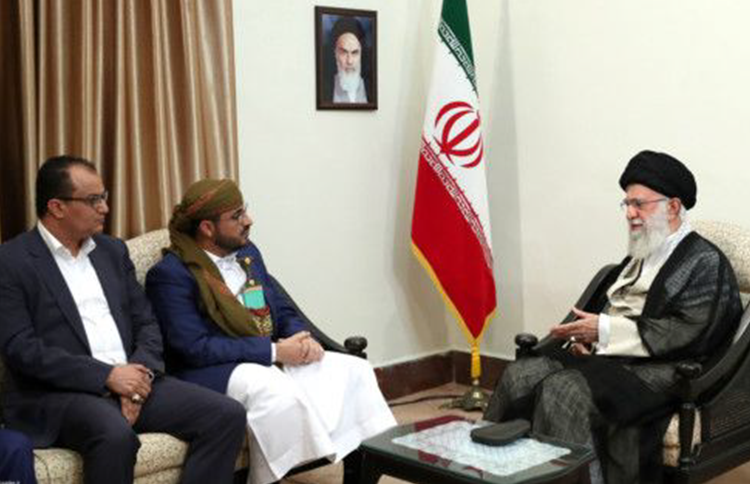
In response to the urgent need to alleviate this critical situation and avert the risk of further protests, the Iranian regime has recognized the importance of establishing new relations with Saudi Arabia, its regional rival. Notably, this decision followed extensive national protests that confronted the regime last year.

After a seven-year freeze in relations, the regime has taken steps towards normalization by welcoming Saudi Foreign Minister Faisal bin Farhan in Tehran. This development marked the conclusion of a series of meetings between Farhan and Iran’s Foreign Minister Hossein Amirabdollahian in March.

However, even the regime’s own experts caution that not all their problems can be solved by simply reviving political relations with Saudi Arabia, underscoring the depth of the regime’s critical conditions.

In an interview with the state-run daily Nameh News, Ali Bigdelli, a foreign policy analyst, emphasized that the diplomatic relationship with Saudi Arabia remains weak and unreliable.

Bigdelli also noted that promises of investment by Saudi Arabia are politically motivated bluffs, as practical implementation would hinge on the lifting of American sanctions and Iran implementing the directives of the Financial Action Task Force (FATF), an international body that oversees rules to counter money laundering and financing of terrorism.

Furthermore, he argued that the resolution of the Yemen issue is necessary and that any agreement between Iran and Saudi Arabia will not automatically lead to the United States losing its influence in the Middle East.

The regime’s urgent need for relations with Saudi Arabia considering its critical situation was highlighted in an article by the state-run daily Etemad.

The piece warned that failure to address internal and external problems promptly would result in distancing from Saudi Arabia and losing out in the global economic competition.

The article stressed the importance of recognizing the country’s limited time and the need to remove political obstacles without delay.

These challenges have been acknowledged by various regime officials and experts. Mohammad Reza Gholamreza, the head of the regime’s election headquarters, admitted that the regime and its supreme leader face sensitive and difficult conditions.

Gholamreza expressed concern about the upcoming elections and the potential for a new uprising, urging caution and likening the election process to a military operation.

He said: “This year we have elections that are sensitive. Why sensitive? Because the situation is a sensitive situation, it is a difficult situation. Khamenei, contrary to the usual practice, mentioned the issue of the elections at the beginning of the year.

“When Muharram and Safar are over, after Arbaeen, which is September 6, we have the reopening of universities and schools and the anniversary of the riots, and suddenly we enter a new battle. Therefore, we cannot make any mistakes. The election is like a military operation for us.”

Finally, he added: “I don’t want to scare you, I don’t mean to scare you at all, but the issue is important, it is important, so in the field of security, we must anticipate the most pessimistic scenarios. Because there is a possibility of bad things happening.”

Concluding that the Iranian regime’s urgent need for new relations with Saudi Arabia arises from its fear of renewed protests and its critical situation. The regime’s internal weaknesses, characterized by public discontent, political unrest, and international isolation, have necessitated a strategic shift in its approach. Reviving diplomatic ties alone will not resolve all of the regime’s deep-rooted challenges.

Aras River Pollution: A Critical Menace to Iran’s Environmental Well-being

0

Iran’s ecosystems have suffered extensively due to the absence of effective policies and lax enforcement of environmental regulations. The regime’s relentless pursuit of rapid industrialization and economic development has taken a heavy toll on the environment, resulting in widespread pollution, deforestation, habitat destruction, and water scarcity.

A report published on June 18 by the state-run Payamema Newspaper sheds light on a severe pollution crisis in the Aras River, which flows through Iran, Armenia, and Azerbaijan. The contamination is primarily caused by “radioactive materials” and “heavy metals.” Despite identifying the pollution source, the regime’s weak stance over the past 15 years has hindered any meaningful resolution.

Furthermore, Azerbaijan and Turkey have dismissed any responsibility and refused to investigate the pollution in the river. However, the presence of pollution cannot be denied, and Iran faces a greater risk than its neighbors since all incoming pollutants flow into the country through the Aras River.

The regime’s official denial of the disaster’s magnitude, coupled with the absence of pollution reports and monitoring, exacerbates the situation. The alarming increase in diseases, particularly stomach cancer, among residents living along the river’s borders underscores the severity of the crisis.

In winter 2022, the regime-affiliated Border Studies Research Institute emphasized the gravity of the situation and its dire implications for the affected population. Their research revealed a concerning rise in lung, stomach, and skin cancer cases, as well as an alarming prevalence of liver diseases among residents in border areas. These compelling findings strongly indicate the detrimental effects of water pollution in the downstream regions of the Aras River, disrupting the biological equilibrium.

Mahmoud Abbaszadeh Meshkini highlighted the remarks made by the Vice President of Health at Ardabil University of Medical Sciences, emphasizing that despite being the 22nd most populous province in Iran, Ardabil ranks first in the country in terms of gastrointestinal and stomach cancer cases. He emphasized the urgent need to identify the underlying causes behind this alarming trend.

Drawing attention to the discharge from the Metsamor Power Plant in Armenia that directly enters the Aras River, he highlighted the detrimental impact on the groundwater in provinces situated along the river, particularly Ardabil. This contamination could potentially be a contributing factor to the elevated incidence of gastrointestinal and digestive cancers in the region.

Although certain regime officials previously denied the presence of uranium in the river, reports from both the regime’s Atomic Energy Organization and the Ministry of Energy have now acknowledged the radioactive pollution in the Aras River. Former Minister of Energy Reza Ardakanian identified industrial wastewater from Armenia’s Metsamor Nuclear Power Plants as the primary source of pollution.

The Metsamor plants consume 288 tons of uranium annually, and their untreated wastewater flows into the Aras River in the southern Sardarakh region. Additionally, reports from various sources indicate that Armenia, Azerbaijan, and Turkey all contribute to the pollution, with Iran’s Sungun copper mine also adding to the contamination.

Of utmost concern is the Khoda-Afarin reservoir dam, which provides drinking water to hundreds of thousands of Iranians and supports recreational activities and aquaculture.


Tehran’s University of Art Has Become a Center Of Resistance For Students

The student movement at Tehran University of Art is garnering nationwide support in Iran as the ruling regime intensifies its efforts to suppress dissent. In a recent development, the imposed mandatory hijab on female students has sparked widespread protests and objections among the students.

On June 17, the student councils of Iranian universities released a report shedding light on the alarming levels of repression occurring at the University of Art, including the unjust detention of numerous students. According to the report, security forces have been enforcing strict regulations that mandate female students to wear the hijab at all times, even within the confines of their own dormitories. Shockingly, these forces have gone to the extent of preventing students from leaving their residences, irrespective of whether they had any intention of attending the university or not.

In another concerning incident, security forces stationed at the Music College in the city of Karaj, located in western Tehran, obstructed the entrance of approximately 20 students. However, thanks to the support and collective resistance of fellow students, the affected individuals were eventually able to gain access to the university premises.

The repressive regime’s security apparatus has escalated its threats against the students, indicating a forthcoming intensification of pressure. Disturbingly, at the Cinema and Theater College, female officers were stationed at the entrance with the specific task of distributing veils to unveiled female students. In a blatant act of coercion, these officers are warning the students that failure to comply by wearing the veil would result in their deprivation from taking exams.

Disturbing reports have emerged of the regime’s plainclothes officers detaining several students at the entrances of various universities. Witnesses have noted the presence of special forces and state security police who closely monitored the situation. This heavy security presence further emphasizes the repressive atmosphere that students are subjected to. Similar incidents have also been reported at the National Garden Campus (Bagh-e Melli) of the University of Art.

Madani University, located in East Azerbaijan province, has become a site where the regime is resorting to framing cases against students as a means of suppression. Shockingly, reports indicate that approximately 80 students have been targeted in these fabricated cases. The university administration has been implementing extensive disciplinary measures against the students, particularly in the final weeks of the current semester. This surge in case filings clearly illustrates the regime’s relentless efforts to quell student activism and dissent.

As of now, 20 students have already received final judgments, while another 25 students anxiously await their verdicts and disciplinary hearings. Moreover, an additional 35 individuals have been summoned to attend hearings in order to provide explanations for the charges brought against them.

In response to the escalating pressure faced by the students at the University of Art, students from numerous universities throughout the country have come forward to express their support and solidarity.

A notable statement has been issued by the students of Tehran University, affirming their support for their counterparts at University of Art. In the statement, they condemn the suppressive measures imposed by the regime, recognizing them as a blatant attempt to intimidate and silence the student community. However, the students of Tehran University firmly believe that such oppressive tactics will ultimately prove unsuccessful in extinguishing the spirit of resilience and determination that resides within the students.

In a similar move, the students of Soore University declared their support for their fellow students at the University of Art. They made it clear that they refuse to remain silent in the face of such aggressive measures, recognizing that this repressive approach poses a threat not only to the students at the University of Art but to the entire student community as a whole.

Acknowledging the severity of the situation, the students at Tarbiat Modares University also refused to stay silent. They are determined to keep the flames of the struggle for freedom burning bright and resolute. They emphasized that they will not allow the regime to persist in its relentless pressure and infringement upon their rights.

It is evident that the regime is using the imposition of the hijab as a pretext for its repressive actions. These measures are primarily driven by the regime’s fear of upcoming protests, where students, young people, and particularly women have been at the forefront of challenging its authority.