Home Blog Page 23

Iran’s Regime Used Foreign Mercenaries to Suppress 2026 Protests

The nationwide uprising of January 2026, with its unprecedented geographic spread and structure-breaking slogans, placed the entire Iranian regime in the face of an existential challenge and a “survival situation.” The intensity of this popular uprising was such that it eroded and weakened the regime’s traditional apparatus of repression. Credible field reports and strategic analyses show that the authorities, fearing noncompliance by domestic forces and defections within the repressive ranks, resorted to an unprecedented and dangerous measure: summoning extraterritorial arms and proxy militias to confront the Iranian people directly.

Field evidence; traces of foreigners on Iran’s streets

An examination of data from credible news sources and eyewitness reports reveals a grim reality. Irrefutable evidence indicates that by early January 2026, at least 800 militia forces affiliated with groups such as “Kataib Hezbollah,” “Harakat al-Nujaba,” “Sayyid al-Shuhada Brigades,” and the “Badr Organization”—all Iraqi Iran-aligned armed groups—were deployed from Iraq into Iranian territory.

The deployment geography of these forces targeted the most volatile centers of the uprising: the provinces of Chaharmahal and Bakhtiari, Khuzestan (especially Abadan), Isfahan, Lorestan, and the city of Mashhad.

Eyewitness reports from Zand Boulevard in Shiraz and the streets of Abadan describe the presence of agents speaking with a strong Arabic accent—distinct from the dialect of Iranian Arabs in Khuzestan—who suppressed protesters with a level of brutality markedly different from that of local forces. In Mashhad, the presence of a 150-member unit wearing specialized combat gear has also been reported, indicating an organized plan to contain the uprising.

Strategic logic; why did the regime resort to “imported mercenaries”?

The use of proxy forces within national borders represents a fundamental shift in the regime’s repression model, based on three main pillars:

Emotional and national disconnect: The imported forces—whether Iraqi militias or units such as the Fatemiyoun Division—lack any national, historical, or emotional ties to the Iranian people. While the people of Iran and the region have long-standing fraternal bonds, the regime has deployed these elements, who have been indoctrinated with sectarian ideology for years, to ensure its survival. For these mercenaries, firing on rebellious Iranian youth is not the killing of compatriots but the elimination of a presumed enemy, pushing the brutality of repression to its peak.

Fear of internal defiance: By importing foreign forces, the regime sends a threatening message to its domestic security apparatus. This move serves as leverage to prevent any potential sympathy between local forces and the people and to block avenues for defection or disobedience within the repressive structure.

Expertise in urban warfare: These militias have spent years in the ruins of Syria and Iraq, learning guerrilla warfare tactics and neighborhood-clearing operations. The regime is now employing these grim experiences to confront uprising centers in Iranian cities.

Diplomacy in the service of crime

Investigations show that the infrastructure enabling the rapid transfer of these forces was not accidental but the result of years of planning. Handing over the regime’s embassies in the region to commanders of the Islamic Revolutionary Guard Corps (IRGC), such as Iraj Masjedi in Iraq, effectively turned these diplomatic missions into logistical and support hubs for organizing and deploying militias. This process proves that the regime’s foreign policy apparatus is an inseparable part of its military repression machine.

International reactions and the stance of the Resistance

In numerous statements, the National Council of Resistance of Iran, while exposing this sinister plan, has emphasized that the regime is now using forces it previously organized under the deceptive label of “defenders of the shrine” to defend the regime against the Iranian people.

On the international stage, recent statements by the European Parliament and positions taken by Kaja Kallas, stressing that repression cannot go unanswered, are reactions to this very genocide in digital darkness. The involvement of extraterritorial terrorist forces in suppressing the Iranian people is now being cited as a powerful legal document in the case for designating the IRGC as a terrorist organization in Europe.

Iran as an occupied land

The use of proxy forces in the January 2026 uprising delivered the final blow to the false claims of the regime’s armed forces being “popular” and “powerful.” This action proved that the clerical regime, to preserve its power, views Iran not as a homeland but as an “occupied land,” over which it will commit any crime— even seeking the help of foreigners to massacre the rightful owners of this country— to maintain its domination.

Alarming Spike in Death Sentences and the Extrajudicial Killing of Protesters in Iran

Following the bloody suppression of nationwide protests, thousands of people have been arrested in connection with the demonstrations.

Most detainees are currently being held in detention centers, prisons, and unofficial or secret facilities under the control of the Islamic Revolutionary Guard Corps (IRGC) and the Ministry of Intelligence. Many detainees are being kept in a state of complete isolation from the outside world, with no information about their condition, without access to their families or lawyers, and entirely outside any effective judicial oversight.

Iran Loses 1.56 million Dollars Every Hour Due To Internet Shutdowns

Senior officials of the Iranian regime, including the head of the judiciary, have publicly ordered the holding of expedited trials and the imposition of severe punishments, and are systematically labeling protesters as “terrorists,” “foreign agents,” and “mohareb” (those accused of waging war against God), charges that under the laws of the Iranian regime can lead to death sentences. Since the first week of the protests, state-run media have broadcast hundreds of forced confessions extracted under pressure, torture, and threats against detainees and their families.

Numerous reports also indicate that some injured protesters in detention have been killed with a final execution-style shot or deliberately denied medical care, leading to their deaths. It is said that a number of protesters have been secretly executed after arrest without any judicial proceedings.

Given the horrific conditions of detainees connected to the protests, an emergency situation has emerged in Iran that requires the immediate attention and action of the international community.

The IRGC on the European Union’s Terrorism List; Symbolic or a Real Threat?

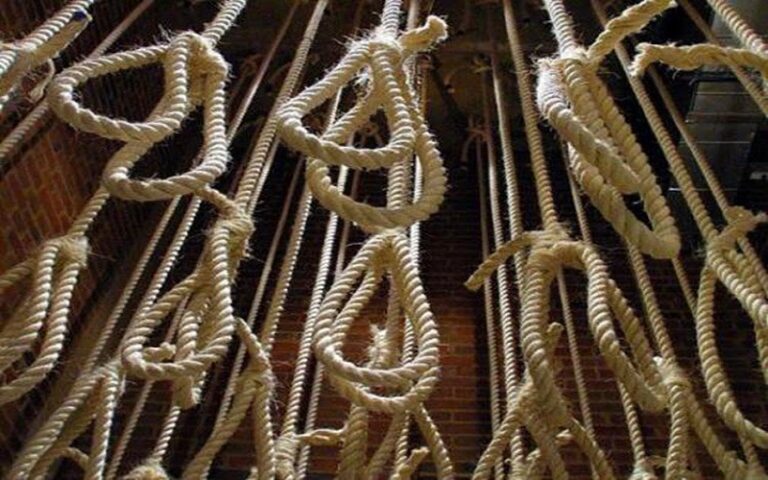
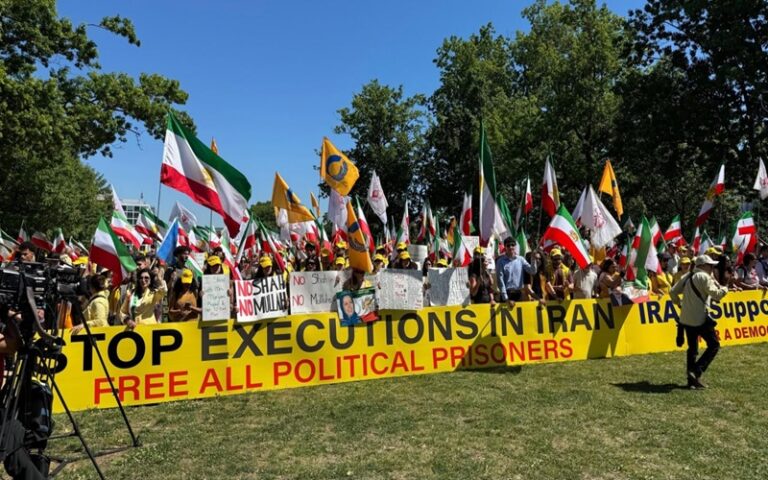
The Iranian regime is seeking to prevent the formation of new waves of protest by establishing a reign of terror and to prolong the survival of an unstable and fragile system. Execution is the most effective tool this government uses to instill fear and terror in society. The authorities are attempting to continue the mass killing of protesters, now inside prisons and detention centers after the streets. Thousands of detained protesters, defenseless and held under inhumane conditions, are exposed to torture, enforced disappearance, and the immediate risk of execution or killing following show trials. Based on its legal and moral responsibility, the international community is obliged to act immediately to protect their lives.

NCRI Reports At Least 72 Executions in Iran Between January 28 and February 3

The Secretariat of the National Council of Resistance of Iran (NCRI) reported that at least 72 executions were carried out in Iran between January 28 and February 3, 2026, according to reports received by the morning of February 4.

The NCRI stated that the total number of registered executions in January 2026 reached 341, marking the fourth consecutive month in which executions exceeded 300. According to the statement, registered executions in October, November, and December 2025 were 309, 346, and 423 respectively.

Hundreds of Students Killed, Injured, or Arrested During Iran’s Protests

According to the statement, 15 prisoners were executed on February 3 in various cities including Shiraz, Sabzevar, Birjand, Bam, Jiroft, Yazd, Malayer, Mahabad, Lahijan, Khaf, Ilam, Borazjan, Ahvaz, Rasht, and Sirjan. On February 2, 10 prisoners were hanged in Nowshahr, Isfahan, Kerman, Saveh, Kashan, Zanjan, Dorud, Qaemshahr, Neyshabur, and Gorgan.

The statement further reported that 11 executions took place on February 1 in cities including Semnan, Bandar Abbas, Tabriz, Nowshahr, Sanandaj, Borujerd, Qom, Ardabil, Qazvin, Nain, and Arak. Another 11 prisoners were executed on January 31 in Yasuj, Nahavand, Iranshahr, Zahedan, Hamedan, Dezful, Kermanshah, Aligudarz, Karaj, and Khorramabad.

According to the NCRI, nine prisoners were executed on January 29 in Kerman, Taybad, Gonabad, Bojnurd, Mahshahr, Sari, Ferdows, Behbahan, and Bukan. The statement also said that 16 prisoners were executed on January 28, including Amir Rouhi in Kerman and Amir Hossein Tavakoli Zanyani in Shahr-e Kord, while the names of the remaining victims had been included in a previous statement.

The statement concluded by asserting that the continuation of executions reflects a regime facing crises and internal problems and claimed that stopping executions and the killing of protesters even for a single day would lead to its overthrow.

Hundreds of Students Killed, Injured, or Arrested During Iran’s Protests

According to information released so far, at least 86 students were killed during the January protests. Naturally, this figure does not yet include all names, as severe pressure on families and strict communication restrictions remain in place.

According to student activists, the closure of universities has created an environment for the silent suppression of students. Every day, student media report the arrest of a new student. “Ali Taheri-Kia,” “Mobin Safdari,” and “Abbas Yousefi” are three students from the University of Tehran whose arrest, while on routes leading to student dormitories, now dates back nearly four weeks. According to student activists, dozens of students are currently being held in detention.

According to student sources, with the loss of safe spaces on university campuses and under recent psychological and security pressures, at least five students have taken their own lives. “Elina Bahrami” and “Nia Samari,” students at the University of Tehran; “Fatemeh Kamali,” a student at Shiraz University; and “Erfan Taherkhani” and “Farhad Salari,” students at a university of medical sciences, are among the students who have lost their lives under suspicious circumstances in recent days.

The state-run news website Emtedad writes that the Ministry of Science, by transferring its responsibilities to universities, has effectively remained inactive and passive under these critical conditions. Emtedad writes: “It seems that the Ministry of Science, which itself lacks the ability to make decisions and accept the consequences of its own decisions, is trying to absolve itself of all responsibility by delegating these decisions to universities. Since the beginning of the recent protests, this ministry has done nothing but issue directives and release slogan-filled statements, while the Ministry of Health has remained completely silent. This is while universities, more than ever, are in need of proper management to reduce tensions during these days.”

Iran Loses 1.56 million Dollars Every Hour Due To Internet Shutdowns

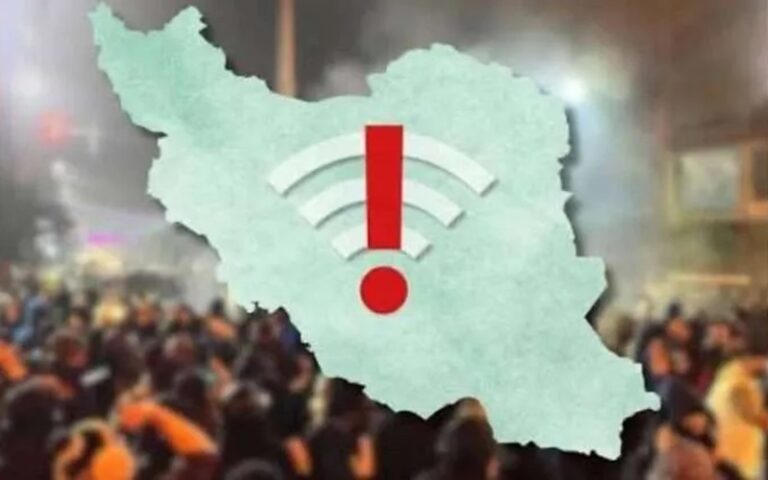
A privacy and internet security analyst says that Iran, due to internet shutdowns imposed by the Iranian regime, loses 1.56 million dollars every hour, further damaging its already stagnant economy and disrupting the lives of more than 90 million people.

Simon Migliano, head of research at the privacy company Privacy, told Fox News about Iran’s prolonged internet shutdowns that the losses caused by these disruptions continue even after partial internet connectivity is restored.

In this interview, which was published on Wednesday, February 4, he noted: “The current blackout is costing Iran an estimated $37.4 million per day, or $1.56 million every hour.”
Migliano added that the complete internet shutdown has cost Iran more than 780 million dollars, and subsequent strict filtering continues to have a significant economic impact.

The Uncertain Fate of Detainees Following the Bloody Crackdown on Iran Protests

He added: “Iran has already drained $215 million from its economy in 2025 by disrupting internet access.”
Migliano said his estimates were calculated using the “NetBlocks Cost” tool, an economic model that measures the immediate impact on a country’s gross domestic product when its digital economy is forcibly taken offline.

According to Fox, this model assesses the direct damage to productivity, online transactions, and remote work using data from the World Bank, the International Telecommunication Union, Eurostat, and the United States Census Bureau.

Earlier, Sattar Hashemi, the Iranian regime’s minister of communications, said last week that internet shutdowns cause daily losses of five quadrillion rials to Iran’s economy (approximately 31.25 million dollars).

He also announced on February 1 that internet speeds have not yet returned to the conditions prior to January 7 and 8, and that traffic levels remain low.

Internet access in Iran was cut by Iranian regime authorities on Thursday night, January 8, following widespread public protests.

Fox wrote: “While officials later restored much of the country’s domestic bandwidth, as well as local and international phone calls and SMS messaging, the population is largely unable to freely access the internet because of heavy state filtering.”
Before explaining how, even when access is briefly restored, the internet remains heavily censored and effectively unusable without circumvention tools such as VPNs, Migliano said:

“We can see spikes showing that as soon as connectivity returned, users immediately sought VPNs to reach sites and services outside the state-controlled network, including global platforms such as WhatsApp and Telegram that remain otherwise inaccessible.”

He said:”Sustained demand — averaging 427% above normal levels — indicates Iranians are stockpiling circumvention tools in anticipation of further blackouts.”
Migliano added: “The usual strategy is to download as many free tools as possible and cycle between them. It becomes a cat-and-mouse game, as the government blocks individual VPN servers and providers rotate IP addresses to stay ahead of the censors.”
He pointed out: “Iran’s three-week internet blackout may have been lifted, but connectivity remains severely disrupted still.”

“Access is still heavily filtered. It is restricted to a government-approved ‘whitelist’ of sites and apps and the connection itself remains highly unstable throughout the day,” Migliano claimed.
In this regard, Conduit statistics show that daily connections by Iranian users to the Conduit–Psiphon network have risen from a few thousand to more than 29 million.

According to data from the Conduit website, prior to January 20, the number of daily connections from Iran was fewer than 8,000.

Iranian Regime Officials Committed Mass Massacres, Human Rights Body Reports

Human Rights Watch, an international human rights organization, stated in its annual report that Iranian regime officials in 2025, referring to mass massacres following nationwide protests in Iran, carried out mass and arbitrary arrests and intensified repression under the pretext of national security.

In its report published on Wednesday, February 4, Human Rights Watch, referring to the deadly crackdown on nationwide protests, including the mass killing of protesters and bystanders by Iranian regime security forces, wrote:

“Evidence of a coordinated escalation in the authorities’ use of unlawful and lethal force since January 8, including of protesters and bystanders killed or injured by gunshot wounds to their heads and torsos. Authorities committed massacres amid a nationwide internet shutdown and telecommunications restrictions they imposed to conceal the true scale of the atrocities.”

Plans for Iran Nuclear Talks Falter Over Dispute on Format and Venue

Part of the report states that Iran witnessed widespread and systematic violations of the right to life in the past Gregorian year, including through the use of the death penalty, and that more than half of the executions were carried out for drug-related offenses, which are clearly in violation of international law.

Human Rights Watch noted that the executions followed gross and systematic violations of fair trial standards, and that women and ethnic minorities, many of whom also belong to the Sunni religious minority, have increasingly been targeted for the death penalty.

Bahar Saba, senior Iran researcher at Human Rights Watch, said:

“The spiral of impunity and bloodshed resulted in an execution spree unseen in decades, in 2025, and the deadliest protest crackdown that led to unprecedented mass killings of thousands of protesters and bystanders this year.”
“The international community should urgently pursue concrete accountability measures through all available avenues, including universal jurisdiction, to hold those responsible to account.” She added.
Regarding Iran’s human rights situation in the past Gregorian year, Human Rights Watch pointed to the arbitrary detention of hundreds of dissidents, human rights defenders, lawyers, journalists, members of ethnic and religious minorities, dual nationals, and foreign citizens.

The organization also described the Iranian regime authorities’ policy of repressing women, including the enforcement of discriminatory and humiliating compulsory hijab measures against them in the final months of the past Gregorian year, as a sign of a new wave of repression.

The Human Rights Watch report on prison conditions states:

Torture and other ill-treatment, including deliberate denial of medical care to prisoners, remained systematic and widespread. Punishments included flogging and amputations, which constitute torture.

Part of the organization’s report on Iran’s human rights situation in 2025 is dedicated to the repression of ethnic and religious minorities, including Baha’is.

Human Rights Watch also described Israel’s attack on Evin Prison in Tehran during the 12-day war as illegal and a clear war crime.

Plans for Iran Nuclear Talks Falter Over Dispute on Format and Venue

Plans for renewed nuclear talks between the United States and Iran are at risk of collapse following a disagreement over the location and structure of the negotiations, according to U.S. officials cited by Axios.

The talks had been scheduled for Friday in Istanbul, with other Middle Eastern countries participating as observers. However, Iranian officials informed Washington on Tuesday that they wanted the meeting moved to Oman and limited to a bilateral format focused exclusively on nuclear issues. U.S. officials said Washington rejected those demands on Wednesday.

A senior U.S. official told Axios that Iran responded by walking away from the talks. “We told them it is this or nothing, and they said, ‘Ok, then nothing,’” the official said.

Dispute Over the Agenda

According to Axios, the original plan for the Istanbul meeting involved two parallel tracks. One would consist of direct talks between U.S. and Iranian representatives on a possible nuclear deal. The second would involve multilateral discussions on broader issues, including Iran’s missile program, its support for regional proxy groups, and human rights concerns related to the violent crackdown on protesters.

The Uncertain Fate of Detainees Following the Bloody Crackdown on Iran Protests

Iran’s request to change both the venue and the format appeared aimed at narrowing the agenda. U.S. officials said they considered the proposal to relocate the talks but ultimately decided to reject it, signaling that the agreed framework was not open for renegotiation.

One U.S. official told Axios that Washington did not want to repeat previous negotiation models. “We didn’t want to be flexible here because if there is a deal it has to be real,” the official said.

Rising Tensions

The breakdown comes amid increasingly blunt warnings from U.S. officials. A senior official told Axios that Washington wants to reach a meaningful agreement quickly, adding that failure to do so would prompt consideration of “other options,” an apparent reference to President Donald Trump’s repeated threats of military action.

A second U.S. official said there was now “a good chance the talks won’t happen at all this week,” citing Tehran’s refusal to return to the original format and the lack of progress in previous discussions.

The Iranian regime’s mission to the United Nations did not respond to Axios’s request for comment.

Regional Diplomacy Continues

Despite the stalled talks with Tehran, U.S. engagement in the region is continuing. Axios reported that White House envoy Steve Witkoff and Jared Kushner, President Trump’s son-in-law and adviser, are expected to travel to Qatar for discussions with the country’s prime minister on Iran-related issues.

However, U.S. officials said the two are currently expected to return to the United States afterward, rather than traveling on to meet Iranian representatives.

Outlook

U.S. officials told Axios that Washington remains open to talks if Iran agrees to the original framework and location. At the same time, they expressed skepticism that a breakthrough is possible under current conditions.

“We are not naive about the Iranians,” one U.S. official said. “If there is a real conversation to have we will have it but we are not going to waste our time.”

For now, a dispute over logistics rather than substance has placed the next phase of U.S.-Iran nuclear diplomacy in doubt.

The Uncertain Fate of Detainees Following the Bloody Crackdown on Iran Protests

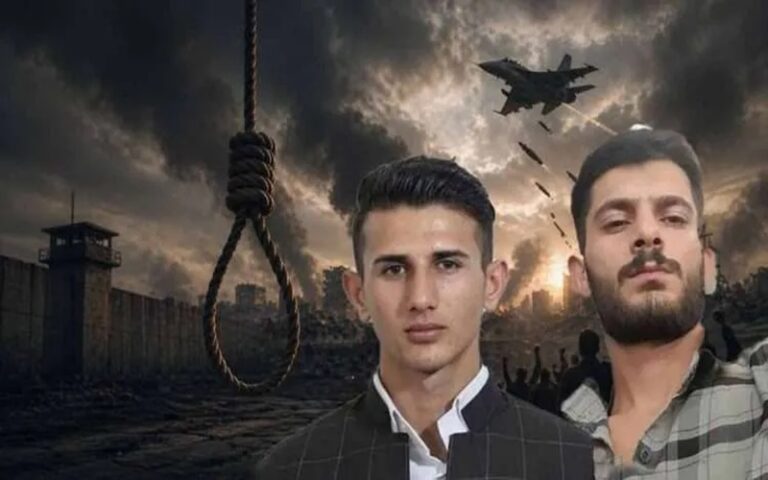
Following the bloody crackdown on protests in Iran that left thousands killed, alarming accounts have emerged about the condition of detainees. The fate of thousands of people remains uncertain. An interview with two experts from two human rights organizations.

Five weeks after the start of a new wave of anti-regime protests in Iran, which was met with an unprecedentedly bloody crackdown in the 47-year history of the Iranian regime, horrifying news has emerged about the mass arrests of citizens.

Mass Arrests After Protests in Iran, the Naked Repression of Khamenei’s Rule

Accounts published by human rights activists and media outlets indicate severe violence against detainees, including beatings, verbal abuse, torture, sexual abuse, and deprivation of access to the most basic human and sanitary needs, especially for detained women, at a time when detention centers and prisons are overcrowded beyond capacity.

Security agencies abduct and detain citizens, and brutal torture to extract confessions begins immediately.The lives of detainees are currently in serious danger, and the Iranian regime has a long record of torture and deaths under torture in prisons and security detention centers.

Detainees have no access to any of their basic rights. Even the families of some detainees, in complete ignorance of their children’s fate, are visiting morgues and cemeteries in the hope of finding some trace of them. The handling of detainees’ cases is in no way following any legal process. Everything is under the control of intelligence agencies and the Islamic Revolutionary Guard Corps (IRGC, the regime’s main military and security force), and no judicial institution is accountable to families.

While most attention is focused on those killed in the January 2026 protests, people are witnessing widespread, illegal, and arbitrary arrests across the country, in all cities and provinces. It appears that everything currently known about these arrests, in terms of their scale and number, may still be only the tip of the iceberg, as many families are remaining silent due to fear and intimidation by security bodies and judicial authorities warning them not to publicize news of the arrests.

Security agencies intimidate families into not publicizing the arrests, telling them that if the cases become public, the detainee’s situation will worsen, even though this claim is completely at odds with reality.

UK Sanctions 10 Iranian Regime Officials Over Human Rights Abuses

The alarming situation of detainees

All those who have so far been released and managed to contact human rights organizations have stated that the physical and psychological pressure and torture were unbearable, and that many detainees were forced to make coerced confessions under these conditions and were then released the same day on bail.

Previously, many detainees were forced to sign blank papers, and there is now a risk that these individuals could face the most serious security-related charges.

Iranian society is in an extremely volatile state following the bloody suppression of the January 2026 protests. This is a society in which a large segment of the population was already living under the pressure of deep economic and social crises. Now, the combination of these factors has made the outlook for the future more troubling than ever, a situation in which thousands of families are spending their days waiting for news of their detained loved ones, living with fear, uncertainty, and anguish.

Sharp Increase in the Iranian Regime’s Cryptocurrency Activities

Amid an unprecedented surge in cryptocurrency activity in Iran, U.S. officials are examining the role of certain cryptocurrency platforms in helping Iranian regime entities and officials circumvent sanctions, an issue that has once again placed the Iranian regime’s financial system at the center of Washington’s attention.

According to Reuters, an international news agency, U.S. investigators are examining whether some cryptocurrency platforms have helped officials and entities linked to Iran’s regime evade international sanctions. These investigations are taking place as the volume of cryptocurrency activity in Iran has increased significantly.

Based on estimates by blockchain analytics firms TRM Labs and Chainalysis, the volume of cryptocurrency transactions linked to Iran reached about 8 to 10 billion dollars last year. This increase has been attributed to the simultaneous turn by government-linked groups and retail investors toward digital currencies.

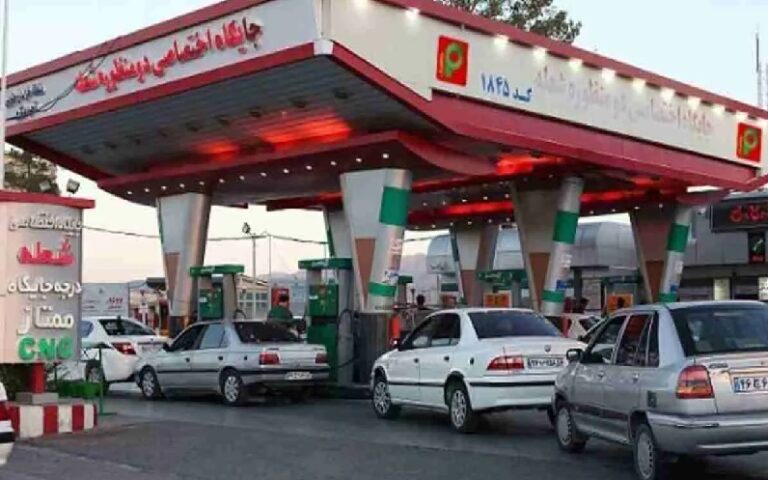
Prices of Iranian-Made Vehicles Jump by 50% in Less Than One Year

The head of global policy at TRM Labs told Reuters that the U.S. Treasury Department is examining whether cryptocurrency platforms have enabled actors linked to Iran’s regime to bypass sanctions, including by transferring money abroad, accessing hard currencies, or procuring goods. He said he is directly aware of the Treasury Department’s concerns in this regard.

A spokesperson for the U.S. Treasury Department, without naming specific platforms, referred Reuters to a statement issued in September that announced actions by the department against Iran-backed shadow banking networks, including networks that use cryptocurrency to evade sanctions.

According to TRM Labs estimates, Iran’s cryptocurrency activity amounted to about 10 billion dollars last year, while this figure stood at about 11.4 billion dollars in 2024. Chainalysis has also reported that Iranian wallets received a record 7.8 billion dollars in cryptocurrency in 2025, marking a sharp increase compared with 7.4 billion dollars in 2024 and 3.17 billion dollars in 2023.

The International Monetary Fund had previously warned that although cryptocurrencies still account for a small share of the global financial system, their use is increasing in countries with weak currencies and limited access to the international financial system. Iran, which has effectively been excluded from the dollar-based financial system, has in recent years experienced a sharp decline in the value of the rial. Nevertheless, oil revenues remain the country’s main source of foreign currency and, according to estimates by the U.S. Energy Information Administration, reached 53 billion dollars in 2023.

The Iranian regime has faced multiple crises over the past year, including a 12-day war with Israel, U.S. strikes on nuclear facilities, widespread anti-regime protests, and their bloody suppression. These developments, Reuters said, have led to new threats of military action by U.S. President Donald Trump and increased scrutiny of Iran’s financial flows.

Runaway Price Increases and the Shadow of Hyperinflation Over Iran’s Economy

The role of the IRGC and the Central Bank

Reuters writes that cryptocurrency wallet addresses are recorded pseudonymously on the blockchain, making it difficult to identify users’ identities and locations. Researchers estimate cryptocurrency activity using data such as web traffic and addresses attributed by countries like the United States and Israel to sanctioned entities.

According to Chainalysis estimates, about 50% of Iran’s cryptocurrency volume last year was linked to the Islamic Revolutionary Guard Corps (IRGC), an entity that plays a key role in Iran’s regime’s political, military, and economic structure and maintains close ties to the regime’s supreme leader. By contrast, TRM Labs believes that about 95% of cryptocurrency flows linked to Iran belong to retail investors, although the firm has said it has identified more than 5,000 cryptocurrency addresses linked to the IRGC and estimates that the IRGC has moved about 3 billion dollars in cryptocurrency since 2023.

The British firm Elliptic reported last month that the Central Bank of Iran, which itself is subject to international sanctions, purchased at least 507 million dollars’ worth of the USDT stablecoin in 2025, an action the company described as a sophisticated strategy to bypass the global banking system.

Andrew Fierman, head of national security intelligence at Chainalysis, said that even if a cryptocurrency wallet is identified or sanctioned, its owners can easily create new wallets, a factor that makes the task of U.S. officials very difficult. Tom Keating also described this trend as a fast-paced game of cat and mouse that requires extensive resources.

Ordinary users and domestic exchanges

According to researchers, ordinary Iranian citizens have also turned to cryptocurrency due to the sharp decline in the value of the rial. Cryptocurrency activity increased during periods of social and geopolitical instability last year, especially during protests, until the government shut down the internet on January 8.

Nobitex, Iran’s largest cryptocurrency exchange, told Reuters that about 15 million people in Iran are in some way involved with or use cryptocurrencies. The exchange said it has 11 million customers and that most activity is related to retail investors. Nobitex emphasized that for many users, cryptocurrencies serve as a “store of value” against the continuous decline of the national currency.

Researchers at the Singapore-based firm Nansen also reported that some Iranians moved their assets out of Nobitex and transferred them to international exchanges in 2025. According to the firm, the data show that cryptocurrency in Iran is gradually becoming a structural channel for capital flight.

Australia Sanctions 20 Iranian Officials, Three IRGC Entities Over Protests Crackdown

The Australian government, in response to the brutal and widespread crackdown on popular protests in Iran, imposed new sanctions against 20 senior officials and three entities affiliated with the Islamic Revolutionary Guard Corps (IRGC), the Iranian regime’s powerful military-security force.

Australia’s Department of Foreign Affairs announced in a statement that the country has implemented targeted financial sanctions in response to the Iranian regime’s brutal use of violence against its own citizens.

According to the statement, the new sanctions list includes some of the highest-ranking security, military, and law enforcement officials of the Iranian regime, including commanders of the IRGC and the Law Enforcement Force, senior intelligence officials, as well as members of the IRGC’s cyber and extraterritorial units.

The IRGC on the European Union’s Terrorism List; Symbolic or a Real Threat?

Among those sanctioned are individuals such as Ahmadreza Radan, Mohammadreza Fallahzadeh, Ali Fazli, Mohammad Saleh Jokar, Hassan Shahvarpour, Gholamhossein Mohammadi-Asl, Rahim Jahanbakhsh, Abbas-Ali Mohammadian, Abdollah Araqi, Mohsen Chezari, Alireza Fadakar, Majid Mousavi, Seyed Aminollah Emami Tabatabaei, Ali-Asghar Norouzi, Hassan Sabourinejad, Javad Ghaffarhaddadi, Yahya Hosseini Panjaki, and Esmail Khatib.

In addition, three key IRGC entities have been placed on the new sanctions list: the IRGC Cyber Security Command, Unit 840 of the IRGC Quds Force (the IRGC’s foreign operations arm), and the IRGC Intelligence Organization.

Australia’s foreign ministry stated that these individuals and entities have been directly involved in the violent suppression of domestic protests, threats to the lives of citizens inside and outside Iran, and widespread human rights violations.

The statement said that since December 28, 2025, Iranian regime forces have “killed thousands of Iranian citizens,” while at the same time thousands of others have been arrested or attacked for participating in peaceful protests. According to Australian officials, Iran’s regime has attempted to conceal the true scale of these acts of violence by imposing widespread internet shutdowns and disruptions to telecommunications.

The Australian government emphasized that this move was carried out within the framework of its previous policies, including designating the IRGC as a supporter of state terrorism and implementing comprehensive sanctions against the Iranian regime.

According to Australian officials, the new sanctions demonstrate the country’s commitment to standing with the people of Iran and working alongside international partners to confront the Iranian regime’s campaign of repression and destabilization. Based on official figures, Australia has so far sanctioned more than 200 Iranian regime individuals and entities and more than 100 individuals and entities linked to the IRGC.