Home Blog Page 277

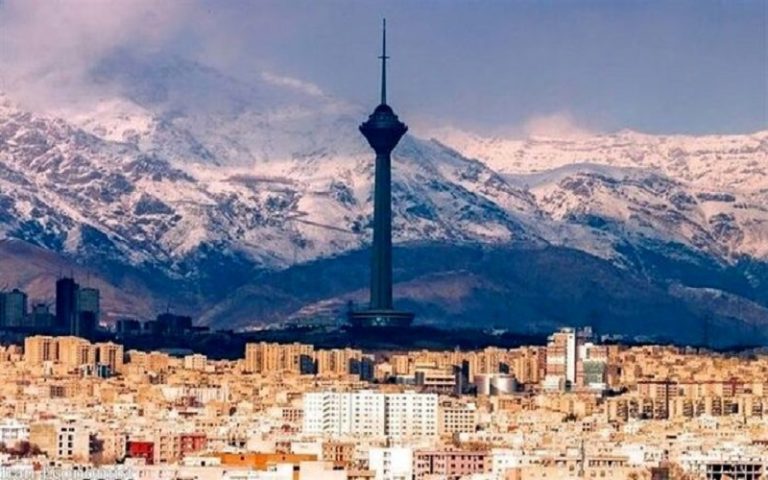
Tsunami Facing Iran’s Housing Market

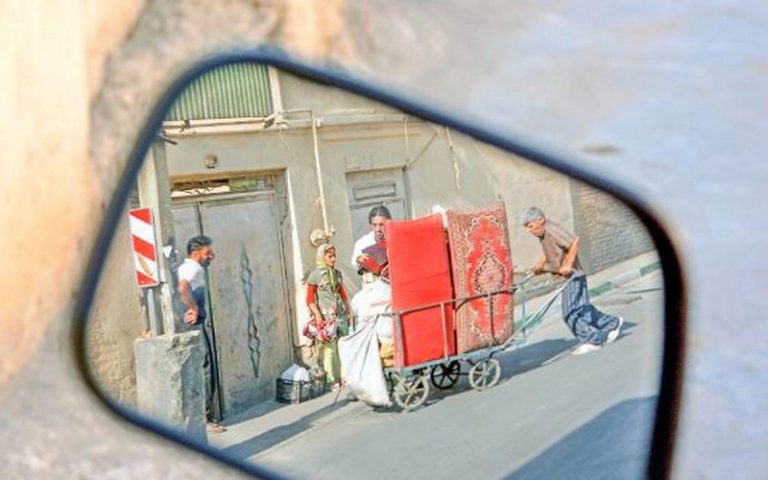
The devaluation of Iran’s national currency, inflation, and the effect of parallel markets did not have an effect on the rental market as they did on the housing rate, but rents are gradually rising. The target community, which cannot afford to buy a house, has moved to the rental market, and this trend will continue in the coming years, to the point where rent growth rates will continue to rise and will be aligned with the rate increase in housing rates, according to Iranian economic experts.

The government set the permitted rate of rent increase in Tehran at 25 percent, but prices have risen by 50 to 100 percent over the past year. This is because inflation has risen, housing prices have jumped, and homeowners expect the gap between housing rates and rents to be bridged.

Over the past three years, on the one hand, the jump in the exchange rate has led to the growth of housing rates, and on the other hand, the country has faced a construction downturn due to a sharp decline in transactions. This also led to demand pressure in the buying and renting sector. Despite the constructions that are done in Tehran, the supply does not meet the pressure of demand and therefore the rent and sales rates increase.

Fluctuations in the price of cement, which have risen from 35,000 tomans per pack to more than 70,000 tomans, have little effect on housing prices in the current situation. The main part of the costs is related to land. Some 30% of the construction rate is the cost of manpower and workers’ wages, while part of it goes to engineering services and municipal tolls.

Fluctuations in steel and cement prices do not have a short-term effect on housing prices but can raise construction rates somewhat and lead to a percentage increase in property prices in the medium term.

If the government can reduce inflation to at least 20 percent, it can be hoped that some housing rates will be controlled in the future. All levels of the housing market, including construction, sales, and rent, have a kind of correlation that also affects the macroeconomy. Thus, general inflation and national monetary value are directly related to all three components in the housing market.

People do not have the money to buy a house now, but they must settle in a place that goes to the rental market. Due to the shortage of supply and increasing demand, competition in the rental market is taking shape, which has led to rising prices.

Many tenants have also moved to cities around Tehran, such as Pardis, Parand, Hashtgerd, and Shahriyar. Some experts argue that if these cities did not exist, the living conditions of the tenants would have been even more difficult than they are today.

By advising people not to buy housing or not providing statistics, the government has wanted to control the market, but in this period, the housing rate in Tehran increased from 13 million tomans per square meter in mid-2018 to 130 million tomans per meter in July 2021.

In the national housing, the price per meter was considered 2.7 million Tomans for the builders, and despite the growth of the price of construction materials in the last year, they did not update this rate, and in fact, they pushed the spring of the price increase.

Regarding the renovation of dysfunctional urban structures, the government has planned to renovate 100,000 units annually, but almost nothing positive happened in this field, and they did not reach one-tenth of the goals.
Iran: Worrying Increase of Executions

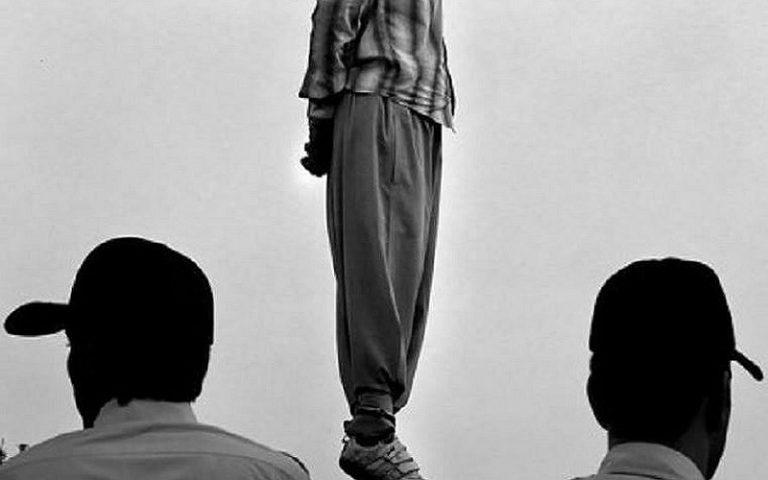
According to the Iran Human Rights Monitor (Iran HRM), the number of executions in Iran has increased since the presidential election in June. With the 52 executions that took place in July taking the total number for 2021 so far up to 192, it shows just how the human rights situation in Iran is worsening.

Iran HRM said, “Of these, only five have been reported by the state media. The actual number of executions in Iran is much higher. The Iranian regime carries out most executions in secret and out of the public eye. No witnesses are present at the time of execution but those who carry them out.”

One of the last countries in the world that, to this day, continues to routinely use the death penalty for crimes committed by children under the age of 18, Iran is in complete violation of its commitment to the International Covenant on Civil and Political Rights, as well as the Convention on the Rights of the Child.

One example of this is the case of Ebrahim Shahbakhsh, a 23-year-old prisoner from Baluchi. He was executed in July by Iranian authorities, six years after his arrest on drug-related charges at the age of 17.

Of the 52 executions that took place in July, 18 were in regards to drug-related offenses, 30 were carried out for murder charges, and 2 for rape. It is unknown if the details or reason behind the final 2 executions.

Iran HRM said, “Ebrahim Raisi has become president of Iran, even though his resume is filled with crimes against the Iranian people and humanity. Shortly after his ascension was announced, Amnesty International Secretary-General Agnès Callamard criticized Raisi’s rise to the second-most powerful position in the country.”

Callamard stated that the fact that Ebrahim Raisi has been able to ascend to a presidential role instead of undergoing any investigation into his crimes against humanity over the past 4 decades is a grim reminder that impunity continues to reign supreme in Iran.

Iran HRM said, “According to Amnesty International Iran is the most prolific user of capital punishment in the region and the second worldwide after China.”

Even though government officials have admitted that the executions of inmates who have been convicted for drug-related charges are ineffective in the battle to combat drug smuggling, the Iranian government is continuing to implement death sentences for these prisoners. In fact, the executions are bringing about the reverse effect, with drug smuggling still continuing to take place.

Iran HRM is now calling upon the UN High Commissioner for Human Rights, the UN Human Rights Council, and other human rights institutions around the world to take urgent action in order to save the lives of the Iranian prisoners who are currently on death row.

Iran HRM said, “The Iranian regime’s dossier of human rights violations must be referred to the UN Security Council. The leaders and officials of the clerical regime in Iran must face justice for four decades of committing crimes against humanity.”

Shutdown of IAEA’s Cameras and Increase in Iran’s Uranium Metal Production

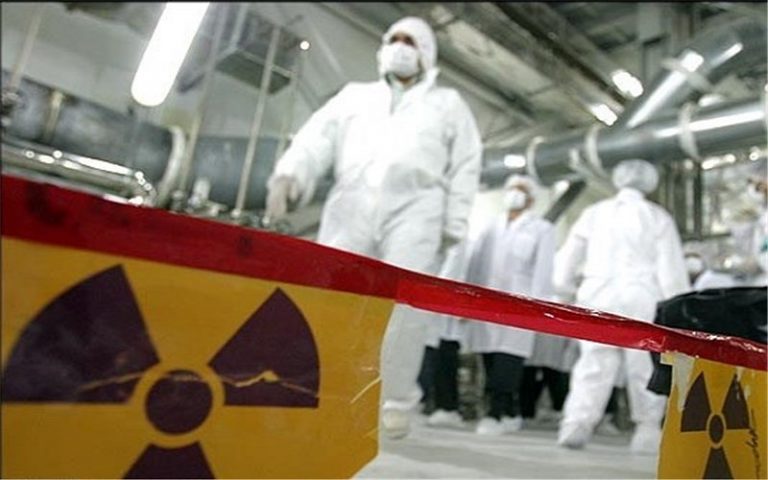
According to the latest report of the International Atomic Energy Agency, the Iranian government has increased its production of metallic uranium.

Reuters quoted the IAEA as saying on Monday that the Iranian government had used 257 grams of 20 percent enriched uranium in the form of uranium tetrafluoride to produce 200 grams of metallic uranium.

However, according to the 2015 nuclear agreement between Iran and world powers, known as the JCPOA, the production of metal uranium, which is effective in making nuclear weapons, has been banned by the Iranian government.

Government resolution and metal uranium production

The production of metallic uranium, and now uranium tetrafluoride, comes after the Iranian parliament passed a resolution requiring Hassan Rouhani’s government to suspend the voluntary implementation of the Additional Protocol unless sanctions are lifted by March 24, 2021.

According to the decree, the Iranian government can store 120 kilograms of 20 percent enriched uranium annually.

Also, according to this decree, the Iranian government has allowed itself to install and operate 1000 IR 6 centrifuges in one year and to enrich 500 kg of uranium per month.

Also, according to this decree, the establishment of a metal uranium production plant in Isfahan is on the agenda of the Iranian government until May 2022.

Members of the JCPOA are concerned about the Iranian government’s move to increase the production of metallic uranium

According to Reuters, quoting the UN nuclear agency, member states of the IAEA Board, plus the United States, have expressed concern about the production of metallic uranium and have considered it a precondition for the development of nuclear weapons.

This speculation has intensified when the Iranian government refused to extend the International Atomic Energy Agency (IAEA) inspectors’ access to the IAEA after two rounds of three- and one-month agreements with the IAEA and reduced some IAEA inspections.

Some analysts believe that the Iranian government’s move is a step towards increasing pressure on the United States to lift all sanctions against the Iranian government during the JCPOA talks, which took place from April 2021 to June 20, but the United States has said it will not lift any sanctions until the Iranian government abides by all the JCPOA’s provisions.

The failure of the Vienna talks and the Iranian government’s shift to the production of metallic uranium

The Vienna talks have stalled since June 20 due to the Iranian government’s excessive demands for the lifting of all sanctions and, according to some analysts, due to the transfer of power to the Iranian government.

Earlier, Reuters quoted unnamed Iranian government sources as saying that the head of state might impose new conditions, such as allowing 60 percent enrichment and the continued operation of advanced centrifuges, as a precondition for continuing negotiations. The order was rejected by Western diplomats.

The stances of the US and Iran before the news of the increase in the production of metallic uranium

Earlier on August 9, Saeed Khatibzadeh, spokesman for the Iranian government’s foreign ministry, said the government is not satisfied with anything less than a return to the 2015 JCPOA.

Meanwhile, Bloomberg News reported on August 9, quoting informed sources, that due to the lack of agreement in the negotiations to revive the JCPOA, Biden’s government is looking for alternatives, including the limited lifting of sanctions on Iran in exchange for suspending many sensitive activities of the Iranian government.

Increase in US sanctions against Iran

But less than four days have been passed after Bloomberg’s announcement, the US Treasury Department had sanctioned some individuals and companies on August 13 as a network that was transporting and smuggling Iranian oil under the auspices of the Revolutionary Guards and added it to its blacklist.

However, despite the sanctions, Ismail Kowsari, a senior commander in the Revolutionary Guards and a member of Iran’s parliament, announced on August 15 that nuclear talks would be resumed in Raisi’s government and that there was no question that the talks would not continue.

The US Condemned Iran’s increase in production of metallic uranium

But despite all these actions and reactions between the two countries and the actions taken by the Iranian government, US State Department spokesman Ned Price in response to the IAEA report on the increase in metal uranium production said called the regime’s move, “unconstructive and inconsistent with a return to mutual compliance,” and added: “Iran has no credible need to produce uranium metal, which has direct relevance to nuclear weapons development.”

Iran’s Economic Crisis Will Boost New Protests

0

Iran is currently experiencing one of its worst economic situations of the past 50 years. As for who is to blame, the regime’s spokespeople are pointing towards international sanctions. On the other hand, it seems that the state-run media are laying the blame on the regime for the economic crisis.

The state-run daily, Aftab-e Yazd wrote on August 14 that along with the dollar exchange rate rising, the inflation of the prices of goods and services have continued to worryingly skyrocket. Ordinary Iranian citizens are struggling to afford to pay for food and other necessities.

Vahid Shaghaghi-Shahri, one of the state’s economists, described Iran’s economic situation as a ‘straw warehouse which is on fire’.

In a quote from Aftab-e Yazd, he explained the analogy by stating that extinguishing the fire quickly is not possible so the straw must be removed so the fire cannot damage the entire warehouse.

The government started banknote printing to compensate for its budget deficit. The banknote printing has increased the liquidity rate, and since the liquidity growth in Iran is much higher than the production rate, it has caused inflation.

Shahri explained how the major problem of Iran’s economy is that the liquidity growth is very high, up to over 40% in the latest statistics. He also acknowledged that the management capacity of large economic projects in the country is weak as a result of the weak human resources management and other institutionalized problems in the regime.

Iran’s economy suffers from the mullahs. The regime has been wasting the national wealth on terrorism and expanding its unpatriotic nuclear weapons program. The Iranian people have witnessed how their belongings are wasted on terrorism and the regime’s other malign activities. Thus, their hatred toward the regime increases daily.

The state-run media outlet, Eghtesad-e Pouya spoke of a recent report from the Ministry of Welfare’s Center for Statistics and Strategic Information. The report stated that food prices in Iran have now risen by 71 percent and this upward trend of inflation will only continue to rise, with fears that Iran’s economy will eventually move towards an uncontrollable hyperinflation situation.

Eghtesad-e Pouya acknowledged the real concern of the regime’s economists and state media by underlining that ‘Economic and social crises have brought the country to a dangerous point, and if the crisis is not managed and controlled as soon as possible, the [regime] will enter a more difficult path’.

As shown by the recent protests in cities across Iran, the rejection towards the mullahs’ government is greatly apparent. The Iranian people square the blame for Iran’s crises solely on the regime and will continue to demonstrate against the dictatorship and their corrupt policies.

The world community should consider that giving any concessions to the regime would only allow the regime to fuel its warmongering machine, which would have devastating results for the entire world.

Iran Is on the Path to Becoming a Forever Poor Country

Experience shows that the group of countries in the world whose inability to use their assets due to poor productivity and inefficiency in domestic economic policies, as well as an inability to speed up foreign trade and interaction with the world, are ready to sink into perpetual poverty.

Unfortunately, signs of all three of the above factors can be seen in the Iranian economy from 2011 up to now, especially in the context of growing poverty and the number of poor people.

The latest studies by Iran’s Ministry of Welfare show that in the last decade, a significant part of the country’s households has been trapped in poverty. According to published data, the poverty rate rose from 22 percent in 2017 to 32 percent (the highest rate in 10 years) in 2019, meaning that in 2019, about 32 percent of the country’s population, or 26.5 million people, were living below the poverty line.

High inflation rates, especially since 2018, the recession, and the steady decline in per capita national income have caused Iranian households to face declining welfare every year for the past 10 years. The poverty rate in 2020 was 31 percent, which in this case, considering the population of more than 83 million people, we can say that 31 percent of the population, i.e., about 26 million people were below the poverty line last year.

Studies show that the poverty situation has worsened in 2020, so that the estimated average poverty line in Iran last year was 1.254000 million tomans per capita, based on which the poverty line of a family of three and four was 2.758000 million and 3.385000 million tomans, respectively.

Among the various commodity groups, the share of food and housing in the expenditures of the poor households is more prominent, and therefore high inflation in these commodities is the main reason for the increase in poverty last year.

Since the cost of providing a basket is a criterion for determining the poverty line, the increase in the poverty line indicates that the poor household must pay much higher costs to provide a fixed minimum; This is while, firstly, incomes have not increased to this extent, and secondly, if incomes increase, the share of low-income households may be less than this increase, or even despite the increase.

In fact, the resulting price shock, regardless of the effect of substitution and poorer household consumption, is likely to reduce consumption for many households in the short term.

Therefore, with the sharp increase in the poverty line last year, it can be said that due to the lack of a proportional increase in income and lack of high economic growth, more likely, more households will fall below the poverty line and we will see an increase in poverty this year.

Iran has lost the ability to use its most liquid asset, oil, since the start of the expansion of its nuclear projects after the US imposed sanctions on Iran’s economy.

On the other hand, Iran’s valuable human resources, which are the main assets of Iran, have also fallen into the trap of unemployment, and the lack of sufficient domestic and foreign investment squanders the best working period of the Iranian youth.

While Iran no longer has a chance to return to a normal life cycle and a wholesome relation with the world because of long years of government corruption and resources wastes even by fundamental changes, adding to this the waste of human resources which for every country is the most valuable and unreplaceable resource, it will fall among the forever poor countries.

Iran’s Rising Trend of Executions Indicates Further Human Rights Violations

The National Council of Resistance of Iran has reported that the Iranian regime has yet again added more executions to their longstanding trend of carrying out the highest rate of executions per capita across the world.

Just three days after Ebrahim Raisi was inaugurated as the regime’s new president on August 8, the clerical regime carried out nine executions at three prison facilities across Iran. With the latest hanging that took place on Monday, the total number of deaths has reached 22 for the month of August alone. This now takes the year-to-date total to over 200.

The NCRI said, “At times, the regime’s judiciary has delayed the implementation of death sentences or even publicly vowed to re-examine politically motivated cases under intense international pressure. But in almost every case, the regime proceeds with the pre-determined punishment soon after the outcry has died down.”

According to the regime’s supposed human rights official, if international human rights principles are not in line with a country’s own laws, or in this case the regime’s harsh interpretation of Shiite Islam, they are not required to adhere to them.

Many activists have suggested that the continued acceleration of the pace of executions recently is a result of the emerging influence of the regime’s new president, Ebrahim Raisi.

The NCRI said, “Ebrahim Raisi was selected to that position on June 18 following by Supreme Leader Ali Khamenei, the ultimate authority in the regime. But the vast majority of the population boycotted the sham election in protest over Raisi’s more than 30-year history of severe human rights abuses.”

Raisi became a major figure in the Tehran ‘death commission’ in the summer of 1988, where he oversaw the massacre of around 30,000 political prisoners. In recent years, he has played a leading role in the crackdown of protests nationwide. Most notably, the November 2019 uprising saw the murders of 1,500 protests over the course of a few days. Thousands of other victims were tortured over a number of months.

The NCRI said, “Of course, in light of Raisi’s legacy of human rights violations, the greatest concerns surrounding his promotion are related to the suppression of dissent and the violent punishment of persons affiliated with opposition groups like the People’s Mojahedin Organization of Iran. That organization was the prime target of the 1988 massacre, having been directly named in the fatwa which the regime’s founder Ruhollah Khomeini used to set the stage for the killings.”

Raisi has openly defended Khomeini’s view that the massacre was part of ‘God’s command’ when he has reflected upon his role in the 1988 massacre during interviews and statements in recent years.

Secretary-General Agnès Callamard of Amnesty International recently commented that “Ebrahim Raisi has risen to the presidency instead of being investigated for the crimes against humanity of murder, enforced disappearance, and torture is a grim reminder that impunity reigns supreme in Iran.”

Her views are backed up by the appearance of a European Union foreign policy official at Raisi’s inauguration last week. The fact that the visit was agreed to by the European Union goes to show that Raisi’s culpability for the crimes against humanity that he has committed is being downplayed.

The NCRI said, “It is time to refer the mullahs’ appalling human rights record of four decades of crime against humanity to the UN Security Council for the adoption of concrete and punitive measures.”

The Arrest of 7 Lawyers and Civil Activists in Iran

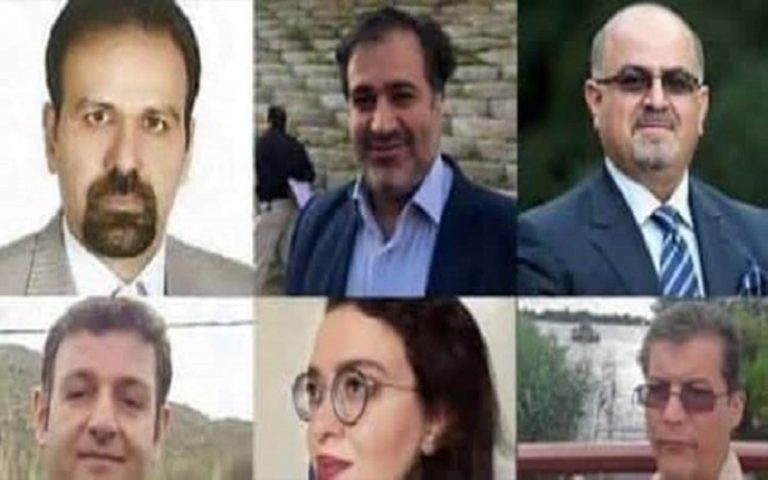
Reports indicate that seven lawyers and civil activists were arrested in Iran on Saturday, August 14. The group of civil society activists and lawyers is said to have been detained because they intended to sue Supreme Leader Ali Khamenei and members of the National Coronavirus Task Force for negligence in their duties, which has resulted in the deaths of thousands of Iranians.

According to reports, Arash Kaykhosravi, Mostafa Nili, Mehdi Mahmoudian, Mohammad Reza Faghihi, Mohammad Hadi Erfanian Kaseb, Maryam Afrafraz, and Leila Heidari, a group of lawyers and civil activists, were arrested by security forces in Tehran on Saturday and taken to an unknown location.

During the arrests, part of the citizens’ personal belongings, including their mobile phones, were confiscated by the security forces.

The exact reasons for the detentions, who was responsible for the detentions, and the whereabouts of the seven lawyers are not known, and there are speculations that the number of detainees is likely to have been higher.

Arash Kaykhosravi, Mostafa Nili, Mohammad Reza Faghihi, Mohammad Hadi Erfanian Kaseb, and Leila Heidari are lawyers, Mehdi Mahmoudian is a journalist and Maryam Afrafraz is a civil rights activist and a member of the Imam Ali community.

It should be noted that following the massive massacre of the people with the deliberately expanded coronavirus by the regime, the anger of the people against Khamenei is increased. People publicly curse Khamenei and blame him for the current situation. This situation has become the major subject of the people in the Persian language social media.

During faction disputes, it became clear that the government has deliberately blocked the import of vaccines. Khamenei has effectively left the Iranian people defenseless against the coronavirus on the pretext that foreign vaccines are subjects of enmity against Iran’s people. After that, some ridicule expression by the regime’s elements stamped this policy as they said that maybe the Western countries would implement microchips and GPSs with their vaccine in the people’s bodies.

And now it has become too late for the country to purchase these effective vaccines. As Dr. Seyed Ali Hosseini Esfidvajani, Complex Systems Specialist and Faculty Member of Physics of the Beheshti University, in an article published by the Salam-e-no on August 15, 2021, said:

“The problem with vaccination is that successful vaccines have been pre-purchased for months and it is unlikely that an effective vaccine will be available quickly in the country.

“Explain that a comparison of data from the UAE and the United Kingdom shows that the effectiveness of the Sinopharm vaccine may be only 50%, and if this number is correct, it means that if we vaccinate the whole country with Sinopharm, we will be like a country of 40 million unvaccinated, and the next wave of the coronavirus is on its way.

“Therefore, in addition to buying Chinese vaccines that are more available, it is necessary to think about buying effective vaccines such as AstraZeneca or BioNTech. The problem, however, is that these vaccines have been pre-purchased for the coming months, and the chances of the country’s 10 million need being met immediately are slim.”

And it becomes clear that the real purpose of Khamenei was to prevent the people’s protests, albeit for a while, by making the people busy with the coronavirus, death, and economic hardships raised by it.

This inhumane act has so far killed at least 360,000 people, according to the democratic opposition. A situation that should be of great concern to Khamenei because despite the regime’s calculations this will become its trap. The arrest of these seven lawyers and activists, if it is related to this increase in public anger against Khamenei, shows the extent of the government’s fear of the popular movement.

Iran’s Media Confess the Complexity of COVID-19 Crisis

0

According to the National Council of Resistance of Iran (NCRI), the Covid-19 crisis in Iran has reached a critical point and is continuing to worsen day by day. The People’s Mojahedin Organization of Iran (PMOI/MEK) reported that as of Sunday, August 15, the Covid-19 death toll in Iran has surpassed 364,400.

According to the official Iran daily, as reported on August 12, Iran ranked first in the world in terms of the number of new cases of Covid with more than 42,000 patients testing positive, and they were second in the world in terms of the number of deaths. Further reports suggest that medical centers across 31 provinces of Iran are currently treating patients infected with delta strain of coronavirus.

Setar-e Sobh, a state-run daily, reported on August 14 that, “Although coronavirus entered the country in January 2020 due to Mahan Airlines flights to China, authorities officially announced its existence in the last days of February 2020. If we review the authorities’ actions from that day until now, we will find that at first, they not only did not take the danger of the coronavirus seriously but also sought to normalize it.”

At the beginning of the pandemic, the NCRI revealed documents obtained from the National Emergency Organization which show that “By late January, several infected individuals were identified in Tehran and the regime had allocated certain hospitals such as Massih Daneshvar, Yaftabad, and Khomeini to deal with these patients. The authorities tried their utmost to prevent any information about these cases from leaking.”

The Iranian regime has repeatedly claimed that a domestic vaccine will be mass-produced by February 2021, and any surplus vaccines will be exported abroad.

In the state-run Sharq daily, it was reported on August 14 that, “We cried for quarantining the city, and now there is not even an empty hospital bed in this mourning city. Now everything from IV fluids to coffins and ambulances is scarce. Hundreds of families lose their loved ones due to the negligence of the authorities every day, and our question is how many people have to die, how many families have to mourn so that those ‘officials’ come to their senses?”

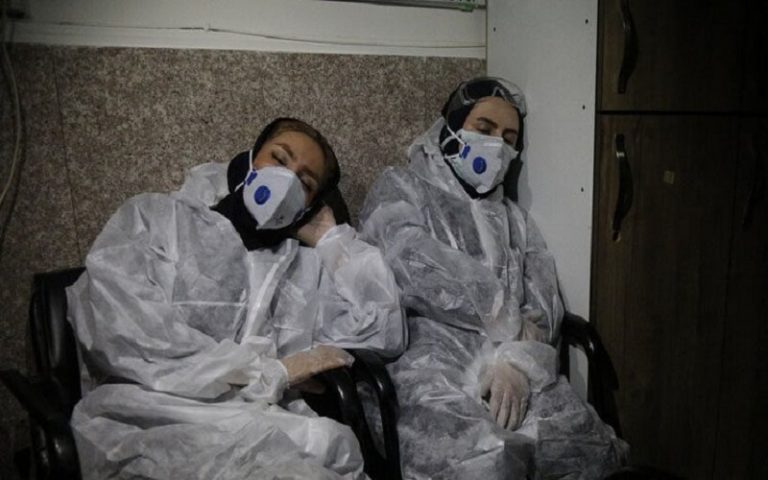
They also reported that the medical staff in the hospitals of Iran, are worn out and many who have written resignations, have had their requests denied due to the lack of staff available.

The regime’s Supreme Leader, Ali Khamenei, reportedly banned vaccines in early 2021, with official figures amounting to 23 million doses being banned from entering the country by late March. An action that resulted in thousands of deaths in the country. Initially, regime officials refused to announce a nationwide lockdown. When a lockdown was then announced, they refused to financially support the Iranian people, forcing them back to work.

The NCRI said, “Khamenei and his regime used the Covid-19 to control Iran’s restive society, following the major protests in November 2019 that threatened the regime’s existence. Now the situation is out of the regime’s control, and soon, it will see the consequences of sending people to the Covid-19 minefields.”

Families of Dual Nationals Imprisoned in Iran Renew Call for More Assertive Strategies

The family members of British nationals imprisoned in the Islamic Republic of Iran staged a protest outside of UK Prime Minister Boris Johnson’s office on Friday, accusing the government of doing too little to secure the release of their loved ones. On the same day, Johnson made a statement on Twitter to mark the four-year anniversary of Anoosheh Ashoori being arrested in Tehran.

“I reiterate my call for Iran to do the right thing and release him immediately,” Johnson wrote. But his critics expressed concern that his government is leaving the matter in Iranian hands and deferring to the clerical regime’s position that Ashoori and other dual nationals are citizens of the Islamic Republic and therefore subject only to the laws and processes of the Iranian judiciary. While other countries including the United Kingdom allow dual nationals to receive consular assistance from their native country when detained, Tehran does not recognize dual citizenship and routinely denies this consideration.

In at least one recent case, the British government attempted to compensate for this tendency by announcing that the Iranian-British charity worker Nazanin Zaghari-Ratcliffe would be subject to full diplomatic protection. Tehran harshly criticized the move, accusing Downing Street of complicating the case of the 42-year-old mother who was accused of plotting the overthrow of the theocratic system while she was in Iran visiting her parents with her then-three-year-old daughter.

Zaghari-Ratcliffe’s five-year sentence ended in March, but she was barred from returning to the UK, where her daughter had previously returned to begin kindergarten while living with her father Richard Ratcliffe. Nazanin was promptly brought up on new charges and sentenced to another year in prison in April.

The Islamic Republic has a long history of arbitrarily extending politically-motivated sentences in this fashion. There is no indication that this outcome had anything to do with the UK’s decision to extend diplomatic protection to the prisoner. It is more likely that Tehran is intent on holding all available British nationals hostage in hopes of eliciting compensation from the British government in the form of prisoner swaps or financial gains, such as the repayment of a £400 million debt stemming from canceled arms sales preceding the 1979 Iranian revolution.

Richard Ratcliffe recalled attention to his wife’s status as a hostage in Friday’s protest, as did the family of Anoosheh Ashoori. They remain so convinced of Iran’s motives that they are insisting upon the same offer of diplomatic protection for him as was offered to Zaghari-Ratcliffe. While her case demonstrates that such a gesture is insufficient to resolve the situation, few advocates for Iranian hostages believe that it would do the sort of harm that Tehran warned about.

In a letter urging this course of action, Janet Daby, the Member of Parliament for the family’s community in the UK, said of Ashoori, “He has not received a fair trial, he has been there being tortured, being held in solitary confinement, and really being estranged from his family in a way in which he shouldn’t be… The Government is not doing enough to protect, him, to get him released, or enough for the family.”

Similar criticisms have been levied against a range of Western entities as Iranian authorities have continued to escalate a strategy of hostage-taking in the midst of growing tensions with the international community. Presently, at least 16 dual nationals are known to be detained in the Islamic Republic, though the real number is likely much higher. Tehran tends to respond to the mere threat of publicity in such matters much the same way it responds to the prospect of diplomatic protection: by warning that the detainee’s case will only be further complicated, and their release made less likely. As a result, a number of families have avoided going to the media about their loved ones’ ordeals for months or years, only to eventually realize they are being treated no differently from other dual nationals.

At least two more dual nationals were sentenced to prison in Iran early this month, including another British citizen, Mehran Raoof. He and German-Iranian Nahid Taghavi were each sentenced to 10 years in prison on vague charges of “participating in a banned group” and “propaganda against the state” in connection with their social activism. Three other Iranian citizens were prosecuted simultaneously on the basis of similar activities, but the harshest of their sentences were six years and eight months. There is little question that the discrepancy reflects a familiar trend of more aggressive prosecution in the case of dual nationals – a trend that is likely to grow stronger as Iran’s new hardline president, Ebrahim Raisi, settles into office.

This week, Raisi submitted to parliament his choices to run a range of cabinet ministries and government agencies. Among them was Hossein Amir Abdollahian, a close associate of Supreme Leader Ali Khamenei and the late commander of the Islamic Revolutionary Guard Corps’ Quds Force, Qassem Soleimani. Abdollahian is slated to take over for Mohammad Javad Zarif as Iran’s Foreign Minister, and experts believe that his appointment reflects the Raisi administration’s lack of interest in serious engagement with Western adversaries.

That prospective shift in posture could have significant implications for Western nationals detained in the Islamic Republic. While Tehran is sure to remain open to the prospect of prisoner exchanges and ransom payments, it may take a less direct approach than Zarif’s Foreign Ministry, relying on Western nations to reach out in the face of harsh treatment of their citizens. This, of course, makes the Ashoori family’s appeals for diplomatic protection and more assertive action on this and other cases even more urgent than it has been for the past several years.

Iran People’s Jokes Represent Their Fury

In the Persian language social media, we are witnessing that Iran’s people are joking about everything and sometimes it seems that the people are facing no problems and difficulties and their lives are progressing peacefully. But then constantly we are facing the people’s protests which according to the officials is converting from rallies for livelihood demands to protest and revolts against the government, which is signally against the happy and problem-free depiction of Iran’s society.

Romain Rolland, a French writer, believes that 90 percent of all jokes are covering a serious desire, so serious that they have worn the cloth of a joke. This statement shows that not every joke is a sign of humor and ridicule, and these jokes express the truth that they are now presented in different clothes.

When the state media does not reflect the words and opinions of the citizens as it should, when the gap between the policymakers and the citizens widens, it shows itself in the high volume of jokes with every phenomenon. The primary reason for this behavior by citizens should be attributed to the fact that they have no choice but to psychologically evacuate with jokes and ridicule everything.

A government that is just thinking about its authority and security, for which it is sacrificing the people’s freedom and livelihood should not expect something else other than this.

As Stefan Zweig, an Austrian novelist, once said: “Freedom is not possible without authority – otherwise it would turn into chaos and authority is not possible without freedom – otherwise it would turn into tyranny.”

That is true that every nation and government needs authority but the path that this regime has taken over the last four decades, especially after contracting the government and filtering all the elements of its so-called reformist faction from the government has led to tyranny.

A tyranny that is representing its worst elements to the people, from its president Ebrahim Raisi to its new chief of judiciary Gholam-Hossein Mohseni-Ejei; a tyranny that has decided to cut off the people’s connection with the world with a so-called “protection of cyberspace users” bill; a tyranny that has executed more people in the first six months of this year than the entire last year.

On the other hand, the humorous encounter of citizens with social issues cannot be interpreted and related to their indifference to society. In the sense that we cannot consider this kind of confrontation as a reason for the increasing indifference of society. These creative shows happen to show the social affiliation of citizens; an affiliation that, of course, is in the final stages and more than 90 percent of Iran’s does not trust this regime anymore and are denying their connection with the regime’s ‘Republic.’ A republic that is not representing the people’s will.

In the sense that jokes are the last step in people’s sense of belonging to their community. Ignoring this kind of people’s confrontation with the government and its officials and joking about it will provoke the people’s fury as we are witnessing in the increasing protests.