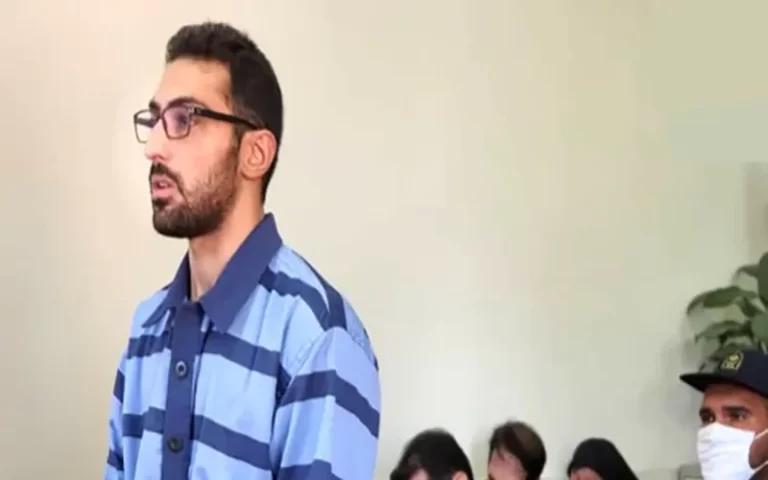
On November 24, Iranian prisoner Arman Abdolali was executed despite an international campaign to save his life as he was still a minor at the time of his arrest. In 2013, Abdolali was 17 years old when he received the death sentence for the charge of murdering his girlfriend. Her body has never been found, and while he initially confessed to the crime, he later retracted his confession.
According to the European Union, death sentences given to people for crimes committed while they were below the age of 18 are in violation of international laws under the International Covenant for Civil and Political Rights, as well as the Convention on the Rights of the Child.
A spokesperson from the European Union said, “It is a cruel and inhumane punishment, which fails to act as a deterrent to crime and represents an unacceptable denial of human dignity and integrity. The European Union continues to work for the universal abolition of the death penalty.”
Currently, 85 people are currently waiting on Iran’s death row for crimes that they supposedly committed as minors. Abdolali is the second juvenile offender who has been sent to the gallows so far this year. Over the last two months, he was transferred to solitary confinement a total of six times ahead of his scheduled execution, but each of the five previous times, proceedings were postponed at the last minute.
UN Human Rights Office spokesperson, Liz Throssell spoke out in regards to Abdolali’s execution, saying that it is shocking that his hanging took place despite many international parties trying to intervene on many occasions. She reiterated that under international human rights laws, the execution of an offender who was underage at the time of their crimes is categorically prohibited.
She said, “We have serious concerns that his case follows the pattern of child offenders being convicted after a flawed trial and on the basis of forced confessions.”
UN experts also spoke out, highlighting that Abdolali’s case is ‘emblematic of the deep flaws of the juvenile justice system in the Islamic Republic of Iran’. They called on the Iranian Government to reform their system ‘as a matter of priority’ and fully abolish the death penalty in Iran, especially for juvenile offenders.
Bärbel Kofler, the Federal Government Commissioner for Human Rights Policy and Humanitarian Assistance at the Federal Foreign Office, issued a statement following the news of Abdolali’s execution on Wednesday.
She highlighted her shock after learning that he was hanged for a crime he was alleged to have committed when he was still a minor and stated that the Federal Government rejects the death penalty under all circumstances because of its nature as an inhumane form of punishment.
Kofler said, “Iran has ratified both the UN Convention on the Rights of the Child and the International Covenant on Civil and Political Rights. Both prohibit the execution of minors and people who are minors at the time of the crime. There are also serious doubts as to whether due process standards were complied with in the proceedings against Arman Abdolali.”
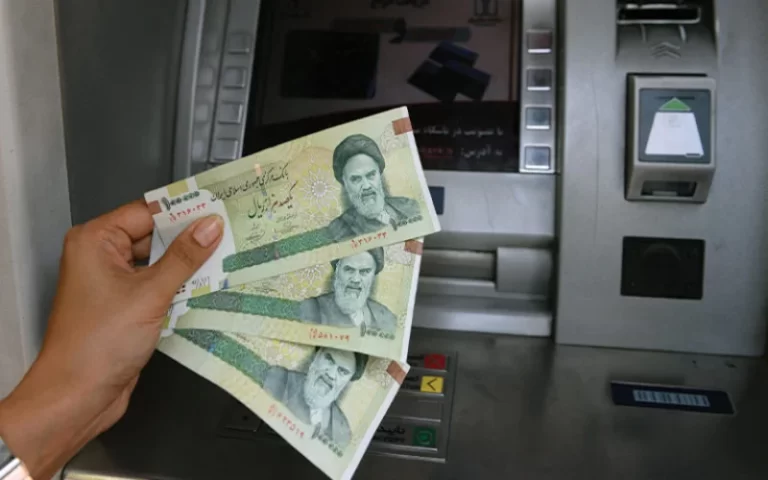
Iran’s economy has been on a death road for years due to widespread government interference. An economy that due to the regime’s corruption has all but collapsed, and now after 43 years all indicators are showing a terrible picture, and stagflation is just one of its results.
Low GDP growth is one of the major negative features of this economy. Data from the Statistics Center of Iran show that over the past 20 years, the country’s GDP growth has averaged negative, zero, or, at best, just one percent.
In addition, reports from this center say that over the past 20 years, Iran’s average inflation rate has been 20 percent. Negative economic growth and at the same time double-digit inflation, a catastrophe called stagflation.
Many economists believe that only sick and bankrupt economies are experiencing stagflation. Normally, a normal economy either suffers from inflation or is in recession. However, the simultaneous emergence of two phenomena, double-digit inflation, which means rapid price growth, and the phenomenon of recession, which indicates negative or zero economic growth, show that policymakers do not have the necessary competence and authority to run the country.
Stagflation devours the bases of production like termites and directs large amounts of liquidity to intermediation, experts say. In Iran, since 2018, when sanctions coincided with mismanagement and government corruption, and the rate of each dollar increased from 5,000 to 19,000 tomans and later to 33,000 tomans, the stagflation deepened, and in less than a year, at least $30 billion in foreign exchange from the production sector entered brokerage and intermediation activities.
The survival of any economy depends on the positive and continuous performance of the production, services, and agriculture sectors. The circulation of liquidity in these three sectors and the positive trade balance are also factors that are essential for the growing trend of any economy; However, all these sectors in Iran have become dysfunctional due to the expansion of unproductive activities, brokerage, and stagflation, and have not had a normal trend in recent years.
For example, Iran’s foreign trade balance was negative and between $3 billion to $10 billion in a year on average, and the three main sectors of the economy together have experienced negative economic growth.
The inefficient and disproportionate policies of the Iranian government to the current situation have increased the risk of investing in the manufacturing and services sectors to such an extent that many economic actors prefer to shift their liquidity from productive activities to intermediation.
Trading currency, gold, housing, and cars are among these unproductive activities that not only add nothing to the country’s economy but also fuel inflation.
However, the main root of Iran’s economic problems must be sought in the nature of Iran’s reactionary government. The government’s approach to internal and external issues is such that it reproduces problems. For example, the foreign policy of this government, headed by Supreme Leader Ali Khamenei, has imposed crippling sanctions on Iran, and at least $10 billion in the capital is leaving the country each year due to instability in macroeconomic indicators.
By providing the right conditions for intermediation, the government has not only destroyed the country’s production but also degraded social and moral values. It is as if intermediation has become a principle in the economic culture of the regime.
Evidence that brokers are more respected, and on the other hand, no producer or craftsman is happy with the government’s response, are due to the sudden decisions of the government and the enactment of new laws, none of them can plan for the medium and short term.
This means that the lack of a clear outlook for economic actors contributes to the intensification of low economic growth and contributes to stagflation.
Under these circumstances, it can be predicted that the country’s GDP will continue to be negative or at best zero. Of course, the statistics manufacturing of the regime’s Statistics Center must be ignored.
Because according to this center, Iran’s economy is working well, while Iran’s real inflation rate is above 60 percent, and at least 60 million Iranians are facing a livelihood crisis.
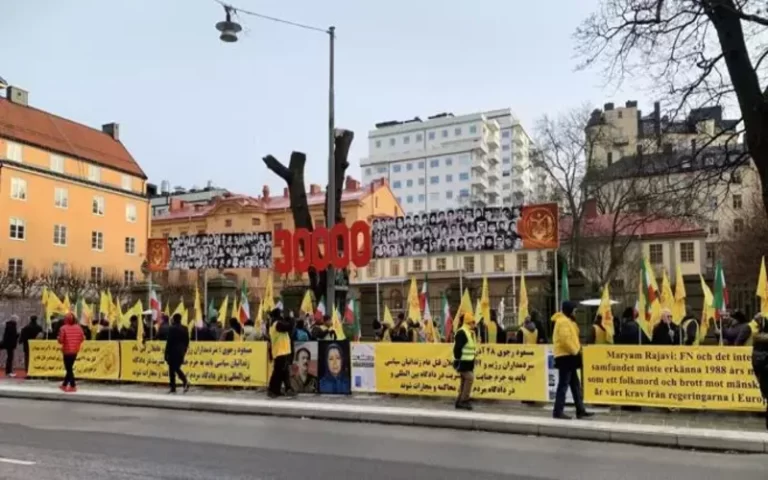
Today it is widely known that the Iranian regime is desperate to cover up their malign activities, and especially their brutal historical crimes against humanity. In 1988, the regime brutally massacred over 30,000 political prisoners, the majority of whom were members and supporters of the Iranian opposition group, the People’s Mojahedin Organization of Iran (PMOI/MEK).
Two years ago, former Iranian prison official, Hamid Noury was arrested by Swedish authorities in Stockholm for his involvement in the 1988 massacre. After 21 months of investigations, Noury went on trial in August of this year, with his final sentence expected to be given in April 2022. Throughout the ongoing trial, witnesses to Noury’s crimes, the majority of whom were MEK supporters, gave testimonies and provided documentation and significant evidence to the court.
Political scientist Majid Rafizadeh said, “It is believed that thousands of political prisoners were massacred in Gohardasht Prison in the summer of 1988, based on a fatwa (religious decree) by the then-Supreme Leader Ruhollah Khomeini. None had been sentenced to death but were summarily hanged only because they remained steadfast in their beliefs and democratic ideals.”
As most of the victims of the massacre were members of the MEK who advocated vastly opposing views and interpretations of Islam to that of the regime’s fundamentalism, many legal experts have stated that the 1988 massacre warrants as being classed as an act of genocide in addition to being a crime against humanity.
Earlier this month, the trial was temporarily relocated to Albania to hear testimonies from seven MEK members who reside at the MEK’s camp, Ashraf-3, in the country as they were unable to travel to Sweden.
The witnesses at Ashraf-3 gave detailed, graphic testimonies about the atrocities that took place during the summer of 1988 in Gohardasht prison. The trial proceedings were reported widely by the media, including by many Farsi-language satellite channels broadcasting in Iran.
Rafizadeh said, “Noury’s trial in Sweden focuses purely on events in one prison, namely Gohardasht because that is where Noury is accused of participating in the systematic killings. But, clearly, the massacre in 1988 was being carried out in prisons across the country, including at the infamous Evin prison in Tehran.”
Families of the victims have been consistently advocating broader investigations into the massacre for years, by the United Nations. These calls ramped up the pace and gained wider attention a few months ago when one of the main perpetrators of the atrocities, Ebrahim Raisi was inaugurated as the regime’s newest president this summer.
Amnesty International’s Secretary General Agnès Callamard spoke out earlier this year saying, “Ebrahim Raisi has risen to the presidency instead of being investigated for the crimes against humanity of murder, enforced disappearance and torture, is a grim reminder that impunity reigns supreme in Iran.”
She pointed out Raisi’s role as a member of the ‘death commission’, that was tasked with sentencing the prisoners to execution, and stated that there are calls for him to be investigated for his past and ongoing crimes under international law, under the principle of universal jurisdiction.
The significance of Noury’s case has led to the regime’s Foreign Minister questioning it in a meeting at the UN General Assembly in September with his Swedish counterpart, with him claiming that the MEK has ‘fabricated’ the trial’s evidence.
Noury himself is set to give his own testimony next week as the trial moves forward. It is likely that he’ll try to justify the crimes that he committed and was a part of, but the damning evidence dictates that he will ultimately face justice.
Rafizadeh said, “It is up to the media and the international community to also ensure that thousands of families of the victims of the 1988 massacre also get their basic demand: To hold the main perpetrators of the 1988 massacre in Iran accountable for their crimes against humanity, particularly Raisi and the current Supreme Leader Ali Khamenei.”
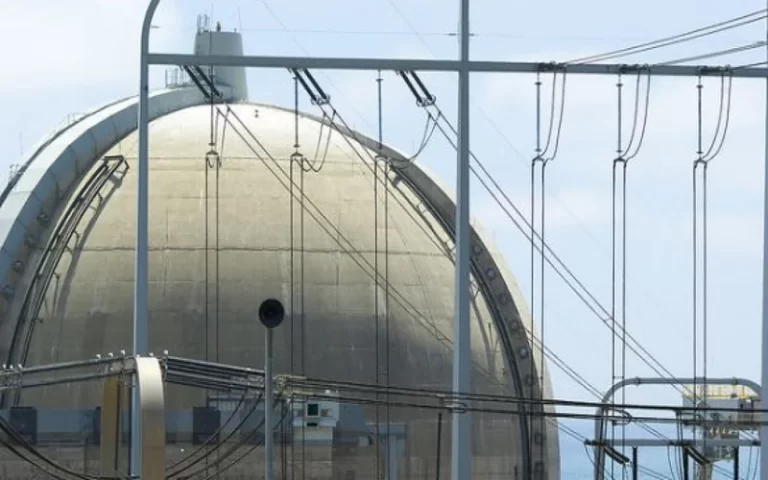
With the start of the International Atomic Energy Agency (IAEA) Governing Council meeting and the Vienna, nuclear talks resumed, the Iranian government’s nuclear stalemate appears to be serious.
The solutions to the regime’s nuclear case have one thing in common. They are all forming one unique field against the regime. Though it initially appeared that Joe Biden’s government would change the US policy toward the regime from a harsh one to a more flexible and appeasing policy, until now have not lifted any sanctions but have added some of the regime’s individuals and companies to the sanctions list, and they are forcing other government like China to reduce their oil imports from Iran.
Now US officials are warning the regime that all solutions are on the desk if the regime will not accept to stop its nuclear project and other cases like missile, terror support, and human rights issues.
Gen. Lloyd Austin, US Secretary of Defense, said that the United States remains committed to preventing the Iranian government from acquiring nuclear weapons and a diplomatic solution to the Iranian nuclear issue, but if the Iranian government refuses to engage seriously, the United States will consider all possible security options.
Before Austin, Secretary of State Anthony Blinken had made a rare comment in the Biden administration that all options were on the desk, which could point to a military strike.
US Special Envoy for Iran Robert Malley also announced on Friday, November 19, that the time for reviving the JCPOA is coming to an end and that the Iranian government was approaching an irreversible point for reviving the JPCOA after increasing its enriched uranium reserves.
Malley also announced on this day a constructive conversation between him and representatives of Russia and China on the Vienna nuclear talks, which is a bad sign for the regime that is trying to form an ally with these countries to confront the US and the EU.
Le Monde on November 19 quoted French Foreign Minister Jean-Yves Le Drian as saying that France warns the Iranian government against taking a false position in the nuclear talks.
Le Drian said that if the Iranian government takes a false position in the seventh round of the Vienna talks, which is scheduled to begin on November 29, the JCPOA should be considered vain.
France has previously warned the Iranian government that it could vote against the Iranian government at a forthcoming meeting of the IAEA’s Board of Governors.
Rafael Grossi, the Director-General of the IAEA, also raised concerns about the Iranian government’s nuclear program and expressed his concern at the UN General Assembly. At the meeting, he stated that the Agency’s fact-finding, monitoring, and oversight activities had been adversely affected by the Iranian government’s decision to suspend its nuclear program obligations under the JCPOA.
Grossi added that unresolved issues related to the presence of numerous man-made uranium particles in three locations in Iran have not been reported to the IAEA and that there are concerns about another location.
Natacha Tolstoi, Head of Political Section, Delegation of the European Union to the United Nations, on November 17, announced that the European Union is deeply concerned about the development of the Iranian government’s nuclear program and the continuing violation of the JCPOA and the consequences of the irreversible proliferation of nuclear weapons.
Tolstoi added that the European Union supports the International Atomic Energy Agency’s verification and monitoring of Iran’s nuclear program under UN Security Council Resolution 2231.
At the same time, the concerns of Middle East countries about the destructive actions of the Iranian government have also fueled the nuclear stalemate.
The importance of this issue is such that the political leaders of the three European countries and Robert Malley the US special envoy to Iran met with members of the Gulf Cooperation Council, Egypt, and Jordan at a meeting in Riyadh on Thursday, November 18.
According to the German Foreign Ministry’s website, the meeting was dedicated to the destabilizing actions of the Iranian government in the region, something that these countries and their Western allies are insisting on, which should also be added to the cases of the Vienna talks.
Israel has repeatedly stated that in the event of a nuclear standoff with the Iranian government, it will launch a military strike on the Iranian government’s nuclear sites.
Isreal’s foreign minister Yair Lapid also stated on November 15 that the Iranian government does not intend to return to the JCPOA or reach a new agreement.
Despite all these facts, which are against this regime, this regime also insists on the following claims which is showing its weakness:
The lifting of all sanctions
Payment of damages by the United States for leaving the JCPOA
The US commitment that it will not leave the JCPOA again
Verification of the lifting of US sanctions
Its missile and regional activities will be not included in any new negotiations
While analyzing these issues claimed by the Iranian regime, it becomes clear that the Iranian regime will not win this table; in other words, the nuclear stalemate is a serious matter.
The Iranian government claims that they are administrating the country based on ‘Islamic Teachings.’ However, what is in practice being done is an economy based on government capitalism that is run in a corrupt way. In this context, the government is controlling all the country’s economic sources.
It is directing all the political, social, and economic relations, that should be favoring the people, close to the rule and governing system.
One of the manifestations of this corrupt government capitalism can be seen in the housing sector of the country. The banks and rich people close to the government have captured this sector of the economy entirely, and they are expelling all the poor people from the cities.
Mojtaba Yousefi, Member of the Civil Commission of the Parliament, said in March this year that the “price of housing has been increased by 700 percent over the past seven years.”
That means, that the regime’s wealthy and powerful people have increased the housing costs in such a way that now no one in Iran is capable to have an urban life.
Iran Central Bank has previously announced that the renting costs that increasing by 51.3 percent this October compared to the month of the last year.
According to statistics published by the Central Bank, the average price of one square meter of residential unit traded in Tehran in August this year compared to the same month last year has increased by 34 percent.
This rate of increase is belonging just to one year and as Yousefi said, housing has increased by 700 percent in the past seven years. That means that nearly 70 percent of Iran’s families are living under the “housing poverty line” and are no longer able to stay in the cities and are pushed to the margins of the metropoles according to Abolfazl Norouzi, the Adviser to the Minister of Roads and Urban Development.
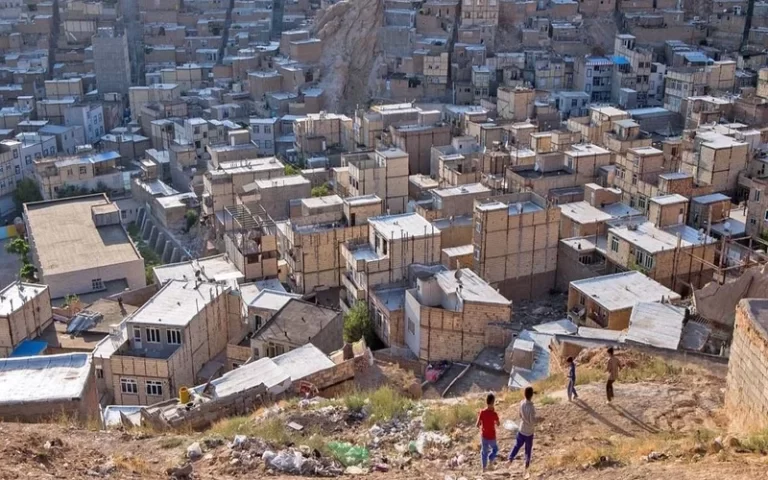
Masoud Shafiei, head of Tehran’s Management and Planning Organization, acknowledged on October 3 that more than four million people in this province live in ‘informal settlements’, ‘suburban areas’ and ‘dysfunctional structures‘, which is equivalent to ’31 percent of the population of Tehran province’.
In other words, this 31 percent of the population can be considered the victims of the project of expelling the poor from expensive metropolises such as Tehran. In addition, according to Iranian media reports, over 19 million Iranians are marginalized and suffer from a variety of social harms.
However, according to Mohammad Reza Rezaei Kochi, head of the parliament’s civil commission, “there are more than two million vacant houses in Iranian cities whose owners neither sell them nor rent them out.”
What is going on shows that the corrupt capitalist system in Iran is being organized in a manner to accelerate the project of expelling the poor from the metropolis. If in Mahmoud Ahmadinejad’s government a significant number of the people were pushed to the outskirts of cities and metropolises with the Mehr housing project which showed its destructive result in the 2017 Iran-Iraq earthquake with at least 630 people killed due to the poor construction quality and government corruption. Now this time in another ‘populist government’, the deprived will be expelled from economic centers with the ‘housing leap plan’.
Mahmoud Mahmoudzadeh, Deputy Minister of Roads and Urban Development, said about the plan: “We have prepared executive plans regarding the law of production leap and provision of housing and the goal of building one million units annually.”
The housing program of Ebrahim Raisi’s government is facing a lot of criticism, including where the staggering cost is to be met and how it is possible to build one million housing units in one year. The government seems to be in such a hurry to drive the poor population out of the cities that there is no precise logic or calculation behind its new plan.
Hurricanes of high costs and housing inflation have hit even the margins of the cities, and not only the purchase price of houses but also rents in metropolitan areas have risen sharply; For example, a 90-meter residential unit in Safadasht, Tehran, which in November last year could be easily contracted with a deposit of 30 million Tomans and a monthly rent of 2 million Tomans, this November, the same unit can be purchased with a deposit of 70 million Tomans and a rent of 5 million Tomans.
The Minister of Labor, Cooperation and Social Welfare, Hojjatollah Abdol Maleki, recently acknowledged that “housing devouring 60 percent of a family’s incomes so that ordinary people and the working class cannot afford it.”
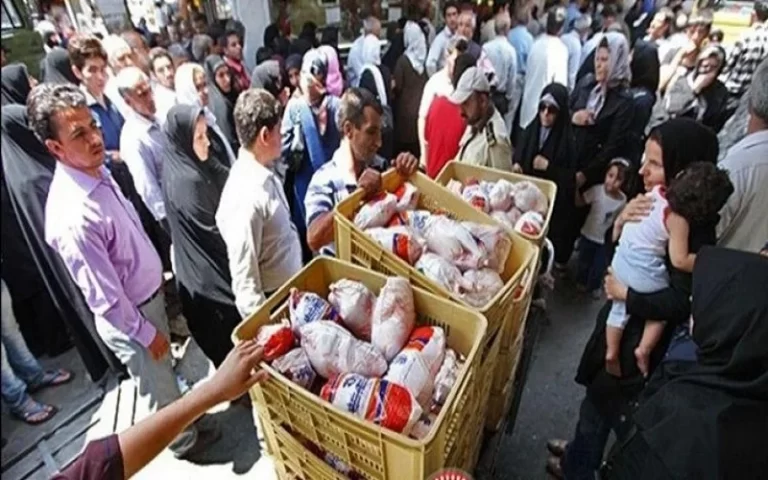
During a short TV show on November 10, political-economist Ata Bahrami speaks about the dire economic situation in Iran. The video was published on the state-run Tahririeh.ir website presents an example of the country’s critical conditions, particularly the government’s failure to manage the poultry price and public anger in this respect.
In his comments, he questions the government’s insistence on wasting national resources in ballistic missile and drone projects, the government’s mismanagement in various aspects, public distrust of the officials, and systematic corruption.
Without further clarification, this short video indicates the Islamic Republic’s critical situation, which has yielded over the past 42 years.
Indeed, the ayatollahs’ settlement to address the country’s dilemmas has placed the entire tyrannical state in Iran in an awkward position. In contrast, they have grasped any change or reform would render their ultimate collapse.
“Should we believe the country’s chicken management or the Islamic Revolutionary Guard Corps (IRGC) missile and drone technology?” Bahrami began, mocking authorities’ claims about military achievements.
“In the name of God. Our country has become a unity of opposites. On the one hand, we have technologies that a handful of countries possess. We have drones that fly over 1000km and strike targets precisely. Furthermore, we have several missiles that are on the world’s highest technical level,” he bragged about Tehran’s missile and drone power.
“More importantly, all these achievements are indigenous; their progression path is open and developing. On the other side, we are witnessing odd issues in the country. For four years, it has become a chicken country,” Bahrami underscored the poultry crisis in Iran. “See what is going on in a $1.2-billion market.”
“In the past two years, $20 billion has been spent on managing a $1.2-billion market—according to official estimates in 2020. All the while, the situation is that we see different prices every day, and some say there is no chicken leg or chests,” he briefly explained about turmoil in the poultry market and people’s dilemmas.
“You see, this story destroys the national capital, disturbs the country’s reputation, and challenges the government. How is it possible to get these together? Regrettably, our country lacks a central nervous system in management. Incompetence has become the cause of the crisis in the country and is challenging the country’s structure,” he continued.
“Indeed, two different movements manage this issue, and there is no managerial unity, meaning the same movement that produces drones does not control the market in our country. I mean intellectually, not a military entity controls the chicken market, which is senseless at all.”
“These are separate issues. A movement does [missile- and drone-making] projects, which is honorable, extraordinary, and we didn’t have such successes in recent centuries. We were always behind others due to weapons since the Safavid era. Due to weapon shortages, we failed many battles and lost many areas of our country.”
“Currently, we have advanced weapons; they are indigenous, and we have proud and faithful forces that use them. This is very special and unique. Unfortunately, the people do not separate these issues.”
“Maybe we should not expect ordinary people to know these issues, and they practically mix them, concluding missile and drone technology developments are false too. It is not possible a country, which possesses 7000km-range drones, cannot manage the chicken market. This contradiction has caused something strange,” Bahrami challenged authorities’ claims.
“They have created such circumstances through policymaking. This policy created such challenges, and the new government constantly falls because it has yet to realize this crisis,” he tried to ease criticism against the Ebrahim Raisi government by blaming his ‘reformist’ predecessor Hassan Rouhani.
“Currently, we witness long discussions over subsidized dollars—which are provided for officials at 42,000 rials. 42,000-rial dollars is practically the root of this crisis with simple policymaking and nice expressions. They do not say we intend to destroy the country; they say we allocate preferred currency for essential goods.”
“Several people say they are doing their duties well, which decreases the prices. However, they are disturbing the market. For 40 years, they distributed rants via preferred currencies. We had 25 various currencies, sinking the country into chaos,” Bahrami added.
“Unfortunately, the new government cannot understand that keeping the 42,000-rial currency is a loss even for one day. They regrettably keep the 42,000-rial currency, make new decisions every day, and present new bills. The country would not face such dilemmas if it had a central nervous in the managing system.”
“Those managers or the main circle of the management that decide about extending the missiles’ range or improving military forces. They should be familiar with the economic logic and prevent from turning chicken into a symbol of mismanagement.”
“They should not have built a ‘managing base’ for chicken, which is a sign of weakness for the country. I do not know how some officials think. There are many countries across the globe. Which one of them has had a chicken crisis for four years?”
“If you had decided to drill the earth and come out from the other side, it would not take four years. For over four years, they have been discussing chicken, seeking different ends via the same policy. It’s impossible,” Bahrami highlighted the extended mismanagement to the entire ruling system and officials’ failure to find genuine solutions.
“With preferred currency, you will get the same result in the future, and this is an obvious issue. If you do a job for ten years, you have it, and you would be unemployed for ten years if you do nothing. This is obvious.”
“If you build a house, it will be built; otherwise, it would not be built. If we think that there is a formula that spontaneously builds houses, well, such an idea does not exist. This is too odd why the country’s officials have yet to understand this and still discuss what they should deal with this devastating issue?”
“The chicken is a symbol of mismanagement logic, which has been presented here as we see. This logic has engulfed housing, education, healthcare apparatus, automaking, and home appliances fields.
“A misconception resorts to various examples. Since citizens do not see the decision-making process and decision-makers are unclear, [the misconception] accuses military forces of false claims and questions them, reasoning, “They destroy national resources and will bring multiple-dimension consequences, which eventually hurts all the people of Iran,” ended Bahrami warning about society’s volcanic situation, which would harm the entire ruling system and its internal factions.
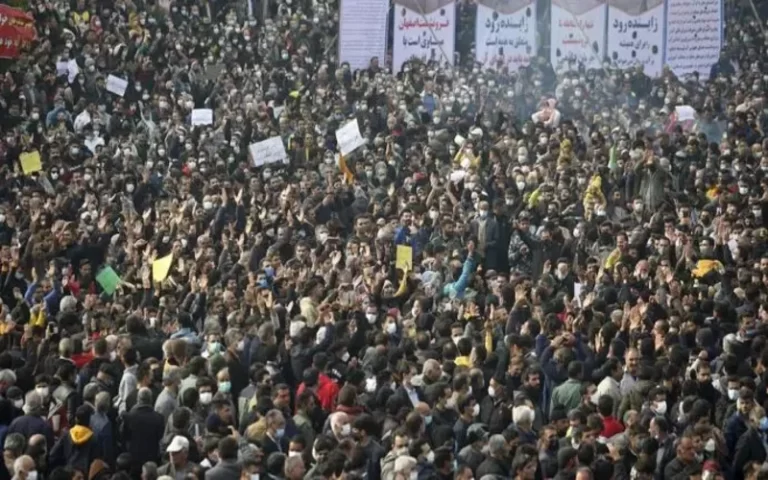
Ongoing protests in Isfahan reached a turning point on Friday. Farmers have been holding demonstrations at the dried basin of the Zayandeh Rud river in the province to protest water shortages that have been caused by the Iranian regime’s corrupt policies.
Support for the farmers and their protests have been garnering support from people from all walks of life across Iran. Thousands of protesters joined forces with the farmers to call for justice and basic human rights, chanting phrases such as: “The people of Isfahan will rather die than give in to disgrace”; “Zayandeh Rud is out undeniable right”; and “We will not go home until we get our water back.”
Friday’s demonstration was so crowded that the regime’s state-run media, which usually censors news of protests, admitted that more than 30,000 people of Isfahan province had gathered at Zayandeh Rud.
Regime officials seemed to be fearful of the large gathering at the river basin and local reports said that access to mobile internet in the region was cut off by the regime to prevent news of the protests spreading around the country.
The first vice-president of the regime, Mohammad Mokhber appeared on television to give a speech, responding to the protests claiming to have passed on the issues to the energy and agriculture ministers to solve the issues.
However, following Mokhber’s speech, the energy minister stated that he was sorry to the farmers and claimed, “we are not in a position to provide their water needs.”
The reality is that the regime’s corrupt and destructive policies have taken their toll on every aspect of Iran’s economy. The unbridled looting and taxing of the country’s resources and infrastructure have brought the country’s agriculture industry to a point where it can no longer address the problems of Isfahan’s farmers.
Regarding Isfahan’s water resources, experts have stated that the water store behind the Zayandeh Rud dam is mostly empty. About 14 percent of the water remains, and even if it is released into the river basin, it will barely last for a few days.
Farmers rely on the river to irrigate their agricultural land, but the regime has built dams in the area and channeled it to serve industrial projects run by the Revolutionary Guards (IRGC) instead.
The Supreme Water Council and the Council of Coordination for Zayandeh Rud originally ordered that for the allocation of the water of the river, 74.3 percent was to be used by the farmers in the area, while the remaining 25.7 percent would be permitted for use by the energy ministry and government projects. However, the regime has taken it upon themselves to seize full control of the river, leaving the farmers with no means to irrigate their land.
Farming is among the key economic activities of Isfahan, and with irrigation water becoming scarcer, the livelihoods of millions of people in the province are endangered.
Isfahan is not the only province affected, many other provinces in Iran are faced with the same problems. Despite the issues and protests stemming from the regime’s corrupt ideas and policies, officials fear that the protests will turn into anti-regime uprisings at any time, akin to the major uprising that took place two years ago, pushing the regime to the brink of collapse.
To prevent its downfall, the regime brutally suppressed the protests, tragically killing 1,500 protesters in the process. In the two years since the November 2019 uprising, the regime has failed to address any of the economic problems that triggered the nationwide protests in the first place.
Today, inflation, poverty, unemployment, and other economic problems have brought Iran’s population is on the verge of another explosive uprising. And the powder-keg society is just waiting for a spark.
To understand why the Iranian people’s demands are left unanswered, and corruption and crime have become so widespread, it would help to pay attention to this short sentence published by a state daily:
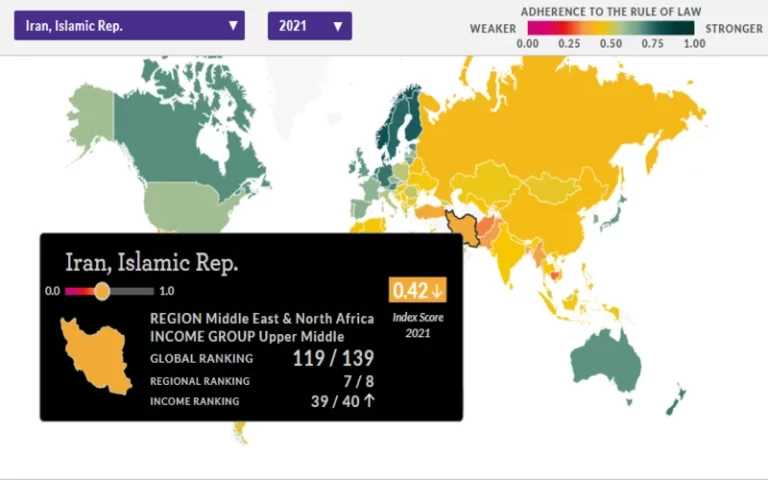
“Iran ranks 119th in the world in the global index of ‘rule of law’ in 2021.” (State-run daily Donya-e-Eghtesad, November 18, 2021)
Now put this news in front of the regime’s claims such as “Islamic Democracy”, “Land of the Quran”, “Islamic Civilization” to better understand that behind this claim there is widespread corruption and government crime which has engulfed the entire rule, and no one is an exception.
To complete the news about the ‘rule of law’, one should pay attention to this too: “Iran ranks 7th among 8 countries located in the Middle East and North Africa region.” (State-run daily Donya-e-Eghtesad, November 18, 2021)
One of the excuses of countries who put the ‘rule of law’ aside is the existence of government poverty in some of the poor countries. But over the past 100-120 years, Iran’s governments had no financial shortcomings to support their budget and stabilize the rule of law.
However, they all have wasted such resources on other priorities which were mostly in favor of the senseless militarization of the country and the repression of the people.
Iran is among the 40 countries with high incomes but has gained rank 39 in terms of the rule of law.
“According to the World Bank’s 2021 income classification, Iran is one of the upper-middle-income countries. Among the 40 countries surveyed in this income group, Iran ranked 39th in terms of the rule of law index.” (State-run daily Donya-e-Eghtesad, November 18, 2021)
Then feeling sorry for the government, this daily wrote that Iran is behind some of the poorest African countries:
“Other countries around the world are strengthening this index. Of these countries, five are African countries.” (State-run daily Donya-e-Eghtesad, November 18, 2021)
From the beginning of the rule of theocracy in Iran, the regime tied the country’s rule of law with the Velayat-e-Faghih principle (principle of supreme religious rule), which leads to political repression, repression of freedom, an atmosphere of suffocation, censorship, state terrorism, and the fall of human and moral values.
The regime is only faithful to two laws and is protecting them in any way, the principle of the Velayat-e-Faghih and the implementation of the inhuman law of the so-called qesas (retribution) to promote intimidation to consolidate the rule of the mullahs.
The law, in the view of the mullahs’ rule, is not a source for social relations and to protect the private and public interests, but rather the sum of materials and tools to ensure the continuation and consolidation of the mullahs’ Islamic government.
Ebrahim Raisi and his government promised the Iranian people that their living conditions will be changed at a very close time after he took office as President. But now after a while not only have the conditions did not improve but become worse and the number of people living under the poverty line has been added.
This is something that is not based on speculations but the officials’ statistics of the regime. According to the regime’s statistics center, in early November, the increase in food and beverage prices in the country during the 12 months leading to October this year compared to the same period last year (annual inflation) was 61.4 percent, which is a new record in food inflation.
This inflation and this figure are something like ‘super inflation’ and have crossed the limits of normal inflation. The dollar has exceeded 28,000 tomans means an alarm for the regime and if not heard it will have social consequences.
“Reports from the Statistics Center of Iran state that the inflation rate in October 2021 was 45.4%. These numbers show horrible inflation on paper. But the most frightening part of this phenomenon is felt in the daily lives of millions of people, especially in metropolitan areas.
“The very high cost of food, astronomical rents, travel costs, large figures for health care, etc., have put the middle class on the throe of a two-way decision.” (State-run daily Mostaghel, November 15, 2021)
Examination of the price chart of selected items in comparison with the trend of changes with the desired limits shows the warning and critical price situation.
In October 2021, the average price of about 79% of selected items including first-class Iranian rice, first-class foreign rice, machine chicken, pasteurized milk, pasteurized yogurt, pasteurized Iranian cheese, machine eggs, pasteurized butter, liquid oil, banana, apple, orange, cucumber, potatoes, pinto beans, lentils, sugar, and foreign tea are over the critical price range.
The economic situation is so dire that the government is forced to admit the existence of ‘beyond critical’ conditions in official and government statistics.
“One of the promises of Raisi’s government was to address the economic problems of the vulnerable immediately, but the daily increase in prices during the 100 days of this government does not show any clear prospects for improving the situation of the poor.
“Now that the 4,200 toman currency (each dollar) is to be eliminated, new high prices are rising, and even if direct subsidies increase, it will still be the poor who create the first line of vulnerability.” (State-run daily Etemad, November 14, 2021)
In the current situation, the conditions of the poor and economically vulnerable strata are so critical that the quality of food is no longer important to them, and they are just trying to get a piece of bread and not to die of hunger.
This situation indicates that many strata have crossed the poverty line and the absolute poverty line and reached the survival line who are trying daily not to starve to death.
The root of this situation is clear even for many of the government’s figures and experts. Institutional and structural corruption in such a way that every economic project and of any quantity and quality in this regime becomes a place and a source for rent-seeking and looting by the government elements.
According to Mohsen Zanganeh, an MP, ‘up to $55 billion worth of 4,200 Tomans has been distributed in the country,’ but the result has not been a reduction in prices, and in connection with it, ‘many cases of rent-seeking and economic corruption have been created.’
He said:”4200 Tomans have been used for the supply of seven items of goods up to 8 billion dollars” and “since the beginning of 2021 until now, the previous government, as well as the thirteenth government, spent the total amount of 8 billion dollars to supply seven items of goods with 4200 Tomans.” (State-run website Eghtesad Online, November 6, 2021)
If this money was spent on buying the basic items needed by the people and distributed in the market at the price of 4200 Tomans, the situation of prices would be different. But the government’s corruption did not allow such a thing to happen.
Finally, state-run daily Donya-e-Eghtesad warned the regime and wrote: “It should be borne in mind that there are no miracles in the economy and the structural problems that the Iranian economy has been suffering from for more than five decades and in recent years due to international tensions and hardships, its symptoms and effects on the nation’s livelihood have become worse, will not improve significantly with any immediate action.” (State-run daily Donya-e-Eghtesad, November 14, 2021)
Statistics indicate that Iran’s government headed by Ebrahim Raisi has decided once again to loot the people’s pockets by eliminating the hidden subsidies, to compensate for the government’s budget deficit.
It has been a little over a decade since the announcement of what has been called ‘targeted subsidies’ in Iran. It was in the winter of 2008 that Mahmoud Ahmadinejad’s government introduced the law on targeted subsidies to the then parliament.
Finally, after many disputes among Iranian officials, the law of the ‘targeted subsidies’ was approved in December 2010.
At that time, it was announced that energy carriers, water, and bread would be offered at a new rate, the price of free gasoline increased to 700 Tomans and the price of CNG gas to 300 Tomans per cubic meter.
The price of diesel was announced at 350 tomans per liter. According to the law passed at the time, 16 items of goods and services were subject to the abolition of subsidies and were supplied at international prices.
At that time, it was decided that half of the revenue from targeted subsidies, which amounted to 1 trillion tomans ($816 million), would be allocated to citizens in cash to combat inflation.
In the first year of subsidy payment, i.e., in 2010, it was decided to pay 45,500 tomans ($36) per month to about 68 million people in the country.
After two years from that date and in the budget of 2012, it was decided that due to the increase in the price of the dollar to 1226 Tomans, the surplus income from the difference between the dollar rate in the foreign exchange reserve fund with the National Development Fund or the government treasury account should be saved separately. And part of it in the amount of 2 trillion tomans ($1.6 billion) to be allocated to compensate the budget deficit in that year.
In the meantime, however, Ahmadinejad’s government refused to allocate a share to the manufacturing sector, making the targeted subsidies ineffective.
The targeting of subsidies, especially in the energy carriers’ sector, was done under the pretext of reducing the consumption of energy carriers in the country, but after a short time after the removal of subsidies from the energy carriers’ sector, the consumption of these carriers returned to the previous level.
In 2012, Ahmadinejad’s government was forced to raise the price of foreign exchange in the open market to cover the lack of funds to pay subsidies, and this was the beginning of a process that has continued to this day.
Ahmad Tavakoli former MP announced at the time that the government had deliberately increased the price of the currency so that they could pay the difference in cash to the people. This, however, was an inflationary move and had an impact in the months and years that followed.
Ahmadinejad’s government handed over the job to Hassan Rouhani’s government. Before taking the helm of the government, Rouhani promised the lower deciles of the society rich incomes.
But a year after these words of Rouhani, the second phase of targeted subsidies began in April 2014.
As many as 91.2 percent of Iranians applied for cash subsidies in April 2014, but it turned out that between 10 and 15 percent withdrew their applications for subsidies.
It turned out that 22 million families, out of a population of over 70 million at the time, had applied for cash subsidies.
Quota gasoline at this time increased from 400 tomans to 700 tomans and free gasoline from 700 tomans to 1000 tomans.
Also, the quota diesel price increased from 150 tomans per liter to 250 tomans and free diesel from 350 tomans to 500 tomans.
In the second term of Rouhani’s government and in November 2019, the price of quota gasoline increased from 1000 Tomans to 1500 Tomans and free gasoline to 3000 Tomans.
However, the Rouhani government’s promise to pay a living subsidy in addition to the previous 45,500 Tomans subsidy was never fulfilled, and so far, the amount of the subsidy has remained at the same figure as in 2010.
Now, less than three months after the inauguration of Ebrahim Raisi, he and his affiliates are seeking to pave the way for what is called the elimination of hidden subsidies.
They spoke of the need to eliminate hidden subsidies and ‘hold a referendum to eliminate cash subsidies’ and offer ‘quasi-subsidies’ instead of cash subsidies.
For example, Hadi Ghavami, the Deputy Minister of Economy of the Raisi government, cleared the path for this and announced the number of hidden subsidies as 140 trillion Tomans ($5 billion), and added that one day of hidden subsidies per person is equivalent to one month of cash subsidies and the total is 1.35 billion tomans per month.
In another artificial calculation, the number of hidden subsidies is estimated at 170 trillion tomans ($6.1 billion).
These figures, however, are practically impossible to calculate based on the number of hidden subsidies as opposed to cash subsidies because they are a function of different criteria and different base prices.
However, what is now counted as a hidden subsidy in Raisi’s government is the difference between the border price (Customs) of goods and the domestic price of those goods.
With such preparations, and without considering the per capita income of Iranian households and indexing the price of energy carriers with the FOB rate of the Persian Gulf, Raisi’s government, like its predecessors, seeks to eliminate hidden subsidies under the pretext of targeted subsidies.
At present, there is a daily increase of 300 trillion tomans ($11 billion) of liquidity in the Iranian economy, which the regime’s economists see as the result of incorrect implementation of targeted subsidies and non-elimination of hidden subsidies.