Home Blog Page 29

Slight Increase in Iran’s Internet Connectivity After 200 Hours of Complete Shutdown

NetBlocks, an internet monitoring and data analysis website, announced that more than 200 hours after the nationwide and complete internet shutdown in Iran, user connectivity has increased only very slightly. The overall level of access remains at around 2% of normal conditions.
According to NetBlocks, an internet monitoring and data analysis website, user connectivity to the network has increased only marginally after more than 200 hours of a nationwide and complete internet shutdown in Iran.

At the same time, the overall level of access is still reported to be around 2% of normal conditions, and it has been stated that there are no signs of the internet returning to a normal state.
According to experts, the reported increase in access is limited and applies only to a small portion of government infrastructure and specific networks; therefore, general public access to the internet remains largely impossible.
At the start of the third day of the nationwide internet shutdown, NetBlocks had announced that leaders of the Iranian regime continued to publish their own narrative of events online, while the switch they control silences the voices of 90 million Iranians.

Intensifying Repression to Conceal the Scale of The Crime

According to NetBlocks, this digital blackout violates citizens’ fundamental rights and freedoms, and such a nationwide shutdown not only blocks access to information but also conceals the regime’s violence from the eyes of the world and reduces the ability to document events.
The nationwide internet shutdown, along with severe restrictions on telephone communications, including mobile and landline phones, occurred at a time when, according to human rights organizations, thousands of people in various cities were killed by regime forces during the popular protests in Dey.
There is still no precise figure for those killed in the protests in Iran, but the People’s Mojahedin Organization of Iran has put the number at more than 3,000 people. The internet shutdown has kept the scale of the catastrophe shrouded in ambiguity.
With one-way phone connections from Iran, information is being relayed in a very limited manner to families abroad. Nevertheless, there are also limited methods for making phone calls from outside the country into Iran.
Some figures estimate the number of those killed at 12,000 people, while others assess it to be far higher. However, the lack of independent access to sources inside the country has eliminated the possibility of accurately verifying the number of those killed and detained.

Iran’s regime cut off the internet nationwide starting on January 8, coinciding with the expansion of protests, in an effort to intensify repression. It is said that widespread images of the bodies of those killed and reports from the protests during these days were published only through a small number of users who had access to Starlink.

Human Rights Watch: Growing Evidence of Mass Killings of Protesters in Iran

Challenges facing Starlink during the Iran protests

Despite reports that some users in Iran have gained access to Starlink satellite internet and that it has been offered free of charge to people during the protests, it appears that internet connectivity via Starlink is also facing many difficulties.
According to a report by Reuters, Iran’s regime is now using jammers and fake GPS signals to disrupt Starlink transmissions.
The report adds that the repression of opponents in Iran is becoming one of the toughest security tests to date for Elon Musk’s Starlink.
This is while, according to the news agency, since its deployment during the war in Ukraine, Starlink has functioned as a vital lifeline against government-imposed internet shutdowns.
Reuters notes that SpaceX, the company that owns Starlink, made this satellite service free for Iranians following the nationwide uprising, an action that places Elon Musk’s space company at the center of another geopolitical flashpoint.
The report adds that a team of engineers based in the United States is now confronting regime measures involving satellite jammers and signal spoofing tactics.
Some experts say that agents of the Iranian regime in Tehran and other cities are using scanner equipment to detect Wi-Fi signals in order to identify Starlink sources in urban areas.
Network security specialists recommend that users who are connected to the internet via Starlink pay close attention to necessary security guidelines and adjust settings in a way that minimizes the risk of identification.

Intensifying Repression to Conceal the Scale of The Crime

As protests and the nationwide uprising of the Iranian people, which began on December 28 in cities across the country, continued, Friday, January 16, witnessed ongoing protests, clashes, intensified state repression, and domestic and international reactions to these developments. This report presents a summarized account of the most important events and news from that day.

Direct fire on protesters

Videos published from the city of Dezful in Khuzestan province show shocking scenes of direct fire by forces loyal to Ali Khamenei, the supreme leader of the Iranian regime, at protesting civilians. These images, from Dezful’s Clock Square, demonstrate the overt use of live ammunition by regime forces against demonstrators and the escalation of organized violence against the popular uprising.

Media narrative-building by institutions affiliated with the IRGC

A news agency affiliated with the Islamic Revolutionary Guard Corps claimed in a statement that protesters “possessed various cold and firearms” and were seeking to “seize ammunition depots and military centers.” The outlet also reported that a number of protesters were arrested during attacks on police stations and military sites. These claims are assessed as part of the authorities’ efforts to justify the bloody crackdown and portray popular protests as armed actions.

Human Rights Watch: Growing Evidence of Mass Killings of Protesters in Iran

Human Rights Watch, in a new report, announced growing evidence of “mass killings” carried out by the Iranian regime’s security forces across Iran and stated that the use of live ammunition against unarmed protesters was deliberate and carried out as part of a state policy.

The report, published on Friday, January 16, stresses that the Iranian regime’s security forces, following the escalation of nationwide protests since January 8, have coordinated widespread killings of protesters, and it is believed that thousands of protesters and bystanders have been killed. According to the organization, existing evidence shows that many victims were killed or seriously injured by gunshots to the head and upper body.

Human Rights Watch stated that severe communication restrictions and a complete internet shutdown have concealed the true scale of these killings. Nevertheless, according to the report, some Iranian officials themselves have acknowledged that the death toll has reached the thousands.

Lama Fakih, deputy Middle East director at Human Rights Watch, said in response to these findings:

“The mass killings by Iran’s security forces since January 8 are unprecedented in the country’s history and once again show that rulers who massacre their own people will continue committing crimes as long as they are not held accountable.”

The necessity of an international response to the crime

According to the published report, Human Rights Watch interviewed 21 people between January 12 and January 14, including eyewitnesses, relatives of victims, journalists, human rights defenders, and medical personnel. These individuals provided the organization with images, audio messages, and accounts of events. Additionally, 51 verified photos and videos were reviewed, and victims’ injuries were assessed by independent forensic medical experts affiliated with the International Rehabilitation Council for Torture Victims.

The report adds that despite widespread communication shutdowns, evidence of protesters being killed has emerged in provinces such as Tehran, Alborz, Kermanshah, Razavi Khorasan, Gilan, Kohgiluyeh and Boyer-Ahmad, Markazi, and Mazandaran. One eyewitness in Kermanshah said in an audio message:

“They are shooting here; tear gas is everywhere. I am stuck in the street on my way back from work. All the roads are blocked, and security forces are firing.”

Human Rights Watch also referred to videos from Tehran showing numerous body bags and piled-up corpses in and around the Kahrizak forensic medicine center. According to the organization, in just a few videos from the same location, at least 400 bodies could be counted, although the actual number is estimated to be higher due to bodies being stacked.

Bags piled with human bodies!

The report goes on to say that state-affiliated media have reported the deaths of at least 121 security force members, a figure that has not been independently verified. However, Human Rights Watch stated it reviewed reports indicating that officials in some cases pressured victims’ families to falsely identify their loved ones as members of the Basij militia in order to receive their bodies.

Citing United Nations principles on the use of force, the organization emphasized that the widespread, coordinated, and lethal use of firearms against unarmed protesters shows that authorities deliberately used lethal force as a state policy.

The Twentieth Day of Protests in Iran; Zahedan: “Khamenei Is a Murderer; His Rule Is Illegitimate”

The city of Zahedan, the capital of Sistan and Baluchestan province in southeastern Iran, once again became the scene of popular protests. The protests in Zahedan on Friday, January 16, spilled into the streets immediately after Friday prayers. These gatherings took place in a highly securitized atmosphere. The heavy presence of military forces failed to prevent the outbreak of popular protests.

After the end of Friday prayers, a group of Zahedan residents gathered in the streets surrounding Makki Mosque, the main Sunni Mosque in the city. The protesters chanted “Khamenei is a murderer; his rule is illegitimate.”

Chants of “Death to Khamenei” and “Death to the dictator” were among the other slogans heard during the Zahedan protests. The protests by the people of Zahedan took place as the Iranian regime, gripped by fear, carried out brutal killings in cities across Iran.

The military siege of Zahedan on the day of protest

As the protests in Zahedan took shape, the city took on a militarized atmosphere. Military and security forces were deployed across the city from the early hours of the day. Roads leading to Makki Mosque were placed under strict control. Military vehicles were widely present in the streets.

This heavy deployment severely restricted citizens’ movement. Armed forces set up checkpoints. The regime’s security institutions sought to suppress any gathering. Nevertheless, protests formed and chants echoed throughout the city.

The securitized atmosphere in Zahedan was not limited to Friday. In the preceding days, signs of a full security alert were visible throughout the city. Local reports indicated an increased presence of plainclothes security agents. These measures caused widespread concern among residents.

On Thursday, January 15, security forces went to shops. These forces appeared in protest-prone neighborhoods of Zahedan and Chabahar, a port city in Sistan and Baluchestan province. They confiscated the memory cards of CCTV cameras. This action was carried out without presenting any judicial warrant.

Citizens view this action as an attempt to identify protesters. The collection of footage is considered part of the security pressure ahead of the Zahedan protests. Such behavior has made the atmosphere of repression more overt.

‘Rivers of Blood’; the Horrific Reality of the Massacre of Protesters in Iran

In a report on the intensification of the crackdown on protests in Iran, The Telegraph, a British daily newspaper, wrote that hospitals have been filled with bodies and injured people, and doctors report overflowing morgues, severe shortages of medical supplies, and security forces firing directly at protesters.

Bodies and wounded individuals arrive at hospitals continuously. Some are brought by ambulances with sirens blaring nonstop; others arrive piled atop one another in pickup trucks, drenched in blood. Still others are brought in private cars by terrified relatives who enter hospital grounds honking their horns and shouting for help.

This is the picture of medical facilities in Iran as reported by The Telegraph. This comes as many of the injured have not been transferred to hospitals due to security conditions, and their relatives are trying to treat them at home.

Reports have also emerged of bodies being kept in homes out of fear that they might be seized by regime forces and agents of repression.

According to The Telegraph, some of the injured were taken to hospitals on foot by their relatives; people who did not wait for transportation, instead carrying their loved ones in their arms or on their shoulders and running.

Men, women, and children …

Some are alive but struggling to breathe. Others died before reaching the hospital.

They have gunshot wounds, severe blows to the head, and faces shattered by pellets. Bodies so badly injured that doctors do not know where to begin.

Hospitals on the brink of collapse

The Telegraph’s account and report continue: Dawn brings new wounded. In the afternoons, even more arrive. At night, there is no calm at all. Nearly three weeks of nonstop protests have sent victims of the regime’s repression flooding into Iran’s hospitals at a pace the medical staff cannot handle.

Emergency wards are soaked in blood. Morgues have overflowed. Body bags have been moved into courtyards because there is no space left inside to store them.

Doctors inside Iran, speaking to the outside world through limited Starlink connections, describe a healthcare system on the brink of collapse. They report days of work without sleep, extreme exhaustion, and shortages of everything.

One doctor near Tehran says bodies and wounded people are being brought by trucks, ambulances, and private cars, and many have died because there was not even time to tend to them.

He says medical staff collapse from exhaustion and that “rivers of blood are flowing in hospitals.”

Over 50,000 Arrests During the Bloodiest Crackdown

Evidence of widespread killing

According to The Telegraph, Iran’s regime has tried to conceal the scale of this massacre, but evidence sent from inside the country likely shows part of it.

Activists, eyewitnesses, and grieving families, despite serious risks, have managed to get documentation of the events out of Iran.

The Telegraph writes that the intensity of this crackdown has turned it into one of the bloodiest examples in recent history.

The outlet compares the January 2025 killings in Iran to the early years of the Syrian civil war or the massacre of student protesters during the suppression of China’s Tiananmen Square.

Direct fire and raids on hospitals

Eyewitnesses have said that Basij forces and security agents fired live ammunition at protesters and chased them into alleyways.

Reports also speak of the severe beating of injured protesters.

Iranian Regime’s Security Forces Attack Another Hospital

The Telegraph wrote that even hospitals are not safe and that security forces have raided medical centers to arrest the wounded and transfer bodies, an action that appears aimed at concealing evidence.

Iran’s regime has now abandoned any pretense of restraint. Witnesses report the presence of snipers on rooftops. The goal is no longer dispersing crowds but killing protesters.

The intensity of the repression is a sign of the regime’s fear. A regime deeply anxious about its future that has found bloody repression to be its only means of survival. However, experience shows that Iran’s regime faces difficult days ahead and appears unlikely to emerge safely from this predicament.

Over 50,000 Arrests During the Bloodiest Crackdown

On Thursday, January 15, the nineteenth day of nationwide protests and uprising in Iran, the People’s Mojahedin Organization of Iran (PMOI/MEK) announced that the total number of arrests and detentions related to the nationwide uprising in the country, from September 28, 2025, to January 14, 2026, has exceeded 50,000.

According to the report, some detainees were arrested en masse at protest sites and later released, and their exact numbers are unknown.

Additionally, surprise arrests through raids on homes, neighborhoods, and even closed workplaces continue.

These figures come from field investigations in 144 cities and inquiries in 76 other cities, collected from eyewitnesses, families of detainees, local staff, and prisoners.

However, it is evident that obtaining an exact and complete count would only be possible through the establishment of an international fact-finding mission and visits to all prisons and detention centers of Iran’s regime.

Reminder of the judiciary chief’s admission of ninety thousand arrests during the 2022 uprising
Ejei, head of Iran’s regime judiciary, admitted on April 21, 2025, that during the 2022 uprising “about ninety thousand legal cases” were filed. In this admission, he stated that among the detainees were students, teachers, men and women, and various sectors of society, including workers.

UN Security Council meeting on the wave of crackdown in Iran
At the international level, the United Nations Security Council is scheduled to hold an emergency session on Thursday afternoon, January 15, regarding the situation in Iran. This meeting is being convened at the request of the United States and follows warnings from human rights organizations about escalating repression. Previously, Amnesty International had called for urgent action by the Security Council to prevent further killings and emphasized that judicial immunity for perpetrators of repression must end.

Amnesty International Calls Urgent Action by International Community Over Killing of Protesters in Iran

Amnesty International, in a statement, warned that credible evidence, including verified videos and eyewitness testimony, shows that Iranian security forces, during the crackdown on recent protests, have carried out widespread and unprecedented unlawful killings.

These actions coincided with a nationwide internet shutdown starting on January 8 and, according to the organization, were carried out with the aim of concealing the truth of the repression.

In the Amnesty International statement published on Wednesday, January 14, it is stated that since the start of the new wave of protests on December 28, the deadly crackdown on protesters—who have been largely peaceful—has led to an unprecedented rise in human casualties, and even according to official statements by Iranian authorities, the number of those killed has reached around 2,000. The organization stresses that the continued impunity for crimes committed by security forces during past and current protests has encouraged officials of Iran’s regime to persist with organized violence.

Amnesty International called on United Nations member states to take urgent and coordinated action to prevent further bloodshed, including convening special sessions of the UN Human Rights Council and the UN Security Council. The human rights organization also proposed that, to end the cycle of impunity, international justice mechanisms be established to investigate and criminally prosecute perpetrators of international crimes and gross human rights violations, and that the situation in Iran be referred to the International Criminal Court.


Agnès Callamard, Secretary General of Amnesty International, expressed concern about the intensity and scale of the killing of protesters since January 8. “Even by the Iranian authorities’ own bleak record of committing gross human rights violations and crimes under international law during successive waves of protests, the severity and scale of killings and repression since 8 January is unprecedented,” she said, adding that the international community must immediately take diplomatic action to protect protesters and confront the state policy of bloodshed.

The Iranian Regime Is Confiscating Satellite Dishes

According to the organization’s findings, security forces—including the Islamic Revolutionary Guard Corps (IRGC), Basij units, police, and plainclothes agents—have fired at unarmed protesters from the streets and even from building rooftops, often targeting their heads and upper bodies. Reports indicate that hospitals have been overwhelmed by an influx of wounded people, and families are searching for the bodies of their loved ones in morgues, warehouses, and even trucks.

Amnesty International says the continued internet shutdown has severely restricted the ability to independently and accurately document violations and has increased the risk of evidence being destroyed.

In conclusion, the human rights organization stressed that without accountability and prosecution of those responsible, the cycle of violence and repression in Iran will continue, and it is the responsibility of the international community to take concrete and urgent action to end this situation.

The Iranian Regime Is Confiscating Satellite Dishes

According to reports from western Iran, government forces have begun a widespread collection of satellite dishes in the city of Qasr-e Shirin in recent hours. Eyewitnesses say the operation is being carried out in an organized manner, with the presence of law enforcement and security forces across various neighborhoods of the city.

At the same time, similar reports have been received from Kermanshah and Sanandaj, indicating that this process has expanded to several cities. According to residents, the main aim of these measures is to minimize people’s connection with media outlets and the outside world amid an intensifying security environment.

These actions are taking place as internet restrictions and pressure on the free flow of information have increased in recent weeks, and the confiscation of satellite equipment may be part of the authorities’ efforts to exert full control over information dissemination and prevent citizens’ access to independent news.

Concerns Over the Execution of Protesters by the Iranian Regime

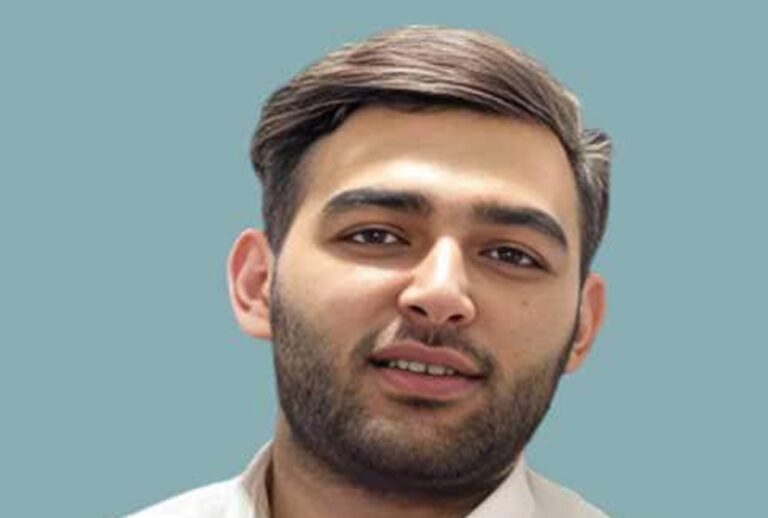
As concerns grow over the fate of those arrested during the recent protests and the sentences issued against them, news of the imminent execution of a young protester named “Erfan Soltani” has sparked a wave of widespread reactions and alarm.

According to information published on social media, Erfan Soltani has been denied access to a lawyer, and no charges have so far been formally communicated to him. No court session has been held to review his case. Erfan’s family has been warned that any public disclosure or stance regarding the case could lead to the arrest of other family members.

It is said that Erfan Soltani was arrested on Thursday, January eight, and was scheduled to be executed on Wednesday, January 14.

Erfan’s family has reported that they were informed of the imminent execution of their son within three days, yet what was conveyed to them is inconsistent with any principles of legal due process under the Iranian regime and represents a serious sign of security-driven procedures and the intimidation of families.

According to a source close to the family, the exact details of his arrest remain unclear, and the family has so far received no clear information about the moment he was detained.

Erfan is twenty-seven years old and had previously worked as a clothing shop salesman, but in recent months he had been employed at a private company.

Erfan was arrested on the evening of Thursday, January seven, near his place of residence in the “Fardis area of Karaj,” a city west of Tehran. On Sunday, January 10, after three days of complete lack of information, security agents contacted Erfan Soltani’s family by phone, confirmed his arrest, and announced that his execution sentence had been issued and was to be carried out on Wednesday, January 14. After repeated requests by the family, they were only allowed a ten-minute meeting with Erfan prior to the execution, a meeting that authorities told the family would be their final visit before the sentence was carried out.

Erfan’s family is under the most severe threats and has been warned to refrain from any form of information sharing or speaking about the case. Even one of Erfan’s close relatives, who is a licensed attorney, sought to review the case and assume Erfan’s legal defense but was barred from entering the case and threatened by security agents. Security officials told this lawyer that there was no case to review, stating that they had announced that anyone arrested during the protests would be sentenced to death and that Erfan’s sentence, issued under the charge of moharebeh, was final and would be carried out.

It is said that prior to his arrest, Erfan had received threatening messages from security sources, yet he continued to emphasize his struggle and activities and took part in the protests. He had informed his family that he was under surveillance and, despite the threats, had not retreated from his positions.

Reports and Horrific Accounts of the Massacre of Protesters and Coup-De-Grace Shots In Hospitals

New images released from the grounds of the Kahrizak Forensic Medicine building in Tehran show the bodies of people killed on Thursday and Friday, January 8 and 9. The bodies of men who were shot—in the head, abdomen, or chest—are seen, along with hundreds of family members waiting to receive the remains of their loved ones.

In these images, the bodies of killed women are not seen. In the mentioned footage, a member of the forensic medical staff says that before handing over the bodies of women, the uterus must be opened, which is described as a routine process for issuing death certificates. While such horrific images have only been released from Tehran, reports from other parts of Iran—from north to south—indicate that many protesters have been killed, a process that Human Rights Watch, an international human rights organization, has described as “widespread killing.”

Iranian Regime’s Security Forces Attack Another Hospital

Until Tuesday, January 13, only very limited communications from Iran had been possible with the help of Starlink satellite internet technology. Now, however, as more citizens inside Iran have gained phone access to outside the country, they are calling either to report that they are safe or to inform others about the killing, injury, or arrest of relatives, family members, neighbors, or coworkers.

Although there is still no clear picture of the number of people killed in the protests in Iran, human rights organizations have confirmed the killing of hundreds of protesters and say the actual number is far higher than what has been reported so far. The People’s Mojahedin Organization of Iran has announced the figure as more than 3,000 people, while sources told CBS, the US television network, that the number is 20,000.

According to reports, the Iranian regime demands up to one billion tomans—equivalent to 10 billion rials (approximately 7,000 dollars)—from families in order to hand over the bodies of the dead. Some reports indicate that Iranian regime security forces pursued the wounded into hospitals and shot them there.

Videos circulated on social media show Iraqi Popular Mobilization Forces (Hashd al-Shaabi), a state-backed militia group, returning to Iraq after participating in the suppression of protesters in Iran. The Hashd al-Shaabi also held a rally in the city of Basra in support of the Iranian regime and called for intervention in Iran’s protests.

The issue of demanding money in exchange for handing over bodies has been raised in various media for days and has also occurred during previous periods of protests in Iran.

According to the Telegram channel ir_protest, Gelaleh Mahmoudi Azar was killed during the protests on the evening of Thursday, January eight, in Tehran, after being directly shot by Iranian regime repression forces.

Gelaleh Mahmoudi Azar

In exchange for handing over Gelaleh’s body, government institutions received one billion tomans—equivalent to 10 billion rials (approximately 7,000 dollars)—from her family.

According to the Hengaw website, following the killing of a 25-year-old man named Arshia Hozouri on Shaghayegh Street on Ferdows Boulevard in Tehran, government institutions demanded 700 million tomans—equivalent to 7 billion rials (approximately 5,000 dollars)—from his family in exchange for handing over his body. Hengaw reported that Arshia was shot in the forehead from a distance of 40 meters and died immediately.

An eyewitness who is a taxi driver, quoting a doctor who had been his passenger, says the doctor tearfully told him that when the wounded were brought to hospitals, agents would quickly enter and separate the injured who were affiliated with the security forces.

The scale of this deadly crackdown is only gradually reaching outside Iran’s borders. According to a government official who spoke to Reuters, the number includes more than two thousand deaths.

The Iranian regime has shut down the internet since January 8, and access to Starlink has also become impossible.