Home Blog Page 30

Day 26 of Iran war White House Warning to Iran and Rising Tensions Amid Ongoing Negotiations

0

On the 26th day of the war, the White House warned that if Iran does not accept an end to the conflict, it will face a stronger response from the United States. A White House spokesperson emphasized that if “miscalculation” continues, more intense attacks will be carried out. U.S. officials have claimed that a significant portion of Iran’s military capabilities, including its air force, navy, and air defense systems, has been weakened. In response, Iran has continued missile and drone attacks and, by restricting passage through the Strait of Hormuz, has exerted counter-pressure on the energy market. Nevertheless, negotiations are still ongoing and have been described as “constructive.”

Day 25 of Iran War: Senior Tehran-Back Militia Commander Killed in Iraq

Iran’s regime has not accepted the 15-point U.S. proposal and has announced conditions for ending the war, including a halt to attacks, guarantees against the recurrence of war, payment of reparations, implementation of the agreement across all regional fronts, and recognition of its sovereignty over the Strait of Hormuz. At the same time, review of this proposal is still ongoing.

The war has had a widespread impact on the energy market, and disruptions in the Strait of Hormuz have caused a fuel crisis in countries such as India, with long lines forming at gas stations and some areas facing fuel shortages.

At the regional level, warnings have been issued that if U.S. attacks expand, a new front could open in the Bab al-Mandeb strait and attacks on commercial ships in the Red Sea could resume. At the same time, reports have emerged about the deployment of additional U.S. forces, including units from the 82nd Airborne Division, although no decision has been announced regarding the deployment of ground troops.

At the global level, warnings have been raised about the economic consequences of the war. Rising energy prices and disruptions in supply chains have reduced industrial production in some countries, and there are even concerns about shortages of chemical fertilizers and threats to food security in the coming months.

On the diplomatic front, efforts are underway to end the war, and some countries view a cessation of hostilities as a way to control the energy crisis. Meanwhile, the United Nations Human Rights Council has condemned Iran’s attacks on Persian Gulf countries and called for compensation for damages. In Europe, discussions have also been raised about forming a coalition to reopen the Strait of Hormuz.

On the battlefield, attacks continue, and it has been reported that Israel has targeted a submarine development center in Isfahan, a major city in central Iran. These strikes have been described as part of a broader operation against Iran’s military infrastructure. The simultaneity of U.S. threats, ongoing attacks, and diplomatic movements indicates that the war has reached a sensitive stage where both escalation and negotiation remain possible paths.

Reports also indicate that the United States has presented a 15-point plan to end the war, which includes the complete halt of Iran’s nuclear program, ending support for regional groups, and guaranteeing freedom of navigation in the Strait of Hormuz. The plan also includes a temporary ceasefire of about one month and even proposes the shutdown of key facilities such as Natanz, Fordow, and the Isfahan nuclear center. However, Iran has rejected direct negotiations, although indirect consultations continue.

Iran has announced that only ships deemed “non-hostile” and coordinated with it will be allowed to pass through the Strait of Hormuz, and vessels linked to countries involved in the attacks are excluded from this rule.

In another development, it has been reported that Mohammed bin Salman, the Crown Prince of Saudi Arabia, supports the continuation of the war and sees it as an opportunity to reshape the regional order. This reflects differing approaches regarding whether to end or continue the conflict.

Inside Iran, security measures have significantly increased, with thousands of checkpoints, widespread patrols, and the deployment of tens of thousands of police forces across the country.

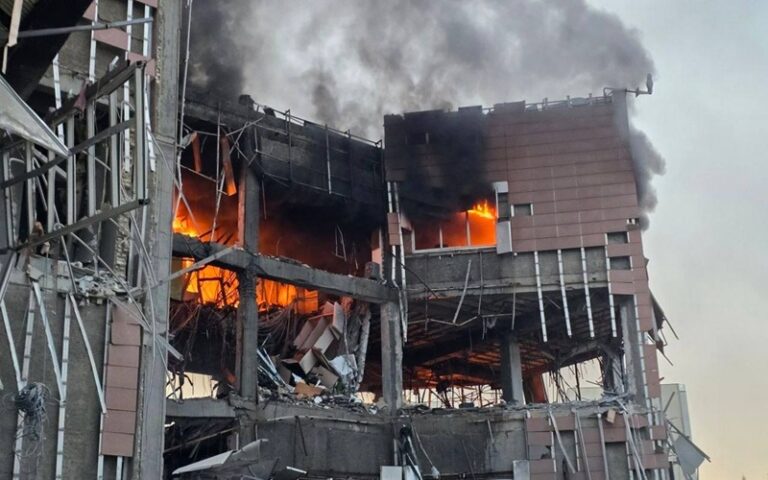
In the region, attacks have also continued, including a drone strike on Kuwait Airport that caused a fire in a fuel tank and disrupted flights. At the same time, reports have emerged of strikes on targets in Tehran, the capital of Iran, and other cities such as Shiraz, Karaj, and Qazvin. The United States has also claimed that it has struck thousands of military targets in Iran and reduced the country’s combat capabilities.
Day 25 of Iran War: Senior Tehran-Back Militia Commander Killed in Iraq

0

On Tuesday, March 24, the war between the Iranian regime and the United States and Israel entered its 25th day. Regional developments, alongside the ongoing clashes between Iran and the United States and Israel, have taken on new dimensions, and in recent days a series of military, cyber, and political events have intensified tensions.

In the latest development, Reuters news agency reported that Amazon announced a disruption at one of its cloud service centers in Bahrain, caused by a drone attack. An Amazon spokesperson confirmed the attack but did not provide details on the extent of the damage, stating that services are being transferred to alternative centers to mitigate the impact. This is considered the second attack on Bahrain’s digital infrastructure since the start of the conflict.

Time to Correct the West’s Historic Mistake on Iran

At the same time, reports emerged of several heavy explosions in Bahrain. Agence France-Presse (AFP) reported that authorities in the country have asked citizens to seek shelter for safety. Bahrain, due to hosting the U.S. Navy’s Fifth Fleet, has in recent weeks become one of the sensitive points in this conflict.

The German government called for an immediate halt to attacks by Iran. A spokesperson for the German government, referring to discussions between German officials and U.S. President Donald Trump, emphasized that Berlin, together with its partners, is seeking an unconditional end to escalatory actions. He also warned about threats to freedom of navigation in the Strait of Hormuz, describing them as a violation of international law. At the same time, Germany announced that it will not participate in military operations to reopen this route while the conflict continues but will be ready to play a role afterward.

Meanwhile, The Wall Street Journal reported that European countries, contrary to their official positions, are playing a broad support role in military operations against Iran. According to the report, military bases across various European countries, including Germany, the United Kingdom, and Italy, have become key centers for refueling, equipping, and directing operations. Among them, Ramstein Air Base in Germany has been identified as one of the main hubs for coordinating attacks.

In western Iraq, a base belonging to Hashd al-Shaabi, a paramilitary group affiliated with the Iranian regime, was targeted in an airstrike, resulting in at least six people, including a senior commander, and 15 injured. This group, described as one of Iran’s tools of regional influence, has in recent months been involved in attacks against U.S. bases.

In this context, the U.S. Department of State announced the creation of a new body called the Office of Emerging Threats, tasked with countering complex threats, particularly in cyber and advanced technology domains. U.S. officials have emphasized that Iran, along with countries such as China, Russia, and North Korea, is a primary focus of this new structure.

These developments come as analysts say that the increase in cyberattacks, military operations, and diplomatic movements indicates that the conflict has entered a more complex phase—one that has significantly impacted not only the military sphere but also critical infrastructure, cyberspace, and the geopolitical balance of the region.

Political Prisoners on Hunger Strike in 56 Prisons: The ‘No to Execution Tuesdays’ Campaign Calls to Save Detainees

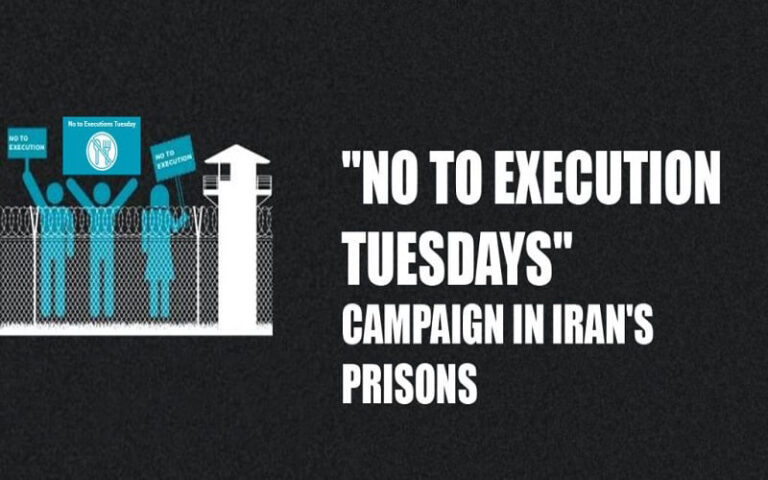
The “No to Execution Tuesdays” campaign has entered its 113th week with unwavering resolve, as political prisoners continue their widespread hunger strike across 56 prisons nationwide. In their latest statement, the striking prisoners extended their warmest congratulations to the Iranian people on the occasions of Nowruz and Eid al-Fitr. They paid special tribute to the families of the martyrs from the recent January uprising and to all those who were sent to the gallows over the past year by the oppressive regime of the mullahs. The campaign members expressed their profound hope that the new year will culminate in the liberation of the country and the establishment of an Iran entirely free of torture chambers and arbitrary executions.

Iran’s ‘No to Executions Tuesdays’ Campaign Enters 110th Week

The prisoners highlighted the dark human rights record of the Iranian regime, which ruthlessly executed over 2,650 citizens across the country in just the past twelve months. They specifically pointed to the heinous crime committed on the eve of Nowruz, when authorities unjustly executed three brave youths of the uprising—Mehdi Ghasemi, Saeed Davoudi, and Saleh Mohammadi—in the city of Qom. The campaign emphasized that these criminal practices are solely designed to instill fear in the hearts of the public in a desperate attempt to extinguish the blazing fire of internal resistance.

The striking detainees issued an urgent humanitarian appeal to the United Nations and the international community, demanding real pressure on the Iranian regime to halt its killing machine and protect the fundamental rights of prisoners. The statement warned of the unknown fate facing newly arrested protesters who were thrown into dungeons during the recent months. These individuals are enduring the most brutal forms of torture hidden from the world’s eyes, exacerbated by a complete internet blackout, placing their lives in imminent danger of execution. The campaign reiterated its core demand for the immediate and unconditional release of all political prisoners.

The prisoners also drew attention to their worsening plight and the multiplying threats to their lives amid the atmosphere of war and regional tensions, compounded by the deliberate denial of medical care and severe food shortages used as an additional tool of suppression. The statement referenced the recent tragedy at Chabahar prison, where guards responded with live ammunition to prisoners protesting against starvation and lack of supplies, resulting in dozens of casualties. The strikers clarified that the regime’s deliberate communication blackout was the direct reason behind the delay in publishing the campaign’s statements over the past two weeks, exposing a desperate attempt to isolate them from the outside world.

This ongoing campaign embodies the highest form of internal resistance and legendary steadfastness, as prisoners boldly defy their executioners with empty stomachs across a vast and extensive list of facilities. The participants bravely continuing this strike are held in Evin Prison (women’s and men’s wards), Ghezel Hesar Prison (Units 2, 3, and 4), Karaj Central Prison, Fardis Karaj Prison, Greater Tehran Prison, Qarchak Prison, Khorin Varamin Prison, Choubindar Qazvin Prison, Ahar Prison, Arak Prison, Langaroud Qom Prison, Khorramabad Prison, Borujerd Prison, Yasuj Prison, Asadabad Isfahan Prison, Dastgerd Isfahan Prison, Sheiban Ahvaz Prison, Sepidar Ahvaz Prison (women’s and men’s wards), Nezam Shiraz Prison, Adelabad Shiraz Prison (women’s and men’s wards), Firouzabad Fars Prison, Dehdasht Prison, Zahedan Prison (women’s and men’s wards), Borazjan Prison, Ramhormoz Prison, Behbahan Prison, Bam Prison, Yazd Prison (women’s and men’s wards), Kahnouj Prison, Tabas Prison, Birjand Central Prison, Mashhad Prison, Gorgan Prison, Sabzevar Prison, Gonbad-e Kavus Prison, Qaemshahr Prison, Rasht Prison (men’s and women’s wards), Rudsar Prison, Haviq Talesh Prison, Azbaram Lahijan Prison, Dieselabad Kermanshah Prison, Ardabil Prison, Tabriz Prison, Urmia Prison, Salmas Prison, Khoy Prison, Naqadeh Prison, Miandoab Prison, Mahabad Prison, Bukan Prison, Saqqez Prison, Baneh Prison, Marivan Prison, Sanandaj Prison, Kamyaran Prison, and Ilam Prison. This courageous stand from behind bars proves to the entire world that the will of the resistance is stronger than any chains, and that the Iranian people will continue their independent, internal struggle until the absolute downfall of the dictatorship.

Day 24 Of Iran War: Donald Trump Announces Negotiations with Tehran

0

On Monday, March 23, 2026, the war entered its twenty-fourth day, and concerns about its future increased. Attacks on Iran’s energy infrastructure and reciprocal threats against regional infrastructure have become a widespread concern.

Donald Trump stated that the talks have been “constructive” and that Tehran seeks an agreement, adding that a deal could be reached within a few days. He also announced a conditional five-day delay in attacks on Iran’s energy infrastructure and emphasized that negotiations are ongoing.

This decision led to a drop in oil and gas prices; U.S. oil fell to about 89 dollars and Brent crude approached 100 dollars. Analysts attribute this decline to reduced tensions.

Trump also claimed that “regime change in Iran has effectively already happened” and, referring to the killing of some officials, spoke of changes in the power structure and the possibility of a model similar to Venezuela. He once again emphasized “peace through strength.”

In contrast, the Israeli military announced the start of a new wave of attacks on Tehran and related infrastructure and stated that it had targeted a force affiliated with the IRGC Quds Force in Beirut.

A report by The Washington Post indicates the uncertain status and isolation of Mojtaba Khamenei, described as the new leader of Iran’s regime and the son of former supreme leader Ali Khamenei, and reports that he has been injured.

Overall, alongside the intensification of military clashes, signs of diplomatic activity are also visible. However, Iran’s regime and the Islamic Revolutionary Guard Corps (IRGC) have denied negotiations, and the situation remains complex and unclear. Turkey, Egypt, and Pakistan are mediating between Tehran and Washington and have exchanged messages between the two sides. Sources report progress in this process.

Reiterating “peace through strength,” Trump warned that if the Strait of Hormuz is not reopened within 48 hours, Iran’s power plants will be targeted. In response, the armed forces of Iran’s regime threatened retaliation.

The U.S. Department of State warned its citizens worldwide about flight disruptions and threats to American interests and is facilitating the evacuation of nationals from high-risk areas.

Kataib Hezbollah, an Iran-backed militia group in Iraq, extended the suspension of attacks on the U.S. Embassy in Baghdad for five days but warned it would respond if targeted.

Reports indicate widespread airstrikes on Tehran (districts one, four, 11, 13, and 21) as well as the cities of Tabriz, Khorramabad, Yazd, and Karaj, along with heavy explosions and the activation of air defense systems.

Iran’s missile and drone attacks against Israel and regional countries continue, while Gulf states report intercepting threats. In Jordan, the passage of a missile has been reported, and the release of images showing missile launches in Mashhad has sparked reactions.

NATO Secretary General Mark Rutte stated that Iran’s destabilizing capability has decreased and that 22 countries have coordinated to secure the Strait of Hormuz.

Anwar Gargash, diplomatic advisor to the president of the United Arab Emirates, said Iran’s attacks carry geopolitical consequences and added that these actions have strengthened security cooperation between Gulf countries and the United States.

Trump and UK Prime Minister Keir Starmer emphasized the immediate reopening of the Strait of Hormuz and described it as vital for energy market stability.

Gulf countries warned the United States that attacks on Iran’s infrastructure could trigger retaliatory responses and threaten regional facilities.

French President Emmanuel Macron condemned Iran’s attacks, expressed support for Saudi Arabia, and emphasized the security of shipping in the Strait of Hormuz.

U.S. officials stated that all options, including strikes on nuclear facilities, remain on the table and that operations against Iranian fortifications in the Strait of Hormuz are ongoing.

Reports of explosions in Tehran, Isfahan, and Khorramabad have been published, but independent verification is difficult due to media restrictions.

Lebanon’s prime minister stated that the Islamic Revolutionary Guard Corps (IRGC) is directing Hezbollah’s operations and that Lebanon has been drawn into an unwanted war.

Time to Correct the West’s Historic Mistake on Iran

0

The Iranian regime is perpetrating widespread brutality against its citizens during the ongoing protests that erupted in late 2025, with estimates ranging from several thousand to over 36,000 deaths amid a severe crackdown by security forces.

Entities such as the Islamic Revolutionary Guard Corps (IRGC), Basij militia, Ministry of Intelligence and Security (MOIS), and State Security Forces (SSF) have raided hospitals across the country, including in Tehran, Ilam, Esfahan, and other provinces, deploying tear gas, firing metal pellets, arresting injured protesters directly from treatment beds, and assaulting medical staff.

Under nationwide internet blackouts, these forces impose curfews, conduct mass arbitrary arrests, and subject detainees to torture, including sexual violence. This orchestrated repression, condemned by Amnesty International and the United Nations as potential crimes against humanity, demands urgent international intervention—not mere condemnation, but strategic support for the Iranian people’s survival.

Children of Iranian Regime Officials Enjoy Luxury Lives in Dubai and Europe

Legally and politically, the Iranian people possess an inherent right to self-defense against such systemic tyranny. International law recognizes self-defense as a fundamental principle when state actions amount to widespread oppression. The Universal Declaration of Human Rights (UDHR) preamble articulates this clearly: “it is essential, if man is not to be compelled to have recourse, as a last resort, to rebellion against tyranny and oppression, that human rights should be protected by the rule of law.”

When the rule of law collapses—as it has in Iran, with security forces turning hospitals into battlegrounds and labeling unarmed protesters “terrorists” to justify lethal force—citizens are justified in using proportional means to protect their lives and dignity. This aligns with precedents in international jurisprudence, where resistance to authoritarian regimes is viewed not as terrorism, but as a legitimate response to crimes against humanity under the Rome Statute.

Politically, denying this right perpetuates impunity for oppressors, eroding global human rights norms and emboldening similar regimes worldwide. Acknowledging self-defense is not an endorsement of chaos; it is a pragmatic recognition that peaceful avenues have been exhausted, with protests met by gunfire, tanks, and arbitrary executions.

The Iranian people have long had organized resistance to channel this right, exemplified by groups like the People’s Mujahedin Organization of Iran (PMOI/MEK) and its National Liberation Army (NLA), which historically positioned themselves as a counterforce to the regime’s aggression.

Yet, the West’s political and strategic missteps undermined this, beginning with the 1997 U.S. designation of the PMOI as a terrorist group—a move driven not by evidence, but as a concession to Iranian regime’s president Mohammad Khatami to foster dialogue. As a Clinton Administration official later admitted, it was a “goodwill gesture” to Tehran. The UK, EU, and others followed, but legal scrutiny revealed the designation’s flaws: procedural errors, lack of proof of terrorism, and a mischaracterization of the group.

The PMOI ultimately won all legal challenges, leading to its delisting—by the UK in 2008, EU in 2009, Canada and U.S. in 2012. French courts, in a 2011 ruling dismissing terrorism charges from a 2003 raid, explicitly probed the PMOI’s armed struggle and recognized it as legitimate resistance against a tyrannical regime, not terrorism.

This judicial affirmation highlighted the political motivations behind the bans, which effectively outlawed the Iranian people’s organized efforts to overthrow the mullahs.

The consequences of this appeasement were profound. The 1997 designation paved the way for the disarmament of the NLA in Iraq after the 2003 U.S. invasion, stripping Iranians of a key mechanism for self-defense and rebellion as enshrined in the UDHR. This created a strategic vacuum that Tehran exploited ruthlessly.

With Iraq’s previous regime toppled, Iran’s IRGC-Qods Force flooded Iraq with proxies like Asa’ib Ahl al-Haq and Kata’ib Hezbollah, arming them with sophisticated weapons that killed hundreds of U.S. troops and ignited sectarian violence claiming thousands of lives. Tehran’s investments—millions funneled to commanders like Qassem Soleimani—expanded this network: Hezbollah in Lebanon, Houthis in Yemen, militias in Syria, and beyond. The regime poured billions, including over $50 billion into Syria from 2012 to 2020, building an “axis of resistance” that destabilizes the Middle East, and undermines global security.

Had the West not disarmed the NLA and sidelined organized Iranian opposition, a domestic counterweight might have checked the reach of the world’s leading state sponsor of terrorism—rather than leaving the field to its proxies.

Today, amid the regime’s unrelenting violence—deploying IRGC and Basij to fire on crowds in dozens of cities across Iran, the international community must reverse course. Designate the MOIS, IRGC, Basij, and SSF as terrorist organizations, building on U.S. actions from 2019 and recent moves by Canada and others. This would freeze assets, restrict operations, and dismantle their impunity. Crucially, declare these forces legitimate targets for self-defense, empowering Iranians to exercise their UDHR-recognized right to rebellion.

Allowing the Iranian people to liberate themselves is not only just for Iran—where it would foster a democratic transition—but essential for global security. By isolating Tehran and supporting internal change, the world can dismantle the leading state sponsor of terrorism, halting proxy wars, reducing regional instability, and advancing human rights. The alternative—continued appeasement—invites more massacres and global threats. It is time to correct history’s mistake and stand with Iran’s aspirations for freedom.

On 23rd Day of IranWar, U.S. President Donald Trump Threatens to Bomb Iran’s Power Plants

0

As the war between the United States and Iran’s regime has entered an unprecedented phase, Trump stated in a message that if the Strait of Hormuz is not fully reopened without threat within 48 hours, the United States will target Iran’s power plants with military strikes. This explicit threat is considered one of Washington’s most severe official positions in recent weeks. The Strait of Hormuz, one of the world’s most vital energy transit routes, is currently facing serious disruption in ship traffic, and much of the shipping through it has effectively been halted.

22nd Day of the War; The United Nations Security Council Has Ordered the Reopening of Strait of Hormuz

According to reports, the main potential targets if this threat is carried out would be Iran’s major power plants, including the Damavand power plant near Tehran, the Kerman power plant, and the Ramin power plant in Khuzestan province in southwestern Iran. The Bushehr nuclear power plant, located along the Persian Gulf, is also considered one of the country’s key energy infrastructures. This threat comes as more than 20 countries around the world have called for ensuring the security of shipping through this vital route and have condemned Iran’s move to close the waterway.

A report published by Axios, a U.S.-based news website, indicates that the Trump administration has begun preliminary discussions about initiating peace negotiations with Iran. Figures such as Jared Kushner, former senior advisor to Trump, and Steve Witkoff, a businessman involved in diplomatic efforts, are playing roles in this process. These individuals have previously participated in negotiations between the two sides.

According to the report, the main U.S. conditions for any agreement include reopening the Strait of Hormuz, a complete halt to uranium enrichment, limiting Iran’s missile program, and imposing strict international oversight on Iran’s nuclear activities. It has also been proposed that Iran dismantle damaged reactors at facilities in Natanz, Isfahan, and Fordow—key sites in the country’s nuclear program—and commit to regional arms control agreements.

In contrast, Iran’s regime has called for an immediate ceasefire, guarantees to prevent a recurrence of conflict, and compensation. However, reports indicate that no direct contact has yet been established between Tehran and Washington, and mediating countries such as Egypt, Qatar, and the United Kingdom are attempting to facilitate the process.

In a rare move, Saudi Arabia declared four diplomats of Iran’s regime, including a military attaché, persona non grata and gave them 24 hours to leave the country. This decision followed recent attacks on energy facilities and U.S. military bases on Saudi soil.

A British maritime monitoring organization has reported an explosion near a cargo ship in the waters of the United Arab Emirates. The incident, which occurred near Sharjah, caused no casualties but has increased concerns about maritime security in the region.

At the same time, Saudi Arabia announced that three ballistic missiles were launched toward Riyadh; one was intercepted, and the other two fell in uninhabited areas. Additionally, five attacking drones were destroyed by the country’s defense systems. In another development, a Qatari military helicopter crashed in regional waters, and search operations for its occupants are ongoing.

Inside Iran, numerous reports have emerged of explosions in various cities. Tehran, Karaj (near the capital), Shiraz in the south, Ahvaz in Khuzestan province, and several other cities have witnessed attacks and explosions which, according to local sources, occurred in some non-residential areas. However, in certain regions such as Ramsar (a city on the Caspian Sea coast) and Gilan province in northern Iran, there have also been reports of casualties.

In Khuzestan province, several explosions have also been reported, which local officials say mostly occurred in uninhabited areas. At the same time, there are reports of damage to some buildings in Andimeshk and other locations. Attacks have also been reported in Yazd and Kerman provinces, targeting areas outside urban centers.

Despite the scale of these reports, widespread internet shutdowns in Iran have made access to independent information and verification of news extremely difficult. Many reports on social media have not yet been independently confirmed, and official sources are providing limited information.

In response to U.S. threats, the spokesperson for the foreign ministry of Iran’s regime stated that expecting restraint from a country under attack is meaningless. Military officials also warned that if Iran’s energy infrastructure is targeted, U.S. interests and facilities, along with those of its allies in the region, will be subjected to retaliatory attacks.

Children of Iranian Regime Officials Enjoy Luxury Lives in Dubai and Europe

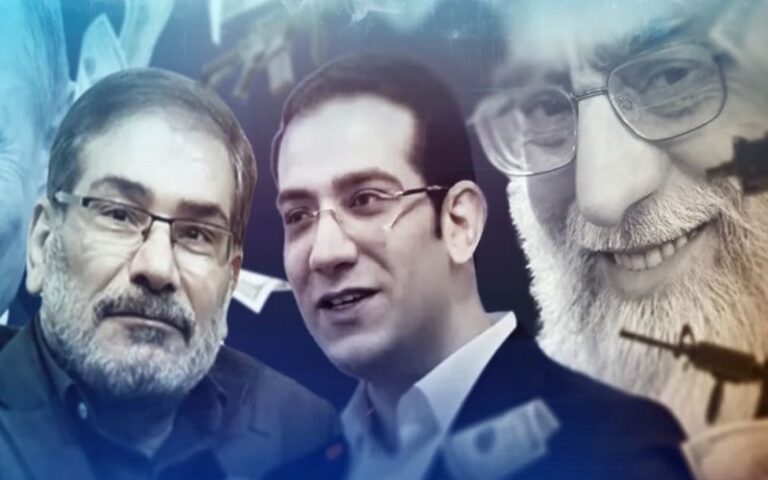
The Organized Crime and Corruption Reporting Project (OCCRP) reported that Hossein and Abolfazl Shamkhani, sons of Ali Shamkhani—a senior Iranian regime official—used aliases and Dominican passports to purchase a portfolio of high-value properties worth $29 million in Dubai, and that their activities have also extended to Europe.

Hossein Shamkhani was placed under sanctions by the United States, the United Kingdom, and the European Union in July 2025 for generating billions of dollars in oil revenue for Iran’s regime and Russia.

US Takes Action to Confiscate $15 Million Linked to Shamkhani Network

The U.S. Department of the Treasury identified him as “Hugo Hayek,” a citizen of Dominica.

The OCCRP announced on Thursday, March 19, that Abolfazl Shamkhani also holds a Dominican passport under the alias “Sami Hayek.” However, he has not been sanctioned so far.

According to previous reports, Hossein Shamkhani and his associates used Dominica’s citizenship-by-investment program and, by obtaining passports from that country, attempted to gain access to the international banking system.

Four luxury villas in Dubai worth $29 million

Property records from the United Arab Emirates obtained by the OCCRP show that the Shamkhani brothers own at least four luxury villas in Dubai, valued at approximately $29 million at the time of purchase.

These assets have been registered under their Dominican identities.

According to the report, the Shamkhani brothers initially purchased the Dubai luxury properties under their Iranian names; “Mohammad Hossein Shamkhani” and “Abolfazl Ali Shamkhani” were registered as buyers of two villas in the exclusive “Golf Place” development in July 2019.

According to reports, the ownership documents for these villas are now registered under the names listed in their Dominican passports, “Hugo Hayek” and “Sami Hayek.” Although the exact timing of this change is unclear, the brothers’ subsequent purchases were also made directly under these aliases.

Shamkhani and Ali Khamenei were killed during the February 28 attacks by the United States and Israel.

Purchase of luxury properties on Jumeirah Island

According to UAE property data, Hossein purchased a villa in July 2022 on “Jumeirah Bay Island,” a seahorse-shaped luxury area off the coast of Dubai, using his Dominican passport. Abolfazl also acquired a luxury residence in the same area in October of that year under the name “Sami Hayek.”

These properties are still held under those same names.

It is unclear whether the two brothers still hold Dominican passports, although reports indicate that authorities in that country revoked Hossein Shamkhani’s passport following U.S. sanctions.

Dominica is a small country in the Caribbean Sea, known for its pristine nature, rainforests, and volcanic landscapes.

In addition to its natural attractions, the country has drawn international media attention for its citizenship-by-investment program, known as the “golden passport.”

Traces of the Shamkhani brothers in Europe

The Shamkhani brothers’ use of the “Hayek” aliases has not been limited to personal real estate assets and has taken on broader dimensions.

Abolfazl’s alias, “Sami Hayek,” also appears in European corporate records. According to company registration documents in Cyprus from November 2024, he was registered as a limited partner in the Saleya Fund, an investment fund in Cyprus, using his Dominican passport and his residence address at the “Golf Place” villa in Dubai.

The brothers’ Dominican identities also appear in the records of another company—a firm in Turkey that the U.S. Treasury has sanctioned for involvement in the illegal transfer of oil for Russia and Iran’s regime.

According to records, Hugo and Sami Hayek were founding shareholders of Green Energy Chemical Industries, a company registered in Turkey in 2021. They transferred their shares to Dubai-based Milavous in November 2023.

Earlier, in September 2024, Bloomberg revealed that Dubai-based Milavous, where Hossein Shamkhani is a senior executive, has profited billions of dollars from the sale of goods originating from Iran, Russia, and several other countries.

22nd Day of the War; The United Nations Security Council Has Ordered the Reopening of Strait of Hormuz

0

On Saturday, March 21, on the 22nd day of the war, and following escalating military and security tensions in the Middle East, a series of political and military developments occurred at the international level, including at the United Nations Security Council, indicating the expansion of the crisis and growing concerns about energy security and regional stability.

The Security Council’s order to reopen the Strait of Hormuz

Antonio Guterres, Secretary-General of the United Nations, announced that the Security Council has ordered the reopening of the Strait of Hormuz in response to escalating conflicts. After meeting with European Union leaders in Brussels, he warned that continuation of this situation could push the crisis out of control. Referring to the global consequences of the closure of this vital passage, Guterres emphasized that it would place widespread pressure on people around the world. He also called for a halt to attacks by the United States and Israel and an end to the Iranian regime’s military actions against countries in the region and warned about targeting energy infrastructure—an act that, according to him, could constitute a war crime.

Ten-million-dollar reward for information on IRGC commanders

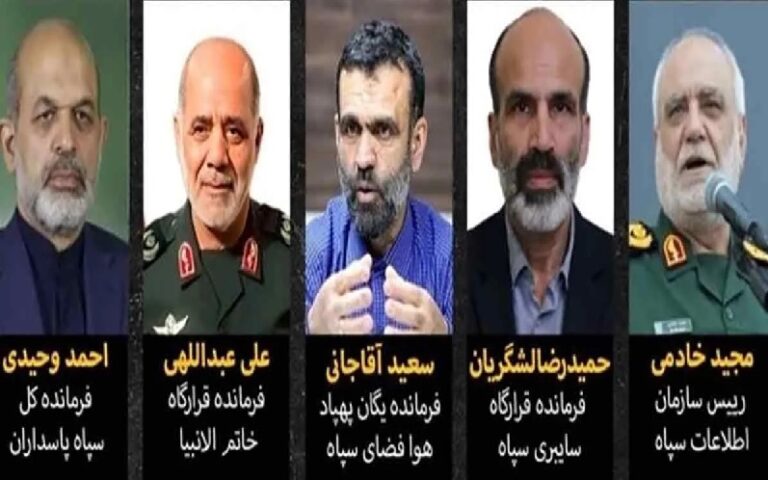
The U.S. Department of State, continuing its maximum pressure policy, has announced rewards of up to 10 million dollars for information on senior commanders of the Islamic Revolutionary Guard Corps (IRGC), the Iranian regime’s main military force. This action is part of the Rewards for Justice program and includes key individuals in military, intelligence, and cyber sectors. The statement emphasized that these individuals have played roles in designing and executing regional and international operations. It also noted that those who provide information may receive, in addition to financial rewards, assistance in relocating. This measure continues a trend that has previously targeted other senior officials.

According to this announcement, rewards of up to 10 million dollars have been set for information on Ahmad Vahidi, Ali Abdollahi, Saeed Aghajani, Hamidreza Lashgarian, and Majid Khademi—individuals active in various branches of the IRGC, including aerospace, cyber, and intelligence sectors.

Continuation of retaliatory attacks and regional threats

In the early hours of the Iranian New Year, reports emerged of U.S. and Israeli airstrikes on cities such as Tehran, Karaj, and Isfahan. At the same time, the IRGC announced the start of a new round of missile attacks against Israel. In another development, this military body threatened to target the city of Ras Al Khaimah in the United Arab Emirates and urged residents to leave the area. These threats come as tensions are increasingly spreading to other countries in the region.

The United States’ dual stance on continuing the war

Donald Trump stated that Washington is considering a gradual reduction of military operations, but at the same time emphasized that it has no interest in establishing a ceasefire. He claimed that much of the Iranian regime’s military capability has been destroyed and that key U.S. objectives—such as weakening missile capabilities and preventing access to nuclear weapons—are close to being achieved. Trump also stressed full alignment with Israel, stating that both sides seek total victory.

The United Kingdom’s alignment and reactions of Western allies

UK Prime Minister Keir Starmer, reversing his previous position, authorized the United States to use British military bases to strike targets related to the Strait of Hormuz. This decision was made following attacks by the Iranian regime on the interests of London’s allies. However, the British government has still emphasized the need to reduce tensions. At the same time, several European countries, along with Japan and Canada, issued a joint statement condemning attacks on commercial vessels and expressing readiness to ensure safe passage through the Strait of Hormuz.

Overall, these developments indicate that the current crisis has entered a sensitive and complex phase—one in which efforts to contain the conflict are being pursued simultaneously with escalating military actions by various actors, leaving its future uncertain.

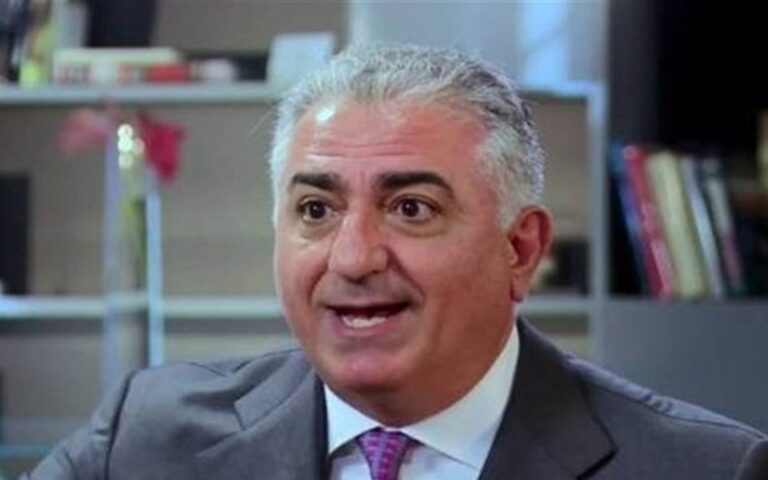
Why Reza Pahlavi’s Closest Allies Are Abandoning the Crown

While the Iranian clerical dictatorship faces unprecedented internal erosion and external pressure, the exiled son of the ousted Shah, Reza Pahlavi, has been thrust into the spotlight through a highly curated media and cyber campaign. Despite this manufactured visibility, the political infrastructure supporting him is facing a crisis of legitimacy. Former aides suggest that the Pahlavi circle is replicating the very authoritarian dynamics it claims to oppose, ultimately undermining the broader objective of a democratic transition.

The most damning evidence of this decline comes from within the Pahlavi camp itself. Figures who were once central to Pahlavi’s operations, such as former collaborator Alireza Nader and longtime adviser Shahriar Ahi, have distanced themselves from his orbit. Nader’s 2026 assessment describes a movement that has traded collective action for a narrow, personality-driven agenda. He argues that Pahlavi’s decision to abandon the Georgetown coalition was not a strategic pivot but an attempt to assert himself as the sole arbiter of the opposition.

Structural Fragility and the Exit of Core Collaborators

According to these critics, the direction of the Pahlavi circle is largely attributed to a small group of advisers, most notably Amir Etemadi. Reporting suggests that the movement has adopted aggressive tactics both online and offline to suppress non-monarchist dissidents. Journalists and activists who raise legitimate questions regarding Pahlavi’s leadership are frequently targeted with coordinated harassment and labeled as “terrorists” or “separatists.” These labels are not merely rhetorical; they serve to justify the vitriol directed at anyone who refuses to subscribe to the “Pahlavi or the regime” binary.

Amir Taheri, a veteran monarchist, was publicly sidelined and attacked by Pahlavi’s digital supporters after he critiqued the “Emergency Phase Booklet.” This refusal to engage with substance, opting instead for personal attacks and social media excommunication, signals a movement that cannot tolerate insider critic.

Furthermore, the tactics employed by this inner circle have had a chilling effect on the broader diaspora. Former associates describe an environment where doxxing and misogynistic threats are used as tools of political discipline. This behavior has become so pervasive that observers outside the movement have expressed concern over the safety of those who participate in opposition politics.

The Radicalization of the Inner Circle

One of the most concerning aspects of the current Pahlavi strategy is the reliance on unverified metrics to project strength. A primary example is the “National Cooperation Platform,” launched via QR codes on Iran International. While Pahlavi’s aides claimed that over 100,000 members of the Iranian security forces used this channel to pledge allegiance or defect, no independent verification has ever been provided. Faramarz Dadras, a former officer in the Shah’s Imperial Guard, has openly criticized this initiative as a potential “spy project,” suggesting it lacks the security infrastructure to protect participants inside Iran.

The lack of transparency regarding these “phantom defectors” highlights a broader pattern of exaggeration and unfulfilled promises. Alireza Nader has noted that while Pahlavi frequently references these numbers in international forums, he avoids providing evidence when pressed by journalists. This strategy of “hype without substance” may serve to attract temporary attention from foreign policymakers, but it does little to weaken the regime’s grip on power. Instead, it creates the false expectation that regime defectors will eventually side with the people or help arm the opposition during an uprising, luring many into a fatal miscalculation. What follows is betrayal by reality itself: unarmed and unprotected, people are left to face the regime’s ruthless security apparatus and its unrestrained repression on their own.

The exclusionary rhetoric was on full display during the February 2026 Munich press conference. Pahlavi’s assertion that those who do not support him are either “MEK”, “terrorists” or “separatists” was a strategic blunder that served the regime’s interests. By framing the opposition in such a divisive manner, he validated the regime’s own narrative that there is no viable, democratic alternative to the current clerical rule.

Unverified Success and the Rhetoric of Exclusion

The cumulative effect of these failures is a movement that is increasingly isolated from the realities of the struggle inside Iran. While the Pahlavi circle focuses on branding and media promotion, the actual work of resistance is being carried out by organizations and individuals with deep roots on the ground.

As testimony from former insiders continues to surface, the false image of Pahlavi as a unifying transitional figure is collapsing under the weight of a much harsher reality: a narrow, exclusionary, and authoritarian operation that is proving more useful to the ruling establishment than to the cause of democratic change. By deepening fragmentation, spreading illusion, and hostile attacks against democratic forces, this camp objectively benefits the regime, which thrives whenever the opposition is divided and politically misled. No movement can credibly claim to oppose dictatorship while reproducing its instincts internally. Yet that is precisely what the Pahlavi camp has displayed: authoritarian control, deceptive projection, and hostility to accountability. At a moment when the Iranian people urgently need a coherent path forward, this circle remains not a force for liberation, but a source of paralysis and division that the regime is all too happy to exploit.

Day 21 of Iran war: Trump: There Is No Leadership Left in Iran to Negotiate with

0

On Friday, March 20, coinciding with Nowruz (the Persian New Year) in Iran, and on the twenty-first day of the war, political, military, and security developments continued at a rapid pace. A combination of international positions, military attacks, and domestic consequences presented a complex picture of the ongoing situation.

Donald Trump, the President of the United States, stated in a sharp tone that no effective leadership remains in Iran with whom negotiations would be possible. These remarks were made as U.S. and Israeli attacks on targets linked to the Iranian regime continued, indicating a diminishing prospect for a diplomatic solution under current conditions.

At the same time, Mai Sato, a United Nations human rights expert, emphasized that the human rights crisis in Iran is deeply rooted and not limited to the recent war. According to her, this crisis will persist even after the conflict ends, further intensifying international concerns about Iran’s internal situation.

Mai Sato: The Human Rights Crisis in Iran Is Not Limited to the War

Reports indicate that several officials and commanders associated with the Iranian regime’s military structure have been killed. Among them, the deaths of Esmail Ahmadi, a Basij commander (a paramilitary force under the IRGC), and Gholamreza Soleimani have been confirmed. In addition, the death of Ali-Mohammad Naeini, spokesperson for the Islamic Revolutionary Guard Corps (IRGC), has also been announced.

At the same time, the scope of the conflict has expanded to a regional level. Drone and missile attacks on Persian Gulf countries, including the United Arab Emirates, Kuwait, Saudi Arabia, and Bahrain, have been reported, and these countries are working to counter these threats. In this context, attacks on Fujairah port in the UAE and the Mina Al-Ahmadi refinery in Kuwait caused fires and disruptions in energy operations. Qatar also reported several billion dollars in damage to the Ras Laffan gas facilities, one of the world’s most important centers for liquefied natural gas production.

Efforts to control the economic consequences of the war are also ongoing. A report published by The Wall Street Journal, a major U.S. newspaper, indicates that the United States and its allies have intensified operations to keep the Strait of Hormuz open. This move aims to prevent disruptions in global energy flows and to secure one of the most vital oil transit routes in the world.

The U.S. Department of Justice announced the seizure of four websites linked to the Iranian regime’s intelligence entities. This action was taken as part of efforts to counter cyberattacks and threatening activities against opponents. There are also reports of arrests of individuals connected to networks affiliated with the Iranian regime in several Persian Gulf countries, reflecting growing concerns about the cross-border activities of these networks.

Inside Iran, the situation—especially in terms of communications and social conditions—is critical. A report by NetBlocks, an organization that monitors internet access worldwide, shows that the widespread internet shutdown has entered its twenty-first day, placing the country in a state of “digital darkness.” This situation, coinciding with the Iranian New Year, has heightened concerns. Additionally, multiple reports indicate a rising wave of arrests across various cities. Observers say these measures are being taken in response to fears of expanding public protests and the potential emergence of new uprisings.

The state security apparatus of the United Arab Emirates announced the identification and dismantling of an organized network which, according to officials, was involved in money laundering and terrorism financing and had ties to Lebanon’s Hezbollah and the Iranian regime. According to the UAE’s official news agency, members of this network—who operated under the cover of commercial companies—have been arrested. UAE security officials emphasized that the group, with foreign direction and support, had attempted to infiltrate the country’s economic structure and target financial stability. Such actions, they stated, constitute a direct threat to national security and will be met with a decisive response.

Meanwhile, another report on developments along the Iran–Turkey border indicates that the Iranian regime has imposed restrictions on citizens leaving for Turkey. According to Turkish officials, since the beginning of the conflict, the number of Iranians entering Turkey has significantly decreased to about one-quarter to one-third of previous levels. Turkey’s Interior Minister stated that while Turkish citizens can enter Iran without obstacles, Iranians face restrictions when attempting to leave.

In another development, continuing military attacks inside Iran have reportedly resulted in the deaths of 13 Basij forces during an attack on a checkpoint in the Qaramalek area of Tabriz. According to regime sources, the attack—caused by the impact of a projectile—also injured 18 individuals. In a separate attack at the entrance of Malekan County (in East Azerbaijan Province), one military personnel and one civilian were killed, and three others were wounded.