Home Blog Page 81

Iran–China Cooperation in the Missile Field Is on the Rise

0

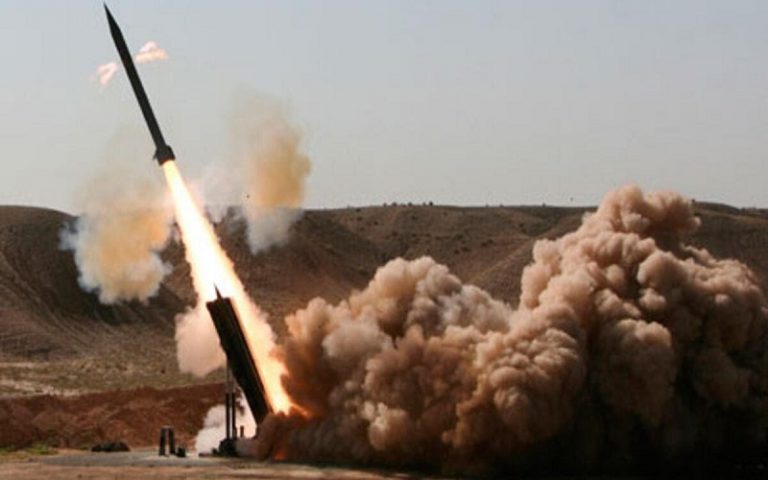
According to Western intelligence agencies, China’s military cooperation with the Iranian regime, particularly in the production of ballistic and surface-to-surface missiles, has increased.

Western intelligence agencies, mainly European, have reported growing cooperation between Tehran and Beijing.

On Friday, August 15, Yedioth Ahronoth published a report citing intelligence findings warning that Beijing may help Tehran rebuild its missile capabilities that were damaged during the twelve-day war with Israel.

Senior Israeli officials said China’s intentions are not entirely clear, and Israel has conveyed messages to Beijing regarding this issue.

New U.S. Sanctions Target Iranian Regime’s Missile Network

According to them, China has not confirmed reports about its willingness to replenish missile stockpiles or send weapons to the Iranian regime.

However, the country’s actions suggest the “practical rebuilding of Iran’s capabilities,” something “concerning” for Israel that could have significant strategic consequences.

On July 9, the Chinese Embassy in Israel issued a statement rejecting reports about sending advanced air defense systems to Tehran, calling them “false and inaccurate.”

The statement emphasized that China never exports weapons to countries that are in a state of war.

Following the twelve-day war with Israel, the Iranian regime is rebuilding its defensive capabilities, with its main focus seemingly placed on acquiring new air defense systems.

Israeli media reported that Tehran has been eyeing advanced Russian defense systems, but so far, Moscow’s response has been lukewarm.

According to these media outlets, Russia’s cold reaction after the “heavy defeat” of the Iranian regime in the war was predictable.

Previously, and especially after the failure of its proxy groups such as Hezbollah in facing Israel, the Iranian regime had tried to rebuild its missile capabilities independently.

According to a senior Israeli official, after Israel’s attack on Iran in November 2024, China provided Iran with some dual-use equipment.

The current concern, however, is broader and relates to the full rebuilding and expansion of the Iranian regime’s missile capabilities.

In the past, turning a blind eye to the Iranian regime’s destructive activities in the region and the policy of granting concessions to it by the West enabled Tehran to advance its regional objectives. In this context, the West, by restricting Iran’s opposition, paved the way for the regime’s expansion under the illusion that it would eventually stop. However, as history has shown, this regime will never abandon these activities, and the only solution for the Middle East is the overthrow of the clerical regime by the Iranian people.
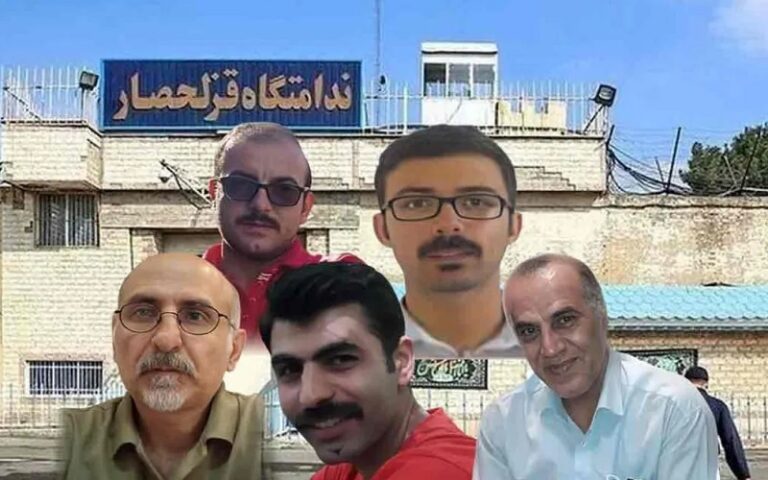
Families of Five Political Prisoners Sentenced to Death Expressed Concern Over Continued Lack of News About Them

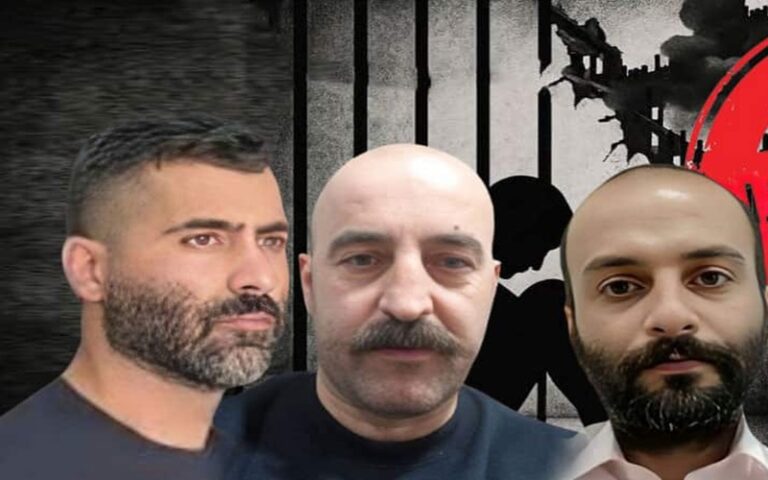
A week after the transfer of Ali Akbar Daneshvarkar, Mohammad Taghavi, Pouya Ghobadi, Vahid Beni-Amerian, and Babak Alipour—five political prisoners sentenced to death—from Greater Tehran Prison to Ghezel Hesar Prison, there has been no information about their condition. This uncertainty about their fate has caused deep concern among their families.

Judicial and security officials, along with Ghezel Hesar prison authorities, have refused to grant visits or phone calls, or to provide any answers to the families’ inquiries.

On Thursday, August 14, the sister of Akbar Daneshvarkar stated that there has been no news from her brother or the other four political prisoners since August 6, and that before their transfer to an undisclosed location “with the intent to kill,” they were beaten.

Transfer of 5 Political Prisoners Sentenced to Death to Ghezel Hesar Prison

Amnesty International had earlier warned on August 8 that the transfer of these prisoners was carried out under circumstances raising fears that authorities intended to execute the five soon.

After moving hundreds of political prisoners from Greater Tehran Prison (Fashafuyeh) to Evin Prison, Iran’s regime separated several death-row political prisoners from others using violence and transferred them to Ghezel Hesar Prison in Karaj.

Ghezel Hesar Prison in Karaj is one of the most notorious prisons in Iran, where many death sentences for prisoners with various charges are carried out.

Ali Akbar Daneshvarkar, Babak Alipour, Mohammad Taghavi, Pouya Ghobadi, Vahid Beni-Amerian, Babak Shahbazi, and Omid Tabari-Moghadam are among the prisoners transferred to Ghezel Hesar Prison.

On November 30, 2024, Alipour, Daneshvarkar, Beni-Amarian, Ghobadi, Taghavi, and Abolhassan Montazer were sentenced to death by Judge Iman Afshari of Branch 26 of Tehran’s Revolutionary Court on charges of “armed rebellion through membership in anti-regime groups.”

The issuance of death sentences for these political prisoners, who have been incarcerated since fall and winter of 2023, sparked widespread reactions from political prisoners and human rights organizations.

Earlier, on August 12, the “No to Executions Tuesdays” campaign, in its 81st weekly statement, referred to the sudden transfer of these five political prisoners sentenced to death.

The signatories of this statement noted that Shahbazi and Tabari-Moghadam were also transferred to Ghezel Hesar Prison after being beaten, declaring: “This repressive action is part of an intensified crackdown on political prisoners and the unprecedented increase in executions in the country.”

According to reports by Iranian human rights organizations, around 70 prisoners across Iran’s prisons with political or security-related charges are currently at risk of having their death sentences upheld or carried out.

Additionally, following the end of the recent war with Israel, Iran’s regime has intensified its crackdown on activists and increased pressure on political prisoners.

On July 27, UN High Commissioner for Human Rights Volker Türk described the execution of hundreds of people in Iran following unfair and “behind closed doors” trials as deeply alarming.

US Seizes Weapons Shipments Sent by Iran’s Regime to the Houthis

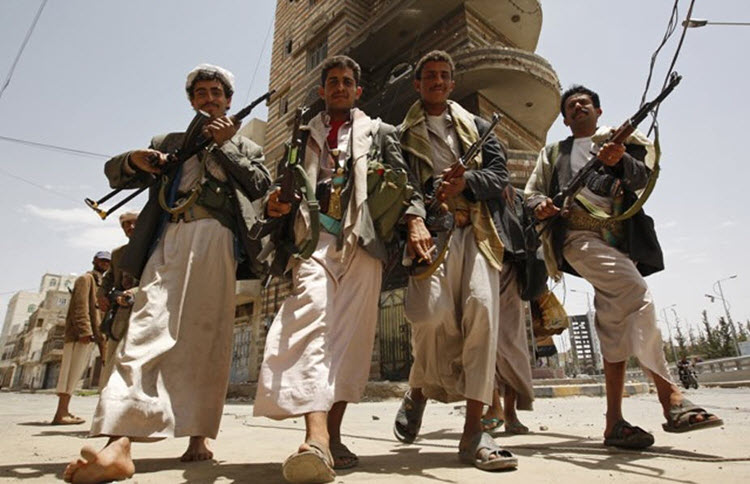
U.S. Central Command (CENTCOM) reported the seizure of weapons shipments end route to the Houthis in Yemen, an armed group backed by Iran’s regime, and stated that the seizures were carried out by Yemen’s National Resistance Forces.

In a statement on Thursday, CENTCOM said that on August 6, Yemeni security forces, in coordination with the Attorney General and Aden port authorities, seized a shipment containing drones, jet propulsion systems, wireless devices, and advanced control components destined for the Iran-backed Houthis.

According to the report, the shipment, which was bound for the Yemeni city of Al Hudaydah, was moved to Aden and jointly inspected by counterterrorism units, customs, and police.

Yemeni officials said the shipment was part of a large smuggling network that uses the Houthi-controlled port of Al Hudaydah to transfer advanced military equipment to terrorist organizations in the region.

CENTCOM stated that the seizure was carried out in support of United Nations Security Council resolutions and to reinforce Yemen’s commitment to regional stability and maritime security.

U.S. Calls for “Immediate and Decisive Action” Against Iran-Backed Houthis

Admiral Brad Cooper, commander of U.S. Central Command, praised the action, saying that for the second time in the past three weeks, they commend the forces of Yemen’s legitimate government for continuing to halt the flow of Iranian munitions and equipment to the Houthis.

This is not the first time that shipments intended for the Houthis have been seized before reaching their destination.

On July 16, 2025, U.S. Central Command announced that Yemen’s National Resistance Forces, led by General Tariq Saleh, had intercepted the largest shipment of advanced Iranian-made weapons bound for the Houthis in Yemen.

On Wednesday, July 16, CENTCOM said in a statement that the shipment, weighing over 750 tons, included hundreds of advanced cruise missiles, anti-ship and anti-air missiles, warheads, guidance systems, drone engines, air defense equipment, radar systems, and communication tools.

According to Yemeni forces, Persian-language manuals were found among the seized cargo, and many of the systems were manufactured by a company linked to Iran’s Ministry of Defense that is under U.S. sanctions.

A day later, Esmaeil Baghaei, spokesperson for Iran’s regime Foreign Ministry, dismissed reports of a military shipment from Iran to Yemen for the Houthis as “baseless” and said, “This is a media campaign against Iran.”

However, on July 18, The Wall Street Journal, citing multiple seizures of advanced weapons in Lebanon, Syria, and near Yemen, reported that these incidents show Iran’s regime is making a renewed effort to rearm its proxy forces.

According to the report, the Iranian regime is quickly replenishing the Houthis’ weapons stockpiles following U.S. and Israeli strikes.

Separately, Iran’s regime has recently been sending weapons to Hezbollah using small vehicles through Syria, whereas previously it used trucks.

The Wall Street Journal also reported that Tehran, continuing its efforts to arm militant groups in the Middle East, is sending missiles to Hezbollah in Lebanon and is attempting to transfer more weapons from Iraq to Syria.

Lebanese President Urges Iran’s Regime to Stop Interfering in Lebanon’s Internal Affairs

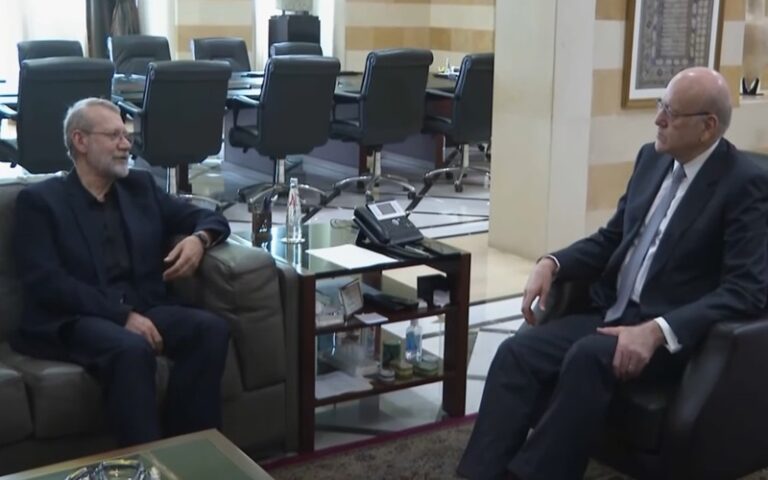
The president of Lebanon, Joseph Aoun, in a meeting with Ali Larijani, the secretary of Iran’s regime Supreme National Security Council, called for Tehran not to interfere in his country’s internal affairs.

Arab media reported that Joseph Aoun, the president of Lebanon, in his meeting with Ali Larijani, secretary of Iran’s regime Supreme National Security Council, requested Tehran to refrain from meddling in Lebanon’s internal affairs.

On Wednesday, August 13, Larijani met with the Lebanese president after arriving in Beirut.

New U.S. Sanctions on Iranian Oil Network and Hezbollah Financial Entity

According to Al Arabiya, Aoun criticized some remarks by officials of Iran’s regime during his meeting with Larijani, saying that such statements had not helped bilateral relations.

Aoun also stated that no group in Lebanon is allowed to carry weapons or seek foreign support.

According to this report, Larijani told Aoun that Tehran supports the decisions of the Lebanese government.

After his meeting with the Lebanese president, Larijani, in response to a question about disarming Hezbollah, said: “The people of Lebanon will decide on this matter.”

Coinciding with the arrival of Iran’s regime Supreme National Security Council secretary in Beirut, This Is Lebanon, one of the country’s prominent news websites, reported that Larijani was carrying messages for Hezbollah urging the group to align with the positions of Lebanon’s government.

Before Larijani’s meeting with Lebanese officials, This Is Lebanon, citing sources close to the president and prime minister, wrote that they would convey a clear and firm stance to Larijani, including a direct and strongly worded protest against Iran’s recent remarks, which are considered blatant interference in Lebanon’s internal affairs.

Secretary of Iran’s regime Supreme National Security Council: The suffering of the Lebanese people is our suffering.

Upon arrival in Beirut, Larijani said: “We will always seek to realize Lebanon’s national interests. The suffering of the Lebanese people is our suffering, and the Iranian regime will always stand by the Lebanese nation.”

He added: “If one day the Lebanese nation is in distress, we in Iran will feel this pain as well, and we will stand by the dear people of Lebanon in all circumstances.”

The regional trip of this official appointed by Ali Khamenei, leader of Iran’s regime, in recent days has faced criticism from Lebanese parties and political figures. Some opponents of Iran’s regime’s interventions in the region described the trip as a “shameless act.”

Before traveling to Beirut, Larijani visited Baghdad and signed a security memorandum of understanding between Iran’s regime and the Iraqi government.

One of the main goals of this trip was to encourage Iraqi Shiite factions to push for the “approval of the Popular Mobilization Forces bill” in Iraq’s parliament.

On Monday, August 11, Larijani met and held talks with Iraqi Prime Minister Mohammed Shia’ al-Sudani in Baghdad.

According to Arab media reports, al-Sudani expressed in this meeting that he supports dialogue between the United States and Iran’s regime.

These reports also stated that al-Sudani reiterated “Iraq’s principled and firm position in condemning Israeli attacks against Iran” and anything that could escalate conflicts on regional and international levels.

Informed sources in Iraq believe Larijani’s regional trip is connected to concerns over Baghdad yielding to U.S. pressure regarding the Popular Mobilization Forces.

Egyptian Officials Hold Phone Talks with Iran and IAEA to Mediate

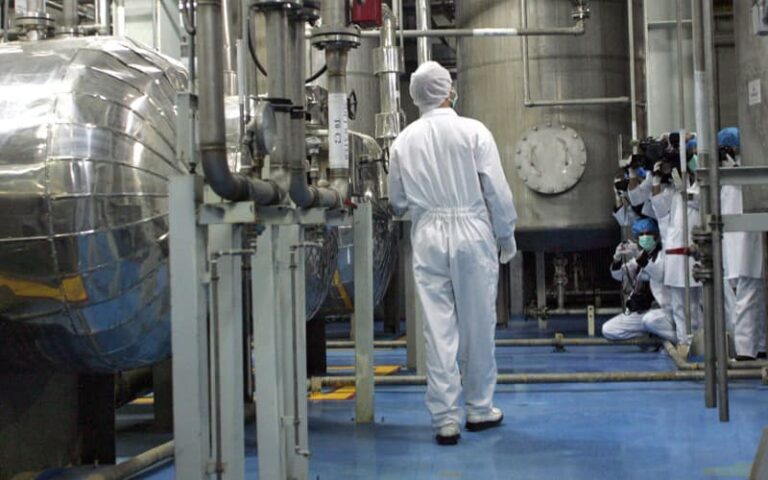
Egypt’s foreign ministry announced mediation efforts to resume cooperation between Iran’s regime and the International Atomic Energy Agency (IAEA) after it had been halted. These contacts aimed to reduce tensions and preserve regional stability.

In an official statement, Egypt’s foreign ministry said that on Tuesday, August 12, Egyptian Foreign Minister Badr Abdelatty held separate phone calls with Abbas Araghchi, Iran’s regime foreign minister, and Rafael Grossi, IAEA Director General. According to Cairo, the purpose of these talks was to strengthen mutual trust and create a favorable environment for security and stability in the region.

The Egyptian foreign minister and Grossi also discussed the latest developments regarding Iran’s nuclear file and focused on finding ways to encourage cooperation between Tehran and the IAEA.

Austrian Intelligence: Iran’s Regime is Actively Pursuing Nuclear Weapons

These contacts took place after Tehran announced that it would halt cooperation with the IAEA following the 12-day war in June. In June, Araghchi wrote on the social media platform X: “Iran will suspend cooperation with the Agency until it can ensure the security and safety of its nuclear activities.”

Reports indicate that an IAEA delegation is scheduled to travel to Tehran in the coming days to assess the damage to Iran’s regime nuclear facilities. The exact date of this visit has not yet been announced.

Egyptian officials have stated that they will continue their efforts to establish communication channels between Tehran and the IAEA to prevent escalation of tensions in the region. So far, Iranian officials and the Agency have not commented on the outcome of these contacts.

Iran’s Regime Insists on Retaining Nuclear Technology in Any Potential Agreement

During his visit to Cairo last month, Araghchi said: “If the United States wants to deprive us of nuclear technology, there will definitely be no agreement.”

He stressed: “If the purpose of the negotiations is to deprive Iran of peaceful activities, there will definitely be no agreement, and we will never leave the negotiating table to prove our legitimacy.”

Iran’s regime foreign minister said: “Regarding the Snapback, we hope European countries will not make this mistake. This would be a wrong policy and will add to the existing crises.”

Araghchi added: “The Iranian nation has paid a heavy price for uranium enrichment.”

These developments come as European parties to the JCPOA have recently announced that if Iran’s regime does not agree to a “satisfactory” deal, they will activate the Snapback.

Land Subsidence Warnings in Tehran and the Critical Situation of 70% of Iran’s Plains

0

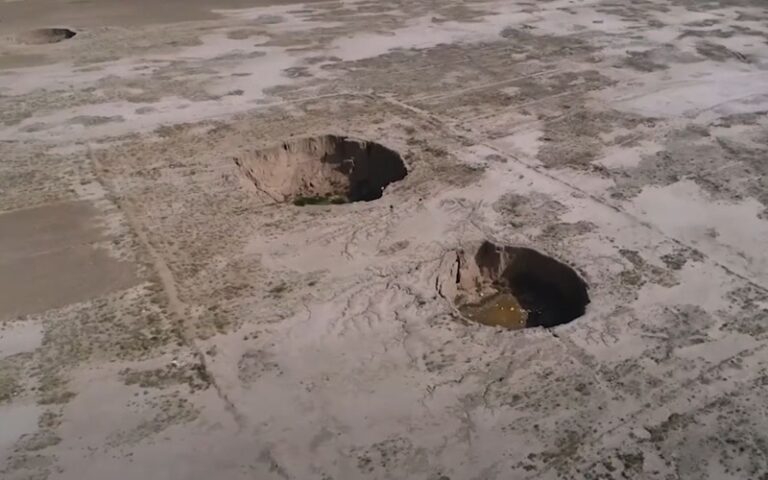
Isa Bozorgzadeh, spokesperson for Iran’s water industry, warned about the unprecedented severity of the water crisis, stating that 70% of Iran’s plains are in a “prohibited” or “critically prohibited” state and that more than 300 plains, including Tehran, face a serious risk of land subsidence.

Bozorgzadeh told the state-run Payam-e Ma magazine, “The water crisis in Iran has passed the 110th minute of the game.”

Iran: Dozens of Airports, Railway Stations, and Metro Stations at Risk of Land Subsidence

He described land subsidence as a direct consequence of excessive groundwater extraction, saying that a significant part of this over-extraction has occurred due to “inefficient management, legal gaps, and a lack of coordination between responsible institutions.”

Bozorgzadeh emphasized that reducing water usage in the agricultural sector is the most important solution to contain this crisis and that without decreasing the cultivated area, genuine conservation will not be possible.

Somayeh Rafiei, head of the Environment Caucus in Iran’s regime Majlis (parliament), warned in May 2025 that excessive extraction of groundwater has caused land subsidence in 30 provinces and turned 66% of the country’s wetlands into dust storm hotspots.

Over-Extraction from Wells Threatens Tehran

The spokesperson for the country’s water industry referred to Iran’s Seventh Development Plan as the last opportunity to reform water resource management, warning that ignoring this chance will result in the loss of water security and pose a serious threat to the ecosystem.

Bozorgzadeh, speaking about the role of Tehran’s municipality in this crisis, said that about 50 drinkable wells under the municipality’s control should be connected to the drinking water network, while the rest should be sealed to help balance the aquifer.

According to him, over-extraction from these wells is one of the factors contributing to land subsidence in the capital.

Soudabeh Najafi, head of the Health Committee of Tehran’s City Council, said on May 9, “According to estimates, the rate of land subsidence in Tehran reaches 24 or 25 centimeters annually.”

The spokesperson for the water industry stressed that drilling and operating new wells in Tehran must be stopped, and that the use of existing water sources should only be for drinking purposes or aquifer protection.

Bozorgzadeh added, “The number of wells in the Tehran aquifer exceeds its capacity, and this issue has intensified land subsidence.”

Previously, Mehdi Chamran, head of Tehran’s City Council, had said, “Land subsidence exists in the country and affects subway tunnels, and for this reason, we are concerned.”

More Than 35,000 Pollution-Related Deaths Recorded In Iran in 2024

0

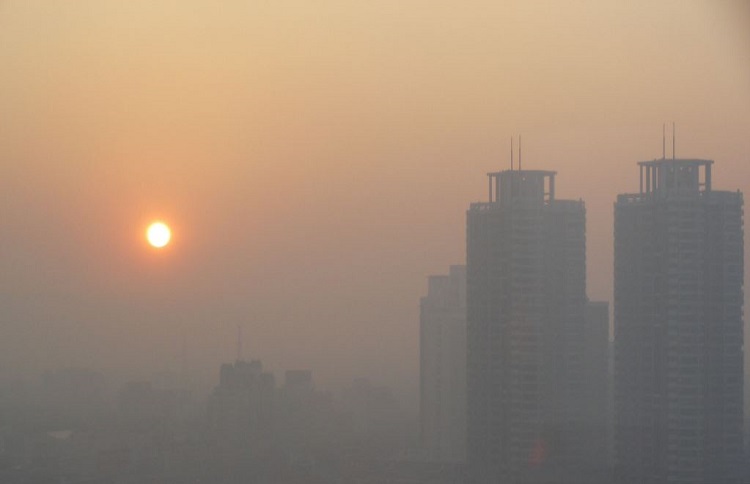
The deputy head of the Air Quality and Climate Change Research Center at Beheshti University of Medical Sciences announced that more than 35,000 deaths attributed to air pollution were recorded in the country during 2024.

The state-run ISNA news agency wrote on Wednesday, August 13, quoting Abbas Shahsavani, that statistics show the average number of deaths attributed to air pollution in 2024 was 35,540 people. In 2023, 30,690 deaths from air pollution were reported in Iran.

This figure was more than 26,000 people in 2022.

Severe Air Pollution in Various Cities of Iran

Referring to the results of the most recent study conducted in Iran in 2024 on the health impacts and economic damages caused by air pollution, Shahsavani said: “A study on the health and economic effects of air pollution was conducted last year, in which 83 cities in the country with a population of more than 57 million people were examined.”

According to the results of this study, the lowest number of deaths attributed to air pollution in these 83 cities was estimated at 23,766, and the highest at 46,000.

Shahsavani said: “Sanandaj is also among the cleanest cities in the country, and in other words, it can be said that the cities of Shahroud and Sanandaj had the lowest concentration of particulate matter smaller than 2.5 microns in 2024.”

The cities of Zabol, Iranshahr, and Rigan had the highest concentration of particulate matter smaller than 2.5 microns last year and were respectively the most polluted cities in the country in 2024.

Shahsavani had previously reported the deaths of more than 7,000 people in Tehran last year due to air pollution.

On August 6, he told the state-run ILNA news agency that in 2023, Tehran had recorded 7,342 deaths attributed to “long-term exposure to particulate matter.”

This statistic, based on a study at the Air Quality and Climate Change Research Center of Shahid Beheshti University, shows that the air pollution-related mortality rate has increased by about 1% compared to 2023.

Several media outlets in Iran reported different figures on August 1, stating that last year “6,000” Tehran residents lost their lives due to air pollution.

Burning of heavy fuel oil (mazut) in power plants, low-quality gasoline, and worn-out vehicles are identified as the main sources of air pollutants in Tehran and across Iran.

Spokesperson for the SSF: 21,000 People Arrested During War with Israel

The Iranian regime’s media outlets in Iran, quoting the spokesperson for the State Security Forces Command, reported that during the 12-day war with Israel, 21,000 people were arrested “based on public reports.” The head of the regime’s judiciary had previously announced the arrest of more than 2,000 people in connection with Iran’s regime’s war with Israel.

Saeed Montazerolmahdi, spokesperson for the Law Enforcement Command of Iran’s regime, said on Tuesday, August 12, that during the 12-day war, the cyber police (FATA) handled and solved more than 5,700 cases of cybercrime, “including online fraud and unauthorized withdrawals.”

Iran’s Regime Extends Prison Sentence of Two Elite Students Under New Made-Up Charges

According to him, the cyberattack on the Nobitex cryptocurrency exchange was also swiftly investigated.

Without giving further details, Montazerolmahdi reported the “foiling of a plan to gather at Palestine Square with the aim of carrying out aerial and drone operations,” saying that police stopped this action “before it happened.”

During the 12-day war, a gathering was held in Palestine Square in support of Iran’s regime’s war objectives.

Contradictory Figures on Prisoners Escaping from Evin Prison

According to Montazerolmahdi, “In the Evin Prison incident, the northern Tehran security-police unit arrived at the scene in less than five minutes.”

He said, “127 political and security prisoners who intended to escape were arrested. Also, two prisoners who attempted to escape disguised in firefighter uniforms were identified and detained.”

War, internet blackout, anxiety; connection with Iran has been severed

Asghar Jahangir, spokesperson for the judiciary, had said on July 22 regarding the Evin Prison escapes after the Israeli bombing, “The departure of the prisoners is not considered an escape, and most of them were open-sentence inmates with minor offenses. In this incident, 75 people left, of whom 48 have returned, and the remaining 27 do not have major or security-related crimes and will return soon.”

According to the spokesperson for the Law Enforcement Command, during this period, 262 people were arrested on suspicion of espionage and 172 on charges of unauthorized filming, while 30 special security cases were identified through the examination of mobile phones seized from suspects and detainees.

The 12-Day War and Foreign Nationals

The state-run Fars News Agency, affiliated with the Islamic Revolutionary Guard Corps (IRGC), reported on June 25 that 700 foreign nationals were arrested during the 12-day war. However, Montazerolmahdi later gave new figures, saying that 2,774 undocumented foreign nationals were identified and arrested during this period, adding, “The examination of these individuals’ mobile phones showed that they had taken videos and photos of high-altitude areas and sensitive locations and had sent location data.”

This comes while Mohammad Manan Raeisi, the regime’s MP from Qom, said in a July 15 interview with the IRINN state TV channel, “Based on reliable information, among the spies of Israel, there is not even a single Afghan migrant.”

Crime Statistics When Tehran Was Emptied

According to Montazerolmahdi, “During the crisis period,” the rate of solved to committed thefts increased by 48.8%, while theft incidents decreased by 15.5%. “The solving of violent crimes grew by 85.9%, and the occurrence of these crimes dropped by more than 20%. The rate of murders decreased by 23.3%, and the percentage of solved murder cases was reported to be over 90%.”

Although this SSF official did not specify exactly which time period these tenth-of-a-percent precision statistics referred to, public reports during the war indicated that many residents of the capital had left Tehran.

On June 15, the third day of the 12-day war, the state-run Fars News Agency reported that the Tehran SSF Command building was targeted by Israel. After that, until the end of the war, numerous social media posts from citizens indicated that the police emergency number 110 had been out of service.

The spokesperson for the SSF Command said that police identified 147 social media pages “belonging to individuals known as thugs” who had expressed joy over Israel’s attacks, adding, “During this period, 30 individuals who supported Israel’s attacks on social media were arrested, and judicial cases were opened for 35 others.”

Hunger Strike by Three Political Prisoners in Lakan Prison, Rasht

According to obtained information, instead of addressing the legitimate demands of these prisoners, the authorities at Lakan Prison in Rasht have transferred Masoud Bidarigh to solitary confinement.

Reports from Lakan Prison indicate the start of a protest hunger strike by three political prisoners—Manouchehr Fallah, Masoud Bidarigh, and Peyman Farahavar—who have taken this action due to deprivation of basic rights, increased pressure, and the authorities’ disregard for their situation. The hunger strike began on Sunday, August 10, and is still ongoing.

More Than 125 Political Prisoners Are Being Held in Inhumane and Unbearable Conditions in Sheiban Prison in Ahvaz

Hunger Strike Began with Masoud Bidarigh’s Protest

Masoud Bidarigh, a well-known boxer from Gilan province and a recognized sports figure, cited repeated denial of his right to leave prison and the authorities’ refusal to respond to his repeated requests as the reason for starting the strike. He has long been held in poor physical and mental conditions in the Misagh ward of Lakan Prison, stressing that prison officials have shown complete disregard for his situation, even rejecting simple requests such as medical leave.

Following Bidarigh’s hunger strike, two other political prisoners, Manouchehr Fallah and Peyman Farahavar, also joined the protest in solidarity with him and to object to the oppressive conditions in the prison. Both of these prisoners are currently under death sentences.

Transfer to Solitary Confinement

According to obtained information, instead of responding to the prisoners’ legitimate demands, Lakan Prison authorities transferred Masoud Bidarigh to solitary confinement. Sources inside the prison say this transfer was intended not only as punishment but also to inflict further psychological and physical pressure.

Bidarigh’s History of Protest

Bidarigh had previously, in the winter of 2025, protested against the issuance and execution of Manouchehr Fallah’s death sentence by appearing in front of the main gate of Lakan Prison. At that time, he stressed that death sentences against political and ideological prisoners are not only unjust but also contrary to human rights standards and human dignity.

The Situation of Manouchehr Fallah and Peyman Farahavar

Manouchehr Fallah and Peyman Farahavar, both participating in this hunger strike, are under death sentences. Human rights activists say their trials involved blatant violations of defendants’ rights, including denial of access to independent lawyers, physical and psychological coercion, and the extraction of forced confessions.

Disregard for Human Rights Warnings

Despite repeated warnings from human rights organizations, Lakan Prison authorities and the regime’s judiciary continue their policy of ignoring the dire conditions of political and ideological prisoners. Human rights activists say this systematic indifference is part of the broader policy of the regime to suppress dissent and restrict citizens’ rights.

Iran’s Tenant Household Poverty Rate Rising to 40%, Parliament Reports

The Research Center of Iran’s regime Majlis (parliament) reported an intensifying housing crisis in the country, stating in its latest report that in 2023, the proportion of tenant households living in poverty reached a historic record of 40%.

This data is from two years ago, and experts estimate that the current rate is even higher.

The release of this report comes as the official housing statistics blackout in the Iranian regime has reached 14 months, and the Majlis research center removed its report on worsening tenant poverty from its website just hours after publication.

According to the report, in 2023 around two million tenant households—equivalent to 7.6 million people—were living in poverty.

Houses in Iran Shrink as Poverty Grows

The center wrote that the country’s housing crisis and unprecedented rent increases have pushed many households below the poverty line due to housing costs, leaving them in a state of housing poverty.

Calculation Based on the “Complementary Method”

The parliamentary research center stated that using the conventional estimation method, tenant household poverty stood at around 27%. However, the center used a “complementary method” in its study, which raised this figure to 40%.

According to the report, the complementary method pays particular attention to housing costs and to households whose income is above the poverty line but who fall below it due to rising rents.

These households were not considered poor before accounting for housing expenses.

According to the report, in 2023 the largest number of tenant households in poverty were four-person families.

The heads of household in most poor tenant families were between 35 and 44 years old.

Overall, in 2023 the distribution of poor households shows that three-quarters of tenant households in poverty were those where the head of household was under 55 years old.

Tehran Has the Highest Number of Poor Tenants

Tehran province has the highest number of poor tenant households, while the lowest number is in Chaharmahal and Bakhtiari province.

According to the report, in 2023 a large portion of tenant households in poverty belonged to the bottom five expenditure deciles.

The Majlis research center warned that many tenant households have been pushed out of the housing purchase market or, due to persistent inflation, the income gap, and high rents, cannot afford to participate in national housing programs.

Repeated Warnings from the Majlis Research Center

This is not the first time the parliament’s research center has warned about the housing crisis in the country.

In August 2024, the center reported on Tehran’s housing situation, stating that the price of one square meter of housing was more than seven times a worker’s minimum wage and that “more than half of Iranian households live in inadequate housing.”

Mohsen Bagheri, a labor activist and workers’ representative in wage negotiations, described the problem of housing for workers as a “serious crisis” and revealed that about 75% of workers in Iran do not own a home.

On May 2 this year, Bagheri told the state-run ILNA news agency: “They have done nothing for workers’ housing. Even after all these years, we still don’t know who is responsible for workers’ housing. For years they have made promises, but nothing happened… they have not built even a single house for workers.”

In August 2023, the Iranian regime’s parliamentary research center released a report assessing government and municipal housing policies as flawed.

The report stated that projects such as the mass housing construction under the Maskan Mehr scheme, the National Housing Movement, or Tehran Municipality’s “Jihadi Housing Headquarters” initiative have entirely harmed low-income and vulnerable groups without housing.

In May 2023, Babak Naghadari, then-head of the parliamentary research center, said that the absence of effective taxation in the housing sector in recent years has increased its appeal, and as a result, housing prices in Tehran have increased 52-fold over the past 17 years.

In June 2025, Mizan News Agency, affiliated with the regime’s judiciary, wrote: “A look at some online platforms shows that part of the housing rental ads are published in U.S. dollars or euros.”

The report added: “In these ads, houses in northern Tehran or certain specific parts of the city are rented to foreign nationals and citizens, with rental prices ranging from $2,000 to about $4,000 or euros per month.”