

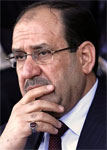
 New York Times: After two days of defiant speeches and special security units deployed in the Iraqi capital, raising the specter of a coup, Prime Minister Nuri Kamal al-Maliki appeared to back away on Tuesday from his implied threat to use force to stay in power, issuing a statement saying that the army should stay out of politics.
Maliki seems to back away from using military force to retain power
Iran’s secret massacre: the untold legacy
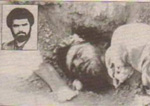
Medium.com: This summer marks the 26th anniversary of Iran’s massacre against political prisoners in 1988. The shock and terror inflicted on the Iranian nation wen tens of thousands of prisoners were executed in a matter of months went unnoticed. The legacy of this event has resulted in the survival of a despotic regime, and the stunted growth of a nation.
Lord Carlile: Dangers still posed by Iran regime
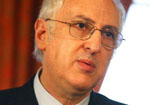
PoliticsHome: A range of politicians and analysts have recently argued for close cooperation between the United States and Iran on issues such as the sectarian conflict in Iraq. The view is irresponsibly neglectful of the dangers still posed by the Iranian regime.
Power struggle on Baghdad streets as Maliki replaced but refuses to go
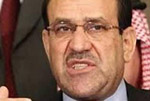
Reuters: Iraq’s president named a new prime minister to end Nuri al-Maliki’s eight-year rule on Monday, but the veteran leader refused to go after deploying militias and special forces on the streets, creating a dangerous political showdown in Baghdad. Washington, which helped install Maliki following its 2003 invasion, congratulated Haidar al-Abadi.
Iraqi president names Haider al-Abadi new prime minister, defying Maliki
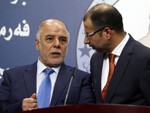
Washington Post: Iraq’s president on Monday asked a veteran Shiite politician, Haider al-Abadi, to form a new government, setting the stage for a vicious political showdown in a country already struggling to contain an Islamist extremist insurgency. Nouri al-Maliki argued that the appointment of the 62-year-old Abadi as prime minister-designate was legally invalid.
Iranian plane crashes after takeoff, killing 39
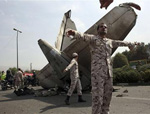
AP: A regional passenger plane assembled in Iran crashed Sunday while taking off from the capital, killing 39 and injuring another nine onboard, according to a senior transportation official and state media. The IrAn-140 operated by domestic carrier Sepahan Air crashed in a residential area near Tehran’s Mehrabad airport. State TV said the plane’s tail struck the cables of an electricity tower before it hit the ground and burst into flames.
Deadly Iran-backed terror network Tawhid-Salam exposed
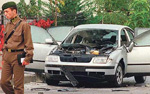
Zaman: A politically motivated witch hunt against police investigators who uncovered a highly secretive Iran-backed terrorist network that has ties to senior government officials has reversed direction and hit the government by revealing to the public damaging details from the prosecutors’ confidential investigation files.
U.S. airstrikes target Islamic State militants in northern Iraq
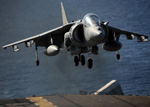
Washington Post: U.S. military aircraft carried out airstrikes on Islamist militants besieging Kurdish forces in northern Iraq, the Pentagon announced Friday. The airstrikes targeted artillery being used by militants of the Islamic State extremist group against Kurdish forces defending Irbil, the Kurdish regional capital, the Pentagon said. It said the artillery was used “near U.S. personnel.”
Obama authorizes possible airstrikes against Iraq
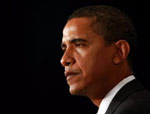
Washington Post: President Obama has authorized airstrikes against Sunni Muslim extremists who punctured Kurdish defenses in a powerful offensive in northern Iraq on Thursday, and has sent U.S. military aircraft to drop food and water to besieged Iraqi civilians in the region. “We intend to take action if they threaten our facilities anywhere in Iraq . . . including Irbil and Baghdad,” he said.
Iran still pushing for nuclear arms
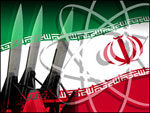
The Hill: Iranian Supreme Leader Ali Khamenei recently said in a high-profile speech that Iran has a “definite need” for tens of thousands of more uranium enrichment centrifuges than it already has. The statement was made ahead of a July 20 deadline for a deal between Iran and the 5+1 countries. Detecting indecisiveness among western powers, Khamenei was clearly raising the stakes to gain as many concessions as possible.
