Home Blog Page 145

European Powers Consider A Resolution Against Iran At The IAEA Board of Governors

European powers are reportedly seeking to issue a new resolution against the Iranian regime at the upcoming International Atomic Energy Agency (IAEA) Board of Governors meeting due to Iran’s lack of cooperation with the agency, according to diplomatic sources cited by Reuters.

This report was published on November 13, coinciding with a visit to Tehran by Rafael Grossi, Director General of the IAEA.

Reuters notes that passing a new resolution could escalate tensions with Iran, as Tehran has previously retaliated against IAEA Board of Governors’ criticisms by ramping up nuclear activities and hindering IAEA inspectors.

However, if passed, this resolution would come after Donald Trump’s recent victory in the U.S. presidential election and his return to the White House, where in his first term he unilaterally canceled the nuclear agreement with Iran and enforced a maximum pressure campaign against it.

The resolution would request that the IAEA, in addition to its quarterly reports on Iran’s nuclear activities, also prepare a “comprehensive report” with more detailed information focused on issues with Tehran, including the discovery of uranium particles at undeclared sites.

“Our concerns about Iranian nuclear activity are well known. It feels a natural point to be asking the IAEA for a thorough report. That then provides a basis to deal with Iranian behaviour,” a European diplomat told Reuters.

Diplomatic sources state that the goal of such a resolution is to pressure Iran’s regime into returning to the negotiating table to accept new restrictions on its nuclear program in exchange for reduced sanctions, albeit less restrictive than those under the Joint Comprehensive Plan of Action (JCPOA).

Reuters adds that four additional diplomats have confirmed that France, the United Kingdom, and Germany are lobbying for a resolution at the IAEA Board of Governors.

Reuters adds that Western efforts to negotiate a new agreement with Iran before the JCPOA officially expires in October next year were largely based on the assumption that Kamala Harris, Trump’s opponent, would win the U.S. presidential election, as Trump has shown no inclination to negotiate with Iran’s regime.

Reuters further reports that Rafael Grossi is reluctant to provide a comprehensive report, as he is currently involved in diplomatic efforts to compel Iran to explain the presence of uranium particles and to convince Tehran to allow greater IAEA oversight of its nuclear activities.

Tehran is currently enriching uranium to 60% purity, close to the 90% required for an atomic bomb. According to IAEA standards, Iran has enough enriched uranium to potentially produce about four nuclear bombs if further enriched.

The Iranian regime has previously shown disregard for international laws, and all past negotiations with this regime have reached a deadlock, yet European countries continue to insist on negotiations with the regime.

Mrs. Maryam Rajavi, the elected president of the National Council of Resistance of Iran (NCRI), the largest opposition group to the Iranian regime, has emphasized the need to invoke the “snapback” mechanism under UN Security Council Resolution 2231 and to reactivate UN Security Council resolutions related to the regime’s nuclear projects.

She added that it is imperative to place the clerical regime under Chapter VII of the UN Charter and to designate the Islamic Revolutionary Guard Corps (IRGC) as a terrorist organization.

Iran: Nearly 31,000 Dead From Air Pollution in 2023

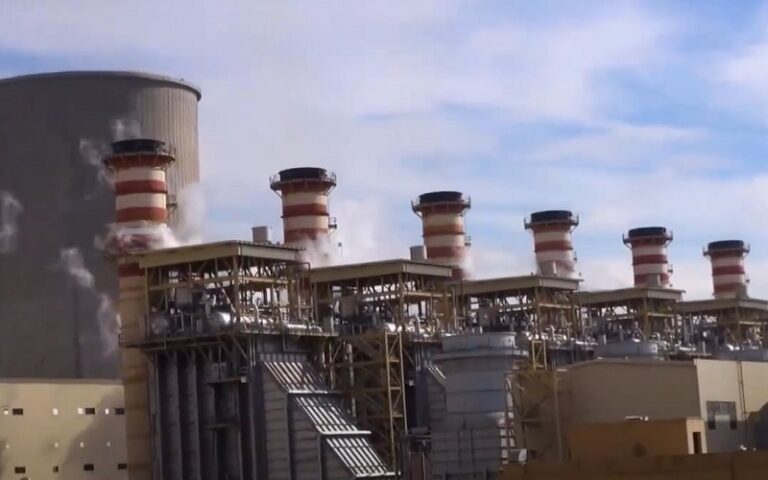
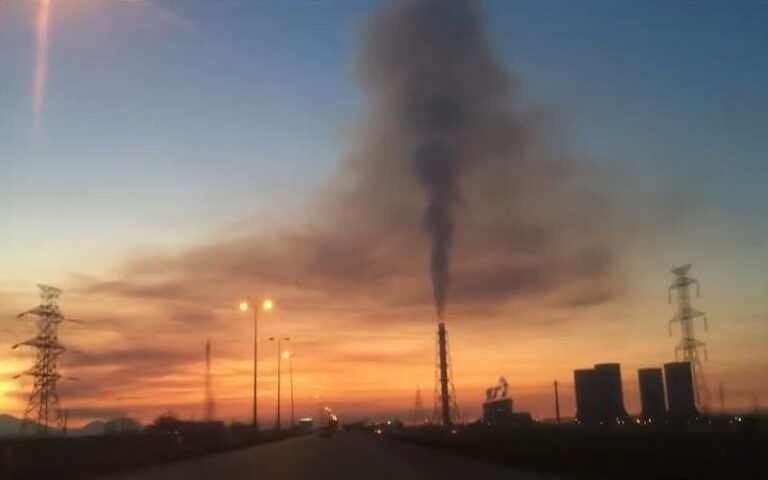
Government-affiliated media in Iran are highlighting air pollution death statistics in an effort to create a “political achievement” for regime president Masoud Pezeshkian in his initiative to ban mazut burning. However, data show that power plant reserves of mazut and diesel have drastically declined, and mazut burning is not the main cause of air pollution-related deaths.

Abbas Shahsouni, head of the Air Health and Climate Change group in the Ministry of Health, reported 30,690 deaths due to air pollution in 2023. This number was over 26,000 in 2022.

Shahsouni explained that since 2017, the Ministry of Health’s Air Health and Climate Change group has been responsible for compiling statistics on deaths and damages from air pollution. According to information previously provided by this center in press briefings, the estimated number of premature deaths due to air pollution in 2019 was around 41,700.

These Ministry of Health statistics are usually collected in selected cities. The figures Shahsouni reported for 2023 are based on surveys conducted in 57 cities with a population of nearly 48 million people.

Shahsouni noted that mazut burning has not been an issue in Tehran, while pollution from mazut occurs more in cities like Isfahan and Arak.

Pezeshkian has no mazut to burn

Burning mazut in power plants is a major factor in air pollution, but other sources of air pollution also exist. State media is attempting to present Pezeshkian’s ban on mazut burning as an achievement and a step toward protecting public health.

The reality, however, is that there is no mazut available for burning, just as there is a shortage of diesel and gas.

According to statistics from the National Iranian Oil Products Distribution Company, combined mazut and diesel reserves in power plants nationwide decreased by 36% in September 2024 compared to the previous September.

On Sunday, November 11, Fars News Agency reported, based on data from the Ministry of Energy, that since September this year, the process of refilling liquid fuel reserves in power plants has stopped, and these reserves have gradually decreased to one-third of their previous level.

According to this report, gas supplies to power plants by the end of October were down 30% from 2023, and diesel reserves in power plants dropped to below 1.26 billion liters, placing Iran’s electrical grid on the brink of a critical emergency.

On Wednesday, November 13, Pezeshkian, responding to a question about planned power outages, said: “Since our gas reserves are low and we may face challenges in winter, we are forced to adjust power plant reserves to avoid issues.”

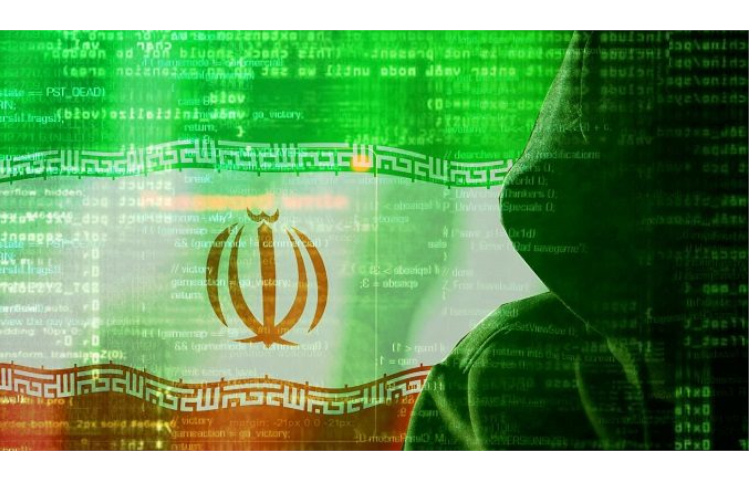
Internet Censorship in Iran Has Turned Into a Billion-Dollar Business For State Actors

0

Majid Ansari, the legal deputy of President Pezeshkian, stated that high profits from VPN sellers hinder efforts to lift internet censorship.  

Majid Ansari did not provide further details about these sellers’ identities or methods of gaining influence, nor did he clarify whether Pezeshkian’s administration has any plans to counter these groups.  

Regime’s officials have stated that lifting internet filtering still requires approval from the Supreme Council of Cyberspace.  

In parallel to Majid Ansari’s remarks, Ali Rabiei, Pezeshkian’s social advisor, mentioned in a post on X that filtering causes an annual loss of one billion dollars to the public and criticized the policy as ineffective.  

Before Ansari’s statements, two members of parliament had also pointed out the financial interests of those supporting filtering.  

Javad Nikbin and Gholamreza Nouri stated that some filtering policy advocates are involved in VPN sales themselves.  

In response to these claims, the Minister of Communications called for a judicial investigation into the matter.  

Before the elections, Iran’s regime President Pezeshkian promised users on X that “the government will stand firm against filtering and pressures.”  

While Pezeshkian’s administration has raised hopes by promising to lift filtering, the Minister of Communications postponed this issue to a later date on October 13.  

It is evident that entities such as the Islamic Revolutionary Guard Corps (IRGC), the Execution of Imam Khomeini’s Order Headquarters, and the Foundation of the Oppressed, involved in telecommunications and internet affairs, are primary players in this monopoly.  

Although regime officials attribute the failure to lift filtering to VPN mafia obstruction, statements from some non-administrative officials indicate other obstacles, including decisions at higher regime levels, also play a role.  

Mehrdad Lahouti, a parliament member loyal to Khamenei, described lifting censorship as a security issue that, according to him, is largely unrelated to Pezeshkian.  

According to Lahouti, a specific group now monopolizes VPN sales, profiting heavily from it.  

Reports from regime-linked institutions indicate that 80% of internet users across various age groups use VPNs.  

Approximately 30% of citizens spend 1.5 million rials (about $2.14) monthly on VPNs.  

The Iranian regime uses the internet as a tool for repression and profit. In past popular uprisings, such as those in November 2019 and September 2022 following the death of Mahsa Amini, the regime severely restricted or, at times, completely cut off citizens’ internet access to prevent the spread of protests.

Power Outages Begin in Tehran; Government Spokesperson: Fuel Oil Burning in Power Plants Continues

0

The Tehran Electricity Distribution Company announced that “scheduled and rotational power cuts” began across Tehran at 9 a.m. on Tuesday. Meanwhile, Fatemeh Mohajerani, spokesperson for the Masoud Pezeshkian administration, stated that the burning of fuel oil (mazut) will not be stopped, only reduced, and that power cuts will continue.

Each power outage is scheduled to last two hours, but citizens report that the announced schedule and areas of the outages are not consistently followed, causing problems for residents.

Communication and Internet Affected by Power Cuts

According to the website Filterban, with the onset of power outages in Tehran, mobile networks have also gone down in some areas. The backup batteries of BTS (Base Transceiver Station) antennas, which should provide power for up to three hours, are underperforming and in need of maintenance.

Eleven Power Plants Still Burning Fuel Oil

In response to the power outages, the state-run Jomleh newspaper emphasized that if the purpose of the power cuts is to protect public health, then fuel oil burning should be stopped nationwide. Instead, eleven plants are still burning fuel oil, and cutting it at just three plants is causing daily power outages.

The state-run Shargh newspaper also reported that out of the 141 power plants in Iran, 16 can use fuel oil. Among these, fuel oil tanks at two plants, one in Tehran and another in Isfahan, have been sealed for several years, and officials claim that they do not burn fuel oil under any circumstances.

According to Shargh, three other plants, Shazand Arak, Montazeri Ghaem Alborz, and Shahid Mohammad Montazeri in Isfahan—were required to stop using oil as of the start of this week, leaving eleven plants still burning it.

On Sunday, November 10, Reza Sepahvand, a member of the regime’s Majlis energy committee, stated: “If fuel oil burning is not used, the only option left is scheduled power and gas cuts for households and industry. We experienced industrial power cuts in the summer, which damaged the industrial and agricultural sectors and caused numerous issues for households due to frequent outages.”

Majlis Research Center Report on Energy Imbalance

On Monday, the regime’s Majlis (Parliament) Research Center released a report attributing the government’s decision to cut electricity to declining diesel and fuel oil reserves for power plants and a growing natural gas imbalance.

According to the report, in 2022, the natural gas deficit reached 315 million cubic meters per day at peak consumption. Although this figure dropped to around 280 million cubic meters per day in 2023 due to rising temperatures, the natural gas imbalance remains a challenge throughout the year, especially in colder months.

Meanwhile, as liquid fuel consumption in thermal power plants increased, the diesel and fuel oil reserves from March to September 2024 decreased compared to the same period last year. The growing gas imbalance and lack of alternative liquid fuel have made it more difficult to manage the current situation.

Challenges in the Budget and Crude Oil Production

According to this report, given the current level of crude oil production, reaching the target of producing 3.75 million barrels per day, as outlined in the 2025 budget, faces serious doubts.

Moreover, the goal of exporting 1.85 million barrels of crude oil and condensates daily, with 1.25 million barrels allocated to government revenue, also seems unrealistic.

Mohammad Jafar Qaem-Panah, Pezeshkian’s executive deputy, blamed citizens for the energy imbalance and fuel oil burning, stating that they should lower their home temperatures by a few degrees and reduce gas and electricity usage to lessen outages.

He also attributed part of the problem to the “extremely low prices” and subsidies on energy carriers.

Despite being the world’s second-largest holder of natural gas reserves and significant oil reserves, Iran is unable to meet its power plants’ needs. Instead, it allocates oil revenue to regional interventions and funds proxy groups.

IAEA Director: Iran’s Room for Maneuver Is Diminishing

The Director General of the United Nations’ International Atomic Energy Agency (IAEA) states that Iran’s room for maneuver in its nuclear program is shrinking, and Iran must urgently find ways to resolve this issue.

On Wednesday, November 12, Rafael Grossi told Agence France-Presse on the sidelines of the “COP 29” meeting in Baku that the Iranian government needs to understand that international conditions are becoming increasingly tense, reducing its room for maneuver. He emphasized the necessity of finding diplomatic solutions.

On the eve of his trip to Iran, he clarified that the IAEA is allowed to conduct inspections in Iran but requires more extensive observations. He added that, given the scope, depth, and ambition of Iran’s nuclear program, it is essential to find ways to gain a better view of Iran’s activities.

His upcoming trip to Tehran on the following Wednesday also coincides with Donald Trump’s victory in the U.S. presidential election. During his previous presidency, Trump took a very hardline stance toward Iran’s regime, withdrew from the Joint Comprehensive Plan of Action (JCPOA), and imposed severe sanctions on the regime.

Mr. Grossi says he had a good experience working with the U.S. administration during Trump’s previous term.

A year after the U.S. withdrawal from the JCPOA in May 2018, Iran’s regime gradually began to reduce its commitments under the agreement and restricted its cooperation with the IAEA.

Mr. Grossi has repeatedly criticized Iran’s lack of cooperation in answering questions about traces of uranium found at undeclared sites, the expulsion of some IAEA inspectors from Iran, and blocking the agency’s access to surveillance camera data in Iran’s nuclear facilities, among other issues.

He has also warned about the significant increase in Iran’s 60%-enriched uranium stockpile, which is very close to the level required to produce a nuclear bomb.

According to IAEA standards, Iran possesses enough enriched uranium to produce approximately four nuclear bombs if further enriched.

Iran’s regime has long denied any plans to build a nuclear bomb, stating that it enriches uranium solely for civilian energy purposes.

Previously, Mr. Grossi commented on Iran’s lack of cooperation with the IAEA, saying that the JCPOA had become a “hollow shell.”

With the advent of President Masoud Pezeshkian’s administration, the Iranian regime has stated that it is ready to resume negotiations.

Grossi’s last visit to Iran took place in May of this year. He urged Iranian officials to address the IAEA’s concerns and to bring more transparency to its nuclear program.

Over 450 Executions in Iran Since the Start of the New Government

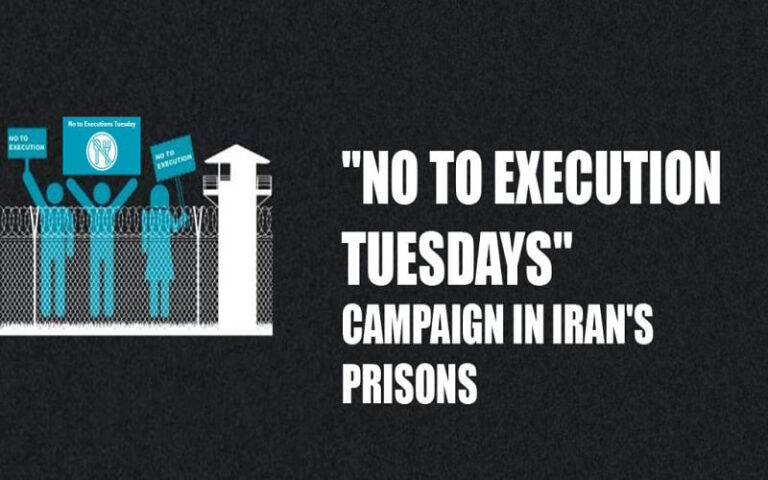
Members of the “No to Executions Tuesdays” campaign from 25 prisons in Iran, in a statement marking the campaign’s 42nd week, warned that the Iranian regime’s judiciary has recently issued execution sentences for several political prisoners and individuals accused of espionage, including Varisheh Moradi and Naser Bekrzadeh in Urmia prison, who have been sentenced to death on political charges.

The statement reads: “The heavy shadow of execution still looms over prisoners in Iran’s prisons, and the pace of executions continues intensively. Since October 22, more than 103 people, including two women, have been executed, with an average of five hangings per day.”

According to this campaign, over 450 people have been executed since the new government took office, marking this as the most significant and tragic outcome of the new administration’s actions.

The statement added that three other prisoners—Edris Ali, Azad Shojaei, and Rasoul Ahmad Mohammad—had previously been sentenced to death by the same judicial branch.

The authors of the statement warned that in Sheiban Prison in Ahvaz, four Arab prisoners—Ali Mojadam, Moein Khanfari, Mohammad Reza Moghadam, and Adnan Ghobeishavi—who were transferred to solitary confinement two weeks ago in preparation for their executions, are in extremely poor conditions.

The authors emphasized that in protest of these inhumane conditions, three of them have gone on a hunger strike, placing their lives in serious danger.

The statement declared that this campaign considers the issuing of execution sentences for women like Varisheh Moradi and Pakhshan Azizi, as well as the dozens of death sentences issued for ethnic minorities such as Kurds, Baluchis, and Arabs, along with violations of fair trial rights, as a form of hostage-taking to suppress public dissent.

On the fifth anniversary of the November 2019 uprising, the authors of this statement commemorated the over 1,500 people who lost their lives in these protests and paid tribute to the resilience of their families in seeking justice.

On November 12, members of the “No to Executions Tuesdays” campaign, in the 42nd week of the campaign, continue their hunger strike in 25 different prisons. Dastgerd Prison in Isfahan became the 25th prison to join the campaign last week.

Iran: Two Teenage Girls Commit Suicide Due to School Authorities’ Mistreatment

Arezoo Khavari, a 16-year-old student residing in Shahr-e Rey, was reported to have died by suicide on November 3. According to her father, she took her own life due to the strictness and behavior of school staff.

Following reports of the suicide of Arezoo Khavari, her father stated that his daughter’s actions were due to mistreatment and strictness from the school staff, especially from the principal.

In an interview with the state-run media outlet Shargh, published on Monday, November 11, he said that his daughter, after being denied entry to her class, left the school, entered a building, and then jumped from there.

According to Arezoo Khavari’s father, who lost his daughter last week, Arezo had worn jeans the day before her suicide attempt during a school trip, and on the way, she was dancing and celebrating.

He further explained to Shargh network: “Apparently, the principal got angry. The next day [Arezoo] went to school in uniform, but the principal did not let her into the class. She wanted to punish her. They told me she was wearing jeans and was dancing during the school trip.”

The father of this young girl, also told Shargh: “No one from the Ministry of Education came to investigate, nor did anyone from the school. It was as if my daughter hadn’t taken her own life because of what happened at school.”

While exact official statistics on adolescent suicides, particularly among students in Iran, are not available, in November 2021, the Ministry of Education reported an increase in student suicides and a tenfold rise in their risk level.

Following the suicide of Ainaz Karimi, a teenager from Kazerun in Fars Province, the Coordinating Council of Teachers’ Associations attributed her actions to pressures stemming from the school’s demeaning and strict treatment.

In a report from the newspaper Etemad on the details of the teenager’s suicide on October 27, Ainaz’s brother stated that “her family filed a complaint because she was expelled by the school principal.”

He added that Ainaz, after returning home still in her school uniform, hanged herself with a scarf.

According to the report, Ainaz Karimi, a 17-year-old 12th-grade student, was summoned by the school principal while in class because she had “dyed her hair and used nail polish.” She was then barred from re-entering the classroom and was threatened with expulsion by the principal.

However, a close relative of Ainaz said about the day of the incident: “That day, the principal cursed at Ainaz over disciplinary issues; her classmates told us this. The principal did not let Ainaz attend class until the end of the school day and even prevented her from going home.”

During the nationwide protests in 2022 following the death of Mahsa Amini in morality police custody, students played a significant role in the demonstrations. Schools, particularly girls’ schools, became centers of protest, and several students were killed during the suppression of these protests.

Iranian Political Prisoner Varisheh Moradi Sentenced to Death

Varisheh Moradi, a political prisoner held in Evin Prison, has been sentenced to death by Judge Abolghasem Salavati on charges of “rebellion” (in the Iranian regime’s judicial terminology, this refers to someone who has risen against the Islamic ruler). She was arrested on August 1, 2023, near Sanandaj after being severely beaten, and after five months of interrogation, she was transferred to Evin Prison.

The death sentence issued against this political prisoner was communicated to her lawyers on Sunday, November 10. Varisheh Moradi’s first trial session was held on June 16 in Branch 15 of the Revolutionary Court of Tehran on charges of “rebellion” and “membership in an opposition group against the regime.” Her second trial was repeatedly canceled by Judge Salavati for various reasons but eventually took place on October 5.

On that same day, Hrana News Agency reported that Judge Salavati, in what has been assessed as a violation of defendants’ rights, did not allow any of Moradi’s lawyers to defend their client.

In August, Moradi wrote her defense statement along with a letter to the public, asking people to judge her and her activities in the light of social justice.

In part of this letter, she stated, “ISIS beheads us, and the Iranian regime hangs us.” She went on to say, “No political or legal knowledge can resolve this paradox. So let us stay awake.”

This political prisoner began a hunger strike on October 10 in protest against executions in Iran and in support of the “No to Execution” campaigns.

Sentencing of Female Political Prisoners

Since coming to power, the Iranian regime has consistently arrested, tortured, imprisoned, and executed civil and political activists critical of the government, including women.

Since the start of the widespread uprising of Iranians against the regime in September 2022, the regime has intensified its suppression of civil and political activists and protesters, a trend that continues.

Pakhshan Azizi, another Kurdish political prisoner and cellmate of Moradi, was sentenced to death on July 23 by Iman Afshari, head of Branch 26 of the Revolutionary Court of Tehran, on charges of “rebellion” and was given an additional four-year prison sentence for “membership in a party opposed to the Iranian regime.”

Sharifeh Mohammadi, a labor activist held in Lakan Prison in Rasht, was also sentenced to death on July 4 by the Revolutionary Court of that city for “membership in the Coordinating Committee to Help Form Labor Unions” and the charge of “rebellion.”

Another political prisoner, Maryam Akbari Monfared, after serving 15 years without furlough, was transferred to Tehran to serve an additional two-year sentence for “disturbing public opinion.” She was already incarcerated when this sentence was issued, a tactic the Iranian regime uses to increase pressure on political prisoners.

Experts Warn About the Iran’s Inflationary “War Budget” in 2025

Massoud Pezeshkian, the president of Iran’s regime, has presented his first budget bill to the Majlis (parliament) since taking office. This budget, with a 200% increase in military expenditures, has been likened to a “war budget,” with its general framework approved amid exceptional economic and security circumstances for Iran.

47% of Iran’s oil export revenues are set to go directly to the armed forces, similar to the current year. This amount, totaling 5.61 quadrillion rials (approximately $8 billion), leaves the government with only 43%, equivalent to 5.09 quadrillion rials (approximately $7.271 billion).

Accordingly, activists and economic analysts note a “war footprint” in the 2024 budget. This comes as budget resources, even excluding military expenses, have faced significant deficits in recent years.

Increased Withdrawals from the National Development Fund

For 2025, about 5.4 quadrillion rials (approximately $7.714 billion) of the budget deficit is expected to be covered by borrowing from the National Development Fund.

This is the first time a government has relied so heavily on borrowing from the National Development Fund in a budget bill.

Abdolnasser Hemmati, the Minister of Economy, recently stated that they have already withdrawn funds from the National Development Fund to cover the budget deficit, with permission obtained from the regime’s Supreme Leader.

Another portion of the budget deficit is to be covered by borrowing from the capital market and issuing treasury bonds. However, the debt burden from previous governments has become so heavy that the government’s borrowing from the debt market will place additional pressure on the capital market.

Inflationary Budget

Inflation is the most likely outcome of increased borrowing in next year’s budget, as government pressure on the debt market accelerates the cycle of liquidity creation. Inflation drivers in the 2025 budget are based on two pillars: “removal of state subsidies” and “liberalization of energy prices.”

Majlis members predict that the “reduction of foreign currency allocations for essential goods from $15 billion to $12 billion” in next year’s budget will drive up prices and inflation. As a result, some essential goods will be removed from the preferential currency basket.

Rising Energy Carrier Prices

Government officials have made conflicting statements about raising gasoline prices. In defense of the budget bill in Majlis, Pezeshkian stated that the production cost of gasoline is 80,000 rials (about 10 cents), indirectly suggesting his interest in raising gasoline prices.

Ambitious Goals for Oil Sales

In the budget bill, the government estimates oil exports at two million barrels per day. However, Iran’s oil sales have been limited by international sanctions, and the potential return of Donald Trump to office in the United States could increase international pressures on Iran’s presence in global markets.

Iran’s Regime Withholds 2 Million Hectares of Land Amid Peak Housing Prices

Despite the role of land scarcity in the significant cost of housing, Iran’s Ministry of Roads and Urban Development holds more than 1.8 million hectares of land.

The state-run ISNA news agency reported on Sunday, November 10: “With the release of less than six percent of the land acquired by the Ministry of Roads, the housing deficit of seven million units across the country could be resolved.”

Domestic newspapers have also highlighted this issue in their latest editions, with Quds Daily publishing a piece titled “The People’s Lands Held Under the Government’s Key” and Farhikhtegan Online reporting that “Land equivalent to 30 times the size of Tehran has been hoarded.”

Mohammad Bagher Ghalibaf, Speaker of the regime’s Majlis (parliament), also stated last week at the annual conference of the Housing Foundation of the Islamic Revolution that the National Land and Housing Organization holds twice the area of all residential land in the country in vacant land.

Land scarcity has consistently been cited as a barrier to housing development, and ISNA reported that in 2023, land accounted for more than 42% of the final cost of housing in urban centers and over 55% in Tehran.

These figures indicate a direct correlation between housing prices and land prices, suggesting that one solution to the housing crisis lies in addressing land costs.

Meanwhile, Massoud Pezeshkian, the regime’s Iran, stated during his election campaign this June that “solving the livelihood problems of the people” and “reaching the disadvantaged” are his top priorities in managing the country.

On November 4, Pezeshkian also remarked, “We are not afraid of military conflict,” but “what could bring us down are economic problems.”

At the same time, the Iranian Statistics Center reported in September that, as in the past, housing continues to account for the largest share of monthly inflation for households.

The center further reported that approximately 57% of the country’s monthly inflation in September was due to housing inflation, with housing’s share of monthly inflation rising since the beginning of the current year.

Additionally, a report from the Majlis Research Center in early November showed that, with Iran’s poverty rate solidly at over 30.1%, one-third of the country’s citizens are unable to meet their basic needs.

According to this report, Iran’s poverty rate reached 30.1% of the population in 2023, and estimates from the Majlis Research Center indicate that this rate will remain at its current level in 2024.

The center, reviewing the latest economic developments in Iran, emphasized that policymakers should avoid inaction and delays and pursue gradual reform policies to address some of the existing imbalances.

In 2018, the World Bank reported that about 420,000 people in Iran were living below the absolute poverty line. According to a 2018 report from the Majlis Research Center, between 23% and 40% of Iran’s population were living below the poverty line.