Home Blog Page 23

Mai Sato: The Human Rights Crisis in Iran Is Not Limited to the War

Mai Sato, the United Nations Special Rapporteur on the situation of human rights in Iran, warned in a new message about the continuation of the human rights crisis in Iran and emphasized that this crisis is not limited to recent developments and conflicts.

Ahead of the Iranian New Year, this United Nations official stated in a message on X (formerly Twitter) that the human rights situation in Iran neither began with the recent U.S. and Israeli attacks nor will it end with the possible conclusion of these conflicts. According to her, the roots of this crisis go back many years and continue to persist.

In part of her remarks, Sato referred to the condition of citizens who have been affected during recent developments and said that these individuals are the same people who had previously played a central role in nationwide protests. With this reference, she emphasized the continued pressure on civil society and ordinary citizens.

The UN Special Rapporteur further listed executions, repression of minorities, detention of political prisoners, and violence against women as examples of human rights violations in Iran, noting that these issues existed even before the war and still require urgent attention from the international community.

Mai Sato also called for a halt to the conflict and a move toward diplomatic solutions, urging the parties involved to pursue dialogue. In another part of her message, referring to the arrival of Nowruz (the Persian New Year), she described it as a time for solidarity and being with family.

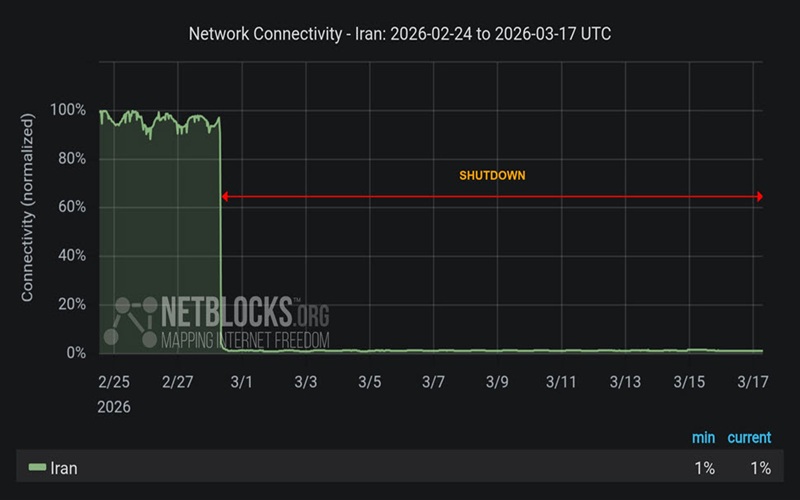
In this regard, she called on officials of the Iranian regime to end internet restrictions, enable free communication for citizens, and release all arbitrarily detained individuals, especially those connected to nationwide protests.

At the same time, reports on social media indicate that many citizens, due to ongoing internet shutdowns and disruptions, have been unable to obtain information about their families on the eve of Nowruz, a situation that has further increased humanitarian and social concerns.

Day 20 of Iran War: Iran’s Regime Attacks Oil Facilities, US Issues Severe Threat

0

On Thursday, March 19, the twentieth day of the war, clashes among main and regional actors entered a new phase of tension and geographic expansion. Alongside increased air and missile attacks, diplomatic reactions and mutual threats have intensified, and signs of the potential expansion of the war to broader levels are visible.

Air and ground attacks inside Iran

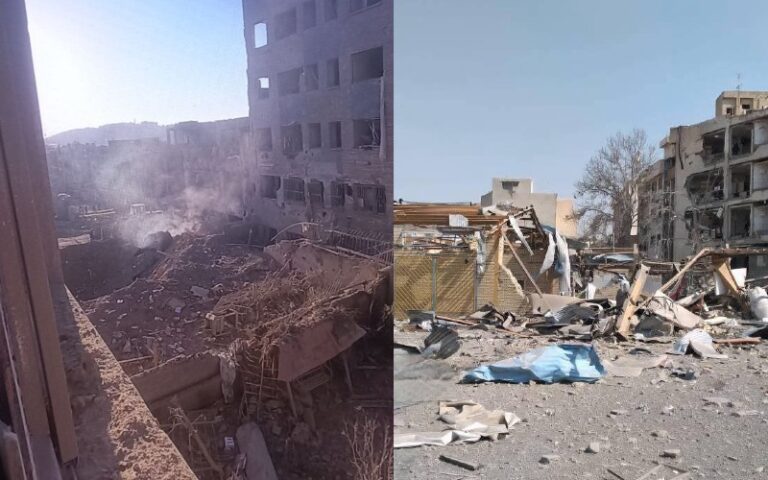
In the early hours of Thursday, March 19, reports and videos published on social media indicated multiple airstrikes in the city of Shiraz. According to these images, several locations, including the city’s electronics industries, were targeted, and loud explosions were heard across different areas. The attacks were reported to have occurred around 12:57 a.m., but no official report on the extent of damage or possible casualties has yet been released.

19th Day of War: Heavy U.S. Attacks with Bunker-Buster Bombs on Missile Sites

At the same time, the Israeli military announced that over the past 24 hours it had struck more than 200 targets inside Iran. According to this body, the targets included storage and launch facilities for ballistic missiles, drones, air defense systems, and infrastructure for producing military equipment. These attacks, particularly in western and central Iran, were carried out through dozens of offensive sorties.

Expansion of clashes in the Persian Gulf and threats to energy security

In the Persian Gulf, a commercial vessel near Ras Laffan in Qatar was struck by an unidentified projectile. According to British maritime sources, the incident occurred four nautical miles off the coast, and fortunately all crew members are safe. This event comes as maritime security in the region has been heavily affected by military tensions.

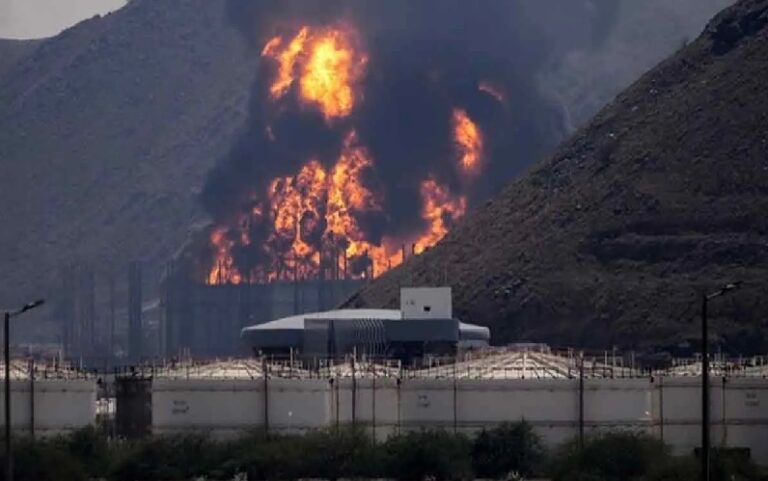
Meanwhile, missile attacks by the Iranian regime on Qatar’s energy facilities in the Ras Laffan area have caused significant damage to liquefied natural gas infrastructure. QatarEnergy announced that the strikes caused fires in several industrial units, although no human casualties have been reported so far. This marks the second attack on this industrial zone in two consecutive days.

Strong regional reactions against the Iranian regime

Following these attacks, reactions from regional countries have increased significantly. Qatar’s Ministry of Foreign Affairs announced that in response, it has declared the military and security attachés of the Iranian regime’s embassy persona non grata and given them 24 hours to leave the country. Doha described these actions as a clear violation of international law and crossing all red lines.

On a broader level, the foreign ministers of 12 Arab and Islamic countries, in a meeting in Riyadh, called for an immediate halt to the Iranian regime’s attacks. The statement strongly condemned attacks on civilian infrastructure and residential areas in regional countries and emphasized the need to adhere to international law.

Saudi Arabia has also taken a strong stance. The country’s foreign minister stated that Riyadh reserves the right to a military response and emphasized that trust in the Iranian regime has been completely lost. According to Saudi officials, recent missile attacks have targeted some of the country’s infrastructure and injured several individuals.

Movements and positions of the United States

In the United States, reports indicate that new military options regarding the war with the Iranian regime are under review. Reuters news agency reported that the administration of U.S. President Donald Trump is considering deploying thousands of troops to the Middle East. These plans include securing the Strait of Hormuz, deploying forces along Iran’s coasts, and even a possible presence in certain strategic locations.

At the same time, a budget request of over 200 billion dollars for continuing the war has been raised, indicating a significant increase in military spending. In the first week alone, war costs have exceeded 11 billion dollars.

Donald Trump also warned in remarks that if the Iranian regime repeats attacks on Qatar’s energy facilities, the United States may directly target the South Pars gas field. This threat is considered one of the strongest positions announced by Washington in recent days.

Intelligence assessments and concerns about continuation of threats from Tehran

The U.S. Director of National Intelligence stated that although the Iranian regime has been weakened by recent attacks, it still retains the capability to threaten U.S. interests and its allies. According to him, Iran’s nuclear program has been heavily damaged, and parts of its facilities destroyed, but concerns about covert activities remain.

At the same time, the International Atomic Energy Agency (IAEA) announced that key questions about the status of some of Iran’s underground facilities remain unanswered.

Expansion of the conflict to other countries

In another development, a missile attack by the Iranian regime on the West Bank resulted in the deaths of three Palestinian women. This is considered the first instance of Palestinian casualties in this war. The attack has sparked widespread reactions in the region.

In Iraq, several attacks on military bases have also been reported. Among them, an airbase in Kirkuk was targeted, resulting in a fire but no casualties. There have also been reports of drone attacks on maritime facilities near the port of Umm Qasr.

Diplomatic efforts to contain the crisis

The President of France announced that he has held talks with the U.S. president and the Emir of Qatar regarding attacks on energy infrastructure and emphasized the need for an immediate halt to strikes on civilian targets.

Developments on the twentieth day of the war show that the conflict has not diminished but has significantly expanded. The increase in retaliatory attacks, the entry of new actors, threats to critical infrastructure, and the intensification of political positions all indicate a more complex crisis.

Execution of Three Protesters in Iran Amid War Conditions

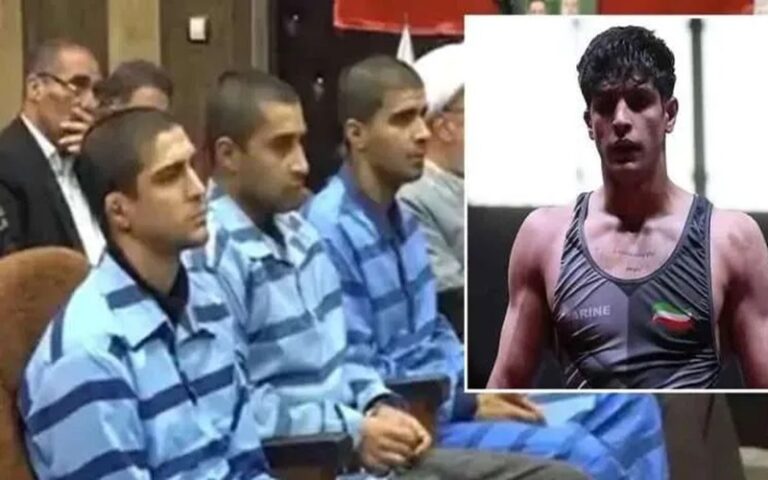
The judiciary of Iran’s regime announced the execution of three individuals detained during the nationwide protests in January; among them, the execution of Saleh Mohammadi, a teenage wrestler, has sparked widespread reactions due to allegations of torture and forced confessions.

As the wave of executions continues alongside wartime conditions, the judiciary announced that three detainees from the January 8 protests—Saleh Mohammadi, Saeed Davoudi, and Mehdi Ghasemi—were executed at dawn on Thursday, March 19. These three were executed amid reports that confessions were extracted under torture and that their cases were handled rapidly, raising concerns about violations of the defendants’ rights.

British Couple Imprisoned in Iran Sentenced to 10 Years in Prison on Espionage Charges

Official announcement of the execution of Saleh Mohammadi

Mizan News Agency, affiliated with the judiciary of Iran’s regime, reported that three detainees from the January 8 protests were executed on charges of killing two security agents of the regime in the city of Qom. According to the report, the names of those executed are Mehdi Ghasemi, Saleh Mohammadi, and Saeed Davoudi.

According to this source, these individuals had been convicted on charges including “enmity against God” (moharebeh), and the process of their arrest, interrogation, and judicial proceedings was carried out swiftly. Judicial authorities emphasized that the defendants confessed to their crimes at various stages of interrogation and trial.

The execution of Saleh Mohammadi has drawn particular attention. He was a young wrestler who had won a medal in international freestyle wrestling competitions in Russia in 2024 and had only recently turned 19.

Saleh Mohammadi was arrested on January 15, just days after the nationwide protests. His case is one of several that were processed rapidly in connection with the protests.

According to reports, the process from his arrest to the issuance of the death sentence was completed in a short period, raising questions about adherence to fair trial standards

Allegations of torture and forced confessions

One of the most significant issues raised in Saleh Mohammadi’s case is the allegation that his confessions were obtained under torture. Reports indicate that he was forced to confess against himself during interrogation and preliminary investigations.

Saleh Mohammadi stated in court that his confessions were obtained under pressure and torture, but the court rejected this claim and relied on his confessions as one of the main pieces of evidence in the case.

The court also cited crime scene reconstructions and eyewitness reports. However, the issue of forced confessions has been raised in many cases related to the nationwide protests, with numerous reports indicating pressure on detainees to confess.

Executions amid war; a signal of intensified repression

The recent executions have taken place while the country is simultaneously engaged in war and under bombardment. Carrying out death sentences under such circumstances conveys a message of intensified internal control and repression.

While public attention is focused on wartime developments, the implementation of harsh sentences, including executions, is interpreted as a tool to contain protests and create a deterrent atmosphere in society.

Rapid legal process and growing concerns

One notable aspect of Saleh Mohammadi’s case is the speed of the judicial process. From arrest to execution, the process was brief, which may have prevented thorough examination of the case and full access by the defendant to his legal rights.

Additionally, reports have emerged regarding restrictions on the defendants’ access to independent legal counsel and a lack of transparency in the judicial process, further increasing concerns.

19th Day of War: Heavy U.S. Attacks with Bunker-Buster Bombs on Missile Sites

0

On Wednesday, March 18, as the war between Iran, the United States, and Israel continues, a new wave of attacks, reactions, and security incidents has been reported across various parts of the region—developments that indicate an expansion of the conflict and rising tensions in the Middle East.

Airstrikes and direct clashes

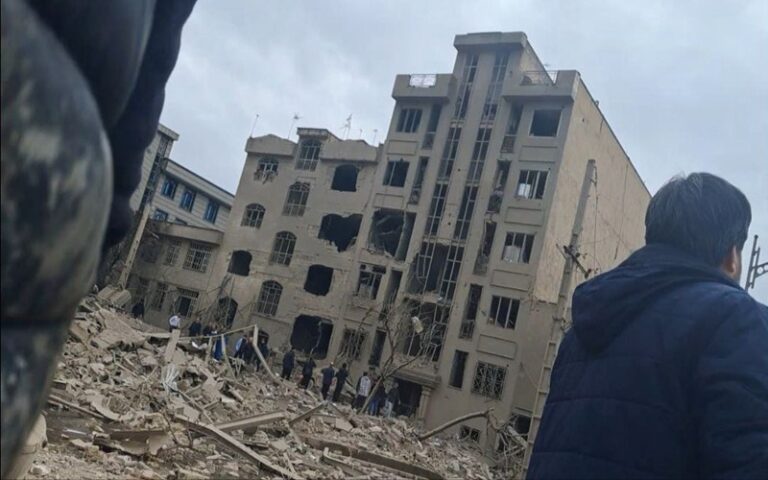
Inside Iran, domestic sources have reported hearing multiple explosions and the activation of air defense systems in central Tehran. It has also been announced that a projectile struck the grounds of the Bushehr nuclear power plant, although officials claim the incident did not cause serious damage. In Yazd, airstrikes targeting the airport and military centers were also reported, damaging infrastructure but causing no casualties.

The Death of Ali Larijani Deals a Heavy Blow to the Iranian Regime’s Security Apparatus

At the same time, the Iranian regime attacked Qatar’s Ras Laffan refinery—the world’s largest gas condensate complex—causing extensive damage

At the same time, the U.S. military has reported attacking Iranian missile sites near the Strait of Hormuz using bunker-buster bombs. According to U.S. Central Command (CENTCOM), these positions were targeted due to threats against international shipping.

On the other side, Israel reported a new wave of missiles launched from Iranian territory. Several explosions caused by missile interceptions were observed in the skies over Jerusalem, and air raid sirens sounded in parts of the city.

Attacks on regional countries

The scope of the conflict has extended to other countries in the region. In Iraq, reports have emerged of an explosion near the U.S. embassy in Baghdad. These attacks occurred in the Green Zone, where diplomatic institutions are located, indicating ongoing insecurity in the country.

In the Persian Gulf, Saudi Arabia and Kuwait have announced that they are facing drone and missile attacks, and their defense systems are intercepting these threats. Additionally, the Prime Minister of Australia reported that a projectile struck near his country’s military base in the United Arab Emirates, causing only minor damage.

In Lebanon, Israeli airstrikes on central Beirut have left at least 6 people dead and 24 injured. These attacks targeted residential areas, increasing concerns about rising civilian casualties.

U.S. President Donald Trump stated that military operations against Iran are progressing faster than planned and may conclude within one to two weeks. He said the objective of these operations is to counter Iran’s nuclear programs.

In response, Abbas Araghchi, the foreign minister of the Iranian regime, emphasized regarding the killing of Ali Larijani—an Iranian political and security figure—that the country’s political structure is not dependent on individuals and that the removal of one official does not affect the system’s continuity. He also attributed attacks on certain areas to the presence of U.S. forces and placed responsibility for potential damage in urban areas on the opposing side.

In one of the most significant domestic developments, the killing of Ali Larijani, a senior Iranian political and security figure, has been confirmed. He was targeted in an attack along with his son and several other officials. This event could have a significant impact on the country’s security structure.

It has also been reported that a prisoner accused of spying for Israel has been executed in Iran—an action that has drawn criticism from human rights organizations and is seen as a sign of an increasingly securitized domestic environment.

Strategic and economic dimensions of the war

Alongside the military clashes, concerns about the economic impact of the war have also increased. The Strait of Hormuz, one of the world’s most critical oil transit routes, has been disrupted, contributing to rising global oil prices. Some analysts have also warned that vital resources such as water could become a new factor in regional tensions.

Overall, recent developments show that the conflicts have not diminished but are expanding in a multi-layered manner—a situation that could have broader consequences for regional security and stability.

The Death of Ali Larijani Deals a Heavy Blow to the Iranian Regime’s Security Apparatus

0

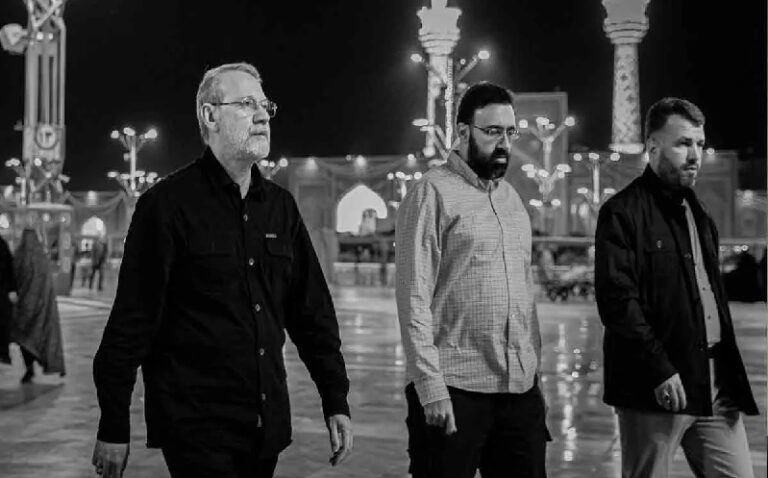
The Secretariat of the Supreme National Security Council of Iran’s regime announced on the evening of Tuesday, March 17, after about 12 hours of delay, the killing of Ali Larijani, the council’s secretary. This comes after the Israeli military had earlier reported targeting him, and speculation about his fate had increased in recent hours.

According to the official statement, Larijani was killed in the attack along with his son Morteza, Alireza Bayat, the deputy for security affairs at the Secretariat of the Supreme National Security Council, and several of his bodyguards. The exact location of the attack has not yet been fully disclosed, but some regime-affiliated sources have stated that the operation took place at a residential location in the Pardis area near Tehran.

18th Day of War; Commanders and Leaders of the Iranian Regime Under Heavy Attacks

State-run media outlets, including Tasnim News Agency, which is affiliated with the Islamic Revolutionary Guard Corps (IRGC), also confirmed the deaths of Larijani and his son by publishing images. However, the time gap between the initial reports and the official confirmation once again indicates confusion and a lack of coordination in the regime’s information apparatus.

Ali Larijani was considered a well-known and influential figure within Iran’s political and security structure. Over the years, he held key positions, including serving as Speaker of the Majlis (parliament) and occupying important security roles, and was regarded as one of the influential figures at the highest levels of the regime’s power structure.

His killing comes at a time when the power structure at the top of the regime is facing increasing challenges and tensions. The removal of one of the main figures of this structure may be seen by observers as a sign of growing pressure and vulnerability within the regime’s security and political leadership.

18th Day of War; Commanders and Leaders of the Iranian Regime Under Heavy Attacks

0

On Tuesday, March 17, on the eighteenth day of the large-scale military war between the United States, Israel, and Iran, military and diplomatic developments continue intensely. The war, which began in late February, has now entered a critical phase and is accompanied by precise targeting of the Iranian regime’s leadership, increased domestic restrictions, and global concerns over an energy crisis.

European Union diplomatic efforts to reduce tensions

Kaja Kallas, the European Union’s High Representative for Foreign Affairs, said in an interview with Reuters in Brussels on Tuesday that she called for an immediate end to the conflict and emphasized that the war benefits none of the parties. She stated that the European Union is consulting with Middle Eastern countries to find a diplomatic solution and is ready to help reduce tensions through diplomatic channels. Referring to the critical situation in the Strait of Hormuz, Kallas said Europe does not rule out participating in efforts to restore freedom of navigation, but this must be pursued within a diplomatic framework.

Global Leaders Rally Behind NCRI’s Provisional Government Amidst Historic Upheaval in Iran

She also expressed regret that Europe had not been consulted before the war began, stating that if such consultations had taken place, efforts would have been made to prevent the conflict. Kallas warned that continued tensions in the Strait of Hormuz could lead to an energy and food crisis and widespread disruption of global trade. The European Union has stressed that this is not Europe’s war and has shown no willingness to expand its naval mission to the Strait of Hormuz.

Israeli airstrikes on Tehran and targeting of senior commanders

In early Tuesday airstrikes on Tehran, Israel dealt a heavy blow to the Iranian regime’s security structure and leadership. Israel’s Defense Minister Israel Katz announced that Ali Larijani (Secretary of the Supreme National Security Council) and Gholamreza Soleimani (commander of the IRGC Basij militia) were killed in the attacks. Katz said that he and Israeli Prime Minister Benjamin Netanyahu had ordered the continued targeting of the regime’s leadership cadre. Israeli media and four Israeli officials confirmed the news to Reuters, while Iranian officials have remained silent so far. Tasnim News Agency, affiliated with the IRGC, claimed Larijani would release a message, but what was published was only an undated image of his old handwriting referring to the funeral of sailors from the Dena destroyer. These claims have not yet been officially confirmed or denied by Tehran.

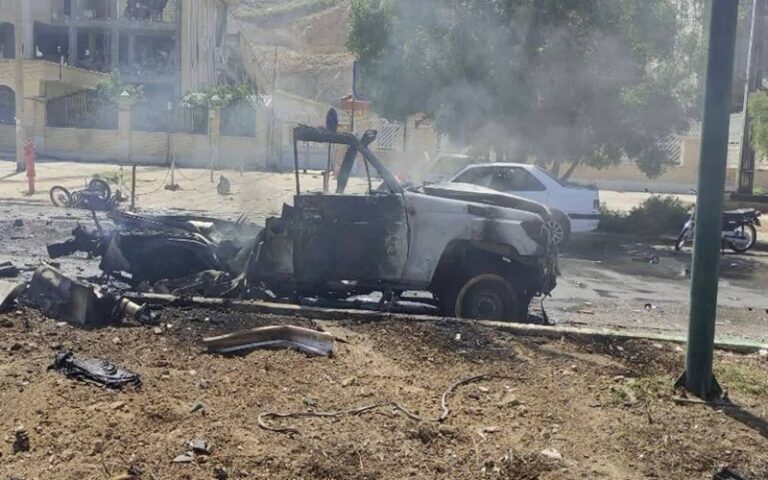
Additionally, images and videos of precise strikes have been منتشرed, including the bombing of the Foundation of Martyrs building (a major state institution) on Bahar and Taleghani streets in Tehran, and a drone strike on a special police unit vehicle in Enghelab Square, which destroyed the vehicle and killed the driver. These attacks indicate Israel’s focus on security and military targets in the capital.

Nationwide internet shutdown in Iran

and internal repression

The internet shutdown in Iran has entered its eighteenth day, and citizens remain deprived of free access to communications. The regime’s Ministry of Intelligence claimed it had discovered and confiscated hundreds of Starlink systems (allegedly directed by the United States and Israel). This comes as the authorities have restricted internet access and maintained it only for regime-aligned networks. The shutdown is being used as a tool of repression to prevent the spread of news and images of the attacks and to control the flow of information. International reports indicate that this blackout began in January and internet traffic has dropped to about 1% of normal levels.

Broader consequences of the war

The day was accompanied by rising global energy prices as the threat to the Strait of Hormuz persists. While Israel focuses on targeting the Iranian regime’s leadership, Iran is responding with missile and drone attacks. Developments indicate the war remains a war of attrition, with no signs of an immediate ceasefire. The European Union emphasizes diplomacy, but its reluctance to engage in direct military involvement has kept the pressure on the United States and Israel.

The eighteenth day of the war once again demonstrated that the conflict is not only military but also has deep economic, communication, and humanitarian dimensions, and it has profoundly affected the future of the region.

Colombian News Outlet: Iranian Opposition Prepares for Provisional Government, Rejects Return to the Shah’s Dictatorship

0

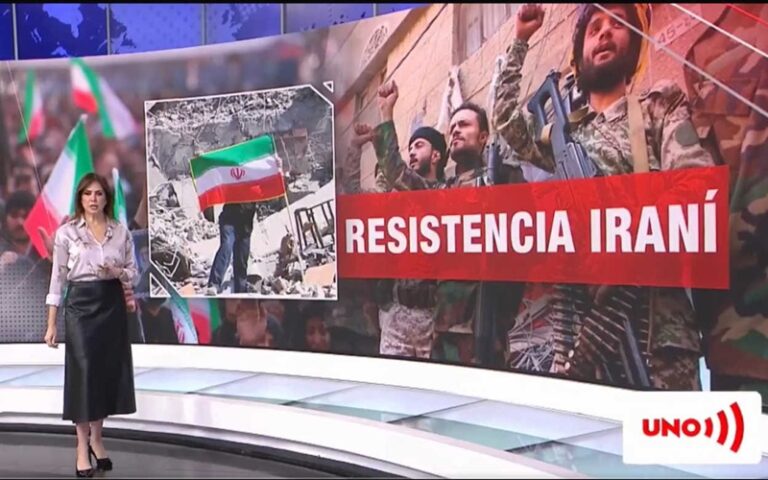
The prominent Colombian news network “Noticias Uno” broadcast a special report on the political movements of the Iranian Resistance. The report highlighted the call by the National Council of Resistance of Iran (NCRI), led by Maryam Rajavi, to form a provisional government whose main goal is to restore full sovereignty to the Iranian people, firmly rejecting any attempt to reproduce previous forms of dictatorship, including the dictatorship of the Shah.

The report noted that “Noticias Uno” attended an extraordinary meeting of the NCRI as a witness, bringing together political figures and former ministers from the Western world to discuss post-war arrangements for Iran and the implications of the Iranian regime’s fall. The network explained that the discussions focused primarily on the Ten-Point Plan proposed by Maryam Rajavi, which aims to organize a smooth democratic transition in the country.

The coverage included excerpts from Mrs. Rajavi’s speech, where she clearly stated that all restrictions imposed by the Iranian regime, whether political, legal, or those derived from compulsory Sharia law, will be completely abolished. She added that the resistance movement firmly believes in equality and freedom, reiterating the movement’s enduring slogan: “No to compulsory hijab, no to compulsory religion, and no to compulsory government”.

In her speech broadcast by the network, Mrs. Rajavi emphasized that the Iranian people alone possess the full legitimacy to determine the political future of their country. The Ten-Point Plan reviewed in the report also included fundamental provisions such as holding free elections, the complete separation of religion and state, total equality between men and women, and the establishment of a non-nuclear Iran.

The report relayed statements from political figures and allies from four continents who expressed their absolute support for this plan. These allies asserted that the Iranian crisis cannot be resolved through appeasement strategies or foreign military intervention, but rather through a fundamental regime change driven by the Iranian people themselves and led by their organized resistance.

The Colombian network reviewed the long history of the NCRI’s struggle, noting that it presents itself as a true democratic alternative to the current Iranian regime in Tehran. The report pointed out that this struggle has cost the Resistance enormous sacrifices, represented by the loss of one hundred thousand lives, including the execution of thirty thousand political prisoners in 1988.

The “Noticias Uno” report concluded by emphasizing that true change in Iran requires courageous leadership and a clear plan, which is clearly embodied in the Ten-Point Plan presented by Maryam Rajavi, representing a reliable roadmap toward freedom and democracy.

Global Leaders Rally Behind NCRI’s Provisional Government Amidst Historic Upheaval in Iran

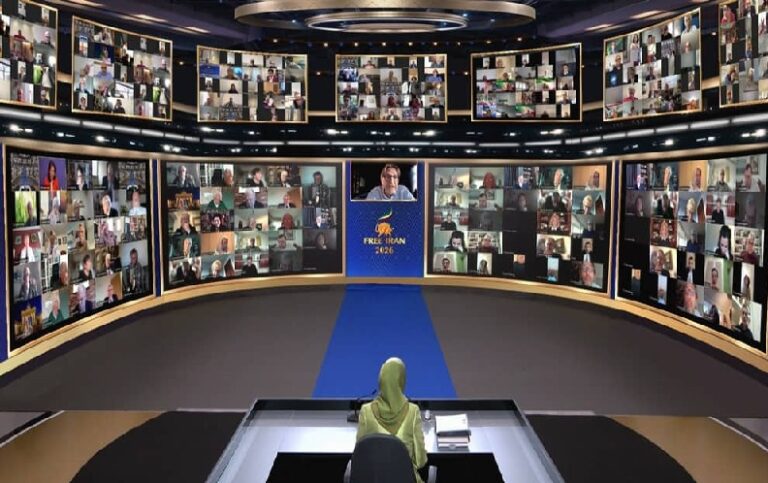
As Iran grapples with the fallout of massive nationwide uprisings and devastating foreign military strikes that have decapitated its top leadership, a coalition of international dignitaries gathered virtually to back a transitional democratic roadmap. The conference, titled “Iran at a Crossroads: Supporting the NCRI Provisional Government Based on Its Ten-Point Plan,” convened former heads of state, foreign ministers, and human rights advocates to address the rapidly materializing power vacuum in Tehran.

The summit took place against a backdrop of unprecedented volatility. In late December 2025 and January 2026, a nationwide uprising swept through hundreds of Iranian cities. The clerical regime’s response was characteristically brutal; according to figures cited at the conference, the crackdown left nearly 40,000 protesters dead and more than 300,000 wounded. Weeks later, on February 28, 2026, targeted military strikes by the United States and Israel heavily degraded the regime’s military infrastructure, resulting in the deaths of Supreme Leader Ali Khamenei and numerous senior officials. In a frantic bid for survival, the surviving establishment installed his son, Mojtaba Khamenei, as the new Velayat-e Faqih.

A Blueprint for Transition

Addressing the conference, Maryam Rajavi, President-elect of the National Council of Resistance of Iran (NCRI), outlined the structure and mission of the newly announced Provisional Government. She characterized the installation of Mojtaba Khamenei as a descent into a “hereditary clerical monarchy” and proof that the regime is entirely devoid of solutions for its survival.

“At a time when Iran and the entire region are engulfed in a devastating war, in the name of peace and freedom, I call upon the world to recognize the only solution to Iran’s grave crisis,” Rajavi stated. “This solution is the overthrow of the regime by the Resistance through an organized uprising and the Army of Liberation.”

Rajavi detailed the Provisional Government’s mandate, which is anchored in the NCRI’s Ten-Point Plan. The plan guarantees universal suffrage, the separation of religion and state, gender equality, the abolition of the death penalty, and a non-nuclear Iran. Former Canadian Foreign Minister John Baird emphasized the practical mechanics of this transition, noting that the provisional government would operate on a “strictly limited six-month mandate to transfer sovereignty to the people of Iran.”

The initiative has garnered widespread international backing. Giulio Terzi, former Foreign Minister of Italy, revealed that a joint statement endorsing the Provisional Government has been signed by more than 1,000 global parliamentarians, former heads of state, and ministers. Terzi described this as an “unprecedented endorsement” that reflects a growing global consensus around a legitimate framework for a peaceful transition.

The Role of Ground Forces

While the world’s attention has been captivated by the aerial bombardments, speakers emphasized that lasting political change cannot be achieved from the skies alone. The conference highlighted the heavy operational burden borne by the PMOI Resistance Units on the ground.

In the past year alone, these internal networks conducted roughly 3,000 anti-repression operations. Rajavi disclosed that during the January uprising, the Resistance Units played a decisive role in protecting protesters by targeting the regime’s repressive centers. The human cost has been severe, with more than 2,000 fighters reported missing since January.

A pivotal turning point was highlighted: on February 23, 2026, just days before the foreign military strikes, 250 fighters of the Liberation Army attacked Ali Khamenei’s heavily fortified residence. The brazen assault, which left 82 fighters killed or arrested, shattered the regime’s aura of invincibility.

General Wesley Clark, former Supreme Allied Commander Europe of NATO, acknowledged the shifting military reality. Noting that foreign air forces are actively sweeping the skies and destroying the infrastructure of the IRGC and the Basij, Clark told the Resistance Units, “There’s no stopping the aircraft overhead. The defeat of the regime is inevitable.” However, he stressed that the ultimate outcome depends on the organized opposition: “Between now and then you must act, courageously but cautiously. You must continue to strike at the fragments of the regime while preserving your strength.”

Rejecting the “Hereditary” Alternatives

As the clerical regime falters, a significant portion of the conference was dedicated to neutralizing what speakers described as a foreign-backed campaign to resurrect the deposed Pahlavi monarchy through Reza Pahlavi, the son of the former Shah.

Dignitaries were unified in their rejection of replacing one dictatorship with another. “Democracy is not hereditary. Being someone’s son does not give you the right to lead a country,” stated Esther Rodriguez, Vice President of the Assembly of Madrid. She warned that the Shah’s son’s refusal to distance himself from his father’s repressive regime makes him a problematic figure for a people looking toward a democratic future.

Nobel Peace Laureate Tawakkol Karman situated the current crisis within Iran’s broader history of foreign interference, recalling the 1953 coup that overthrew the democratically elected government of Mohammad Mossadegh and reinstated the Shah. Karman warned Western nations against attempting to “replace the dictatorial regime with the Shah regime again,” viewing such maneuvers as attempts to control Iran’s strategic resources. “Western countries should support the Iranian people, not the war against the will of the Iranian people,” she argued.

Baroness O’Loan, a member of the UK House of Lords, exposed the deceptive political tactics utilized by monarchist factions. She revealed that supporters of Reza Pahlavi had gathered signatures from UK parliamentarians ostensibly in support of Iranian women, only to fraudulently use those signatures to lobby the UK government on behalf of the Shah’s son. “This was wrong,” O’Loan declared, citing it as an example of the faction’s lack of democratic integrity.

Calls for a Policy Shift

With the regime in its death throes, the conference participants urged Western governments to formally abandon the remnants of their appeasement policies. Guy Verhofstadt, former Prime Minister of Belgium, called on the European Union and the United States to open a “structural and structured dialogue with the democratic opposition,” arguing that social media condemnations are no longer sufficient.

Speakers also raised alarms about the enduring security threat posed by the regime’s overseas apparatus. Citing a recent intelligence report, Baroness O’Loan highlighted an acute rise in assassination and kidnapping attempts by Iranian state agents in the UK since 2022. She echoed Rajavi’s call for immediate diplomatic severing, demanding, “We must close the embassy and work with our allies to help you.”

As the geopolitical landscape of the Middle East undergoes a seismic shift, the consensus among the international leaders was clear: foreign military intervention and attempts to install hereditary rulers cannot substitute the will of the Iranian people. Real stability, they argued, relies on recognizing the NCRI’s Provisional Government and supporting the internal resistance forces who have bled for a secular, democratic republic.


16 Day of War; Trump: Mojtaba Khamenei Will Surrender If He Is Wise

0

On Sunday, March 15, on the sixteenth day of the war between the United States, Israel, and Iran’s regime, military and political developments continued at a faster pace. New attacks inside Iran, proxy clashes in Iraq, and missile and drone strikes against Persian Gulf countries indicate that the scope of the war is still expanding, while political efforts to end it remain uncertain.

In the most important political development, U.S. President Donald Trump said on Saturday, March 14, that he is not yet ready to reach an agreement with the Iranian regime to end the war. In a roughly 30-minute phone interview with NBC News, the American television network, he said the Iranian regime is interested in a deal, but the conditions it has offered are not good enough. Trump emphasized that any agreement must be very firm and decisive and must include the complete abandonment of Iran’s nuclear ambitions.

Day 15 of the War: Major U.S. Attack on Kharg Island and $10 Million Reward for Mojtaba Khamenei

Trump also announced that he is cooperating with several countries to draft a plan aimed at securing maritime navigation in the Strait of Hormuz. This comes as the Islamic Revolutionary Guard Corps (IRGC), the Iranian regime’s main military force, has threatened to block this vital global energy corridor. The U.S. president said that if the Iranian regime attempts to disrupt the free passage of ships, Washington will reconsider its decision to refrain from targeting energy facilities.

He also commented on the situation of Mojtaba Khamenei, the son of Iranian regime supreme leader Ali Khamenei, saying it is unclear whether he is still alive. Trump added that no credible image or evidence of his presence has been released and that reports have circulated about him being wounded or even killed. The U.S. secretary of defense had previously said that Mojtaba Khamenei was injured and may have suffered serious damage.

On the military front, the Israeli military announced that it has launched a new wave of large-scale attacks against targets in western Iran. Following these strikes, reports emerged of explosions being heard in the cities of Isfahan, Khomein, Hamedan, Dezful, as well as in western areas of Tehran. Precise details about the extent of the damage or the exact targets of these attacks have not yet been released.

At the same time, the U.S. military announced that it carried out a heavy attack on Kharg Island, Iran’s main oil export terminal in the Persian Gulf. According to Trump, the operation destroyed almost all military targets on the island, but its oil facilities were deliberately not targeted. He emphasized that Washington refrained from striking the oil installations to prevent the destruction of energy infrastructure and broader economic consequences.

Tensions also increased in Iraq. Security sources in the country said that the U.S. Embassy in Baghdad was targeted by a drone attack. The incident occurred several hours after separate strikes against positions of the militia group Kataib Hezbollah, an Iran-backed armed group in Iraq, which resulted in the killing of three of its members, including a commander. Reports also indicate that one of the group’s senior commanders was wounded.

Following these developments, the U.S. Embassy in Baghdad urged American citizens to leave Iraq immediately and to avoid visiting the embassy or the U.S. consulate in Erbil, the capital of Iraq’s Kurdistan Region.

On the regional front, several Persian Gulf countries also reported missile and drone attacks. Saudi Arabia announced that its air defense systems intercepted six ballistic missiles over Al-Kharj province. This area hosts Prince Sultan Air Base, a major Saudi air base that is also used by U.S. forces.

In Kuwait, several drone attacks were reported against the country’s international airport, damaging its radar system and causing a temporary closure of the airspace. In the United Arab Emirates, a drone was intercepted in the emirate of Fujairah, and the falling debris caused a fire and injured one person. Qatar also said it intercepted four ballistic missiles and several drones.

Meanwhile, the foreign minister of the Iranian regime, Abbas Araghchi, in a conversation with his French counterpart, claimed that the United States and Israel are responsible for insecurity in the region and called on other countries to refrain from actions that could escalate the conflict.

Overall, these developments show that on the sixteenth day of the war, while military pressure on the Iranian regime has increased, the risk of the conflict spreading across the entire Middle East remains serious, and the prospect of a quick end to the war is still unclear.

National Council of Resistance of Iran Warns About Dire Situation of Prisons

0

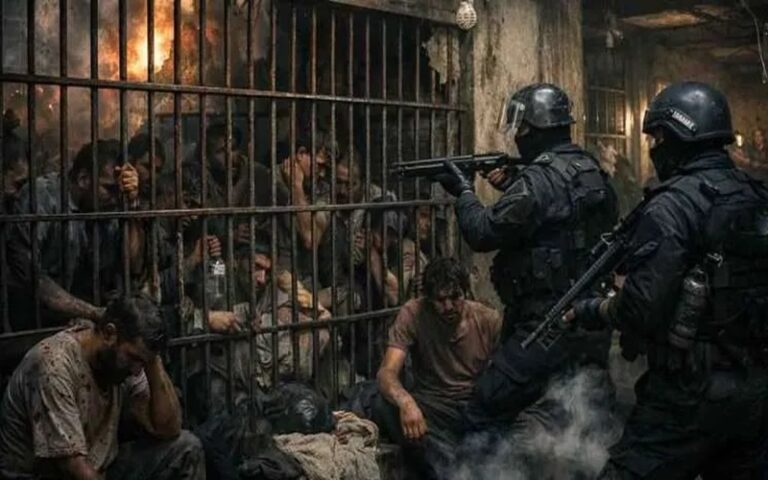
In a statement, the National Council of Resistance of Iran (NCRI), an Iranian opposition coalition, warned about the condition of prisoners in Iran under wartime circumstances and announced that the lives of thousands of prisoners, especially political prisoners, are in serious danger due to the lack of shelters inside prisons, the severe shortage of basic facilities, and intensified repression by security forces.

The statement says that as airstrikes and bombardments expand across different parts of the country, millions of citizens have left their homes to stay safe from the attacks, but prisoners inside prisons have no possibility of taking shelter or leaving their places of detention. According to the council, prisoners are not only exposed to the dangers of military attacks but also face a severe crisis in meeting basic needs such as food, water, and sanitary facilities.

Three Members of Tehran-Backed Kataib Hezbollah Killed in Baghdad

According to reports that the council says it has received from inside prisons, the situation in some facilities is extremely critical. A report from Fashafouyeh Prison in Tehran states that after strikes hit areas around the prison, a number of prisoners tried to leave the prison compound to save their lives, but forces known as “NOPO” (the Iranian regime’s special police unit) prevented them from leaving by firing pellet rounds, using tear gas, and even live ammunition.

The dire situation of Iran’s prisons

According to these prisoners, after this incident living conditions inside the prison became significantly harsher. Food rations have been reduced, access to water and bathing facilities has been limited, and repeated electricity and gas outages have created numerous problems. It has also been reported that access to the prison store and many essential items, including food, hygiene products, and medicine, has nearly disappeared, and the possibility of making phone calls outside the prison is also being cut off.

Another part of the statement refers to the situation in Ahar Prison. According to this report, after the bombing of Sarab Prison in the early days of the war, all prisoners and staff from that prison were transferred to Ahar. This transfer has sharply increased the prison population in Ahar Prison and pushed conditions to a critical stage. According to local sources, the overcrowding is so severe that many prisoners do not even have enough space to sleep and are forced to rest on the floor. Shortages of food and sanitary facilities have also created serious problems for prisoners.

The situation in Gonbad-e Kavus Prison has also been described as critical in the reports received. Prisoners in this facility are said to be facing severe shortages of food, and some of them are suffering from hunger. In addition, the absence of a prison store and the departure of some administrative staff from their posts have caused serious disruptions in addressing prisoners’ problems. According to these reports, the increase in the number of prisoners after recent protests has also led to severe overcrowding in prison wards.

In this context, Maryam Rajavi, the president-elect of the Iranian Resistance (a title used by the NCRI), in the first days of the war called on the international community to take action for the immediate release of prisoners, especially political prisoners. She emphasized that keeping prisoners under conditions of bombardment constitutes a double crime and that the international community must act to prevent their lives from being endangered.

At the end of its statement, the National Council of Resistance of Iran called for the immediate attention of international institutions and human rights defenders to the situation of prisoners in Iran and warned about the humanitarian consequences of the continuation of these conditions.