Home Blog Page 4

12 Death Row Prisoners Transferred to Solitary Confinement at Dastgerd Prison in Isfahan

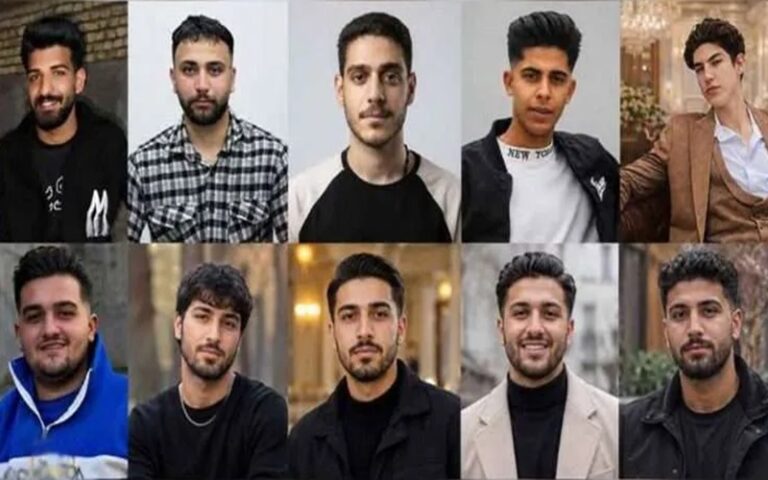
Following the transfer of 14 prisoners to solitary confinement at Dastgerd Prison in Isfahan, concerns have intensified over the imminent execution of at least 12 of them. Informed sources have warned that the executions could be carried out within the next 48 hours.

According to published reports, on Saturday, July 18, 14 prisoners were transferred from the general wards of Dastgerd Prison to solitary confinement. Of these, 12 are death row prisoners in the case known as the “Alikhani Square Isfahan” case. Their death sentences, after being upheld by Iran’s Supreme Court, have been forwarded to the Enforcement Office of the Isfahan Revolutionary Court for implementation.

Knowledgeable sources say that transferring these prisoners to solitary confinement, which is typically one of the final stages before executions are carried out in Iranian prisons, has significantly increased the likelihood that the sentences will be implemented in the coming days.

Names of the Death Row Prisoners

The names of the 12 prisoners transferred to solitary confinement are:

  • Alireza Sepahi, 24
  • Abolfazl Sepahi, 23
  • Ghaem Hosseini, 20
  • Gol Mohammad Mohammadi, 23
  • Shervin Bagherian, 18
  • Erfan Esfandiari, 18
  • Amirhossein Safari, 27
  • Amirhossein Maleki, 19
  • Ali Dashti, 19
  • Abolfazl Ebrahimi, 18
  • Alireza Raeisi, 21
  • Amirhossein Ebrahimi Analoucheh, 19

The identities of the two other prisoners who were transferred to solitary confinement at the same time have not yet been disclosed.

Political Prisoners Begin Hunger Strike

At the same time, reports indicate that political prisoners held in the Salamat 2 ward of Dastgerd Prison in Isfahan have begun a hunger strike in protest against the possible execution of these prisoners.

The “Alikhani Square Isfahan” Case

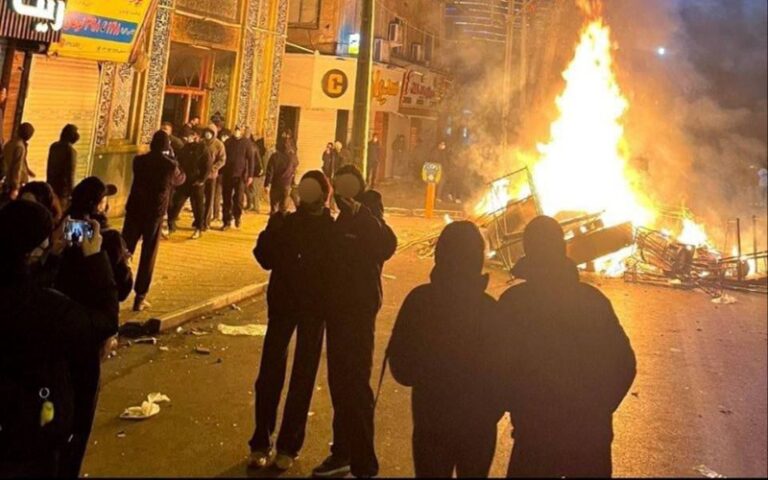
The “Alikhani Square Isfahan” case stems from the January 8 protests. In this case, 12 people have been sentenced to death, while dozens of other defendants have received lengthy prison sentences.

The handling of this case has drawn criticism from human rights organizations and defense lawyers. Reports indicate that the defendants were denied meaningful access to independent legal counsel, their right to mount a defense was restricted, court hearings were brief, they were subjected to security-related pressure, and there have also been allegations of torture and the extraction of forced confessions.

Following the transfer of the condemned prisoners to solitary confinement, human rights activists have expressed concern over the risk that the executions may be carried out in the coming days and have called for increased monitoring and legal and international efforts to prevent the implementation of these death sentences.

Iranian Regime Executes Two Defendants in Isfahan Protests

The Iranian regime’s judiciary announced the execution of Erfan Esfandiari and Gol-Mohammad Mohammadi, two defendants who had been tried in connection with the events of January 8 at Alikhani Square in Isfahan.

Mizan, the state-run news website affiliated with the Iranian regime’s judiciary, without presenting independent or verifiable evidence, attributed numerous charges to the two men, including the killing of police officers, setting bodies on fire, and extensive destruction. The outlet claimed the sentences were issued after the defendants’ confessions and a review of surveillance camera footage.

Political Prisoner Massoud Jamei Transferred to Solitary Confinement for Torture

However, in a system where televised confessions, security pressure, denial of access to a lawyer of one’s choice, and closed-door trials have become standard practice, the government’s reliance on “confessions” and “legal standards” carries no credibility as proof of a fair trial.

The Iranian regime once again combined the roles of defendant, interrogator, judge, and executioner within a single system, then presented its own narrative as the final truth.

These executions are not a sign of strength but of a government gripped by fear that, instead of answering to society, sends young people to the gallows in an effort to silence protests.

U.S. Central Command (CENTCOM) Reports Eighth Consecutive Night of Attacks Against IRGC

0

U.S. Central Command (CENTCOM) announced early Sunday, July 19, that the eighth consecutive night of U.S. strikes against targets in Iran had concluded. According to CENTCOM, the operation was carried out in response to an attack on Friday night that killed two U.S. service members in Jordan.


CENTCOM said that in this latest round of strikes, units of the Islamic Revolutionary Guard Corps (IRGC) that, according to the command, were involved in directing the missile and drone attack against U.S. forces in Jordan were targeted. The command also stated that, in addition to the two service members killed, one U.S. soldier remains missing.

According to the CENTCOM statement, the purpose of the strikes was to degrade the Iranian regime’s ability to threaten commercial shipping in the Strait of Hormuz and to respond to the recent attack against U.S. forces.

Agence France-Presse (AFP) also reported that with the deaths of the two U.S. service members in the latest attack, the number of U.S. military personnel killed in the ongoing conflict with the Iranian regime since February 29 has reached 16.

Attack on a U.S. base in Jordan

A U.S. official told CBS that the missile and drone attack attributed to the Iranian regime targeted Muwaffaq Al Salti Air Base in Jordan’s Azraq region. According to CENTCOM, two U.S. service members were killed while defending the base against the missile and drone attack, and four others were wounded and later discharged from the hospital after receiving treatment.

U.S. President Donald Trump described the deaths of the service members as deeply tragic. U.S. Secretary of Defense Pete Hegseth also paid tribute to those killed and said the attack had strengthened Washington’s resolve to respond to those responsible.

In contrast, the Islamic Revolutionary Guard Corps (IRGC) claimed that it had destroyed two U.S. fighter jets and three other U.S. aircraft during the attack on the Azraq base, a claim that has not been independently verified.

Reports of U.S. strikes near the Strait of Hormuz

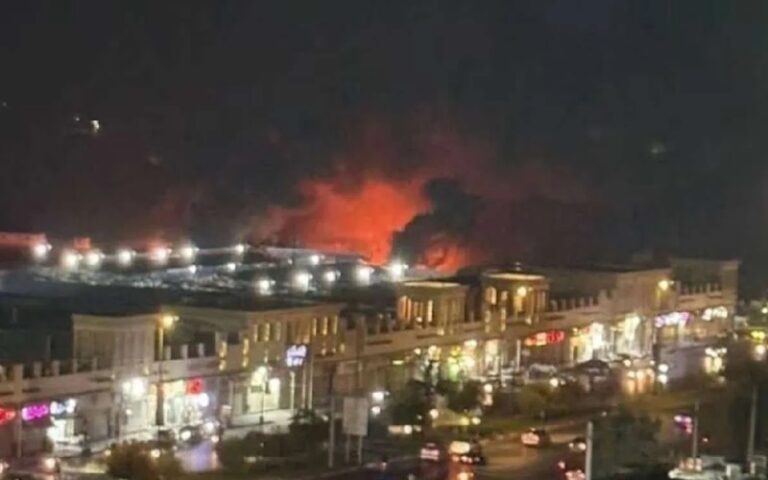
At the same time, Iranian media, citing the Hormozgan provincial governor’s office, reported that early Sunday an area near Sirik County, close to the Strait of Hormuz, was targeted in a U.S. military strike. CENTCOM had also stated that part of the new operation was intended to reduce the Iranian regime’s military capabilities in the region.

Continued exchange of attacks

Meanwhile, the public relations office of Iran’s regime’s military announced the start of a new phase of drone attacks against U.S. positions in the region, claiming that U.S. ammunition depots and military facilities at Camp Al-Adiri and Ali Al Salem Air Base in Kuwait had been targeted. This claim has not been confirmed by independent sources or U.S. officials.

Separately, Kuwait’s Ministry of Foreign Affairs announced that the foreign ministers of Kuwait and Saudi Arabia, in a telephone conversation, condemned the attacks attributed to the Iranian regime against Kuwait and reaffirmed Kuwait’s right to defend its sovereignty and security. The two sides also discussed diplomatic measures to contain regional tensions.

Collective Hunger Strike at Ghezel Hesar Prison Calls for Halt to Executions

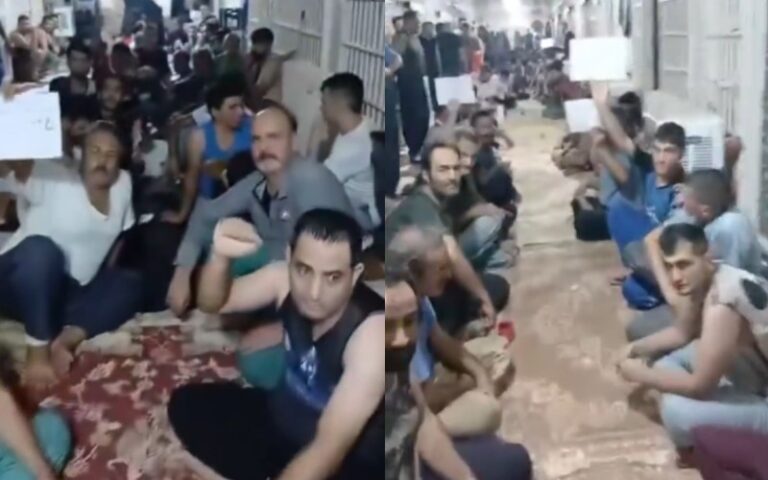
Reports from Iran indicate that the hunger strike by death row prisoners at Ghezel Hesar Prison, launched in protest over the possible execution of six prisoners, is continuing.

According to reports by human rights organizations, the hunger strike, which began on July 13 and continued at least through July 16, calls for halting the execution of six prisoners convicted of drug-related offenses who, according to the organization, have been transferred to solitary confinement ahead of their executions.

Prison authorities have reportedly refused to transfer several of the hunger strikers to the prison infirmary despite the deterioration of their health.

Execution of a Political Prisoner at Qezel Hesar Prison

Images published on social media show prisoners holding placards reading “No to Execution.”

Ward 2 of Ghezel Hesar Prison holds about 1,500 prisoners sentenced to death on drug-related charges.

This is not the first such large-scale collective hunger strike. In October 2025, more than 1,500 prisoners in this ward staged a six-day hunger strike to protest executions and sewed their lips shut to demand an end to the executions.

Following that hunger strike, and at the same time as protests by prisoners’ families outside the Iranian regime’s Majlis (parliament), prison authorities and the judiciary promised the hunger strikers that executions for drug-related offenses at this prison would be suspended until the law was amended.

Iranian regime officials and the authorities of Ghezel Hesar Prison have not yet issued any response regarding the reported hunger strike.

Amnesty International announced in May 2026 that Iran’s regime executed a record 2,159 people in 2025, a record figure in recent decades.

Political Prisoner Massoud Jamei Transferred to Solitary Confinement for Torture

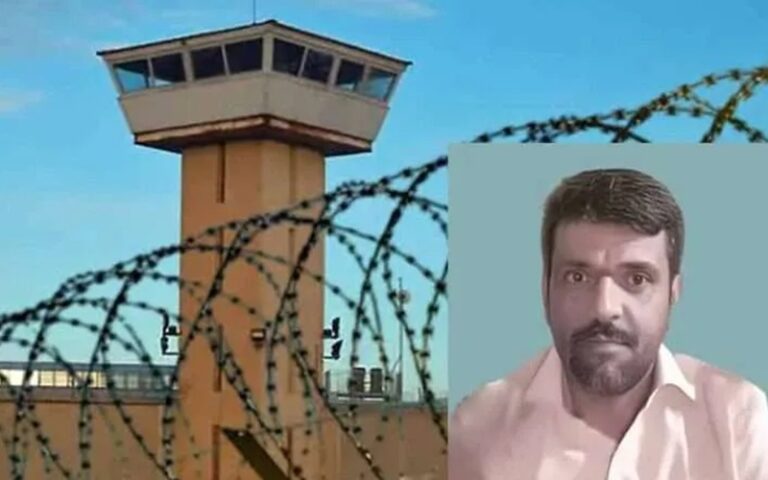
Reports received from Sheiban Prison in Ahvaz indicate that political prisoner Massoud Jamei, who has been sentenced to death twice, was transferred to solitary confinement after chanting protest slogans inside the prison and is being held under harsh conditions.

According to the Human Rights Society of Iran, the political prisoner is being held in a cell without an air conditioning system despite the extreme heat in Ahvaz. Informed sources have also reported that his head was shaved and that he has been subjected to physical and psychological abuse intended to humiliate him and break his spirit.

PMOI Supporters Given Double Death Sentences by Iran’s Regime

According to the report, Massoud Jamei was transferred to solitary confinement on the orders of prison officials following his protest slogans. Informed sources say that as temperatures have risen in Khuzestan Province, holding him in a cell without air conditioning has heightened concerns about his physical condition.

Sources close to the case also stated that after transferring the political prisoner to solitary confinement, prison agents shaved his head and subjected him to severe physical and psychological pressure. Officials at Sheiban Prison and Iran’s judiciary have not commented on the matter.

According to published reports, he suffers from malignant stomach cancer, liver and kidney failure, high blood pressure, an internal infection, and fatty liver disease. Poor prison conditions and the denial of medical treatment have worsened his illnesses.

Despite repeated warnings about the political prisoner’s health, reports indicate that authorities have so far refused to approve his transfer to medical facilities outside the prison, with the Ahvaz prosecutor and Iran’s security agencies preventing his hospitalization.

Massoud Jamei, an oil well security guard, is married and has four children. He was arrested by Iran’s security forces on August 1, 2023, and after lengthy interrogations was transferred to Sheiban Prison in Ahvaz. During the winter of 2024–2025, his wife and three of his children were also tried in the Revolutionary Court of Bavi County on charges including “contact with groups opposed to the regime” and “membership in the People’s Mojahedin Organization of Iran (PMOI/MEK).”

According to a ruling issued by Branch One of the Ahvaz Revolutionary Court, presided over by Judge Adibi-Mehr, which was formally served on him on July 11, 2025, Massoud Jamei was sentenced to death twice and one year of discretionary imprisonment. The latest reports about his transfer to solitary confinement, torture, and deprivation of basic necessities have further intensified concerns among human rights activists about the condition of the political prisoner.

Sharp Rise in U.S. Dollar Exchange Rate in Iran After Resumption of War

As military clashes between the Iranian regime and the United States intensified once again, Iran’s foreign exchange and gold markets were hit by another wave of price increases, with the U.S. dollar surpassing 1.9 million rials in the free market.

According to exchange rates published in the free market, on Friday, July 17, 2026, the U.S. dollar traded at as high as 1.91 million rials. The euro also exceeded 2.18 million rials, while the British pound rose above 2.56 million rials.

This comes after the signing of a memorandum of understanding between Iran and the United States in mid-June, when foreign exchange and gold prices, which had reached unprecedented highs during the war, declined for a period and the market stabilized to some extent.

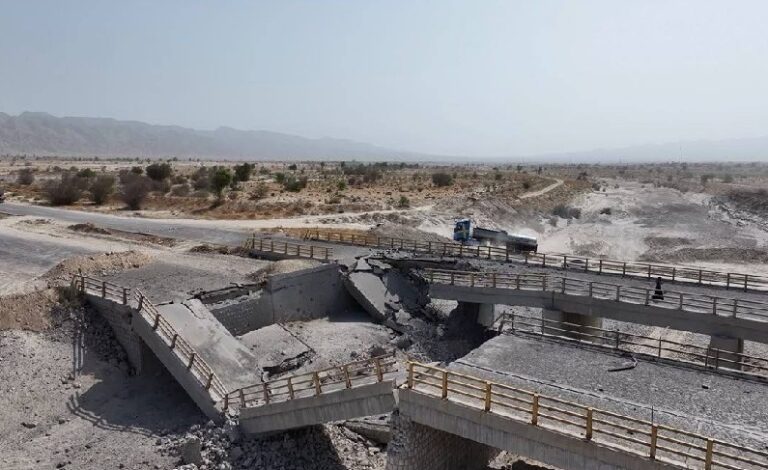
However, the resumption of military hostilities reversed that trend. In overnight U.S. strikes, several bridges and transportation routes in southern Iran were targeted. In response, according to reports, the Iranian regime carried out attacks against the Kurdistan Region of Iraq and some energy infrastructure in Kuwait.

Market players believe that the continuation of military tensions and growing uncertainty about the future are the main factors behind the renewed surge in foreign exchange and gold prices in Iran.

How Iran’s Regime Uses the War to Preserve Its Rule

0

Since the start of the war on February 28, 2026, the Iranian regime has clearly sought to turn the conflict into a tool for its own survival. Rather than being devoted primarily to confronting an external enemy, the wartime atmosphere has been used to suppress society and control the regime’s internal crises.

Under the cover of the war, thousands of young protesters were arrested, large numbers of participants in the Dey uprising were executed, along with 10 members of the People’s Mojahedin Organization of Iran (PMOI/MEK). At the same time, the Islamic Revolutionary Guard Corps (IRGC) and Basij forces have remained deployed in the streets for months to prevent new protests, while the regime has taken a series of measures—including keeping the Majlis (parliament) suspended—to prevent its internal divisions from escalating.

However, since the ceasefire took effect, the regime’s instability has become increasingly evident. One of the clearest manifestations of this instability is the growing infighting within the ruling establishment. The signing of the memorandum of understanding with the United States created a deep rift at the top of the government—a division that was visible even during the funeral ceremony of former Iranian regime supreme leader Ali Khamenei. At a ceremony that would normally be expected to symbolize unity, a group of regime supporters chanted “Death to the compromisers” against Masoud Pezeshkian and Mohammad Bagher Ghalibaf and threw stones at the Iranian regime’s Foreign Minister Abbas Araghchi.

Rift at the Top of the Government Following the Agreement

Only a few hours after the memorandum was signed, the Iranian regime’s supreme leader, Mojtaba Khamenei, officially declared that he had “fundamentally held a different view.” This position effectively split the Assembly of Experts—the body responsible for selecting the regime’s supreme leader—into two camps. Dozens of its members issued a statement opposing the memorandum, and the divisions spread into the IRGC, the Basij, and their commanders.

Meanwhile, the regime’s Friday prayer leaders have one after another spoken out against the terms of the memorandum, while state-run media outlets have become platforms for attacking the government. Death threats against the president, threats to destroy the Foreign Ministry building, and repeated verbal attacks all point to a crisis that can no longer be dismissed as an ordinary political dispute.

These divisions are not a new phenomenon but the result of a long-term process of erosion that has affected the entire structure of the regime for years. For this reason, the current crisis is neither a temporary disagreement nor a problem that can easily be repaired; rather, it is rooted in the nature, strategy, and system of governance of the Iranian regime.

From this perspective, the war is not merely a military confrontation for the Iranian regime; it is a tool for postponing the eruption of internal crises, suppressing society, and delaying a reckoning with divisions that have now become visible even at the highest levels of power. However, the experience of recent months shows that as the wartime atmosphere subsides, those accumulated crises re-emerge and manifest themselves with even greater intensity.

Italian Parliament Hosts Conference on Iran, Highlighting Democratic Alternative

0

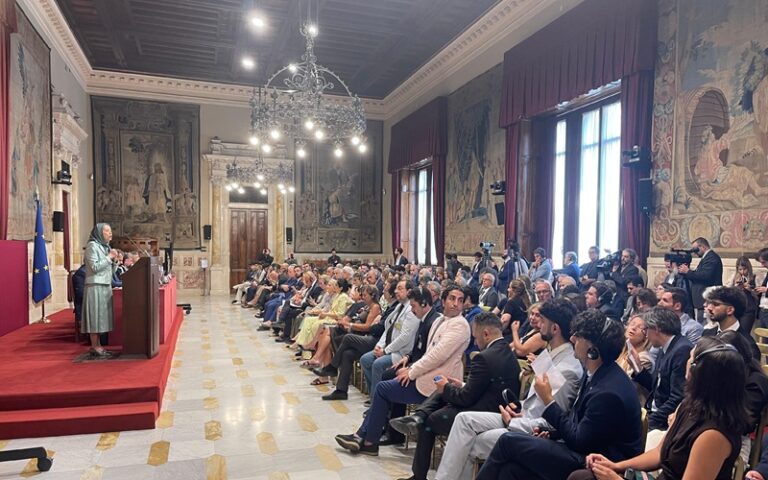
Italian lawmakers, former senior international officials, and representatives of the Iranian opposition gathered at the Italian Chamber of Deputies in Rome on July 16 for a conference examining Iran’s political crisis, regional tensions, and international policy toward Tehran.

Held in the Chamber’s Regina Hall under the title Iran’s Crisis: The Democratic Path Forward,” the event brought together members of Italy’s parliament alongside international political figures and Maryam Rajavi, President-elect of the National Council of Resistance of Iran (NCRI). Throughout the conference, speakers called for continued pressure on the Iranian government, maintaining the designation of the Islamic Revolutionary Guard Corps (IRGC), and abandoning what they described as years of Western appeasement. Several participants also rejected any return to monarchical rule in Iran, presenting a democratic republic as the alternative they support.

Delivering the keynote address, Maryam Rajavi argued that the Iranian regime remains in power through domestic repression, regional intervention, and pursuit of nuclear capabilities. She said these elements are interconnected and have prevented both stability inside Iran and broader regional peace.

Presenting the NCRI’s Ten-Point Plan, Mrs. Rajavi described it as a framework for establishing “a democratic republic based on the separation of religion and state, gender equality, and the abolition of the death penalty,” while advocating for a non-nuclear Iran committed to peaceful international relations.

Mrs. Rajavi also rejected the prospect of restoring the former monarchy, saying such proposals run counter to the democratic aspirations of the Iranian people. Instead, she emphasized the role of the organized Resistance Units, describing them as the movement capable of bringing political change inside the country.

She argued that European governments have overlooked an important element in their Iran policy by failing to recognize the Iranian people and organized opposition as a political factor.

“As long as this regime remains in power, the region will never see peace and tranquility,” Mrs. Rajavi said, adding that economic engagement would not alter Tehran’s regional policies. She concluded by urging European governments to recognize what she described as the Iranian people’s desire for democratic change.

Naike Gruppioni, a member of the Italian Chamber of Deputies’ Foreign Affairs Committee and organizer of the conference, welcomed Mrs. Rajavi and described her political platform as a democratic vision for Iran’s future.

Gruppioni praised Mrs. Rajavi’s continued advocacy for democratic governance, describing the NCRI’s Ten-Point Plan as “a clear and credible political proposal for a free, pluralistic Iran that respects human dignity.”

She also argued that international silence regarding Iran’s human rights situation carries political consequences and called on democratic governments to translate support for human rights into concrete political action.

Former New York City Mayor and former U.S. Federal Prosecutor Rudy Giuliani also addressed the conference, expressing support for the NCRI and the People’s Mojahedin Organization of Iran (PMOI/MEK) as what he described as the principal democratic alternative to the current government.

Giuliani criticized proposals advocating the restoration of the monarchy, dismissing the political role of the late Shah’s son while contrasting it with what he described as decades of organization and sacrifice by the Iranian Resistance.

He praised Mrs. Rajavi’s proposed transition framework and the Ten-Point Plan, highlighting its provisions concerning civil liberties and women’s rights. Giuliani also argued that Western engagement with Tehran had failed to produce meaningful political change and maintained that organized domestic opposition represents the decisive factor in confronting the government.

He further stressed the importance of political backing from democratic governments, saying public support for the Iranian Resistance across Europe and North America would strengthen efforts challenging the Iranian authorities.

Italian MP Fabio Rampelli focused on security and human rights issues during his remarks. Referring to investigations conducted by the United Nations Human Rights Council, he cited reports of arrests and executions in Iran while also criticizing Tehran’s regional policies.

Rampelli pointed to Iran’s military support for Russia during the war in Ukraine, its backing of armed groups in the Middle East and Red Sea region, and activities affecting international shipping routes. He argued that these developments demonstrate the broader international implications of Iran’s regional policies.

Former Italian Foreign Minister Giulio Terzi, who currently chairs the Italian Senate’s EU Policies Committee, criticized continued diplomatic engagement with Tehran, arguing that such policies have failed to change the government’s behavior.

Terzi also rejected suggestions of a return to monarchical rule, stating that the Iranian opposition represented by Mrs. Rajavi offers a stronger reflection of the aspirations expressed by many Iranians seeking political change.

He praised the MEK for its organizational resilience and argued that European policy should recognize the movement’s role in Iran’s political landscape.

Senator Marco Scurria drew historical comparisons between Iran’s current political situation and the collapse of authoritarian systems in Europe, suggesting that sustained public resistance can eventually overcome entrenched governments.

Addressing Iranians inside the country and members of the diaspora, Scurria said that aspirations for freedom could not be permanently suppressed, expressing support for those advocating democratic change. He concluded by commending Mrs. Rajavi and the Resistance Units for what he described as their perseverance.

Former U.S. Congressman Patrick Kennedy closed the conference by framing developments in Iran primarily as a human rights issue. He criticized previous diplomatic initiatives toward Tehran, arguing that negotiations had repeatedly failed to produce lasting results.

Kennedy called for continued international support for Maryam Rajavi, the NCRI, and the Resistance Units operating inside Iran. Comparing the current situation to previous historical transformations, including the end of apartheid and the fall of the Iron Curtain, he expressed confidence that political change in Iran remains possible.

Concluding his remarks, Kennedy voiced solidarity with the Iranian people, ending his speech with the words, “I am Iranian.”

Across the conference, speakers consistently emphasized three themes: continued opposition to policies they described as appeasement toward Tehran, support for maintaining pressure on the IRGC, and backing for a democratic republic as the political future they envision for Iran. While participants represented different political backgrounds and countries, their remarks centered on the role of organized opposition movements and the importance of aligning international policy with support for democratic change in Iran.


CENTCOM Announces End of Sixth Round of Strikes on Military Targets in Iran

0

U.S. Central Command (CENTCOM) announced that its large-scale overnight operation against military targets in Iran, which began at 9:30 p.m. Iran time on Thursday, concluded at 5:10 a.m. on Friday. According to CENTCOM’s statement, dozens of military targets, including air defense systems, military logistics infrastructure, and coastal radar facilities, were struck and destroyed.

Damage to transportation bridges and at least seven killed

At the same time, the state-run Fars News Agency reported that several transportation bridges in Hormozgan Province were damaged in the U.S. strikes. According to the report, the Gariveh Bridge on the Bandar Abbas–Khamir–Lar route, the bridge on the return route from Bandar Abbas–Khamir–Lar after Latidan village, two bridges on the Kahourestan–Lar route, an unfinished bridge on the Bandar Khamir–Keshar–Bandar Abbas road, and the Marou village bridge in Khamir County sustained either partial or complete damage. Iranian domestic media also reported that at least seven people were killed and several others were wounded in the attacks.

Iranian regime missile and drone attacks on U.S. bases

In response to the U.S. strikes, the Iranian regime’s military announced the launch of drone and missile attacks against U.S. bases in the region. The Iranian regime’s military said it had targeted Sakhir Air Base in Bahrain with drones and claimed that hangars housing U.S. helicopters and P-8 maritime patrol and reconnaissance aircraft had been hit. Iranian media, citing the army and the Islamic Revolutionary Guard Corps (IRGC), also reported missile and drone attacks against U.S. bases in Kuwait and claimed damage had been inflicted on equipment belonging to the 142nd Artillery Brigade and HIMARS missile systems. Meanwhile, Kuwait’s military said its air defense systems were actively intercepting Iranian drone and missile attacks.

Qatar reports intercepting Iranian missiles

During the early hours of Friday morning, several explosions were heard in Doha, the capital of Qatar, prompting the Qatari government to send an emergency alert instructing residents to move to safe locations. Hours later, the Qatari government announced that its air defense systems had intercepted and neutralized an Iranian missile attack and said the explosions were caused by the interception operation. Qatari officials also said one child was injured by shrapnel resulting from the air defense operation.

CENTCOM: Maritime blockade against Iran continues

CENTCOM also released images showing U.S. Marines aboard an Iranian-flagged oil tanker in the Gulf of Oman. According to the statement, U.S. forces boarded the tanker to conduct an inspection and verification. The command also said that three commercial vessels attempting to breach the maritime blockade have so far been stopped; two altered their course, while one was prevented from continuing after refusing to cooperate. CENTCOM emphasized that the Strait of Hormuz remains open to international shipping, but vessels that violate the maritime blockade imposed against Iran will face action by U.S. forces.

International Energy Agency warns about consequences of the Strait of Hormuz crisis

Meanwhile, Fatih Birol, Executive Director of the International Energy Agency (IEA), warned about the consequences of continued tensions in the Strait of Hormuz. Referring to the sharp decline in oil tanker traffic through the strategic waterway, he said that if the restrictions continue and the crisis intensifies in the coming weeks, global energy security will face a serious threat. According to Birol, the reduction in oil exports from the region has already led to renewed increases in energy prices, and the continuation of this trend could have far-reaching consequences for the global economy.

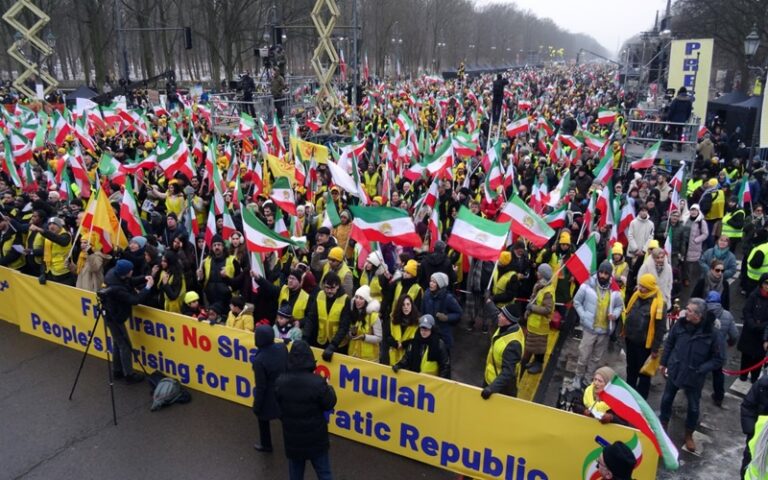
The Quest for a Democratic Republic Through the Lens of Iran’s Organized Resistance

0

Iran’s current crisis goes beyond temporary governance failures and is rooted in a closed political structure that has deprived society of the right to choose. Under these circumstances, overcoming the crisis is not possible through replacing a few officials or returning to a hereditary monarchy. Rather, the fundamental question is which force can channel the people’s protest potential into a lasting democratic transition.

The Limitations of Spontaneous Protests and the Importance of Organized Resistance

Today, Iranian society is burdened by severe economic pressures, systemic corruption, environmental crises, and the suppression of civil liberties. Despite the widening gap between the people and the ruling establishment, relying solely on spontaneous protests cannot guarantee the fall of an authoritarian government, as a centralized repressive apparatus is capable of exhausting and containing movements that lack continuity and organization.

The Gallows: The Real Story of Iran Behind the Oslo Ceremony

To fill this gap, the existence of an organized resistance is essential. The “Resistance Units” affiliated with the People’s Mojahedin Organization of Iran (PMOI/MEK) play a key role in connecting scattered civil and labor protests—including those of workers, teachers, women, and students—and transforming them into a nationwide, sustained, and purposeful movement under the harshest conditions of repression.

A Ten-Point Plan for Iran’s Future

Organizations seeking to play a role in Iran’s future should define the alternative political order they advocate. In this regard, Maryam Rajavi’s Ten-Point Plan proposes clear principles for the period following the end of the current religious rule. Among its provisions are:

  • Holding free elections and establishing a republic based on universal suffrage.
  • Separation of religion and state, and full gender equality.
  • Abolition of the death penalty and guarantees for freedom of expression, freedom of association, and an independent judiciary.
  • Legal equality and autonomy for Iran’s ethnic groups and nationalities.
  • Renouncing nuclear weapons and pursuing peaceful coexistence with the international community.

Why Is Monarchy Not a Suitable Solution?

Accepting the sovereignty of the people requires that every political force derive its legitimacy solely from free elections, not from family lineage or foreign backing. On that basis, a return to the monarchical model cannot be considered a democratic option. Reza Pahlavi, the son of the ousted Shah, entered the political arena on the basis of hereditary status, and his supporters have shown little willingness to confront the record of the previous dictatorship, including the activities of SAVAK, the Shah’s brutal secret police, and the use of torture during that period. Furthermore, the rhetoric and symbols associated with this movement are not fully consistent with democratic political culture.

Reducing Iran’s political landscape to a binary choice between the current regime and the Pahlavi monarchy suppresses the diversity of democratic and republican forces. In practice, this polarization benefits Iran’s regime because it justifies its survival by warning the public about the return of the former dictatorship. At the same time, the monarchist movement seeks to portray itself as the only viable alternative abroad, thereby marginalizing a third force that rejects both forms of dictatorship—those of the Shah and the mullahs.

The Need for a Change in the Policies of Foreign Powers

In recent years, Western countries have oscillated between two ineffective approaches: appeasement toward the regime in Tehran or promoting figures who lack an organized base inside the country. Lasting stability can only be achieved when the international community recognizes the Iranian people’s right to bring about change and supports democratic principles without military intervention or imposing externally manufactured leaders.

A democratic transition in Iran depends on the convergence of three key factors: deep social discontent, organized domestic resistance, and a clear plan for transferring power to the people. The real alternative for Iran’s future is neither a return to the past nor the preservation of the status quo, but the establishment of a democratic republic based on popular sovereignty.

In fact, democracy based on the will of the people is the only genuine option for today’s Middle East and the wider world. Western governments should recognize that only under such a system can lasting stability be achieved in the region, and that the interests of the international community can only be secured through democracy in Iran.