


 Iran Focus: United Nations, Jun. 09 – The United Nations Security Council on Wednesday voted to tighten sanctions against Iran over its nuclear program, targeting in particular the Islamic Revolutionary Guards Corps (IRGC).
Iran Focus
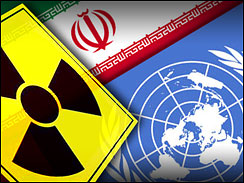 United Nations, Jun. 09 – The United Nations Security Council on Wednesday voted to tighten sanctions against Iran over its nuclear program, targeting in particular the Islamic Revolutionary Guards Corps (IRGC).
Resolution 1929 was adopted by 12 votes to 2, with 1 abstention.
The Security Council agreed to target 40 new Iranian companies, including 15 linked to the IRGC.
Javad Rahiqi, who heads the Atomic Energy Organisation of Iran’s Esfahan Nuclear Technology Centre, was added to the previous list of 40 Iranians subject to an asset freeze.
The sanctions list also included 22 companies involved in nuclear or ballistic missile activities and three entities linked to the Islamic Republic of Iran Shipping Lines.
The five veto-holding permanent members of the Security Council endorsed the resolution, as did seven other nations in the world body. Brazil and Turkey voted against it while Lebanon abstained.
Previous UN action against Iran over its suspected nuclear weapons program:
24 September 2005: The International Atomic Energy Agency (IAEA) Board of Governors finds Iran in “non compliance” with its nuclear Non-Proliferation Treaty (NPT) Safeguards Agreement and refers Iran to the U.N. Security Council.
29 March 2006: The U.N. Security Council issues a presidential statement calling on Iran to suspend all enrichment and reprocessing activities.
31 July 2006: The U.N. Security Council adopts resolution 1696, which “demands … that Iran suspend all enrichment-related and reprocessing activities” by August 31, or face the threat of sanctions.
23 December 2006: The U.N. Security Council adopts resolution 1737, imposing sanctions to prevent the transfer to Iran of materials, as well as technical or financial assistance, which might contribute to Iranian nuclear and ballistic missile development. The resolution also designates Iranian persons and entities for which financial resources are to be frozen.
4 March 2007: The U.N. Security Council adopts resolution 1747, imposing further sanctions to prevent the transfer of arms and financial assistance to Iran, and designating additional Iranian persons and entities for which financial resources are to be frozen.
3 March 2008: The U.N. Security Council adopts resolution 1803, extending travel restrictions and asset freezes – and in some cases instituting a travel ban – to additional Iranian entities, and barring Iran from buying almost all nuclear and missile-related technology; the resolution also requests countries to inspect suspect cargoes to and from Iran, and to “exercise vigilance” over public financial support for business with Iran and transactions involving Iranian banks, particularly Bank Saderat and Bank Melli.
September 2008: The U.N. Security Council adopts resolution 1835, which calls on Iran to comply with previous Security Council resolutions by freezing uranium enrichment but does not impose additional sanctions.
(Source: Wisconsin Project on Nuclear Arms Control), and based in part on wire reports


