


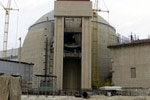
 Reuters: Iran, the world’s fifth-largest crude oil exporter and an importer of gasoline, is used to sanctions and has found ways to adapt to them. The following lists some of the tactics Iran can adopt to continue oil trade.
July 26 (Reuters) – The United States, United Nations and the European Union have in June and July agreed a series of new restrictions on Iran over its nuclear enrichment activities, which the West fears could lead it to make a bomb.
Iran, the world’s fifth-largest crude oil exporter and an importer of gasoline, is used to sanctions and has found ways to adapt to them.
U.S. sanctions date back to 1979 after Iranian students stormed the U.S. embassy.
The United Nations began four rounds of sanctions (to date) in 2006 as the international community has sought to convince Iran to abandon its nuclear enrichment programme, which the country says is purely for peaceful purposes.
The following lists some of the tactics Iran can adopt to continue oil trade.
-Iranian ships have changed their flags and names to avoid attracting attention.
Once a vessel’s name has been changed, it cannot be identified on any blacklists. The only way to identify the ship would be through the IMO (International Maritime Organisation) number, which does not always appear on cargo documents and letters of credit.
– Buying cargoes on a free on board basis means the end destination of ships does not have to be declared, trade sources said. The buyer (Iran in the case of gasoline imports) is responsible for all costs once the cargo has been loaded.
-Iran has moved the nominal ownership of some vessels to shell companies in Hong Kong, Malta and Germany, traders said. This makes tracking the origin of the ship harder.
-Earlier this month, Iran floated the idea of using the UAE dirham for payments of its oil trade to Europe instead of the euro as it feared the EU sanctions could block transactions in the single European currency.
The UAE’s central bank governor dismissed reports Iran might seek payment in dirhams for its oil exports, saying the UAE had no time for jokes.
Industry sources said Iran had also discussed settling transactions of oil with China in yuan.
The dollar is the standard currency for oil trade, but Iran had already shifted to the euro for European deals in response to many years of U.S. sanctions against the Islamic Republic.
– Iran has used banks and financial institutions outside the country to transfer funds from trade transactions, traders said.
Historically, Dubai was a financial lifeline for Iran, but now it is heavily indebted to fellow emirate Abu Dhabi, the U.S. ally could pressure it to comply with the latest sanctions.
After the U.N. imposed its new sanctions on Tehran last month, the UAE central bank ordered a freeze on any accounts of 40 entities and an individual blacklisted by the United Nations for assisting Iran’s nuclear or missile programmes.
Analysts believe Iran could be seeking alternative financial hubs in Asia and the Middle East.
-Trucks filled with fuel still manage to find a way to cross the border into Iran despite a pledge by Iraqi Kurdistan to crack down on the smuggling activities.
The cross-border trade in fuel is a challenge to U.S. efforts to impose sanctions on Iran over its nuclear research programme, and an embarrassment for Washington’s Kurdish allies, eager to remain on good terms with the United States as U.S. troops prepare to withdraw from Iraq by the end of 2011.
-Last week, Iran warned it would stop trading with countries that imposed restrictions on its assets abroad in the face of tightening international sanctions.
“Any country that creates limitations for Iran’s assets, we will stop trading with them,” Hamid Borhani, deputy head of the Central Bank of Iran, told the semi-official Mehr news agency. “We have to protect our assets.” (Compiled by Amena Bakr; Editing by Barbara Lewis and Manash Goswami)


