


New images released from the grounds of the Kahrizak Forensic Medicine building in Tehran show the bodies of people killed on Thursday and Friday, January 8 and 9. The bodies of men who were shot—in the head, abdomen, or chest—are seen, along with hundreds of family members waiting to receive the remains of their loved ones.
In these images, the bodies of killed women are not seen. In the mentioned footage, a member of the forensic medical staff says that before handing over the bodies of women, the uterus must be opened, which is described as a routine process for issuing death certificates. While such horrific images have only been released from Tehran, reports from other parts of Iran—from north to south—indicate that many protesters have been killed, a process that Human Rights Watch, an international human rights organization, has described as “widespread killing.”
Until Tuesday, January 13, only very limited communications from Iran had been possible with the help of Starlink satellite internet technology. Now, however, as more citizens inside Iran have gained phone access to outside the country, they are calling either to report that they are safe or to inform others about the killing, injury, or arrest of relatives, family members, neighbors, or coworkers.
Although there is still no clear picture of the number of people killed in the protests in Iran, human rights organizations have confirmed the killing of hundreds of protesters and say the actual number is far higher than what has been reported so far. The People’s Mojahedin Organization of Iran has announced the figure as more than 3,000 people, while sources told CBS, the US television network, that the number is 20,000.
According to reports, the Iranian regime demands up to one billion tomans—equivalent to 10 billion rials (approximately 7,000 dollars)—from families in order to hand over the bodies of the dead. Some reports indicate that Iranian regime security forces pursued the wounded into hospitals and shot them there.
Videos circulated on social media show Iraqi Popular Mobilization Forces (Hashd al-Shaabi), a state-backed militia group, returning to Iraq after participating in the suppression of protesters in Iran. The Hashd al-Shaabi also held a rally in the city of Basra in support of the Iranian regime and called for intervention in Iran’s protests.
The issue of demanding money in exchange for handing over bodies has been raised in various media for days and has also occurred during previous periods of protests in Iran.
According to the Telegram channel ir_protest, Gelaleh Mahmoudi Azar was killed during the protests on the evening of Thursday, January eight, in Tehran, after being directly shot by Iranian regime repression forces.
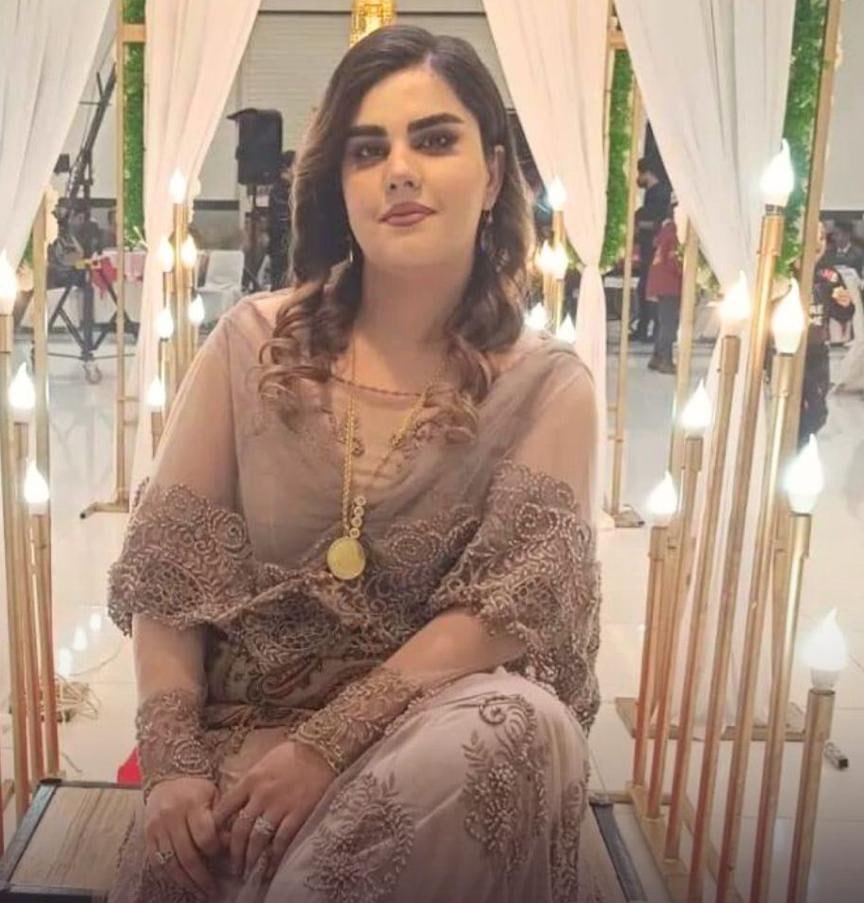
In exchange for handing over Gelaleh’s body, government institutions received one billion tomans—equivalent to 10 billion rials (approximately 7,000 dollars)—from her family.
According to the Hengaw website, following the killing of a 25-year-old man named Arshia Hozouri on Shaghayegh Street on Ferdows Boulevard in Tehran, government institutions demanded 700 million tomans—equivalent to 7 billion rials (approximately 5,000 dollars)—from his family in exchange for handing over his body. Hengaw reported that Arshia was shot in the forehead from a distance of 40 meters and died immediately.
An eyewitness who is a taxi driver, quoting a doctor who had been his passenger, says the doctor tearfully told him that when the wounded were brought to hospitals, agents would quickly enter and separate the injured who were affiliated with the security forces.
The scale of this deadly crackdown is only gradually reaching outside Iran’s borders. According to a government official who spoke to Reuters, the number includes more than two thousand deaths.
The Iranian regime has shut down the internet since January 8, and access to Starlink has also become impossible.


