Russia Defends Iranian Regime’s Right to a Nuclear ProgramA month ago, Gharibabadi had also reported holding talks with senior political officials from the three European countries regarding the nuclear issue. On February 26, Gharibabadi wrote on X that, on the sidelines of Iranian Foreign Minister Abbas Araghchi’s visit to Geneva to attend the High-Level Conference on Disarmament and the Human Rights Council, a new round of “constructive talks” had been held with senior political officials from the three European countries. He stated, “We exchanged views on nuclear issues and sanctions relief.” This Foreign Ministry official did not name the European countries involved in the talks with Tehran. However, Germany, the United Kingdom, and France issued a statement regarding their political directors’ meeting with Iranian representatives in Geneva, stating that they “reaffirmed their firm and principled positions and their commitment to finding a diplomatic solution” and agreed that the discussions should continue. Earlier, on November 25, 2024, Esmail Baghaei, the spokesperson for Iran’s Foreign Ministry, had confirmed negotiations with France, Germany, and the United Kingdom on “bilateral, regional, and international issues, as well as the nuclear issue.” Rafael Grossi, Director General of the International Atomic Energy Agency (IAEA), warned the international community on February 15, 2025, on the sidelines of the Munich Security Conference, that time was running out to contain Iran’s nuclear program and that the global community needed to reach an agreement with Tehran before it was too late. The Iranian government has so far denied any attempts to acquire nuclear weapons. However, in recent months, some Iranian officials have called for a shift in Tehran’s nuclear doctrine toward “developing nuclear weapons for deterrence purposes.” According to IAEA estimates, Tehran currently possesses enough enriched uranium to build a nuclear bomb. Although uranium enriched to 60% purity cannot serve as fissile material for a weapon, the Iranian government could elevate it to weapons-grade levels within two to three weeks. This situation is often referred to as a “nuclear threshold state,” indicating that if Tehran possesses the necessary expertise to construct a functional bomb, it could quickly become a nuclear power. Before the new Donald Trump administration took office, the U.S. State Department had announced that the United States would not participate in the negotiations between Iran and the three European powers in Geneva regarding nuclear and regional issues.
Another Round of Iran’s Nuclear Talks with Three European Countries Held in Geneva
Kazem Gharibabadi, Deputy for International Affairs at Iran’s Ministry of Foreign Affairs, stated that Iranian diplomats and representatives from the United Kingdom, France, and Germany held “technical and expert-level discussions” on the nuclear file in Geneva on Thursday, March 27.
On Friday, March 28, Gharibabadi wrote on his X account that these discussions took place within the framework of the “understanding reached during the fourth round of negotiations” between Iranian diplomatic officials and the three European countries.
Esmail Baghaei, the spokesperson for Iran’s Ministry of Foreign Affairs, also confirmed the negotiations, stating that this new round of talks aimed to “discuss and exchange views on various aspects of the issue in both the sanctions relief and nuclear domains.”
Appeasement Iran’s Regime is Complicity in the Suppression of its People
It is no surprise that Ali Khamenei, the Iranian regime’s supreme leader, has taken a firm stance in rejecting the U.S. proposal for negotiations. Throughout various stages of international talks on its nuclear program, the Iranian regime has always sought negotiations that would allow it room for deception and maneuvering.
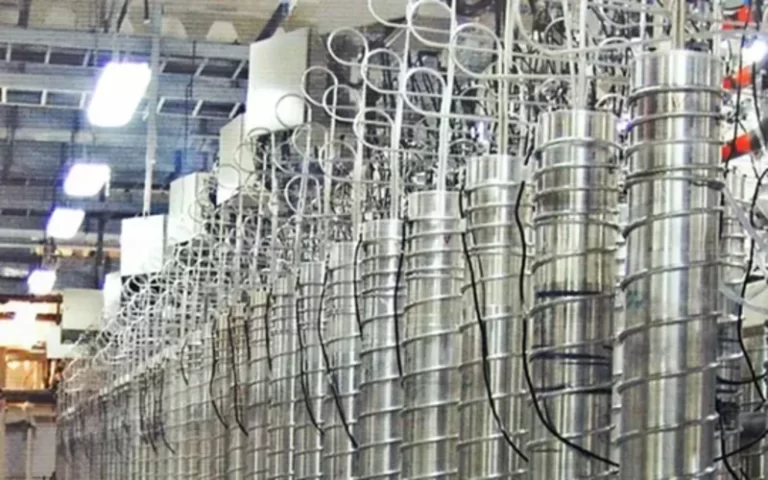
Meanwhile, the Iranian regime’s covert efforts in its nuclear program are fundamentally aimed at acquiring nuclear weapons, allowing it to impose itself and its policies on the region and the Iranian people. Iran’s nuclear program was first exposed by the National Council of Resistance of Iran (NCRI), the largest Iranian opposition group, which brought the issue to the attention of the global community.
Khamenei and the Strategy of Prolonging Negotiations
Another crucial point to consider is the regime’s deliberate effort to prolong negotiations and create excuses around issues far removed from the core subject and demands at hand. By doing so, Khamenei aims to drag negotiators into a critical and decisive phase, such as the end of Donald Trump’s presidency—just as he did during Barack Obama’s presidency in 2015. The Iranian regime, through delays and stalling tactics, extended negotiations until the final days of Obama’s presidency. Obama was eager to conclude his presidency with a nuclear deal that aligned with the Iranian regime’s interests. Ironically, they attempted to repeat the same scenario with Joe Biden in the final days of his presidency, but their expectations were ultimately shattered.Khamenei’s Admission of Mistakes and the Price to Pay
Khamenei knows that Trump’s demands are very different from those of Obama and Biden. Trump does not seek a superficial agreement like the July 2015 deal. In his letter to Khamenei, he outlined eight demands, three of which specifically address Iran’s interventions in Yemen, Lebanon, and Iraq. This indicates that Trump’s demands go far beyond those of Obama and Biden. It is clear that if the Iranian regime agrees to such demands—especially the “complete cessation of its nuclear program and the closure of all uranium enrichment facilities”—it would be admitting that it has been wrong since its inception and would have to pay the price against its will!A Firm and Strict Approach in Dealing with Khamenei
Without a doubt, the international community in general, and the U.S. in particular, must adhere to a firm and strict approach in negotiations and dealings with this regime. The only effective way to counter the Iranian regime is through decisiveness, a stance that the National Council of Resistance of Iran (NCRI) has repeatedly emphasized. Mrs. Maryam Rajavi, the President-elect of the NCRI, has stated: “The religious dictatorship, with all its evils, must be uprooted entirely—from its torture chambers and IRGC bases to its nuclear weapons program.“ Iranian regime leaders attempt to portray their nuclear program as peaceful, but they have spent over two trillion dollars of the deprived Iranian people’s money on a secret nuclear program over the past 30 years. Meanwhile, this ominous project does not even supply 2% of the country’s electricity needs. Now, both in summer and winter, people’s lives, education, healthcare, production, and businesses are deteriorating due to electricity shortages, leading to continuous disruptions and crises. Mrs. Rajavi continued: “The people of Iran are determined to put an end to this. For years, we have declared and we repeat today: A free and non-nuclear Iran, with the separation of religion and state, and a democratic republic free from both mullahs and monarchs.“The International Community and the Need for Decisive Action
In confronting the regime’s malign activities, the international community must not further delay activating the snapback mechanism. This regime is a threat to global peace and security and must be placed under Chapter VII of the UN Charter. However, the ultimate solution to the mullahs’ terrorism, warmongering, and nuclear bomb program is the overthrow of the regime by the Iranian people and their resistance movement.Approximately 17 million Barrels of Iranian Crude Oil Stranded Near Malaysia Without Buyers
Bloomberg reports that more than 10 tankers carrying crude oil from the Iranian regime, which have been sanctioned by the United States, are stranded near the shores of Malaysia. This could be a sign of a slowdown in Iran’s oil shipments to China.
In a report published on Thursday, March 27, Bloomberg also stated that some of these tankers have been anchored in Malaysian waters for over a month and still have no buyers.
According to the report, based on ship-tracking data, at least 11 tankers carrying crude oil from the Iranian regime were either halted around Malaysia this week or moving at a very slow pace.
Bloomberg states that these ships are carrying approximately 17 million barrels of Iranian oil and have gathered in an area west of the Malaysian peninsula, a location commonly used for ship-to-ship transfers of Iranian oil.
IEA Weighs in on The Impact of New U.S. Sanctions on Iran’s Oil ExportsAccording to previously released information, Iranian oil in these waters is transferred to tankers with unclear or obscure ownership before continuing its journey to China or other destinations. Since returning to the White House, Donald Trump has once again adopted the “maximum pressure” policy against Iran. This policy includes efforts to “reduce Iran’s oil exports to zero” to prevent the regime from funding its regional proxy militant groups and acquiring nuclear weapons. Bloomberg’s Thursday report states that the transfer of crude oil from Iran’s main export terminals, such as Kharg Island, to ship-to-ship transfer areas like Malaysia has been closely monitored in recent months due to the implementation of the U.S. president’s policy on Iran. The publication, citing data from OilX, has reported that the volume of Iranian oil stranded near Malaysia and Singapore is the highest since August of this year. It is unclear whether these shipments are waiting for ship-to-ship transfers or if they are awaiting buyers from China’s private refineries. In recent years, the Iranian regime has used a “ghost fleet” to transfer and sell its oil. These tankers turn off their automatic identification systems, conduct ship-to-ship transfers in the middle of the ocean, rebrand the oil, and employ other tactics to ultimately deliver Iranian crude to Chinese ports. The Trump administration, in addition to sanctioning Iran’s oil minister, has announced four rounds of economic sanctions against Tehran in just the past two months. These sanctions also target Iranian oil tankers as well as small and private refineries in China. According to Bloomberg’s data, more than two-thirds of the tankers carrying Iranian crude oil have been sanctioned since late February. However, the publication predicts that U.S. actions are unlikely to completely halt oil trade between Iran and China. Meanwhile, on Wednesday, the U.S. government announced that it had filed a lawsuit in a Washington, D.C. court to seize revenue from one million barrels of Iranian oil as compensation due to its links to the Islamic Revolutionary Guard Corps (IRGC).
Systemic Corruption Sinking the Iranian Regime’s Ship
In a rare admission that reflects the depth of Iran’s economic collapse and political unrest, Majid-Reza Hariri, head of the Iran-China Chamber of Commerce, exposed unprecedented levels of financial corruption and organized smuggling within state institutions. He warned that the “’Iranian ship”’ is on the verge of sinking unless the many holes of corruption are urgently sealed.
According to his candid statements, Iran is witnessing an annual capital outflow of $25 billion—an average of approximately $68 million per day—in an economy that has lost all forms of transparency and oversight. Hariri explained that nearly $20 billions of this figure is due to unregulated imports, while $10 billion is smuggled out of the country as capital flight, invested in real estate in cities such as Toronto, Barcelona, Dubai, Istanbul, and Muscat. He stressed that this ongoing financial hemorrhaging is driven by a corrupt environment that pushes the wealthy to transfer their fortunes abroad in search of safety.
Iran Ranks 151st in Global Corruption Perception Index Among 180 CountriesWhat is most striking in Hariri’s statements is not only the staggering figures, but his emphasis that corruption in Iran is systematic and institutionalized. It is not confined to a single sector; it permeates public institutions, government bodies, and even the private sector. He declared bluntly: “‘No one is exempt; corruption has become a system in itself… those who do not participate in it are seen as weak.”‘ He pointed out that this phenomenon is not new, dating back to the mid-2000s, when major embezzlement scandals began to multiply, with individual cases now reaching tens of trillions of tomans, largely ignored by the state. Against this backdrop, Hariri issued a grim warning: 70% of the Iranian population now lives on or below the poverty line—particularly workers, small tradespeople, and farmers. He noted that the country’s minimum wage today does not exceed $40 per month, amid a relentless surge in prices and the collapse of purchasing power. “‘We argue for months over minor salary increases, then approve a one or 20 million rials raise. This is not a solution; it is an economic farce,”‘ he lamented. Hariri’s words also betray a genuine sense of fear within the regime—not only of financial ruin, but of a looming social explosion. His acknowledgment that “‘everyone is sinking”‘—from the wealthy to the poor, from hardliners to reformists—reveals a growing internal awareness that the ship is heading toward disaster, and that the continuation of the current path could trigger a massive, uncontrollable wave of public anger. Iran is now at a critical juncture. The country’s social and economic foundations are disintegrating, and trust between the regime and its people has all but vanished. In the face of this fragmentation, ideology can no longer obscure reality, and security crackdowns are insufficient to suppress the escalating public discontent. Even voices from within the regime now admit that corruption has reached existential levels, and that a social eruption is not merely a possibility—but an imminent reality. The urgent question remains: will the regime reform before it collapses, or has the moment of explosion already drawn near?
U.S. Imposes New Sanctions on Iran’s Drone Program
The U.S. Department of Commerce has announced a new package of sanctions targeting 80 entities across several countries, including Iran, China, the UAE, Taiwan, and South Africa, due to ‘activities contrary to the national security and foreign policy interests of the United States.’
In a statement issued by the Department’s Bureau of Industry and Security, the move aims to “disrupt Iran’s procurement of unmanned aerial vehicles (UAVs) and related defense items”, in addition to “impair the development of unsafeguarded nuclear activities and ballistic missile program.”
The statement confirmed that among the sanctioned entities are two Iranian and two Chinese organizations involved in the procurement of U.S.-origin equipment for use in Iran’s defense industries and drone programs.
The U.S. Sanctions Iranian Oil Transport, Purchase, And Processing NetworkOther objectives of the sanctions include curbing China’s ability to access advanced computing and quantum technologies for military purposes and preventing the development of hypersonic weapons programs. In this context, U.S. Secretary of Commerce Howard Lutnick emphasized on March 25, 2025, that “under the strong leadership of President Donald Trump, the Commerce Department is taking decisive action to protect America.” He added, “we will not allow adversaries to exploit American technology to bolster their own militaries and threaten American lives,” Jeffrey Kessler, Assistant Secretary for Industry and Security, stated that “American technology should never be used against the American people,” reaffirming the administration’s commitment to protecting national security. Previously, on February 27, 2025, the U.S. Treasury Department imposed sanctions on six institutions in Hong Kong and China for their role in purchasing and supplying key drone components for the Iranian regime. It is noteworthy that on February 5, 2025, U.S. President Donald Trump issued an executive directive to reinstate the ‘maximum pressure’ policy against the Iranian regime, aiming to bring its oil exports to zero and force it to abandon its nuclear program. In a statement dated March 22, 2025, Trump warned that Washington will hold the Iranian regime accountable for any attacks carried out by the Houthis, while U.S. National Security Advisor Mike Waltz declared on March 23, 2025, that the American administration seeks to completely dismantle Iran’s nuclear program.
Iran-Backed Iraqi Armed Groups Relocate Bases and Weapons Depots
Iran-backed Iraqi armed groups have carried out large-scale relocations and changes to their bases and weapons depots.
Sources affiliated with these groups confirmed this and told the media that with the renewed war in Gaza and recent attacks in Lebanon, some political factions in Iraq, “fearing an Israeli attack,” have put “pressure on Iran-aligned armed groups.”
A senior member of the “Iraqi Resistance Coordination” told the media that Iraq’s Prime Minister had recently contacted the leaders of these groups, urging them to refrain from any “military action against Israel.”
Khamenei Calls for Strengthening Iraq’s Hashd al-ShaabiPreviously, Esmail Qaani, commander of the Quds Force of Iran’s Islamic Revolutionary Guard Corps (IRGC), traveled to Iraq and urged Iran-aligned armed groups to avoid any action against the U.S. and Israel that could lead to a loss of control over the situation. On March 18, Reuters reported, citing informed sources, that the Iranian regime had asked Yemen’s Houthis to de-escalate tensions. On March 15, former U.S. President Donald Trump issued a warning—also published in Persian—stating that from now on, any attack by Yemen’s Houthis would be considered an assault using Iranian weapons and under Iranian direction. Four days later, on his social media platform Truth Social, Trump wrote that although Iran’s military support for the Houthis had declined, Tehran was still supplying the group with significant amounts of equipment and logistics. U.S. State Department Warns Iraqi Government About Iran-Backed Armed Groups’ Activities Tami Bruce, spokesperson for the U.S. State Department, told reporters that the activities of any militia group not under the full control of the Iraqi government were unacceptable within Iraq’s borders. Bruce further warned the Iraqi government, stressing that Baghdad must ensure full command and control over all security forces, including the Popular Mobilization Forces (PMF or Hashd al-Shaabi). Iraq’s Shia political forces, after intense discussions among themselves and with the leaders of armed groups, have reached an agreement under which the Popular Mobilization Forces (PMF) will be kept away from politics, and all armed groups will be integrated into this institution. On the evening of Tuesday, March 25, Shafaq News reported in an exclusive piece that the Coordination Framework factions had reached an initial agreement approving the integration of armed groups into the PMF. Additionally, under the agreement, armed groups would no longer be allowed to attack U.S. interests in Iraq and must halt cross-border operations. Shafaq News noted the “sensitivity of Iraq’s situation” and stated that the current phase requires maximum measures to ensure the country’s security. Meanwhile, the U.S.-based Institute for the Study of War reported that Trump’s message to Iran included a demand for the dissolution of the Popular Mobilization Forces in Iraq.
Iran and Hezbollah’s Cyber Attacks on Israel Have Tripled Since October 7 Attack
Nitzan Amar, Israel’s Deputy Cyber Defense Chief, announced that since Hamas’s October 7 attack, cyberattacks by the Iranian regime and Hezbollah against Israel have tripled.
On Wednesday, March 26, at the “Cybertech 2025” conference in Tel Aviv, Amar stated that last year was not an ordinary year; it was a challenging and unique one. He added that since the beginning of the war, Israel has seen a significant increase in the scale of Iran and Hezbollah’s malicious activities against Israeli institutions.
He reported a 300% increase in phishing attacks against Israel during this period, adding that these actions aim to exploit information, target Internet of Things (IoT) devices, and disrupt the daily lives of Israeli citizens.
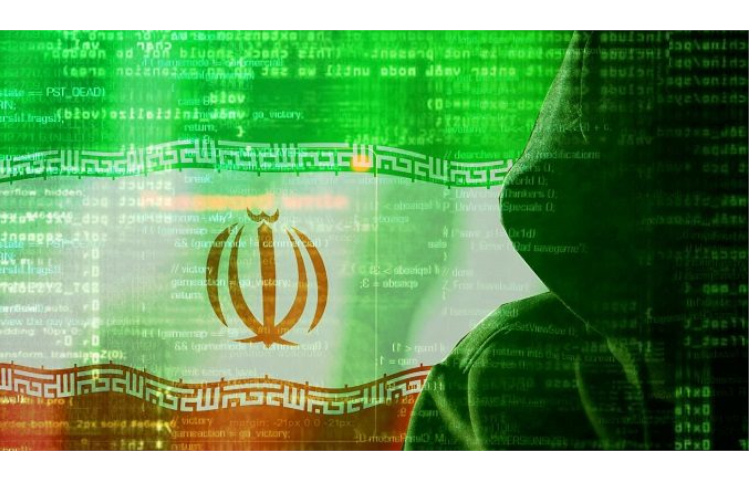
Cyberattacks by the Iranian Regime on Critical Infrastructure in the U.S. and IsraelOn October 7, 2023, Hamas militants attacked southern Israel, killing approximately 1,200 people and taking more than 250 hostages. Since then, regional tensions have escalated dramatically. In its October 2024 annual report, Microsoft stated that since the start of the Gaza war, Israel has become the primary target of Iranian cyberattacks, whereas Tehran had previously focused mainly on the United States. In November 2024, the Israeli newspaper Haaretz reported that an Iranian regime-affiliated hacker group had exposed the identity of an Israeli nuclear scientist and several of his colleagues. The Israeli Deputy Cyber Defense Chief further stated at the “Cybertech 2025” conference that despite the “unprecedented” increase in cyberattacks against Israel, these efforts have been unsuccessful. Amar said that despite their adversaries’ efforts since October 7, none of the cyberattacks against Israeli institutions have managed to damage national infrastructure or disrupt the operational freedom of the Israeli military in carrying out its missions. He also announced the implementation of Israel’s “Cyber Dome” defense program, adding that Israel has employed advanced defensive technologies that have played a vital role in mitigating and countering these threats.
Wave of Faculty Exodus Reaches Iran’s Major Universities
Mohammad Jalili, head of the Faculty Recruitment Center at Iranian regime’s Ministry of Health, has warned that the exodus of faculty members has now reached the country’s major universities. According to Jalili, these professors either continue working in their fields outside the university system or leave the country altogether.
In an interview with the state-run Shafaqna website on Sunday, March 23, Jalili described the situation of faculty migration from medical universities as “deeply concerning.” He stressed that professors are among the country’s elite, in whom significant investments have been made, and that they should not be lost so easily.
He suggested measures such as elevating faculty members’ status and respect in society, improving their living and financial conditions, and easing the process of recruiting and retaining top talent as key solutions to prevent university professors from leaving.
Jalili noted that the departure of faculty members is visible across all universities in Iran. He stated: “We even have cases where individuals either do not get the opportunity to become faculty members or, if they are, they leave their positions to exit the university system. After that, they either work in their field outside academia or leave the country entirely.”
This is not the first time reports have emerged about the migration of experienced and distinguished university professors and other professionals in Iran.
The large-scale migration of university professors, doctors, nurses, midwives, pharmacists, and other healthcare professionals in recent years has fueled concerns about the future of Iran’s healthcare system.
The head of the Faculty Recruitment Center at the Ministry of Health admitted that no official or precise statistics exist regarding the number of faculty members leaving the country. However, he acknowledged that this issue has become a serious concern for many universities, both large and small.
Jalili pointed out that salary caps for faculty members at universities under the Ministry of Science have been removed. He expressed hope that the Ministry of Health would follow the same logic and lift the salary cap for faculty members at medical universities.
Jalili noted that the minimum salary for faculty members at medical universities is approximately 200 million rials (~$210), while their salary cap is around 600 million rials (~$630). He described this limit as “irrational” and stressed the need for its removal.
High Emigration Intentions Among Iranians
Mostafa Moein, former Minister of Science and head of the “Iranian Association for Ethics in Science and Technology,” stated in December 2024 that only 16% of Iranians do not consider emigration. He further revealed that 53% of university professors, 45% of doctors and nurses, and 40% of students and graduates expressed a desire to emigrate.Crackdown and Dismissal of University Professors
The dismissal of university professors in Iran has also been a controversial issue in recent years. Mahmoud Sadeghi, a former member of parliament, reported in September 2023 that more than 1,500 university professors in Iran had faced “administrative punishment” for supporting the 2022 anti-regime uprising. In September 2023, the newspaper Etemad published the names of 52 university professors who had been dismissed, forced into early retirement, suspended, or barred from teaching between September 2021 and September 2023.Iran’s Rial Continues to Plummet in New Persian Year
Foreign currency prices in Iran experienced a sudden surge, with the U.S. dollar rising by 50,000 rials compared to the last day of the Iranian year 1403 (March 21, 2025), surpassing the one-million-rial threshold.
According to Iranian exchange rate websites, on Tuesday, March 25, the U.S. dollar reached 1,035,000 rials, setting a new record in the history of the rial’s depreciation.
Since Masoud Pezeshkian took office in August last year, the Iranian rial has lost more than half its value. In late August, the U.S. dollar was around 580,000 rials.
USD Surpasses 940,000 Iranian Rials as Inflation AcceleratesThe euro, the official currency of the European Union, also increased to approximately 1,190,000 rials, while the British pound was traded at 1,340,000 rials. The rise in foreign currency prices occurred amid numerous reports in recent weeks about the potential for new negotiations between Iran’s regime and the United States to reach a fresh agreement on Iran’s nuclear program. While the maximum pressure policy of Donald Trump’s second administration against Iran’s regime continues, the U.S. president has sent a letter to Ali Khamenei, the Supreme Leader of the Iranian regime, which, according to Iranian officials, contains “opportunities and threats.” The rise in the U.S. dollar’s value in Iran’s open market may indicate skepticism about the likelihood of renewed negotiations between Tehran and Washington and the lifting of sanctions, although both Iran’s regime and the U.S. claim to be in indirect contact through various channels. The Iranian regime’s Foreign Minister stated that Donald Trump’s letter is under review and will be responded to soon.
Tehran Dismisses Statements by Iraq’s Oil Minister as Propaganda
Following remarks by Iraq’s Oil Minister regarding the provision of information to the United States about Iran’s sanctions evasion, a senior official from the Iranian regime’s Ministry of Oil rejected these reports, calling them “negative and malicious propaganda.”
Hayan Abdul Ghani, Iraq’s Oil Minister, stated that Iranian oil tankers have been using falsified Iraqi documents to bypass sanctions and that this matter has been reported to the United States.
Without providing details, Abdul Ghani added that Baghdad has received reports regarding the seizure of oil tankers in the Persian Gulf by U.S. naval forces, which were carrying Iraqi documents.
However, Ali Mohammad Mousavi, the Iranian regime’s Deputy Minister for International Affairs and Commerce in the Ministry of Oil, stated on Monday, March 24: “Iran’s oil sales are conducted in full compliance with all recognized standards and criteria governing oil trade interactions.”
He added: “Such negative and malicious propaganda will have no effect on the determination of the Ministry of Oil in fulfilling its legal duties and responsibilities.”
The senior Iranian regime official also claimed that the statements of Iraq’s Oil Minister had been “incompletely reported” and that the issue of “the seizure of several Iranian oil tankers by the United States” was actually raised by American officials.
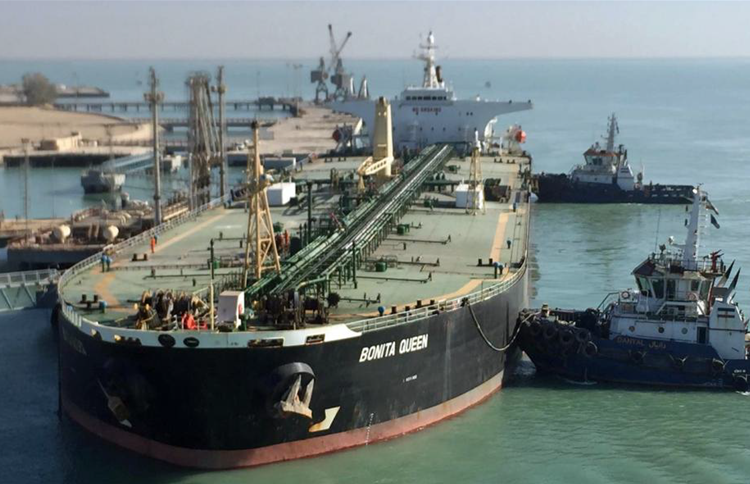
Iraq Informed the U.S. About Iranian Tankers Using Fake Iraqi DocumentsThe remarks by Iran’s Deputy Oil Minister come amid past reports indicating that Iranian oil has been exported using falsified Iraqi documents. For example, Reuters reported in 2019 that the Grace-1 oil tanker had transported Iranian oil using documents indicating it had been loaded in Basra, Iraq. On December 3, this news agency also reported that a complex fuel oil smuggling network operating in Iraq, benefiting the Iranian regime and its proxy groups, has generated between one to three billion dollars annually since the beginning of Prime Minister Mohammed Shia’ Al-Sudani’s tenure in 2022. On March 19 of last year, the Iraqi Navy announced the seizure of an Iranian vessel in the Persian Gulf on fuel smuggling charges, stating that the Iranian captain, eight Indian crew members, and two Iraqi crew members had been arrested. On February 4, former U.S. President Donald Trump signed an executive order to reinstate the “maximum pressure” policy against the Iranian regime, aiming to bring Iran’s oil exports down to zero in order to pressure Tehran into halting its nuclear program. The U.S. government has also placed Iran’s Oil Minister under its sanctions list. Fatemeh Mohajerani, the spokesperson for the government of Masoud Pezeshkian, responded on March 17 to Washington’s decision to sanction Iran’s Oil Minister, stating that it is impossible to reduce Iran’s oil exports to zero. The Iranian regime’s Foreign Ministry also described the U.S. efforts to bring Iran’s oil exports to zero as “contrary to international law.” Although sanctions on Iran-linked oil tankers began in October 2024, their intensity and precision have increased in recent months.